
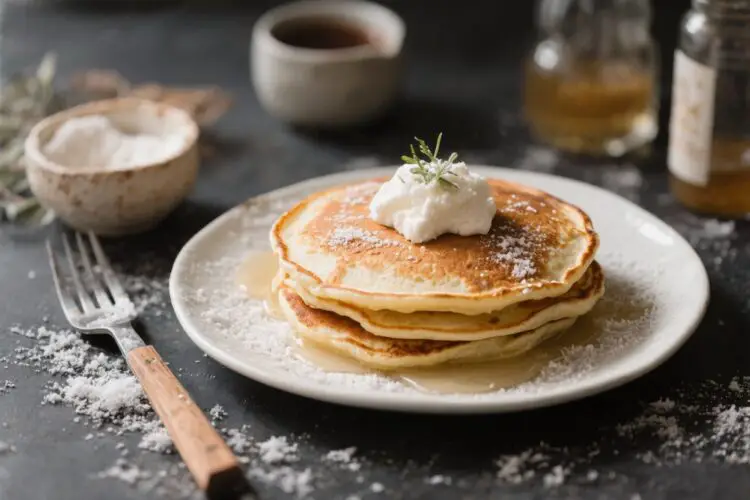
Sourdough discard pancakes are the kind of cozy breakfast that makes a chilly morning feel special. They’re soft, fluffy, and lightly tangy from the starter—perfect with a pat of butter and warm maple syrup. If you keep a sourdough starter, this is the easiest way to put your discard to good use.
No fuss, no complicated steps—just a quick batter and a sizzling skillet. Make a stack for the weekend or a weekday treat; they reheat beautifully, too.
What Makes This Special
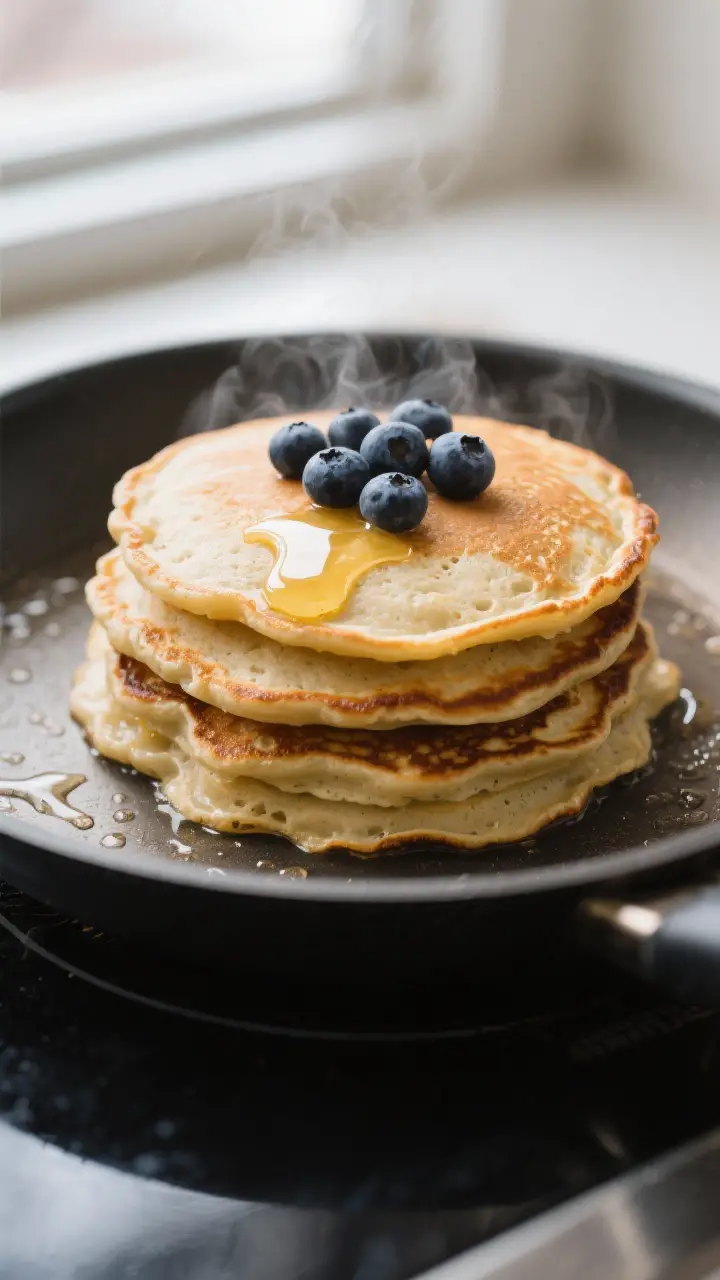
- Fluffy with a hint of tang: The sourdough discard adds a gentle acidity that makes the pancakes tender and flavorful without being sour.
- Low waste, high reward: Use up your starter discard instead of tossing it—great for regular bakers.
- Quick to make: No overnight rest required. The batter comes together in minutes.
- Perfect winter comfort: Warm, golden edges and steamy centers make these pancakes ideal for cold mornings.
- Flexible ingredients: Dairy-free and whole-grain options work well, and you can scale the recipe easily.
What You’ll Need
- 1 cup (240 g) sourdough discard (unfed, 100% hydration works best)
- 1 cup (120 g) all-purpose flour (or half all-purpose, half whole wheat)
- 2 tablespoons granulated sugar (or maple sugar/brown sugar)
- 2 teaspoons baking powder
- 1/2 teaspoon baking soda
- 1/2 teaspoon fine salt
- 1 large egg
- 3/4 to 1 cup (180–240 ml) milk (dairy or unsweetened non-dairy)
- 2 tablespoons melted butter (or neutral oil), plus more for the pan
- 1 teaspoon vanilla extract (optional, but nice)
- Optional add-ins: 1/2 cup blueberries, chocolate chips, or chopped nuts; 1 teaspoon cinnamon
Instructions
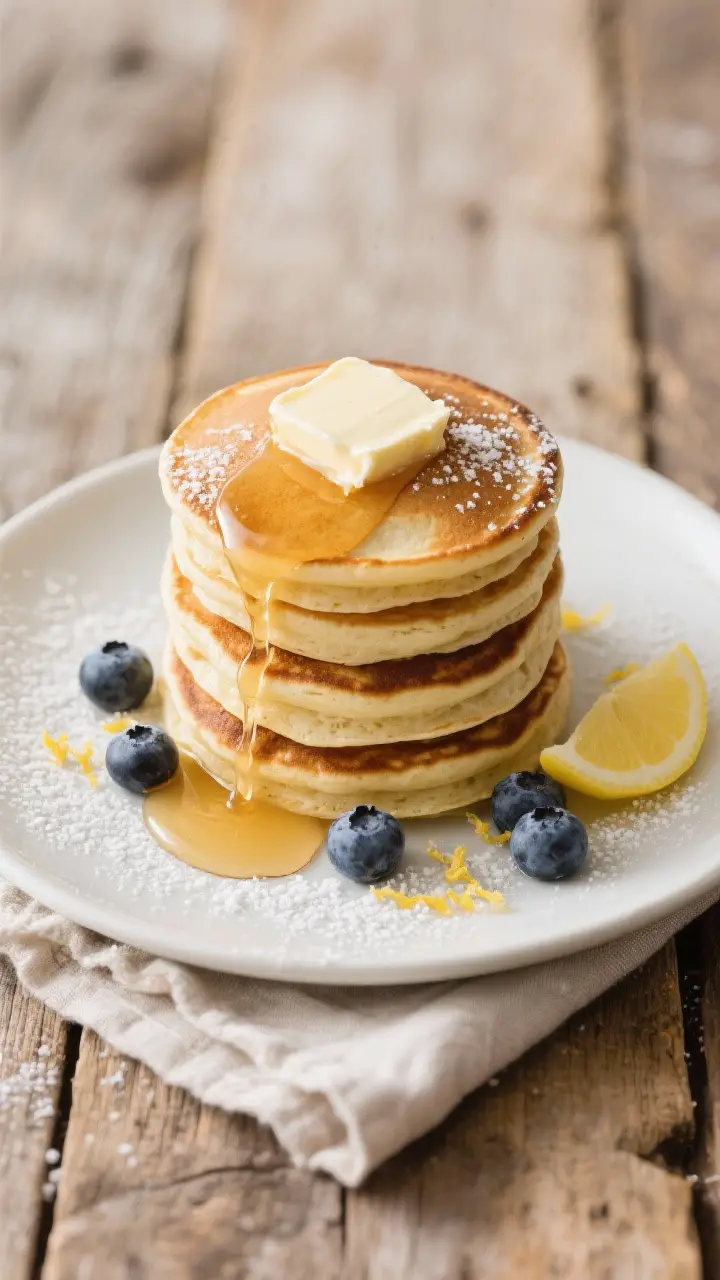
- Preheat your pan: Set a nonstick skillet or griddle over medium heat.
Lightly grease with butter or oil. You want it hot enough that a drop of water sizzles, but not so hot that the pancakes scorch.
- Mix dry ingredients: In a medium bowl, whisk the flour, sugar, baking powder, baking soda, and salt until evenly combined.
- Whisk wet ingredients: In a separate bowl, whisk the sourdough discard, egg, 3/4 cup milk, melted butter, and vanilla until smooth.
- Combine gently: Pour the wet mixture into the dry. Stir with a spatula until just combined.
If the batter seems too thick, add more milk a tablespoon at a time. Some small lumps are fine.
- Rest briefly: Let the batter sit for 3–5 minutes. This gives the baking powder and soda time to activate and the flour time to hydrate for fluffier pancakes.
- Cook the pancakes: Scoop 1/4 cup batter onto the hot pan for each pancake.
If using add-ins, scatter them over each pancake immediately. Cook until bubbles form on top and the edges look set, about 2–3 minutes.
- Flip and finish: Turn the pancakes and cook another 1–2 minutes, until golden and cooked through. Adjust heat as needed to prevent over-browning.
- Serve warm: Stack with butter, maple syrup, and any toppings you like—berries, yogurt, or a dusting of powdered sugar.
Storage Instructions
- Fridge: Cool completely, then store in an airtight container for up to 3 days.
Reheat in a toaster, toaster oven, or skillet.
- Freezer: Freeze in a single layer, then transfer to a freezer bag with parchment between pancakes. Keeps for up to 2 months.
- Reheating: Toast from frozen or warm in a 300°F (150°C) oven for 8–10 minutes. Avoid microwaving too long; it can make them rubbery.
- Make-ahead batter: Mix the dry ingredients and store in a jar.
Whisk wet ingredients just before cooking for a faster breakfast.
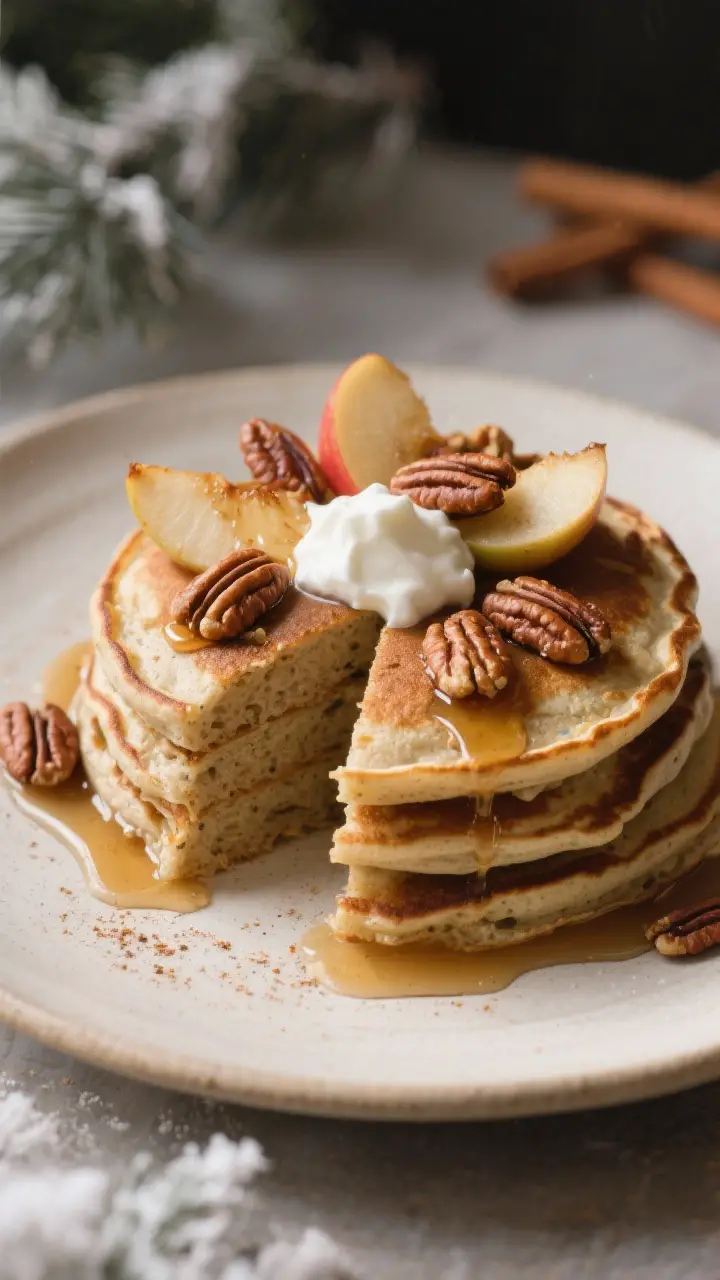
Benefits of This Recipe
- Reduces waste: Sourdough bakers often discard starter—this puts it to delicious use.
- Better texture: The acidity from discard reacts with baking soda for extra lift and tenderness.
- Balanced flavor: Slightly tangy pancakes pair beautifully with sweet toppings.
- Customizable: Works with alternative flours, dairy-free milk, and your favorite mix-ins.
- Quick comfort: Minimal prep, big payoff—ideal for winter mornings when you want something warming without a lot of work.
What Not to Do
- Don’t overmix: Overworking the batter toughens the gluten and leads to dense pancakes.
- Don’t skip the rest: Even a short 3–5 minute rest helps the batter puff and cook evenly.
- Don’t cook on high heat: Too hot and the outside burns before the center cooks. Medium heat is your friend.
- Don’t use overly sour or very old discard: Extremely acidic or neglected discard can make pancakes bitter. If it smells off, don’t use it.
- Don’t add wet mix-ins too early: Stir heavy add-ins lightly into each pancake on the griddle to avoid streaky batter and sinking chunks.
Recipe Variations
- Brown Butter Maple: Swap melted butter for brown butter and add 1 tablespoon maple syrup to the batter.
- Whole-Grain Winter: Use 1/2 cup whole wheat flour and add 1 teaspoon cinnamon and a pinch of nutmeg.
Serve with spiced apples.
- Blueberry Lemon: Add lemon zest to the batter and scatter blueberries onto each pancake while cooking.
- Chocolate Chip: Fold in mini chocolate chips and finish with a sprinkle of flaky salt.
- Dairy-Free: Use oat or almond milk and oil instead of butter. The texture stays light and tender.
- Protein Boost: Replace 2 tablespoons of flour with whey protein or collagen. Add extra milk if needed to keep the batter pourable.
FAQ
Can I use active, fed starter instead of discard?
Yes.
Fed starter will work and may add a bit more lift. The flavor will be slightly less tangy, and you may need a splash more milk if your starter is thicker.
My discard is very sour—will that ruin the pancakes?
Extremely sour or neglected discard can add bitterness. If it smells sharp but clean, it’s fine.
To balance acidity, add 1–2 teaspoons of sugar or a splash more milk and avoid overusing baking soda.
Do I need both baking powder and baking soda?
Using both helps with lift and browning. The baking soda neutralizes some acidity from the discard, while baking powder gives reliable rise. Skipping one can change the texture.
Can I make the batter ahead of time?
It’s best cooked fresh.
If you must, mix everything except the baking powder and soda. Stir those in right before cooking so the leavening stays active.
How do I keep pancakes warm for a crowd?
Place cooked pancakes on a wire rack over a sheet pan in a 200°F (95°C) oven. The rack prevents sogginess while you finish the batch.
Why are my pancakes gummy inside?
Your heat was likely too high or the batter was too thick.
Lower the heat slightly and thin the batter with a tablespoon or two of milk. Make sure pancakes are about 1/4 inch thick for even cooking.
Can I make them gluten-free?
Yes. Use a 1:1 gluten-free baking flour blend and ensure your starter discard is from a gluten-free starter.
You may need a touch more milk to reach the right consistency.
What toppings go best in winter?
Warm maple syrup, cinnamon butter, sautéed apples or pears, toasted pecans, or a dollop of Greek yogurt with honey all complement the gentle tang beautifully.
Wrapping Up
Sourdough discard pancakes bring together comfort, thrift, and great flavor in one easy recipe. They’re tender, golden, and quietly tangy—the kind of breakfast that makes a cold morning feel inviting. Keep the batter simple, cook low and steady, and enjoy with your favorite winter toppings.
If you have a jar of discard in the fridge, this is the best way to turn it into a warm, fluffy stack.
Printable Recipe Card
Want just the essential recipe details without scrolling through the article? Get our printable recipe card with just the ingredients and instructions.