
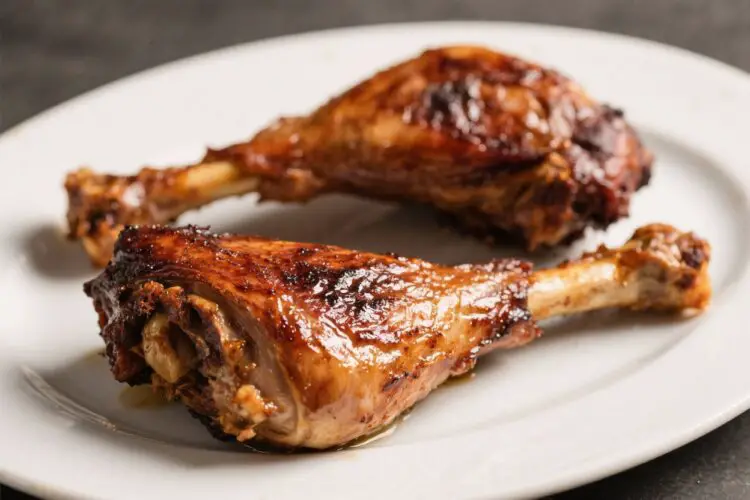
Smoked turkey legs have a way of turning any meal into an event. They’re meaty, deeply seasoned, and packed with smoky goodness that feels both rustic and celebratory. Whether you’re feeding a crowd or planning a cozy weekend dinner, this is the kind of food that makes people linger at the table.
You don’t need a festival or a fair to enjoy them—just a little time, some basic gear, and a good rub. The payoff is tender, juicy meat that pulls clean off the bone.
What Makes This Special
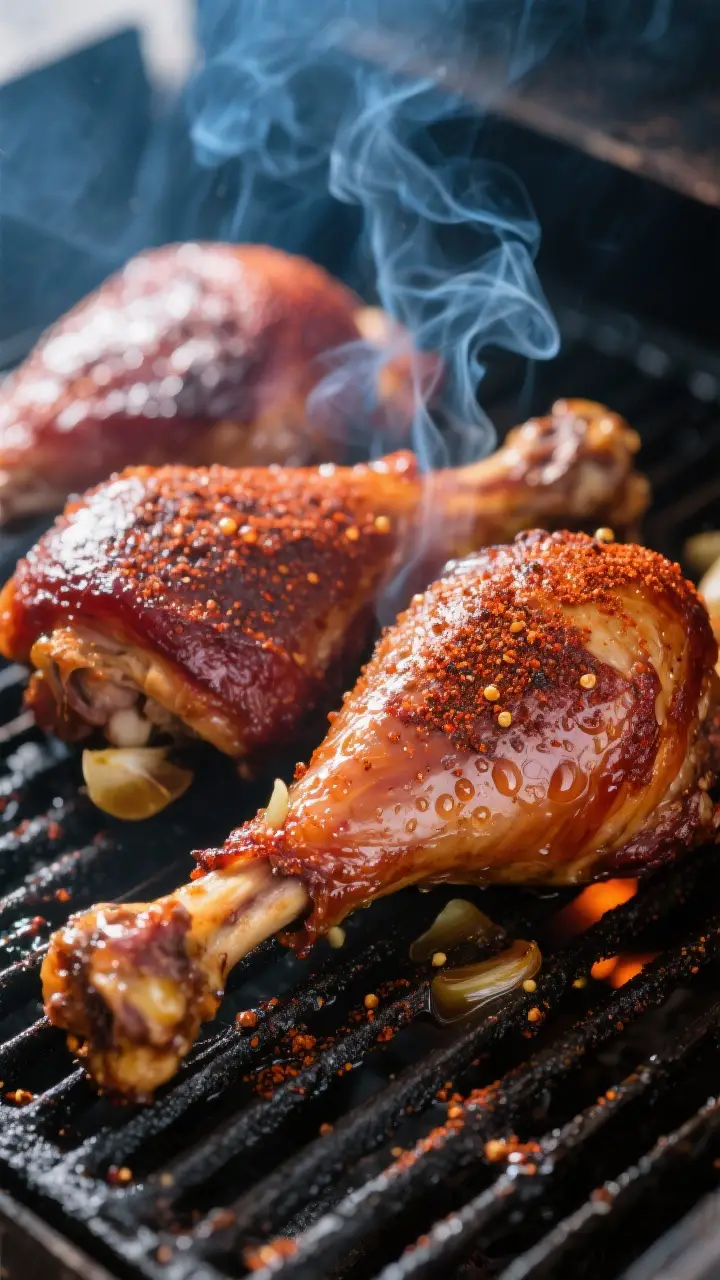
These smoked turkey legs balance bold flavors with straightforward technique. A quick brine keeps the meat juicy, while a savory rub builds a crust that smokes beautifully.
You get that classic fairground vibe without the heavy price tag or long lines. Best of all, the leftovers are incredibly versatile—think soups, sandwiches, or quick weeknight tacos.
Shopping List
- 4 large turkey legs (drumsticks)
- Water (for brining)
- Kosher salt
- Brown sugar
- Garlic powder
- Onion powder
- Paprika (smoked paprika preferred)
- Black pepper
- Cayenne pepper (optional, for heat)
- Dried thyme or oregano
- Olive oil or neutral oil
- Apple cider vinegar (for spritzing)
- Apple juice or water (for spritzing)
- Wood chunks or chips: hickory, apple, or cherry
How to Make It
- Prep a simple brine. In a large bowl, dissolve 1/2 cup kosher salt and 1/4 cup brown sugar in 2 quarts of cold water. Add a pinch of garlic powder and black pepper if you like.
Submerge the turkey legs, cover, and refrigerate for 4–8 hours.
- Mix the rub. Stir together 2 tablespoons smoked paprika, 1 tablespoon garlic powder, 1 tablespoon onion powder, 2 teaspoons black pepper, 1 teaspoon dried thyme, and 1/2–1 teaspoon cayenne (optional). Adjust salt only if you did not brine; otherwise, keep the rub salt-free or very light.
- Rinse and dry. Remove turkey legs from the brine. Rinse briefly under cold water and pat completely dry with paper towels.
Dry skin helps you get that nice bite-through texture.
- Oil and season. Rub each leg with a thin coat of oil. Apply the spice rub generously on all sides, pressing it in so it sticks.
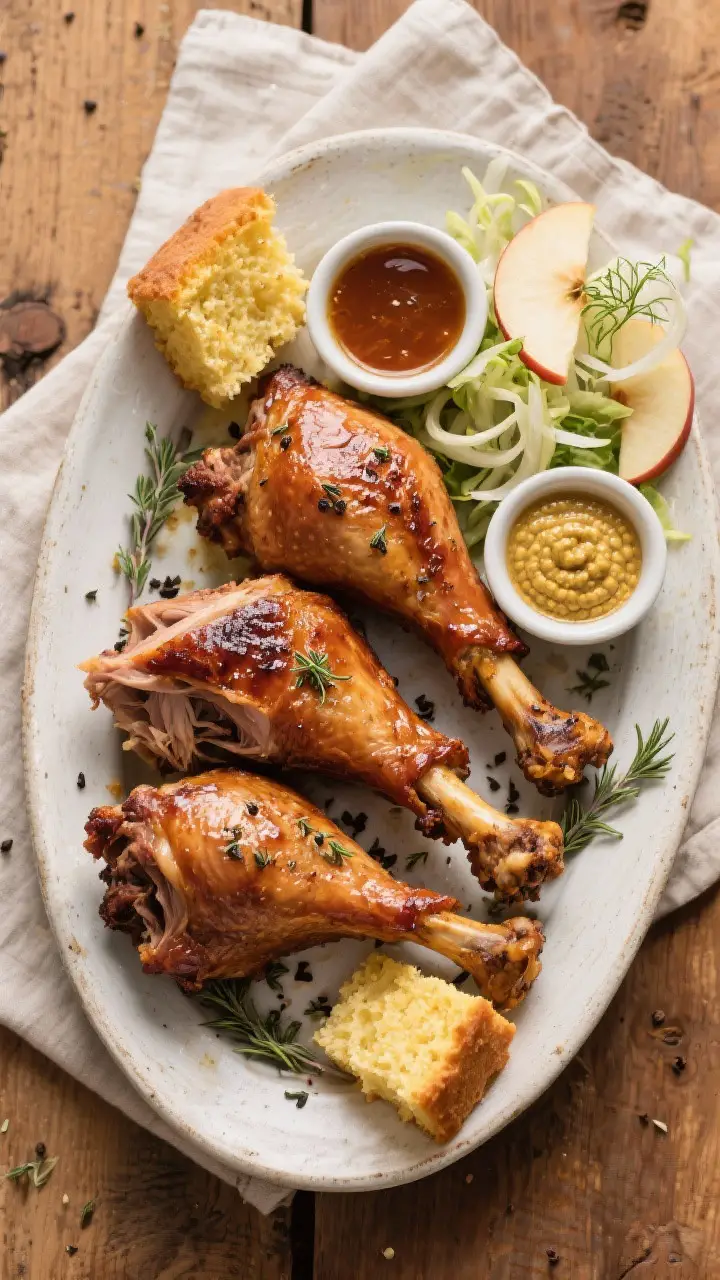
- Heat the smoker. Preheat to 250–275°F. Aim for steady heat and clean, thin blue smoke.
Use hickory for a bold flavor, or apple/cherry for a sweeter, gentler smoke.
- Set up a spritz. Mix equal parts apple cider vinegar and apple juice (or water) in a spray bottle. This keeps the surface moist and adds a little tang.
- Smoke low and steady. Place turkey legs in the smoker, leaving space around each one. Smoke for 2.5–4 hours, depending on size and temperature.
Spritz every 45 minutes once the rub has set and looks slightly dry.
- Check doneness accurately. Use an instant-read thermometer in the thickest part, avoiding the bone. You want at least 170–175°F for tender, pull-away meat. Dark meat benefits from going a bit higher than 165°F.
- Optional finish for skin. If the skin needs tightening, raise heat to 300–325°F or move the legs to a hot grill for 3–5 minutes per side.
Watch closely to avoid burning.
- Rest and serve. Let the legs rest 10–15 minutes. This keeps the juices in. Serve as-is, or brush with a light glaze of warmed apple juice and a touch of brown sugar.
Keeping It Fresh
Refrigerate leftovers in an airtight container for up to 4 days.
For the best texture, reheat low and slow—covered—in a 300°F oven with a splash of broth or water. You can also vacuum-seal and freeze for up to 3 months. To revive smoky brightness, finish reheated legs with a quick spritz of apple cider vinegar before serving.
Health Benefits
- Lean protein: Turkey legs deliver high-quality protein to support muscles and satiety.
- Rich in minerals: Dark meat provides iron and zinc, which are key for energy and immune function.
- Lower sugar: This recipe relies on spices and smoke, not heavy sauces, to build flavor.
- Customizable sodium: Brining boosts juiciness, but you control how salty the final dish is.
What Not to Do
- Don’t skip drying the skin. Wet skin fights crisping and won’t take smoke as well.
- Don’t rely on time alone. Use a thermometer; turkey legs vary in size and density.
- Don’t oversalt after brining. If you brine, keep the rub low-salt or salt-free.
- Don’t smoke with dirty or thick white smoke. That leads to bitter flavors.
Aim for clean, thin blue smoke.
- Don’t cram the smoker. Crowding restricts airflow and yields rubbery skin.
Variations You Can Try
- BBQ glaze: Brush legs with your favorite barbecue sauce during the last 15 minutes. Let it tack up without burning.
- Herb-forward: Add dried rosemary, sage, and lemon zest to the rub for a brighter profile.
- Sweet heat: Mix in chipotle powder and a touch of honey. Balance with a splash of lime before serving.
- Jerk-inspired: Use allspice, cinnamon, nutmeg, cayenne, thyme, and scallions.
Finish with a squeeze of orange.
- Maple-mustard finish: Whisk equal parts maple syrup and Dijon. Brush lightly in the final 10 minutes.
FAQ
Do I have to brine the turkey legs?
No, but brining helps keep them juicy and forgiving. If you skip the brine, add 1–2 teaspoons of kosher salt to your rub and watch your cook temp closely to avoid drying out.
What wood works best?
Hickory gives a classic, robust smoke.
Apple and cherry are milder and slightly sweet. You can also blend woods—try a 50/50 hickory and apple mix for balance.
Can I make these in the oven?
You won’t get the same smoke ring, but yes. Roast at 300°F with a light brush of oil and the rub, and add a small pan of water to the oven for moisture.
Finish under the broiler to crisp the skin, and use a touch of smoked paprika or liquid smoke for flavor.
How do I keep the skin from getting rubbery?
Start with dry skin, maintain good airflow, and don’t smoke too low for too long. A brief high-heat finish tightens the skin without drying the meat.
What internal temperature should I aim for?
Go for 170–175°F in the thickest part. Dark meat breaks down better above 165°F, which gives you a tender, pull-apart texture.
Can I use frozen turkey legs?
Yes, but thaw them fully in the fridge for 24–36 hours before brining.
Partially frozen meat won’t absorb brine evenly and can cook unevenly.
Any tips for meal prep?
Smoke a big batch, cool quickly, then pull the meat off the bone. Portion into containers for tacos, pasta, soups, or grain bowls. It reheats well and brings instant smoky depth to simple meals.
What sides pair well?
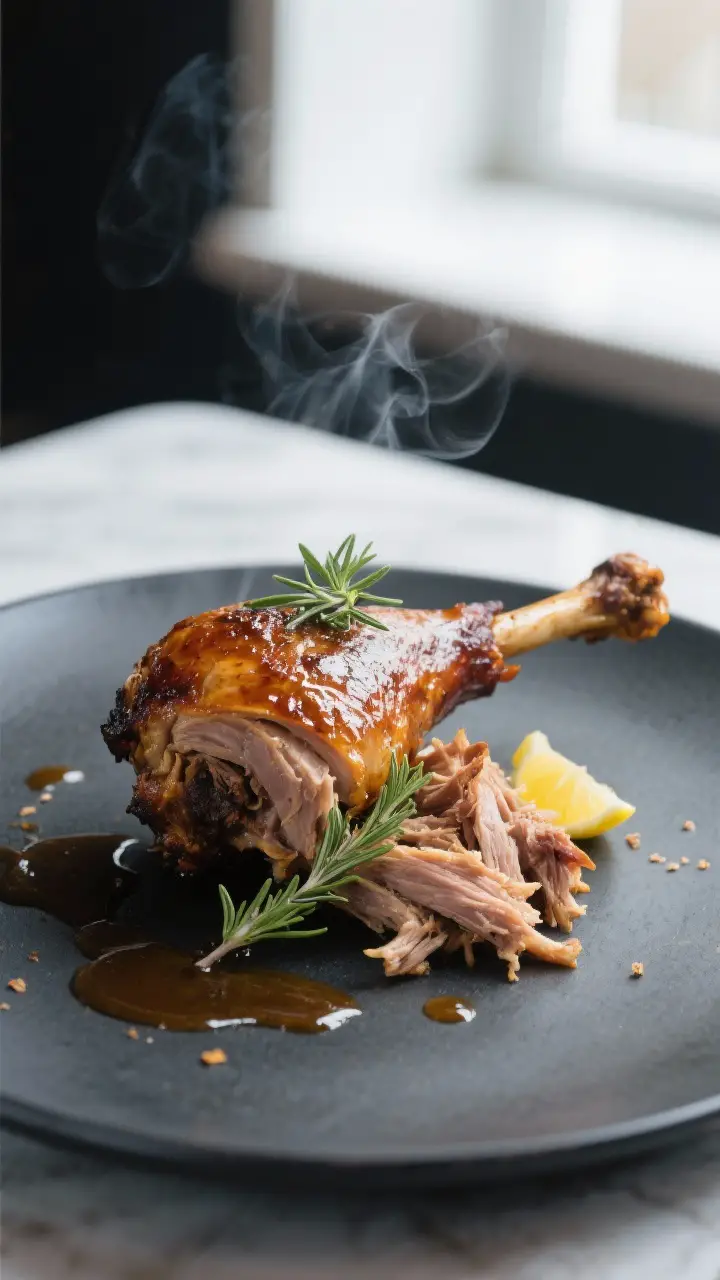
Creamy coleslaw, cornbread, roasted sweet potatoes, or a crisp apple fennel salad are great choices.
A tangy mustard or vinegar-based sauce cuts through the richness nicely.
In Conclusion
Smoked turkey legs deliver big flavor with a few simple steps: a quick brine, a bold rub, steady smoke, and a patient rest. They’re satisfying, versatile, and perfect for gatherings or easy leftovers. Once you make them at home, you’ll wonder why you ever waited for the fair.
Fire up the smoker, and let the aroma do the rest.