
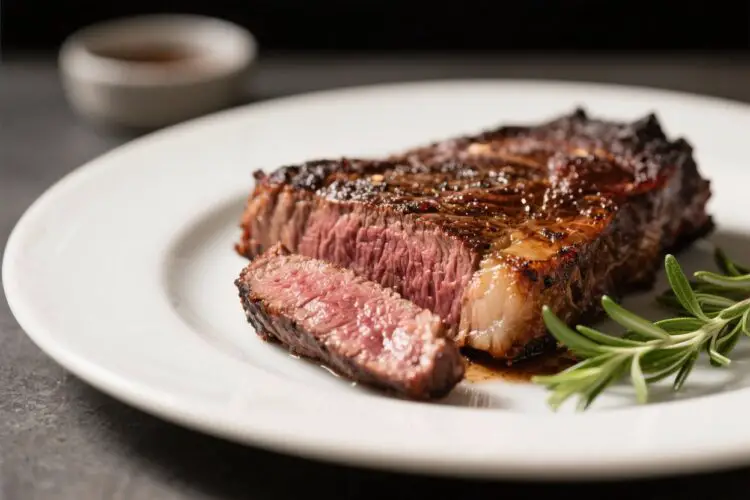
Smoked tri tip is one of those recipes that’s simple to pull off yet feels like a backyard showstopper. You get a beautiful crust on the outside, rosy medium-rare slices inside, and a deep, smoky flavor that turns a modest cut into something memorable. It cooks faster than brisket, feeds a crowd, and doesn’t require fancy technique.
If you’ve got a smoker or a grill that can run low and slow, you’re most of the way there. Grab a good rub, give it time, and you’ll end up with a steak-like roast that’s perfect for slicing and sharing.
Why This Recipe Works
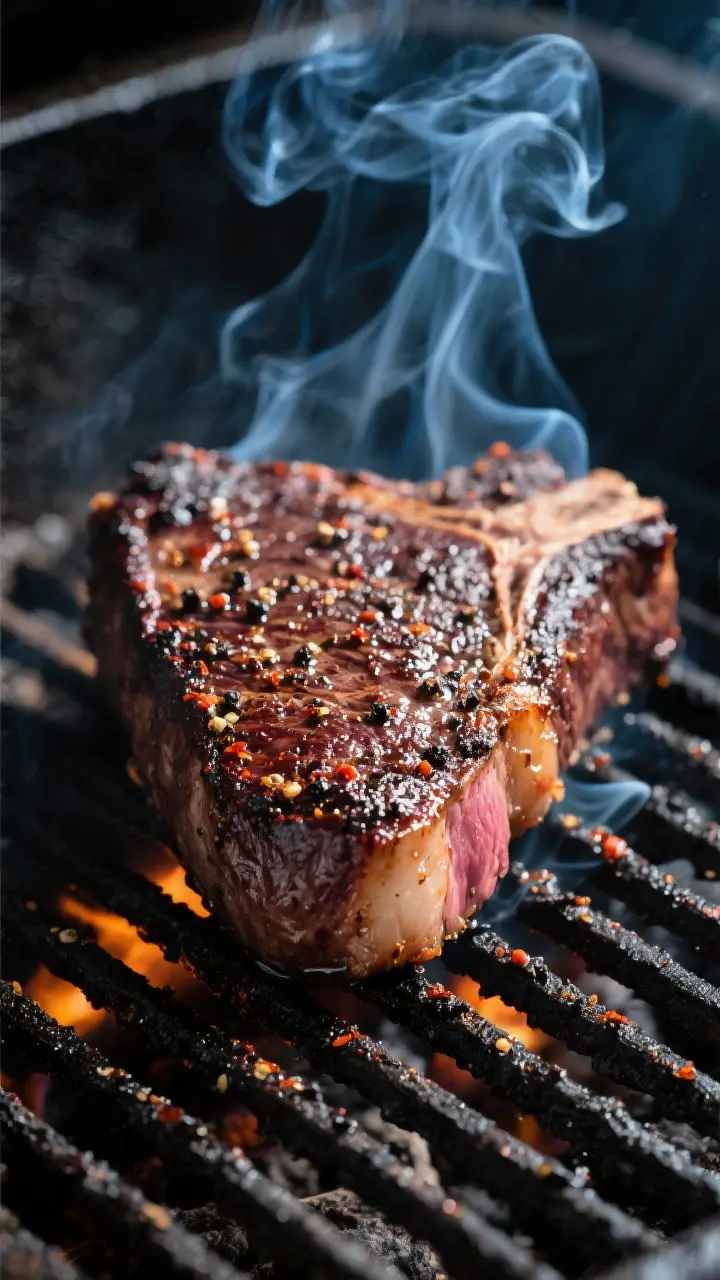
- Tri tip loves smoke and a hot finish: This triangular roast takes on smoke quickly, then benefits from a short, hotter sear to build a crust.
- Two-zone cooking keeps it juicy: Low-and-slow smoking lets the interior gently rise to temp without drying out, while a quick sear locks in flavor.
- Simple seasoning, big payoff: Salt-forward rubs enhance the beefy flavor and help create a savory bark.
- Short cook time: Compared to larger roasts, tri tip usually finishes in 60–90 minutes before the sear, making it weeknight-friendly for experienced grillers.
What You’ll Need
- 1 whole tri tip roast (2 to 3 pounds), trimmed
- Kosher salt (about 1.5 teaspoons per pound)
- Freshly ground black pepper (1 teaspoon per pound)
- Garlic powder (1 teaspoon)
- Onion powder (1 teaspoon)
- Smoked paprika or paprika (1 teaspoon)
- Optional: 1 teaspoon brown sugar for a touch of caramelization
- Neutral oil (1 tablespoon) for searing
- Wood for smoke: Oak, hickory, or fruitwood like cherry
- Equipment: Smoker or grill with a two-zone setup, instant-read thermometer, tongs, foil, cutting board, sharp carving knife
Step-by-Step Instructions
- Trim the tri tip: Remove thick exterior fat and any silver skin. Leave a thin layer of fat if you like, but aim for a smooth surface so seasoning sticks.
- Season generously: Pat the roast dry.
Combine salt, pepper, garlic powder, onion powder, and paprika. Coat all sides evenly. For deeper flavor, season at least 1 hour ahead, or refrigerate uncovered for up to 24 hours.
- Prepare the smoker: Preheat to 225–250°F.
Add your wood choice—oak is classic for a balanced smoke, cherry gives a mild sweetness, hickory is bolder.
- Find the grain: Note the direction the muscle fibers run before cooking; the grain changes direction on a tri tip. This will guide how you slice later.
- Smoke low and slow: Place the tri tip on the cooler side of the grill or in the smoker. Insert a probe if you have one.
Smoke until internal temperature reaches 120–125°F for rare or 125–130°F for medium-rare. This usually takes 45–90 minutes, depending on size and smoker temp.
- Rest briefly before searing: Pull the roast and tent loosely with foil for 10 minutes while you raise the grill to high heat (or preheat a cast-iron skillet).
- Sear for crust: Brush the tri tip lightly with oil. Sear 1–2 minutes per side over high heat, flipping as needed, until a dark crust forms and the internal temp reaches 130–135°F for medium-rare or 135–140°F for medium.
- Final rest: Move to a board and rest 10–15 minutes.
This helps juices redistribute and keeps slices moist.
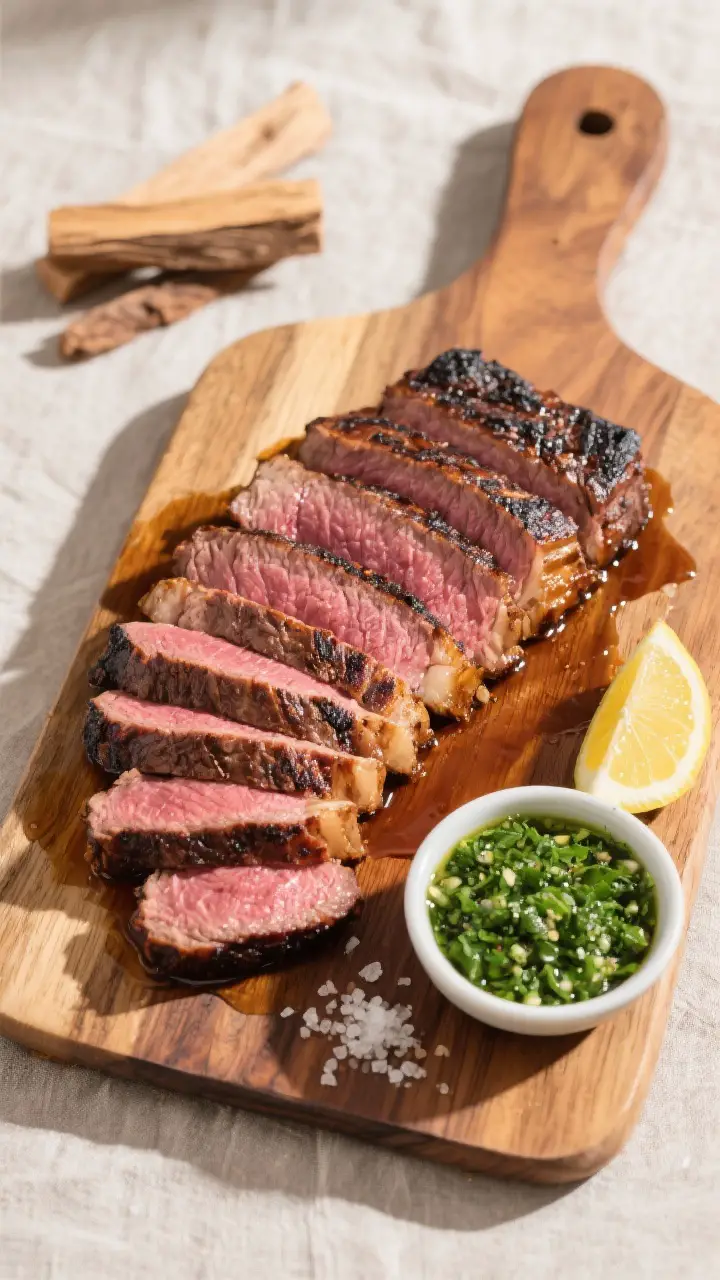
- Slice against the grain: Tri tip has two grain directions. Start at the narrower tip, slice across the grain into 1/4-inch slices. When the grain changes about halfway through, rotate the roast and continue slicing against the new grain.
This is the key to tenderness.
- Serve: Plate with any drippings. Great with chimichurri, horseradish cream, or a simple squeeze of lemon.
Storage Instructions
- Refrigerate: Cool slices, then store in an airtight container for up to 4 days.
- Freeze: Wrap portions tightly in plastic and place in a freezer bag. Freeze up to 2 months for best quality.
- Reheat gently: Warm slices in a covered skillet with a splash of beef broth over low heat, or sealed in a bag in a 140–150°F water bath.
Avoid microwaving on high—it can overcook and toughen the meat.
- Use leftovers: Sandwiches, tacos, salads, grain bowls, or eggs-and-steak breakfast.
Benefits of This Recipe
- Big flavor, simple method: You don’t need a long brine or complex marinade. The smoker and a solid rub do the heavy lifting.
- Efficient cook time: Faster than brisket or pork shoulder but still delivers that slow-smoked character.
- Lean but tender: Tri tip is relatively lean, yet stays juicy when cooked and sliced properly.
- Versatile: Works as the main event or as a base for tacos, nachos, or steak salads.
Pitfalls to Watch Out For
- Overcooking: Tri tip dries out above medium. Use a thermometer and pull early if your sear is aggressive.
- Skipping the rest: Cutting too soon releases juices.
Resting makes a big difference in tenderness and moisture.
- Wrong slicing angle: If you slice with the grain, you’ll get chewy meat. Identify the grain shift and adjust your knife angle halfway through.
- Too much smoke: Heavy smoke or resinous woods can make it acrid. Aim for thin, blue smoke, not billowing white clouds.
- Uneven thickness: The tip cooks faster than the thick end.
Rotate or position the thinner end away from the hottest spot.
Variations You Can Try
- Santa Maria Style: Season with salt, black pepper, garlic, and a touch of dried rosemary and cayenne. Serve with pinquito beans and salsa.
- Coffee-Chile Rub: Mix finely ground coffee, ancho chile powder, brown sugar, salt, and pepper for a deeper, slightly bittersweet bark.
- Herb-Garlic Crust: Add minced fresh rosemary and thyme to your rub. Finish with a squeeze of lemon and a drizzle of olive oil.
- Reverse-Sear on a Skillet: Smoke to 120–125°F, then sear in a ripping hot cast-iron pan with butter, smashed garlic, and thyme for an aromatic finish.
- Spicy-Sweet Glaze: Brush with a thin layer of honey and hot sauce during the final minutes of searing for a glossy, sticky crust.
FAQ
What internal temperature should I aim for?
For classic medium-rare, target 130–135°F after the sear.
Pull from the smoker around 125–130°F, then finish with a quick sear to hit your final temp.
How long does it take to smoke a tri tip?
Typically 45–90 minutes at 225–250°F, depending on the roast’s size and your smoker’s stability. Always cook to temperature, not time.
Do I need to marinate tri tip?
No. A well-salted dry rub is enough.
If you enjoy marinades, keep them simple and avoid high sugar content during the smoke to prevent burning.
Which wood is best?
Oak is a great all-around choice. Cherry adds mild sweetness and color, while hickory is stronger and best used sparingly to avoid bitterness.
Can I cook it to medium or well-done?
You can, but tri tip shines at medium-rare. If you prefer more doneness, slice thinner and serve with a sauce to maintain tenderness.
How do I handle the grain change when slicing?
Start at the narrow tip, slice across the grain.
When you reach the thicker half, you’ll notice the fibers angle differently—rotate the roast about 30–90 degrees and continue slicing against that new direction.
Is searing necessary?
It’s not mandatory, but searing adds a flavorful crust and better texture. A quick, hot sear makes the final bites more satisfying.
Can I make this on a gas grill?
Yes. Set up for two zones, add a smoker box or foil packet with wood chips over the hot side, and maintain 225–250°F on the cool side.
Finish with a hot sear.
In Conclusion
Smoked tri tip delivers steakhouse flavor with backyard ease. With a straightforward rub, gentle smoke, and a quick sear, you get tender slices and a crave-worthy crust. Keep an eye on temperature, rest before slicing, and always cut against the grain.
Once you nail the method, this becomes a go-to for casual dinners and weekend cookouts alike.