
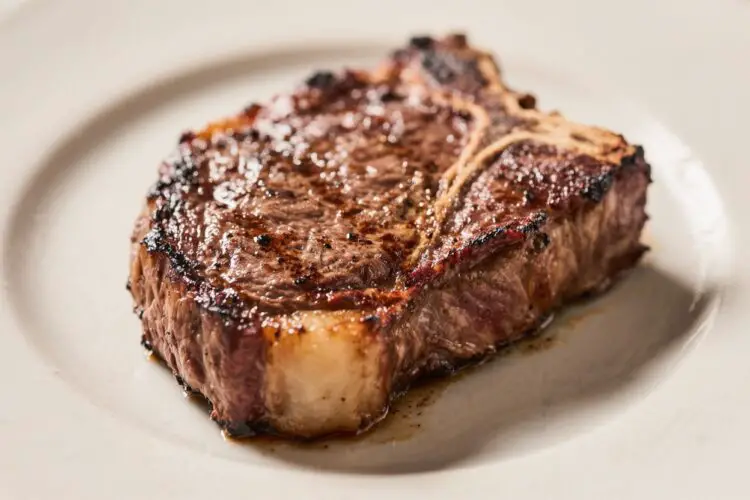
Smoked ribeye tastes like a backyard celebration: rich, juicy, and deeply savory. You get the buttery tenderness of ribeye plus the slow-smoked aroma you usually only find at a great steakhouse. It’s easier than it sounds, and you don’t need a fancy setup to pull it off.
Give it time, keep the heat steady, and let the smoke do the work. When it’s done right, it’s the kind of steak that stops conversation at the table.
What Makes This Special
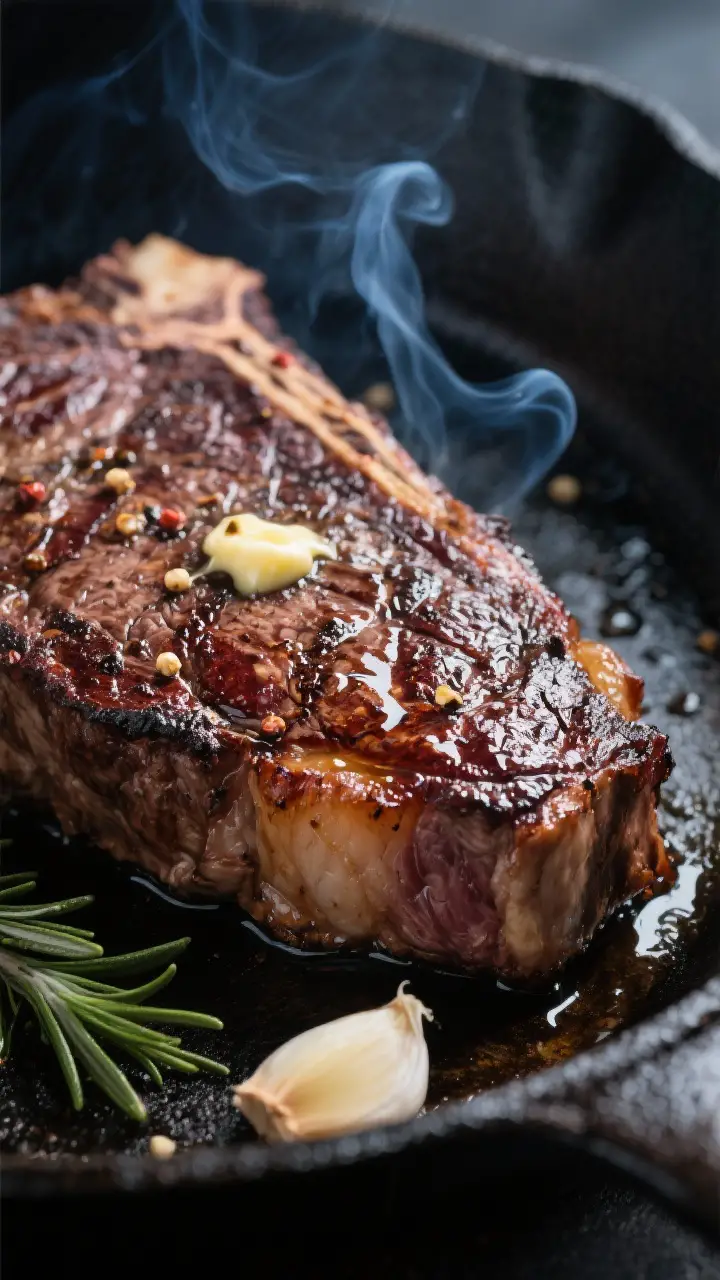
This method marries two great ideas: low-and-slow smoking for flavor and a quick, hot sear for crust. The smoke gently cooks the steak, keeping it tender and evenly rosy inside.
Then a fast sear locks in the juices and adds that crisp, caramelized edge. You can dial in your favorite wood, your ideal doneness, and your level of crust.
It’s also incredibly flexible. Use a pellet grill, a charcoal grill with wood chunks, or a kettle with a two-zone fire.
The flavor payoff is huge even with minimal seasoning—salt, pepper, and good meat do most of the heavy lifting.
What You’ll Need
- Ribeye steaks (1.25–1.5 inches thick, bone-in or boneless, 12–18 oz each)
- Kosher salt and freshly cracked black pepper
- Neutral high-heat oil (avocado, canola, or grapeseed) for searing
- Butter (optional, for finishing)
- Garlic and fresh herbs (optional: rosemary or thyme)
- Wood for smoke: oak, hickory, or cherry (use chunks, chips, or pellets depending on your grill)
- Instant-read thermometer (or probe thermometer)
- Grill or smoker capable of holding 225–250°F, plus a hot sear zone
- Tongs, sheet pan, and cooling rack (optional, for air circulation)
Instructions
- Choose well-marbled ribeyes. Look for visible white streaks of fat throughout the meat. Good marbling means a tender, juicy steak with big flavor after smoking.
- Dry-brine the steaks. Pat the steaks dry and season all sides generously with kosher salt. Set them uncovered in the fridge for at least 1 hour, or up to 24 hours.
This boosts flavor and helps the surface dry for better crust.
- Preheat your smoker to 225–250°F. Use clean-burning smoke. Oak or hickory gives a robust profile; cherry adds a slightly sweeter, reddish hue. Aim for thin, blue smoke rather than heavy white smoke.
- Add pepper before smoking. Right before the steaks go on, add a generous layer of cracked black pepper.
If you like, sprinkle a light touch of garlic powder. Avoid sugar—it can burn during the sear.
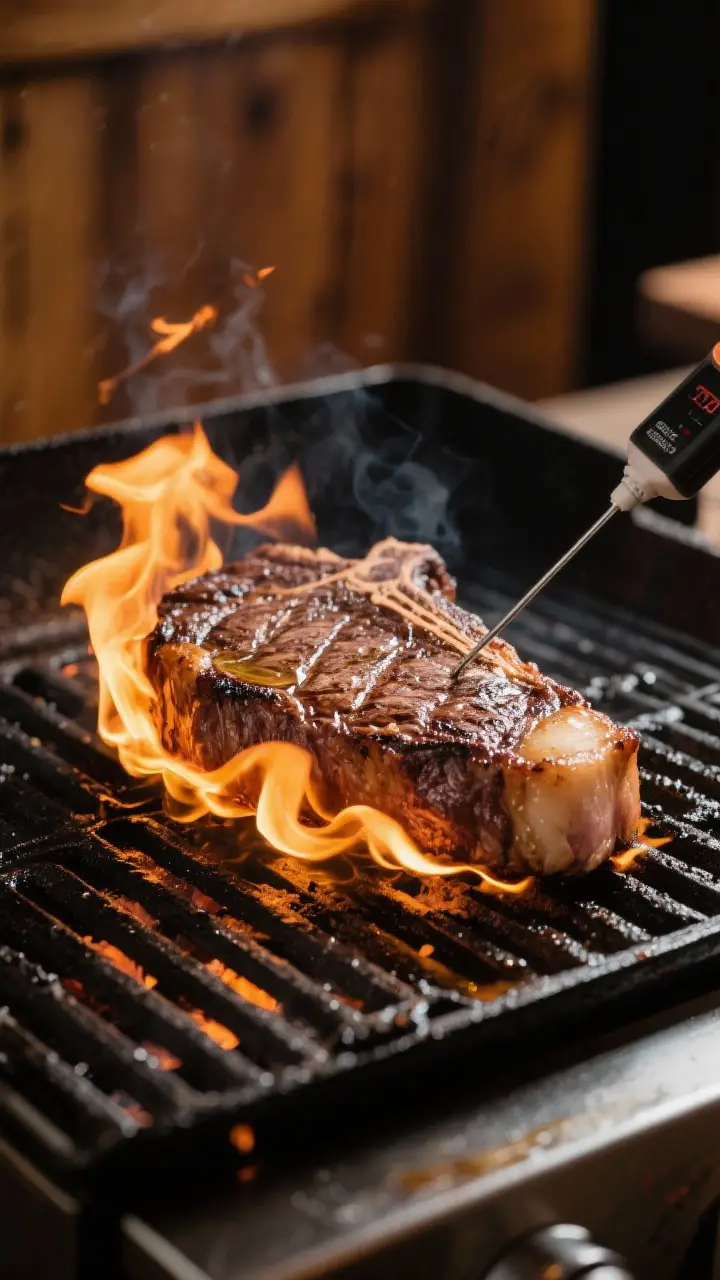
- Smoke low and slow. Place steaks on the cooler side of the grill or smoker. Insert a probe if you have one.
Smoke until the internal temperature hits about 95–100°F for rare, 105–110°F for medium-rare, or 115–120°F for medium. This usually takes 45–75 minutes depending on thickness and grill temperature.
- Rest and prepare the sear zone. Remove the steaks to a rack or plate and tent loosely with foil. Crank the heat for searing: a ripping hot cast-iron skillet, a flat top, or a direct high-heat zone on the grill.
You want 500–600°F if possible.
- Light oil and sear fast. Lightly oil the steaks or the cooking surface. Sear for 45–90 seconds per side, flipping once or twice, until you’ve built a deep brown crust. Add a small knob of butter, a crushed garlic clove, and a sprig of rosemary to baste during the last 30 seconds if you like.
- Check final temperature. Pull the steaks when they hit your target: 120–125°F for rare, 130–135°F for medium-rare, 140–145°F for medium.
Temperatures rise a few degrees as they rest.
- Rest, then slice. Let the steaks rest 5–8 minutes. This helps juices settle. Slice against the grain for the most tender bite, or serve whole with a pat of butter on top.
- Finish with flaky salt. A pinch of flaky sea salt at the end brightens the flavor without overpowering the smoke.
Keeping It Fresh
Leftovers keep well if you store them right.
Cool the steak to room temperature, then wrap tightly or place in an airtight container. Refrigerate for up to 3–4 days.
To reheat without drying, warm slices gently in a skillet over low heat with a splash of beef broth or butter. You can also reheat in a 250°F oven until just warmed through, then give the surface a quick kiss of heat in a hot pan for texture.
For longer storage, freeze in a sealed bag with as much air removed as possible.
Thaw overnight in the fridge before reheating.
Health Benefits
- High-quality protein: Ribeye provides complete protein to support muscle maintenance and recovery.
- Iron and B vitamins: Beef is a solid source of iron, vitamin B12, niacin, and zinc, which help with energy and immune function.
- Satiating fats: Ribeye’s marbling keeps you fuller longer, which can help with appetite control when eaten mindfully.
- Simple seasoning: With salt, pepper, and smoke doing the work, you avoid heavy sauces loaded with sugar or additives.
If you’re watching saturated fat, keep portions moderate and pair your steak with vegetables and fiber-rich sides like a crisp salad or roasted veggies.
What Not to Do
- Don’t oversmoke. Thick, billowing smoke can turn the steak bitter. Aim for light, clean smoke throughout.
- Don’t skip the rest. Cutting right away lets the juices run. Resting keeps the steak moist and flavorful.
- Don’t start with wet meat. Moisture blocks browning.
Dry the surface before seasoning and searing.
- Don’t overcook during the smoke stage. Remember you’ll sear after. Stop the smoke 15–20°F below your final target.
- Don’t overload with rubs. Sugar- or herb-heavy rubs can burn on the sear. Keep it simple or add delicate flavors after cooking.
Variations You Can Try
- Coffee-pepper crust: Mix coarse black pepper with finely ground coffee and a pinch of kosher salt.
Adds depth and a subtle bitterness that balances the fat.
- Herb butter finish: Mash soft butter with garlic, parsley, chives, and lemon zest. Melt a slice over the hot steak right before serving.
- Smoked and reverse-seared with ghee: Use ghee for the final sear. It tolerates high heat and adds a nutty aroma.
- Cherry-wood sweetness: Use cherry wood for a milder, slightly sweet smoke and a beautiful color.
- Cracked peppercorn trio: Combine black, pink, and green peppercorns for a layered spice profile.
- Balsamic glaze drizzle: Reduce balsamic vinegar until syrupy and drizzle sparingly over sliced steak for a tangy-sweet accent.
FAQ
Can I make this on a gas grill?
Yes.
Use a smoker tube or a foil packet filled with wood chips. Heat one side to low for 225–250°F and keep the other side off for a two-zone setup. Smoke on the cool side, then sear over high heat or in a hot skillet.
What’s the best wood for ribeye?
Oak is a great all-around choice.
Hickory brings stronger smoke and works well with rich cuts. Cherry is milder and slightly sweet. Avoid mesquite unless you like an assertive flavor—use it sparingly or mix with oak.
How do I hit perfect medium-rare?
Smoke until the steak reaches about 105–110°F internal, then sear hot and fast to 130–135°F.
Use an instant-read thermometer and pull it a few degrees early since it will carryover cook while resting.
Do I need to bring the steak to room temperature first?
It’s not necessary. The smoker’s gentle heat brings the center up gradually. Focus on dry-brining, patting dry, and monitoring temperature rather than waiting on room temp.
Can I skip the sear?
You can, but you’ll miss the crust and flavor that make this method shine.
If you don’t have a hot grill, use a preheated cast-iron skillet with a little oil or ghee on the stove.
Is bone-in better than boneless?
Both work well. Bone-in looks impressive and may help shield part of the meat from heat, but the difference is subtle. Choose based on preference and availability.
How thick should the steaks be?
About 1.25–1.5 inches is ideal.
Thicker steaks give you more control and a better contrast between the smoky interior and seared crust.
What should I serve with smoked ribeye?
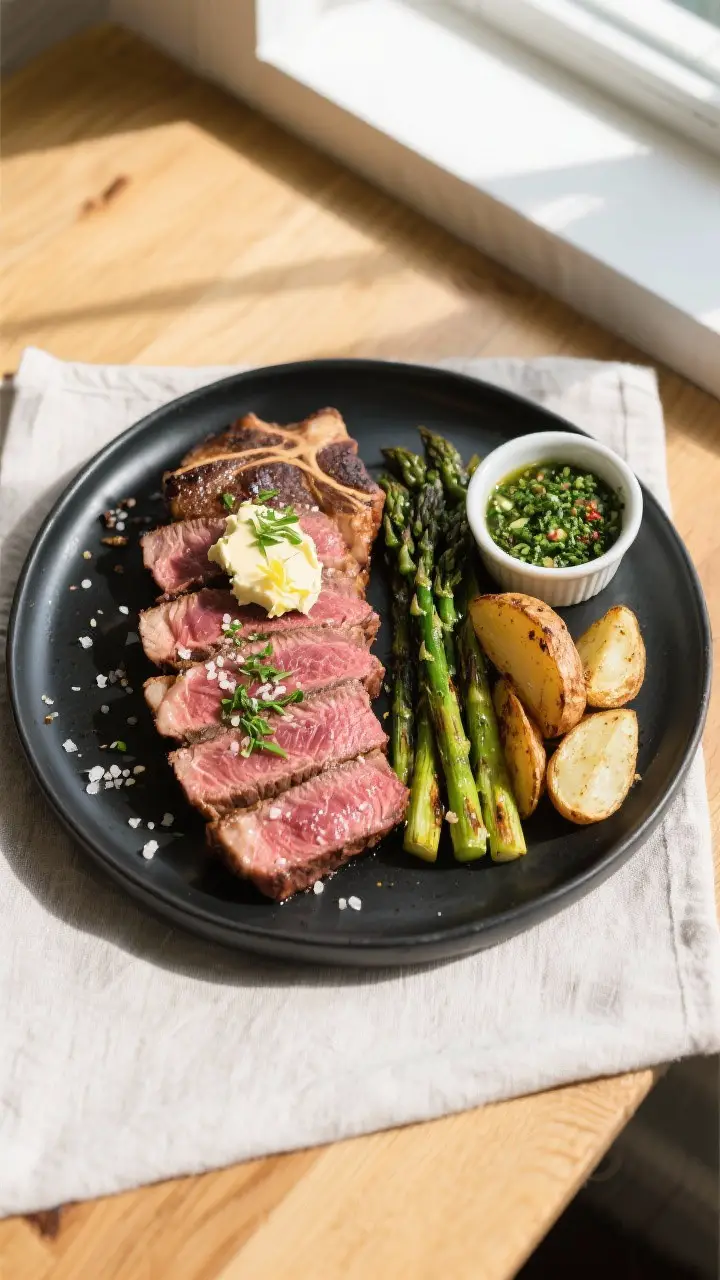
Classic options include roasted potatoes, grilled asparagus, charred corn, or a crisp salad. A simple chimichurri or herb butter also complements the smoke without overpowering it.
Final Thoughts
Smoked ribeye is all about patience, clean smoke, and a blazing hot finish. Keep the seasoning simple, watch your temperatures, and give the steak a short rest.
The result is a tender, smoky, beautifully crusted steak that tastes like a special occasion, even on a weeknight. Once you try it, you may never go back to the usual quick-grill method.