
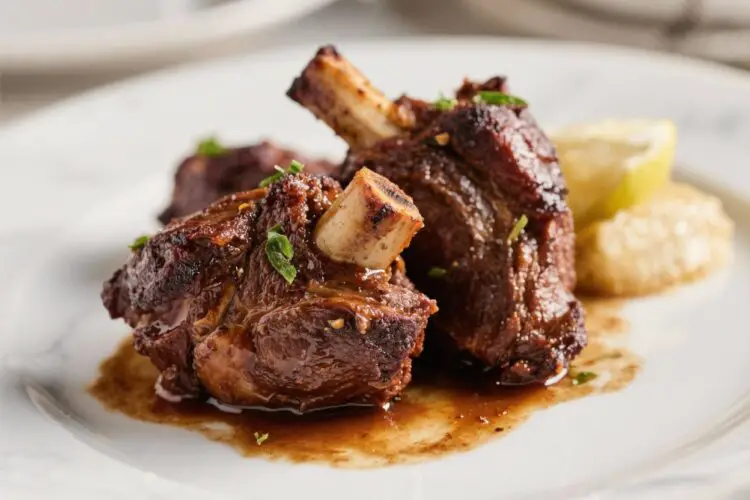
Beef cheeks don’t get nearly enough attention, and that’s a shame. They’re inexpensive, deeply beefy, and turn meltingly tender with a little patience. Smoked low and slow, they develop a beautiful bark outside and a silky, shreddable texture inside.
If you love brisket but want something quicker and more flavorful pound-for-pound, this is your cut. Fire up the smoker, keep it steady, and let the magic happen.
What Makes This Recipe So Good
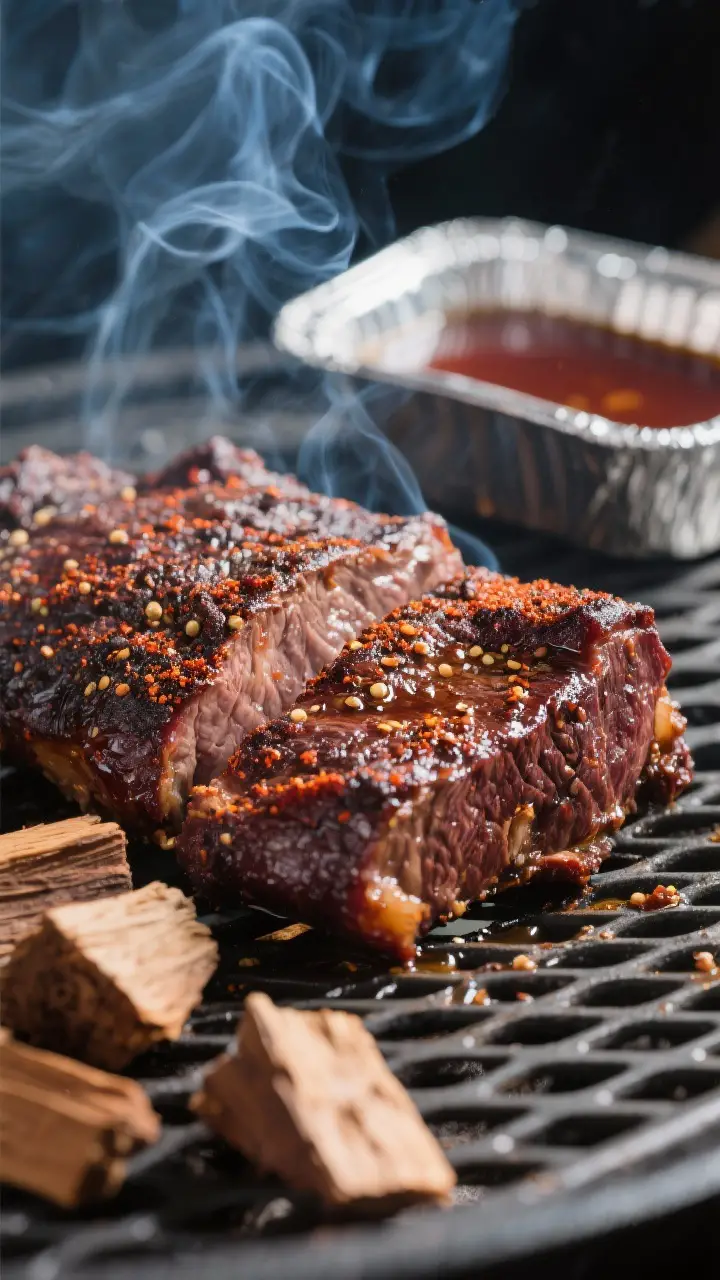
- Unbeatable tenderness: Beef cheeks are full of connective tissue that breaks down into pure silk when cooked low and slow.
- Big beef flavor: Cheeks have a rich, concentrated taste that stands up to smoke and spice.
- Faster than brisket: Most batches finish in 4–6 hours instead of an all-day affair.
- Perfect for tacos or sandwiches: Shred, slice, or cube them—great with salsa, slaw, or a simple jus.
- Budget-friendly: Often cheaper than other premium smoking cuts, with excellent yield once trimmed.
Shopping List
- 3–4 pounds beef cheeks, trimmed
- 2 tablespoons kosher salt
- 2 tablespoons coarse black pepper
- 1 tablespoon smoked paprika
- 1 tablespoon garlic powder
- 1 teaspoon onion powder
- 1 teaspoon ground cumin (optional, for warmth)
- 2 teaspoons brown sugar (optional, for balance)
- Beef tallow or neutral oil, for binding
- 1 cup beef broth or stock (for spritzing or braising, if wrapping)
- Apple cider vinegar (optional, for spritzing)
- Wood: oak, hickory, or post oak; cherry for a lighter touch
Instructions
- Trim the cheeks. Remove any thick silver skin and hard exterior fat. Keep the meat in uniform pieces so they cook evenly.
- Mix the rub. Combine salt, pepper, smoked paprika, garlic powder, onion powder, cumin, and brown sugar.
Taste and adjust salt.
- Bind and season. Lightly coat cheeks with beef tallow or oil. Apply the rub on all sides, pressing to help it stick. Let them rest at room temperature for 20–30 minutes while you heat the smoker.
- Preheat the smoker. Aim for 250–275°F.
Use clean-burning smoke; thin blue smoke is your friend. Oak or hickory pairs beautifully with beef.
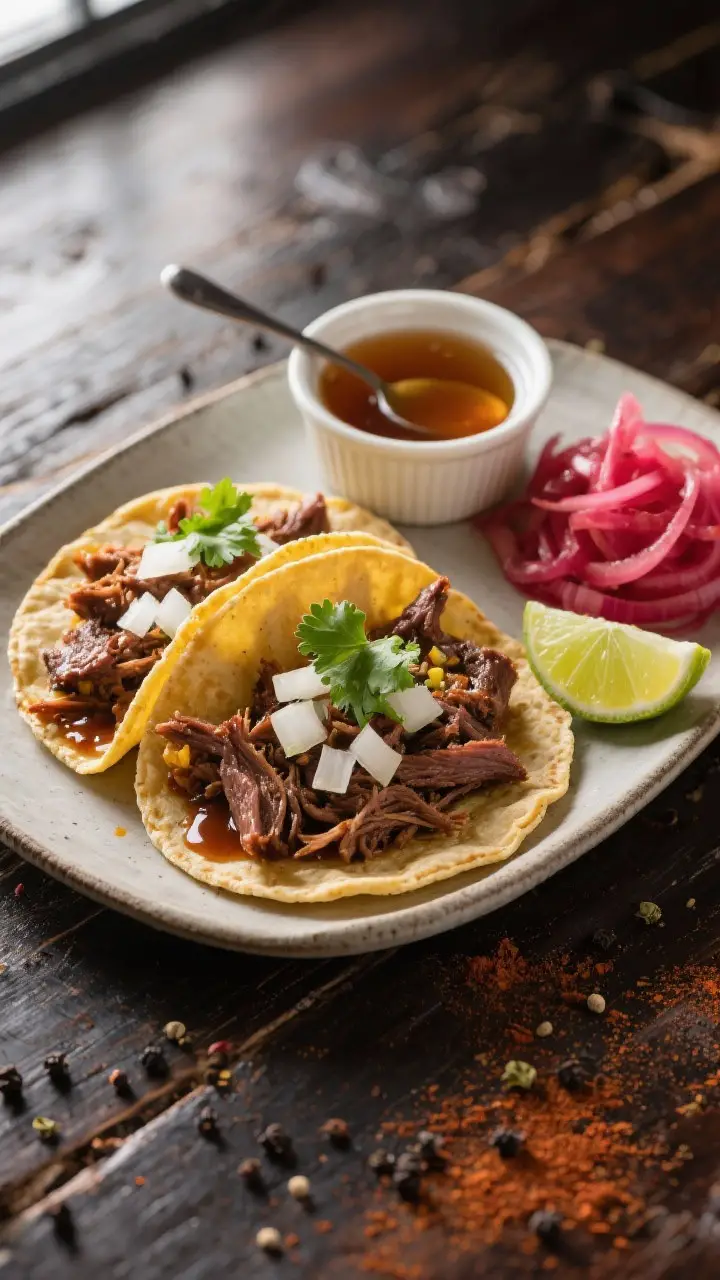
- Smoke unwrapped. Place cheeks on the grate with space between each piece. Smoke for 2–3 hours, until a deep mahogany color forms and the rub is set.
If desired, spritz every 45–60 minutes with a 50/50 mix of beef broth and apple cider vinegar to keep the surface moist.
- Check the bark. When the exterior feels tacky but not wet and doesn’t smear when touched, you’re ready for the next step. Internal temp will likely be around 160–170°F.
- Wrap (optional but recommended). Place cheeks in a foil pan with a splash of beef broth, or wrap tight in butcher paper with a little tallow. This helps power through the stall and keeps them juicy.
- Braise to finish. Continue cooking until probe tender, usually at an internal temperature of 203–210°F.
A skewer should slide in with almost no resistance. Expect 4–6 hours total, depending on size and pit temp.
- Rest the meat. Let the cheeks rest, still wrapped, for at least 30–45 minutes. For best results, hold in a warm cooler or oven at 150–165°F for up to 2 hours.
- Serve your way. Slice across the grain if they’re holding together, or shred for tacos, rice bowls, or sandwiches.
Spoon over any juices from the wrap for extra richness.
Keeping It Fresh
- Short-term: Store cooled leftovers in an airtight container for 3–4 days in the refrigerator. Include some cooking juices to prevent drying.
- Reheating: Warm gently in a covered skillet with a splash of broth over low heat, or sealed in foil in a 275°F oven until hot. Avoid high heat to keep the meat tender.
- Freezing: Portion into freezer bags with a bit of jus.
Press out air and freeze for up to 3 months. Thaw overnight in the fridge and reheat gently.
Health Benefits
- High-quality protein: Beef cheeks provide essential amino acids that support muscle and recovery.
- Collagen and gelatin: Slow cooking breaks down connective tissue, contributing to a luscious mouthfeel and delivering collagen-derived gelatin.
- Iron and B vitamins: Beef is rich in heme iron, B12, niacin, and zinc, which support energy, cognition, and immune function.
- Customizable fat content: Trimming and skimming rendered fat from the jus can lower overall fat while keeping flavor.
Pitfalls to Watch Out For
- Under-trimming: Leaving silver skin can cause chewiness and block seasoning penetration. Trim thoroughly.
- Too much smoke: Thick white smoke turns meat bitter.
Burn clean, dry wood and keep airflow steady.
- Skipping the rest: Cutting too soon squeezes out juices. Resting stabilizes texture and moisture.
- Undercooking: Cheeks need time to break down. If they’re tough at 195°F, keep going until probe tender.
- Dry heat only: A little moisture from spritzing or a wrap helps prevent a dry, crusty exterior.
Variations You Can Try
- Tex-Mex style: Add ancho and chipotle powder to the rub.
Finish with lime juice and serve with warm tortillas, onions, and cilantro.
- Espresso rub: Mix in finely ground espresso, brown sugar, and cocoa powder for a deep, savory crust.
- Asian-inspired glaze: After wrapping, finish with a glaze of soy, honey, rice vinegar, and garlic. Brush on in the last 15 minutes to set.
- Beer braise: When wrapping, add a splash of dark beer instead of broth for malty richness.
- No-wrap bark lovers: Run the smoker at the lower end (250°F), skip wrapping, and spritz lightly. Expect longer cook time but a firmer bark.
FAQ
Do I have to trim beef cheeks?
Yes.
Cheeks often come with thick silver skin and hard fat that won’t render. Trimming improves texture and helps the rub and smoke do their job.
What’s the best wood for smoking beef cheeks?
Oak or hickory are classic choices for beef. Cherry adds mild sweetness and great color.
Avoid overly resinous woods that can overpower the meat.
How do I know when they’re done?
Go by feel more than temperature. When a skewer slides in with little resistance and the pieces feel jiggly and soft, they’re done. This usually happens between 203–210°F.
Can I make this on a gas grill?
Yes.
Set up indirect heat around 250–275°F, add a smoker box with wood chunks, and keep the lid closed. You may need to replenish wood more often than with a dedicated smoker.
Should I wrap or not?
Wrapping speeds up the cook and keeps cheeks juicy. If you love a thicker bark, skip the wrap and spritz lightly.
Just be prepared for a longer cook time.
What’s the best way to serve smoked beef cheeks?
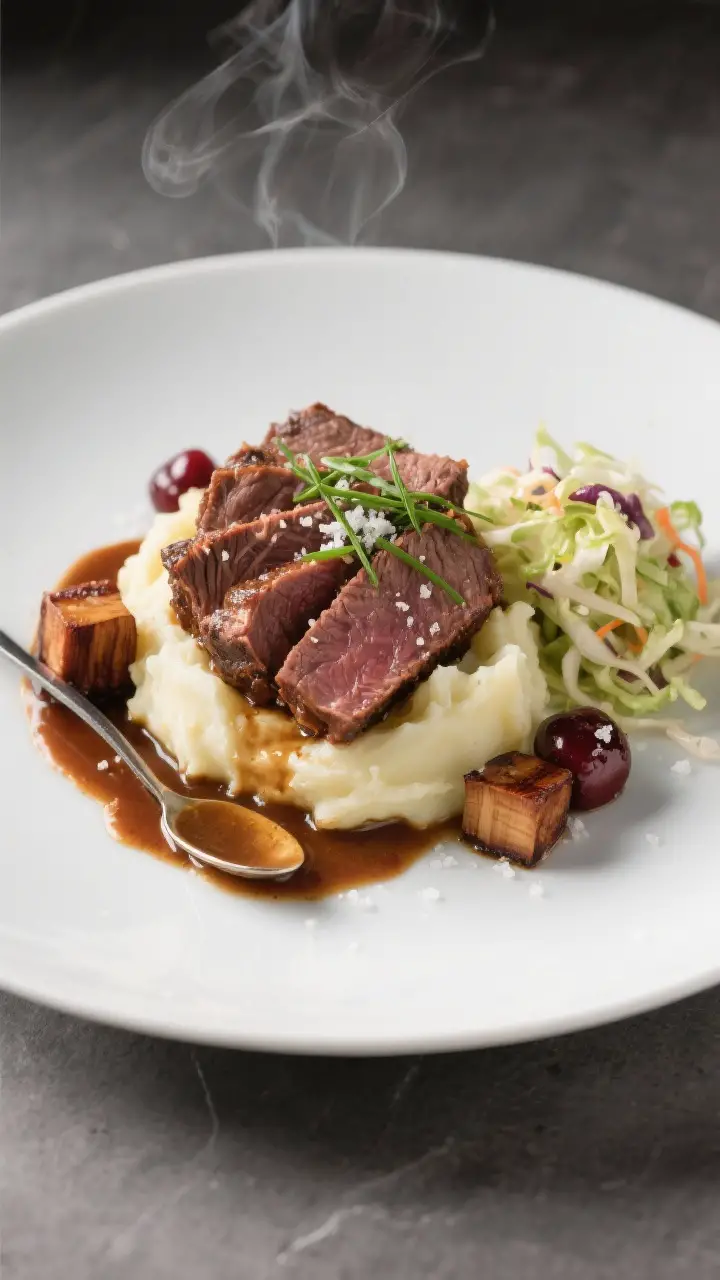
They shine in tacos, over mashed potatoes or grits, piled on toasted buns with slaw, or simply sliced with pickles and a tangy barbecue sauce.
Can I cook them the day before?
Absolutely. Chill whole, then reheat gently in their juices. Shred just before serving for the best texture.
Wrapping Up
Smoked beef cheeks deliver everything you want from barbecue—deep flavor, incredible tenderness, and a stunning bark—without the marathon timeline of brisket.
Keep your smoke clean, your temperature steady, and your patience intact. With a simple rub and a little rest at the end, you’ll have rich, silky meat that works for casual tacos or a weekend feast. Once you try them, beef cheeks might just become your favorite cut to smoke.