
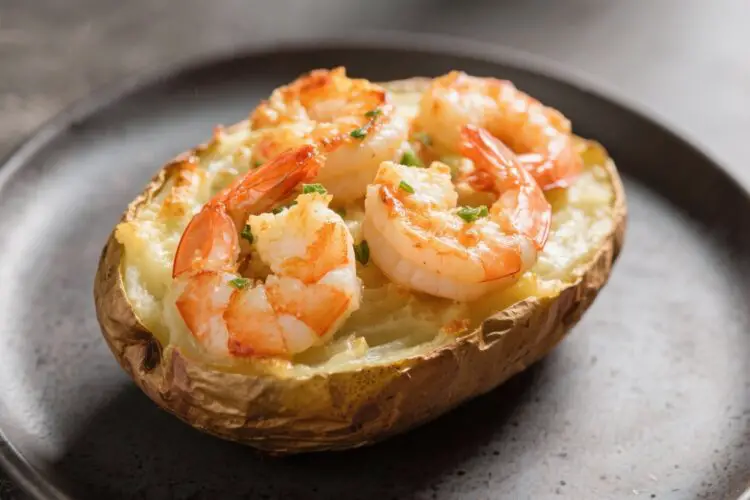
If you love comfort food with a little flair, a Shrimp Baked Potato hits the sweet spot. It’s hearty, creamy, and loaded with juicy, garlicky shrimp on top of a fluffy baked potato. You get the best of both worlds: steakhouse vibes with a coastal twist.
It’s simple enough for a weeknight and special enough for guests. Make one for a satisfying solo dinner or line up a tray for a crowd—either way, it delivers.
Why This Recipe Works
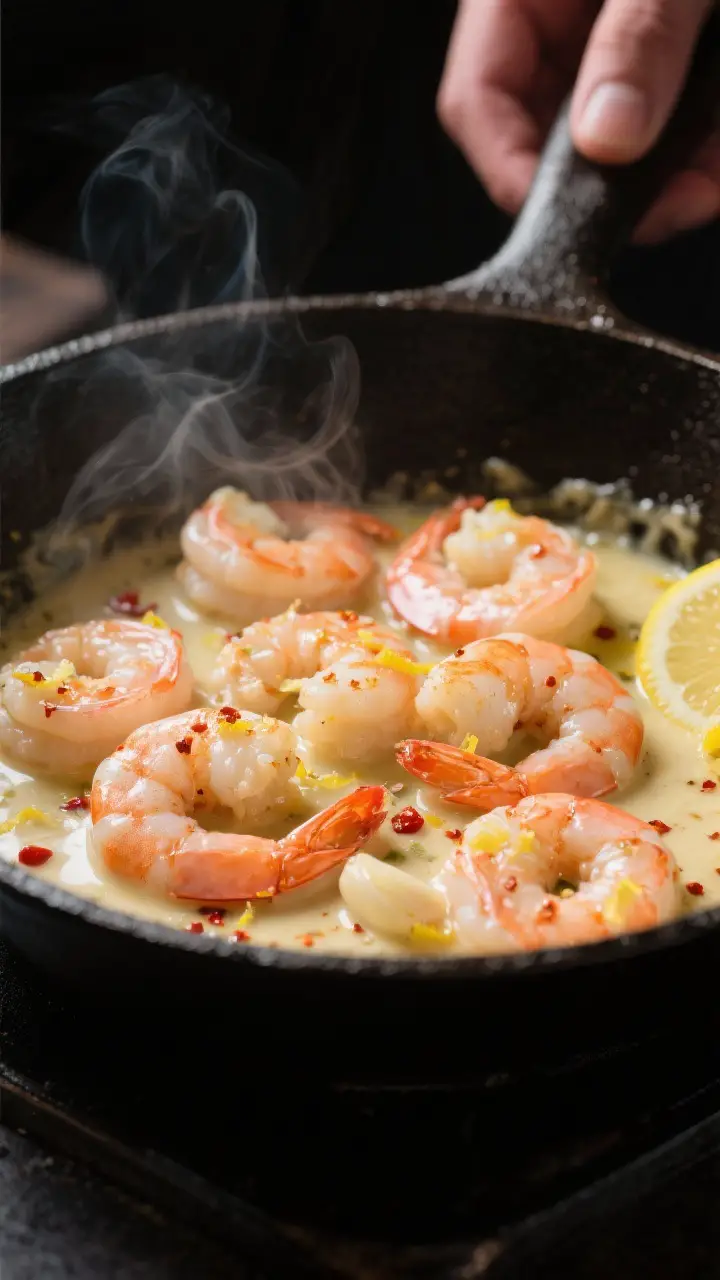
This recipe pairs two textures that love each other: buttery mashed potato insides and tender shrimp. The oven gives the potato skin a crisp edge while keeping the center soft and steamy.
A quick stovetop shrimp topping brings the flavor—garlic, lemon, and a touch of cream or butter make it rich without being heavy. The whole meal comes together with pantry basics, and it scales easily. Plus, it’s flexible: swap seasonings, add veggies, or go spicy without throwing off the balance.
Shopping List
- Russet potatoes (large, baking potatoes work best)
- Raw shrimp (medium to large, peeled and deveined; tails optional)
- Olive oil
- Butter
- Garlic (fresh cloves)
- Heavy cream or half-and-half (optional, for a richer sauce)
- Lemon (zest and juice)
- Paprika or Old Bay (for seasoning)
- Green onions or chives
- Shredded cheese (cheddar, Monterey Jack, or your favorite)
- Sour cream or Greek yogurt
- Fresh parsley (optional)
- Salt and black pepper
- Red pepper flakes (optional, for heat)
Step-by-Step Instructions
- Preheat and prep the potatoes. Heat your oven to 425°F (220°C).
Scrub the potatoes, pat them dry, and poke each one a few times with a fork. Rub with olive oil and sprinkle with salt. Place directly on the oven rack or a baking sheet.
- Bake until fluffy inside and crisp outside. Cook for 50–60 minutes, depending on size.
The skins should feel crisp, and a knife should slide in easily. If they need more time, give them another 5–10 minutes.
- Prep the shrimp while the potatoes bake. Pat the shrimp dry. Toss with salt, pepper, paprika or Old Bay, and a pinch of red pepper flakes if you like heat.
Zest the lemon and set aside; cut the lemon into wedges.
- Cook the shrimp. Heat a large skillet over medium-high with a tablespoon of olive oil and a tablespoon of butter. Add the shrimp in a single layer and cook 1–2 minutes per side until just pink and opaque. Remove to a plate so they don’t overcook.
- Make a quick pan sauce. Lower heat to medium.
Add another small knob of butter if the pan looks dry. Add minced garlic and cook 30 seconds until fragrant. Stir in a splash of cream (2–4 tablespoons) or a bit of stock or water if you prefer lighter.
Add lemon zest and a squeeze of lemon juice. Simmer 30–60 seconds to thicken slightly. Taste and adjust salt and pepper.
- Return shrimp to the pan. Toss the shrimp in the sauce just to coat and warm through.
Take off the heat. Stir in chopped parsley if using.
- Split and fluff the potatoes. When the potatoes are done, let them sit 5 minutes. Slice lengthwise, then use a fork to fluff the insides.
Add a small pat of butter, a spoon of sour cream or Greek yogurt, and a pinch of salt and pepper. Mix gently right inside the skin.
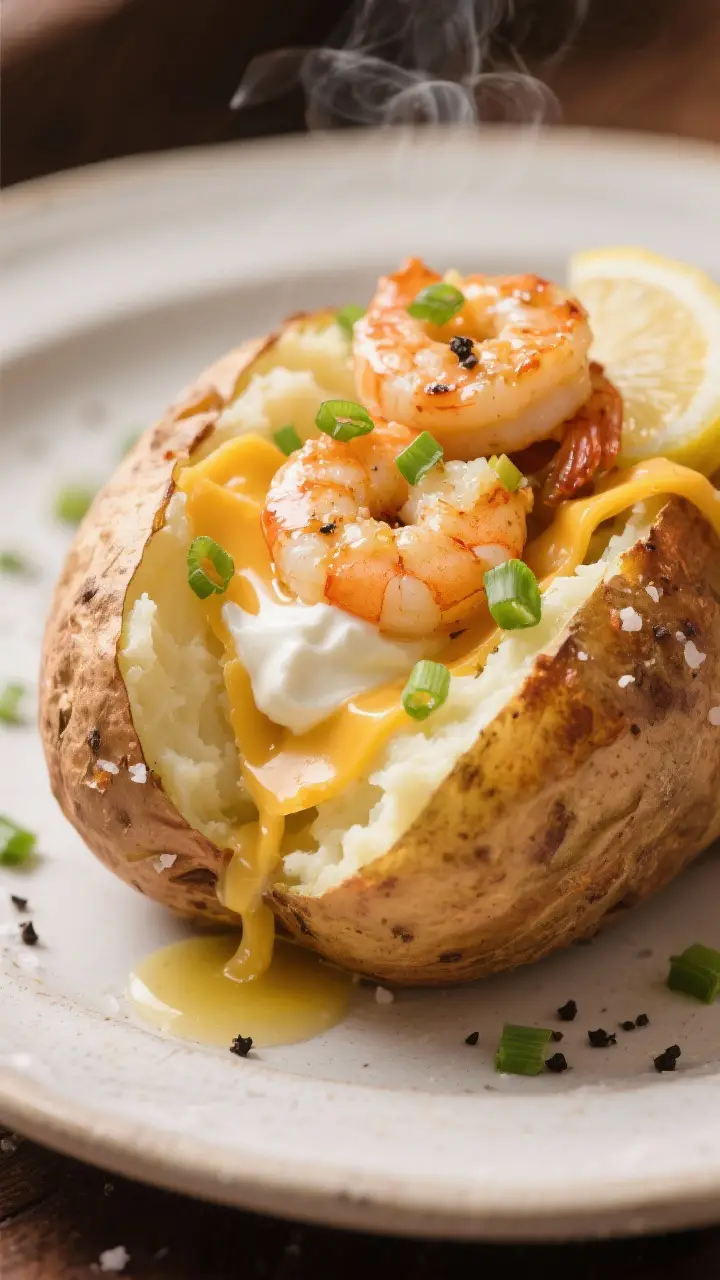
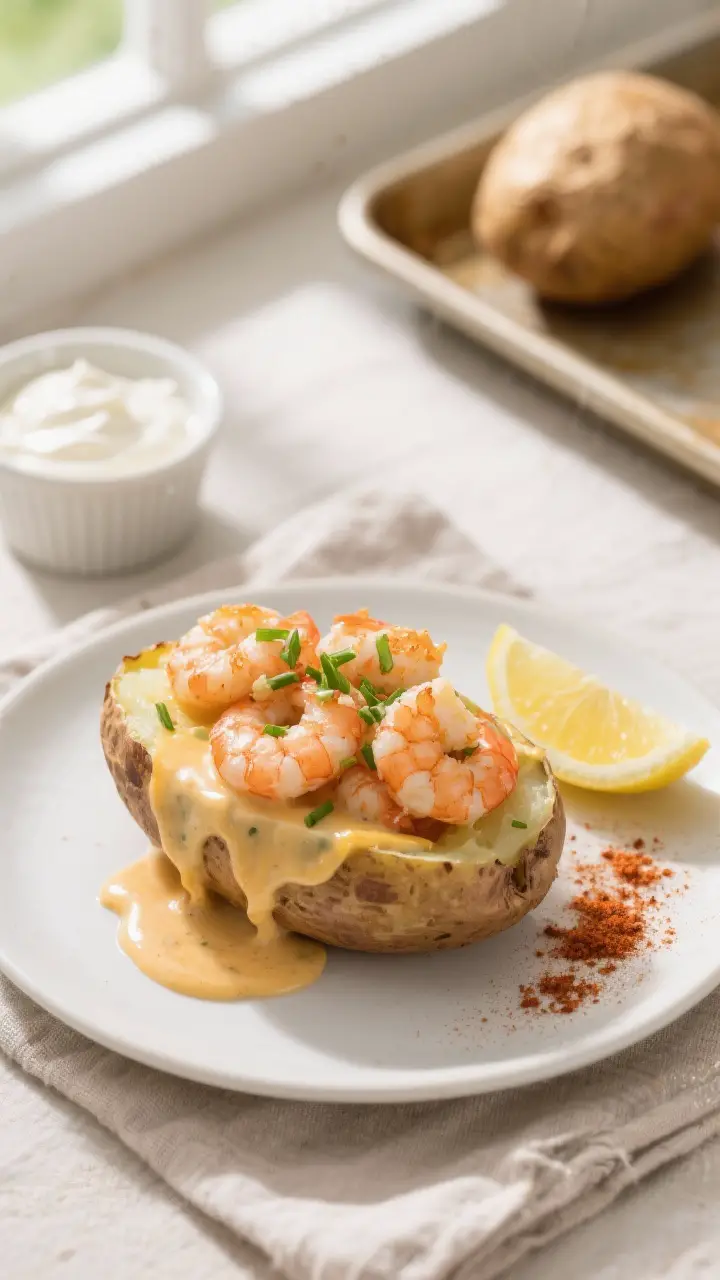
- Layer the toppings. Sprinkle on shredded cheese so it melts into the warm potato. Spoon the garlicky shrimp and sauce over the top.
Finish with sliced green onions or chives and another squeeze of lemon.
- Serve hot. These are best right away while the potato is steamy and the shrimp are tender.
Keeping It Fresh
Shrimp overcooks easily, so cook it last and only until just opaque. If you’re meal-prepping, bake the potatoes ahead and store them whole in the fridge for up to 4 days. Reheat in the oven at 350°F (175°C) for 15–20 minutes until hot and crisp again.
For the shrimp, cook it fresh if possible.
If you must store leftovers, keep shrimp and potatoes separately in airtight containers. Reheat the shrimp gently on low heat in a skillet with a splash of water or stock—just until warm—to avoid rubbery texture. Add fresh herbs and lemon right before serving to revive flavors.
Health Benefits
- High-quality protein: Shrimp offers lean protein with minimal fat, helping you feel full without weighing you down.
- Potassium and fiber: Russet potatoes provide potassium and fiber (especially the skin), which support heart health and digestion.
- Micronutrients: Shrimp is rich in selenium, iodine, and B12.
Potatoes bring vitamin C and B6.
- Balanced fats: Using olive oil and modest butter creates a satisfying, balanced profile. You can swap heavy cream for half-and-half or milk to lighten the sauce.
- Customizable: Add steamed broccoli, spinach, or peas for extra fiber and vitamins without much effort.
What Not to Do
- Don’t overcrowd the shrimp pan. Crowding traps steam and turns shrimp soggy. Cook in batches if needed.
- Don’t skip drying the shrimp. Moisture prevents searing and dilutes flavor.
- Don’t wrap potatoes in foil to bake. Foil steams them and softens the skin.
Bake uncovered for crisp skins.
- Don’t overcook the shrimp. Once they curl and turn pink, they’re done. Overcooked shrimp become tough and rubbery.
- Don’t drown the potato. A little sauce goes a long way. Keep it creamy, not soupy.
Alternatives
- Cajun-style: Use Cajun seasoning and add diced bell peppers and celery to the skillet before the shrimp.
- Lighter sauce: Skip cream and deglaze with chicken or vegetable stock, a squeeze of lemon, and a splash of white wine.
- Garlic butter only: Keep it classic with butter, garlic, lemon, and parsley—simple and bright.
- Spicy: Add extra red pepper flakes or a drizzle of hot honey or chili crisp before serving.
- Cheese swap: Try pepper jack for heat, Gruyère for nuttiness, or a little Parmesan for salty depth.
- Veggie boost: Fold sautéed spinach, roasted broccoli, or corn into the potato before topping with shrimp.
- Dairy-free: Use olive oil and coconut milk or cashew cream instead of butter and dairy cream.
- Sweet potato twist: Substitute sweet potatoes for a naturally sweet base that pairs well with lemony shrimp.
FAQ
Can I use frozen shrimp?
Yes.
Thaw them in the refrigerator overnight or quickly under cold running water. Pat very dry before cooking to get a good sear and prevent a watery sauce.
How do I know when the potatoes are done?
They’re ready when the skins are crisp and a thin knife slides in with no resistance. If you have a thermometer, the center should read around 205°F (96°C) for maximum fluffiness.
What size shrimp works best?
Medium to large shrimp (21–30 per pound) are ideal.
They cook quickly, stay juicy, and fit nicely on top of a potato without feeling skimpy.
Can I make this ahead?
Bake the potatoes ahead and reheat in the oven. Cook the shrimp just before serving for the best texture. You can prep the sauce ingredients in advance to save time.
What can I use instead of heavy cream?
Half-and-half, whole milk, or stock all work.
If using stock, whisk in a teaspoon of cornstarch with a splash of cold water and simmer briefly to thicken.
How can I make it gluten-free?
This recipe is naturally gluten-free as written, as long as your seasonings and stock are certified gluten-free. No flour is required.
What sides go well with a Shrimp Baked Potato?
A crisp green salad, roasted asparagus, or sautéed green beans balance the richness. Lemon wedges and extra herbs brighten the plate.
Can I use pre-cooked shrimp?
You can, but it’s not ideal.
Pre-cooked shrimp can turn rubbery when reheated. If you must use them, warm gently in the sauce for 30–60 seconds—just until heated through.
Final Thoughts
A Shrimp Baked Potato feels indulgent but comes together with simple steps and everyday ingredients. The contrast of crispy skin, fluffy potato, and garlicky shrimp makes each bite satisfying.
Once you’ve tried the base version, tweak it to your taste—spice it up, lighten it, or pack in veggies. Keep it fresh, cook the shrimp last, and enjoy a cozy meal that tastes like more effort than it takes.
Printable Recipe Card
Want just the essential recipe details without scrolling through the article? Get our printable recipe card with just the ingredients and instructions.