
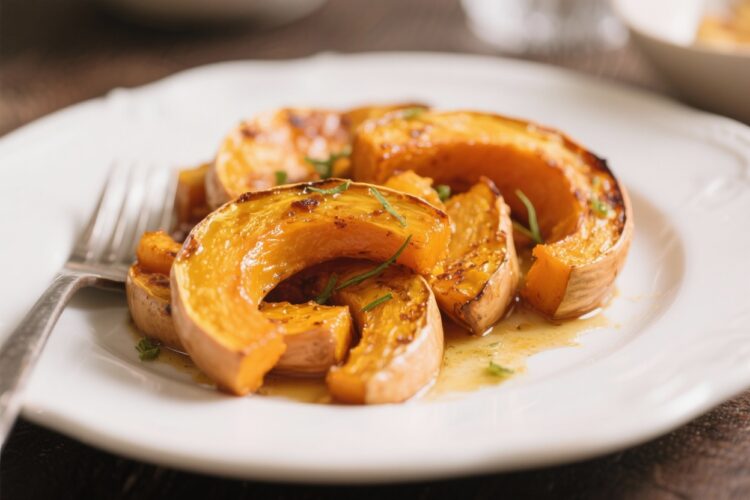
Roasted butternut squash is one of those dishes that quietly steals the show. It’s naturally sweet, a little nutty, and gets irresistibly caramelized around the edges. You can serve it as a side, toss it into salads, blend it into soups, or just snack on it hot off the pan.
With a few basic ingredients and a hot oven, you’ll get big flavor with almost no effort. If you’re looking for a reliable, go-to vegetable dish, this is it.
Why This Recipe Works
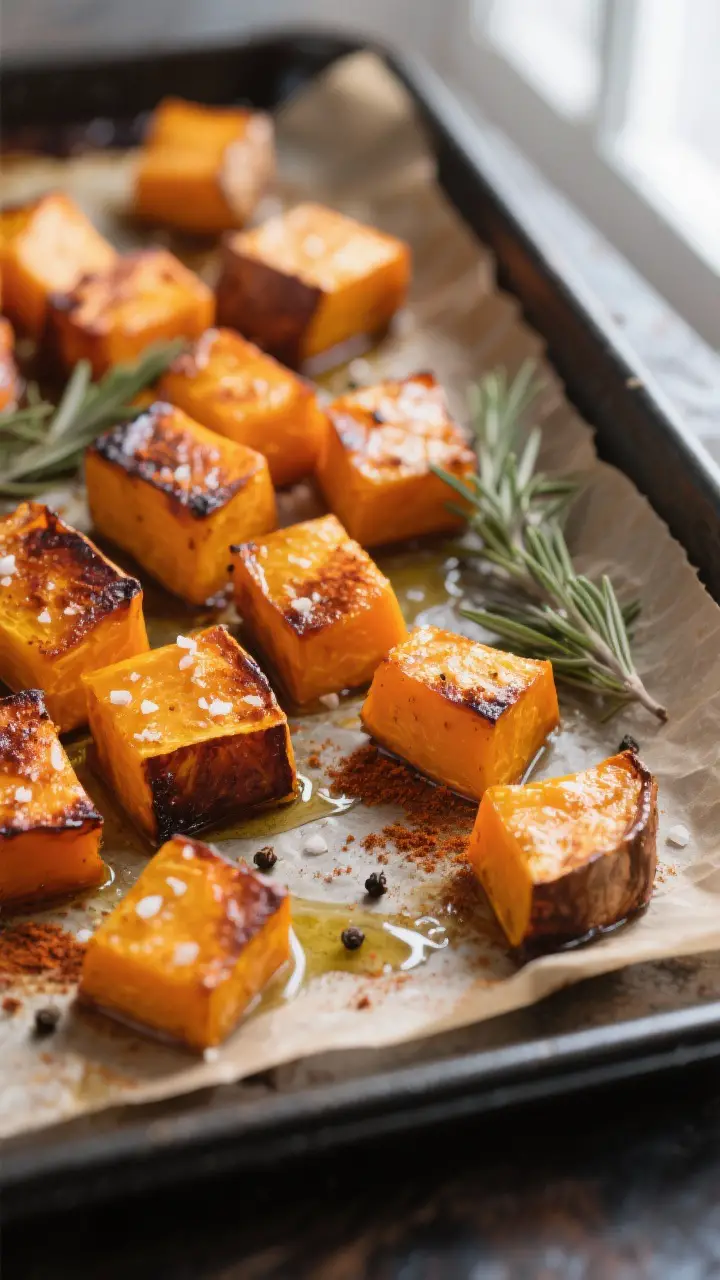
This method keeps things simple and relies on technique. High heat draws out the squash’s natural sugars and creates golden, crispy edges.
Spacing the cubes on the pan helps them roast rather than steam, so you get that satisfying browning. A light coat of oil, salt, and pepper is all you need to bring the flavor forward. From there, you can build in herbs, spices, or a touch of acidity to round it out.
Ingredients
- 1 large butternut squash (about 2.5–3 pounds), peeled, seeded, and cut into 1-inch cubes
- 2 to 3 tablespoons extra-virgin olive oil
- 1 teaspoon kosher salt, plus more to taste
- 1/2 teaspoon freshly ground black pepper
- Optional add-ins: 1 teaspoon maple syrup or honey, 1/2 teaspoon smoked paprika, 1/2 teaspoon ground cinnamon, chopped fresh rosemary or thyme, lemon zest, or red pepper flakes
Instructions
- Preheat the oven to 425°F (220°C). A hot oven is key for caramelization and crisp edges.
- Prep the squash safely. Trim off the top and bottom, peel with a sturdy peeler, slice the neck from the bulb, halve each section, and scoop out the seeds.
Cut into 1-inch cubes for even cooking.
- Dry the squash. Pat the cubes with a clean kitchen towel or paper towels. Removing surface moisture helps the squash brown.
- Season in a bowl. Toss the cubes with olive oil, salt, and pepper. Add optional seasonings if you like.
Aim for light, even coverage—no pooling oil.
- Spread out on a baking sheet. Use a large sheet pan and give the pieces space. If they’re crowded, use two pans. Line with parchment for easier cleanup, but place the cubes directly on the pan for the best browning if you don’t mind scrubbing.
- Roast on the middle rack for 25–35 minutes. Flip the pieces halfway through.
The squash is ready when the edges are browned and the centers are tender when pierced with a fork.
- Finish with brightness. Taste and adjust salt. For a fresh lift, add a squeeze of lemon juice or a sprinkle of lemon zest. A drizzle of maple syrup is great if you want a little extra sweetness.
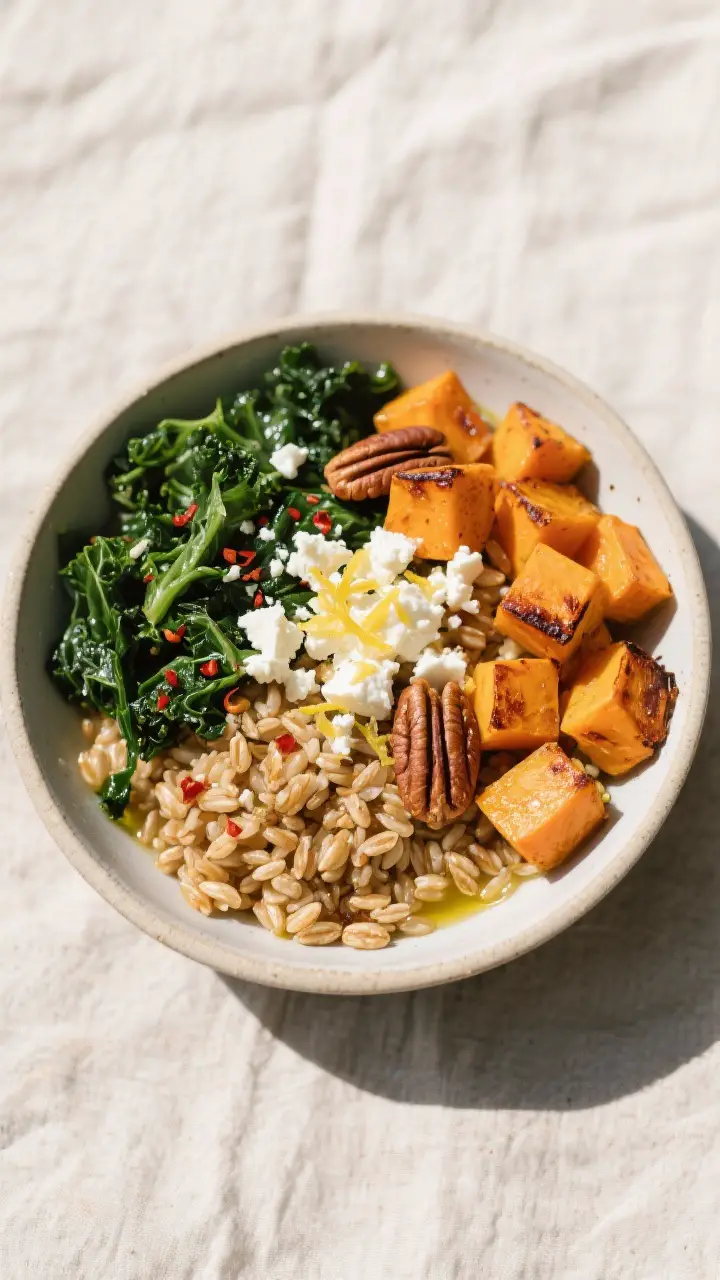
- Serve warm. Enjoy as a side, or fold into grain bowls, salads, or tacos.
Leftovers are fantastic the next day.
Keeping It Fresh
Store leftovers in an airtight container in the fridge for up to 4 days. Reheat on a hot sheet pan at 400°F for 8–10 minutes to revive the edges. The microwave works for speed, but you’ll lose some crispness.
For longer storage, freeze on a sheet pan until solid, then transfer to a freezer bag for up to 2 months. Re-crisp from frozen in a 425°F oven until hot and browned.
Why This is Good for You
- Rich in vitamins. Butternut squash is packed with vitamin A for eye health and vitamin C for immune support.
- Fiber-forward. It’s satisfying without being heavy and supports digestion.
- Healthy fats. Olive oil helps your body absorb fat-soluble vitamins and adds heart-healthy monounsaturated fats.
- Lower-sugar satisfaction. You get natural sweetness with fewer sugar spikes compared to refined-carb sides.
What Not to Do
- Don’t overcrowd the pan. Crowding traps steam and leads to soft, pale squash instead of caramelized edges.
- Don’t skimp on heat. Roasting below 400°F won’t brown well. Stick to 425°F for best results.
- Don’t cut uneven pieces. Mixed sizes cook at different rates.
Keep cubes around 1 inch.
- Don’t drown it in oil. Too much oil prevents browning and makes the squash greasy.
- Don’t season after roasting only. Salt early so it penetrates. Adjust at the end as needed.
Variations You Can Try
- Sweet and Spiced: Add cinnamon, a pinch of nutmeg, and a drizzle of maple syrup. Finish with toasted pecans.
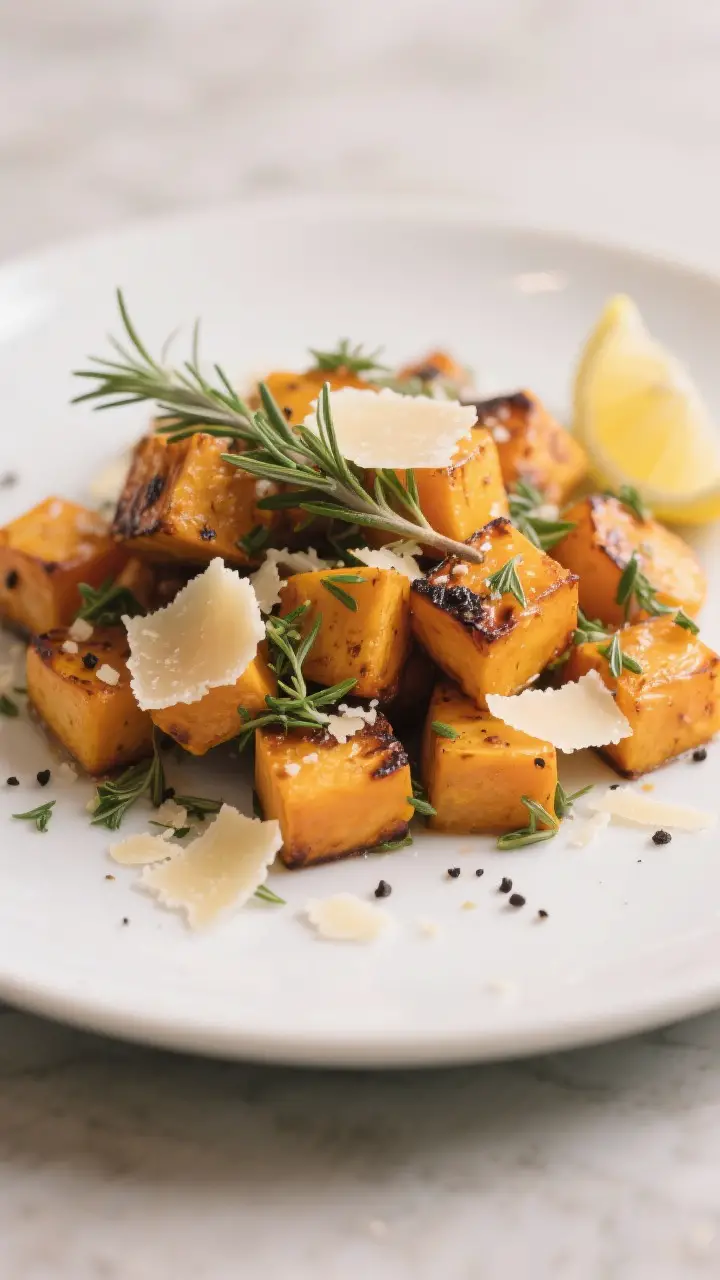
- Savory Herb: Toss with chopped rosemary or thyme before roasting.
Finish with grated Parmesan and black pepper.
- Smoky Heat: Use smoked paprika, garlic powder, and red pepper flakes. A squeeze of lime at the end brightens it up.
- Mediterranean: Roast with oregano and cumin. Top with crumbled feta, lemon zest, and a drizzle of good olive oil.
- Curry Style: Toss with curry powder and a touch of turmeric.
Serve with yogurt and cilantro.
- Maple Mustard: Mix 1 teaspoon Dijon and 1 teaspoon maple syrup into the oil. Roast and finish with chopped parsley.
FAQ
How do I peel butternut squash without struggling?
Use a sharp Y-peeler and work from top to bottom with steady strokes. Microwave the whole squash for 1–2 minutes to soften the skin slightly if it’s especially tough.
Always stabilize the squash by trimming the ends so it stands flat.
Can I roast it with the skin on?
Yes, you can. The skin softens in the oven and is edible, especially on smaller squash. If you prefer a smoother texture, peel it, but skin-on works for rustic dishes and saves time.
What if my squash isn’t browning?
Increase the oven temperature to 425–450°F, use a dark metal sheet pan, and make sure the pieces aren’t touching.
Dry the cubes well and avoid too much oil. Moving the pan to a lower rack can also help browning.
How small should I cut the cubes?
Around 1-inch cubes are ideal. Smaller cubes cook faster and get crispier, while larger cubes stay soft in the center.
Keep them uniform so they roast evenly.
Can I use frozen butternut squash?
Yes, but don’t thaw it first. Toss with oil and seasonings straight from the freezer and roast on a hot pan. It may not get as crisp as fresh, but it can still be delicious.
What can I serve it with?
It pairs well with roasted chicken, pork tenderloin, salmon, or hearty grains like farro or quinoa.
It also makes a great add-in for kale salads with goat cheese and pepitas, or folded into tacos with black beans and salsa verde.
How do I make it ahead for a holiday meal?
Roast the squash the day before until just tender, not deeply browned. Store chilled, then reheat on a hot sheet pan at 425°F until caramelized and warmed through. Finish with fresh herbs or lemon zest before serving.
Is there a way to make it crispy?
Use a hotter oven, avoid overcrowding, and consider preheating the sheet pan.
Toss the cubes with a teaspoon of cornstarch before oiling for extra surface crispness. Flip halfway through for even browning.
How do I prevent soggy leftovers?
Cool the squash completely before sealing it in a container to avoid condensation. Reheat in a hot oven, not the microwave, to revive the edges.
Use a dry pan and avoid stacking the pieces.
Final Thoughts
Roasted butternut squash is proof that simple cooking can be truly satisfying. With a sharp knife, a hot oven, and a few pantry staples, you get a side that fits almost any meal. Keep it classic or switch up the seasonings to match what you’re cooking.
It’s easy, reliable, and always welcome on the table.
Printable Recipe Card
Want just the essential recipe details without scrolling through the article? Get our printable recipe card with just the ingredients and instructions.