
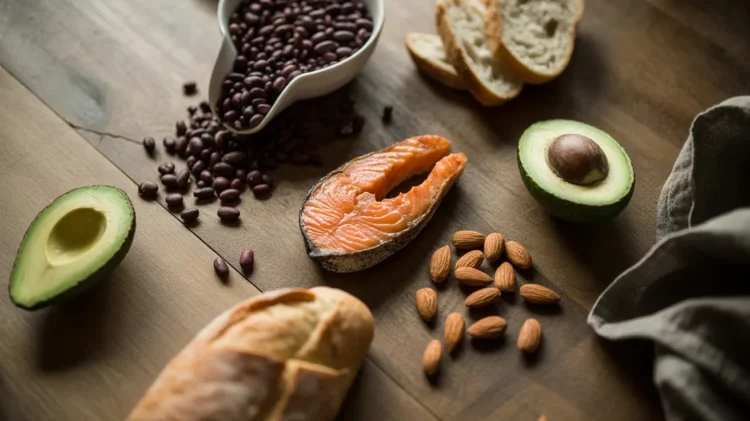
If you have ever eaten a “healthy” meal and felt hungry again an hour later, you are probably missing one of the most effective nutritional strategies around: Protein-Fiber Power Pairings. Here is the stat that stops us in our tracks every time we share it: successful dieters who deliberately paired high protein (around 80g per day) with high fiber (around 20g per day) lost 12.9% of their body weight over 12 months, compared to only 2% for those who did not make that pairing intentional.
Key Takeaways
| Question | Answer |
|---|---|
| What are Protein-Fiber Power Pairings? | Combinations of protein-rich foods with high-fiber foods, eaten together to improve satiety, blood sugar control, and gut health. |
| Why do protein and fiber work better together? | Protein slows digestion while fiber feeds gut bacteria and blunts blood sugar spikes, creating a synergistic effect neither nutrient achieves alone. |
| What are the best high-protein, high-fiber foods? | Lentils, beans, quinoa, kale, edamame, eggs with greens, lean meats with vegetables, and Greek yogurt with seeds or berries. |
| How much protein and fiber do I need daily? | General guidance sits around 50-80g of protein and 25-30g of fiber per day for most adults, though individual needs vary. |
| Can I build these pairings into weeknight meals? | Absolutely. Dishes like a turkey and vegetable casserole or quinoa tabbouleh naturally tick both boxes with minimal extra effort. |
| Are these pairings meal-prep friendly? | Most protein-fiber combos reheat well or can be assembled ahead, making them ideal for busy households. |
| Is fiber as important as protein right now? | Yes. While protein gets most of the headlines in 2026, fiber is the missing half of the equation for a huge number of people. |
What Are Protein-Fiber Power Pairings and Why Do They Matter?
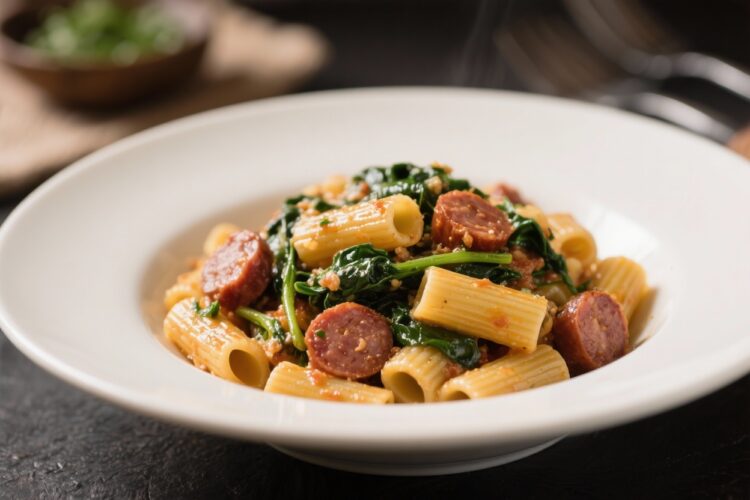
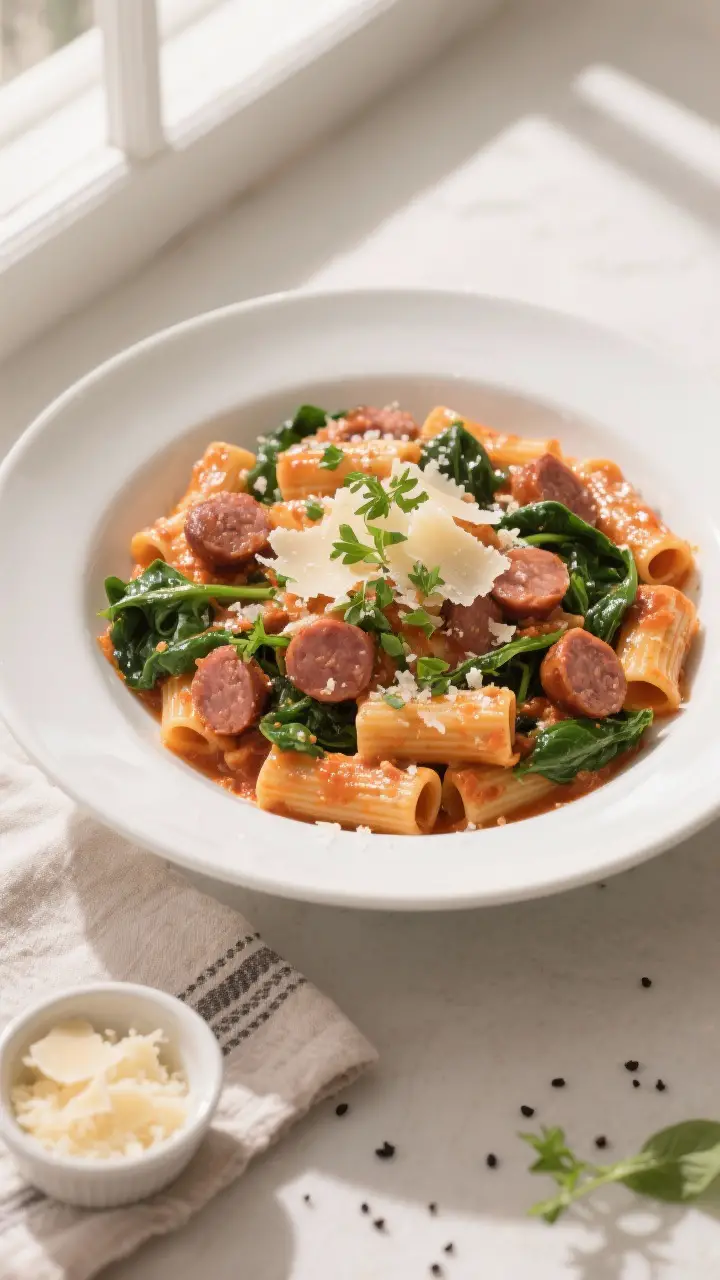
Put simply, Protein-Fiber Power Pairings are the intentional combination of a protein-rich food with a fiber-rich food in the same meal or snack. Think: grilled chicken with lentils, Greek yogurt layered with chia seeds, or rigatoni and sausage rounded out by a big handful of spinach.
The reason we care so much about these pairings is practical. Protein keeps you full by slowing gastric emptying, while fiber feeds the beneficial bacteria in your gut and slows glucose absorption. Together, they pull off something neither can do alone: they keep your energy genuinely steady for hours.
In 2026, we are seeing more home cooks pay attention to nutrient density rather than just calorie counts. And the research is catching up with what great cooks have known for generations: a meal that includes both a solid protein source and fiber-rich vegetables or grains is simply more satisfying, more energising, and more sustaining than one without both.

Discover eight protein and fiber pairings that work together for sustained energy. Learn tasty combos you can try today.
The Science Behind Protein-Fiber Power Pairings (And Why Most People Are Missing Half the Picture)
Here is the honest truth: most of us in 2026 are at least aware that we should be eating more protein. The conversation has gone mainstream, and that is genuinely good news.
But the fiber side of the equation? That is where most people quietly fall short. And when you understand the “why” behind the “how,” the case for making these two nutrients work as a team becomes undeniable.
When protein and fiber are consumed together, fiber creates a physical barrier in the gut that slows the digestion of carbohydrates. This delays glucose release into the bloodstream, which prevents the sharp spikes and crashes that leave you raiding the biscuit tin at 3pm. Protein, meanwhile, signals satiety hormones like GLP-1 and PYY, telling your brain to stand down from hunger mode.
The gut health angle is equally compelling. Plant-based protein sources like lentils and beans are particularly powerful because they deliver both protein and fiber in the same package, simultaneously feeding your muscles and your gut microbiome.
The takeaway here is not to panic. It is to recognise that you are almost certainly getting closer to the protein half of the equation than the fiber half, and that adjusting one side of that scale does not require a dramatic overhaul of how you eat.
Best Protein-Fiber Power Pairings for Breakfast
Breakfast is arguably the easiest meal of the day to build a strong protein-fiber pairing into. The options are genuinely delicious and take very little time.
- Eggs with kale or spinach: Two large eggs deliver around 12g of protein. Add a handful of wilted kale and you layer in 2-3g of fiber along with vitamins A, C, and K. This is one of the most nutrient-dense pairings you can make before 8am.
- Greek yogurt with chia seeds and berries: Greek yogurt provides 15-20g of protein per serving. Chia seeds add 10g of fiber per 28g serving. Berries bring antioxidants and extra fiber. Light but filling, and genuinely satisfying.
- Cottage cheese on whole grain toast with sliced avocado: Cottage cheese offers protein and calcium. Whole grain toast and avocado each contribute meaningful fiber, healthy fats, and lasting fullness.
- Quinoa breakfast bowl with nuts and fruit: Quinoa is one of the rare complete proteins in the plant world and also delivers 5g of fiber per cooked cup. Topped with almonds and sliced apple, this is a proper morning power pairing.
The beauty of breakfast pairings is that they set the tone for your blood sugar stability across the entire day. Get this right, and you will notice fewer afternoon energy dips and less mindless snacking.
Best Protein-Fiber Power Pairings for Lunch
Lunch is where protein-fiber combos really shine in terms of keeping you productive through the afternoon. These are meals that feel satisfying without leaving you in a food coma at your desk.
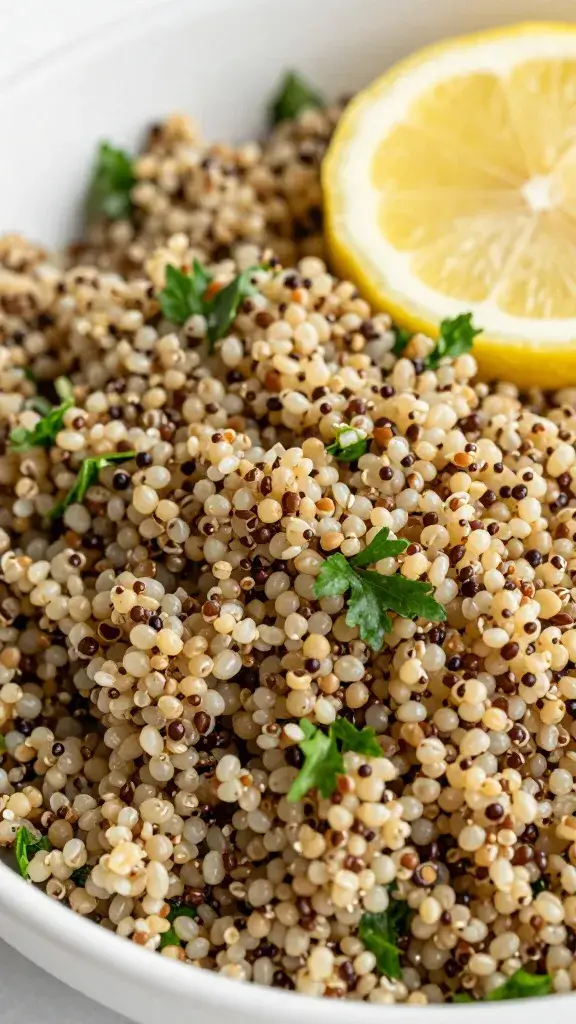
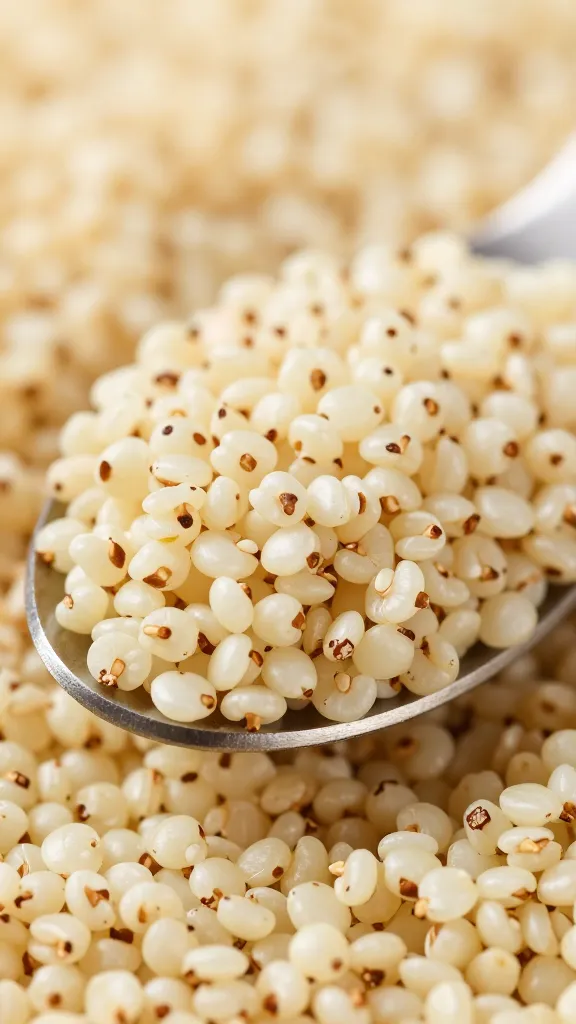
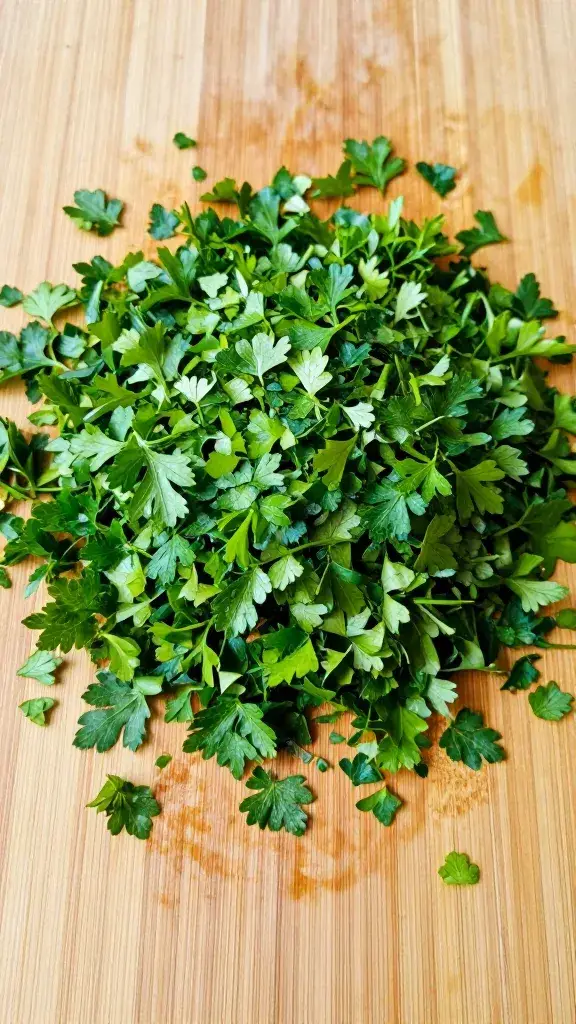
Our Easy Quinoa Tabbouleh is a brilliant example of a protein-fiber pairing that does not feel like “diet food” in any way. Quinoa brings complete protein, parsley and lemon add brightness, and the whole thing holds up beautifully in a lunchbox or cooler.
A similarly excellent option is our Easy Greek Orzo Salad with Lemon and Herbs. Feta cheese adds protein and calcium, while the orzo and vegetables contribute a meaningful fiber hit alongside a punchy lemon-herb dressing.
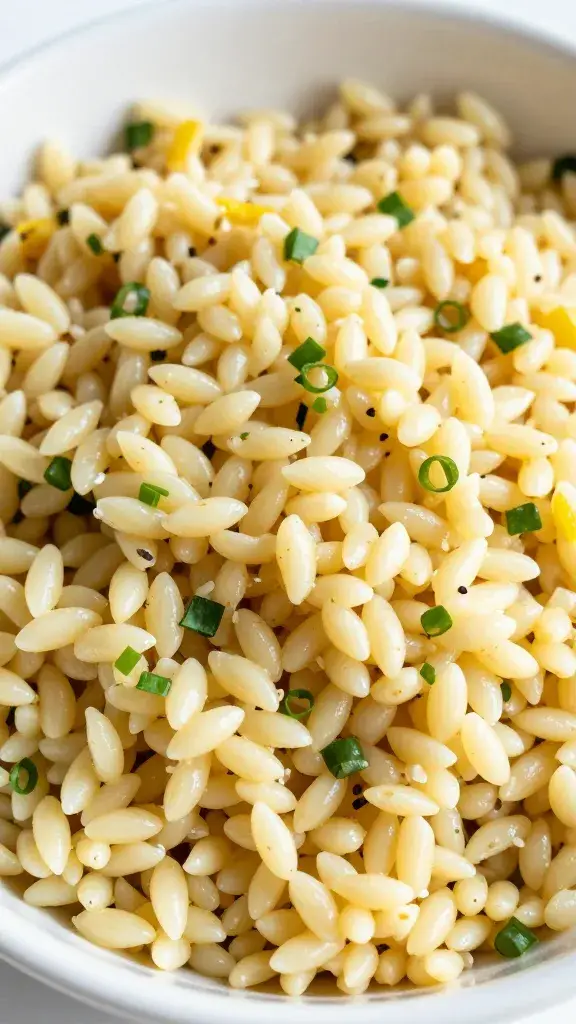
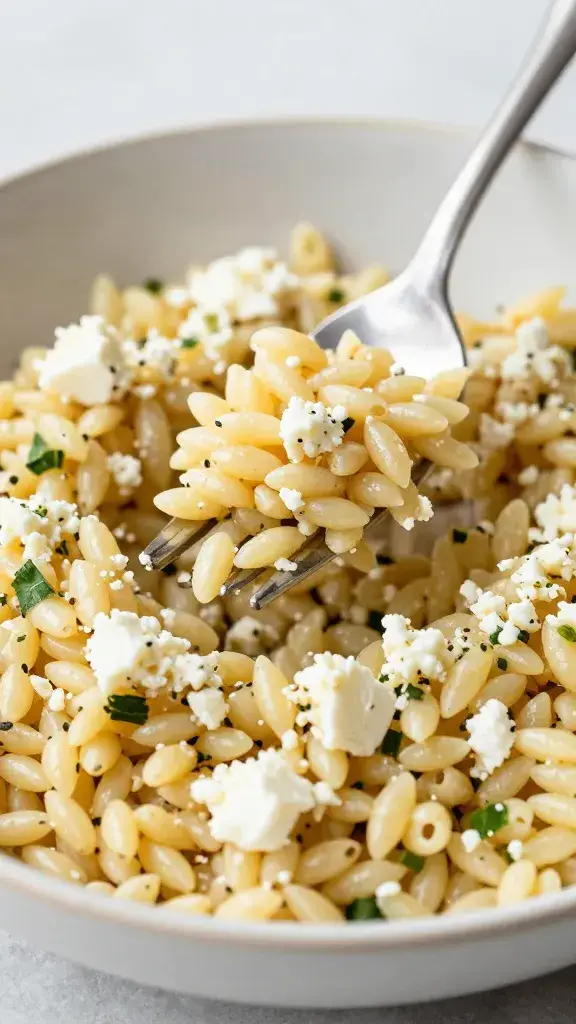
Both of these recipes are make-ahead friendly, which means you can build your protein-fiber pairing on a Sunday and benefit from it across the working week. That is the kind of practical, sanity-saving shortcut that the modern-day hustler needs.
Best Protein-Fiber Power Pairings for Dinner
Dinner is where most of us have the most flexibility and also the most room to accidentally underserve ourselves on fiber. A big piece of protein and a plate of refined carbs? Tasty, yes. A protein-fiber power pairing? Not quite.
The good news is that small additions and thoughtful swaps are all it takes to flip a dinner from “nice meal” into a genuinely nourishing protein-fiber combo.
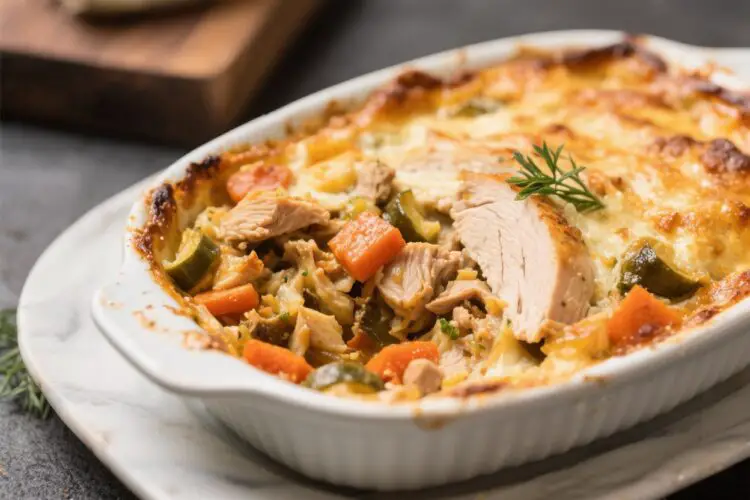
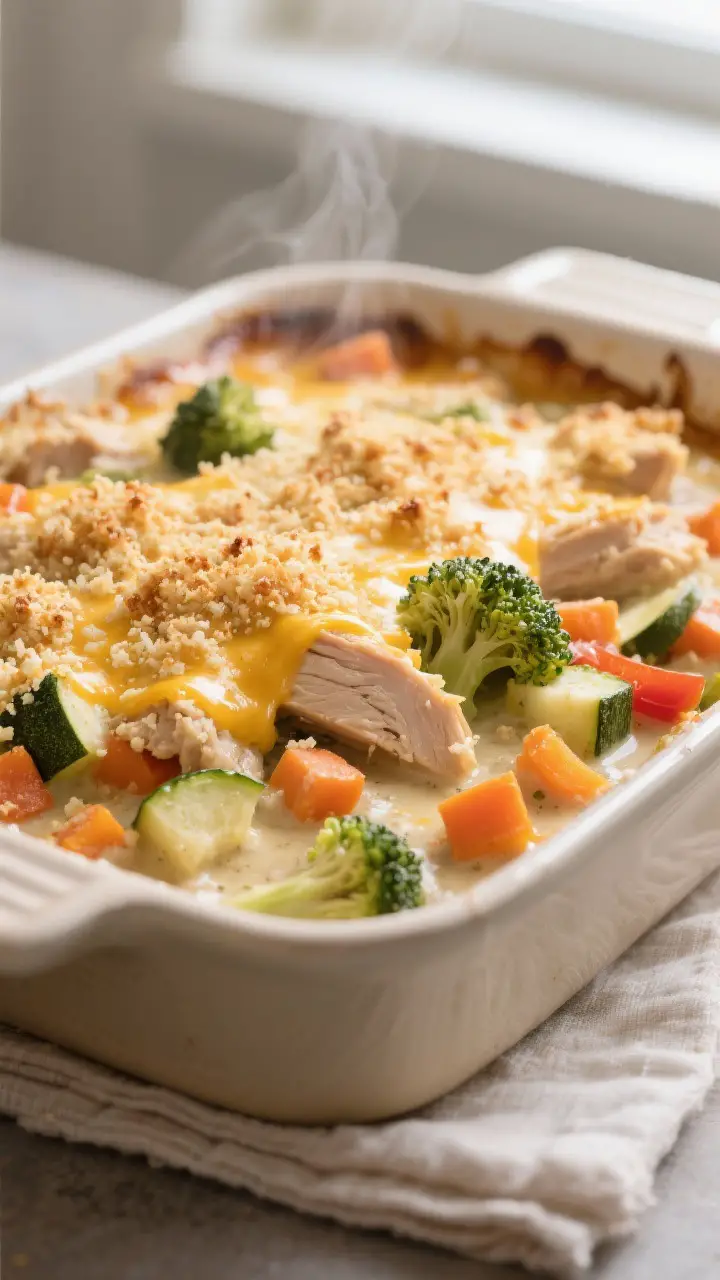
Our Turkey and Vegetable Casserole is a weeknight hero. Lean ground turkey is a lean protein that reheats beautifully, while the vegetable mix (you can vary it based on what you have) delivers a solid fiber contribution alongside colour, texture, and goodness.
For something with a little more drama on the plate, our Rigatoni with Italian Sausage and Spinach is one of those recipes that feels indulgent but is secretly carrying a strong nutritional game. The sausage brings protein, the spinach adds iron and fiber, and the whole thing comes together in one skillet. Hearty enough for dinner, but not so heavy it leaves you regretting it.
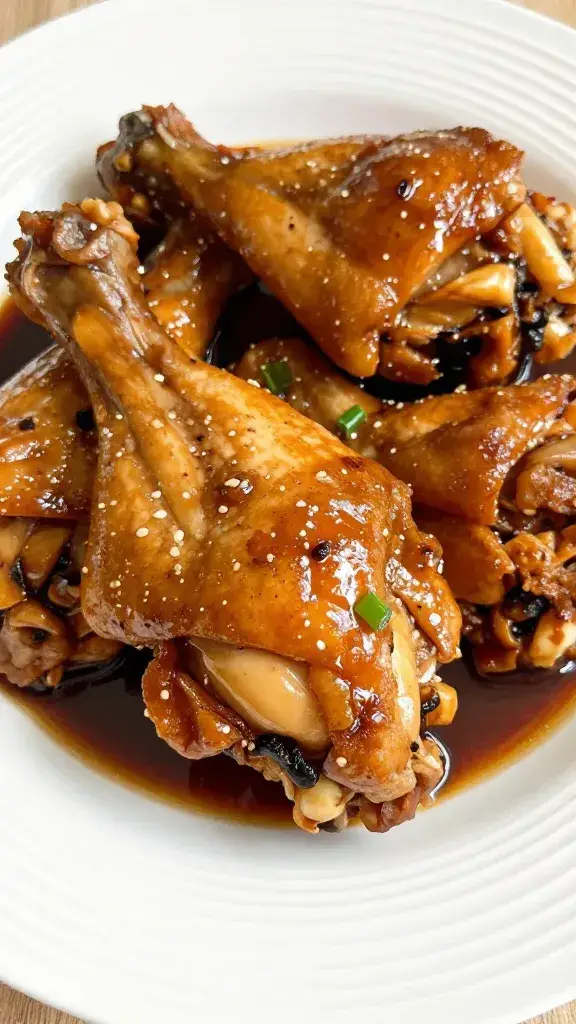
And if you want something that tastes like it has been slow-cooking all day (because it essentially has), the Braised Catalina Chicken served alongside roasted vegetables or lentils makes a deeply satisfying protein-fiber combination with a glossy, sweet-tangy glaze that is genuinely special without being fussy.

Kale: The Unsung Hero of Protein-Fiber Power Pairings
If there is one ingredient that consistently earns its place in a strong protein-fiber pairing, it is kale. It is one of those vegetables that tends to get polarising reactions (OK, some people genuinely think it tastes like a garden), but cooked well, kale is rich, satisfying, and outrageously good for you.
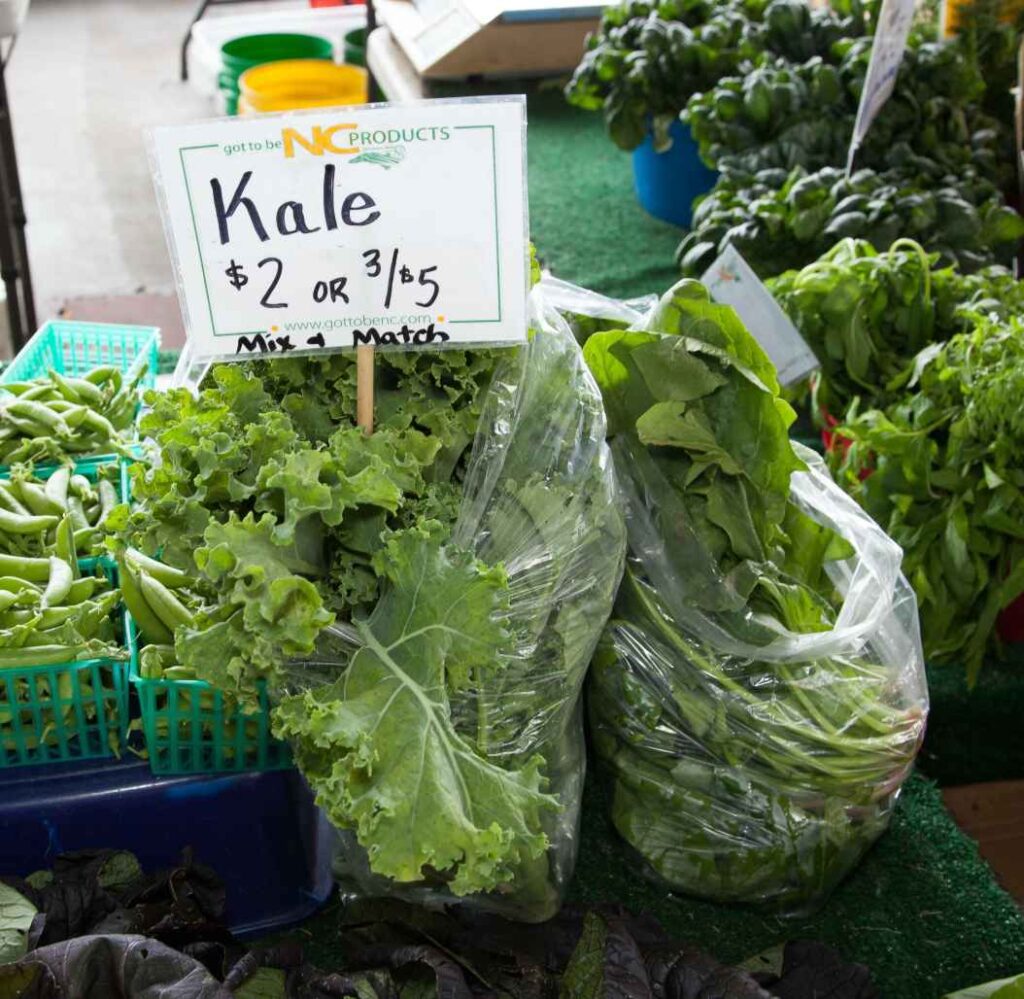

Kale brings a solid fiber contribution alongside vitamins A, C, and K, and pairs beautifully with proteins like eggs, beans, chicken, or legumes. When you pair kale with a good protein source, you are building a meal that supports heart health, digestion, and sustained energy all at once.
Our full guide to cooking with kale walks you through how to select, prep, and cook it using methods like steaming, sautéing, and roasting. Understanding those techniques is what takes kale from “I guess it’s healthy” to “I genuinely look forward to eating this.”
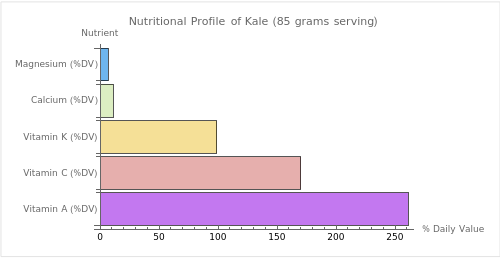
“The best protein-fiber power pairing is the one you will actually make and eat. Kale sautéed with garlic and served alongside a fried egg is not a complicated recipe. It is a genuinely great meal.”
How to Build Protein-Fiber Power Pairings Into Any Meal
The practical magic of protein-fiber power pairings is that you do not need to redesign your entire approach to cooking. You just need a mental framework for thinking about your plate in two columns: the protein column and the fiber column.
Here is our simple go-to guide for building these pairings into whatever you are already cooking:
| Protein Source | Best Fiber Pair | Meal Context |
|---|---|---|
| Eggs | Kale, spinach, or avocado on whole grain | Breakfast |
| Ground turkey | Mixed root vegetables and legumes | Dinner casserole |
| Italian sausage | Spinach and tomato base | One-pan pasta |
| Quinoa (complete protein) | Parsley, cucumber, lemon | Salad or lunch bowl |
| Feta cheese | Orzo, olives, and leafy greens | Lunch salad |
| Chicken (braised) | Lentils, roasted peppers, or beans | Dinner |
| Greek yogurt | Chia seeds, berries, or oats | Breakfast or snack |
The key is to think of fiber not as a side dish or afterthought, but as a genuine co-star in every meal. When both elements are treated with equal intention, the result is a plate that is light but filling, nourishing but genuinely enjoyable.
Protein-Fiber Power Pairings for Meal Prep and Picnics
One of the underappreciated strengths of protein-fiber power pairings is how well they travel. Dishes built around grains, legumes, and robust vegetables tend to hold their texture and flavour for days, which makes them ideal for meal prep and outdoor eating.
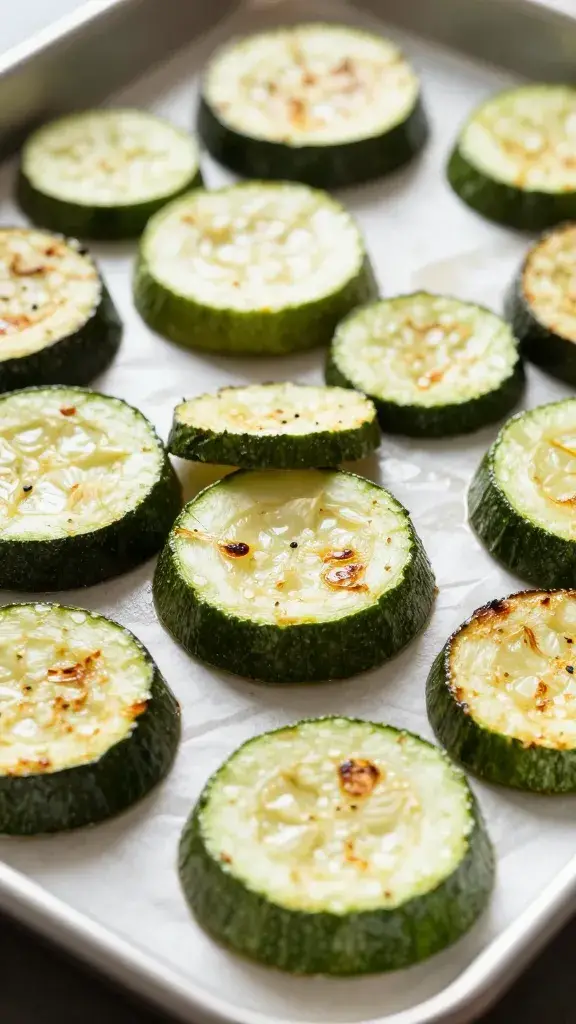
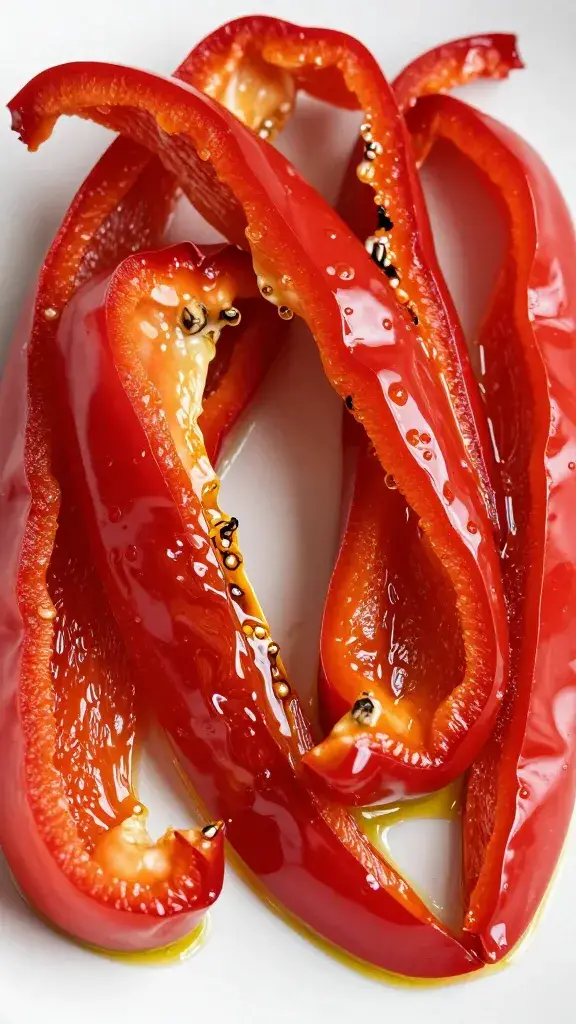
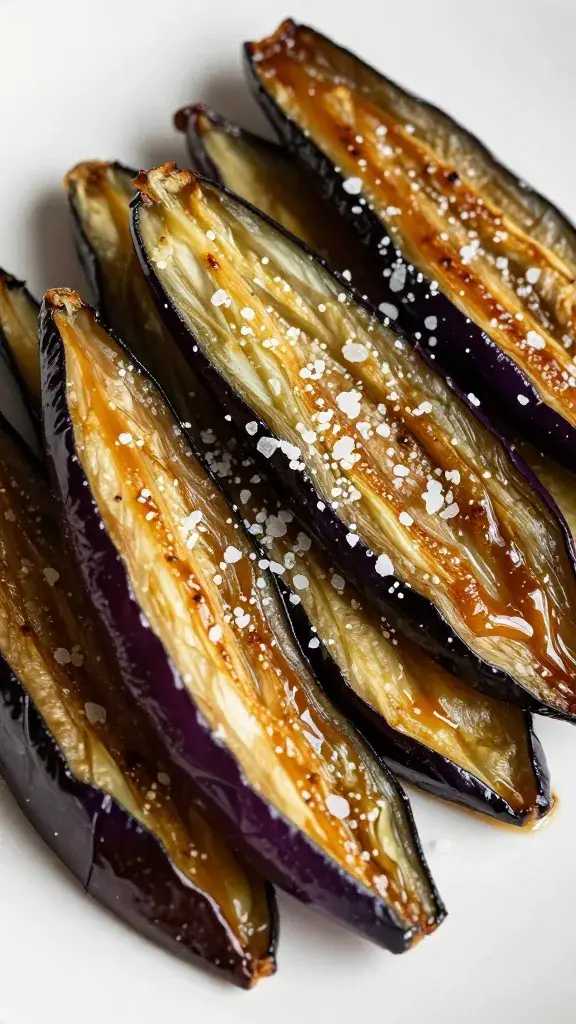
Our Easy Roasted Vegetable Antipasto is a perfect fiber-forward component that pairs beautifully with cheese, cured meats, or a side of hummus and whole grain crackers for a full protein-fiber picnic spread. The roasting concentrates the natural sweetness in the zucchini, peppers, and eggplant, giving you jammy, garlicky results that look considerably more impressive than the effort required.
For meal prep across the week, here is a simple system we rely on:
- Cook a grain on Sunday: Quinoa, farro, or brown rice. These form the fiber backbone of multiple meals.
- Prepare a protein in bulk: Roasted chicken thighs, boiled eggs, or cooked lentils all keep well for 4-5 days.
- Prep vegetables ahead: Roasted vegetables, shredded kale, or sliced cucumber ready to assemble.
- Keep sauces and dressings separate: This preserves texture and stops everything going soggy.
- Assemble fresh each day: Mix and match your components for a different protein-fiber pairing every day of the week.
Common Mistakes That Undermine Your Protein-Fiber Power Pairings
Even with the best intentions, a few common habits can quietly undercut the effectiveness of your protein-fiber combinations. These are the ones we see most often, and they are all easy to fix once you know to look for them.
- Relying on protein supplements alone: Protein shakes are convenient but almost always fiber-free. They are a useful supplement, not a complete protein-fiber pairing on their own.
- Counting vegetables as decoration: A single cherry tomato alongside your steak is not a fiber-rich pairing. Aim for at least a full cup of fiber-dense vegetables per meal.
- Choosing refined grains over whole ones: White rice and white pasta have had most of their fiber processed out. Swapping to whole grain versions or grain alternatives like quinoa makes a real difference to your fiber intake.
- Skipping legumes: Beans and lentils are arguably the most convenient protein-fiber pairings that exist, delivering both nutrients in a single ingredient. They are also among the most affordable foods in any grocery store.
- Eating protein and fiber at separate meals: The synergistic benefit of these two nutrients comes from consuming them together. A high-protein breakfast followed by a fiber-only lunch does not produce the same effect as combining both at each meal.
None of these are catastrophic errors. They are simply opportunities to do a little better with what you are already cooking, without starting from scratch.
Protein-Fiber Power Pairings for Every Budget and Kitchen Size
One of the things we genuinely love about this approach to eating is that it is not reserved for people with large grocery budgets or professional kitchen setups. The most effective protein-fiber pairings are often the most economical ones.
Lentils cost very little and deliver both protein and fiber in the same pot. Canned beans are pantry staples that can be thrown into soups, salads, and stews in minutes. Eggs are among the most affordable and versatile proteins available. Frozen spinach and kale are nutritionally comparable to fresh and dramatically cheaper.
In 2026, with grocery prices still a genuine consideration for most households, maximising what we have is not just practical. It is smart. A can of chickpeas tossed through a roasted vegetable mix with a drizzle of good olive oil and some fresh herbs is a complete, nourishing meal. It is also genuinely delicious.
The secret here is understanding that great protein-fiber pairings are less about premium ingredients and more about intentional combinations. A humble lentil soup with a good wholegrain roll is one of the most perfectly constructed protein-fiber pairings in the culinary world. (Generations of home cooks across North Africa, the Middle East, and South Asia worked that one out long before nutritional science gave it a name.)
Frequently Asked Questions About Protein-Fiber Power Pairings
- Can I get both protein and fiber from plant-based sources alone?
- Absolutely. Lentils, chickpeas, edamame, quinoa, hemp seeds, and tempeh all provide meaningful amounts of both nutrients. A plant-based diet built around these ingredients can deliver strong protein-fiber pairings at every meal.
- How quickly will I notice a difference if I start making these pairings?
- Most people notice improved energy levels and reduced mid-meal hunger within a few days of consistently combining protein and fiber. Gut health improvements from increased fiber can take a few weeks of consistent intake to show up meaningfully.
- Is there such a thing as too much fiber?
- For most people, increasing fiber gradually is the practical approach. Jumping from a very low fiber diet to a very high one too quickly can cause bloating and discomfort. Build up slowly, drink plenty of water, and your gut will adjust.
- Do protein-fiber pairings work for weight loss specifically?
- The research in 2026 strongly supports the idea that eating adequate protein alongside adequate fiber is one of the most effective evidence-backed strategies for managing appetite and body weight. The combination keeps you fuller for longer, which naturally reduces overall calorie intake without requiring you to count every bite.
- What is the simplest protein-fiber pairing a beginner can start with?
- Two eggs scrambled with a large handful of spinach, served on whole grain toast, is about as simple and effective as it gets. It takes less than 10 minutes, costs very little, and delivers a strong protein-fiber hit before the day has properly started.
Conclusion
Protein-Fiber Power Pairings are not a trend. They are a return to the kind of common-sense, ingredient-led cooking that kept generations of people well-nourished before the age of calorie-counting apps and supplement aisles.
The evidence in 2026 is clear, the recipes are genuinely good, and the practical framework is simple enough to apply at any meal without turning cooking into a nutrition lecture. Pair your protein with your fiber, let both elements be equal stars on the plate, and trust that your body knows exactly what to do with the combination.
Whether you are building a quick weeknight casserole, packing a picnic cooler with grain salads and roasted vegetables, or simply upgrading your breakfast with a handful of kale alongside your eggs, you are making one of the most impactful decisions you can for your energy, your gut, and your long-term health.
We are here to make that as straightforward and as delicious as possible. Because nourishing food should never feel like homework.