
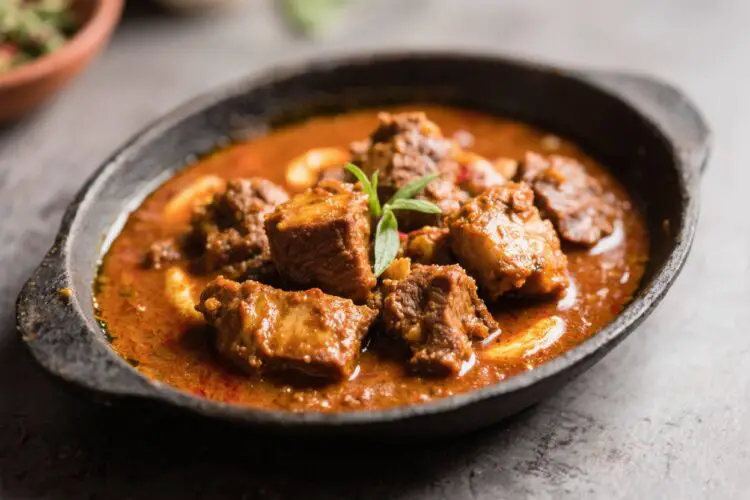
Pork Vindaloo is Goan comfort food at its boldest. It’s a punchy, tangy curry with heat, spice, and a bright vinegar backbone that cuts through the richness of pork. This version keeps things close to tradition, with a homemade spice paste and just the right balance of sour, sweet, and savory.
It’s weeknight-friendly if you marinate ahead, and even better the next day. If you like big, confident flavors, this one belongs in your rotation.
What Makes This Recipe So Good
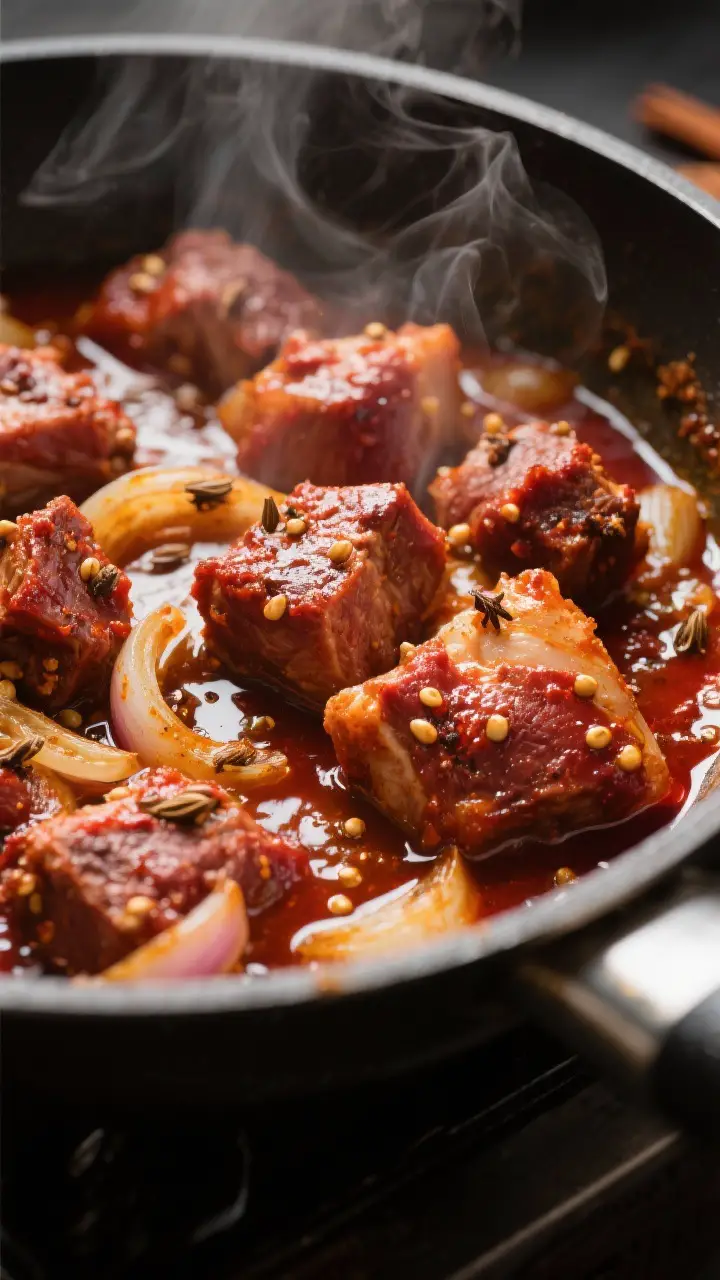
- Balanced heat and tang: The chili heat is tempered by vinegar, garlic, and a hint of sweetness, so every bite tastes complex, not overwhelming.
- Authentic Goan base: Uses a classic vindaloo masala with dried red chilies, whole spices, garlic, and vinegar—no heavy cream, no shortcuts.
- Better with time: The flavors deepen overnight, making it perfect for meal prep or entertaining.
- Approachable technique: A simple marinate-then-simmer method—no special equipment, just patience and good ingredients.
- Customizable heat level: Pick your chilies and adjust the quantity to suit your spice tolerance without losing character.
What You’ll Need
- Pork: 2 pounds (900 g) pork shoulder or pork belly, cut into 1.5-inch chunks
- Onions: 2 medium, thinly sliced
- Oil: 2–3 tablespoons neutral oil (or coconut oil for a Goan touch)
- Salt: To taste
- Brown sugar or jaggery: 1–2 teaspoons, optional but recommended
For the Vindaloo Masala (Spice Paste)
- Dried red chilies: 8–12, deseeded for less heat (Kashmiri chilies are ideal for color and moderate spice)
- White vinegar: 1/3 cup (80 ml), plus a splash more if needed
- Garlic: 10–12 cloves
- Ginger: 1.5-inch piece, peeled
- Cumin seeds: 2 teaspoons
- Black peppercorns: 1 teaspoon
- Mustard seeds: 1 teaspoon
- Whole cloves: 6–8
- Cinnamon stick: 1-inch piece
- Turmeric powder: 1/2 teaspoon
- Paprika or Kashmiri chili powder: 1 teaspoon (for color, optional)
Instructions
- Soften the chilies: Snip off stems and shake out some seeds. Soak dried chilies in hot water for 10–15 minutes until pliable.
Drain well.
- Make the masala paste: Blend soaked chilies, garlic, ginger, cumin, peppercorns, mustard seeds, cloves, cinnamon, turmeric, and vinegar to a smooth paste. Add a splash of water or vinegar as needed. The paste should be thick but spreadable.
- Marinate the pork: In a bowl, toss pork with 2 teaspoons salt and all the masala paste.
Cover and refrigerate at least 2 hours, preferably overnight for deeper flavor.
- Brown the onions: Heat oil in a heavy pot over medium heat. Add sliced onions and a pinch of salt. Cook 8–10 minutes, stirring, until soft and lightly caramelized.
- Sear the pork: Push onions to the side.
Add the marinated pork in batches, searing a few pieces at a time for 2–3 minutes per side. Don’t overcrowd the pot.
- Deglaze and simmer: Once all pork is in the pot, add 3/4–1 cup water to loosen the browned bits. Bring to a gentle simmer.
- Low and slow: Cover and cook on low heat for 45–60 minutes, stirring occasionally.
The pork should be tender but not falling apart. Add splashes of water if the sauce reduces too much.
- Balance the flavors: Taste and adjust. Add 1–2 teaspoons brown sugar or jaggery to round the acidity.
Add a little salt if needed. If you want more tang, add 1–2 teaspoons vinegar at the end.
- Rest before serving: Let the curry sit 10–15 minutes off heat. It thickens slightly and the flavors settle.
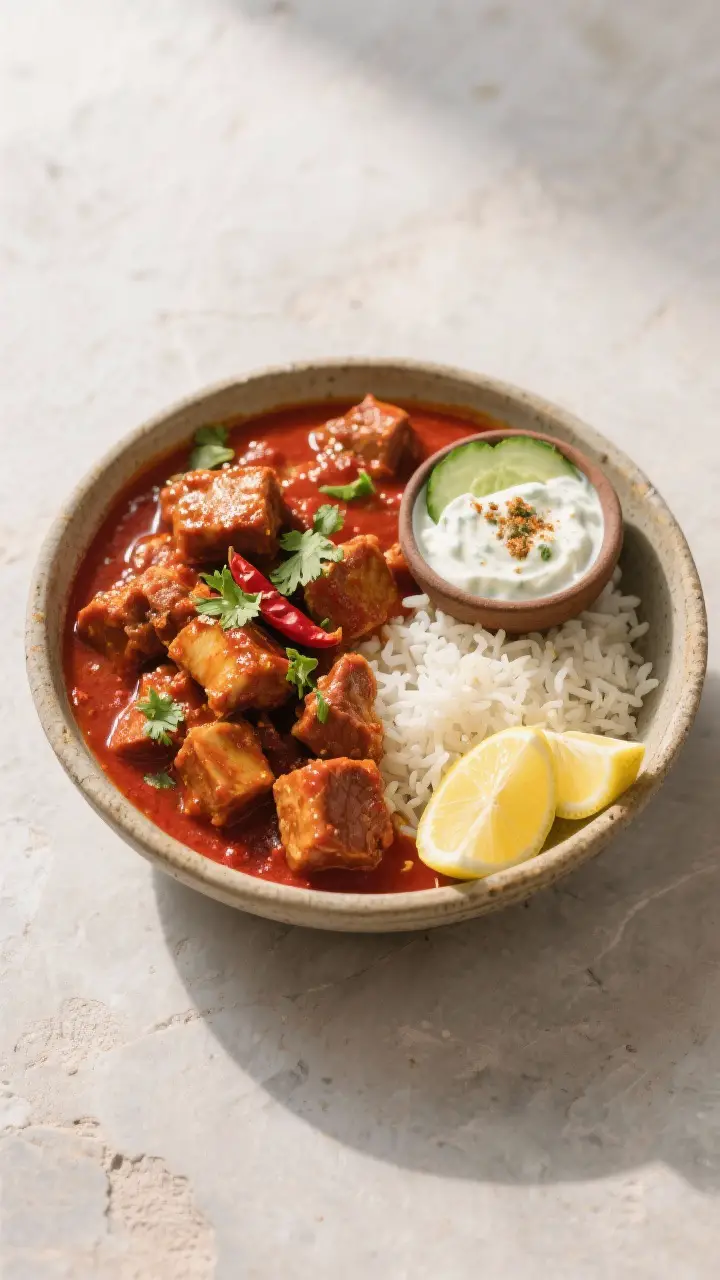
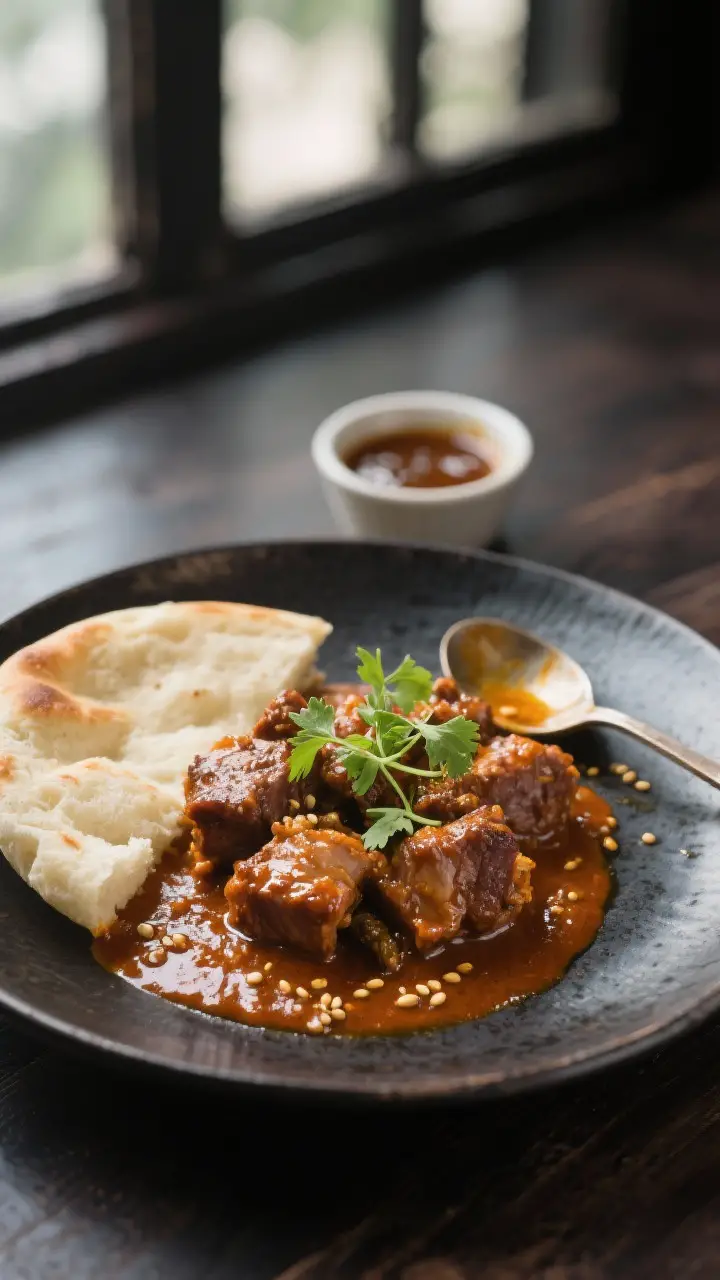
- Serve: Pair with steamed rice, Goan sannas, pav (bread rolls), or warm rotis.
A crisp salad or cucumber raita helps balance the heat.
Keeping It Fresh
- Fridge: Store in an airtight container for up to 4 days. The flavor improves after day one.
- Freezer: Freeze in portions for up to 3 months. Thaw overnight in the fridge, then reheat gently with a splash of water.
- Reheating tip: Low heat is best.
Stir occasionally to prevent sticking, and brighten with a teaspoon of vinegar if the flavors feel muted.
Why This Is Good for You
- Protein-rich: Pork shoulder provides sustained energy and satiety.
- Spice benefits: Garlic, ginger, turmeric, and chilies bring antioxidants and can support digestion and metabolism.
- No heavy dairy: The sauce relies on spices and vinegar, keeping it lighter than cream-based curries.
- Customizable fat content: Trim visible fat or choose pork shoulder over belly for a leaner dish.
Common Mistakes to Avoid
- Skipping the marinade: The vinegar and spices need time to penetrate the meat. A quick 30-minute soak won’t deliver the same depth.
- Overcrowding the pot: Pork won’t sear properly if packed in. Brown in batches for best flavor.
- Too much liquid too soon: Vindaloo should be saucy, not soupy.
Add water gradually and let it reduce naturally.
- Using only chili powder: Whole spices add body and complexity. The paste is the heart of the dish—don’t shortcut it.
- Overcooking the pork: Long simmering is good, but boiling hard will make it tough. Keep it gentle.
Recipe Variations
- Chicken Vindaloo: Use bone-in thighs.
Reduce simmer time to 25–35 minutes.
- Beef or Lamb: Works well with shoulder cuts. Extend simmer to 60–90 minutes until tender.
- Potato addition: Some families add cubed potatoes during the simmer. They soak up the sauce and stretch the meal.
- Coconut note: Not traditional for vindaloo, but a splash of coconut vinegar or a tiny bit of coconut toddy vinegar (if you can find it) adds regional character without making it creamy.
- Milder heat: Use more Kashmiri chilies and fewer hot chilies.
You’ll keep that signature red color with less burn.
- Slightly smoky: Char the soaked chilies lightly on a dry pan before blending. It adds depth without bitterness.
FAQ
Is vindaloo supposed to be very sour?
Traditionally, vindaloo is tangy, but not harsh. The goal is balance—vinegar for brightness, a touch of sweetness for roundness, and enough salt to bring it together.
Adjust at the end so it tastes lively, not sharp.
Can I make it less spicy without losing flavor?
Yes. Use mostly Kashmiri chilies and remove seeds. You’ll get color and aroma with milder heat.
You can also reduce the number of chilies and add a bit more black pepper for warmth.
What vinegar works best?
White vinegar is classic and consistent. Goan palm or coconut vinegar is wonderful if available. Apple cider vinegar works in a pinch, but keep it light so it doesn’t overpower.
Can I cook this in an Instant Pot?
Yes.
Sauté onions and sear pork on Sauté mode, deglaze, then pressure cook on High for about 18–20 minutes with natural release for 10 minutes. Reduce the sauce on Sauté if needed.
Why add sugar or jaggery?
A small amount balances acidity and heat. You shouldn’t taste sweetness—just a smoother, rounder finish.
How can I tell when the pork is done?
It should be tender enough to cut with a spoon but still hold its shape.
If it’s chewy, give it more time over low heat.
What should I serve with it?
Steamed rice, Goan sannas, pav, or rotis are all great. A crisp salad or cucumber raita helps cool the palate.
Final Thoughts
Pork Vindaloo is bold, bright, and deeply satisfying. With a simple homemade masala and a good marinade, you’ll get restaurant-level flavor at home.
Make it once, stash the leftovers, and notice how it gets even better the next day. Keep the heat where you like it, lean into the vinegar, and enjoy a true Goan classic at your table.
Printable Recipe Card
Want just the essential recipe details without scrolling through the article? Get our printable recipe card with just the ingredients and instructions.