
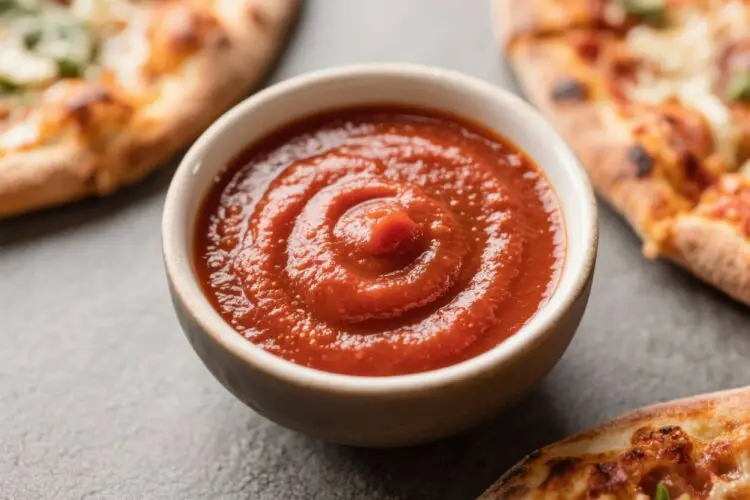
A great pizza starts with the sauce, and this one is bright, rich, and full of real tomato flavor. It’s the kind of sauce that tastes like you tried hard, even though it comes together in just a few minutes. Whether you’re making a classic Margherita or loading up the toppings, this sauce gives you a solid base.
No cooking required if you’re short on time, but you can simmer it if you want a deeper taste. Either way, it’s fresh, balanced, and dependable.
What Makes This Special
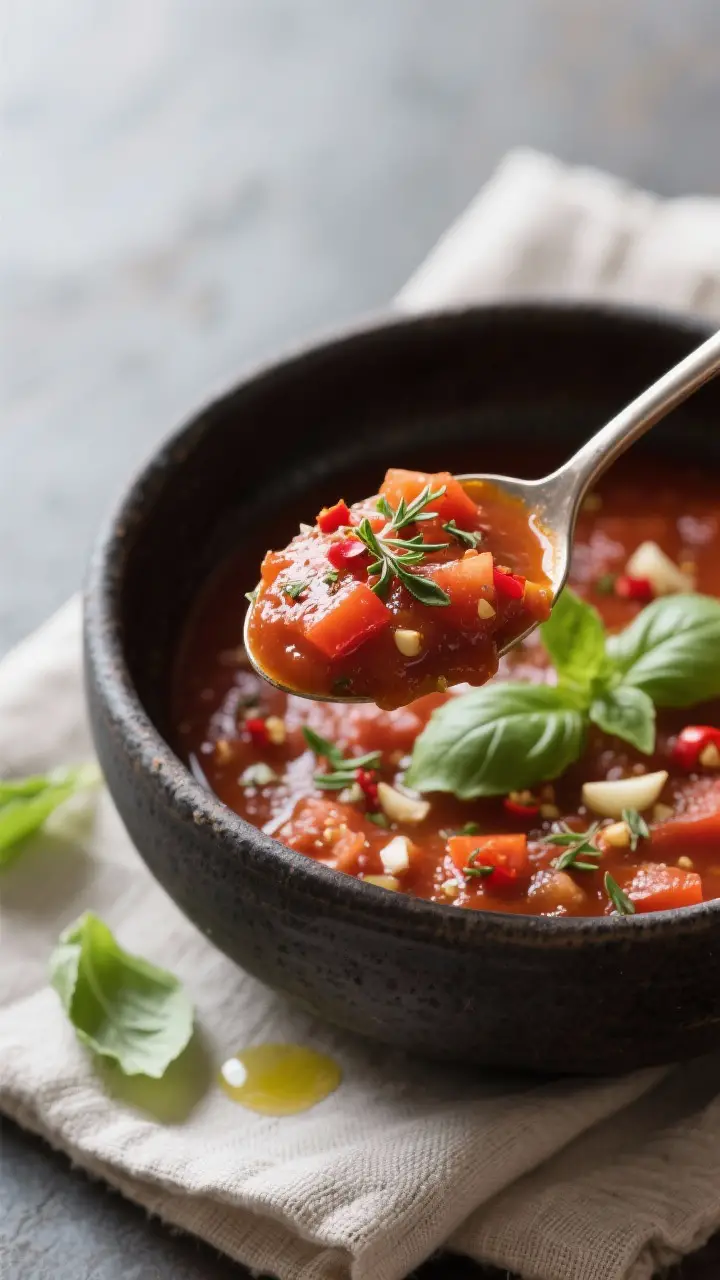
This sauce focuses on clean, bold flavors. It uses quality tomatoes, fresh garlic, olive oil, and a few everyday seasonings.
That’s it—no sugar bombs or heavy-handed herbs.
No-cook or simmer—your choice. You can blitz it and spread it right on the dough, which keeps the taste bright. Or simmer it for 15–20 minutes for a richer, sweeter profile.
Perfect texture for pizza. It’s thick enough to stay put, but smooth enough to spread easily. That means no soggy crust and no watery mess.
Make-ahead friendly. The flavor gets even better after a day in the fridge, and it freezes beautifully.
What You’ll Need
- 1 can (28 oz) whole peeled San Marzano tomatoes (or high-quality whole peeled tomatoes)
- 2 tablespoons extra-virgin olive oil
- 2–3 garlic cloves, finely grated or minced
- 1 teaspoon fine sea salt (adjust to taste)
- 1 teaspoon dried oregano
- 1/2 teaspoon dried basil (optional if using fresh later)
- 1/2 teaspoon onion powder (optional, for roundness)
- 1/4–1/2 teaspoon crushed red pepper flakes (optional, for mild heat)
- 1 teaspoon sugar or honey (optional; use only if tomatoes taste too acidic)
- Freshly ground black pepper, to taste
- 1–2 tablespoons tomato paste (optional, for thicker, deeper flavor)
- Handful of fresh basil leaves, torn (optional finish)
Instructions
- Drain the tomatoes lightly. Pour the canned tomatoes into a bowl and gently squeeze out some of the excess liquid.
Keep that liquid nearby in case you need to loosen the sauce later.
- Crush or blend. For a rustic texture, crush tomatoes by hand or with a potato masher. For a smoother sauce, pulse in a blender or use an immersion blender. Avoid over-blending; you want some body.
- Add the aromatics. Stir in olive oil, garlic, salt, oregano, dried basil, onion powder, red pepper flakes, and black pepper.
Mix well to combine.
- Taste the acidity. If the sauce tastes sharp, add sugar or honey, a little at a time. If it’s too thin, stir in tomato paste to thicken and deepen the flavor.
- No-cook method (fast and fresh). Let the sauce rest for 10–15 minutes so the flavors meld. Use right away or refrigerate for up to 5 days.
Add torn fresh basil just before using for a bright finish.
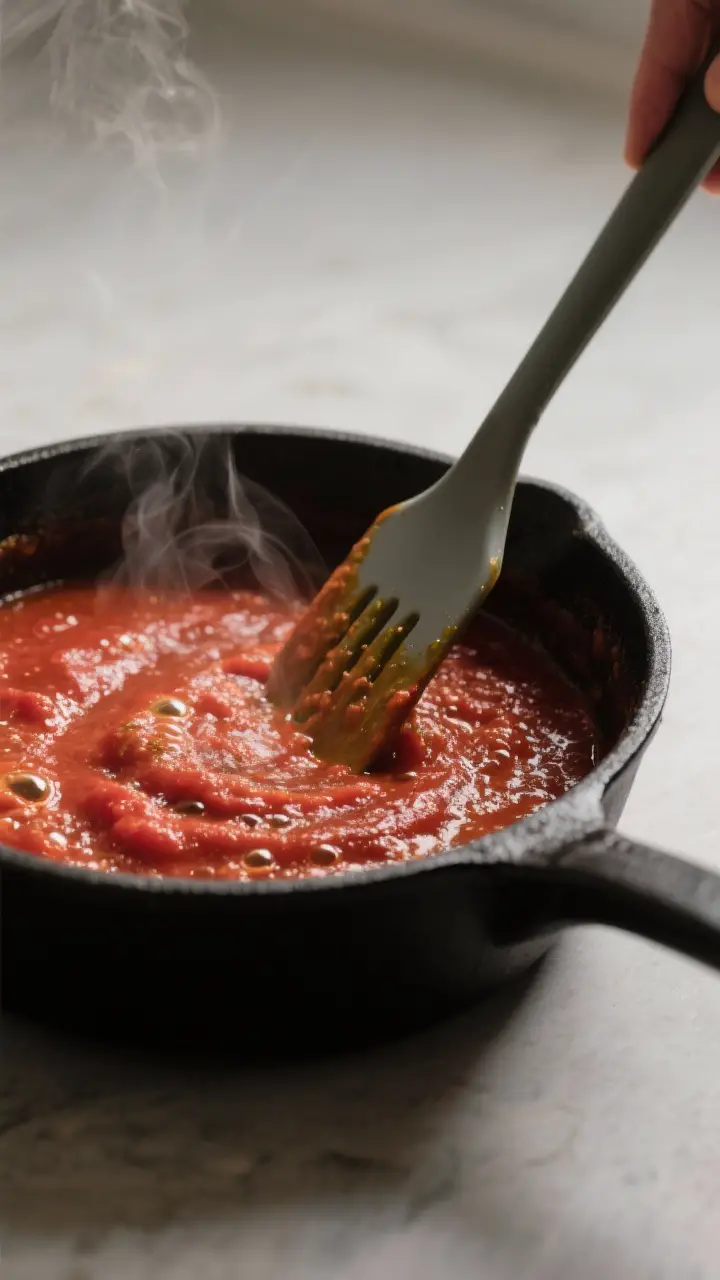
- Simmered method (richer and sweeter). Add the sauce to a saucepan and simmer over low heat for 15–20 minutes, stirring occasionally. Keep it gentle—boiling can make it harsh. Adjust salt and pepper at the end.
- Cool before topping. If simmered, let the sauce cool to room temperature before spreading on dough.
Warm sauce can make the dough sticky and harder to handle.
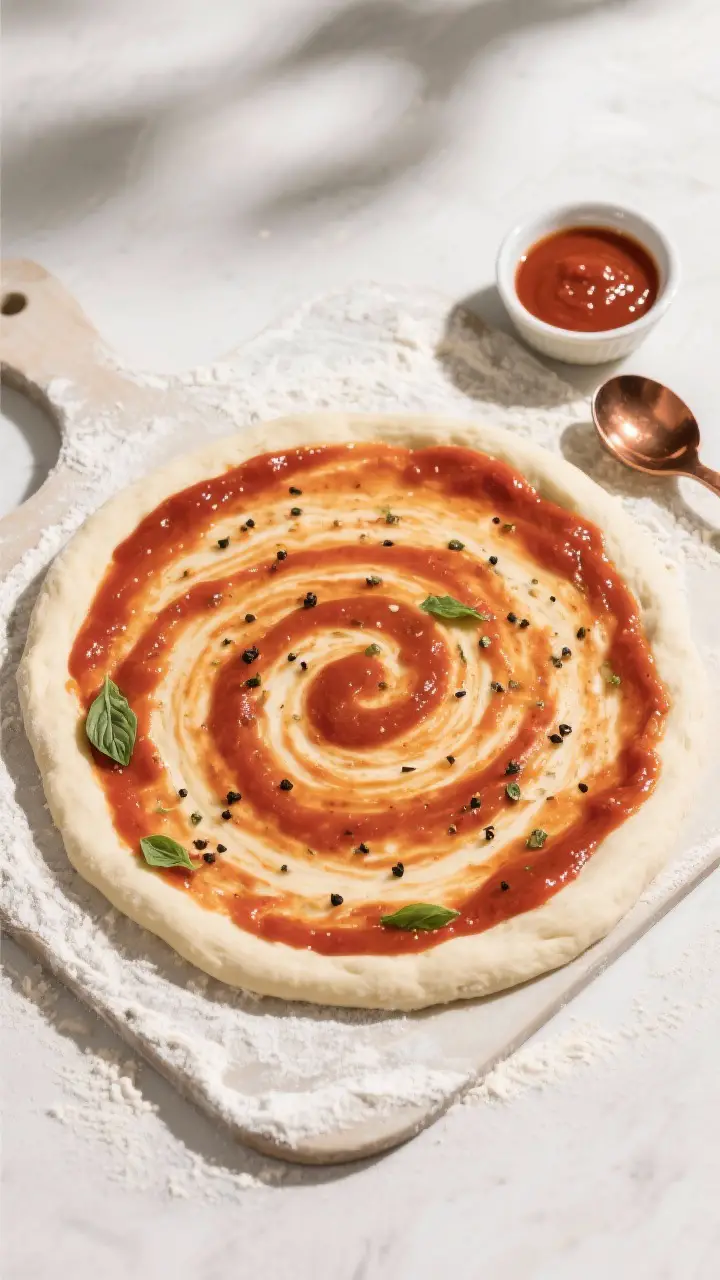
- Use sparingly. Spread a thin, even layer—about 2–3 tablespoons for a 10–12 inch pizza. Too much sauce leads to sogginess and slow baking.
Keeping It Fresh
Refrigerator: Store in an airtight container for up to 5 days. The flavor improves by day two.
Freezer: Freeze in portions (ice cube trays or small containers) for up to 3 months.
Thaw overnight in the fridge or gently in a bowl of cool water.
Reheat gently: If you simmered the sauce and want it warm, heat on low to avoid bitterness. Stir in a splash of olive oil to refresh the texture.
Avoid metal containers long-term, which can affect flavor. Glass or BPA-free plastic works best.
Health Benefits
- Tomatoes are rich in lycopene, an antioxidant linked to heart health and reduced inflammation.
Cooking can actually make lycopene more available to the body.
- Olive oil adds healthy fats, which help absorb fat-soluble nutrients and support a balanced diet.
- Garlic and oregano bring antimicrobial and anti-inflammatory compounds, plus big flavor without extra calories.
- Low added sugar and salt make this a more wholesome option than many store-bought sauces.
Common Mistakes to Avoid
- Using low-quality tomatoes. The sauce is all about tomatoes. Choose San Marzano or another reputable brand of whole peeled tomatoes.
- Over-blending. Ultra-smooth sauce can feel watery and flat. Leave a little texture.
- Too much sauce on the dough. A heavy hand leads to soggy centers and undercooked crusts.
- Boiling the sauce. High heat can turn flavors bitter.
Keep it at a gentle simmer if cooking.
- Skipping the rest time. Even no-cook sauce benefits from 10–15 minutes to let the flavors come together.
- Relying on sugar to fix bad tomatoes. Sweetness should balance, not mask. If the tomatoes taste dull or tinny, try a different brand next time.
Variations You Can Try
- Neapolitan-style: Keep it simple—tomatoes, salt, a touch of olive oil, and fresh basil. No cooking, no sugar, minimal herbs.
- Herb-forward: Add more oregano and a pinch of thyme or marjoram.
Great with veggie-loaded pizzas.
- Spicy arrabbiata twist: Increase red pepper flakes and add a minced Calabrian chili or a dash of hot sauce.
- Roasted garlic: Swap raw garlic for 2–3 cloves of roasted garlic for a sweeter, mellow flavor.
- Umami boost: Stir in a small splash of fish sauce or a pinch of grated Parmesan for depth. Use sparingly.
- Smoky note: Add a pinch of smoked paprika, especially good with sausage or mushroom pizzas.
- Fresh tomato version: Use 2 lbs ripe tomatoes, peeled and seeded. Blend and simmer 20–30 minutes until thick.
FAQ
Can I use crushed or diced tomatoes instead of whole?
Yes, but whole peeled tomatoes typically have better texture and flavor.
If using crushed or diced, check for added calcium chloride, which can keep tomatoes firmer and sometimes grainy. Blend briefly if needed.
Do I need to cook the garlic first?
No. Raw garlic gives a lively kick, especially in no-cook sauce.
If you prefer a milder profile, sauté the garlic gently in olive oil for 30–60 seconds before mixing it into the sauce or opt for roasted garlic.
How do I keep the sauce from making my pizza soggy?
Use a thicker sauce, spread a thin layer, and preheat your oven and stone or steel thoroughly. Avoid watery toppings, and pat fresh mozzarella dry before baking.
Is sugar necessary in pizza sauce?
No. Use it only if your tomatoes are very acidic.
A pinch can help balance, but great tomatoes often don’t need it.
How much sauce should I use per pizza?
For a 10–12 inch pizza, start with 2–3 tablespoons. For a 14–16 inch pizza, 1/3 to 1/2 cup usually works. You should still see some dough through the sauce.
Can I can this sauce for long-term storage?
This recipe hasn’t been tested for canning safety.
For shelf-stable canning, use a tested recipe with proper acid levels and processing instructions. Freezing is the safer, easier option here.
What if my sauce tastes tinny or flat?
Switch brands, add a drizzle of good olive oil, and a pinch of salt. A tiny bit of tomato paste or Parmesan can add depth, and a few torn basil leaves brighten it up.
Can I use fresh herbs instead of dried?
Yes.
Add fresh basil at the end and keep other fresh herbs subtle. Dried oregano stands up well in sauce; if using fresh oregano, use less because it’s potent.
Final Thoughts
A reliable pizza sauce doesn’t need a long ingredient list or hours on the stove. With good tomatoes, a little garlic, and balanced seasoning, you’ll get a sauce that supports the crust and lets your toppings shine.
Keep it simple, taste as you go, and don’t overdo the sauce on the dough. Once you find the texture and flavor you like, batch it, freeze it, and you’ll always be one step closer to great homemade pizza.