
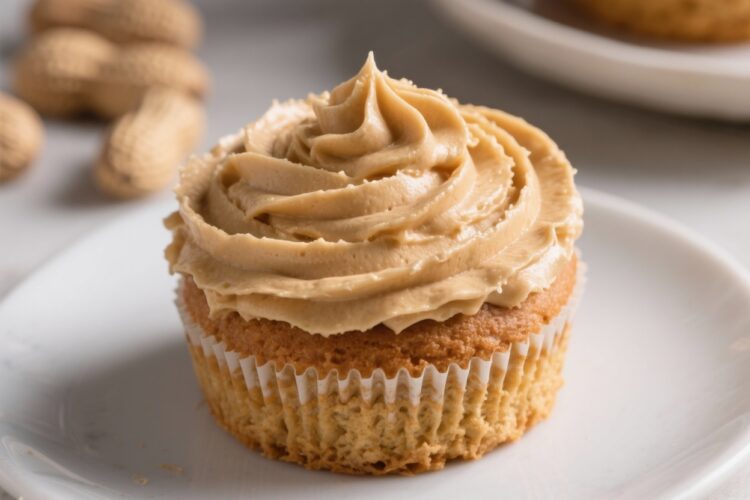
Peanut butter frosting is the kind of recipe that instantly makes cupcakes, cakes, and brownies feel special. It’s rich, creamy, and perfectly sweet without being cloying. This version comes together in minutes, uses simple pantry ingredients, and spreads or pipes like a dream.
Whether you’re making a birthday cake or fixing up a weeknight treat, this frosting delivers big flavor with very little fuss. You’ll get a smooth, fluffy texture and that classic peanut butter taste everyone loves.
Why This Recipe Works
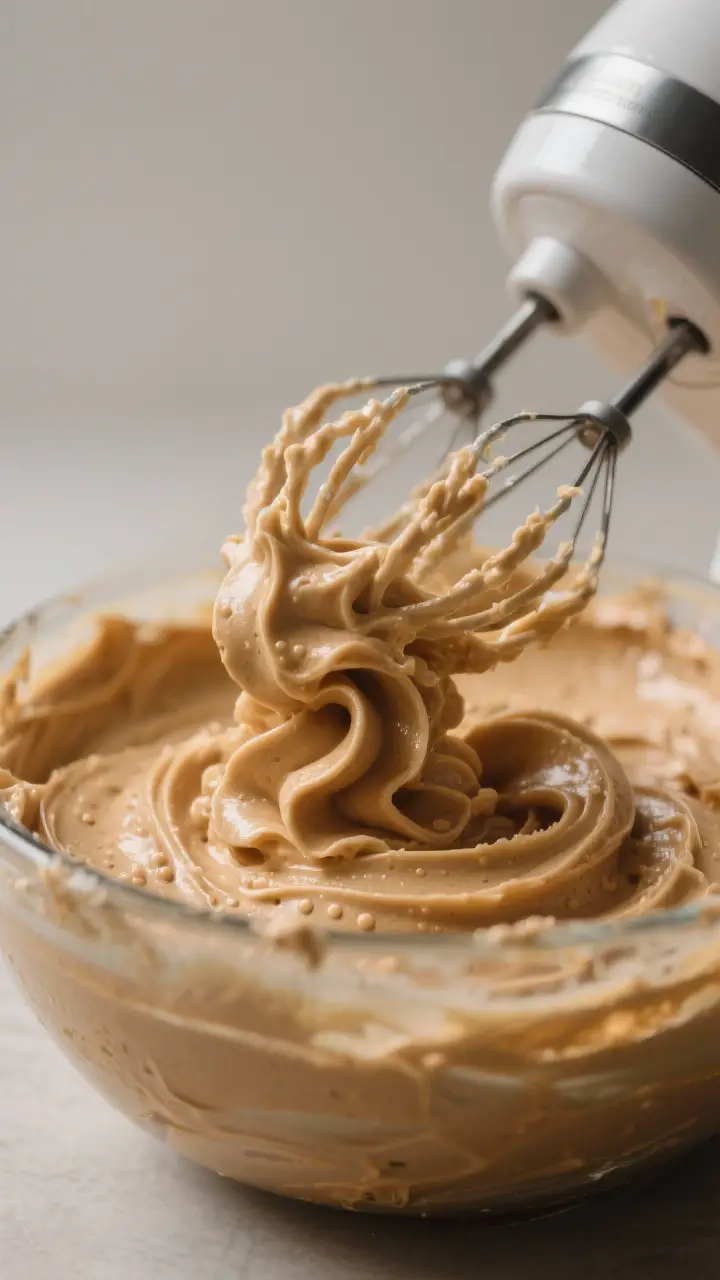
This frosting balances sweetness, saltiness, and fat so the peanut butter flavor shines. Cream cheese (or a splash of heavy cream) adds body and tang, keeping the frosting smooth and not too sweet.
Using room-temperature ingredients helps everything blend without lumps.
Beating the butter and peanut butter first creates a light base. Powdered sugar adds sweetness and stability, and a touch of vanilla rounds out the flavor. The result is a frosting that holds its shape but stays soft and spreadable.
Shopping List
- Creamy peanut butter: Use a conventional brand (not natural) for the smoothest texture.
- Unsalted butter: Room temperature, for fluffiness and structure.
- Cream cheese (optional): Adds tang and smoothness.
You can swap with heavy cream.
- Powdered sugar (confectioners’ sugar): Sweetens and thickens.
- Vanilla extract: Enhances flavor.
- Fine sea salt: Balances sweetness and boosts peanut flavor.
- Heavy cream or milk (as needed): Adjusts consistency.
How to Make It
- Soften your ingredients: Let butter and cream cheese sit at room temperature for 30–45 minutes. Soft, not melty, is the goal.
- Beat the base: In a large bowl, beat 1/2 cup unsalted butter and 1 cup creamy peanut butter on medium speed for 1–2 minutes until smooth and slightly fluffy.
- Add cream cheese (optional): Beat in 4 ounces softened cream cheese until fully combined and creamy. If skipping cream cheese, move to the next step and plan to use 2–4 tablespoons of heavy cream later.
- Mix in vanilla and salt: Add 1 teaspoon vanilla extract and a pinch (1/8 teaspoon) of fine sea salt.
Blend briefly.
- Add powdered sugar: Gradually beat in 2 to 2 1/2 cups powdered sugar, 1/2 cup at a time, scraping the bowl. Stop when it’s sweet, thick, and smooth.
- Adjust texture: If too thick, add heavy cream or milk 1 tablespoon at a time until spreadable. If too thin, add a little more powdered sugar.
- Whip for fluff: Beat on medium-high for 30–60 seconds to aerate.
Don’t overdo it or the frosting can get air pockets.
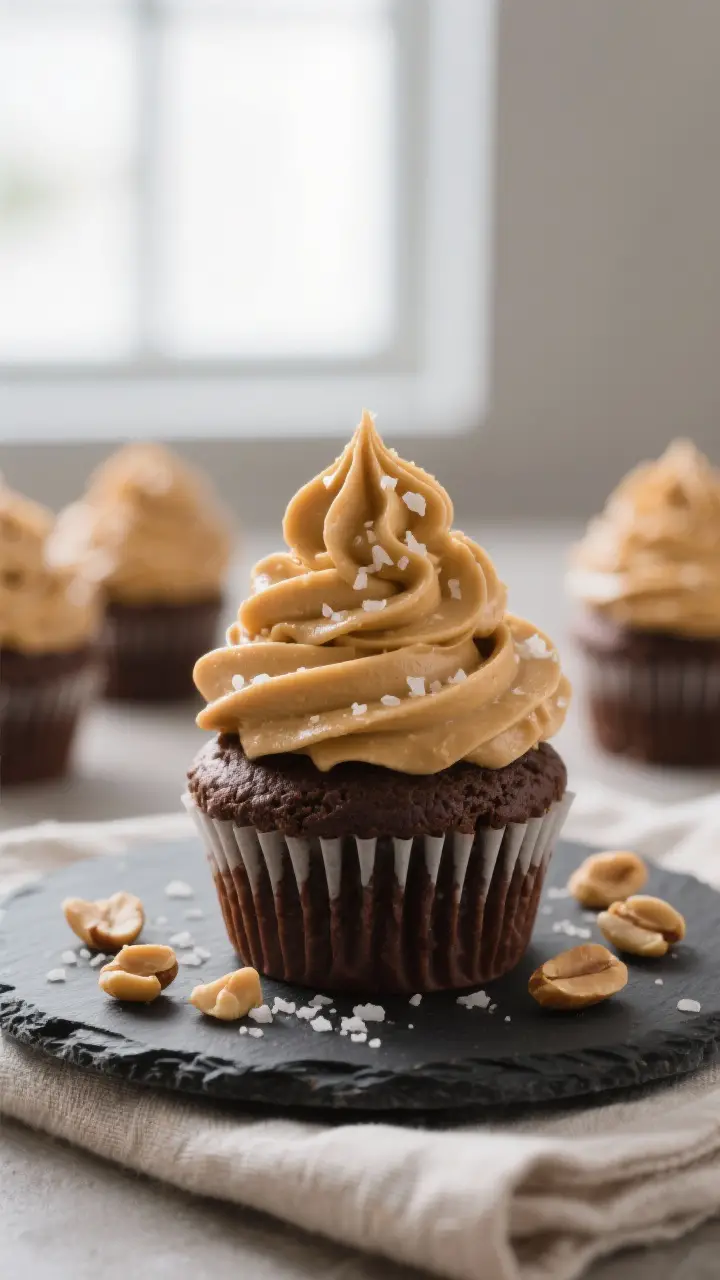
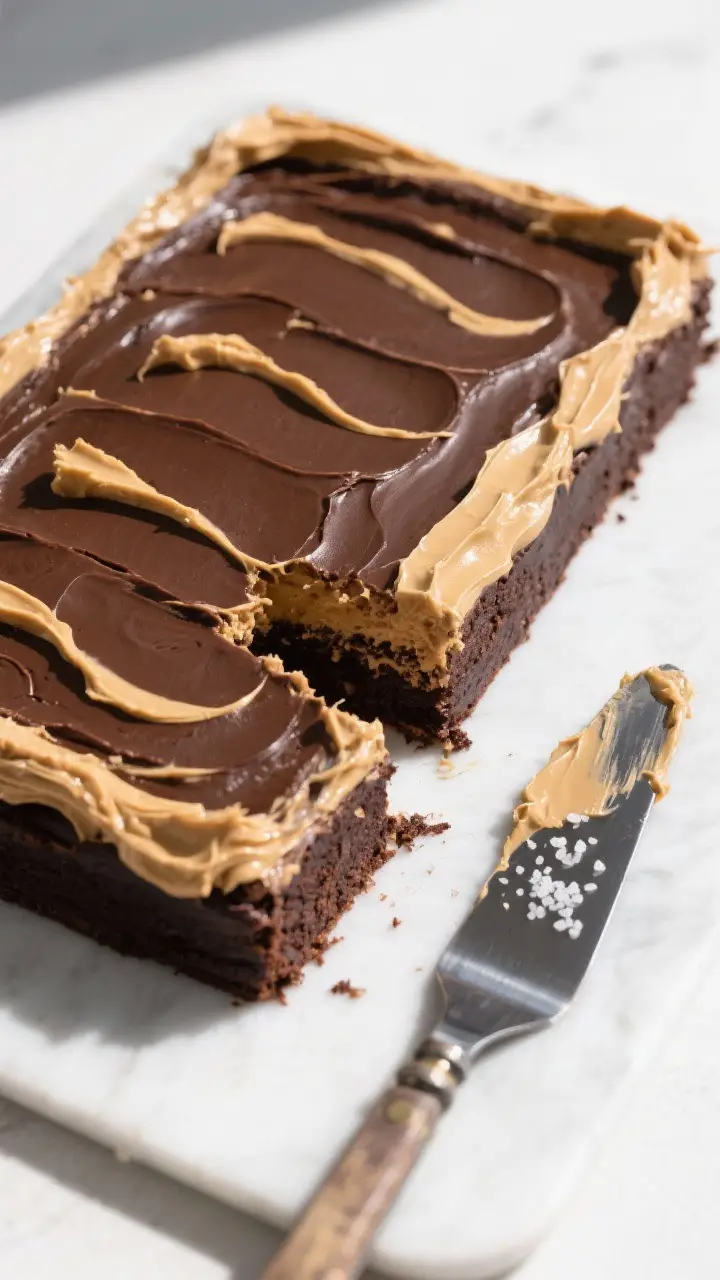
- Frost and enjoy: Spread on cooled cakes, cupcakes, brownies, or cookies. It also pipes well with a large round or star tip.
How to Store
- Short-term: Keep covered in the fridge for up to 5 days. Let it sit at room temperature 20–30 minutes before using, then re-whip briefly.
- Freezer: Freeze in an airtight container for up to 2 months.
Thaw in the fridge overnight, then bring to room temperature and beat until smooth.
- On the cake: Frosted cakes keep well covered in the fridge for 3–4 days. For the best texture, let sit at room temperature 20 minutes before serving.
Why This is Good for You
Peanut butter brings more than flavor. It offers plant-based protein, healthy fats, and vitamin E, which can help keep you full and satisfied.
A small amount goes a long way, especially when paired with a wholesome cake base like banana bread or whole-wheat cupcakes.
While it’s still a dessert, this frosting has a lower sugar-to-fat ratio than some traditional buttercreams. The fat helps blunt the sweetness, so you often use less frosting overall. If you want to lighten it up further, see the variations section for yogurt and reduced-sugar tweaks.
Pitfalls to Watch Out For
- Using natural peanut butter: The oil can separate and make the frosting greasy or runny.
Stick to a no-stir variety for best results.
- Cold ingredients: Cold butter or cream cheese won’t blend smoothly and can leave lumps. Always soften first.
- Over-beating: Too much air can create bubbles that look rough when spread or piped. Whip just until fluffy.
- Too much liquid: Add cream slowly.
It’s easier to thin a thick frosting than to fix a runny one.
- Heat and humidity: Warm kitchens can soften the frosting. If it starts drooping, chill it for 10–15 minutes and re-whip.
Recipe Variations
- Fluffier Bakery-Style: Add an extra 2 tablespoons of butter and whip an additional minute for super light texture.
- Chocolate-Peanut Butter: Beat in 1/4 cup unsweetened cocoa powder and 1–2 tablespoons extra cream. Adjust sugar to taste.
- Salted Honey: Swap 2–3 tablespoons of powdered sugar for honey and finish with a sprinkle of flaky sea salt.
- Maple Twist: Replace vanilla with 1 teaspoon pure maple extract and add a tablespoon of real maple syrup.
- Yogurt Lightened: Beat in 2–3 tablespoons full-fat Greek yogurt for tang and a lighter feel.
Add sugar to balance if needed.
- Dairy-Free: Use vegan butter and skip cream cheese. Thin with unsweetened almond milk as needed.
- Crunchy Texture: Fold in 2–3 tablespoons finely chopped roasted peanuts at the end.
- Cinnamon Peanut Butter: Add 1/2 teaspoon ground cinnamon for warmth and depth.
FAQ
Can I use natural peanut butter?
You can, but it’s tricky. Natural peanut butter separates and often makes the frosting loose or oily.
If you must use it, choose a no-stir natural brand and add more powdered sugar to stabilize. Still, conventional creamy peanut butter works best.
How much frosting does this make?
This batch makes enough to generously frost 12 cupcakes, a 9×13-inch cake, or a two-layer 8-inch cake with a thinner layer. If you like tall swirls, make 1.5 times the recipe for cupcakes.
Is cream cheese required?
No.
It adds tang and silkiness, but you can skip it. If omitting, plan to use a few tablespoons of heavy cream or milk to get the right consistency, and consider a small extra pinch of salt to balance the sweetness.
Why is my frosting gritty?
That usually means the powdered sugar wasn’t fully incorporated or the brand was coarse. Beat longer, add a teaspoon or two of cream, and keep mixing until smooth.
Sifting the powdered sugar before adding can help prevent this.
Can I color or pipe this frosting?
Yes. It pipes well with large tips. Food coloring will darken slightly because the frosting is tan to start, so test a small amount first.
For crisp edges, chill the frosting for 10 minutes, then pipe.
What can I pair this with?
Chocolate cake, banana bread, vanilla cupcakes, brownies, and sandwich cookies are classics. It’s also great on graham crackers for a quick snack or swirled onto cinnamon rolls for a peanut butter twist.
How do I fix runny frosting?
Beat in more powdered sugar, a few tablespoons at a time, until it thickens. If it looks greasy, chill the bowl for 10–15 minutes, then beat again to bring it back together.
Is it safe to leave out at room temperature?
For a party, yes, for a few hours.
After that, refrigerate. If you used cream cheese, keep the cake chilled when not serving, then let it warm slightly before enjoying.
Final Thoughts
Peanut butter frosting is one of those small kitchen wins that makes everything taste better. With a handful of ingredients and a few minutes, you’ll have a smooth, fluffy topping that fits weeknight treats and special occasions alike.
Keep the ingredients soft, don’t overmix, and trust your texture adjustments. Once you’ve made it, you’ll find yourself using it on everything from cupcakes to cookies—and sneaking a spoonful straight from the bowl.