
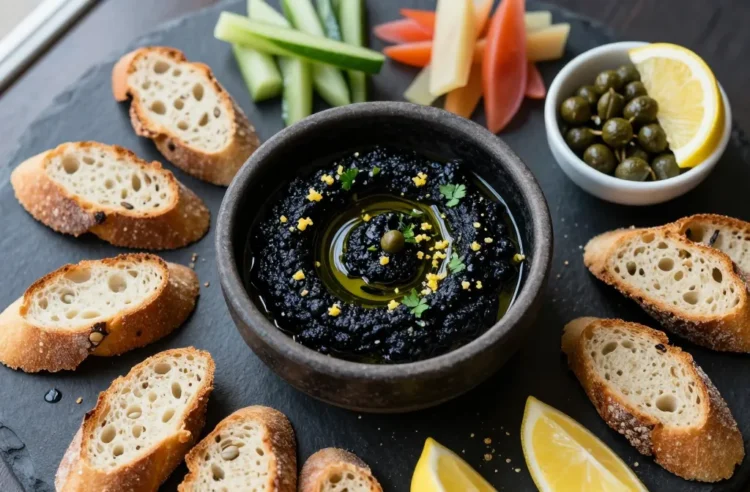
You need a crowd-pleasing snack that looks fancy, tastes salty-savory-delicious, and takes less time than finding matching Tupperware lids? Make olive tapenade. It’s briny, punchy, and spreads like butter on a warm baguette. Bonus: you can prep it ahead, scale it easily, and serve it twelve ways without breaking a sweat.
What Exactly Is Olive Tapenade (and Why It Slaps for Parties)
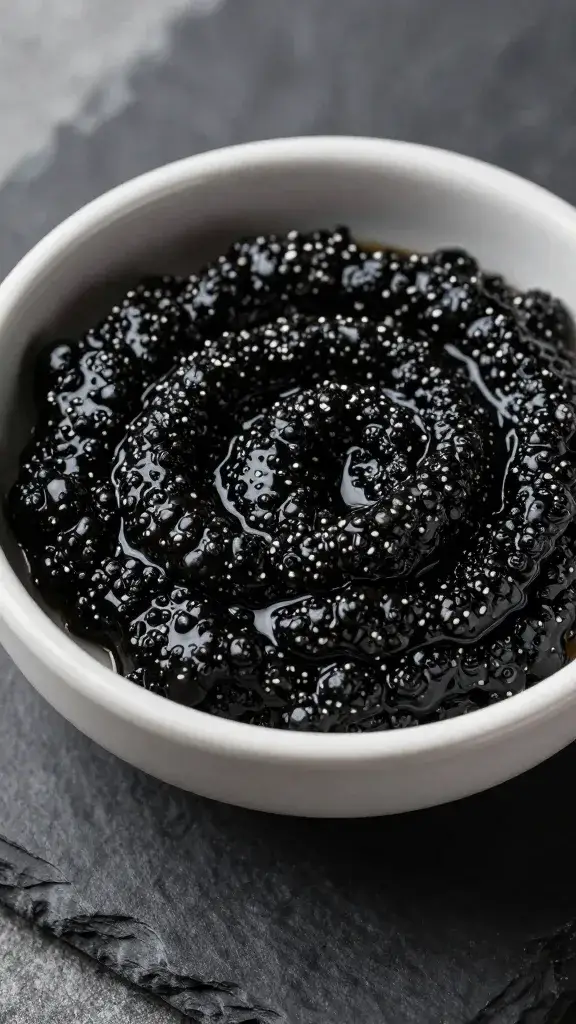
Tapenade is a chunky spread made from black olives, capers, garlic, and olive oil. Think of it like the extrovert of dips—bold, assertive, and not shy about flavor. It turns a humble cracker into a canapé and makes veggies feel like they got invited to a better party. FYI, it also doubles as a sandwich spread and pasta topper, so leftovers never go to waste.
Ingredient Amounts for a Crowd
Let’s plan for about 25 people as part of a snack spread. That gives everyone a generous couple of spoonfuls. If you want to feed 50, just double it.
For ~25 people (about 6 cups tapenade):
- 6 cups pitted black olives (Kalamata + oil-cured mix works great; about 3.5–4 pounds unpitted)
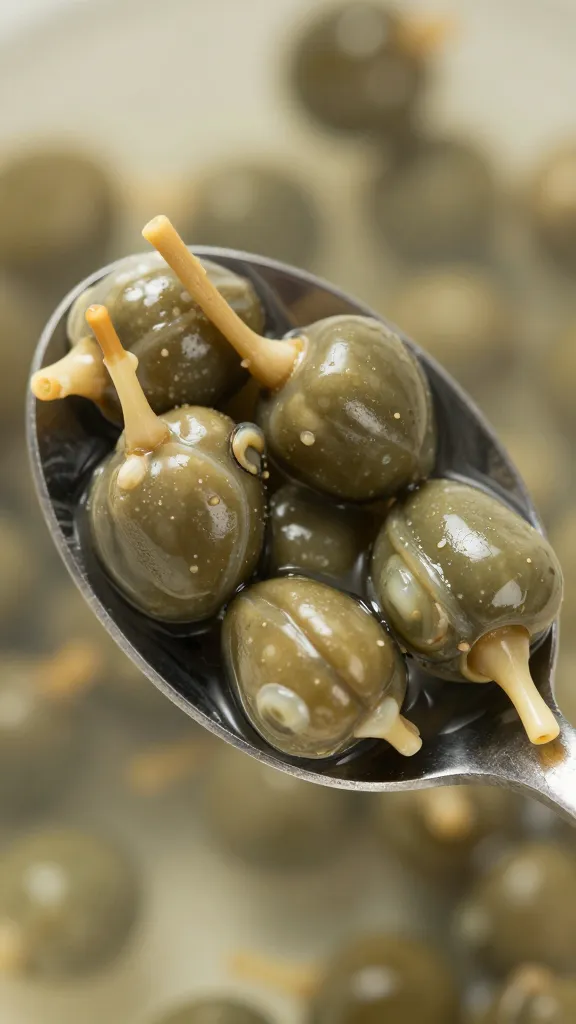
- 1 packed cup capers, drained and rinsed
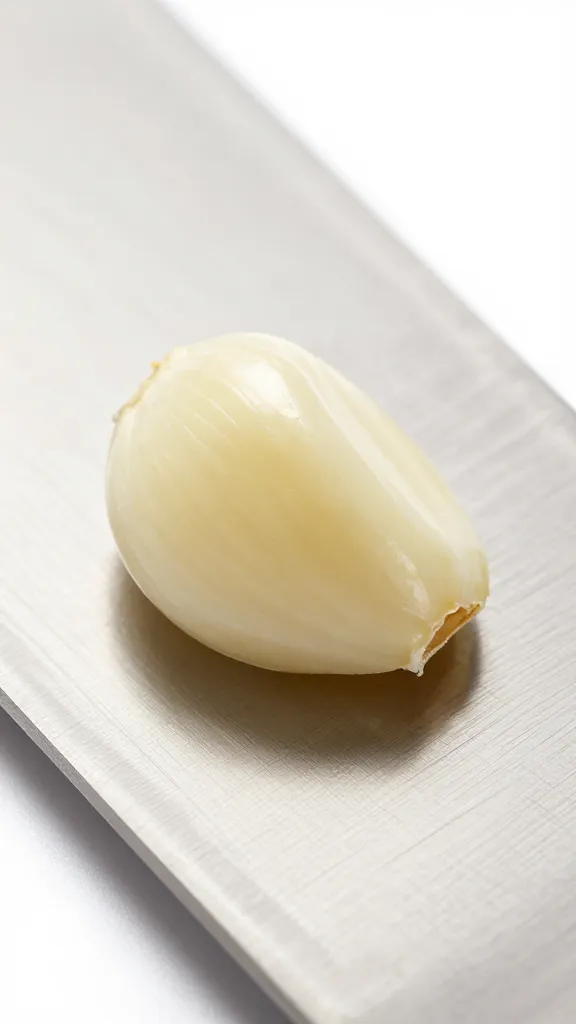
- 10–12 cloves garlic, smashed
- 2 cups flat-leaf parsley, roughly chopped
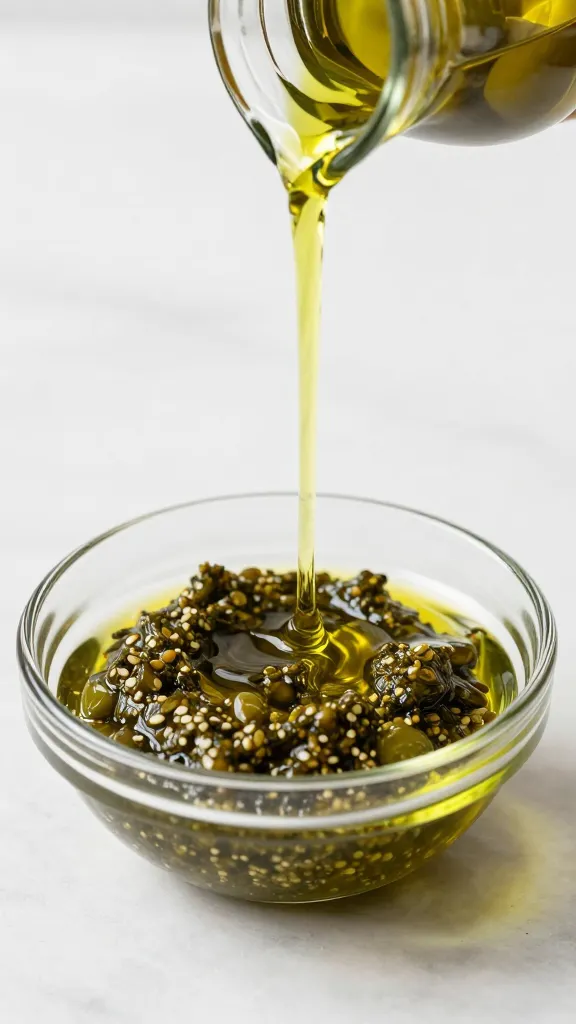
- 1 cup extra-virgin olive oil (plus more to loosen as needed)
- 2–3 tablespoons fresh lemon juice (to taste)
- 2 tablespoons Dijon mustard (optional but IMO excellent)
- 1–2 teaspoons anchovy paste or 4–6 anchovy fillets (optional but classic)
- Black pepper, to taste
- Orange zest from 1 orange (optional twist, highly recommended)
Salt note: Taste first. The olives and capers bring serious salinity. Add salt only if your soul demands it.
Scaling Guide
- For 10–12 people: Use 1/2 the amounts above (about 3 cups).
- For 50 people: Double it (about 12 cups).
- For mini tastings or heavy appetizer menus: You can stretch servings with extra bread and veggies.
Prep Timeline (Stress-Free Version)
You don’t need a chef’s jacket for this—just a food processor and a plan.
Two Days Before
- Buy everything. Pit olives if needed (or bribe a friend with wine).
- Rinse capers to knock back the extra brine.
One Day Before
- Make the tapenade: Pulse olives, capers, garlic, parsley, anchovy (if using), Dijon, and pepper in a food processor.
- Stream in olive oil until the texture turns spreadable but still chunky. Stir in lemon juice and zest. Adjust to taste.
- Transfer to a container, slick the top with a thin layer of oil, and refrigerate. It actually tastes better the next day—flavor glow-up.
Day Of (1–2 Hours Before Guests Arrive)
- Pull the tapenade from the fridge to lose the chill. Stir and adjust consistency with a splash of olive oil if needed.
- Toast or slice bread, prep veggies, and set out serving bowls.
How to Make Tapenade Like You Meant To
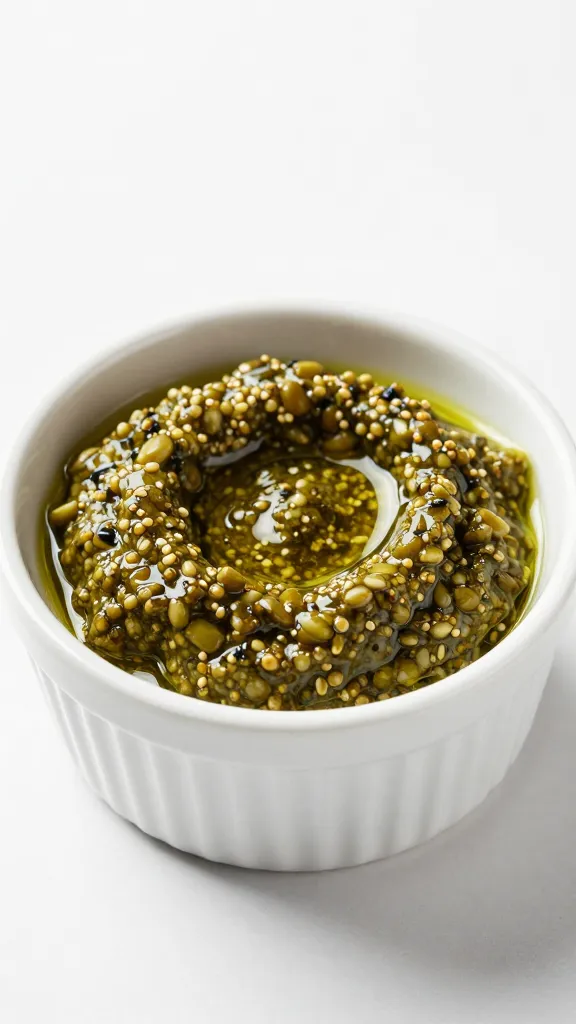
Short version: Pulse, don’t puree. You want texture, not baby food.
- Add olives, capers, garlic, parsley, anchovy (optional), and Dijon to a food processor. Pulse 8–12 times until coarse.
- With the machine running, pour in olive oil in a slow stream until you get a spreadable, glossy mixture. Stop and scrape as needed.
- Stir in lemon juice and orange zest by hand. Taste. Add pepper and, if somehow needed, a pinch of salt.
- Chill at least 2 hours for flavors to marry. Overnight = chef’s kiss.
Texture Tips
- Too chunky? Pulse a few more times or add a splash of oil.
- Too thin? Fold in more chopped olives by hand.
- Too salty? Hit it with extra parsley and lemon juice.
Serving Plan That Looks Effortless
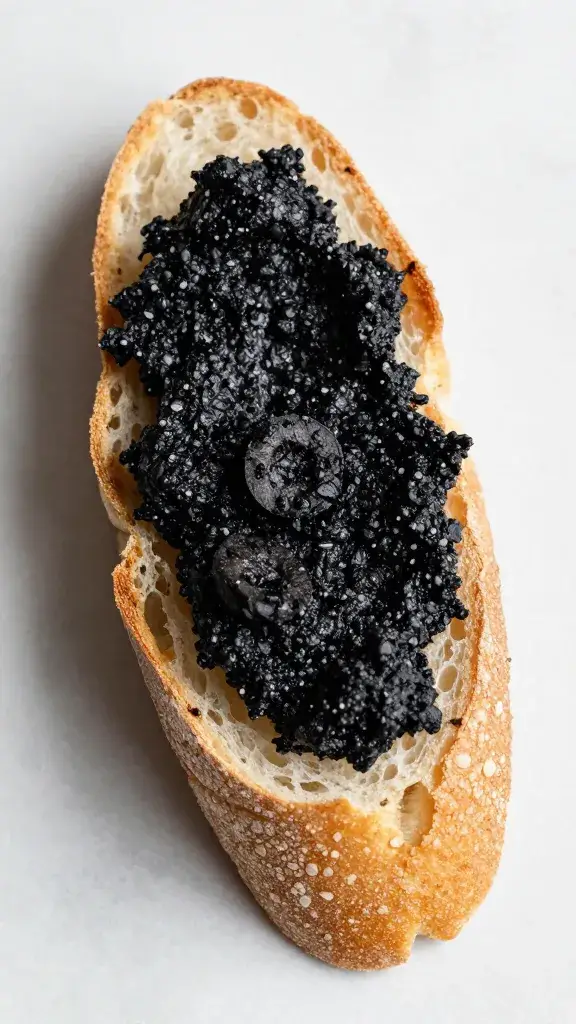
You could plop the bowl on the table and call it a day. But if you want that “host with the most” vibe, try this spread:
The Board
- Bread: Sliced baguette (lightly toasted), ciabatta, or crostini
- Crunch: Seedy crackers, breadsticks, pita chips
- Veggies: Cucumber rounds, endive leaves, cherry tomatoes, blanched green beans
- Creamy counterpoint: Whipped ricotta or goat cheese
- Extras: Roasted red peppers, marinated artichokes, thinly sliced salami
How Much Bread and Co.
- Tapenade: About 1/4 cup per person when part of a spread
- Bread/crackers: 4–6 pieces per person
- Veggies: 1–1.5 cups per person if going heavy on crudités
Plating Tricks
- Use two medium bowls of tapenade instead of one giant vat—less crowding, easier refills.
- Drizzle olive oil on top and add a little parsley, orange zest, or crushed red pepper for color.
- Offer a “build-your-bite” option: crostini + smear of ricotta + dollop of tapenade. People will copy the demo plate. They always do.
Flavor Variations (Because You’re Extra, and We Love That)
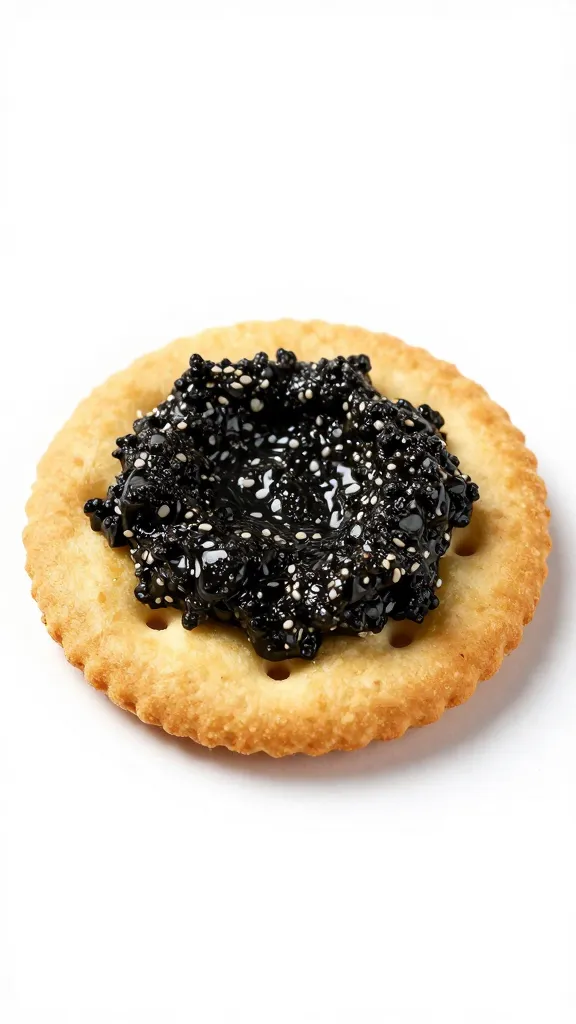
Keep the base, tweak the accents. Small changes = big personality.
- Smoky: Add 1 teaspoon smoked paprika and a few oil-packed sun-dried tomatoes.
- Herby: Swap half the parsley for basil. Add lemon zest heavy.
- Spicy: Fold in Calabrian chiles or red pepper flakes to taste.
- Umami bomb: Double the anchovy and add a splash of Worcestershire.
- Citrus-bright: Skip Dijon, add both orange and lemon zest, finish with extra lemon juice.
Make-Ahead, Storage, and Transport
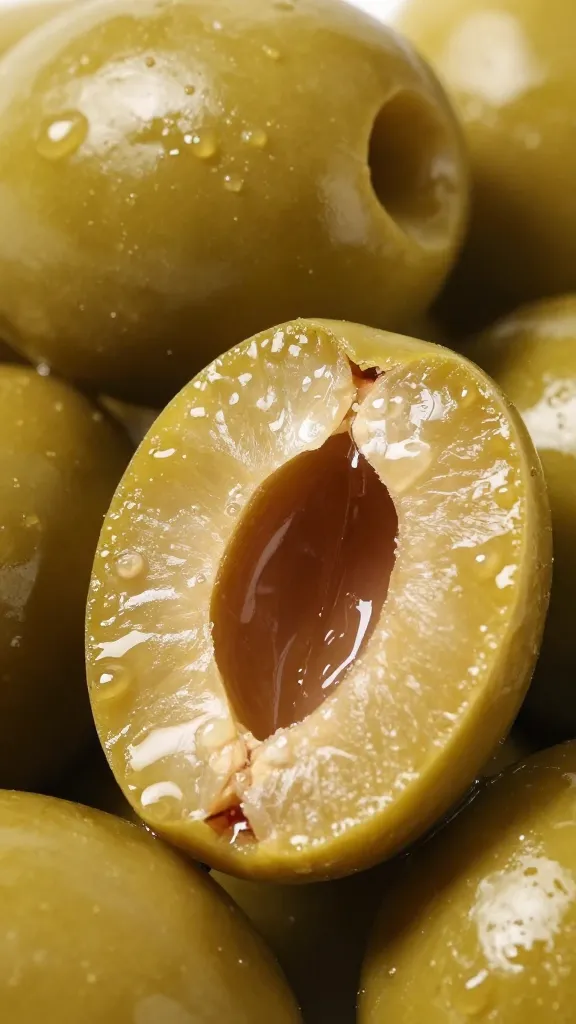
You can absolutely make this ahead without sacrificing flavor. Honestly, it improves.
- Make-ahead: 3–4 days in the fridge, tightly sealed, with a thin oil layer on top.
- Freezing: Up to 2 months. Thaw overnight in the fridge and whisk in fresh lemon juice and oil to revive.
- Transport: Pack in a lidded container; bring extra oil and lemon for last-minute touch-ups.
FAQ
Can I make tapenade without anchovies?
Yes. It’ll still taste amazing thanks to the olives and capers. If you want similar depth without fish, add a splash of soy sauce or a pinch of white miso. Not traditional, but IMO delicious.
What olives should I use?
Use good-quality, pitted black olives. A 50/50 mix of Kalamata and oil-cured black olives gives the best balance—meaty and intense. Avoid canned “black ripe” olives if you can; they taste flat here.
Do I need a food processor?
No, but it helps. You can chop everything by hand with a big knife for a rustic texture. It takes longer, but it’s oddly therapeutic—put on a podcast and vibe.
How do I fix a too-salty tapenade?
Add chopped parsley, a splash of lemon juice, and more olive oil. You can also fold in a few chopped unsalted olives if you have them. Bread will mellow it out on the plate, too.
Is tapenade gluten-free and vegan?
Yes, if you skip anchovies (or use a vegan umami sub). The spread itself is naturally gluten-free. Just serve with gluten-free crackers or veggies to keep the whole situation friendly.
What wines or drinks pair well?
Crisp whites like Sauvignon Blanc or a dry rosé love tapenade’s briny vibe. Light reds (Gamay, Pinot Noir) work too. For zero-proof, try sparkling water with lemon or a tart lemonade—acidity keeps everything bright.
Conclusion
Tapenade brings maximum flavor with minimal fuss, which is exactly what you need when people show up hungry and early. Make it a day ahead, set it out with crunchy and creamy friends, and let it do the heavy lifting. It’s bold, it’s briny, and it makes you look like you planned everything—because, FYI, you did.