

New York style pizza is all about crispy, foldable slices with a chewy crust and just the right amount of sauce and cheese. It’s the kind of pizza you can eat on the go, and it hits the spot every time. You don’t need a fancy oven or special equipment to make it at home—just a little patience and good ingredients.
This version keeps things classic, from the slow-risen dough to the light hand with toppings. If you love big, melty slices with that signature New York bite, this recipe is for you.
What Makes This Recipe So Good
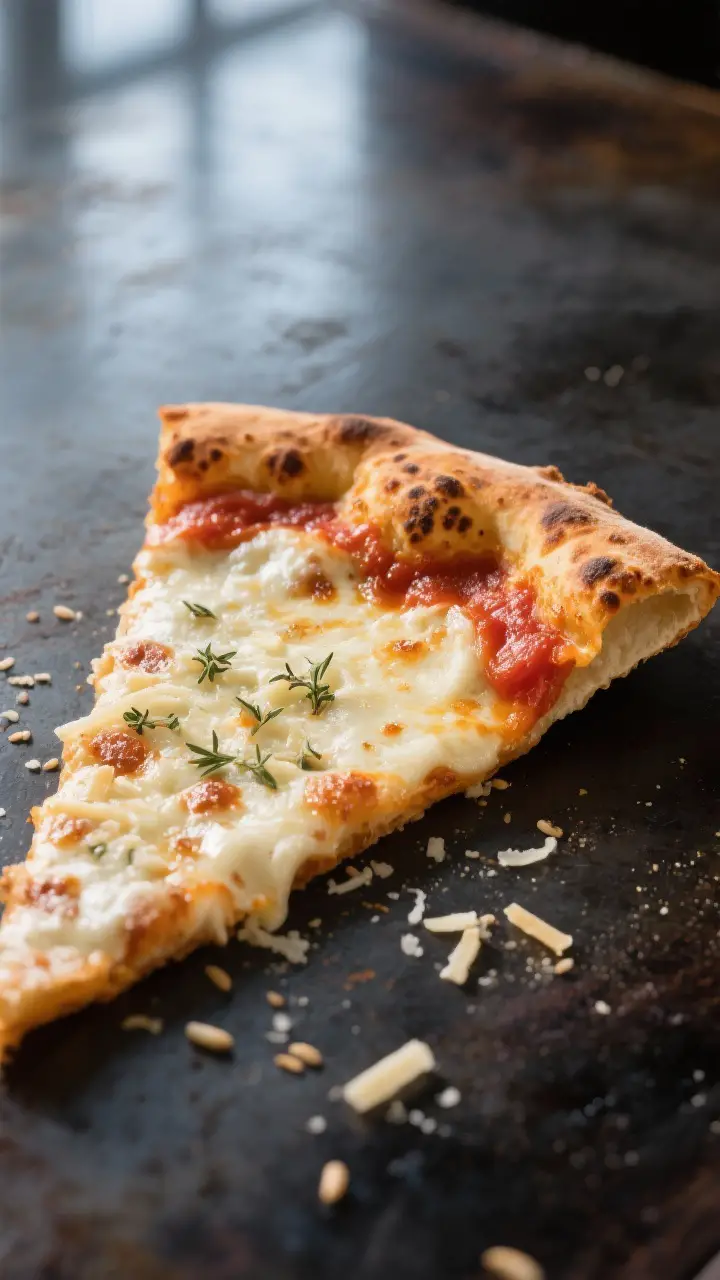
- Cold fermentation for flavor: A slow, overnight rise builds deep, complex dough flavor and that classic chew.
- Thin, crisp-yet-foldable crust: The dough is stretched thin with a slightly thicker edge, so the slice bends without breaking.
- Light sauce, balanced cheese: Not overloaded. Just enough to let the dough shine while delivering bold tomato and mozzarella flavors.
- Home-oven friendly: A hot preheated surface (stone or steel) gives you a pizzeria-style bottom char in a standard oven.
- Reliable technique: Clear steps for mixing, proofing, stretching, and baking—no guesswork.
Shopping List
- Bread flour (high-protein; all-purpose works in a pinch)
- Warm water (about 100–105°F/38–40°C)
- Instant or active dry yeast
- Fine sea salt
- Sugar (optional but helpful for browning)
- Olive oil
- Canned crushed tomatoes (preferably San Marzano–style)
- Garlic (1 small clove, optional)
- Dried oregano
- Dried basil or fresh basil (optional)
- Red pepper flakes (optional)
- Low-moisture whole-milk mozzarella (block, not pre-shredded, for best melt)
- Grated Parmesan or Pecorino Romano (for finishing)
- Cornmeal or semolina (for dusting peel)
How to Make It
- Mix the dough. In a large bowl, combine 2 1/2 cups bread flour, 1 teaspoon instant yeast (or 1 1/4 teaspoons active dry), 1 1/2 teaspoons fine sea salt, and 1 teaspoon sugar.
Add 1 cup warm water and 1 tablespoon olive oil. Stir until a shaggy dough forms.
- Knead to develop gluten. Knead by hand 7–10 minutes (or 5–6 minutes in a mixer) until smooth and slightly tacky, not sticky. If very sticky, add a teaspoon of flour at a time; avoid adding too much.
- First rise and cold ferment. Shape into a ball, coat lightly with oil, and place in a covered container.
Rest at room temp for 30 minutes, then refrigerate 18–48 hours for flavor. Longer cold rise = better taste.
- Make the sauce. In a bowl, mix 1 cup crushed tomatoes with 1/2 teaspoon salt, 1/2 teaspoon oregano, a pinch of dried basil, and a small grated garlic clove if you like. Add a drizzle of olive oil and a pinch of red pepper flakes. Don’t cook it—New York sauce is usually uncooked and simple.
- Prep the cheese. Grate low-moisture mozzarella on the large holes.
Pat with a paper towel if it seems wet. Aim for about 6–8 ounces for a 14-inch pie.
- Warm the dough. About 2 hours before baking, remove dough from the fridge. Divide into two balls for 12-inch pies or keep as one for a 14–16-inch pie.
Cover and let it relax at room temperature.
- Heat the oven properly. Place a pizza stone or steel on the middle rack. Preheat to the highest temp your oven allows (500–550°F/260–290°C) for at least 45 minutes. Heat is your friend.
- Stretch the dough. Dust your counter with flour. Flatten the dough gently, pressing from the center out to create a slightly thicker rim.
Lift and stretch over your knuckles, rotating to reach 12–16 inches. Avoid using a rolling pin—it crushes the air.
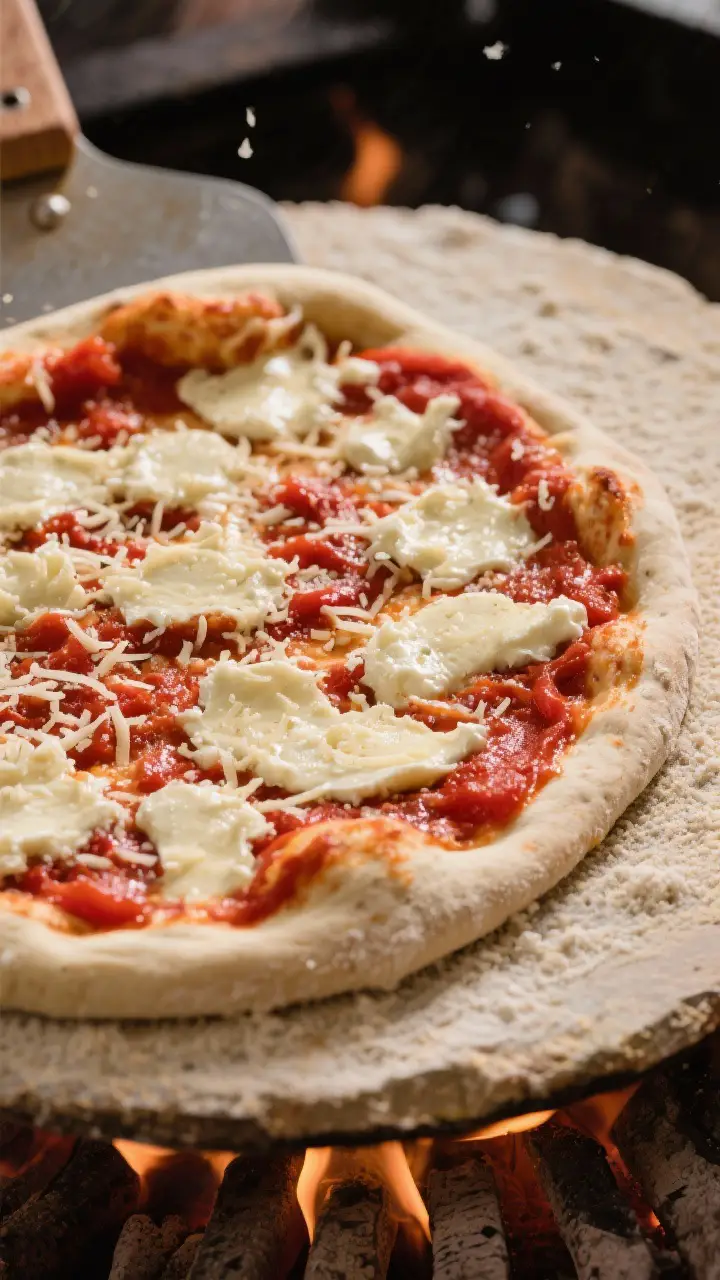
- Build the pizza. Dust a pizza peel with semolina or cornmeal. Transfer the dough.
Spread a thin layer of sauce—about 1/3 to 1/2 cup—leaving a 1-inch border. Add an even layer of mozzarella. Sprinkle a little Parmesan if you like.
- Bake until blistered. Slide onto the hot stone/steel.
Bake 7–10 minutes, until the crust is deeply golden with a few dark spots and the cheese is bubbling. Rotate once if needed for even browning.
- Finish and slice. Let the pizza rest 2–3 minutes. Add a light drizzle of olive oil, a dusting of Parmesan, and a pinch of oregano or torn basil.
Slice into large triangles. Fold and enjoy.
Storage Instructions
- Leftovers: Cool completely. Store slices in an airtight container with parchment between layers.
Refrigerate up to 4 days.
- Reheat: Best in a skillet over medium heat with a lid for 3–5 minutes, or on a baking sheet at 400°F/205°C for 8–10 minutes. This keeps the bottom crisp.
- Freeze dough: After the cold ferment, portion and lightly oil dough balls. Wrap tightly and freeze up to 3 months.
Thaw in the fridge overnight, then bring to room temp before stretching.
- Freeze baked slices: Wrap individually, then stash in a zip-top bag up to 2 months. Reheat from frozen at 425°F/220°C for 12–15 minutes.

Benefits of This Recipe
- Budget-friendly: Flour, tomatoes, and mozzarella go a long way.
- Customizable: Same base dough and sauce, endless topping options.
- Make-ahead friendly: The cold ferment works around your schedule and improves flavor.
- Restaurant quality at home: With a hot stone or steel, you’ll get that signature char and chew.
- Reliable results: Clear ratios and techniques deliver consistent pies.
Common Mistakes to Avoid
- Too much sauce and cheese: Overloading makes the pie soggy. Keep toppings light and even.
- Stretching cold dough: It will snap back and tear.
Let it warm and relax first.
- Skimping on preheat time: A blazing-hot surface is key to a crisp bottom.
- Using wet mozzarella: Excess moisture causes puddles. Use low-moisture and pat dry if needed.
- Rolling pin: It flattens the rim and removes air. Hand-stretch for texture.
- Not checking the peel: Give the pizza a shake before launching.
If it sticks, add more semolina and loosen it.
Variations You Can Try
- Classic pepperoni: Add thin pepperoni slices over the cheese. For extra crisp edges, place some pepperoni directly on the sauce too.
- White pie: Skip the red sauce. Brush dough lightly with olive oil and garlic, add mozzarella and dollops of ricotta, then finish with black pepper and parsley.
- Margherita-ish: Keep it light with crushed tomatoes, fresh mozzarella (well-drained), and basil after baking.
- Veggie: Thinly sliced mushrooms, onions, and green peppers—use a light hand and pre-sauté watery veggies.
- Garlic knot crust: Brush the rim with garlic butter after baking and sprinkle with parsley and Parmesan.
FAQ
Can I use all-purpose flour instead of bread flour?
Yes.
Bread flour gives a chewier bite and better structure, but all-purpose still makes a great pie. You may need a touch less water, so start with a tablespoon less and add as needed.
What if I don’t have a pizza stone or steel?
Use an upside-down baking sheet preheated in the oven. It won’t hold heat as well as a stone or steel, but it will still crisp the bottom if you preheat thoroughly.
How thin should I stretch the dough?
Aim for a center that’s about 1/8 inch thick with a 1-inch rim.
If you can almost see light through the center, you’re close to classic New York thinness.
Why is my pizza soggy in the middle?
Usually it’s too much sauce or cheese, wet mozzarella, or an underheated baking surface. Keep toppings light, pat cheese dry, and make sure your stone or steel is ripping hot.
How long should I cold ferment the dough?
A minimum of 18–24 hours is great, but up to 48 hours builds even more flavor. Beyond 72 hours, the dough can weaken and turn overly acidic.
Can I use fresh yeast?
Yes.
Use roughly triple the weight of instant yeast. Dissolve it in the warm water first, then mix with the dry ingredients.
Is sugar necessary in the dough?
No, but a small amount helps browning and can feed the yeast, especially in cooler kitchens. You can skip it if you prefer.
Wrapping Up
New York style pizza is simple, but it rewards good technique.
A slow-rise dough, a hot baking surface, and a light touch with toppings make all the difference. Once you get the feel for stretching and launching, you’ll turn out big, foldable slices with that classic city bite. Keep the process relaxed, trust the dough, and enjoy the ritual—pizza night just got a serious upgrade.
Printable Recipe Card
Want just the essential recipe details without scrolling through the article? Get our printable recipe card with just the ingredients and instructions.