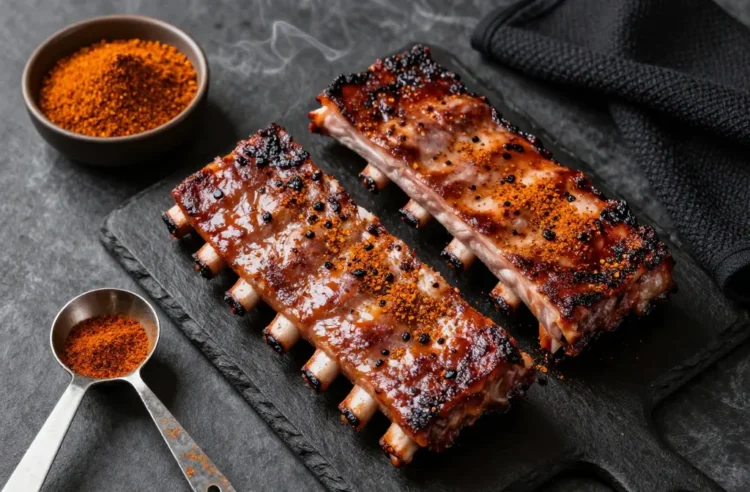
- Best for: Backyard grilling, smokers, and oven-baked ribs
- Make ahead: Yes — mix up to 6 months in advance
- Serves: About 1/2 cup rub; enough for 2 racks of ribs
- Key tip: Pat ribs very dry and apply rub 30–60 minutes before cooking for deeper bark
Low-Carb Dry Rub for Ribs — No Sugar, Full Bark gives you that smoky, mahogany crust without spiking carbs. We’ll swap sugar for smarter ingredients that still deliver deep color, bold flavor, and legit bark. No sticky glaze required. By the end, you’ll have a reliable rub formula, technique notes, and timing that work on the grill, smoker, or in the oven.
What Makes a Bark Without Sugar
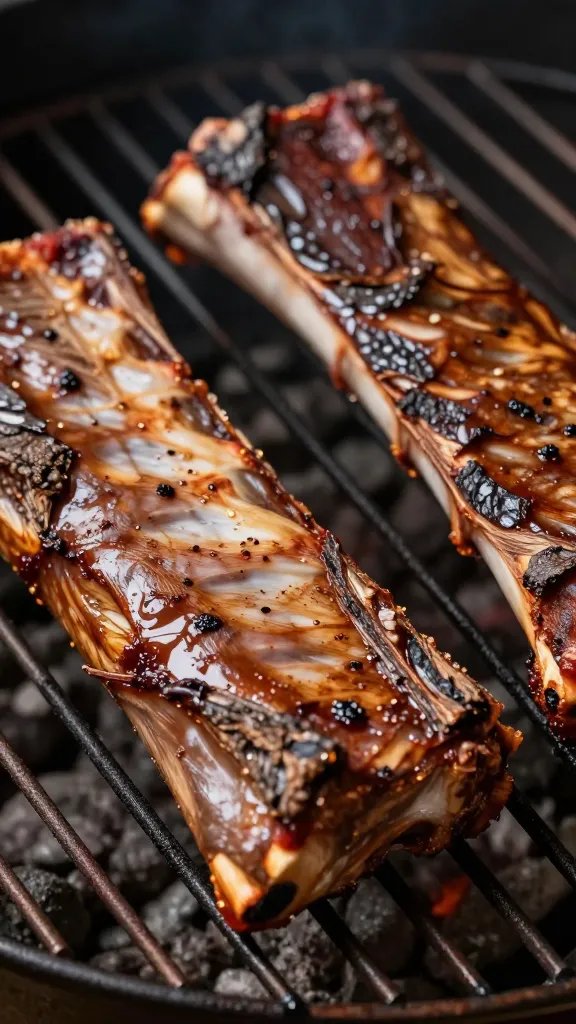
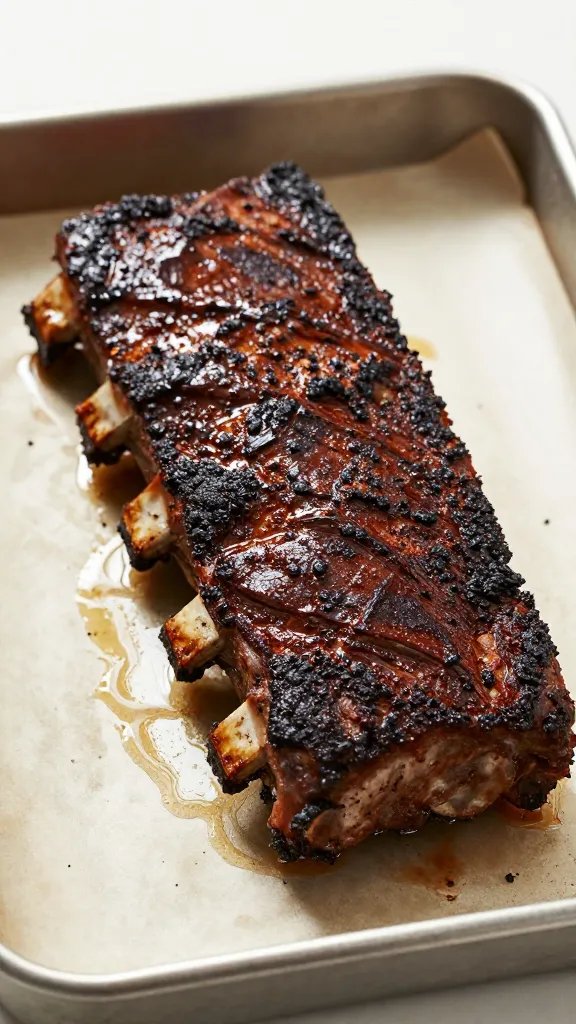
Bark forms from three things: spice polymerization, fat rendering, and surface dehydration. Sugar helps color, but it isn’t required. Salt pulls moisture to the surface, spices toast, and fat carries flavor.
To replace sugar’s role, we lean on paprika for color, coffee or cocoa for bitter-sweet complexity, and alliums for savory depth. A touch of vinegar powder boosts tang so you don’t miss a glaze.
The Low-Carb Dry Rub Formula
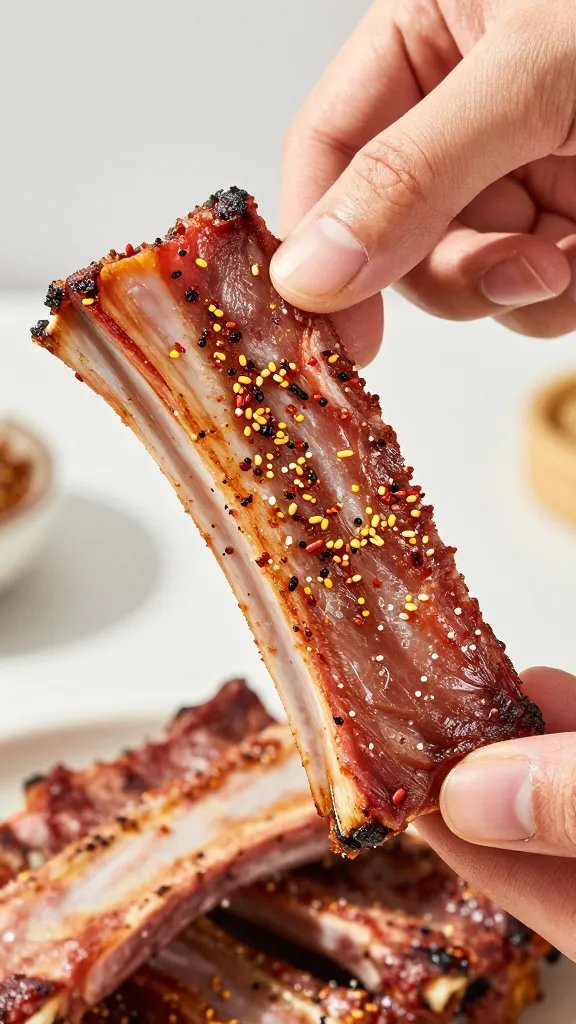
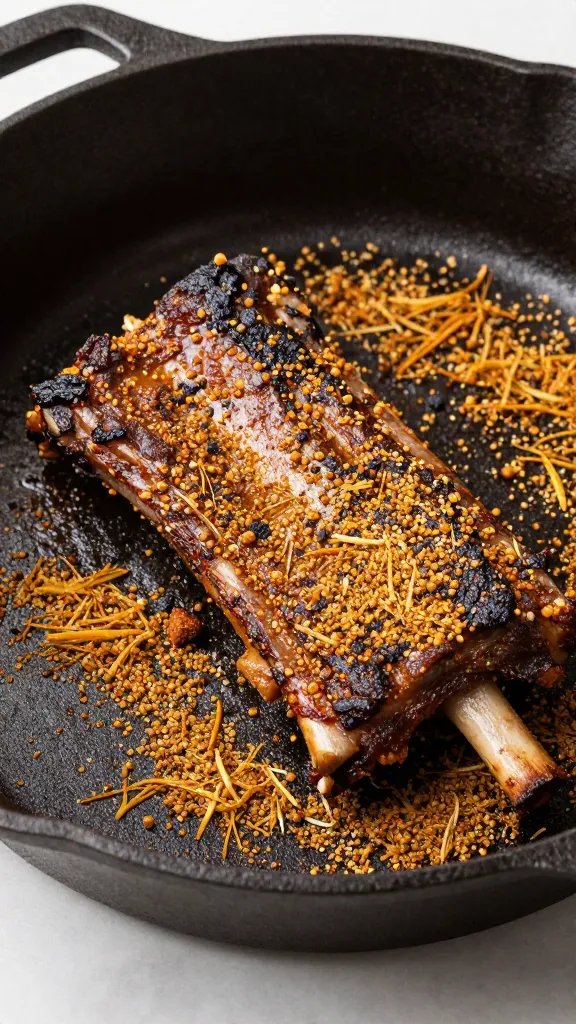
Mix the following thoroughly. This yields about 1/2 cup.
- 2 tbsp kosher salt (Morton; use 1.5 tbsp if using Diamond Crystal)
- 1 tbsp freshly ground black pepper (medium grind)
- 1 tbsp smoked paprika (or sweet paprika if you prefer less smoke)
- 2 tsp garlic powder
- 2 tsp onion powder
- 1–1.5 tsp ground mustard
- 1 tsp ancho chili powder (mild, for color and fruitiness)
- 1 tsp chipotle powder (heat + smoke; reduce to 1/2 tsp if sensitive)
- 1 tsp instant espresso powder or very fine coffee
- 1/2 tsp cocoa powder (unsweetened, Dutch-process if you have it)
- 1/2 tsp celery seed, lightly crushed
- 1/2 tsp vinegar powder (optional, but excellent for brightness)
Why this works: Paprika, ancho, and cocoa build color. Coffee and chipotle give the bark that “cooked down” complexity people mistake for caramelization. Mustard and alliums round out the savory base.
How to Apply the Rub for Maximum Bark
- Peel the membrane from the bone side. It blocks flavor and bark.
- Pat the racks very dry. Moisture fights crust formation.
- Lightly coat with neutral oil or yellow mustard (both are low-carb). Oil helps fat-soluble flavors bloom; mustard adds subtle tang that disappears as it cooks.
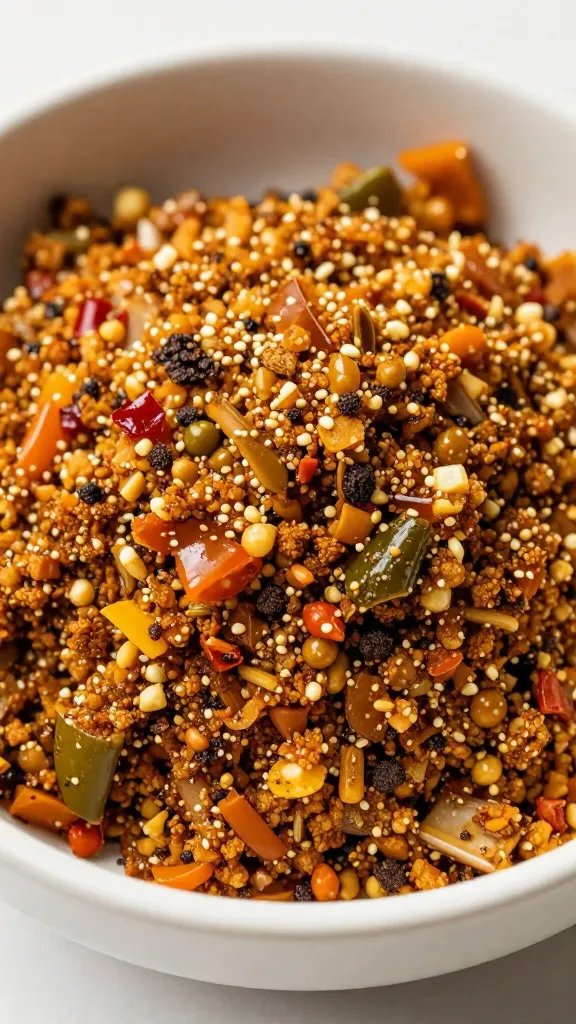
- Apply rub evenly on all sides. Use about 2–3 tbsp per rack. Don’t cake it on — thick layers get muddy.
- Rest 30–60 minutes, uncovered in the fridge. Salt starts working, surface dries, bark wins.
Smoking and Oven Methods
Low-and-Slow Smoking (Best Bark)
- Temp: 250°F (121°C)
- Wood: Post oak, apple, or hickory; go easy on mesquite
- Time: 4.5–6 hours for baby backs; 5–7 hours for spares
- Spritz: Optional every 60–90 minutes with water or apple cider vinegar diluted 1:1. Keep it light so you don’t wash off spice.
Key move: If wrapping (the “Texas crutch”), wait until the bark passes the finger-swipe test. If it smears, it’s not set yet.
Oven-Baked Ribs (Apartment-Friendly)
- Temp: 275°F (135°C) for 2.5–3 hours covered with foil, then uncover and finish at 300°F (149°C) for 30–45 minutes to set bark
- Tray setup: Wire rack over a sheet pan to circulate heat and dry the surface
- Finish: Broil 1–3 minutes if you want extra color — watch closely
No sugar needed: The paprika/coffee combo delivers color and depth even indoors.
Adjusting Heat, Smoke, and Salt
- Milder: Drop chipotle to 1/4–1/2 tsp; add more ancho for color without heat.
- Spicier: Add 1/2–1 tsp cayenne or hot Hungarian paprika.
- Smokier: Use extra smoked paprika and keep chipotle steady — too much chipotle gets bitter.
- Sodium: For salt-sensitive crowds, cut salt by 25% and finish with a light sprinkle of flaky salt after slicing.
Pro tip: Spices vary by brand. Taste a pinch of your mix — it should read salty-savory first, gentle heat second, then a lingering coffee-cocoa note.
Serving and Pairings
Let ribs rest 10–15 minutes before slicing between the bones. This keeps juices where they belong. Serve with tangy sides that contrast the bark.
- Quick red-cabbage slaw with lime
- Grilled zucchini with lemon and feta
- Cauli “potato” salad with dill
- Bright sauces like this chimichurri recipe to cut richness
Leftover rib meat loves eggs the next day. Chop it and fold into a veggie scramble with a spoon of chimichurri or salsa verde.
From My Kitchen: What Actually Works
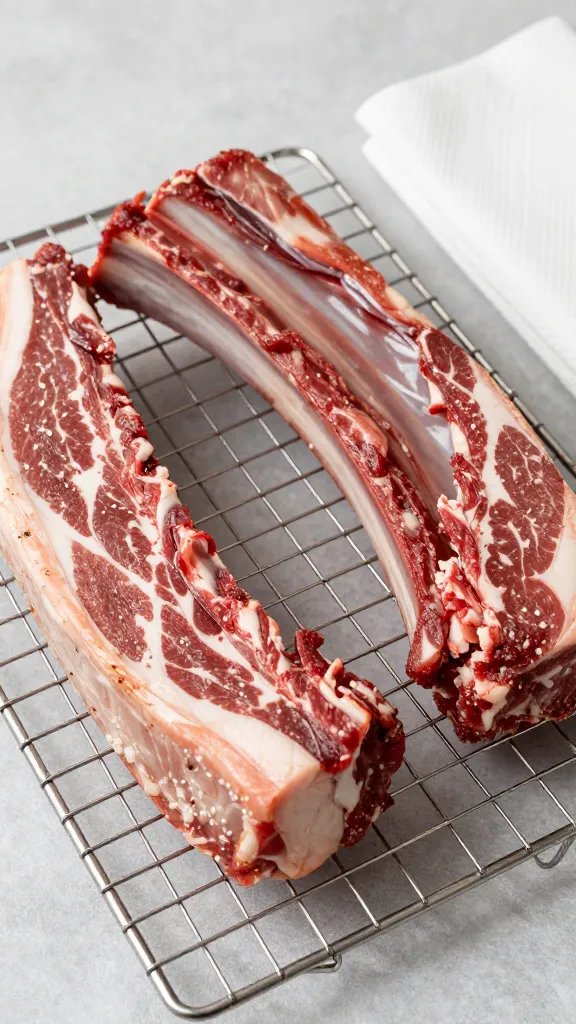
I’ve tested this rub with and without the espresso powder, and the bark looks noticeably paler without it after a 5-hour smoke — the coffee boosts color more reliably than extra paprika. When I wrap ribs, I skip any liquid in the foil; even a tablespoon of water softens the bark too much. For crowds, I mix the rub a day ahead and spread it on the racks 45 minutes before cooking — longer than an hour starts to cure the surface and tightens the texture. If you only have sweet paprika, add a 1/4 teaspoon liquid smoke to your spritz for oven ribs; any more becomes obvious.
Storage, Make-Ahead, and Scaling
- Rub shelf life: 6 months in an airtight jar away from heat and light.
- Pre-rub timing: 30–60 minutes is ideal. Overnight is fine, but expect a slightly firmer exterior.
- Leftover ribs: 4 days in the fridge; reheat at 300°F wrapped in foil 15–20 minutes, then uncover 5 minutes.
- Scaling: Multiply all spices equally, but consider reducing salt to 75% of the multiplier for big batches — it concentrates as it sits.
Want a bright, herby counterpoint on the plate? Spoon on this lemon-garlic marinade as a finishing drizzle — it’s also low-carb.
Frequently Asked Questions
Can I make Low-Carb Dry Rub for Ribs ahead of time?
Yes. Mix the rub up to 6 months ahead and store it airtight in a cool, dark cupboard. Whole spices ground fresh last longer and taste brighter, but pre-ground is fine if you replace it every season.
How do I get a dark bark without sugar burning?
Cook at 225–275°F and use color-building spices like paprika, ancho, coffee, and a touch of cocoa. Give the surface time to dry and set before wrapping, and avoid heavy spritzing that cools the surface.
What’s the best way to apply Low-Carb Dry Rub for Ribs?
Pat the ribs dry, lightly coat with mustard or oil, then apply 2–3 tablespoons of rub per rack. Rest 30–60 minutes uncovered in the fridge so the surface dries and the salt starts to work.
Can I use this rub on chicken or brisket?
Yes. For chicken, cut the salt by 20% and add lemon zest for brightness. For brisket, keep the core blend but increase black pepper to 2 tbsp and reduce chipotle to avoid bitterness over long cooks.
How long does Low-Carb Dry Rub for Ribs keep once mixed?
About 6 months if stored airtight, away from heat and light. If it smells flat or faded, it’s time to mix a fresh batch — stale paprika is the usual culprit.
The Bottom Line
You don’t need sugar to build craveable rib bark. Use a smart spice blend, keep surfaces dry, and cook low and slow — the color and crust will follow.
Planning to try this? Save this post so you can find it when you need it — and tag us when you make it.