
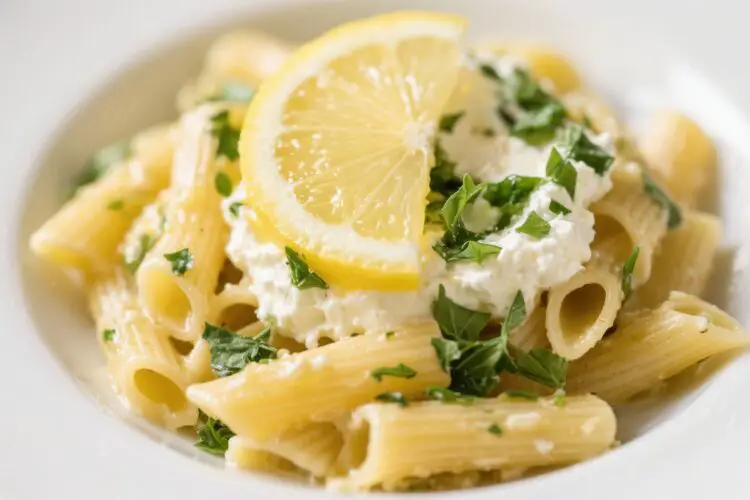
This pasta is the kind of weeknight meal you make once and then crave every few days. It’s creamy without being heavy, bright with lemon, and full of fresh herbs that make the whole bowl feel alive. The sauce comes together while the pasta cooks, and there’s no fussy technique required.
A handful of pantry staples, a few minutes of zesting and stirring, and dinner is done. If you love light, lemony flavors and a silky texture, this one is going to be a keeper.
What Makes This Recipe So Good
- It’s fast. The entire dish is ready in about 20 minutes, start to finish. The sauce doesn’t need simmering—just gentle warming and tossing.
- Balanced flavor. Lemon zest and juice brighten the creamy ricotta, while olive oil adds richness and herbs bring freshness.
- Silky texture. Pasta water loosens the ricotta into a velvety sauce that clings to each noodle.
- Easy to customize. Add peas, spinach, or grilled chicken.
Swap herbs. Use the pasta you have. It’s flexible.
- Light but satisfying. It feels fresh and springy, yet still hits the comfort-food note you want from pasta.
Ingredients
- 12 ounces pasta (pappardelle, spaghetti, linguine, or short shapes like orecchiette)
- 1 cup whole-milk ricotta cheese
- 1/2 cup finely grated Parmesan or Pecorino Romano, plus more for serving
- 1 large lemon (zest and 2–3 tablespoons juice)
- 3 tablespoons extra-virgin olive oil
- 1 small garlic clove, finely grated or minced (optional but recommended)
- 1/2 teaspoon kosher salt, plus more for the pasta water
- 1/4 teaspoon freshly ground black pepper, more to taste
- Red pepper flakes, to taste (optional)
- 1/2 cup chopped fresh herbs (such as basil, parsley, chives, and/or mint)
- 1/2 to 3/4 cup reserved pasta cooking water
- Lemon wedges, for serving (optional)
How to Make It
- Boil the pasta. Bring a large pot of well-salted water to a rolling boil.
Add the pasta and cook until just shy of al dente. Before draining, scoop out at least 1 cup of the starchy pasta water.
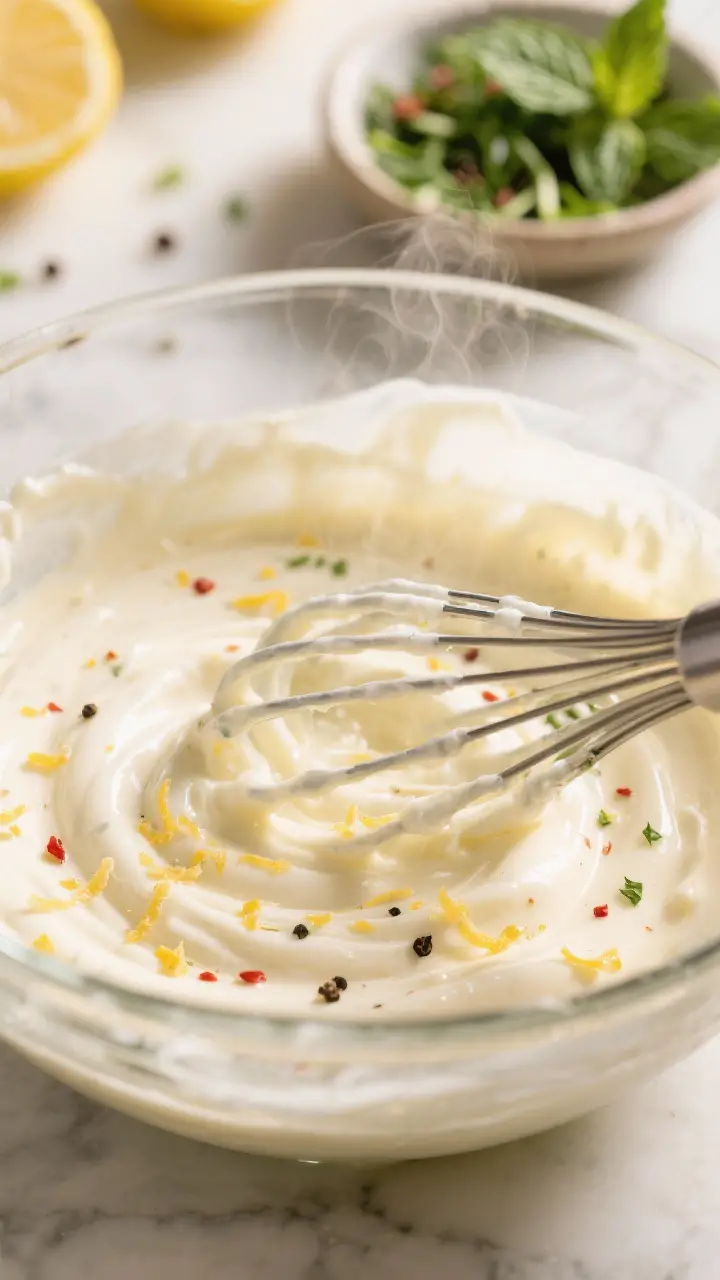
- Make the ricotta base. In a large bowl, whisk together ricotta, Parmesan, lemon zest, 2 tablespoons lemon juice, olive oil, garlic, salt, black pepper, and a pinch of red pepper flakes if using. You want a smooth, spreadable mixture.
- Loosen the sauce. Add 1/2 cup hot pasta water to the ricotta mixture and whisk until creamy and glossy.
The heat will gently warm the sauce. Adjust with more water as needed to reach a silky, pourable consistency.
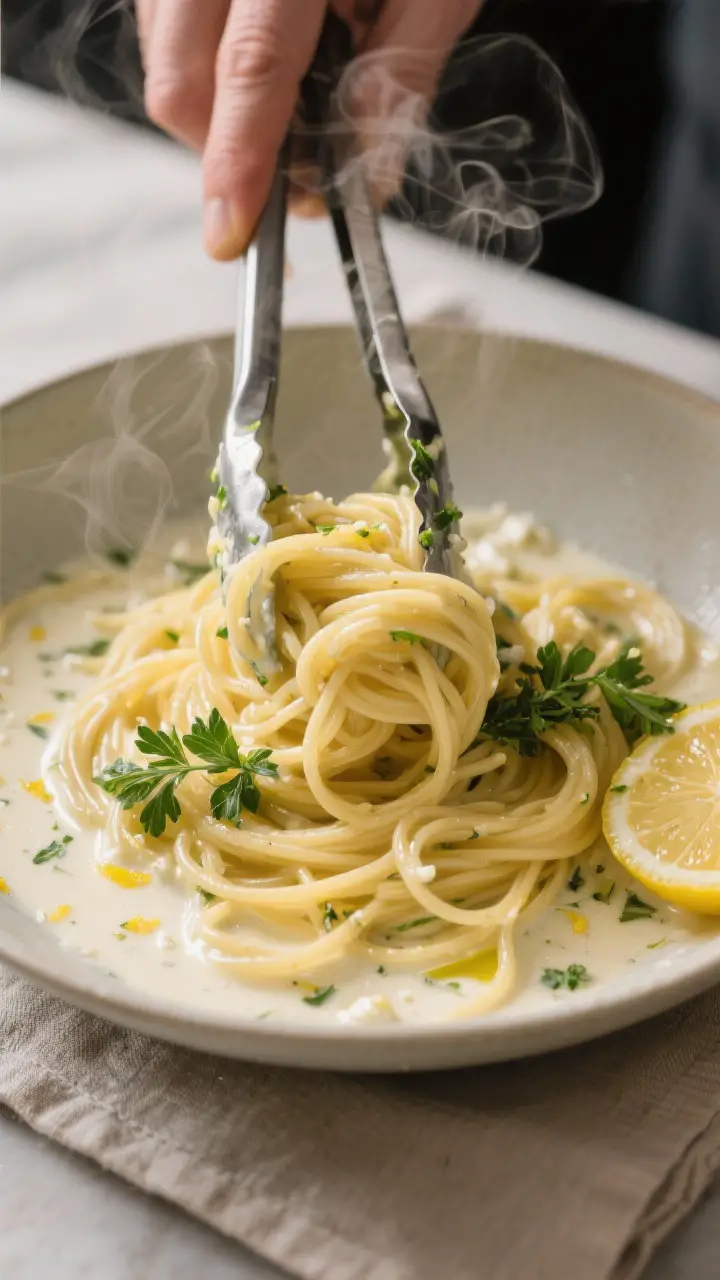
- Toss with pasta. Add the hot, drained pasta to the bowl and toss vigorously for 30–60 seconds. The sauce should coat the noodles without clumping.
If it seems thick, splash in a little more pasta water.
- Add the herbs. Fold in the chopped herbs. Taste and adjust with more lemon juice, salt, and pepper. The flavors should be bright and balanced.
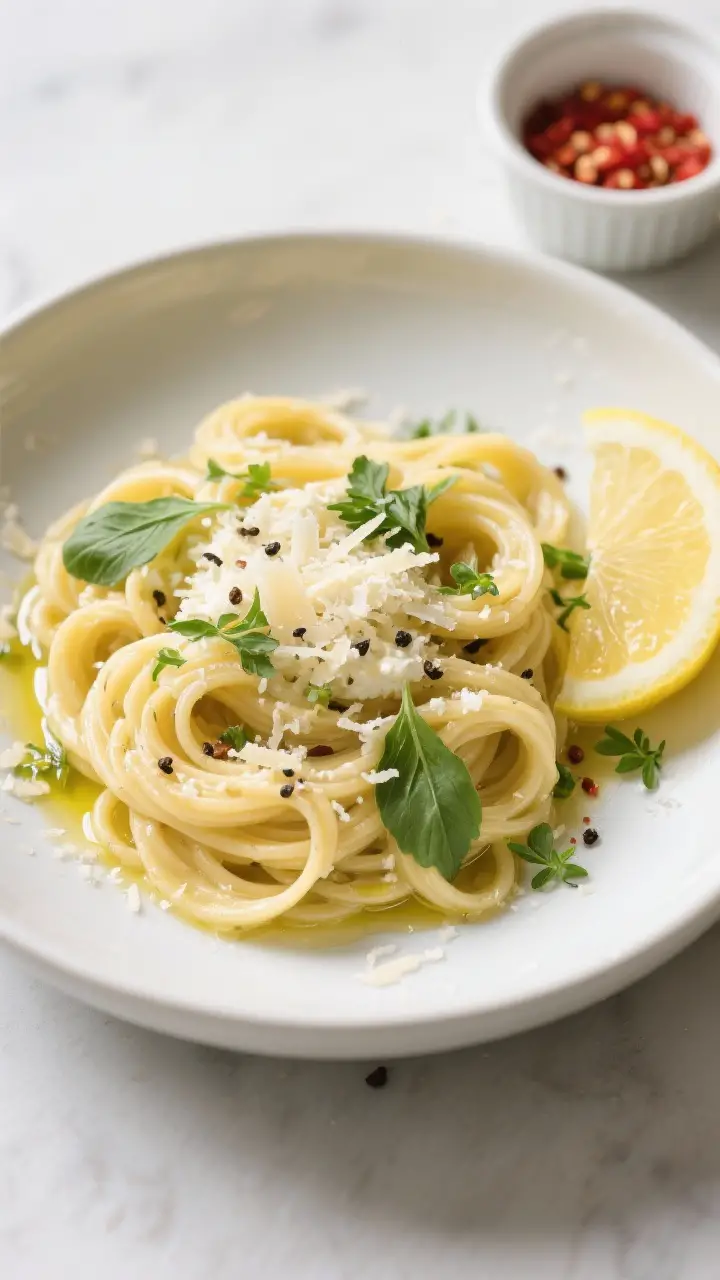
- Serve. Twirl into bowls and finish with extra Parmesan, a drizzle of olive oil, more herbs, and lemon wedges on the side.
Keeping It Fresh
- Storage: Leftovers keep in an airtight container in the fridge for up to 2 days.
The sauce will thicken as it chills.
- Reheating: Rewarm gently on the stovetop over low heat with a splash of water, milk, or broth to loosen. Avoid high heat to prevent curdling.
- Add herbs later: If you know you’ll have leftovers, reserve some fresh herbs to sprinkle over reheated portions for a burst of brightness.
- Keep it zesty: A squeeze of lemon at serving revives flavor after refrigeration.
Health Benefits
- Protein and calcium from ricotta. Whole-milk ricotta provides protein for satiety along with calcium for bone health.
- Heart-healthy fats. Extra-virgin olive oil brings monounsaturated fats and polyphenols that support cardiovascular health.
- Herb power. Fresh herbs add antioxidants, vitamins, and flavor without extra sodium or calories.
- Portion-friendly carbs. Pasta, especially when paired with protein and fat, can be part of a balanced meal that helps keep you full and satisfied.
- Low-acid dairy option. Ricotta is typically easier on the stomach than sharper, aged cheeses, while still offering richness.
Common Mistakes to Avoid
- Skipping the pasta water. It’s the key to a silky sauce. Measure out at least a cup before draining.
- Overcooking the pasta. Go just shy of al dente.
The pasta will continue to soften as you toss it with the warm sauce.
- Adding cold ricotta without loosening. Whisk ricotta with hot pasta water to avoid clumps and achieve a smooth texture.
- Using too much lemon juice at once. Start with 2 tablespoons and add more to taste. You want brightness without overwhelming the dairy.
- Heating the sauce directly on high heat. Ricotta can separate if boiled. Gentle heat from the pasta and water is enough.
Alternatives
- Herb swaps: Try dill and chives for a delicate, brunchy vibe; or basil and mint for a summery twist.
- Pasta shapes: Spaghetti and linguine are classic, but shells, fusilli, or orecchiette catch the sauce nicely.
- Veggie add-ins: Fold in blanched peas, sautéed zucchini, roasted cherry tomatoes, wilted spinach, or grilled asparagus.
- Protein boosts: Add shredded rotisserie chicken, sautéed shrimp, crispy prosciutto, or a handful of toasted pine nuts.
- Dairy-free route: Use a creamy almond ricotta and a vegan Parmesan-style topping.
Choose a good olive oil to maintain richness.
- Gluten-free option: Swap in your favorite gluten-free pasta and monitor cook time closely for best texture.
- Extra-creamy version: Stir in a few tablespoons of mascarpone or a splash of cream for a richer sauce.
FAQ
Can I make the sauce ahead of time?
Yes, you can mix the ricotta, lemon zest, lemon juice, oil, garlic, salt, and pepper up to 24 hours ahead. Store it covered in the fridge. Before serving, whisk in hot pasta water to loosen and warm the sauce, then toss with the pasta and herbs.
What type of ricotta is best?
Use whole-milk ricotta for the creamiest texture and best flavor.
If yours is very wet, drain it in a fine-mesh sieve for 15–20 minutes to remove excess moisture and avoid a watery sauce.
How do I prevent the sauce from curdling?
Don’t boil the ricotta. Keep the sauce off direct high heat. Combine it with hot pasta water in a bowl, then toss with freshly cooked pasta.
Gentle warmth is plenty.
Can I use bottled lemon juice?
Fresh lemon juice is strongly recommended for brightness and aroma. Bottled juice usually tastes flat and can make the sauce dull. Fresh zest also adds essential oils that boost flavor.
What herbs work best?
Parsley, basil, mint, and chives are all excellent.
Use one or a mix. Dill is lovely in small amounts. Avoid woody herbs like rosemary or thyme unless very finely chopped and used sparingly.
Is this good served cold?
It’s best warm or at room temperature.
If serving chilled, loosen with a bit of water or olive oil and add extra lemon and fresh herbs just before eating to refresh the flavors.
How can I make it more filling?
Add a protein like grilled chicken, sautéed shrimp, or white beans. You can also toss in vegetables or top with toasted breadcrumbs for extra texture and staying power.
What if my sauce is too thick?
Whisk in a little more hot pasta water, a tablespoon at a time, until it’s glossy and coats the pasta. A finishing drizzle of olive oil also helps restore silkiness.
What cheese can replace Parmesan?
Pecorino Romano brings a saltier, sharper bite and works beautifully.
Grana Padano is a milder substitute. Start with less and adjust to taste.
Can I add butter?
Absolutely. Swirl in 1–2 tablespoons of butter with the hot pasta for extra richness.
It rounds out the lemon and makes the sauce even silkier.
In Conclusion
Lemon Ricotta Pasta with Fresh Herbs is simple, bright, and reliably delicious. It’s a weeknight-friendly recipe that tastes like something from a cozy neighborhood trattoria. With a few pantry ingredients and a handful of herbs, you get a creamy sauce that feels light, fresh, and satisfying.
Keep this one in your rotation for those nights when you want comfort without heaviness—and flavor that tastes like sunshine.