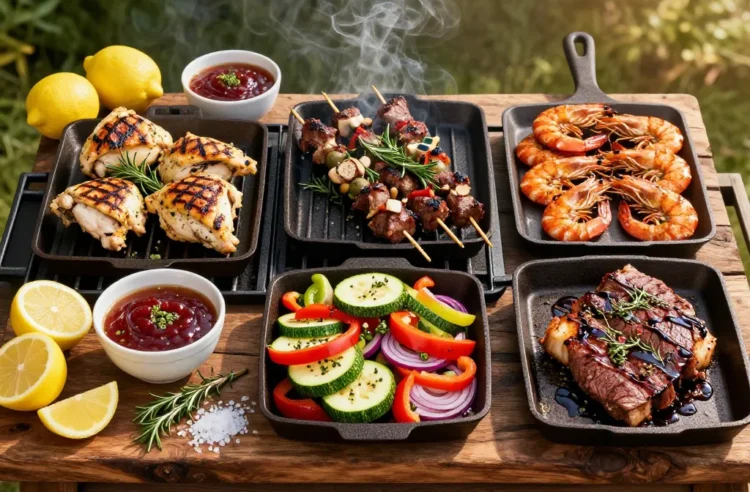
I learned to grill on a tiny apartment balcony with a basic kettle and a pack of skewers. Friends kept asking why my chicken stayed juicy and my veggies tasted smoky but fresh, even without fancy gear. The answer was simple: reliable Mediterranean marinades that work with pantry staples and supermarket herbs. You’ll learn five proven marinades, how to use them for different proteins and vegetables, and the exact steps to get tender, boldly flavored results on any backyard or balcony grill.
1. Lemon–Garlic Chicken Marinade: Bright Acidity That Keeps Meat Juicy
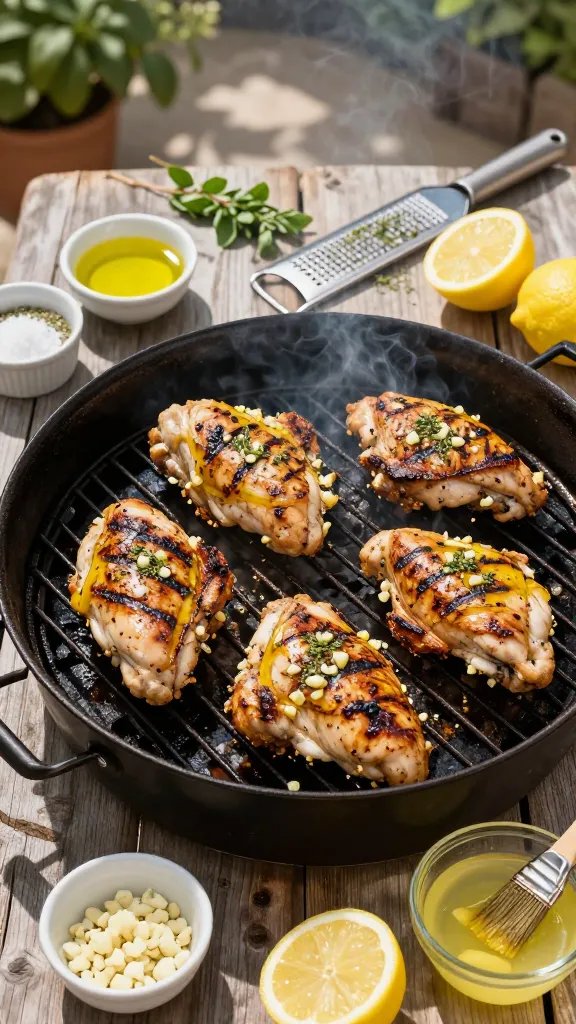
Dry, bland chicken ruins a cookout faster than a flare-up. This classic Greek-inspired combo uses sharp lemon and salt to penetrate the meat while olive oil cushions it from high heat. The balance means you get deep seasoning and a golden crust without stringy, overcooked bites.
What You’ll Mix
- 1/3 cup extra-virgin olive oil
- 2 large lemons (zest of 1, juice of both, about 6 tablespoons)
- 4 cloves garlic, minced
- 1 tablespoon dried oregano or 2 tablespoons fresh, chopped
- 1 teaspoon kosher salt
- 1/2 teaspoon black pepper
- Optional: 1/2 teaspoon crushed red pepper flakes for gentle heat
How to Use It
- Protein: 1.5–2 pounds boneless, skinless chicken thighs or breast cutlets
- Marinate: 30–90 minutes in the fridge. Do not exceed 2 hours because too much lemon pre-cooks the outside.
- Grill: Medium-high heat. Cook thighs 5–6 minutes per side; cutlets 3–4 minutes per side. Rest 5 minutes.
Tips That Matter
- Pat the chicken dry before marinating to avoid dilution.
- Reserve 2 tablespoons of the marinade (before adding raw chicken) to brush on after grilling for a fresh pop.
- If using wooden skewers, soak in water 20–30 minutes to prevent burning.
Action today: Zest one lemon directly into the marinade — zest adds floral citrus oils that survive grilling and boosts flavor without extra acidity.
2. Herb–Yogurt Marinade: Enzymes That Tenderize Without Drying
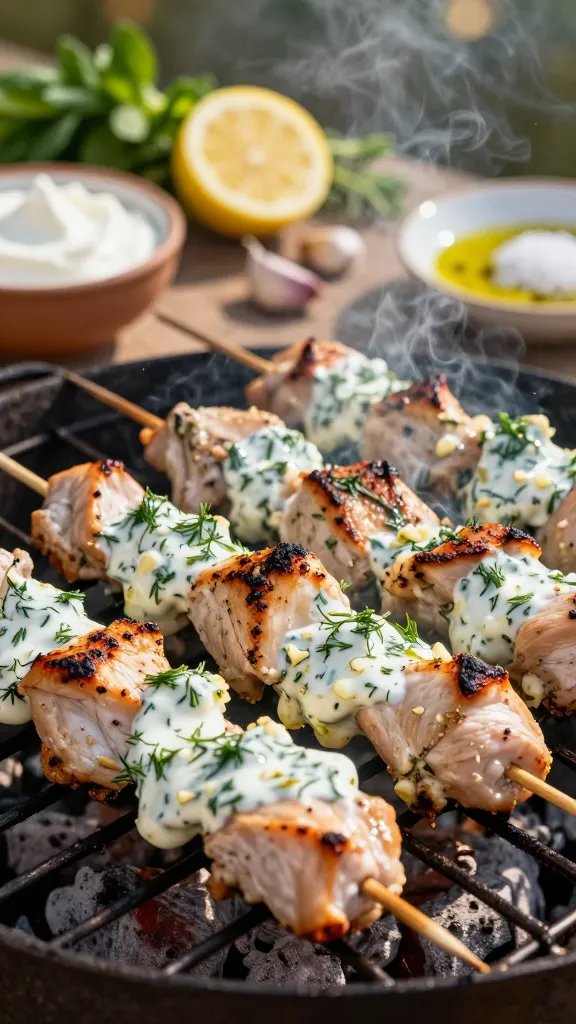
Leaning only on oil and acid can toughen lean cuts. Thick Greek yogurt delivers gentle lactic acid and enzymes that tenderize, cling to the meat, and protect it from scorching heat. The result is a char-speckled exterior and buttery, juicy center.
What You’ll Mix
- 3/4 cup plain Greek yogurt (full-fat sticks best)
- 2 tablespoons olive oil
- 2 tablespoons lemon juice
- 3 cloves garlic, grated
- 2 tablespoons chopped fresh dill and/or mint
- 1 teaspoon kosher salt
- 1/2 teaspoon ground cumin
How to Use It
- Protein: 1.5 pounds chicken breasts, turkey cutlets, or lamb leg cubes
- Marinate: 2–8 hours for poultry; 4–12 hours for lamb
- Grill: Medium heat to prevent burning the dairy. Scrape off thick excess before grilling to avoid sticking.
Signs You Got It Right
- Even speckled browning with no blackened streaks
- Cut surfaces look moist with fine juices, not watery
- Subtle tang rather than sharp sourness
Takeaway: Use full-fat yogurt and a moderate flame — dairy scorches fast over high heat, so keep it medium and flip once the first side releases easily.
3. Pomegranate–Sumac Glaze: Sweet–Sour Lacquer for Salmon and Veg
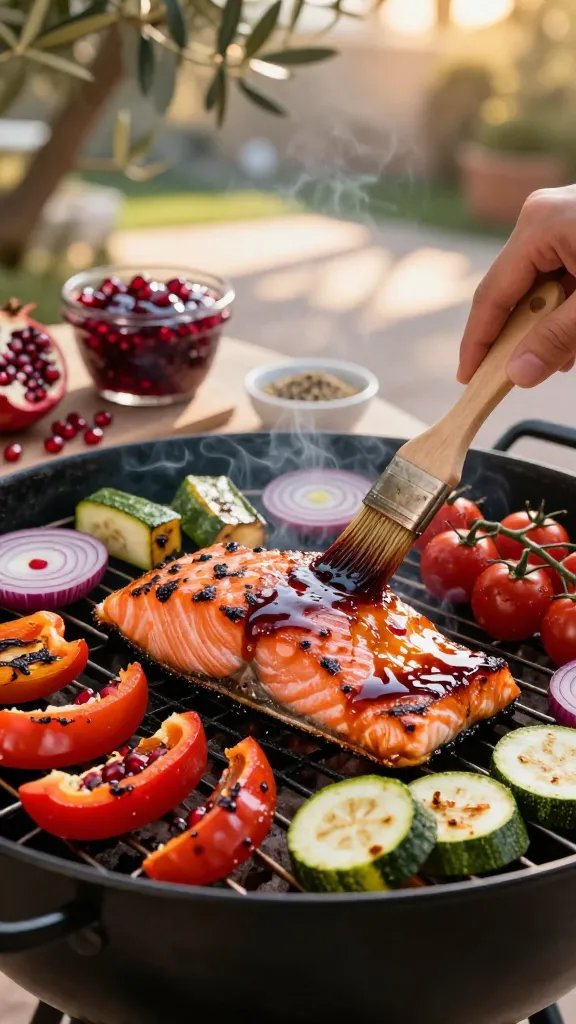
Fish and vegetables easily fall flat with oil-plus-lemon alone. A syrupy glaze built on pomegranate molasses and sumac adds layered tartness and natural sugars that caramelize into a shiny crust. You’ll taste bright fruit, gentle smoke, and a clean finish that never feels heavy.
What You’ll Mix
- 2 tablespoons pomegranate molasses (from the international aisle)
- 1 tablespoon honey
- 1 tablespoon olive oil
- 1 teaspoon ground sumac
- 1/2 teaspoon kosher salt
- 1 small garlic clove, finely grated
- Optional: 1/4 teaspoon Aleppo pepper for warmth
How to Use It
- Protein/veg: 4 salmon fillets (skin-on), or thick-cut zucchini, eggplant, and red onion wedges
- Marinate: Brush on 10–15 minutes before grilling. This is a glaze, not an overnight soak.
- Grill: Medium heat. For salmon, cook skin-side down 70% of the time. Brush a thin extra layer in the final minute.
Practical Notes
- Do not overapply sugar-based glazes early — they burn. Start light, finish glossy.
- If you can’t find pomegranate molasses, simmer 1/2 cup pomegranate juice with 1 tablespoon sugar to a syrupy 2 tablespoons.
Action today: Reserve a teaspoon of glaze per fillet for a final table-side brush — that last coat is what makes the flavors pop.
4. Rosemary–Garlic Olive Oil Bath: Infused Fat That Loves High Heat
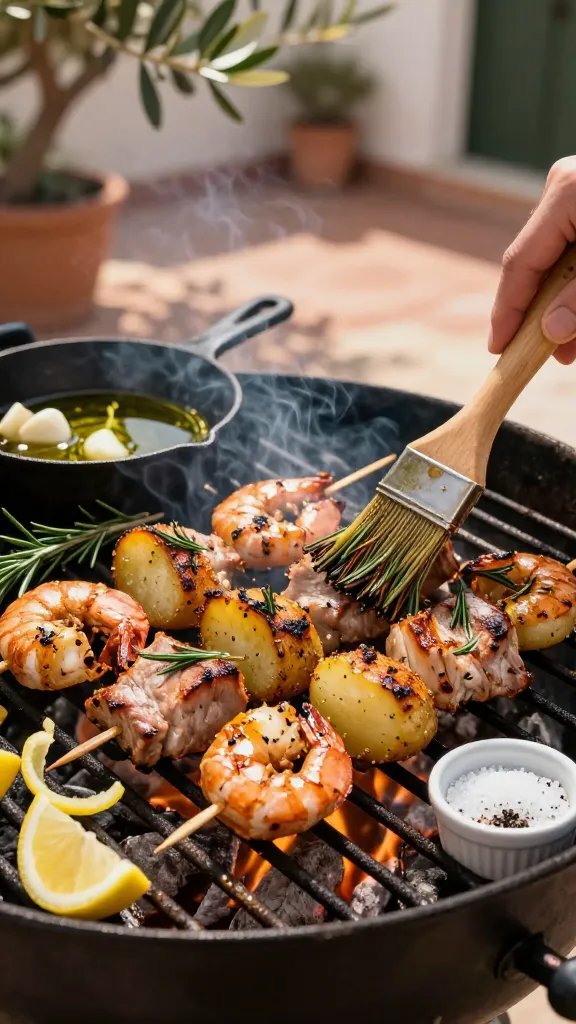
Skewers and quick-cooking cuts need flavor that can handle direct fire. A warm-infused oil pulls piney rosemary and sweet garlic into the fat, so it spreads evenly and resists burning. You get deep herbal notes and a crisp, golden exterior on pork, shrimp, or potatoes.
What You’ll Mix
- 1/2 cup olive oil
- 3 sprigs fresh rosemary
- 4 cloves garlic, smashed
- Zest of 1 lemon
- 1 teaspoon kosher salt
- 1/2 teaspoon black pepper
Infuse First
- Warm the oil with rosemary and garlic in a small pan over low heat for 3–4 minutes until fragrant; do not brown.
- Cool 10 minutes, then add lemon zest, salt, and pepper.
How to Use It
- Protein/veg: 1.5 pounds pork tenderloin medallions, shrimp, or parboiled baby potatoes
- Marinate: 20–40 minutes
- Grill: Medium-high. For shrimp, 2–3 minutes per side; for potatoes, finish over direct heat until crisp.
Easy Wins
- Thread shrimp tightly so they don’t dry out.
- Smash garlic instead of mincing — smashed cloves release flavor without burning on the grill.
Takeaway: Pre-warm your oil with herbs and garlic — infusion builds flavor that sticks and withstands high heat better than raw aromatics.
5. Tomato–Herb Vinaigrette Marinade: Pantry Staples for Steak and Halloumi
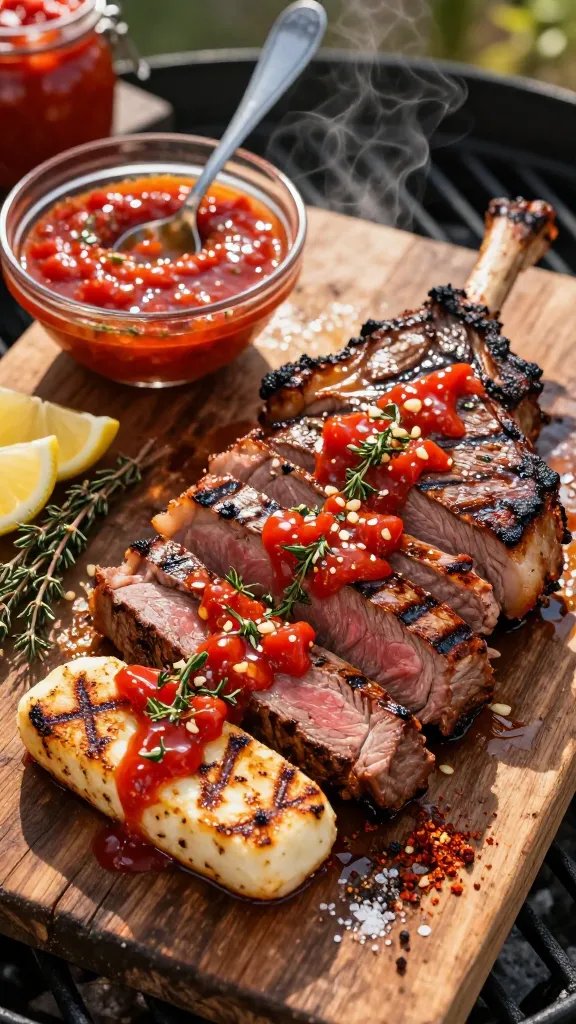
Beef and halloumi love bold acidity and umami. Tomato paste adds concentrated depth while red wine vinegar tenderizes and brightens. This quick vinaigrette doubles as a post-grill drizzle for a restaurant-level finish.
What You’ll Mix
- 2 tablespoons tomato paste
- 3 tablespoons red wine vinegar
- 1/3 cup olive oil
- 2 teaspoons smoked paprika
- 1 teaspoon dried thyme
- 2 cloves garlic, minced
- 1 teaspoon kosher salt
- 1/2 teaspoon black pepper
How to Use It
- Protein/veg: 1.5 pounds flank steak or sirloin, or 8 ounces halloumi cut into thick planks
- Marinate: Steak 1–4 hours; halloumi 15–20 minutes
- Grill: High heat for steak (4–5 minutes per side for medium-rare); medium heat for halloumi (2–3 minutes per side until grill marks form)
Finishing Move
- Whisk 1 extra tablespoon vinegar into 3 tablespoons reserved marinade (kept separate from raw meat) and spoon over sliced steak or halloumi right before serving.
- Scatter chopped parsley for a fresh lift.
Action today: Score flank steak lightly in a crosshatch before marinating — shallow cuts let the tomato–vinegar blend penetrate and help the crust develop fast.
Frequently Asked Questions
How long should I marinate different proteins without overdoing it?
Use short times for acidic marinades on delicate proteins: fish 15–30 minutes, shrimp 20–30 minutes, chicken breasts 30–90 minutes. Yogurt or oil-forward marinades can go longer: chicken thighs 2–8 hours, lamb 4–12 hours. For beef, aim for 1–4 hours with vinaigrettes. Always refrigerate and pat dry before grilling to promote browning.
Can I reuse marinade as a sauce?
Only if you boil it for at least 3 minutes after touching raw meat. A safer approach is to set aside a small portion before marinating to use as a finishing sauce. For glazes like pomegranate–sumac, keep a clean reserve for a final brush to avoid overcooking sugars on the grill.
What if I don’t have a charcoal grill — will these still work?
Yes. On a gas grill, preheat 10–15 minutes to ensure hot grates, then clean and oil them. Aim for medium to medium-high heat and keep the lid closed to trap flavor. If you’re using a stovetop grill pan, preheat until a drop of water skitters, then cook in small batches to maintain heat.
Which oils are best for marinades when grilling at high heat?
Use olive oil for flavor in Mediterranean marinades, but avoid heavy pools that cause flare-ups. For very high heat searing, you can cut olive oil 50/50 with a neutral oil like canola. Always shake or whisk right before brushing so oil and acids stay emulsified and coat evenly.
How do I stop sugary marinades from burning?
Apply sugar-forward glazes late. Start with a thin base coat 10–15 minutes before grilling, then brush a light layer in the final minute. Cook over medium heat and flip once the surface releases naturally. Keep a cool zone on the grill so you can move items if they darken too fast.
What vegetables take marinades best for kebabs?
Choose firm, water-light vegetables like zucchini, eggplant, peppers, red onion, and cherry tomatoes. Cut into even chunks about 1 to 1.5 inches and marinate 20–30 minutes. Pat dry before grilling for better char, and finish with a reserved splash of the marinade or a squeeze of lemon.
Conclusion
With these five marinades, you don’t need special gear to get tender, vividly flavored results on any grill. Pick one today, marinate for the right window, and reserve a clean splash for finishing — that’s the difference between “good” and “where did you buy this?” Next, try mixing and matching: herb–yogurt for chicken skewers alongside pomegranate-glazed zucchini, all on the same grate for a complete Mediterranean plate.