
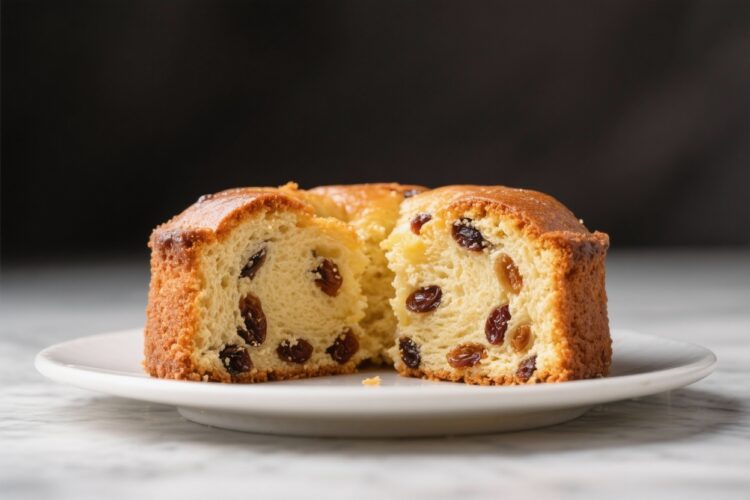
If you love old-fashioned coffee cakes but want something with a little surprise, this Inside-Out Raisin Kuchen delivers. It flips the usual fruit-on-top idea and tucks a sweet, buttery raisin filling right into the middle. The result is tender cake outside, warm spiced raisin goodness inside.
It’s simple enough for a weekend bake but special enough for sharing. Serve it with coffee, tea, or a glass of cold milk, and watch it disappear slice by slice.
What Makes This Special
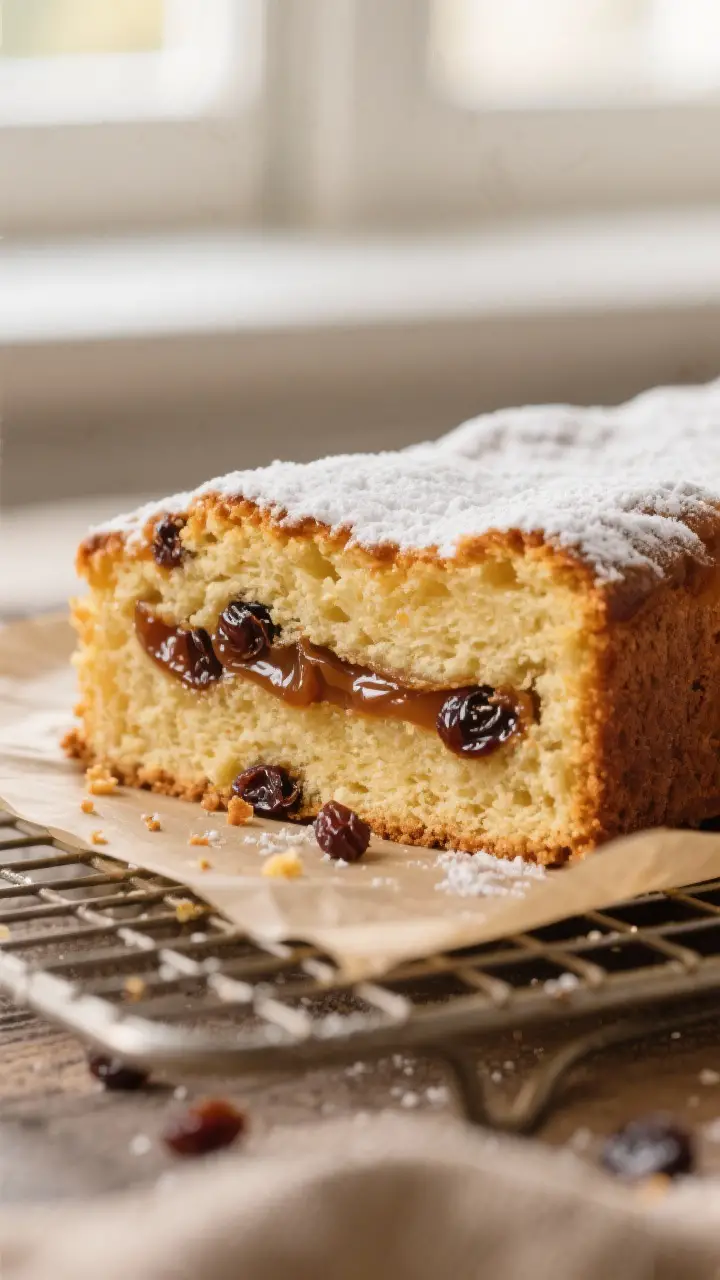
This kuchen borrows the spirit of traditional German coffee cakes but gives the raisins the spotlight. Instead of sprinkling fruit over the top, you make a rich raisin layer that runs through the center.
That inside-out approach keeps the cake moist, adds texture, and gives each bite a cozy, fragrant sweetness. It also slices beautifully—each piece shows a neat ribbon of filling. Best of all, the dough is straightforward and forgiving, making it a great bake for all skill levels.
What You’ll Need
- All-purpose flour – for a soft, sturdy crumb
- Granulated sugar – sweetens both dough and filling
- Unsalted butter – for tenderness and flavor
- Eggs – add structure and richness
- Whole milk – keeps the batter moist
- Active dry yeast (or instant yeast) – for a lightly risen, bakery-style texture
- Salt – balances sweetness
- Vanilla extract – rounds out the flavor
- Raisins – the star of the show; golden or regular both work
- Brown sugar – for a caramel-like depth in the filling
- Cinnamon – classic spice for warmth
- Lemon zest (optional) – adds brightness
- Water or dark tea – for plumping the raisins
- Powdered sugar – to finish with a light dusting or glaze
How to Make It
- Warm the milk and wake the yeast. Heat the milk until lukewarm, not hot.
Stir in a pinch of sugar and the yeast. Let it sit 5–10 minutes until foamy. If it doesn’t foam, start over with fresh yeast.
- Mix the dough. In a bowl, combine flour, sugar, and salt.
Add softened butter, eggs, vanilla, and the foamy milk mixture. Stir until it comes together into a soft dough. It should be slightly sticky but manageable.
- Knead briefly. Turn the dough onto a lightly floured surface and knead 3–5 minutes until smooth and elastic.
You can also use a stand mixer with a dough hook for about 4 minutes on medium-low.
- First rise. Place the dough in a lightly greased bowl, cover, and let it rise in a warm spot until puffy, about 60–75 minutes. It may not fully double, and that’s okay.
- Plump the raisins. While the dough rises, pour hot water or strong dark tea over the raisins and let them soak for 10 minutes. Drain well and pat dry.
This step keeps the filling juicy, not chewy.
- Make the filling. Toss the drained raisins with brown sugar, cinnamon, and lemon zest if using. Taste and adjust the cinnamon to your liking.
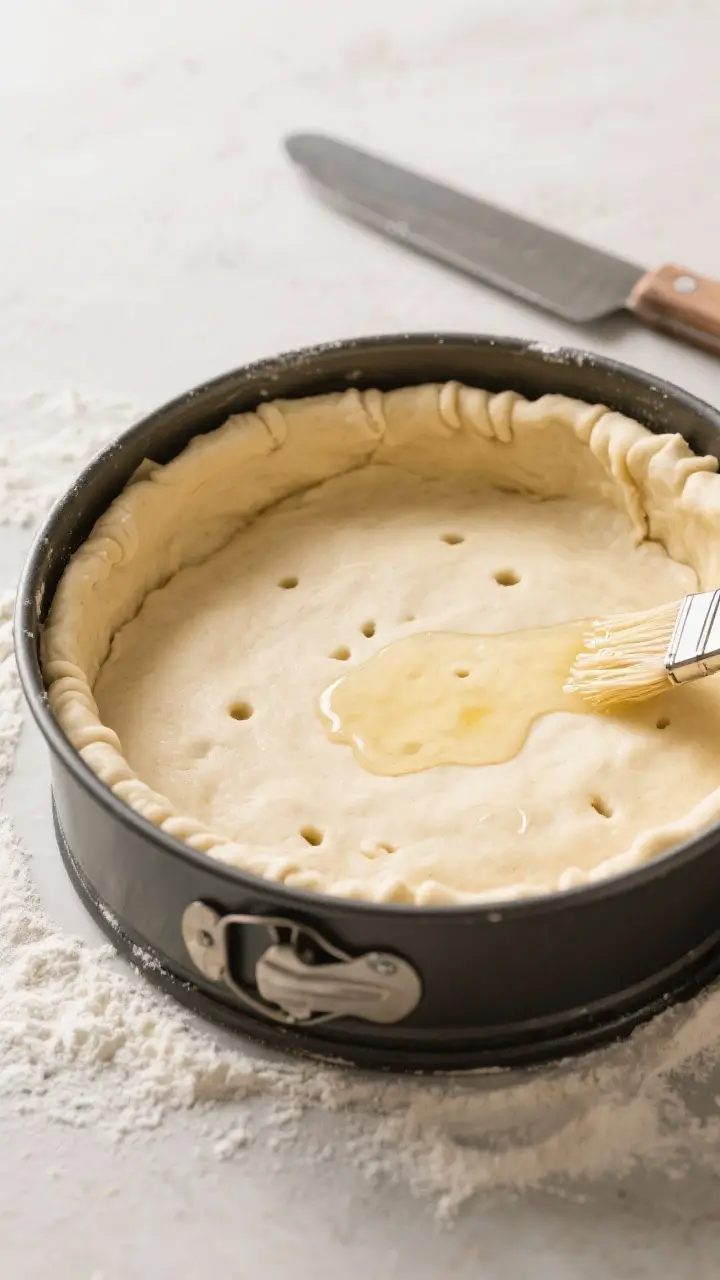
- Prepare the pan. Grease a 9-inch springform pan or a 9×9-inch baking pan. Line the bottom with parchment for easier release.
- Shape the kuchen. Punch down the risen dough.
Divide into two portions, one slightly larger than the other. Roll the larger portion into a circle or square to fit your pan and press it into the bottom, slightly up the sides.
- Add the raisin layer. Spread the raisin filling evenly over the base, leaving a small border at the edges. Press lightly so it sits snugly in the dough.
- Top with dough. Roll the remaining dough to fit the pan.
Lay it over the raisins, pinching at the edges to seal. If it tears a bit, patch it gently—no stress.
- Second rise. Cover and let the assembled kuchen rest for 30–40 minutes. It should look slightly puffy.
- Bake. Preheat the oven to 350°F (175°C).
Bake 28–35 minutes until golden on top and the center springs back lightly. If the top browns too fast, tent with foil for the last 10 minutes.
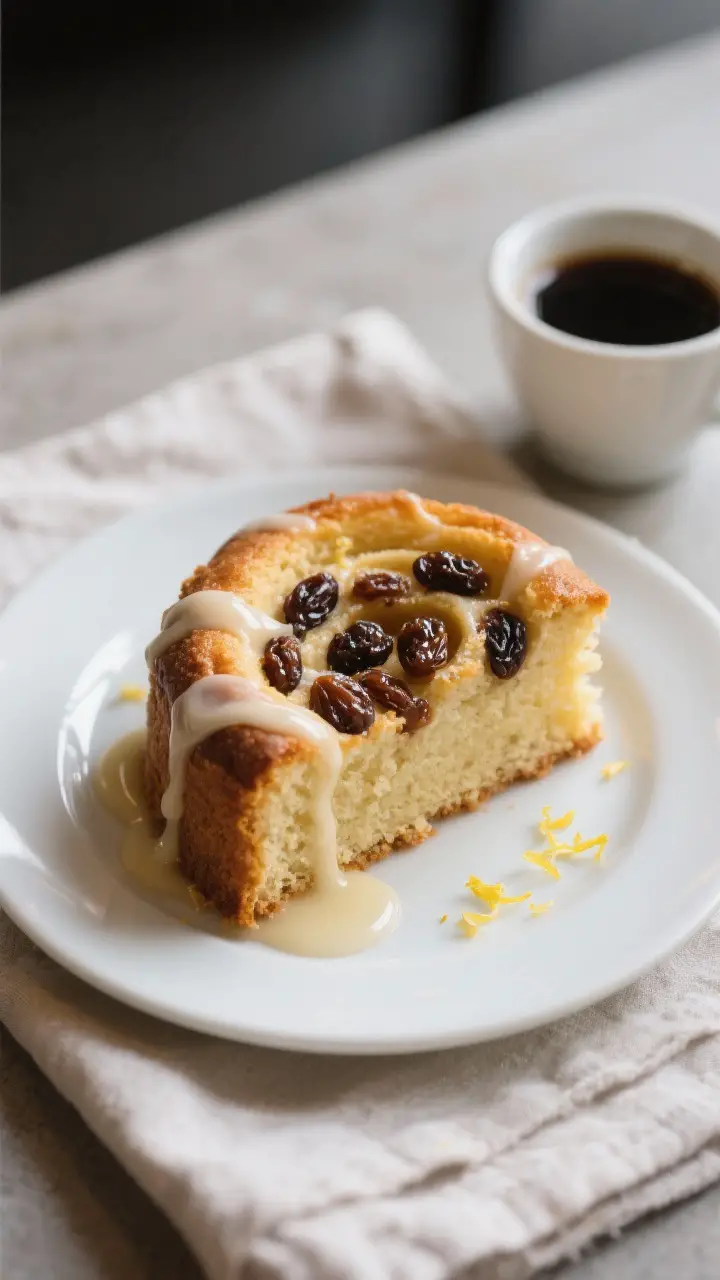
- Cool and finish. Let it cool in the pan for 10–15 minutes, then release and transfer to a rack. Dust with powdered sugar or whisk powdered sugar with a splash of milk and vanilla for a simple glaze.
Slice when just warm or fully cooled.
Storage Instructions
- Room temperature: Keep covered at room temp for up to 2 days. A cake dome or well-wrapped platter works best.
- Refrigerator: Store for up to 5 days. Warm slices briefly in the microwave or a low oven to refresh the texture.
- Freezer: Wrap individual slices tightly and freeze for up to 2 months.
Thaw at room temperature and rewarm in a 300°F (150°C) oven for 8–10 minutes.
- Glaze later: If you plan to freeze, skip the glaze until after thawing for a cleaner look.
Benefits of This Recipe
- Balanced sweetness: The brown sugar raisin center gives gentle sweetness without making the cake cloying.
- Moist texture: The inside-out filling keeps the crumb soft, even on day two.
- Flexible timing: The dough is forgiving. If the rise takes longer in a cool kitchen, it still bakes up beautifully.
- Great for sharing: Easy to slice and serve, with a pretty ribbon of filling in every piece.
- Make-ahead friendly: Can be baked the day before and refreshed before serving.
What Not to Do
- Don’t skip plumping the raisins. Dry raisins pull moisture from the dough and can leave the filling tough.
- Don’t add hot milk to the yeast. Overheating kills the yeast. Aim for warm, not hot.
- Don’t oversweeten the dough. Keep most of the sweetness in the filling so the cake stays balanced.
- Don’t rush the rise. Underproofed dough bakes dense.
Give it time to puff slightly.
- Don’t slice while piping hot. Let it rest so the filling sets and the crumb doesn’t squash.
Alternatives
- No-yeast version: Swap the yeast dough for a simple butter cake batter and bake the same way with a middle raisin layer. Texture will be more like a traditional coffee cake.
- Spice swap: Trade cinnamon for cardamom, mixed spice, or pumpkin pie spice for a different flavor profile.
- Fruit variations: Use chopped dried apricots, figs, or dates with a little orange zest. Dried cherries with almond extract are excellent.
- Nutty crunch: Add chopped walnuts or pecans to the filling for texture.
- Dairy-free: Use plant milk and dairy-free butter.
The dough still rises well and bakes tender.
- Glaze options: Lemon glaze for brightness, or a thin vanilla icing with a pinch of cinnamon.
FAQ
Can I use instant yeast instead of active dry?
Yes. Use the same amount and mix it directly with the dry ingredients. Still warm the milk so the dough comes together smoothly.
Do I have to use a springform pan?
No.
A 9×9-inch square pan works well. Line it with parchment for easy lifting and clean edges.
How do I keep the raisin layer from leaking out?
Press the bottom dough slightly up the sides and seal the top dough to those edges. If a little syrup bubbles out, that’s normal and adds caramelized flavor.
My dough is sticky.
Should I add more flour?
A little is fine, but don’t overdo it. Lightly flour your hands and the surface. A softer dough bakes more tender.
Can I make the dough the night before?
Yes.
Let it rise once, punch it down, cover, and refrigerate overnight. Bring to room temperature, shape with the filling, and do the second rise before baking.
What if I don’t like raisins?
Try chopped dried apricots, cranberries, or dates. Keep the same sugar and spice amounts and adjust to taste.
How do I know it’s done?
The top should be golden and the center should spring back when gently pressed.
An internal temperature around 195–200°F (90–93°C) is a safe cue.
Can I reduce the sugar?
You can cut the filling’s brown sugar by 25% without losing structure. The cake will be less caramel-like but still flavorful.
Is this cake very sweet?
It’s moderately sweet. Most of the sweetness is in the center, which keeps the crumb balanced and not overwhelming.
How should I serve it?
Warm or at room temperature.
A light dusting of powdered sugar and a cup of coffee is classic, but a small spoon of whipped cream also works nicely.
In Conclusion
Inside-Out Raisin Kuchen is comfort baking at its best—simple ingredients, friendly steps, and a rewarding result. The raisin ribbon in the center feels special without adding fuss, and the cake keeps well for days. Whether you’re baking for brunch, a cozy afternoon, or a thoughtful gift, this recipe brings warm, homey flavor to the table.
Slice it generously and enjoy the soft crumb, spiced filling, and that just-right sweetness.
Printable Recipe Card
Want just the essential recipe details without scrolling through the article? Get our printable recipe card with just the ingredients and instructions.