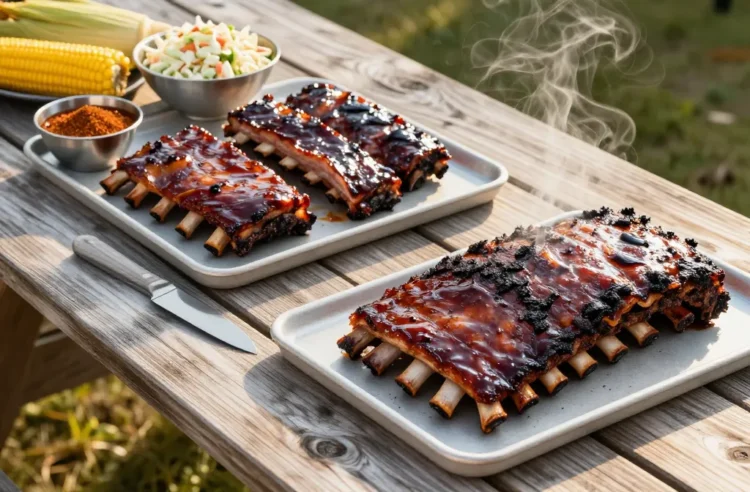
- Best for: Backyard cookouts, tailgates, or casual parties
- Make ahead: Yes — cook 1–2 days ahead, reheat low and slow
- Serves: 20 people (with sides)
- Key tip: Plan by trimmed weight and rib count, not “racks” alone
Planning How Many Racks of Ribs for 20 People — Baby Back vs. Spare Ribs can feel like guesswork. Let’s remove the stress with clear serving math, plus the differences that actually affect how much you need. You’ll get realistic portions, shopping lists, and timing tips for make-ahead success. By the end, you’ll know exactly how many racks to buy and how to serve them hot and juicy.
Baby Back vs. Spare Ribs: What Changes the Math
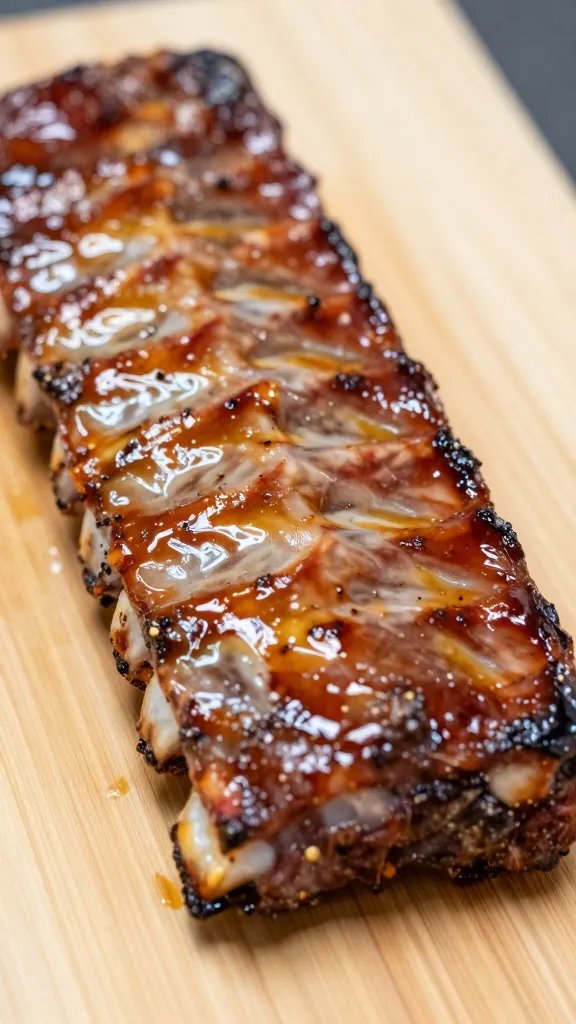
Baby back ribs are shorter, leaner, and typically weigh 1.5–2.5 lb per rack with about 10–13 ribs. They cook faster and feel a bit “lighter.”
Spare ribs (St. Louis–cut are trimmed spares) are meatier and fattier, usually 2.5–3.5 lb per rack with 11–13 ribs. They shrink a bit more but satisfy bigger appetites.
- Rib count matters: Most adults eat 3–5 ribs if you have sides; 5–6 if it’s a rib-focused meal.
- Weight loss: Expect 25–30% weight loss from cooking and bone.
- Audience: Bigger eaters or rib-heads = lean higher. Lots of sides and kids = lean lower.
Exact Portions for 20 People
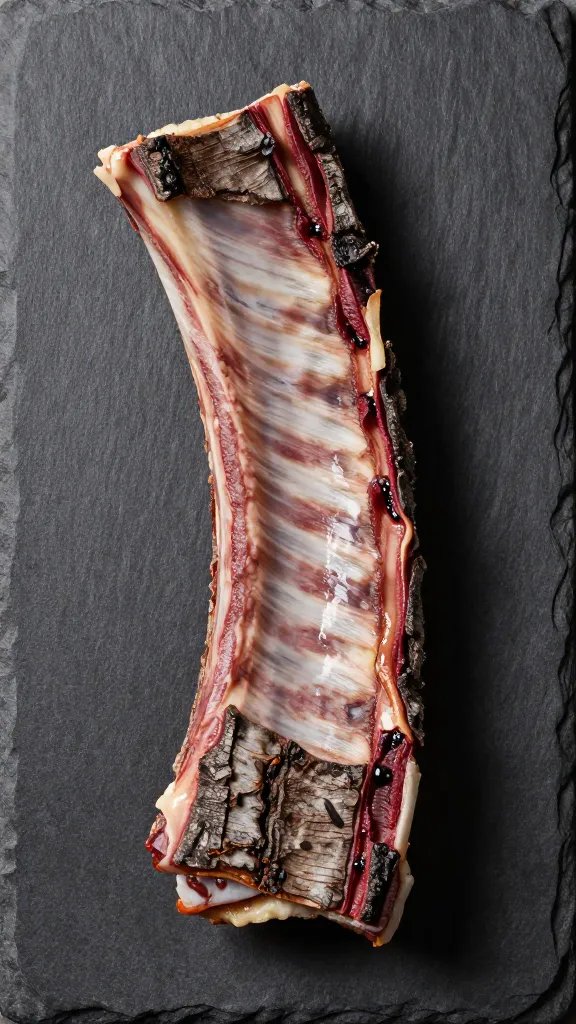
If ribs are the star (minimal sides)
- Baby back: Plan 5 ribs per adult on average. For 20 people, that’s about 100 ribs → 8–10 racks (most racks have 10–13 bones).
- Spare/St. Louis: Plan 4–5 ribs per adult. For 20 people, that’s 80–100 ribs → 7–9 racks.
If you’re serving hearty sides (beans, mac, slaw, cornbread)
- Baby back: 3–4 ribs per person → 60–80 ribs → 6–8 racks.
- Spare/St. Louis: 3–4 ribs per person → 60–80 ribs → 5–7 racks (meatier racks stretch further).
Trimmed weight guide (post-cook edible meat)
- Target edible meat: 1/3–1/2 lb per person with sides; 2/3 lb if ribs dominate.
- For 20 people with sides: 7–10 lb edible → start with about 20–28 lb raw ribs across racks.
- For rib-heavy meals: 13–14 lb edible → about 30–36 lb raw ribs.
Shopping List You Can Screenshot
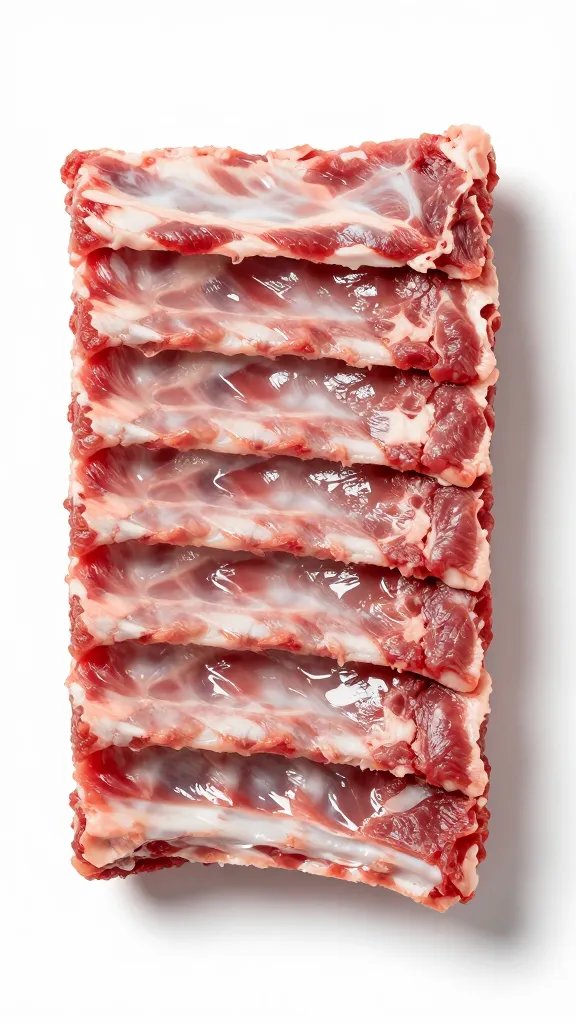
- Rib-forward menu:
- Baby back: Buy 9 racks (average), 8 if racks are large, 10 if small.
- Spare/St. Louis: Buy 8 racks (average), 7 if very meaty, 9 if smaller.
- Heavy sides menu:
- Baby back: Buy 7 racks (6–8 depending on rack size and guests).
- Spare/St. Louis: Buy 6 racks (5–7 depending on rack size).
- Safety buffer: Add 1 extra rack if feeding athletes/teenagers or you want leftovers.
Timing: Cook Day vs. Make-Ahead
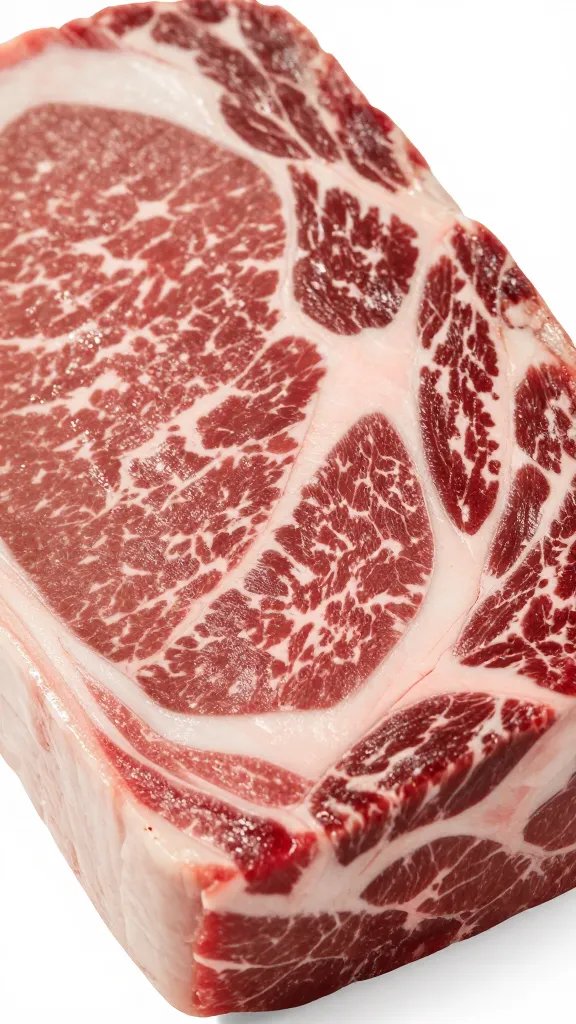
Baby backs typically cook in 4.5–5.5 hours total (low-and-slow plus finish). Spare/St. Louis run 5.5–6.5 hours. Crowds multiply complexity; make-ahead is smart.
Make-ahead plan (my favorite for 20)
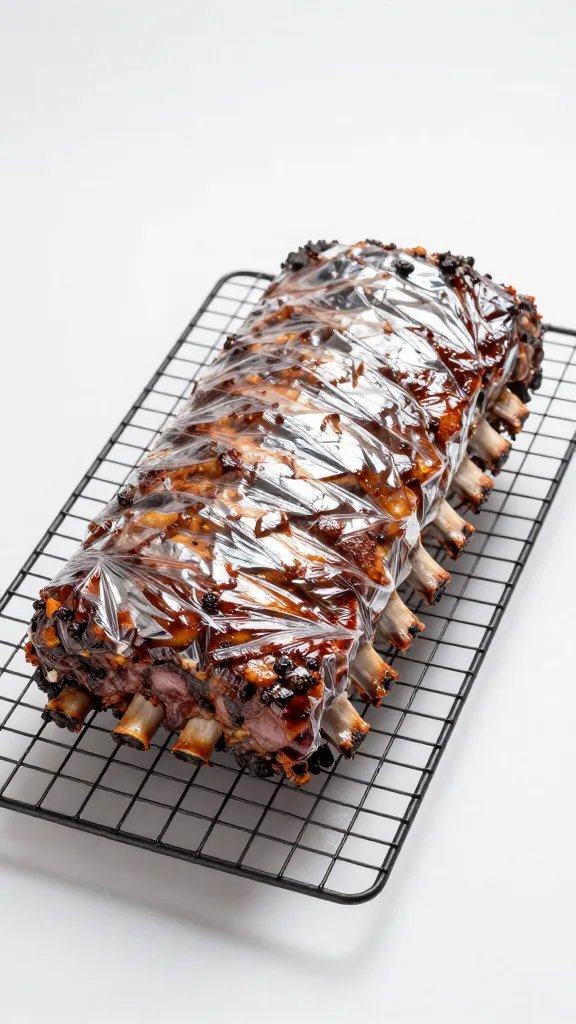
- Cook ribs 1–2 days ahead to 195–200°F internal (tender but not falling apart).
- Chill whole racks, wrapped in foil with a splash of apple juice.
- Reheat day-of at 275°F, still wrapped, 45–75 minutes until hot; glaze and set sauce on a hot grill or 425°F oven for 8–12 minutes.
Why it works: You avoid same-day timing crunch, and glazed reheat gives you fresh-barked edges.
Flavor Strategy That Scales
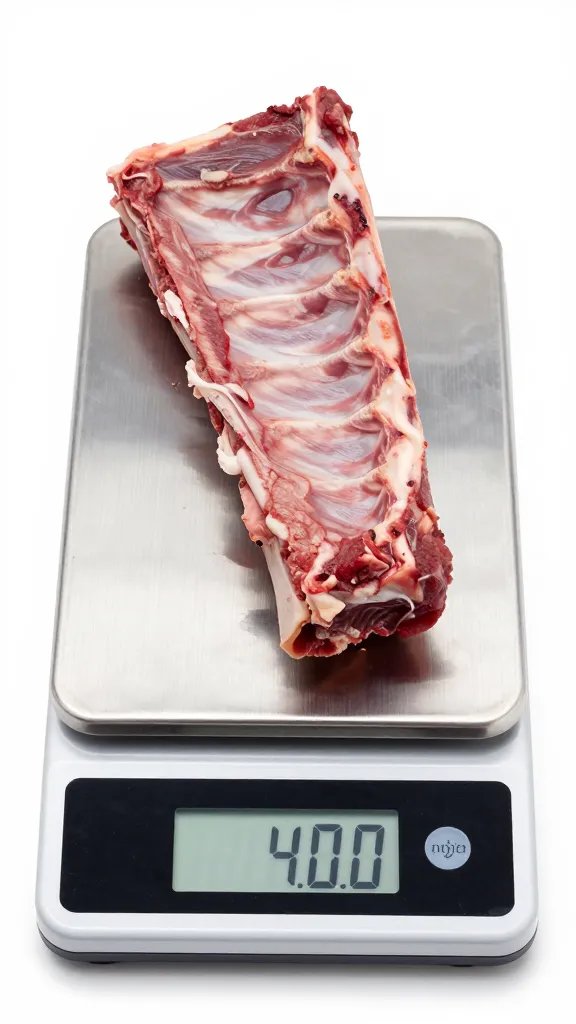
- Seasoning: Keep rubs simple for crowds: salt, pepper, paprika, brown sugar, garlic, onion, chili. Offer heat at the table.
- Sauces: Serve at least two: a classic sweet-tangy and a vinegar-forward or herby option. Bright sauces cut richness.
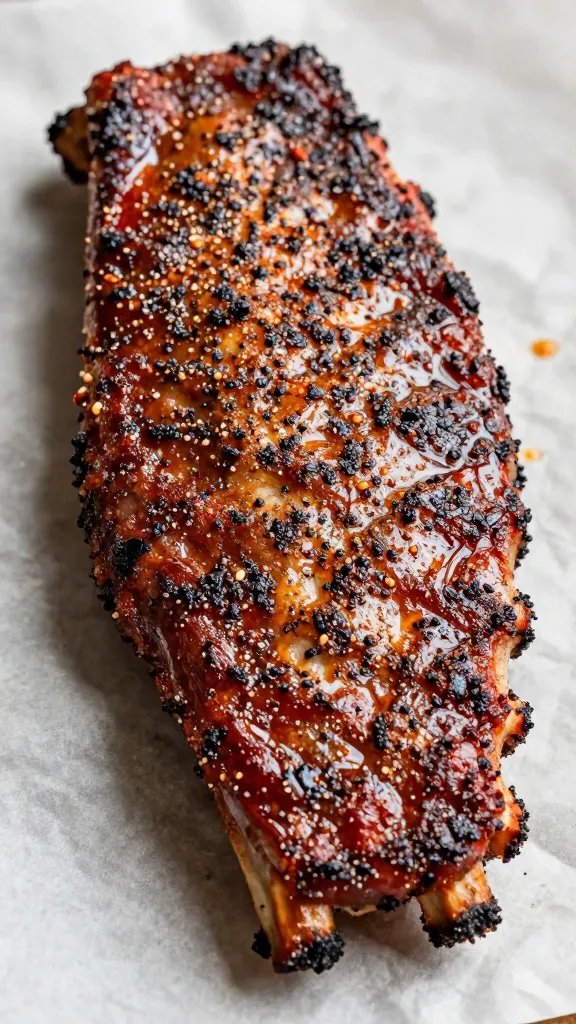
- Finishing: Light glaze during the set, then serve extra sauce on the side so bark stays intact.
- Fresh contrast: A green sauce like this chimichurri recipe brings acidity that balances fatty ribs.
How to Slice, Serve, and Keep Them Hot
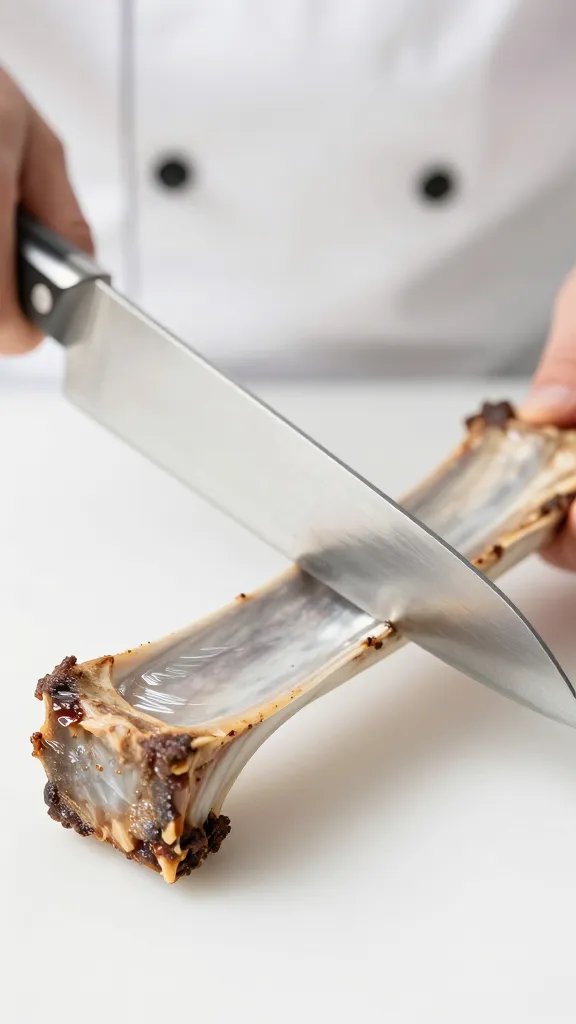
- Slice smart: Turn racks bone-side up to see the bones, then slice between bones. For tasting platters, cut singles; for hearty plates, cut doubles.
- Serving pans: Use two large pans: one dry (no sauce) and one lightly glazed. Label them.
- Hold temperature: Keep covered at 150–165°F in a low oven, warming drawer, or insulated cooler with hot packs. Vent to prevent steaming the bark.
- Plating tip: Put bread or rolls nearby. Guests make rib “sandwiches,” which stretches portions.
From My Kitchen: What Actually Works
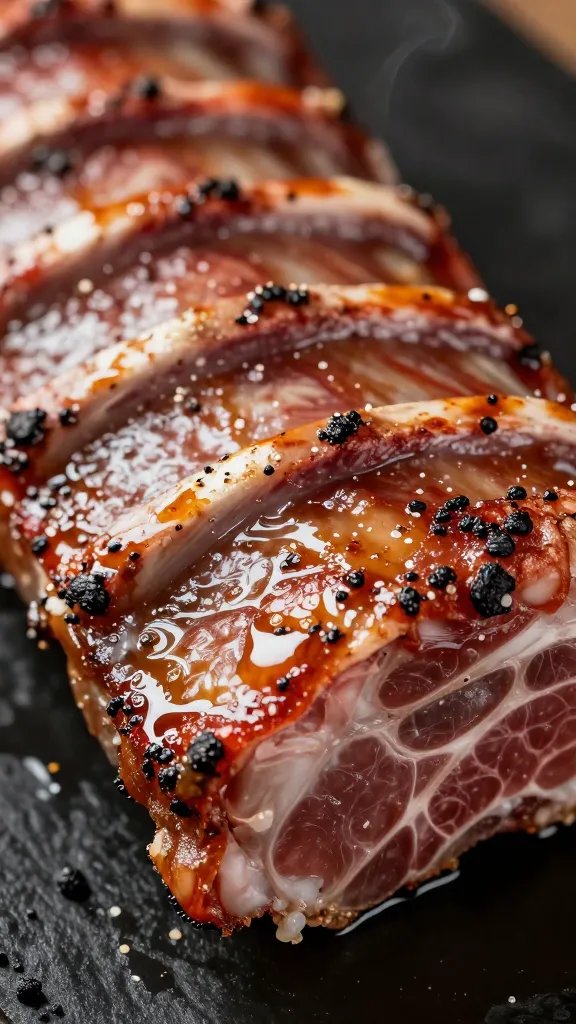
I’ve cooked for groups of 25–30, and the biggest fluctuation is appetite, not rack size. When I plan 4 ribs per person with solid sides, I hit the sweet spot, but I always add one extra rack “insurance.” I also slice half the racks into singles and half into doubles; doubles disappear first among heavy eaters, while singles help lighter eaters and kids take just enough. Reheating wrapped at 275°F until hot, then finishing unwrapped for 8–10 minutes sets the glaze without drying the ends. Salt your rub a touch lighter if you’re glazing; sauce adds salinity.
Menu Pairings That Stretch Ribs Further
- Hearty fillers: Smoked beans, mac and cheese, buttered corn, potato salad.
- Crisp sides: Vinegary slaw, chopped salad, quick pickles.
- Bright sauces: Try a tangy slaw and a green sauce; both cut richness. If you love zesty condiments, pair with these pickled red onions for crunch and acid.
- Buns/rolls: Always. They slow the rib run on a hungry crowd.
Frequently Asked Questions
How many racks of baby back ribs do I need for 20 people?
Plan on 6–10 racks depending on sides and appetite. With hearty sides, 6–8 racks usually works; if ribs are the main event, go 8–10 racks. Add one extra rack if you expect big eaters.
How many racks of spare ribs for 20 guests?
Spare or St. Louis ribs are meatier, so 5–9 racks covers most parties. With sides, 5–7 racks is typical; for rib-focused meals, 7–9 racks is safer. Check rib counts; aim for 3–5 bones per person.
Can I make ribs ahead for a crowd without drying them out?
Yes. Cook 1–2 days ahead, wrap with a splash of apple juice, chill, then reheat wrapped at 275°F until hot. Unwrap, glaze, and finish on a hot grill or 425°F oven for 8–12 minutes to reset the bark.
What’s the best way to serve ribs for a buffet?
Slice bone-side up for accuracy, mix singles and doubles, and set out two pans: glazed and dry. Keep them warm at 150–165°F and offer sauces on the side so the bark stays crisp.
How much sauce should I plan for 20 people?
Figure 1.5–2 cups per 10 people if you’re lightly glazing and serving extra. For 20 guests, 3–4 cups total across two styles (sweet and tangy/vinegar) is plenty.
Do baby back ribs cook faster than spare ribs?
Usually yes. Baby backs take about 4.5–5.5 hours total at low-and-slow temps, while spares run 5.5–6.5 hours. Thicker racks or lower pit temps add time, so start early or go make-ahead.
The Bottom Line
For 20 people, buy 6–8 racks of baby backs or 5–7 racks of spares with hearty sides; bump to 8–10 baby backs or 7–9 spares if ribs are the star. Count bones, plan a spare rack, and use a make-ahead reheat to keep service smooth and stress-free.
Planning to try this? Save this post so you can find it when you need it — and tag us when you make it.