
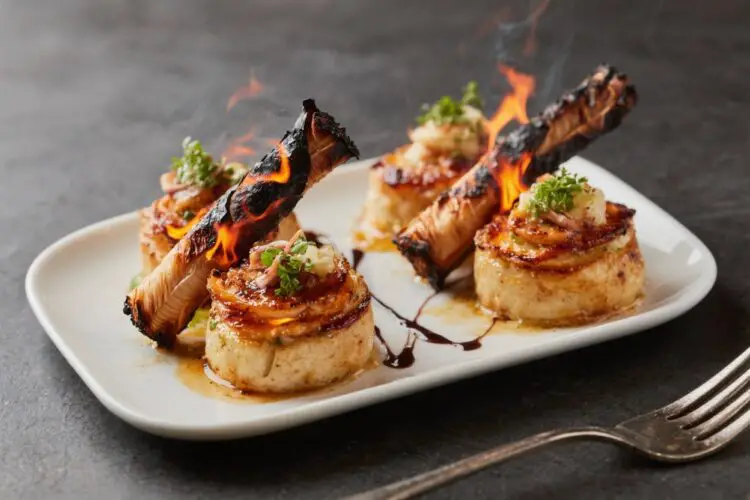
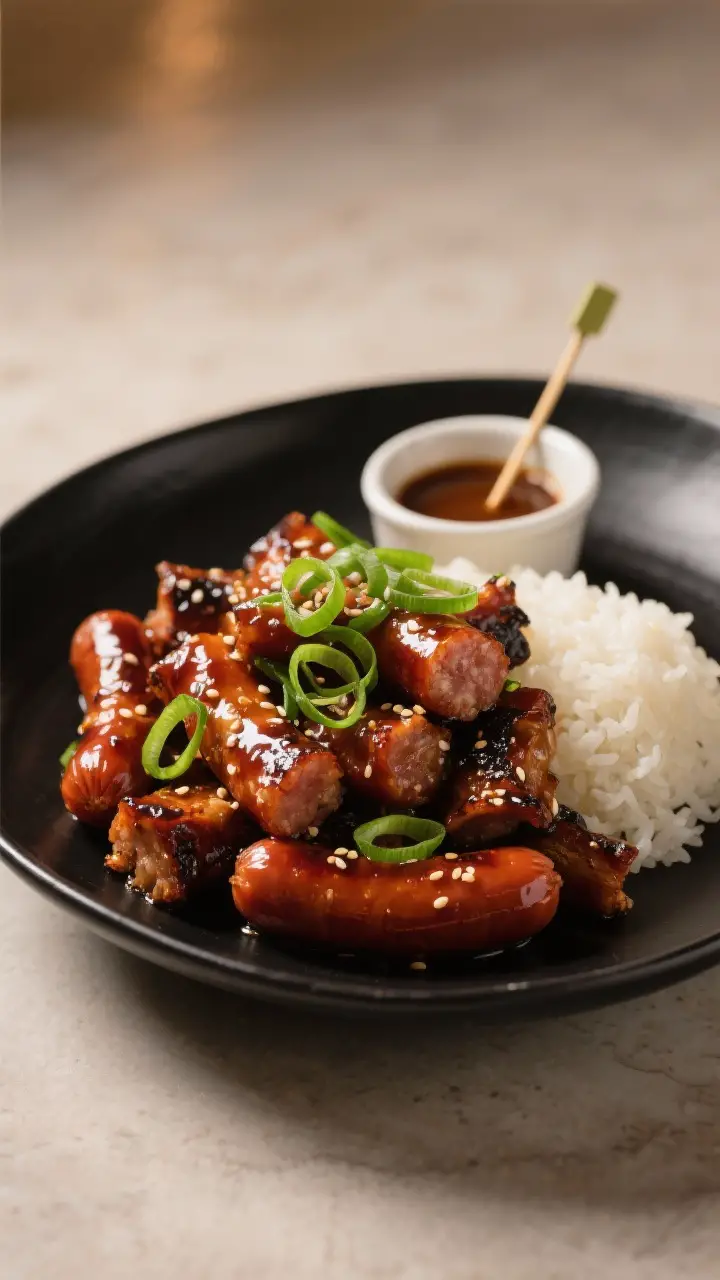
Hot dog burnt ends are the fun, low-effort cousin of classic barbecue burnt ends. You get the same sweet, smoky, caramelized edges—without needing a smoker or a pricey brisket. They’re perfect for game day, backyard hangs, or those nights when you want something bold and snackable fast.
Think sticky barbecue glaze, a little spice, and juicy bites that keep you coming back. Best of all, they’re cheap, easy, and adaptable to whatever you’ve got in the pantry.
Why This Recipe Works
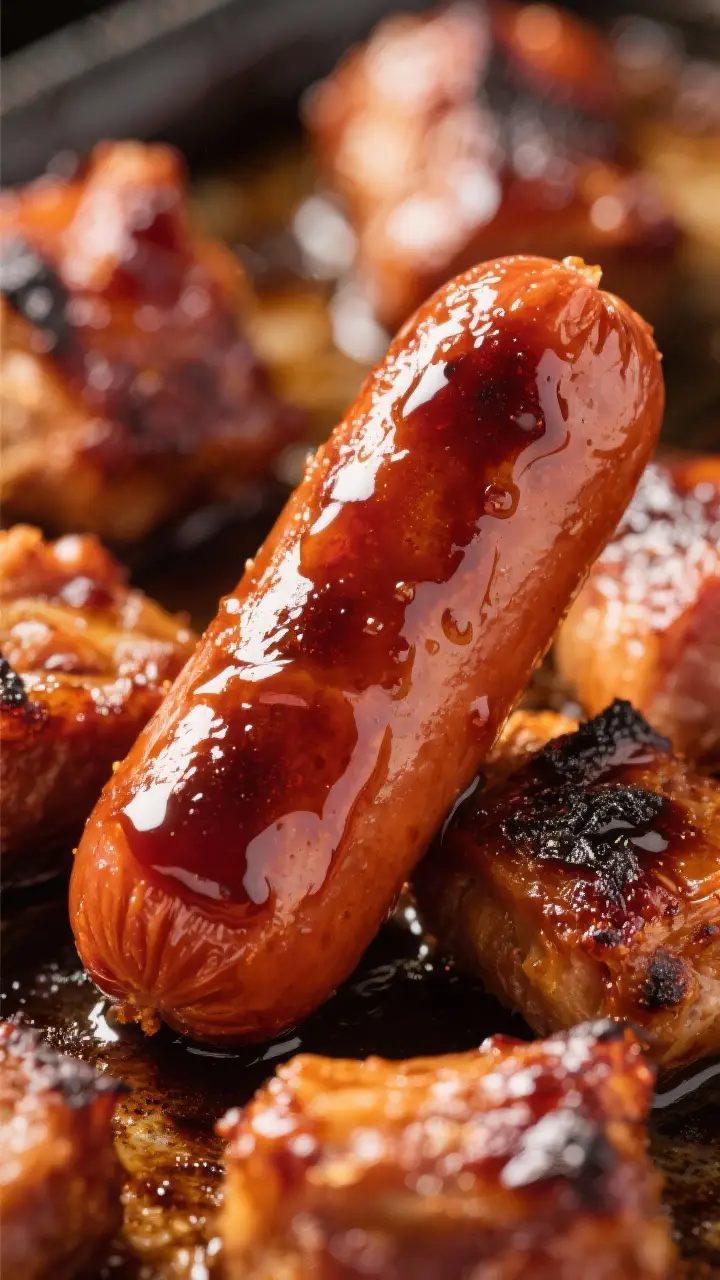
Hot dogs are already seasoned and fully cooked, so they’re forgiving and quick to transform. A dry rub gives them a savory backbone, while the sauce thickens and clings during roasting, creating that signature sticky bark.
A quick blast of high heat crisps the edges without drying out the center. And because hot dogs have a bit of fat, they baste themselves as they cook, keeping every piece juicy.
Ingredients
- 2 pounds hot dogs (use beef hot dogs for best flavor)
- 2 tablespoons yellow mustard (as a binder)
- 2 tablespoons brown sugar
- 1 tablespoon paprika (smoked if you have it)
- 1 teaspoon garlic powder
- 1 teaspoon onion powder
- 1 teaspoon chili powder
- 1/2 teaspoon black pepper
- 1/4 teaspoon cayenne pepper (optional for heat)
- 1 cup barbecue sauce (your favorite)
- 2 tablespoons butter
- 1 tablespoon honey or maple syrup
- 1 tablespoon apple cider vinegar (for brightness)
- Optional garnish: sliced green onions, sesame seeds, or pickled jalapeños
Step-by-Step Instructions
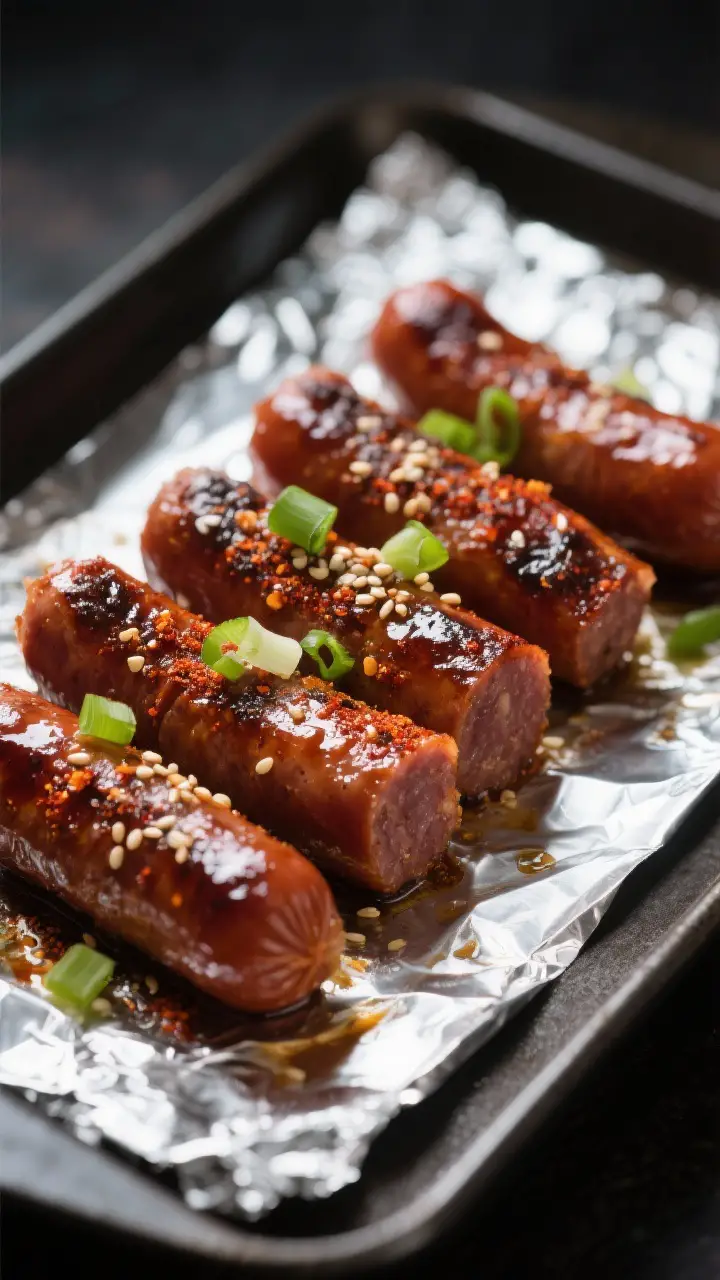
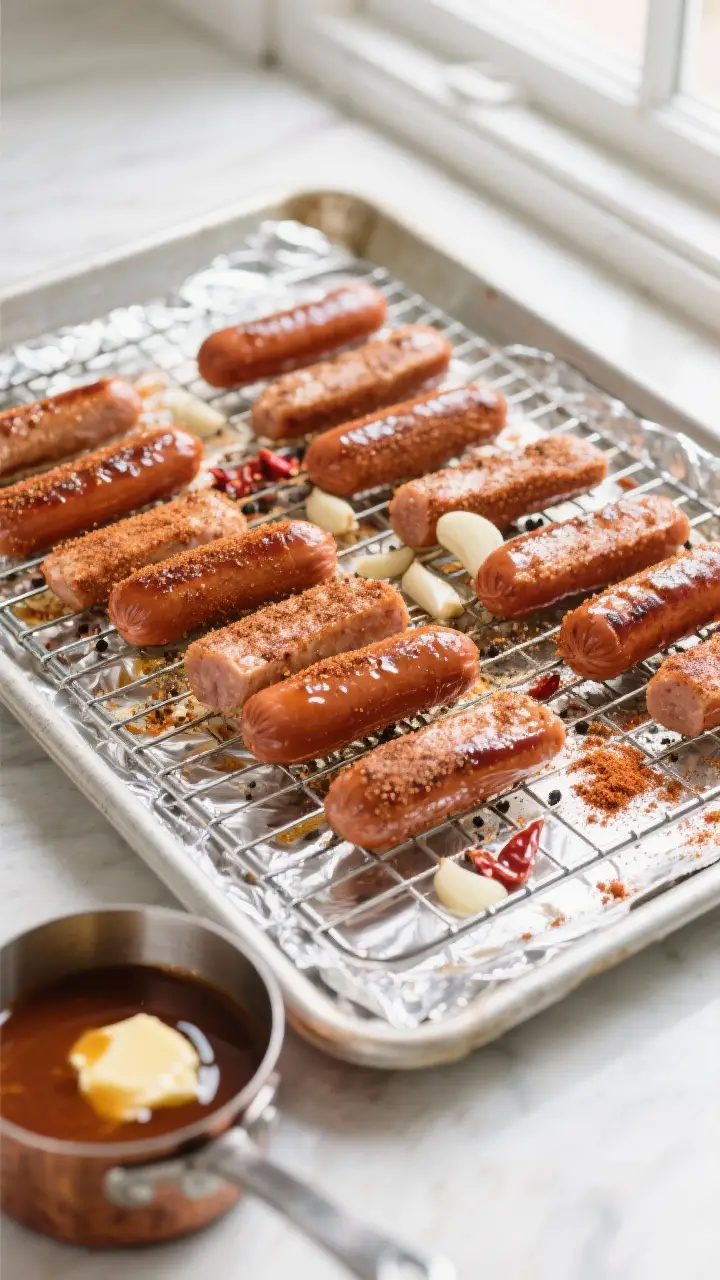
- Preheat the oven to 300°F (150°C). Line a sheet pan with foil and set a wire rack on top if you have one. The rack helps the hot dogs crisp evenly.
- Cut the hot dogs into chunks. Aim for 1 to 1.5-inch pieces.
Slightly larger pieces hold texture better once glazed.
- Coat with mustard. Toss the hot dog pieces with yellow mustard. It won’t taste strongly of mustard; it just helps the seasoning stick.
- Mix the dry rub. In a small bowl, combine brown sugar, paprika, garlic powder, onion powder, chili powder, black pepper, and cayenne if using.
- Season generously. Sprinkle the rub over the hot dog pieces and toss to coat. You want an even, visible layer on all sides.
- Roast low and slow. Spread the pieces on the rack or pan.
Bake for 30 minutes at 300°F to render a bit of fat and start the bark.
- Make the glaze. In a saucepan over low heat, warm the barbecue sauce with butter, honey, and apple cider vinegar. Stir until glossy, about 3–4 minutes. Keep warm.
- Toss and coat. Remove the hot dogs from the oven and transfer to a bowl.
Pour in half the glaze and toss until each piece is well coated.
- Caramelize. Return to the pan and increase the oven to 375°F (190°C). Bake 10–15 minutes, flipping once, until the sauce thickens and edges darken slightly.
- Finish with more sauce. Toss the hot dog burnt ends with the remaining glaze for a shiny, sticky finish. Rest 2–3 minutes to set.
- Garnish and serve. Sprinkle with green onions or sesame seeds.
Serve with toothpicks, over rice, or in slider buns.
Keeping It Fresh
- Storage: Cool completely, then refrigerate in an airtight container for up to 4 days.
- Reheat: Warm in a 325°F oven for 8–10 minutes or in a skillet over medium heat with a splash of water to loosen the sauce.
- Freeze: Freeze in a sealed bag for up to 2 months. Thaw in the fridge overnight, then reheat as above.
- Sauce rescue: If the glaze thickens in the fridge, add a teaspoon of water or vinegar when reheating to bring it back.
Why This is Good for You
- Protein boost: Hot dogs provide quick protein, which helps you feel satisfied.
- Portion control friendly: Bite-size pieces make it easy to serve small portions or shareable snacks.
- Customizable: You control the sauce, sugar, and sodium by choosing your brands and adjusting the glaze.
- Budget-friendly: You get that barbecue flavor and texture without specialty equipment or expensive cuts.
Pitfalls to Watch Out For
- Skipping the binder: Without mustard, the rub slides off and you lose that flavorful crust.
- Overcrowding the pan: Pieces steam instead of caramelize. Give them space for crisp edges.
- Too much heat too soon: High heat at the start can scorch the sugar.
Start low, finish higher.
- Over-saucing early: Adding all the glaze before the final bake can lead to burning. Split it up as directed.
- Using ultra-sweet sauce only: Balance matters. A splash of vinegar keeps the glaze from tasting flat.
Variations You Can Try
- Korean-inspired: Swap the rub for gochugaru, garlic powder, and a pinch of ginger.
Glaze with a mix of barbecue sauce and gochujang, finished with sesame seeds and scallions.
- Maple-chipotle: Use chipotle chili powder in the rub. Replace honey with maple syrup and add a little adobo sauce to the glaze.
- Mustard-barbecue: Use a Carolina-style mustard BBQ sauce and add extra black pepper. Great on slider buns with pickles.
- Honey-garlic: Add minced garlic to the glaze and bump the honey for a sticky, sweet finish.
Garnish with chives.
- Smoker option: Smoke the seasoned hot dog pieces at 225°F for 45–60 minutes, then glaze and cook at 300°F until tacky.
- Air fryer: Cook at 350°F for 8–10 minutes, toss with glaze, then air fry 3–5 more minutes until caramelized.
- Turkey or plant-based dogs: Use the same method. Watch closely—leaner options can dry out faster, so shorten the final bake.
FAQ
Can I make this without an oven?
Yes. Use a skillet over medium heat to brown the seasoned pieces for 6–8 minutes, then pour in the glaze and simmer until thick and sticky, stirring often.
What kind of hot dogs work best?
Beef hot dogs deliver the boldest flavor and best texture.
Choose a brand with a snappy casing if you can. All-beef franks hold up well to high heat and glazing.
How do I keep the sauce from burning?
Avoid high heat early on and split the glazing into two stages. If your oven runs hot, tent loosely with foil during the final minutes and remove it to finish caramelizing.
Can I reduce the sugar?
Absolutely.
Cut the brown sugar in half and use a lower-sugar barbecue sauce. Add a little extra vinegar or a squeeze of lemon to keep the flavor lively.
What should I serve with hot dog burnt ends?
They’re great with coleslaw, cornbread, mac and cheese, or simple potato wedges. For a lighter pairing, try cucumber salad or grilled vegetables.
How do I scale this for a crowd?
Double or triple the recipe and split across multiple sheet pans.
Rotate pans halfway through so everything cooks evenly and gets the same caramelization.
Can I prep these ahead?
Yes. Season and refrigerate the hot dog pieces up to 24 hours in advance. Cook and glaze just before serving for the best texture.
Wrapping Up
Hot dog burnt ends give you all the sticky, smoky charm of barbecue in a fraction of the time and cost.
With a smart rub, a balanced glaze, and a quick two-stage cook, you’ll get juicy bites with crispy edges every time. Keep a pack of hot dogs and a bottle of sauce on hand, and you’ve got a crowd-pleasing snack ready whenever the craving hits. Simple, bold, and endlessly flexible—that’s the beauty of this recipe.
Printable Recipe Card
Want just the essential recipe details without scrolling through the article? Get our printable recipe card with just the ingredients and instructions.