
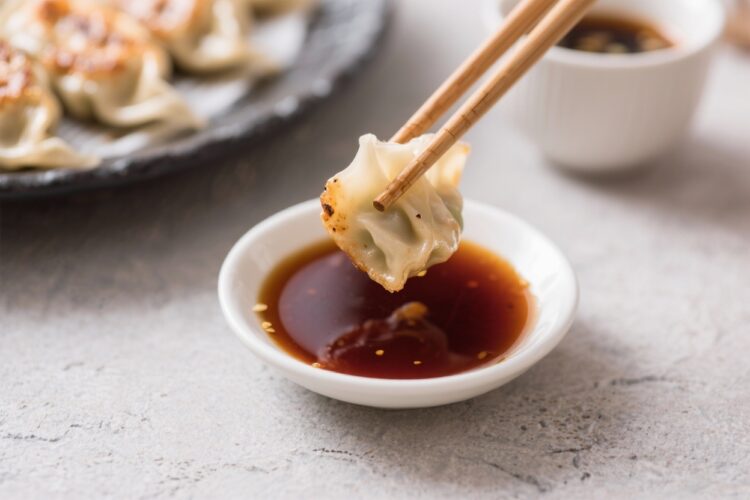
Gyoza is great on its own, but the right dipping sauce takes it from tasty to unforgettable. This classic blend of soy, vinegar, and aromatics is bright, salty, slightly sweet, and just the right amount of spicy if you want it to be. It comes together in minutes and uses pantry ingredients you probably already have.
Whether you’re serving store-bought dumplings or homemade gyoza, this sauce makes every bite pop. It’s simple, flexible, and easy to tweak to your taste.
What Makes This Special
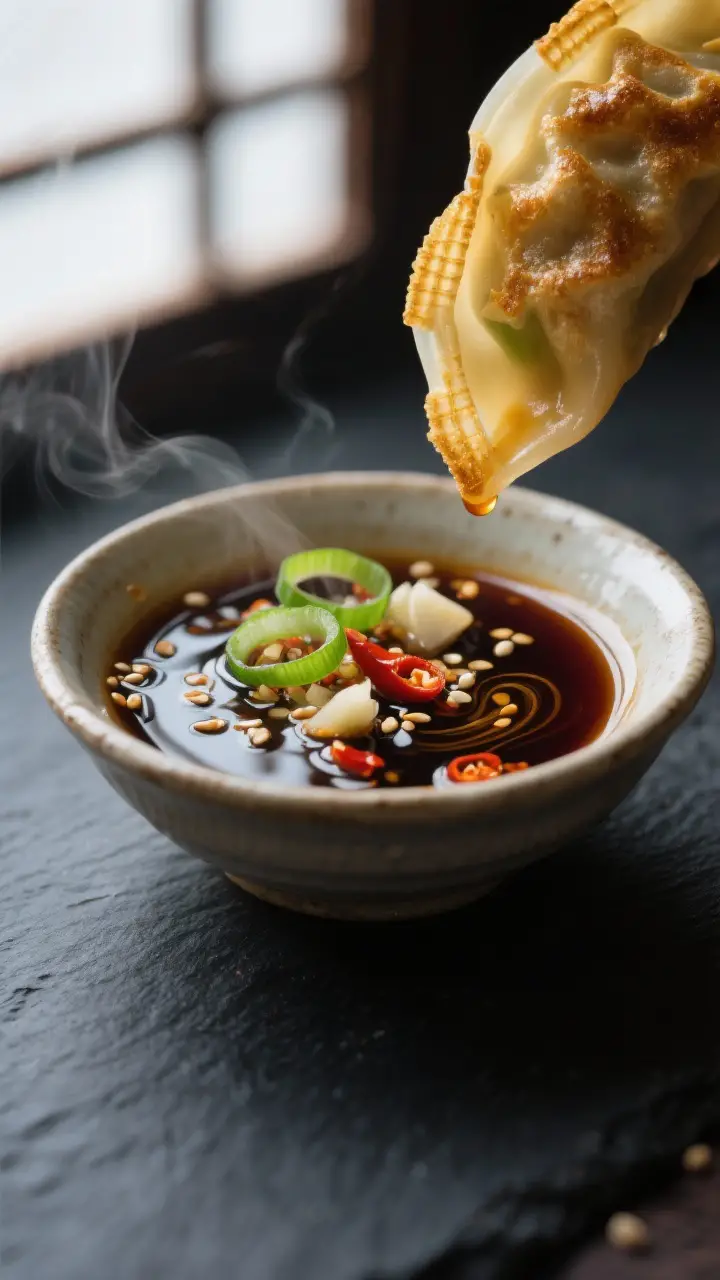
This sauce hits all the notes: salty, tangy, savory, and a hint of heat. The base is soy sauce and rice vinegar, which keeps it clean and refreshing.
A touch of sesame oil adds depth, while garlic and ginger bring warmth. If you like spice, chili oil or crushed red pepper wakes it up without overwhelming the dumplings. It’s the kind of sauce you’ll want to drizzle on noodles, rice bowls, and veggies, not just gyoza.
What You’ll Need
- Soy sauce (2 tablespoons): Light soy or all-purpose soy sauce works best.
- Rice vinegar (2 tablespoons): Unseasoned rice vinegar keeps it crisp and balanced.
- Toasted sesame oil (1 teaspoon): For nutty aroma and roundness.
- Garlic (1 small clove, finely grated or minced): Fresh is best.
- Fresh ginger (1 teaspoon, finely grated): Adds brightness and warmth.
- Chili oil or chili crisp (1 to 2 teaspoons, optional): For heat and texture.
- Sugar or honey (1/2 to 1 teaspoon, optional): To soften the acidity.
- Green onion (1 tablespoon, thinly sliced): For freshness and color.
- Sesame seeds (1/2 teaspoon, optional): For a subtle crunch.
- Water (1 to 2 teaspoons, optional): If you want a lighter, less salty sauce.
How to Make It

- Start with the base: In a small bowl, combine soy sauce and rice vinegar in equal parts.
This is your core flavor.
- Add aromatics: Stir in the grated garlic and ginger until evenly distributed.
- Round it out: Add toasted sesame oil. A little goes a long way, so measure carefully.
- Adjust sweetness: If you like a smoother finish, whisk in sugar or honey until dissolved.
- Turn up the heat (optional): Mix in chili oil or chili crisp. Start small, taste, and add more if you want extra kick.
- Fresh finishing touches: Fold in sliced green onion and sesame seeds for texture and color.
- Taste and tweak: If it’s too salty, add a teaspoon or two of water.
If it’s too sharp, add a pinch more sugar. If it feels flat, add a few more drops of vinegar.
- Let it rest: Give it 5 to 10 minutes before serving so the flavors mingle.
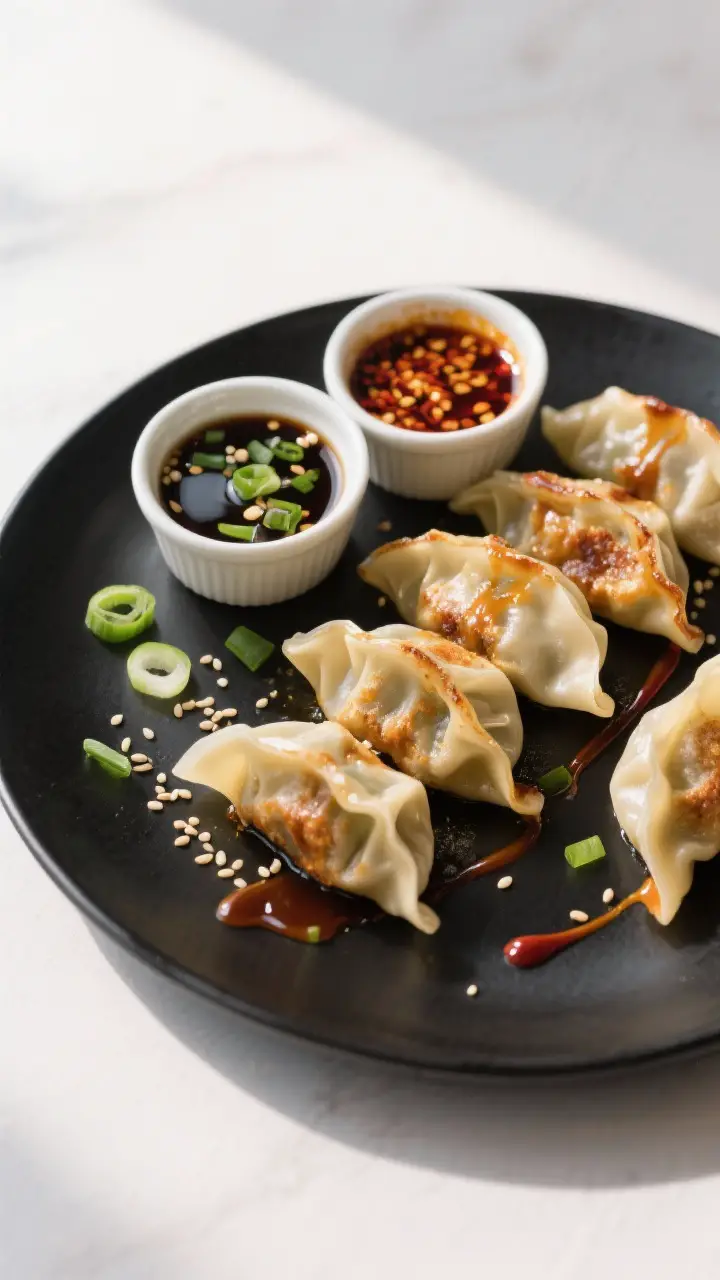
- Serve: Pour into small dipping bowls and pair with hot, crispy-bottomed gyoza.
Keeping It Fresh
This sauce stores well if you leave out the fresh green onion. Keep it in a sealed jar in the fridge for up to 1 week.
Add the green onion and sesame seeds right before serving for the best texture. If it thickens or the flavors concentrate, stir in a splash of water or rice vinegar to wake it back up. Always give it a quick taste before using leftover sauce.
Why This is Good for You
This is a light, flavor-packed sauce with no heavy cream or butter. Rice vinegar and ginger help keep it bright without piling on calories. Garlic and ginger bring natural compounds that support overall wellness and digestion. Sesame oil, used sparingly, adds healthy fats and aroma.
And because the flavor is so bold, a little goes a long way, which can help you season smarter.
Common Mistakes to Avoid
- Using the wrong vinegar: Skip distilled white vinegar. It’s too harsh. Rice vinegar keeps it smooth and balanced.
- Overdoing the sesame oil: It’s potent.
Too much can make the sauce taste heavy and mask the brightness.
- Skipping the taste test: Soy sauces vary in saltiness. Always taste and adjust with water, sugar, or vinegar.
- Adding green onion too early: It can wilt and go slimy in the fridge. Add it right before serving.
- Going all heat, no balance: Chili oil is great, but keep the sweet, salty, and sour in check.
Variations You Can Try
- Ponzu Twist: Replace some rice vinegar with ponzu for a citrusy, lightly sweet finish.
- Garlic-Lover’s Version: Double the garlic and add a small splash of black vinegar for depth.
- Mild and Kid-Friendly: Skip the chili oil, add a little more honey, and thin with water.
- Smoky-Sesame: Add a pinch of smoked paprika and extra toasted sesame seeds.
- Umami Boost: Stir in 1/2 teaspoon of fish sauce or a few drops of Worcestershire for deeper savoriness.
- Citrus Lift: Add a squeeze of lime or yuzu if you can find it.
It brightens everything.
- Scallion-Ginger Splash: Warm 1 tablespoon neutral oil, pour it over the garlic and ginger to bloom them, then mix into the sauce.
FAQ
Can I use apple cider vinegar instead of rice vinegar?
Yes, but expect a fruitier, sharper taste. If you swap it in, add a pinch of sugar and a little water to smooth the edges.
What’s the best soy sauce for this?
Light or all-purpose soy sauce is ideal. Avoid dark soy for the base—it’s too sweet and intense for a dipping sauce, though a few drops can add color.
How do I make it gluten-free?
Use tamari or a certified gluten-free soy sauce.
Everything else in the recipe is typically gluten-free, but check labels on chili oils and vinegars to be sure.
Is there a low-sodium option?
Use low-sodium soy sauce and add a splash of water. You can also increase the vinegar slightly to keep the flavor lively without extra salt.
Can I make this ahead of time?
Absolutely. Mix the base sauce and store it for up to a week.
Add green onion and sesame seeds just before serving.
What if I don’t like spicy food?
Leave out the chili oil. The sauce is still excellent—balanced, zippy, and full of flavor without the heat.
Can I use garlic powder or ground ginger?
In a pinch, yes. Use small amounts—about 1/8 teaspoon each.
Fresh aromatics give a brighter, cleaner flavor, so use them when you can.
How do I fix a sauce that’s too salty?
Dilute with water and add a splash more vinegar. A tiny bit of sugar can also help balance the saltiness.
What else can I use this sauce for?
It’s great with potstickers, shumai, scallion pancakes, cold noodles, steamed veggies, and even grilled chicken or tofu.
Can I add black vinegar?
Yes. Add 1 to 2 teaspoons for a deeper, malty tang.
It pairs especially well with pork or mushroom gyoza.
In Conclusion
A great gyoza dipping sauce doesn’t need to be complicated. With soy, rice vinegar, and a few aromatics, you can make a balanced, vibrant sauce in minutes. Keep it classic, or tweak it to match your mood—spicy, citrusy, or extra garlicky.
Make a small bowl for a weeknight dinner or a larger batch for a party platter of dumplings. Either way, this simple sauce makes gyoza shine.