
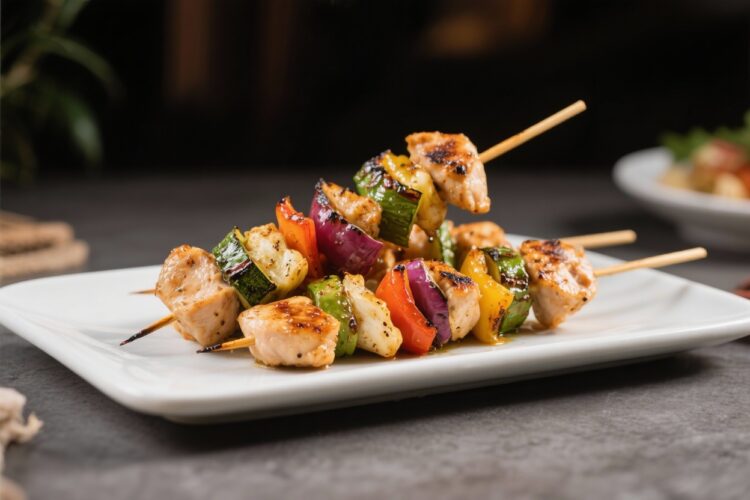
These skewers are the kind of meal you make once and then keep on repeat. They’re colorful, juicy, and packed with smoky flavor from the grill. The prep is easy, the cooking is quick, and the results feel like summer on a plate.
Whether you’re feeding a crowd or cooking for two, this recipe scales well and never feels fussy. Serve them over rice, with flatbread, or next to a crisp salad, and dinner is done.
What Makes This Recipe So Good
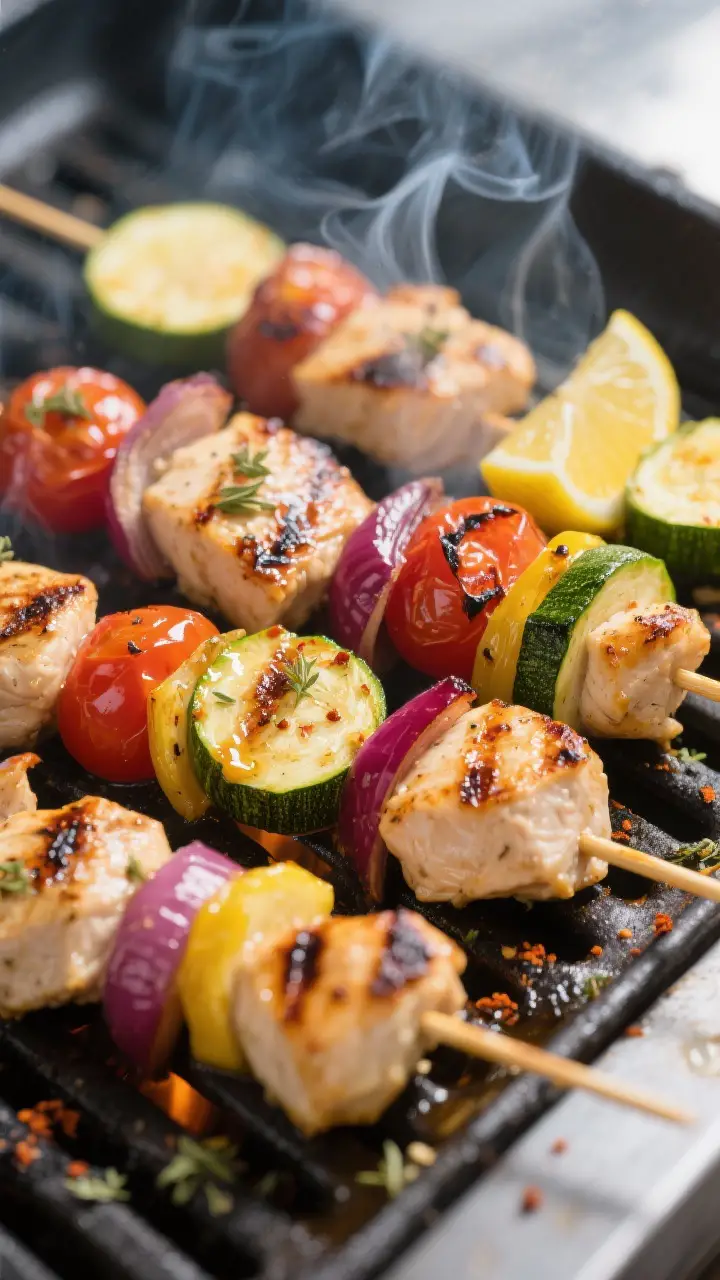
- Balanced flavors: A bright marinade with lemon, garlic, and herbs keeps the chicken tender and pairs perfectly with sweet, charred vegetables.
- Quick cooking: Bite-sized pieces mean everything cooks evenly and fast—ideal for weeknights.
- Versatile: Use whatever veggies you have on hand. The recipe is flexible and forgiving.
- Meal prep friendly: Marinate ahead of time and assemble when you’re ready to grill.
- Great for all grills: Works on gas, charcoal, or a grill pan.
No special equipment needed besides skewers.
Shopping List
- Chicken: 1.5–2 pounds boneless, skinless chicken breasts or thighs
- Bell peppers: 2–3, mixed colors
- Red onion: 1 large
- Zucchini or yellow squash: 2 medium
- Cherry tomatoes: 1 pint
- Olive oil: 1/3 cup
- Lemon: 1 large (zest and juice)
- Garlic: 3–4 cloves, minced
- Dried oregano: 1 teaspoon
- Smoked paprika: 1 teaspoon
- Ground cumin: 1/2 teaspoon
- Red pepper flakes: Pinch (optional)
- Salt and black pepper: To taste
- Fresh parsley or cilantro: For garnish (optional)
- Skewers: Wooden or metal
Step-by-Step Instructions
- Soak wooden skewers. If using wooden skewers, soak them in water for at least 20–30 minutes. This helps prevent burning on the grill.
- Make the marinade. In a bowl, whisk olive oil, lemon zest, lemon juice, garlic, oregano, smoked paprika, cumin, red pepper flakes, salt, and pepper. Taste and adjust seasoning.
- Cut the chicken. Slice chicken into 1.25–1.5 inch cubes.
Keep the size consistent so everything cooks evenly.
- Marinate the chicken. Toss chicken in the marinade, coating well. Cover and refrigerate for at least 30 minutes and up to 8 hours. The longer it sits, the more flavorful and tender it becomes.
- Prep the vegetables. Cut bell peppers and red onion into 1.25–1.5 inch chunks.
Slice zucchini into thick rounds or half-moons. Leave cherry tomatoes whole.
- Season the vegetables. Drizzle veggies with a little olive oil, salt, and pepper. You can add a pinch of oregano or paprika for extra flavor.
- Preheat the grill. Heat to medium-high (about 400–450°F).
Clean and oil the grates to prevent sticking.
- Assemble the skewers. Thread chicken and vegetables onto skewers, alternating pieces for color and even cooking. Don’t pack them too tightly—space helps with browning.
- Grill the skewers. Place skewers on the grill and cook 10–12 minutes total, turning every 2–3 minutes. Chicken should reach an internal temperature of 165°F and have nice grill marks.
- Finish and serve. Let skewers rest for 3–5 minutes.
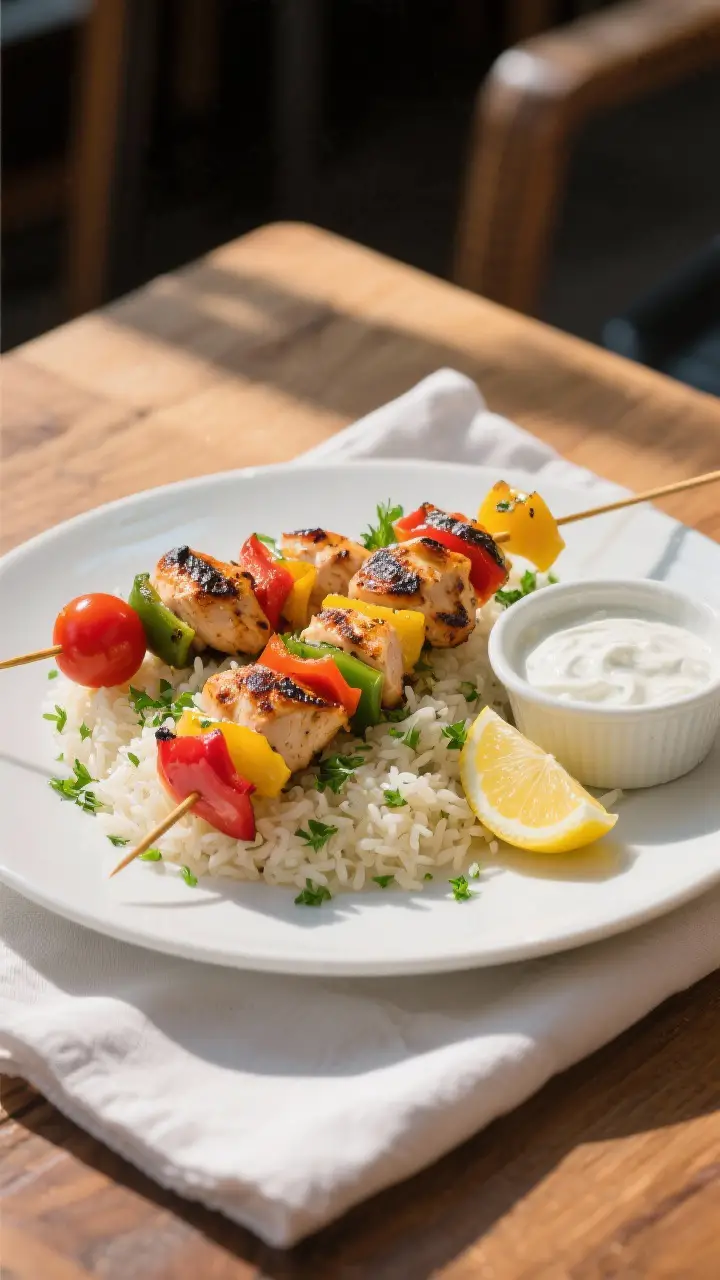
Sprinkle with chopped parsley or cilantro and a squeeze of fresh lemon. Serve with rice, couscous, flatbread, or a simple salad.
Storage Instructions
- Cooked skewers: Store in an airtight container in the fridge for up to 4 days. Reheat gently in a skillet or 300°F oven until warm.
- Leftover chicken only: Great for salads, grain bowls, or wraps the next day.
- Freezing: You can freeze raw, marinated chicken for up to 2 months.
Thaw overnight in the fridge before skewering and grilling. Avoid freezing marinated vegetables—they can turn mushy.
Why This is Good for You
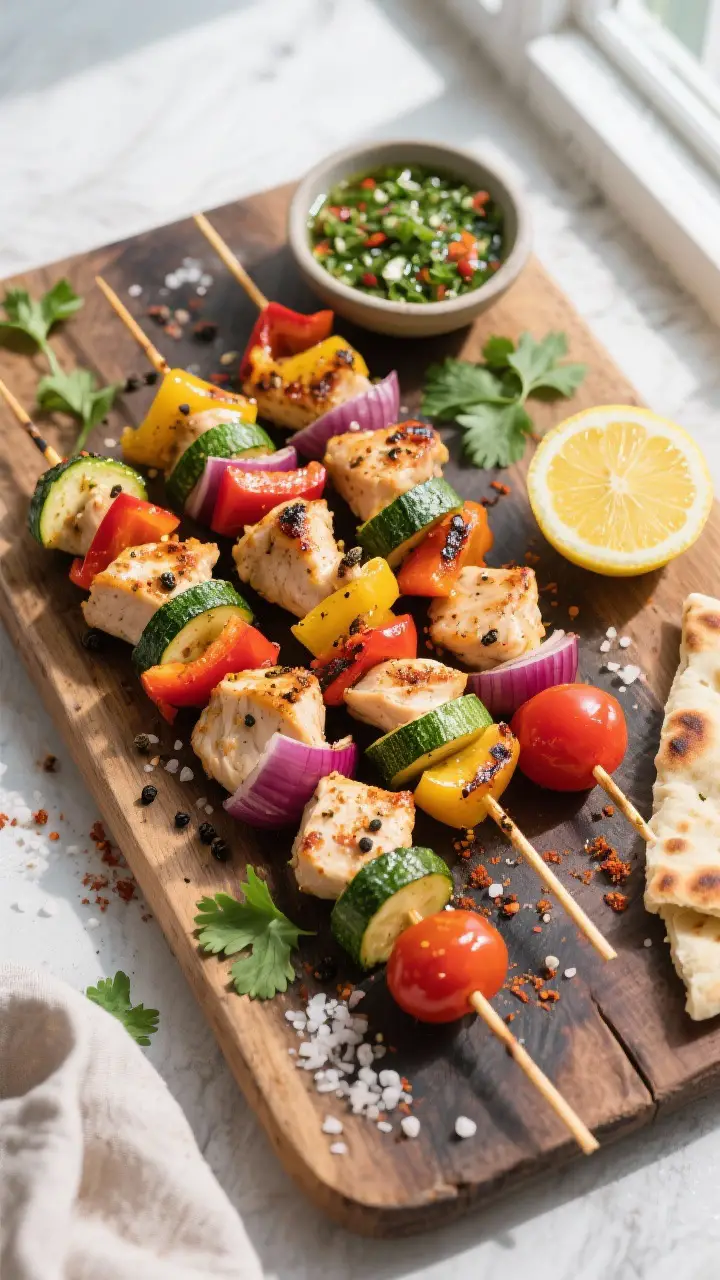
- Lean protein: Chicken breast or thigh provides high-quality protein to keep you full and support muscle health.
- Vegetable variety: Bell peppers, onions, zucchini, and tomatoes bring fiber, vitamin C, and antioxidants.
- Healthy fats: Olive oil adds flavor and helps your body absorb fat-soluble nutrients.
- Low on heavy sauces: Fresh lemon and spices boost flavor without extra sugar or creamy dressings.
What Not to Do
- Don’t cut pieces too small. Tiny pieces dry out and burn. Aim for uniform, chunky pieces.
- Don’t skip soaking wooden skewers. They’ll char quickly and can break if not soaked.
- Don’t overcrowd the grill. Leave space so heat can circulate and create a good sear.
- Don’t under-season. Salt is key to flavor.
Taste your marinade and season your veggies, too.
- Don’t mix raw marinade with cooked food. If you want a finishing drizzle, set aside some marinade before adding raw chicken.
Recipe Variations
- Mediterranean style: Add fresh rosemary and thyme to the marinade. Serve with tzatziki and warm pita.
- BBQ twist: Swap lemon and cumin for your favorite BBQ rub. Brush with a little BBQ sauce during the last 2 minutes on the grill.
- Spicy chipotle: Blend olive oil with lime juice, chipotle in adobo, garlic, and honey.
Serve with avocado and cilantro.
- Herb and yogurt: Mix Greek yogurt, lemon, garlic, and dill for a tenderizing marinade. The yogurt helps keep the chicken extra juicy.
- All-veg option: Skip the chicken and load up mushrooms, eggplant, and extra zucchini. Brush with the same marinade and grill until tender.
- Pineapple addition: Add chunks of fresh pineapple for sweet, caramelized bites that balance the savory spices.
FAQ
Can I use chicken thighs instead of breasts?
Yes.
Thighs are juicier and a bit more forgiving on the grill. Just trim excess fat and keep the pieces the same size for even cooking.
How long should I marinate the chicken?
At least 30 minutes for good flavor. For best results, marinate for 2–8 hours.
Avoid going past 12 hours with acidic marinades, which can make the texture a bit mushy.
What grill temperature works best?
Medium-high heat—around 400–450°F. It’s hot enough to sear and char, but not so hot that the outside burns before the inside cooks through.
How do I keep the skewers from sticking?
Clean and oil the grill grates well, and lightly oil the skewers themselves. Don’t move them too soon; once they release naturally, flip.
Can I cook these indoors?
Absolutely.
Use a grill pan or a broiler. For the broiler, place skewers on a foil-lined sheet and cook on the top rack, turning every few minutes until the chicken reaches 165°F.
What should I serve with them?
Rice, quinoa, couscous, or grilled flatbread all work well. Add a simple yogurt sauce or chimichurri for a bright finish.
How do I prevent the vegetables from getting too soft?
Use firm veggies and cut them into larger chunks.
Avoid overcooking and keep the grill heat steady. Cherry tomatoes will soften, but that’s part of their charm.
Final Thoughts
Grilled Vegetable and Chicken Skewers are a dependable, crowd-pleasing meal with big flavor and minimal fuss. The marinade is simple, the cooking is quick, and the whole dish is bright and satisfying.
Keep the ingredients flexible, trust your grill marks, and don’t forget the squeeze of lemon at the end. It’s the kind of recipe that makes weeknights easier and weekends more fun.
Printable Recipe Card
Want just the essential recipe details without scrolling through the article? Get our printable recipe card with just the ingredients and instructions.