
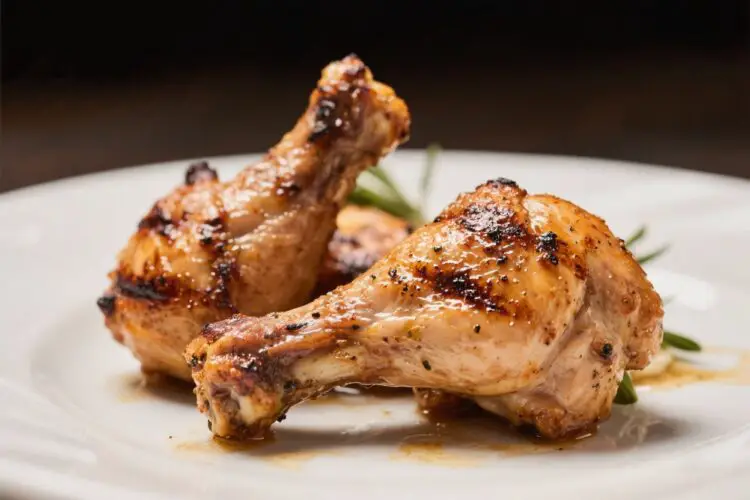
Grilled boneless chicken thighs are weeknight gold. They cook quickly, stay juicy, and take on flavor like a champ. You don’t need special equipment or fancy ingredients—just a good marinade, a hot grill, and a few smart tips.
Whether you’re feeding a crowd or cooking for two, this is the kind of reliable recipe you’ll come back to again and again. Serve them with a bright salad, rice, or grilled veggies, and dinner is done.
Why This Recipe Works
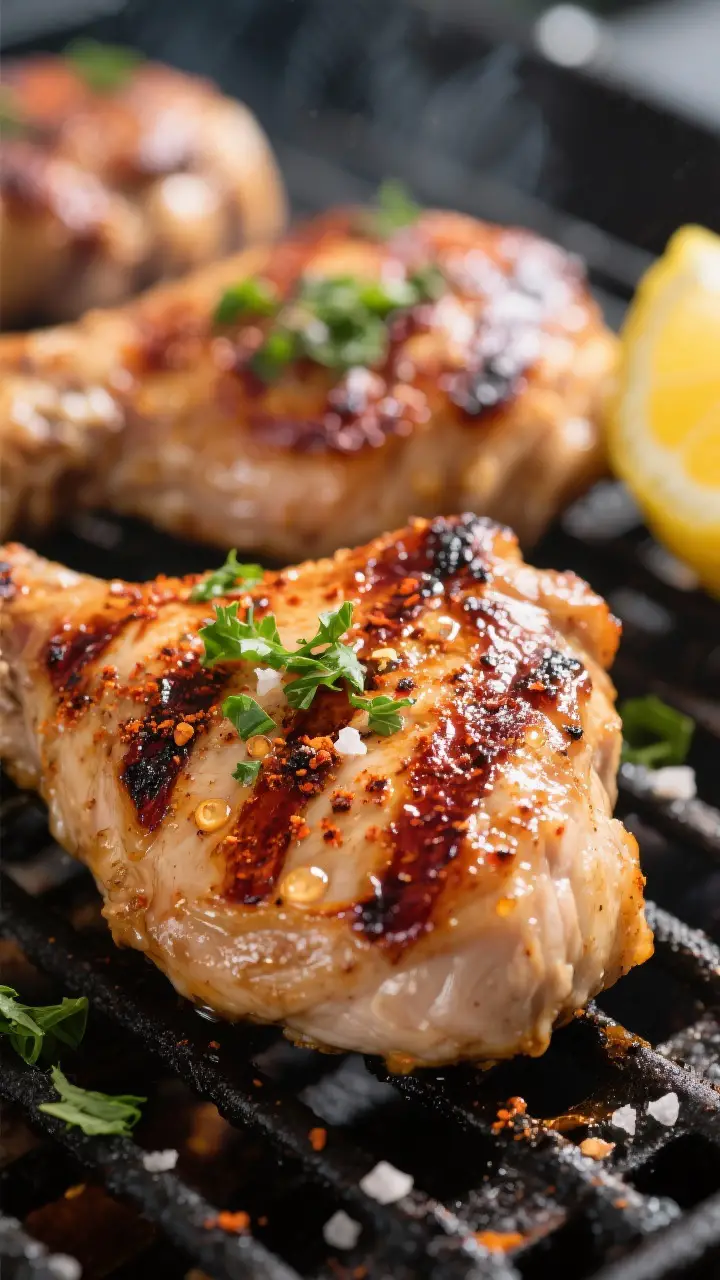
Boneless, skinless thighs are naturally forgiving. They have more fat than breasts, which means they stay moist even if you cook them a bit longer.
The marinade adds both flavor and tenderness, thanks to acid, salt, and aromatics. A two-zone grill setup lets you sear for color and finish over gentler heat. This keeps the exterior from burning before the inside is done.
Finally, a short rest after grilling helps the juices redistribute so every bite is tender and flavorful.
Shopping List
- 2 pounds boneless, skinless chicken thighs
- 3 tablespoons olive oil
- 2 tablespoons soy sauce (or tamari)
- 1 tablespoon honey (or brown sugar)
- 1 tablespoon lemon juice (or apple cider vinegar)
- 3 garlic cloves, minced
- 1 teaspoon smoked paprika
- 1 teaspoon ground black pepper
- 1 teaspoon kosher salt (plus more to taste)
- 1/2 teaspoon dried oregano (or Italian seasoning)
- Optional: 1/4 teaspoon red pepper flakes for heat
- Optional for serving: lemon wedges, chopped parsley, or flaky salt
Instructions
- Trim and pat dry: Use kitchen shears to remove any excess fat from the chicken thighs. Pat dry with paper towels to help them sear better.
- Make the marinade: In a bowl, whisk together olive oil, soy sauce, honey, lemon juice, garlic, smoked paprika, black pepper, salt, oregano, and red pepper flakes if using.
- Marinate: Add the thighs to a zip-top bag or shallow dish and pour in the marinade. Toss to coat evenly.
Marinate in the fridge for at least 30 minutes and up to 12 hours. Tip: The longer you marinate, the deeper the flavor.
- Preheat the grill: Heat your grill to medium-high (about 400–450°F). Create a two-zone fire: one hot side for searing, one cooler side for finishing.
- Oil the grates: Clean the grates, then oil them lightly using tongs and a folded paper towel dipped in oil. This helps prevent sticking.
- Shake off excess marinade: Let extra marinade drip off the thighs to avoid flare-ups.
Discard used marinade.
- Sear over high heat: Place thighs on the hot side. Grill 3–4 minutes per side until you see deep grill marks and browning.
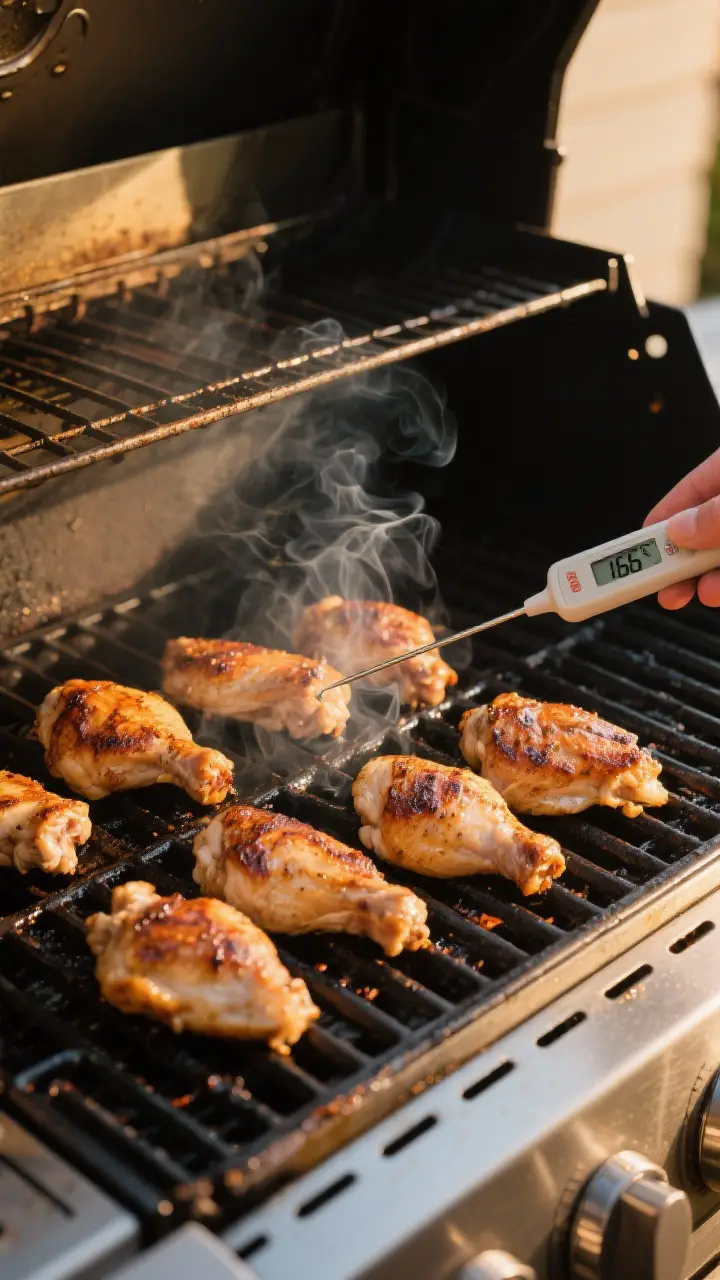
- Finish over indirect heat: Move the thighs to the cooler side. Close the lid and cook another 3–6 minutes, flipping once, until they reach 165°F in the thickest part.
- Rest and serve: Transfer to a plate and rest 5 minutes.
Finish with a squeeze of lemon, a sprinkle of parsley, or flaky salt. Serve warm.
Keeping It Fresh
Leftovers keep well, which makes this recipe great for meal prep. Store cooked thighs in an airtight container in the fridge for up to 4 days.
Reheat gently in a skillet over medium heat or in a 300°F oven until warmed through. If you plan ahead, you can freeze marinated raw thighs. Place them in a freezer bag with the marinade and freeze for up to 2 months.
Thaw overnight in the fridge, then grill as directed. Cooked thighs also freeze well for up to 2 months; thaw and reheat gently to avoid drying out.
Health Benefits
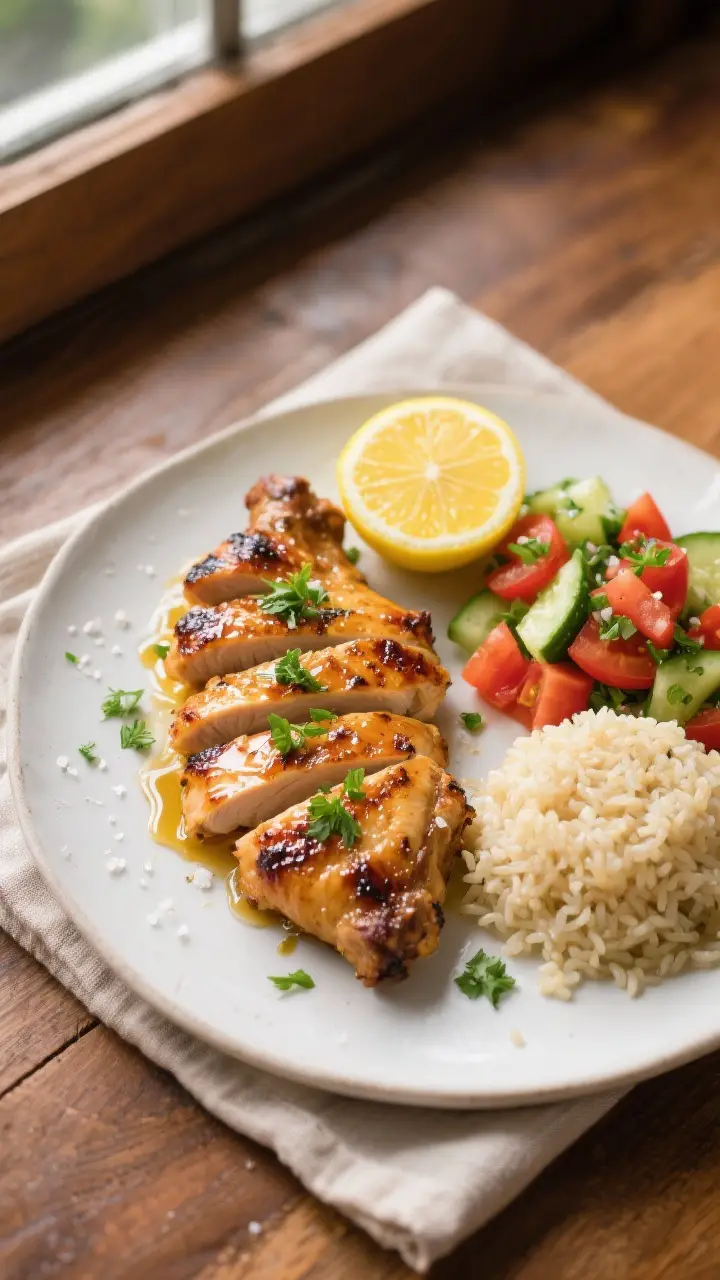
Chicken thighs offer high-quality protein to support muscle health and keep you satisfied. Compared to many red meats, they’re lower in saturated fat while still providing iron, zinc, and B vitamins.
Grilling lets excess fat drip away, which can reduce overall calories. Using olive oil and herbs adds heart-friendly fats and antioxidants. Pair the chicken with fiber-rich sides—like a grain salad, roasted vegetables, or leafy greens—for a balanced plate.
If you’re watching sodium, you can reduce the soy sauce and add more herbs, citrus, and garlic to keep flavor levels high.
Pitfalls to Watch Out For
- Sticky grates: If you don’t preheat and oil the grill well, the thighs can tear when you flip them. Wait for the meat to release naturally before turning.
- Flare-ups: Excess marinade dripping into the flame can cause charring. Shake off extra and move pieces to the cooler zone if fire flares.
- Overcooking: Thighs are forgiving, but they can still dry out.
Use an instant-read thermometer and pull them at 165°F.
- Uneven sizing: Thicker pieces take longer. If some thighs are much larger, give them a minute or two more on the cooler side or lightly pound them to even thickness before marinating.
- Skipping the rest: Cutting too soon lets juices spill out. A brief rest makes a big difference in tenderness.
Variations You Can Try
- Lemon herb: Swap soy and honey for extra lemon juice, zest, olive oil, crushed garlic, and chopped fresh rosemary and thyme.
- Sweet and smoky BBQ: Use your favorite barbecue sauce mixed with a little apple cider vinegar and smoked paprika.
Brush during the last few minutes of grilling.
- Spicy gochujang: Stir gochujang, soy sauce, sesame oil, honey, and grated ginger into a bold, sweet-heat marinade. Top with sesame seeds and scallions.
- Mediterranean: Try olive oil, lemon, oregano, garlic, and a pinch of cumin. Serve with tzatziki and a tomato-cucumber salad.
- Cilantro-lime: Blend lime juice, lime zest, olive oil, cilantro, garlic, and a jalapeño.
Great for tacos or bowls with rice and beans.
- Dry rub: Skip the marinade and use a mix of kosher salt, brown sugar, paprika, garlic powder, onion powder, black pepper, and cayenne. Oil lightly and grill as directed.
FAQ
Can I make this without a grill?
Yes. Use a cast-iron skillet or grill pan over medium-high heat.
Sear 3–4 minutes per side, then finish in a 400°F oven for 5–8 minutes until the thighs hit 165°F.
How long should I marinate the chicken?
At least 30 minutes helps, but 2–6 hours is ideal for deeper flavor. Don’t go beyond 24 hours with acidic marinades, which can make the texture mushy.
What if I only have bone-in thighs?
They work well but take longer. Sear them skin-side down first, then move to indirect heat and cook until they reach 175–185°F for the best tenderness.
How do I keep the chicken from sticking?
Start with a clean, hot grill and oil the grates.
Let the meat sear undisturbed; it will release more easily once a crust forms.
What should I serve with grilled chicken thighs?
Great sides include grilled corn, a simple green salad, roasted potatoes, rice pilaf, or a cucumber yogurt sauce. A squeeze of lemon wakes up the flavors.
Can I meal prep these for the week?
Absolutely. Cook a batch, slice, and portion with grains and veggies.
They reheat well and stay juicy for several days.
Is there a lower-sodium option?
Use low-sodium soy sauce or reduce the soy and add more lemon juice, garlic, and herbs. Taste and adjust salt at the end.
What’s the best internal temperature?
Aim for 165°F in the thickest part. Thighs also taste great slightly higher, around 170°F, but don’t go much beyond that to keep them juicy.
In Conclusion
Grilled boneless chicken thighs are simple, fast, and reliably delicious.
A smart marinade, a hot grill, and a short rest are all you need for juicy results every time. Keep the base recipe on hand, then rotate flavors to match your mood or menu. With a few tweaks, this becomes the most versatile protein in your weekly lineup.
Printable Recipe Card
Want just the essential recipe details without scrolling through the article? Get our printable recipe card with just the ingredients and instructions.
Pingback: Best Quick Indonesian Satay Recipes for Busy Weeknights: 5 Bold Skewers You Can Pull Off on a Tuesday - Whaley Cooks