
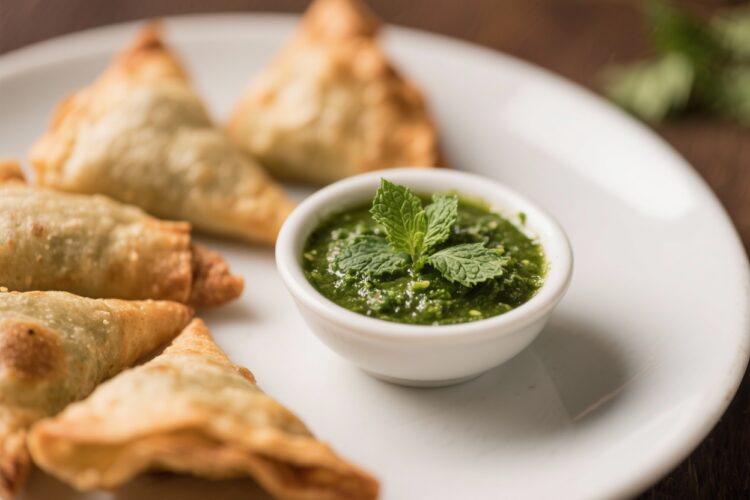
This bright, herby chutney is the secret behind so many great snacks. Whether you’re dipping samosas, spreading it on sandwiches, or drizzling it over chaat, green chutney brings everything to life. It’s fresh, tangy, a little spicy, and ready in minutes.
You’ll need only a handful of ingredients and a blender. Make it once, and you’ll wonder how you ever served appetizers without it.
What Makes This Recipe So Good

- Big flavor, minimal effort: Fresh cilantro and mint do the heavy lifting, giving you bold taste with almost no cooking.
- Versatile: Works as a dip, spread, marinade, or dressing. Use it on samosas, pakoras, grilled meats, salads, or wraps.
- Customizable heat: Adjust the chilies to suit your spice comfort level without losing the bright, zesty balance.
- Fresh and clean ingredients: No preservatives, just herbs, citrus, spices, and aromatics.
- Make-ahead friendly: Stays vibrant when stored correctly and freezes beautifully for quick use later.
What You’ll Need
- Cilantro (fresh): 2 packed cups, tender stems included for extra flavor.
- Mint leaves: 1 packed cup, stems removed for smoother texture and less bitterness.
- Green chilies: 1–2 small (like serrano or Thai), seeded for mild, or keep seeds for more heat.
- Garlic: 1–2 cloves for a savory edge.
- Ginger: 1-inch piece, peeled, for warmth and brightness.
- Lemon or lime juice: 2–3 tablespoons for acidity and to help preserve color.
- Plain yogurt or water: 2–4 tablespoons; yogurt makes it creamy, water keeps it dairy-free.
- Roasted cumin powder: 1/2 teaspoon for earthy depth.
- Chaat masala (optional): 1/2 teaspoon for tangy complexity.
- Sugar or honey (optional): 1/2 teaspoon to balance acidity and heat.
- Salt: 1/2–3/4 teaspoon, to taste.
- Cold water or ice cubes: As needed to blend and keep the color bright.
Instructions

- Prep the herbs: Rinse cilantro and mint well, then pat dry.
Remove tough mint stems. Include tender cilantro stems for extra flavor.
- Add aromatics to blender: Place chilies, garlic, and ginger in the blender first so they break down smoothly.
- Pack in the herbs: Add cilantro and mint on top. Don’t worry if it looks like a lot; it will blend down.
- Season and acidify: Add lemon or lime juice, roasted cumin powder, salt, and chaat masala if using.
- Choose your base: Add yogurt for creaminess or cold water for a light, pourable chutney.
Start with 2 tablespoons.
- Blend until smooth: Pulse, then blend on low, adding a splash of cold water or a couple of ice cubes if needed. Scrape down the sides for an even texture.
- Balance and adjust: Taste and tweak salt, citrus, and heat. Add a pinch of sugar or honey if it tastes too sharp.
- Serve or chill: Use right away or chill for 30 minutes to let the flavors meld.
Storage Instructions
- Refrigerator: Store in an airtight container for 3–4 days.
Press plastic wrap directly on the surface to reduce oxidation.
- Freezer: Freeze in ice cube trays or small jars for up to 2 months. Thaw in the fridge and stir before using.
- Color tips: Keep it green by using plenty of citrus, avoiding hot blending, and minimizing air exposure.
Why This is Good for You
- Herb power: Cilantro and mint are rich in antioxidants and phytonutrients that support overall health.
- Light and fresh: Low in calories, big on flavor, and an easy way to brighten heavier fried snacks like samosas or pakoras.
- Digestive support: Ginger, mint, and cumin can help with digestion, making this a smart partner for appetizer spreads.
- Customizable ingredients: Control the salt, heat, and dairy to match your dietary needs.
Common Mistakes to Avoid
- Using only leaves of cilantro: Tender stems add tons of flavor and help with blending. Don’t discard them.
- Overheating during blending: Long blending on high warms the chutney and dulls the color.
Blend in short bursts and use cold water or ice.
- Skipping acid: Lemon or lime is essential. It lifts the flavor and keeps the chutney green.
- Too much mint: Mint can turn bitter in large amounts. Keep it balanced with cilantro.
- Under-seasoning: Taste and adjust.
A pinch more salt or citrus can transform a flat chutney.
Recipe Variations
- Creamy Street-Style: Blend with more yogurt or a spoon of mayo for a thicker, sandwich-ready spread.
- No-Dairy Vegan: Use water or coconut yogurt. Add a splash of neutral oil for silkiness.
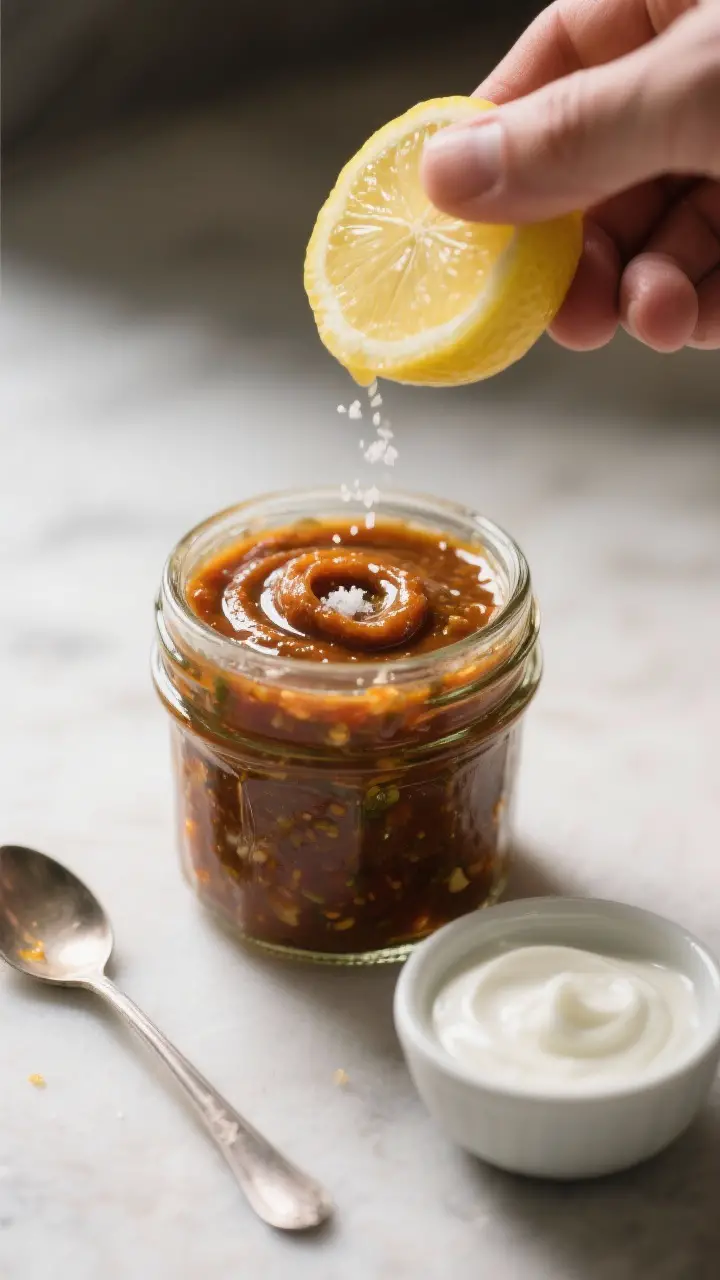
- Tamarind Twist: Add 1–2 teaspoons tamarind concentrate for sweet-sour depth that pairs beautifully with samosas.
- Garlic-Lover’s: Increase garlic to 3 cloves and add black pepper for a bolder kick.
- Avocado Green Chutney: Blend in half an avocado for extra creaminess and mild flavor. Adjust citrus and salt.
- Nutty Version: Add 1–2 tablespoons roasted peanuts or cashews for body and richness.
- Keto-Friendly: Skip sugar and yogurt; use lemon, water, and a little olive oil for a low-carb, vibrant sauce.
FAQ
Can I make this without a blender?
Yes.
Use a food processor or a mortar and pestle. It will be a bit chunkier, but still delicious. Finely chop everything and pound with salt and citrus until it comes together.
Why did my chutney turn dark?
Oxidation and heat are the main culprits.
Blend briefly with cold water, add enough lemon or lime, and store airtight. Press plastic wrap onto the surface to reduce contact with air.
Which chilies work best?
Serrano and Thai green chilies give clean heat. Jalapeños are milder and more widely available.
Remove seeds for less heat or keep them for a spicy kick.
Can I use dried mint?
Fresh mint gives the best flavor and color. If you must use dried mint, use a very small amount (about 1 teaspoon), and increase cilantro to keep it fresh and vibrant.
How do I serve it with samosas?
Serve chilled or at room temperature in a small bowl alongside tamarind chutney. It’s also great drizzled over broken samosas with chopped onions and a squeeze of lemon.
Is it safe to freeze with yogurt?
Yes, but the texture may separate slightly once thawed.
Just stir well or re-blend with a splash of water or lemon juice to bring it back together.
What if it’s too spicy?
Add more yogurt or a bit of sugar, and squeeze in extra lemon or lime. You can also blend in more cilantro or a small piece of cucumber to mellow the heat.
Can I use lime instead of lemon?
Absolutely. Lime brings a slightly different citrus note and works just as well to brighten flavor and keep the color.
In Conclusion
Green chutney is the kind of simple recipe that upgrades everything it touches.
It’s fresh, fast, and endlessly adaptable, with the perfect balance of herbs, citrus, and spice. Keep a jar ready for samosas and appetizers, but don’t stop there—use it on sandwiches, bowls, and grilled dishes all week. Once you find your favorite balance of heat and tang, this will become your go-to condiment.
Printable Recipe Card
Want just the essential recipe details without scrolling through the article? Get our printable recipe card with just the ingredients and instructions.