
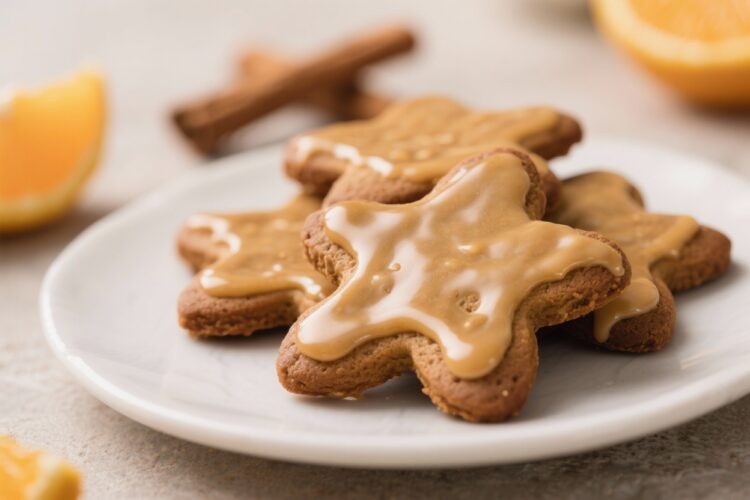
Gingerbread cookies feel like winter wrapped in sugar and spice. They smell incredible, bake up tender with a little chew, and beg for a cup of something warm. This version adds a fresh twist: a glossy orange glaze that wakes up the spices without overpowering them.
The result is cozy and fragrant, with a citrus finish that keeps you reaching for another. Whether you’re baking for holiday tins or a quiet afternoon treat, these cookies are simple, festive, and satisfying.
What Makes This Special
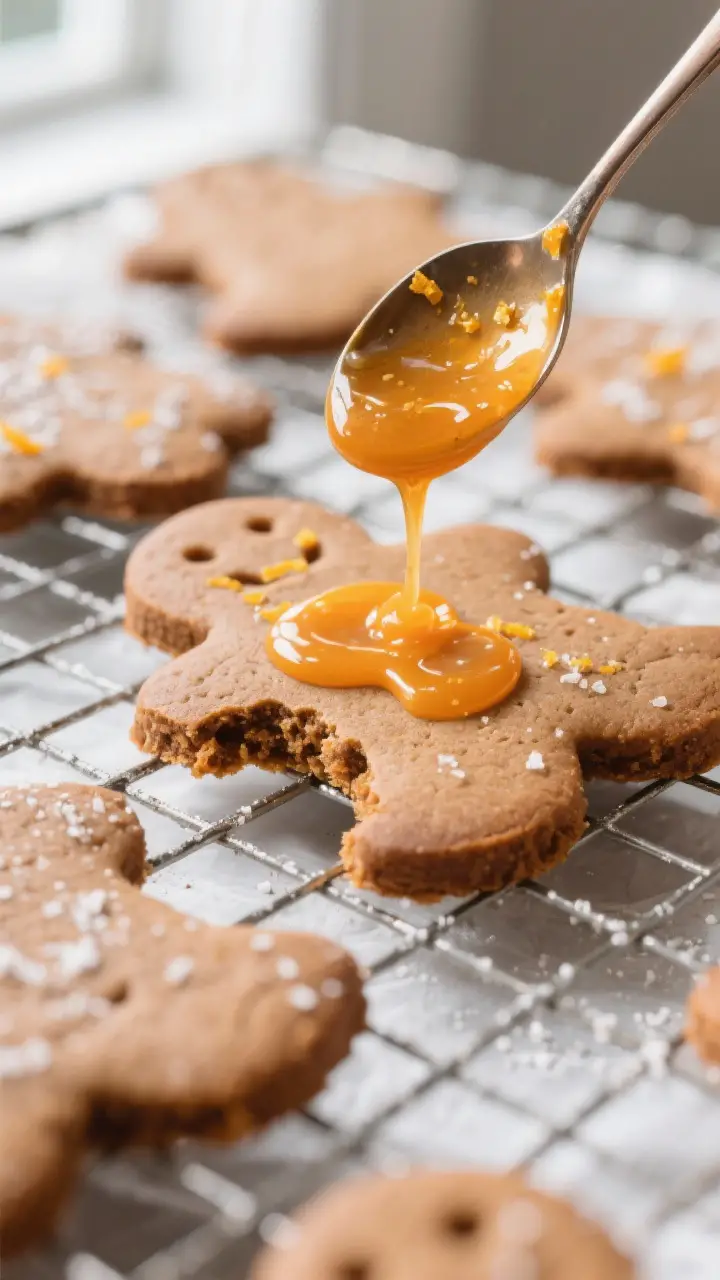
The classic ginger-molasses flavor is balanced with a clean, bright orange glaze that sets beautifully and adds a subtle tang. The dough is easy to handle, rolls well, and keeps its shape for cutouts.
You can bake them soft and chewy or crisp and snappy, depending on your preference. The glaze dries to a sheen, so the cookies stack neatly for gifting. Best of all, the spices are warm but not harsh, making these cookies crowd-friendly.
Shopping List
- All-purpose flour (3 cups)
- Baking soda (1 teaspoon)
- Salt (1/2 teaspoon)
- Ground ginger (2 teaspoons)
- Ground cinnamon (1 1/2 teaspoons)
- Ground cloves (1/4 teaspoon)
- Ground nutmeg (1/4 teaspoon)
- Unsalted butter, softened (3/4 cup)
- Brown sugar (3/4 cup, packed)
- Egg (1 large)
- Unsulphured molasses (1/2 cup; not blackstrap)
- Vanilla extract (1 teaspoon)
- Orange zest (from 1 large orange)
- Powdered sugar (1 1/2 to 2 cups)
- Fresh orange juice (3–5 tablespoons)
- Optional: Ground cardamom (pinch), white sanding sugar for sparkle
Instructions
- Whisk dry ingredients. In a medium bowl, whisk flour, baking soda, salt, ginger, cinnamon, cloves, and nutmeg.
Set aside. This distributes the spices evenly and prevents clumps.
- Cream butter and sugar. In a large bowl, beat softened butter and brown sugar until light and fluffy, about 2–3 minutes. Proper creaming adds air and helps the cookies bake evenly.
- Add egg, molasses, and vanilla. Mix in the egg until combined, then beat in molasses and vanilla.
The mixture may look slightly separated—keep going until smooth and glossy.
- Bring dough together. Add the dry ingredients in two additions, mixing on low until no flour streaks remain. The dough will be soft but not sticky, and it should clump when pressed.
- Chill. Divide dough into two disks, wrap, and refrigerate for at least 2 hours (or up to 48 hours). Chilling firms the butter and deepens the spice flavor.
- Preheat and prep. When ready to bake, heat oven to 350°F (175°C).
Line baking sheets with parchment. Let dough soften on the counter for 5–10 minutes if very hard.
- Roll and cut. Lightly flour your surface and rolling pin. Roll dough to about 1/4 inch thick for soft cookies or 1/8 inch for crisp ones.
Cut shapes with cookie cutters, rerolling scraps as needed.
- Bake. Transfer to baking sheets, spacing about 1 inch apart. Bake 8–10 minutes for soft centers or 10–12 minutes for crunchier cookies. Edges should look set and the tops dry, not shiny.
- Cool. Let cookies rest on the sheet for 2 minutes, then move to a rack to cool completely.
Glazing warm cookies will cause the glaze to slide off.
- Make the orange glaze. In a bowl, whisk powdered sugar, orange zest, and 3 tablespoons of orange juice. Add more juice, a teaspoon at a time, until the glaze is thick but pourable—like heavy cream.
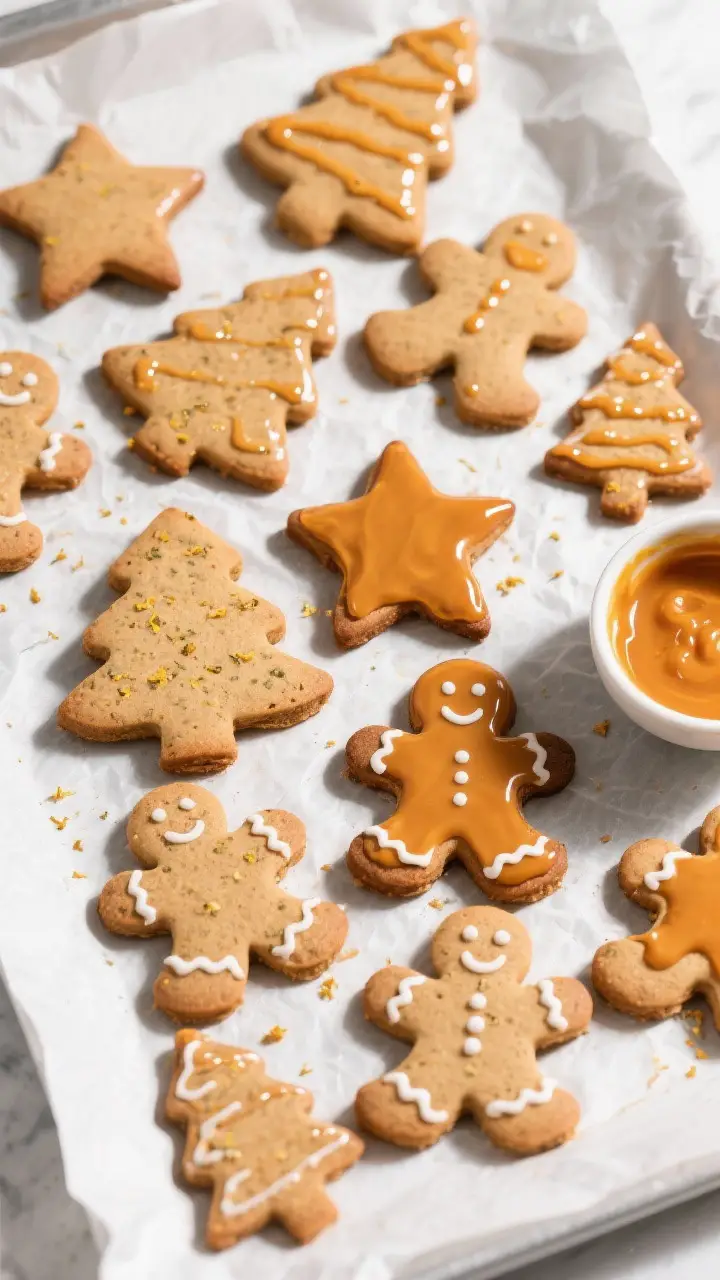
- Glaze the cookies. Spoon or drizzle the glaze over cool cookies, or dip the tops and let excess drip off. Sprinkle with sanding sugar if you like.
Let dry until the glaze firms, 30–60 minutes.
How to Store
Keep glazed cookies in an airtight container at room temperature for up to 5 days. Layer them with parchment to protect the glaze. For longer storage, freeze unglazed cookies for up to 2 months, then thaw and glaze before serving.
You can also freeze the dough disks for 2–3 months; thaw in the fridge overnight before rolling.
Health Benefits
- Ginger and spices: Ginger, cinnamon, and cloves bring antioxidants and compounds linked to reduced inflammation and improved digestion.
- Citrus boost: Orange zest adds flavor without extra fat or sodium, and orange juice provides a touch of vitamin C in the glaze.
- Mindful sweetness: Using molasses brings trace minerals like iron and potassium, plus deeper flavor, so you don’t need as much extra sugar for taste.
- Portion-friendly: Cutout cookies naturally encourage smaller portions, making it easier to enjoy a treat without overdoing it.
Pitfalls to Watch Out For
- Overbaking: Gingerbread firms as it cools. If you wait for deep browning, you’ll end up with hard cookies. Pull them when the surface looks set and the edges are just dry.
- Skipping chill time: Warm dough spreads and loses shape.
Chilling helps clean edges and even baking.
- Too much flour: Over-flouring the work surface toughens the dough. Use just enough to prevent sticking, and lift, rotate, and dust lightly as you roll.
- Runny glaze: If the glaze is thin, it won’t set. Add more powdered sugar to thicken until it clings to the spoon in a ribbon.
- Using blackstrap molasses: It’s more bitter and can overwhelm the spices.
Choose unsulphured molasses for a balanced flavor.
Alternatives
- Dairy-free: Swap the butter for a quality dairy-free baking stick. Check that your margarine is 80% fat for consistent texture.
- Gluten-free: Use a 1:1 gluten-free flour blend with xanthan gum. The dough may be more delicate; chill thoroughly and roll between parchment.
- Crispier finish: Roll thinner and bake an extra minute.
Skip the glaze and dust with orange-scented sugar instead.
- Extra zing: Add a pinch of ground cardamom to the dough or a teaspoon of orange liqueur to the glaze for a grown-up twist.
- Less sweet: Reduce brown sugar by 2 tablespoons and add a teaspoon more molasses to keep the flavor round.
- No cookie cutters: Roll the dough into 1-inch balls, flatten slightly with a glass, and bake as simple rounds.
FAQ
Can I make the dough ahead of time?
Yes. The dough improves after a day in the fridge. Wrap it well and chill up to 48 hours, or freeze for a couple of months.
Let it soften slightly before rolling.
How do I keep the cookies soft?
Bake just until set and store with a slice of fresh bread or a piece of apple in the container for a few hours to add moisture. Remove the bread once the cookies feel tender.
What if I don’t have molasses?
Use dark brown sugar and 1 tablespoon of honey as a stopgap. The flavor won’t be as deep, but the cookies will still taste great and bake well.
Can I use bottled orange juice for the glaze?
Fresh juice tastes brighter and pairs better with the zest.
Bottled juice works in a pinch, but consider adding extra zest for fragrance.
Why did my cookies spread?
The dough may have been too warm, or there was too little flour in the mix. Chill the cut shapes on the baking sheet for 10 minutes before baking, and be sure to measure flour accurately.
How long does the glaze take to set?
Usually 30–60 minutes at room temperature, depending on thickness and humidity. For faster setting, place the cookies on a rack in a cool, dry room.
Can I add icing decorations on top of the glaze?
Yes.
Let the orange glaze dry completely, then pipe royal icing details. The smooth glaze creates a clean base for lines and dots.
What spices can I skip if I don’t have them all?
Ginger and cinnamon are essential. If you’re missing cloves or nutmeg, the cookies will still be delicious—just slightly less complex.
Do these cookies ship well?
They do.
Choose slightly thicker cookies, let the glaze dry fully, and pack snugly with parchment layers and padding. They arrive in good shape and still taste fresh.
Is there a way to reduce the sugar?
You can cut the glaze or drizzle lightly instead of fully coating. In the dough, trimming a few tablespoons of sugar won’t harm structure, but keep the molasses for flavor.
Wrapping Up
Gingerbread Cookies with Orange Glaze bring together cozy spice and bright citrus in a way that feels both classic and new.
The dough is forgiving, the shapes are fun, and the glaze adds that shiny, bakery-style finish. Keep a batch on hand for gatherings, gifts, or a quiet evening treat. Once you taste the orange-kissed spice, these might become your new seasonal staple.
Printable Recipe Card
Want just the essential recipe details without scrolling through the article? Get our printable recipe card with just the ingredients and instructions.