
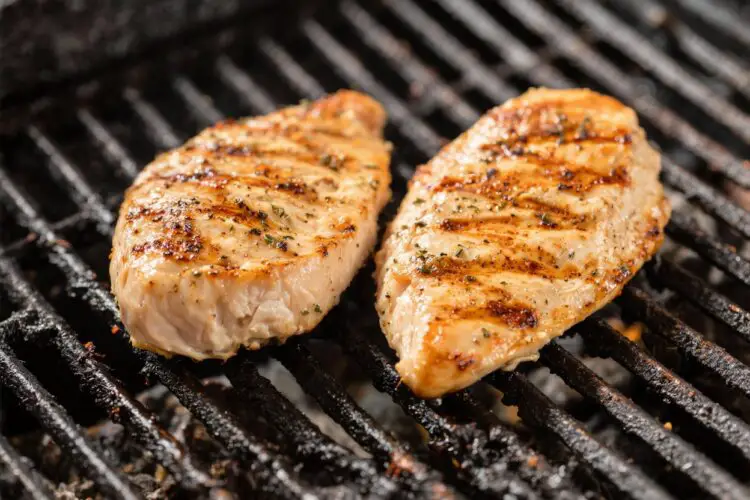
Grilling chicken breasts on a gas grill doesn’t have to be a gamble. With a little prep and the right timing, you can get juicy, flavorful chicken every time. This recipe keeps things simple and repeatable, so you won’t be stuck guessing about temps or cooking times.
It’s perfect for quick dinners, meal prep, or feeding a crowd without fuss. If you’ve struggled with dry chicken before, this method will change your mind.
What Makes This Special
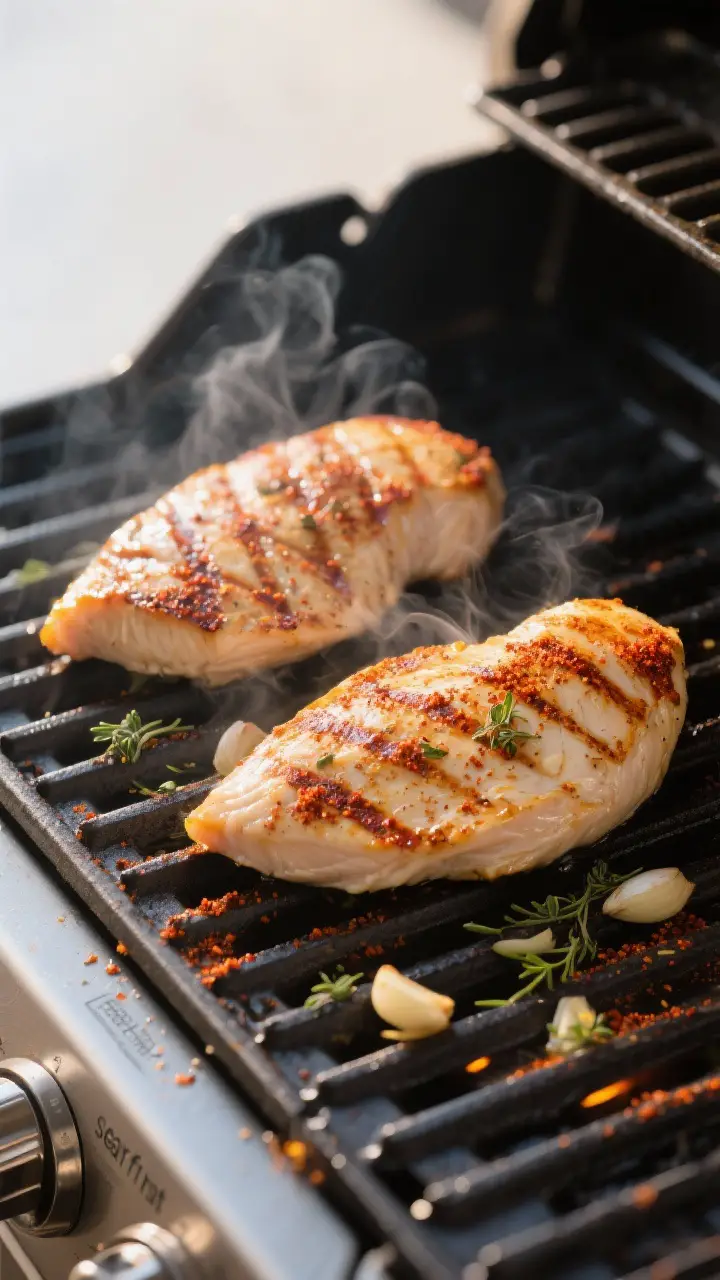
This recipe focuses on two things: even cooking and consistent moisture. Chicken breasts can be tricky because they’re lean, but with a quick brine and a two-zone grill setup, you’ll get tender results without constant poking or flipping.
The seasoning is straightforward and pantry-friendly, so you can adapt it to almost any cuisine. Best of all, you’ll use your gas grill’s strengths—steady heat and simple control—to cook like a pro.
What You’ll Need
- 4 boneless, skinless chicken breasts (about 6–8 ounces each)
- 2 tablespoons olive oil
- 1 teaspoon kosher salt (plus more for brine)
- 1 teaspoon black pepper
- 1 teaspoon garlic powder
- 1 teaspoon onion powder
- 1 teaspoon smoked paprika (or sweet paprika)
- 1/2 teaspoon dried oregano (or Italian seasoning)
- Optional brine: 4 cups water + 1/4 cup kosher salt + 1 tablespoon sugar
- Optional: Lemon wedges, chopped fresh herbs (parsley, cilantro, or dill)
- Equipment: Gas grill with lid, instant-read thermometer, tongs
Instructions
- Even out the thickness. If your chicken breasts are thick on one end, place them between two pieces of plastic wrap and pound to an even 3/4–1 inch thickness. This helps them cook evenly and stay moist.
- Brine (optional but recommended). Stir salt and sugar into water until dissolved.
Submerge the chicken for 20–30 minutes in the fridge. Rinse quickly under cool water and pat completely dry. This step adds moisture and seasoning from the inside out.
- Mix the seasoning. In a small bowl, combine salt, pepper, garlic powder, onion powder, smoked paprika, and oregano.
- Oil and season. Rub the chicken with olive oil, then coat all sides with the seasoning blend.
Press gently so it adheres.
- Preheat the grill to medium-high. Heat the grill to about 425–450°F. Create a two-zone fire by lighting one side to medium-high and keeping the other side on low or off. Clean and oil the grates to prevent sticking.
- Sear first. Place chicken on the hot side of the grill.
Close the lid and sear for 3–4 minutes, until you see nice grill marks and the chicken releases easily. Flip and sear the other side for another 3 minutes.
- Finish over indirect heat. Move the chicken to the cooler side. Close the lid and cook for another 5–8 minutes, depending on thickness, until the internal temperature reaches 160–165°F in the thickest part.
- Rest and finish. Transfer to a plate and rest for 5 minutes.
The juices will redistribute, and carryover heat will bring it to a safe 165°F. Squeeze fresh lemon over the top if you like.
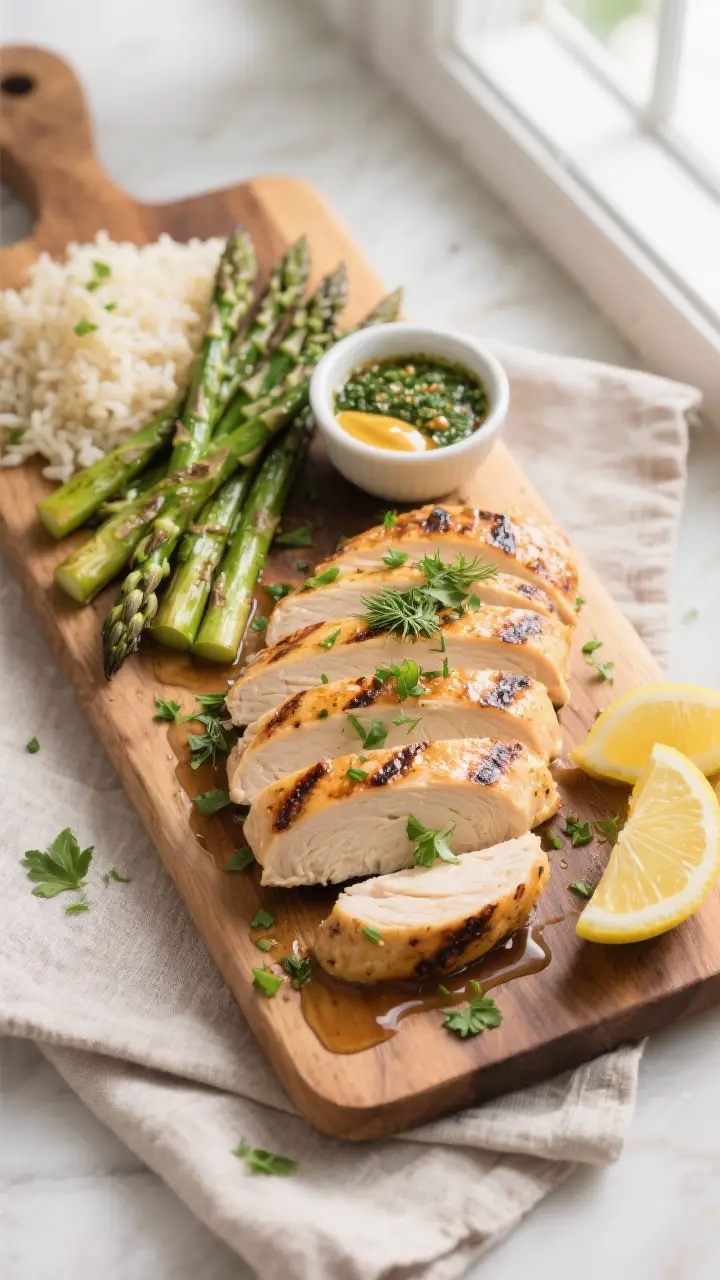
- Serve. Slice against the grain for the juiciest texture. Garnish with herbs, and pair with grilled veggies, a simple salad, or rice.
Storage Instructions
- Refrigerator: Store cooled chicken in an airtight container for up to 4 days.
- Freezer: Wrap tightly and freeze for up to 3 months.
Thaw overnight in the fridge.
- Reheating: Warm gently in a covered skillet with a splash of water or broth over low heat, or microwave at 50% power in short bursts to avoid drying out.
- Meal prep tip: Slice before storing and save some pan or grill juices to keep the chicken moist.
Benefits of This Recipe
- Consistently juicy results: Brining and even thickness help prevent dryness.
- Fast and flexible: Ready in about 30–40 minutes, and the seasoning works with many cuisines.
- Lean protein: Great for balanced meals, salads, wraps, and bowls.
- Gas grill convenience: Steady heat, easy control, and less guesswork than charcoal.
- Family-friendly flavor: Mild, savory, and easy to customize.
Common Mistakes to Avoid
- Skipping the preheat: If the grill isn’t hot, you won’t get a good sear, and the chicken can stick.
- Uneven thickness: Thick ends take longer and can leave the rest dry. Pound to even out.
- Overcooking: Use an instant-read thermometer. Pull at 160–165°F and rest.
- Constant flipping: One flip is enough.
Let the sear develop so the chicken releases naturally.
- Forgetting to rest: Slicing right away releases juices. Give it five minutes.
- Too much direct heat: Searing is good, but finish over indirect heat to avoid burning.
Recipe Variations
- Lemon Herb: Add lemon zest, extra oregano, and a pinch of thyme. Finish with fresh lemon juice and parsley.
- BBQ Style: Swap paprika for chili powder and brush with your favorite BBQ sauce during the last 2 minutes over indirect heat.
- Cajun Kick: Use a Cajun spice blend, add cayenne to taste, and serve with corn and grilled peppers.
- Mediterranean: Season with garlic, oregano, and sumac; serve with tzatziki and a tomato-cucumber salad.
- Honey Mustard Glaze: Mix honey, Dijon, and a splash of apple cider vinegar.
Brush on during the last minute of cooking.
- Chimichurri Topper: Keep the base seasoning simple and finish with a bright chimichurri sauce.
FAQ
How long should I grill chicken breasts on a gas grill?
Typically 10–15 minutes total, depending on thickness and grill temperature. Sear 3–4 minutes per side, then finish over indirect heat until the internal temperature reaches 160–165°F.
Do I have to brine the chicken?
No, but a quick 20–30 minute brine helps keep it juicy and forgiving. If you skip it, be extra careful not to overcook and make sure to rest the chicken.
What temperature should my grill be?
Aim for 425–450°F for searing, with a cooler zone to finish the chicken gently.
The two-zone setup gives you more control and reduces burning.
How do I keep chicken from sticking to the grill?
Preheat the grill, clean the grates, and oil them lightly. Also oil the chicken. When a good sear forms, the meat will release more easily.
Can I use bone-in chicken breasts?
Yes, but they take longer.
Sear briefly, then cook over indirect heat for 25–35 minutes until 165°F near the bone. Consider a lower grill temp (around 400°F) for more even cooking.
What if my chicken breasts are very thick?
Butterfly them or pound to even thickness. This helps them cook faster and stay juicy without burning the outside.
How do I know when it’s done without cutting into it?
Use an instant-read thermometer.
Insert it into the thickest part; when it reads 160–165°F, pull the chicken and let it rest.
Can I marinate instead of dry seasoning?
Absolutely. Use a marinade with some oil, acid (lemon or vinegar), and flavorings for 30 minutes to 2 hours. Pat dry before grilling to encourage browning.
Is sugar in the brine necessary?
No, but it adds subtle flavor and helps browning.
If you prefer, you can leave it out without affecting moisture much.
What sides go well with this?
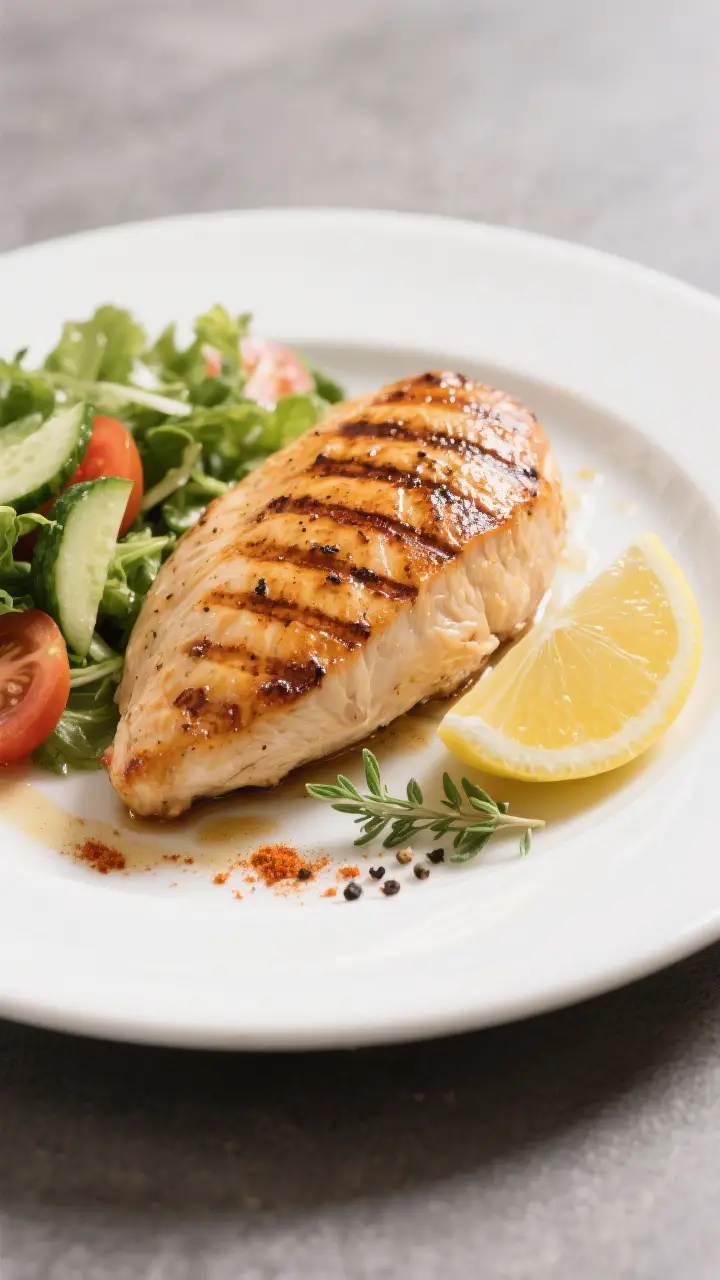
Try grilled asparagus, corn on the cob, a simple green salad, rice pilaf, or roasted potatoes. It’s a flexible main that pairs with almost anything.
Wrapping Up
Gas Grill Chicken Breasts don’t need to be complicated to be great. With even thickness, solid seasoning, and a reliable two-zone grill setup, you’ll get tender, juicy chicken every time.
Keep a thermometer handy, let the meat rest, and adjust flavors to match your mood. Once you master this method, weeknight grilling becomes easy, consistent, and delicious.