
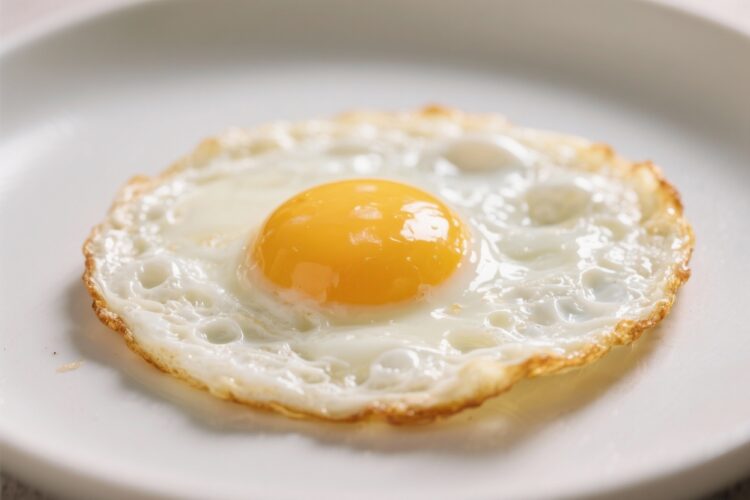
A fried egg is one of those small kitchen wins that never gets old. It’s fast, comforting, and endlessly useful, whether you’re topping toast, sliding it over rice, or adding it to a burger. With just a pan, some fat, and an egg, you can make breakfast (or dinner) in minutes.
The trick is understanding heat, timing, and a few small details. Once you nail those, you’ll get exactly the texture you like every single time.
What Makes This Special
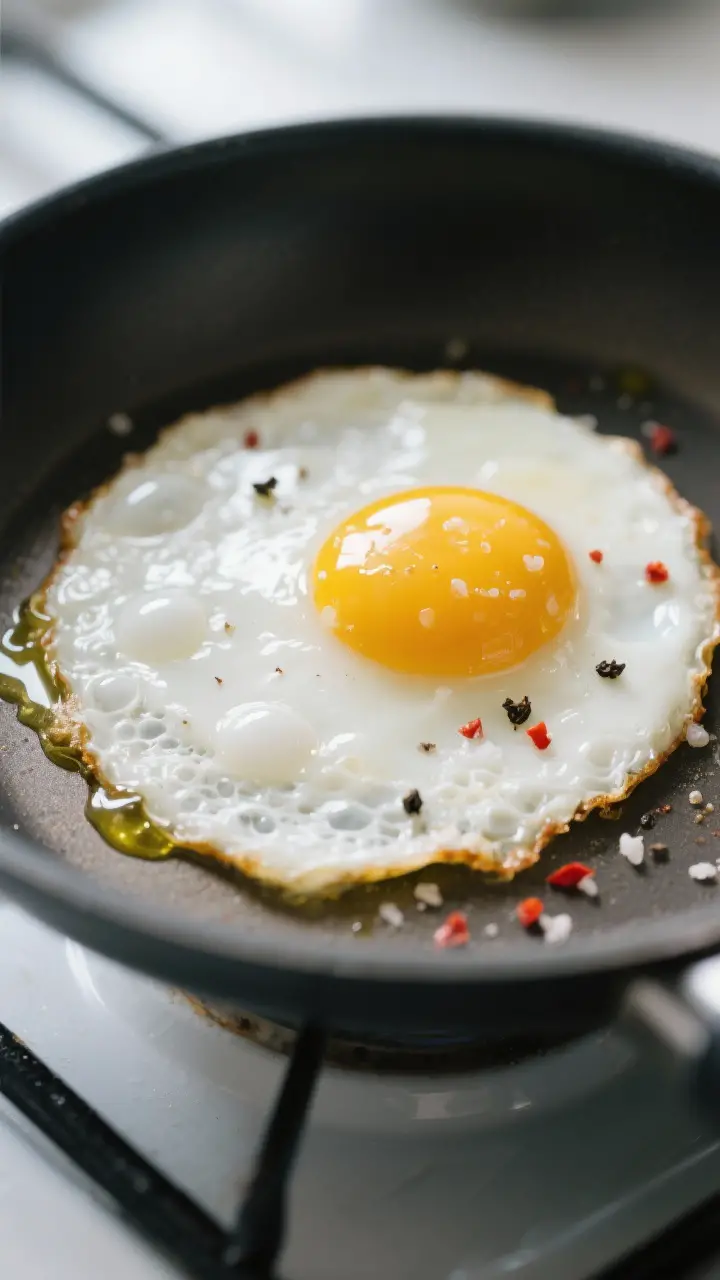
A good fried egg is more than a breakfast basic. It’s a tiny masterclass in cooking with attention.
You can tailor the yolk from runny to jammy to set. The edges can be lacy and crisp or soft and tender, depending on the fat and the heat you use. It’s also a great canvas for flavor.
A pinch of salt, a crack of pepper, maybe a sprinkle of chili flakes or herbs—suddenly you’re eating something that tastes thoughtful and complete. Best of all, it’s ready in under five minutes.
Shopping List
- Eggs: Fresh, large eggs work best. Older eggs are fine but may spread more.
- Cooking fat: Butter, olive oil, avocado oil, ghee, or bacon fat.
Each gives a different flavor and texture.
- Salt: Kosher or sea salt for even, clean seasoning.
- Black pepper: Freshly ground if possible.
- Optional add-ons: Red pepper flakes, smoked paprika, everything bagel seasoning, chives, scallions, parsley, grated Parmesan, hot sauce, or soy sauce.
- Optional base: Toast, rice, sautéed greens, tortilla, or leftover roasted vegetables.
Instructions
- Choose your pan: A nonstick or well-seasoned cast-iron skillet is ideal. An 8-inch pan is perfect for one or two eggs.
- Preheat gently: Set the pan over medium or medium-low heat for 1–2 minutes. You want it warm, not smoking.
- Add fat: Add 1–2 teaspoons of butter or oil.
Let it melt or heat until it shimmers. For browned butter edges, allow butter to foam lightly.
- Crack the egg: Crack the egg into a small bowl first for a clean drop and no shell. Then slide it into the pan.
If you’re confident, crack directly into the pan near the surface.
- Season lightly: Sprinkle with a pinch of salt and pepper. Seasoning early helps flavor the whites.
- For sunny-side up: Cook undisturbed 2–3 minutes until the whites are set but the yolk is still glossy. For tender tops, lower heat and cover for the last 30–45 seconds.
- For over-easy: When the whites set, slide a thin spatula underneath and gently flip.
Cook 10–20 seconds more for a runny yolk.
- For over-medium: Flip and cook 30–45 seconds more for a jammy yolk.
- For over-hard: Flip and cook 1–2 minutes until the yolk is fully set. You can pierce the yolk after flipping for even cooking.
- For crispy edges: Use a bit more oil and slightly higher heat. Tilt the pan and spoon hot oil over the whites to speed setting.
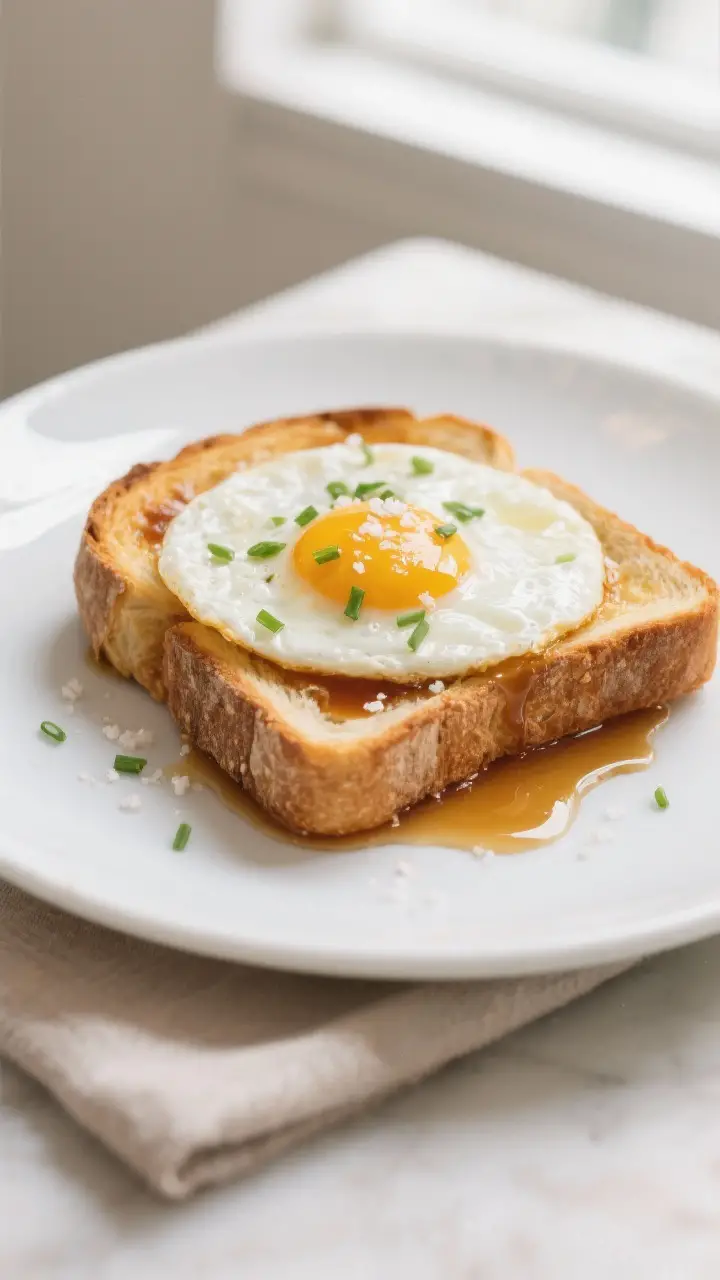
- Finish and serve: Slide the egg onto a plate or toast.
Add any final touches like herbs, hot sauce, or a pinch of flaky salt.
Storage Instructions
Fried eggs are best fresh. The texture of the yolk and whites declines quickly as they sit. If you must store, place fully cooked eggs (over-hard is best) in an airtight container and refrigerate for up to 24 hours.
Reheat gently in a nonstick pan over low heat with a little oil for 1–2 minutes, or microwave in short bursts at 50% power.
Do not store runny-yolk eggs if texture matters to you; they won’t reheat well. If you’re meal prepping, consider soft-boiled or jammy eggs instead.
Benefits of This Recipe
- Fast and flexible: From pan to plate in minutes, and easy to adapt to your preferred yolk and edge texture.
- Nutritious: Eggs provide protein, healthy fats, and essential vitamins like B12 and choline.
- Budget-friendly: Minimal ingredients and big payoff.
- Works with anything: Top grain bowls, salads, soups, sandwiches, or leftovers for instant upgrade.
- Beginner-friendly technique: Helps you learn heat control and timing, foundational skills for any cooking.
Common Mistakes to Avoid
- Using high heat from the start: This scorches the bottom while leaving the top raw. Start medium or medium-low and adjust as needed.
- Cracking directly over the pan from too high: This can break the yolk and scatter the whites.
Crack into a bowl or hold the egg close to the surface.
- Not using enough fat: The egg may stick and cook unevenly. A teaspoon or two of fat keeps things smooth and adds flavor.
- Moving the egg too soon: Let the whites set before nudging. A thin spatula helps keep the edges intact.
- Seasoning only at the end: A small pinch of salt early on brings out better flavor in the whites.
Variations You Can Try
- Olive Oil Fried Egg: Use good extra-virgin olive oil over medium heat.
Tilt the pan and spoon hot oil over the white for a gently set top and aromatic flavor.
- Butter-Basted Egg: Cook in butter, then tilt the pan and baste the egg with the foamy butter to finish. Rich and nutty.
- Chili Crisp Egg: Fry in a small spoon of chili crisp and oil. Adds crunch and heat.
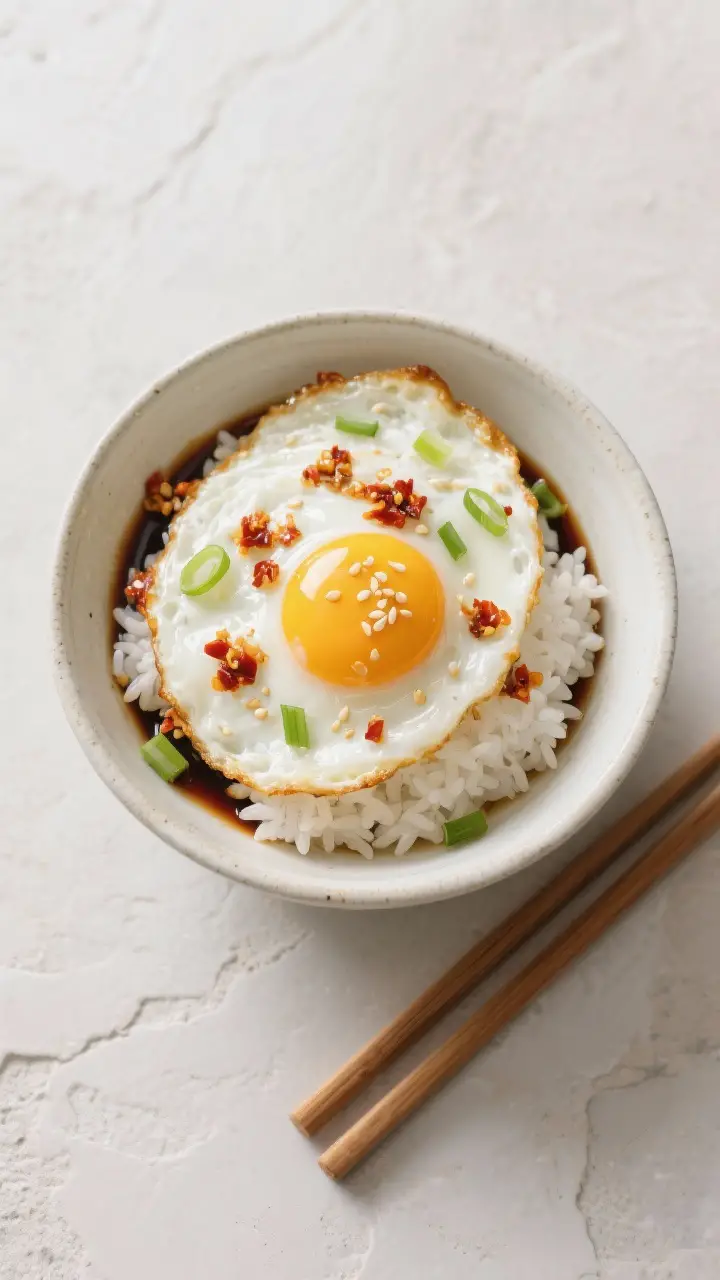
- Soy and Scallion: Drizzle a few drops of soy sauce at the end and top with sliced scallions and sesame seeds.
- Herb and Lemon Zest: Finish with chopped parsley or chives, lemon zest, and a pinch of flaky salt.
- Crispy Lace Edges: Use a little extra neutral oil and slightly higher heat.
The white frills and crisps at the edges.
- Cheese Crust: Sprinkle a thin layer of grated Parmesan in the pan, then add the egg on top. You’ll get a golden, lacy cheese crust under the white.
- Tortilla Egg: Warm a small corn tortilla in the pan, then crack the egg on top and cook covered until set. Great with salsa and avocado.
FAQ
How do I keep the egg from sticking?
Use a nonstick or well-seasoned cast-iron pan and enough fat to lightly coat the surface.
Preheat the pan, then add fat, then the egg. If the egg resists when you try to slide a spatula under it, give it another 10–20 seconds to set.
What’s the difference between sunny-side up and over-easy?
Sunny-side up is cooked on one side only, with a runny yolk and a glossy top. Over-easy is flipped and cooked briefly on the second side to slightly set the top while keeping the yolk runny.
How do I get those crispy, lacy edges?
Use a bit more oil and slightly higher heat.
Let the white spread and bubble at the edges, and don’t cover the pan. Spoon hot oil over just the white if you want the top to set faster without flipping.
Can I make multiple eggs at once?
Yes. Use a larger pan and crack eggs with a little space between them.
You may need slightly more fat and a touch lower heat for even cooking. Cook in batches if your pan is crowded.
Is butter or oil better?
Both work. Butter adds rich flavor and a softer edge; oil, especially olive or neutral oil, can help build crisp edges.
Ghee and bacon fat are also excellent for flavor and browning.
How do I avoid broken yolks?
Crack the egg into a bowl first and slide it into the pan. Use a thin, flexible spatula. When flipping, commit quickly and gently—no hesitation.
Are fried eggs healthy?
They can be.
One egg offers protein and nutrients. Use a moderate amount of healthy fat and pair with vegetables or whole grains for a balanced meal.
Why do my whites look watery?
Very fresh eggs have tighter whites; older eggs can spread. Cooking over moderate heat and starting in a warmed pan helps.
If watery whites bother you, use a ring mold or pour off a bit of the thin white before cooking.
Wrapping Up
A great fried egg isn’t fancy—it’s thoughtful. With a warmed pan, a bit of fat, and a minute of attention, you can fine-tune the yolk and edges to your exact taste. Keep the heat moderate, season early, and don’t rush the flip.
Once you have the feel for it, a fried egg becomes the easiest way to make almost anything taste better. Tomorrow morning—or tonight—give it a go and enjoy the simple perfection.
Printable Recipe Card
Want just the essential recipe details without scrolling through the article? Get our printable recipe card with just the ingredients and instructions.