
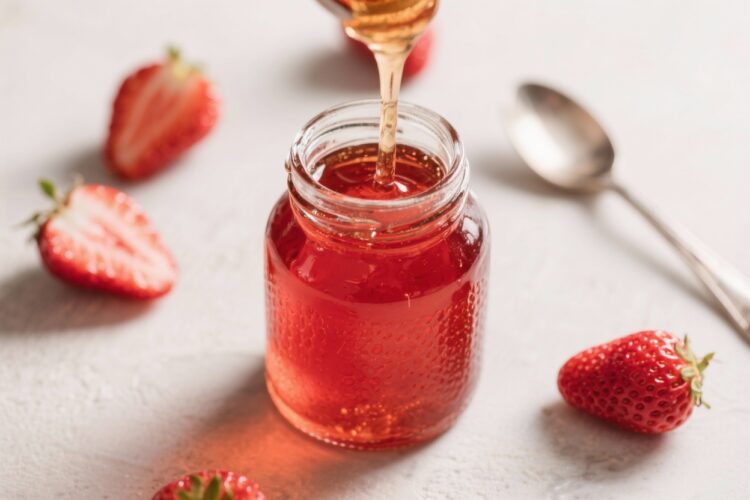
Bright, sweet, and bursting with real fruit flavor, this strawberry syrup is the kind of kitchen staple you’ll want on repeat. It takes just a few ingredients and a short simmer to turn everyday strawberries into something special. Drizzle it over pancakes, swirl it into yogurt, or stir it into sparkling water for a quick homemade soda.
No fancy tools, no hard-to-find items—just fresh berries and a little time on the stove. You’ll taste the difference immediately, and you’ll love how many ways you can use it.
Why This Recipe Works
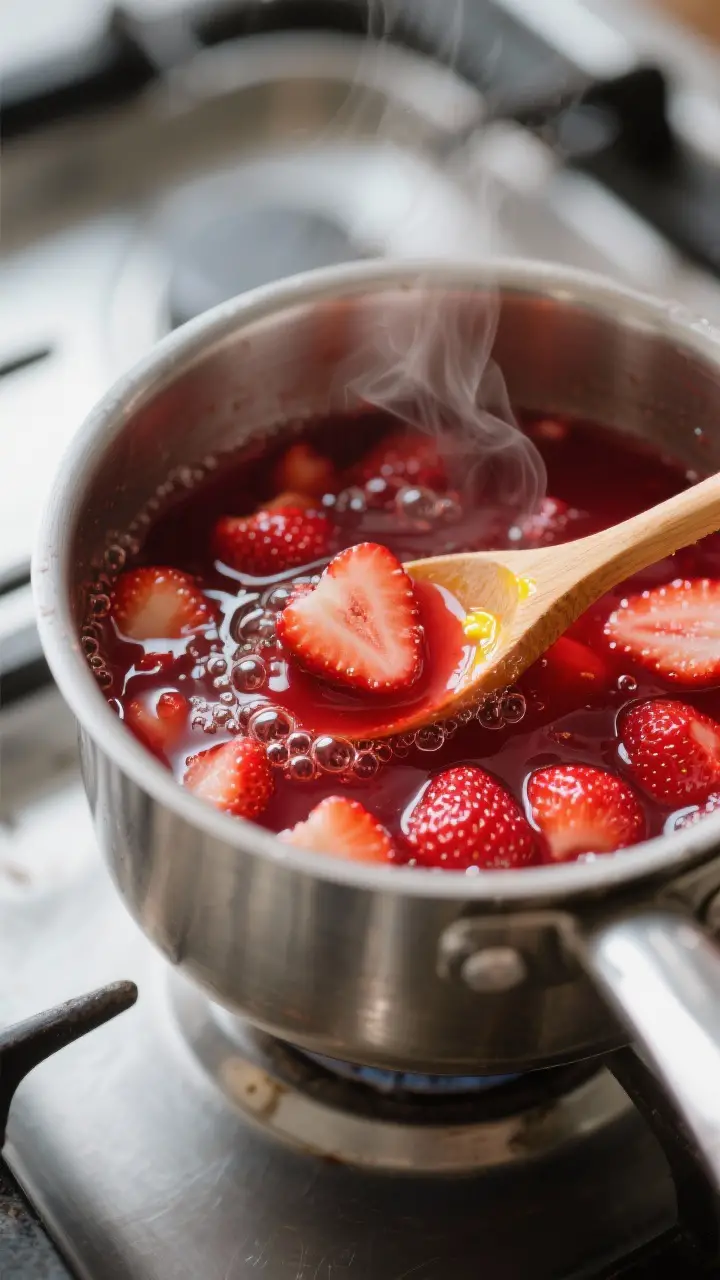
This recipe is built on a simple ratio of strawberries, sugar, and lemon. The sugar draws out the juice and concentrates flavor, while lemon brightens the berries and helps the syrup set with a clean finish.
A short simmer extracts color and taste without cooking the fruit into a jam. Straining lets you choose your texture—smooth syrup or a rustic spoonable sauce. The result is a balanced syrup that’s thick enough to coat, but light enough to pour.
Ingredients
- 1 pound (450 g) fresh strawberries, hulled and chopped (frozen works too)
- 3/4 cup (150 g) granulated sugar (adjust to taste)
- 1/2 cup (120 ml) water
- 1–2 tablespoons fresh lemon juice (start with 1 tablespoon)
- Optional flavor boosts: 1/2 teaspoon vanilla extract, a small pinch of salt, or 1–2 teaspoons balsamic vinegar for depth
Step-by-Step Instructions
- Prep the berries. Rinse, hull, and chop strawberries into small pieces.
If using frozen, no need to thaw—just break up any large clumps.
- Combine in a saucepan. Add strawberries, sugar, and water to a medium saucepan. Stir to coat the berries and dissolve some sugar.
- Bring to a gentle simmer. Set over medium heat and stir occasionally. When the mixture starts to bubble, reduce the heat to low.
- Simmer 10–15 minutes. Cook until the strawberries soften and release their juice.
The liquid should turn deep red and slightly thicken. Use a spoon to gently mash the berries to extract more flavor.
- Add lemon. Stir in 1 tablespoon of lemon juice. Taste.
Add up to another tablespoon if you want a brighter, slightly tangier syrup.
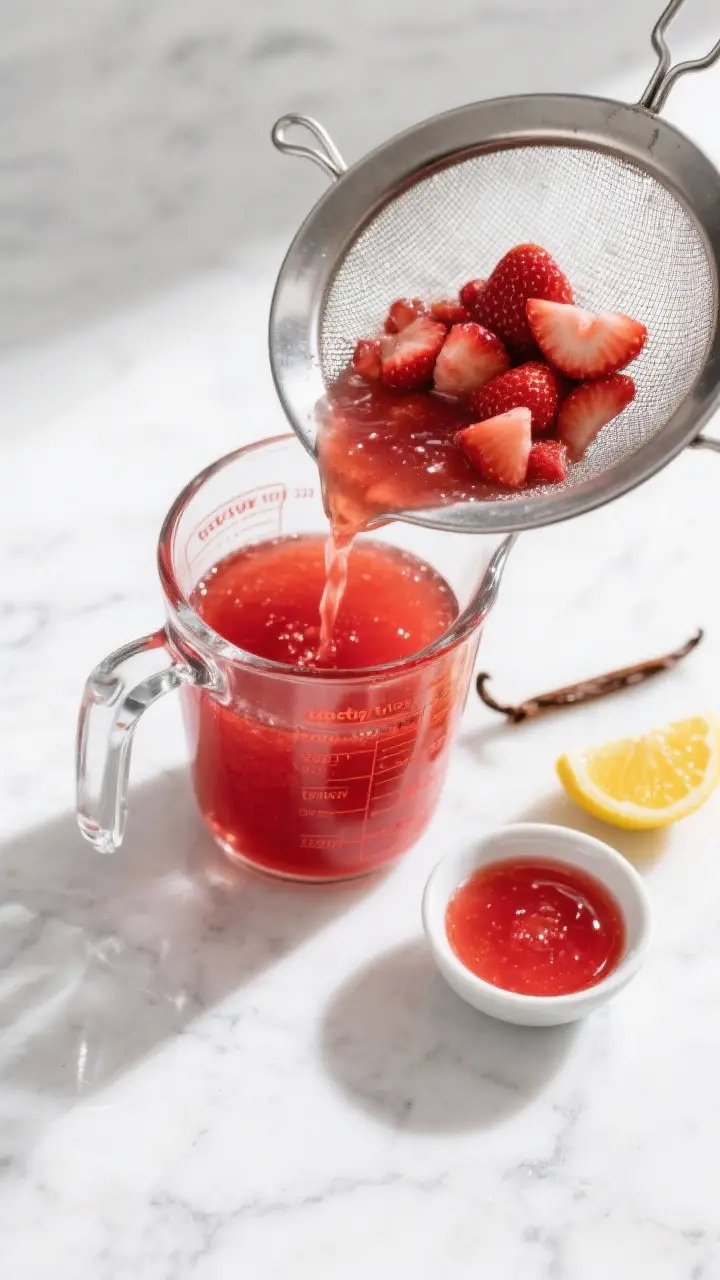
- Choose your texture. For a smooth syrup, pour the mixture through a fine-mesh strainer into a bowl or measuring jug, pressing gently on the solids. For a chunkier sauce, skip straining or only strain half.
- Optional enhancements. Stir in vanilla for warmth, a tiny pinch of salt to sharpen the sweetness, or a splash of balsamic to add depth and a jammy note.
- Cool and thicken. Let the syrup cool; it will thicken a bit as it stands. If it’s too thin, return to the pan and simmer a few more minutes.
If it’s too thick, add a tablespoon of water at a time.
- Store. Transfer to a clean jar or bottle. Seal and refrigerate.
- Serve. Drizzle over pancakes, waffles, French toast, ice cream, yogurt, oatmeal, or cheesecake. Stir into lemonade, iced tea, or sparkling water for a quick refresher.
Keeping It Fresh
Store your strawberry syrup in an airtight jar in the refrigerator.
It stays fresh for about 2 weeks. For longer storage, freeze it in small containers or ice cube trays for up to 3 months. Thaw in the fridge overnight or on the counter for 30–60 minutes.
If you notice cloudiness, off smells, or bubbling after storage, discard it. Always use a clean spoon when serving to avoid contamination. Label the jar with the date so you don’t lose track.

Why This is Good for You
Strawberries bring natural sweetness, vitamin C, and antioxidants to the table.
With a homemade syrup, you control the sugar and skip artificial flavors or dyes. You can also reduce the sugar or sweeten smarter with options like honey or maple to match your taste. Used in moderation, this syrup turns simple foods—like plain yogurt or oatmeal—into something you actually look forward to.
That means fewer ultra-processed toppings and more real fruit flavor. It’s a small upgrade that adds joy without a long ingredients list.
What Not to Do
- Don’t boil hard the whole time. Vigorous boiling can scorch the sugars and dull the berry flavor. Keep it at a gentle simmer.
- Don’t skip the acid. Lemon isn’t just for taste—it balances sweetness and keeps the color bright.
Without it, the syrup can taste flat.
- Don’t over-reduce. If you cook it too long, it can become jammy or sticky. Aim for a pourable consistency.
- Don’t strain too early. Let the berries fully soften first. Straining prematurely leaves flavor behind.
- Don’t store warm. Let the syrup cool before sealing and refrigerating to avoid condensation and watered-down flavor.
Alternatives
- Lower sugar: Use 1/2 cup sugar, then adjust to taste.
Or substitute part of the sugar with honey or maple syrup. Keep in mind honey adds floral notes and maple adds depth.
- Cornstarch-free thickening: This recipe thickens naturally with reduction. If you prefer a slightly thicker syrup without extra cooking, blend in a few softened strawberries after straining for body.
- Flavor twists: Add a strip of lemon zest, a few basil leaves, or a small sprig of mint during simmering, then remove before straining.
For a dessert vibe, use vanilla or a splash of almond extract (go light).
- Mixed berry: Replace half the strawberries with raspberries, cherries, or blueberries for a layered flavor and deeper color.
- Smoothie-ready: Skip straining and blend the cooked mixture. You’ll get a thicker sauce perfect for spooning over yogurt bowls.
- Sugar-free option: Use a heat-stable sweetener like allulose or erythritol. Start with less and add to taste.
Note: some sweeteners won’t thicken as much and may taste cooler on the tongue.
FAQ
Can I use frozen strawberries?
Yes. Frozen berries work perfectly and often taste great since they’re picked ripe. Use the same amount and simmer a few extra minutes if there’s more liquid.
How do I make it thicker?
Reduce a little longer over low heat, stirring often.
You can also blend a portion of the berries back into the syrup for body. Avoid adding too much cornstarch—it can dull the flavor.
How sweet should it be?
Aim for pleasantly sweet with a fresh finish. Start with the recipe amount, then adjust after adding lemon.
Remember it will taste less sweet when drizzled over tart yogurt or bitter coffee drinks, and sweeter over ice cream.
Do I have to strain it?
No. Straining gives a smooth, pourable syrup. Leaving it unstrained creates a rustic sauce with fruit bits, which is great for pancakes or cheesecake.
How long does it last in the fridge?
About 2 weeks in a clean, sealed container.
Always use a clean spoon to serve and keep it refrigerated.
Can I can this syrup for shelf storage?
This recipe is designed for quick use and refrigeration. For pantry-safe canning, use a tested canning recipe with proper acidity and processing times.
What can I use it on?
Pancakes, waffles, French toast, yogurt, oatmeal, ice cream, cheesecake, shortcakes, and pound cake. It’s also great in lemonade, iced tea, cocktails, mocktails, and sparkling water.
Will lemon make it taste sour?
No.
Lemon brightens flavor and balances sweetness. Start with 1 tablespoon and increase only if you want more tang.
Can I double the recipe?
Yes. Use a wide saucepan to speed up reduction and maintain flavor.
You might need a few extra minutes of simmer time.
What if my strawberries aren’t very sweet?
Add a bit more sugar or a dash of vanilla to round out the flavor. A tiny pinch of salt can also enhance sweetness without adding more sugar.
In Conclusion
This Easy Strawberry Syrup Recipe is a fast, reliable way to make everyday dishes feel a little special. With a short list of ingredients and a few minutes of simmering, you get bright, clean strawberry flavor you can use all week.
Keep a jar in the fridge and you’ll always have a quick topping, a drink mixer, or a sweet finish ready to go. Simple, fresh, and endlessly useful—this is one to bookmark.
Printable Recipe Card
Want just the essential recipe details without scrolling through the article? Get our printable recipe card with just the ingredients and instructions.