
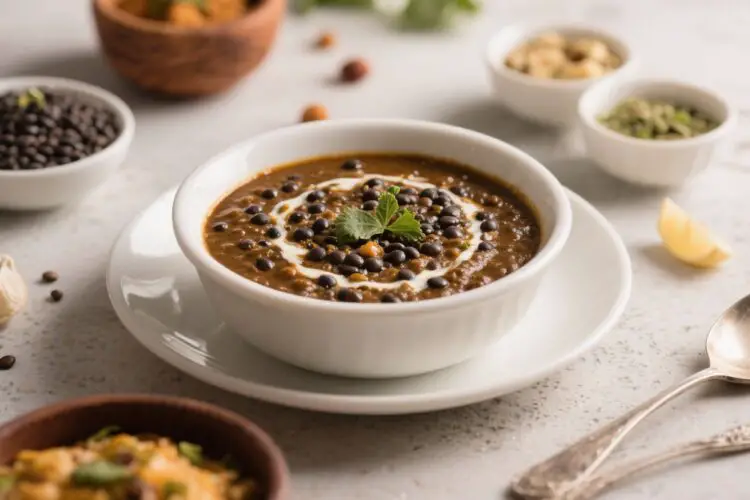
Dal Makhani is the kind of meal that warms you from the inside out. It’s rich, creamy, and deeply satisfying without being fussy. This North Indian classic is made with black lentils and a touch of red kidney beans simmered low and slow until silky.
The flavors are mellow yet layered, with butter, tomatoes, and spices bringing everything together. Whether you’re cooking for a cozy night in or a special dinner, this is a recipe that feels like a hug in a bowl.
What Makes This Special
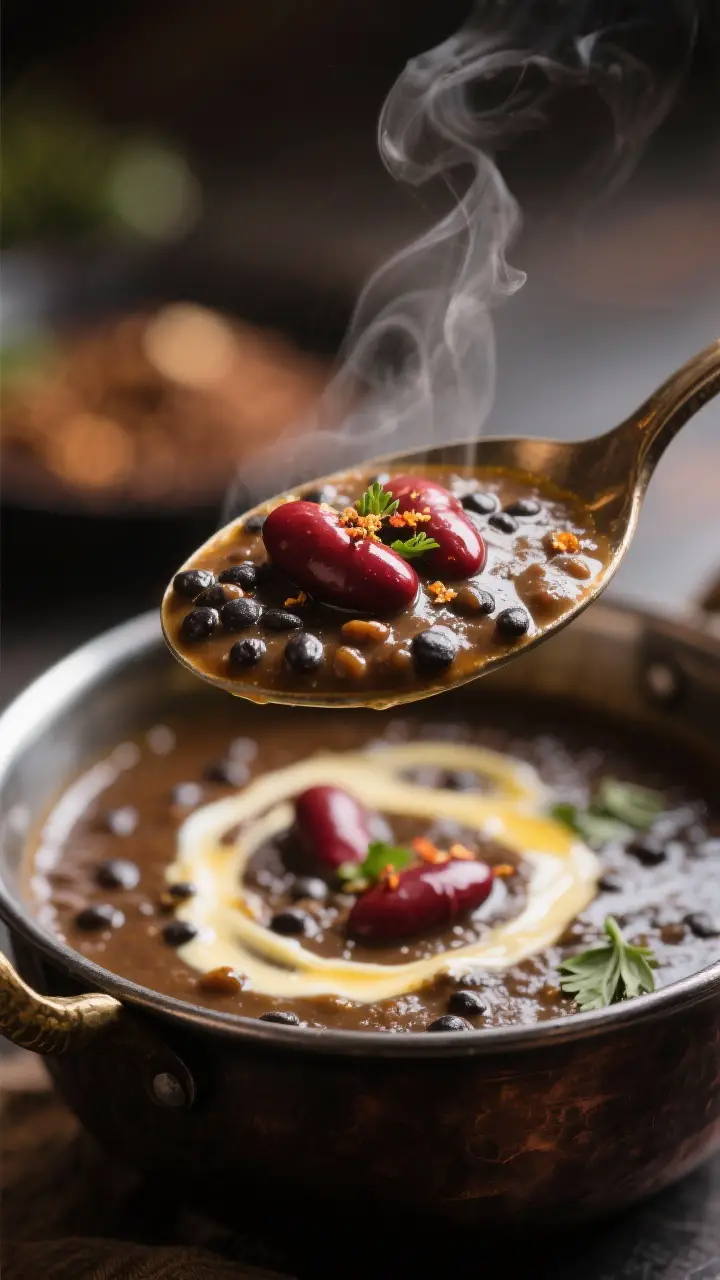
Dal Makhani stands out for its slow-cooked creaminess and buttery depth. The urad dal (whole black lentils) break down over time, creating a naturally velvety texture that doesn’t need heavy thickeners.
A modest amount of butter and cream doesn’t overpower; it rounds off the spices and adds that signature restaurant-style finish. Best of all, the dish actually tastes better the next day, as the flavors settle and mellow beautifully.
Shopping List
- Whole black lentils (urad dal sabut) – 1 cup, rinsed and soaked
- Red kidney beans (rajma) – 1/4 cup, rinsed and soaked
- Butter – 3–4 tablespoons (plus more for finishing)
- Ghee or neutral oil – 1–2 tablespoons
- Heavy cream – 1/3 to 1/2 cup
- Onion – 1 medium, finely chopped
- Garlic – 5–6 cloves, minced
- Ginger – 1-inch piece, minced or grated
- Green chilies – 1–2, slit or chopped (optional)
- Tomatoes – 2 large, finely chopped or pureed
- Tomato paste – 1 tablespoon (for depth; optional)
- Turmeric powder – 1/2 teaspoon
- Kashmiri red chili powder – 1–2 teaspoons (mild, for color)
- Ground cumin – 1 teaspoon
- Ground coriander – 1 teaspoon
- Garam masala – 1 teaspoon
- Kasuri methi (dried fenugreek leaves) – 1 teaspoon, crushed
- Bay leaf – 1
- Salt – to taste
- Water – as needed for simmering
- Fresh cilantro – for garnish
- Lemon wedges – optional, for serving
Step-by-Step Instructions
- Soak the legumes: Rinse the black lentils and kidney beans well. Soak them together in plenty of water for at least 6–8 hours or overnight for the creamiest texture.
- Cook until tender: Drain and add to a pot with fresh water (about 4 cups), a pinch of salt, and the bay leaf.
Simmer gently until very soft, 60–90 minutes. For a pressure cooker or Instant Pot, cook on high pressure for 25–30 minutes with natural release.
- Mash slightly: Once cooked, fish out the bay leaf. Lightly mash some of the lentils and beans against the pot with a spoon.
This helps create body without losing texture.
- Build the masala: In a separate pan, heat ghee or oil with 2 tablespoons butter over medium heat. Add onion and sauté until soft and pale golden.
- Add aromatics: Stir in garlic, ginger, and green chilies. Cook 1–2 minutes until fragrant, not browned.
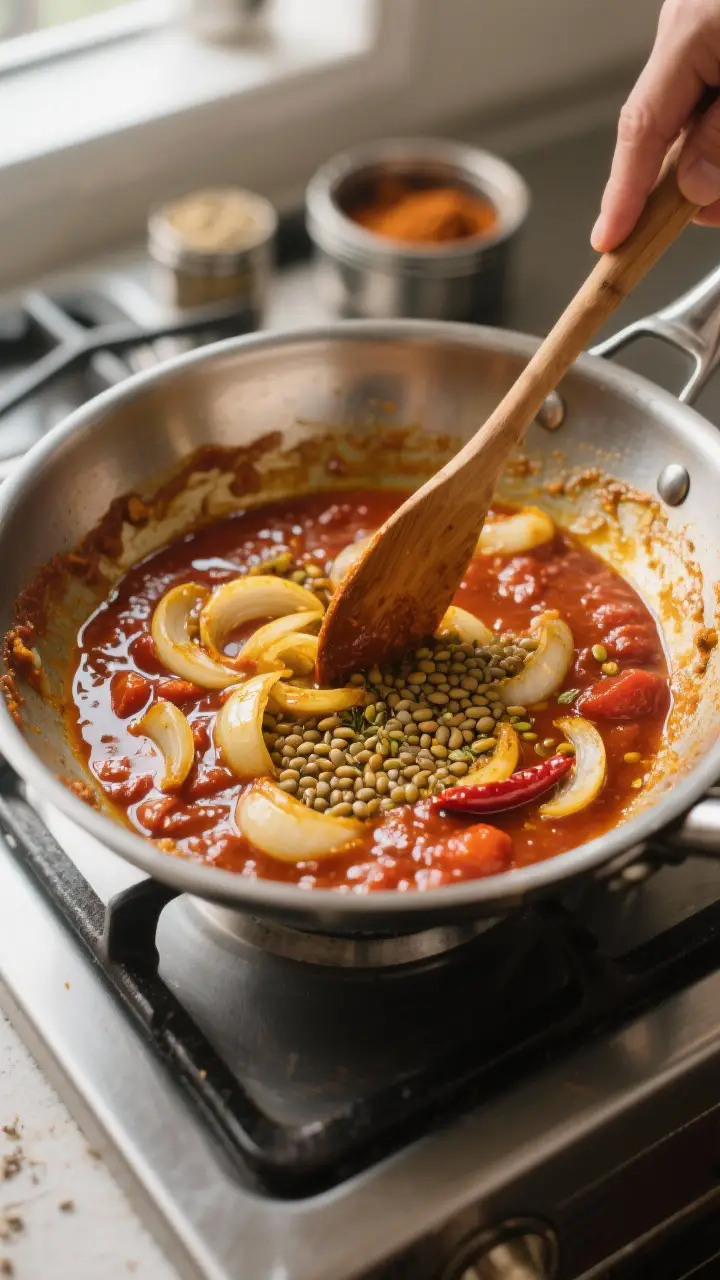
- Tomatoes and spices: Add tomatoes (and tomato paste if using), turmeric, Kashmiri chili, cumin, and coriander.
Cook down 6–8 minutes until the oil separates and the mixture turns glossy and thick.
- Combine and simmer: Pour the masala into the pot of lentils. Add 1–2 cups hot water to achieve a soupy consistency; it will thicken as it simmers. Season with salt.
Simmer on low, uncovered, for 30–45 minutes, stirring occasionally so it doesn’t catch at the bottom.
- Enrich: Stir in the remaining butter, kasuri methi (crushed between your palms), and cream. Continue to simmer 10–15 minutes more. Adjust salt and heat with more chili powder if needed.
- Final touch: Sprinkle garam masala and stir.
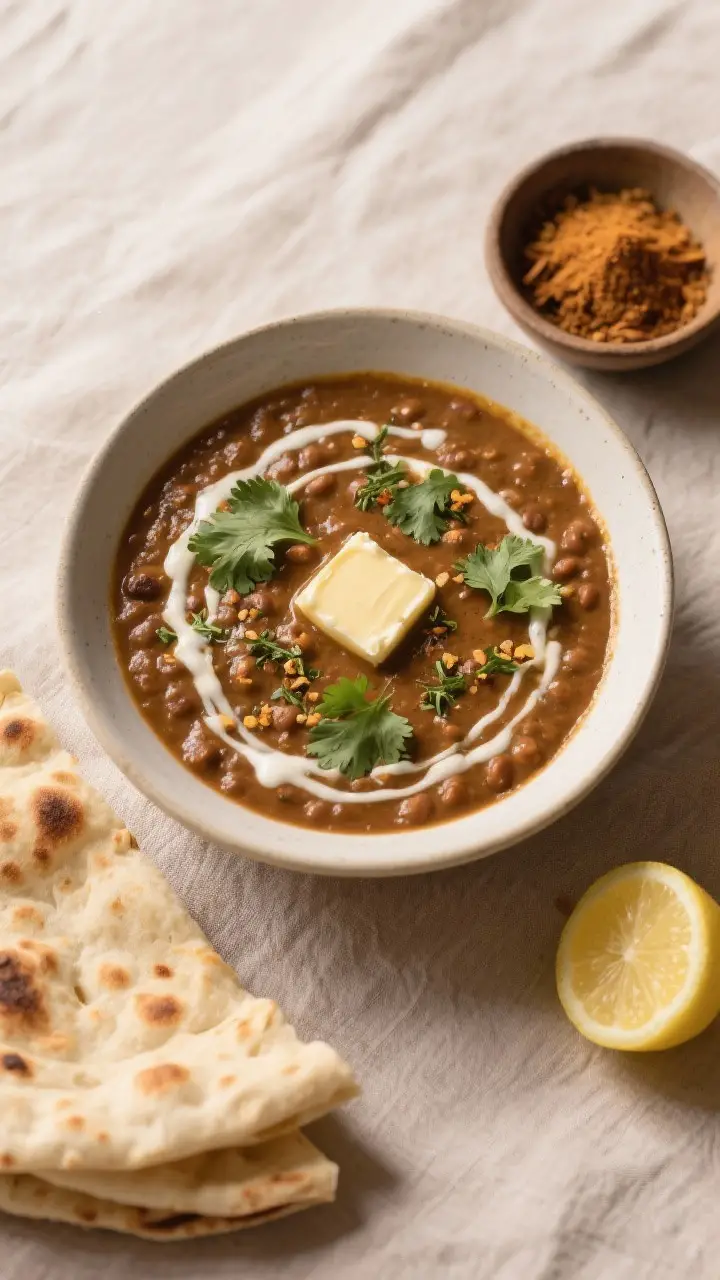
If you want a glossy finish, add a small knob of butter at the end. The dal should be creamy, pourable, and luxurious.
- Serve: Garnish with cilantro and a drizzle of cream. Serve hot with naan, roti, parathas, or steamed basmati rice.
Lemon on the side brightens each bowl.
Keeping It Fresh
Dal Makhani stores well and tastes even better the next day. Let it cool, then refrigerate in an airtight container for up to 4 days. It also freezes well for 2–3 months.
Reheat gently on the stove with a splash of water or milk to loosen, and finish with a touch of butter or cream to revive the silkiness.
Benefits of This Recipe
- Protein-rich comfort: Lentils and beans deliver steady, satisfying energy.
- Make-ahead friendly: The flavor improves with time, perfect for meal prep.
- Flexible richness: Adjust butter and cream to match your preference without losing soul.
- Budget-friendly: Pantry ingredients, big payoff.
- Crowd-pleaser: Mild spices and creamy texture win over diverse palates.
What Not to Do
- Don’t rush the simmer: The long, gentle cook is what creates creaminess.
- Don’t skip soaking: Soaking ensures even cooking and better texture.
- Don’t overdo the tomato: Too much acidity can make the dal sharp; balance with butter and cream.
- Don’t scorch the bottom: Stir often once it thickens. A heavy pot helps.
- Don’t rely only on heat: Kashmiri chili adds color without too much spice. Save the burn for another dish.
Recipe Variations
- Smoky dhungar finish: Heat a small piece of charcoal until red-hot.
Place it in a heatproof bowl on the dal, add a dab of ghee to the coal, cover 2–3 minutes, then remove for a gentle smoky aroma.
- Lighter version: Use half-and-half or whole milk instead of heavy cream and reduce the butter. Add a spoon of yogurt off the heat for tang.
- Vegan dal makhani: Swap butter and cream for vegan butter and coconut cream or cashew cream. Use oil instead of ghee.
- Spice-forward: Add whole spices (1 cinnamon stick, 3–4 cloves, 3–4 green cardamom) to the masala for a warmer profile.
Remove before serving.
- Restaurant-style finish: Blend 1 cup of the cooked dal until smooth and stir back in. It boosts silkiness without losing texture.
FAQ
Can I make this without kidney beans?
Yes. Dal Makhani can be made with only black lentils.
Kidney beans add body and flavor, but if you don’t have them, increase the lentils slightly and cook until very soft.
What if I didn’t soak the lentils?
You can still cook them, but it will take longer. Use a pressure cooker to speed things up, and extend the cooking time until they’re completely tender.
How do I get the signature creamy texture?
Low, slow simmering is key. Lightly mashing some lentils, finishing with butter and cream, and letting the dal rest for 10 minutes before serving all help create that silky mouthfeel.
Is it very spicy?
No.
Dal Makhani is more about warmth and richness than heat. Use Kashmiri chili for color and mild spice, and adjust green chilies to your taste.
What can I serve it with?
Naan, tandoori roti, parathas, or steamed basmati rice are all classic. A simple kachumber salad or pickled onions on the side adds freshness.
Can I use canned tomatoes?
Absolutely.
Use good-quality crushed tomatoes and a little tomato paste for depth. Simmer until the raw edge cooks off and the oil separates.
How do I fix dal that’s too thick?
Stir in hot water or warm milk in small splashes until you reach a pourable consistency. Recheck seasoning afterward.
How do I fix dal that’s too tangy?
Add a knob of butter, a splash of cream, and let it simmer a few more minutes.
A pinch of sugar can also tame excess acidity.
Wrapping Up
Dal Makhani is slow-cooked comfort at its best—simple ingredients, patient technique, and a rich, cozy payoff. Make a big pot, let it rest, and enjoy it over a couple of days as the flavors deepen. Paired with warm bread or rice, it’s the kind of meal that brings people to the table and keeps them there for seconds.
Creamy, balanced, and timeless—this is the ultimate comfort prep.
Printable Recipe Card
Want just the essential recipe details without scrolling through the article? Get our printable recipe card with just the ingredients and instructions.