
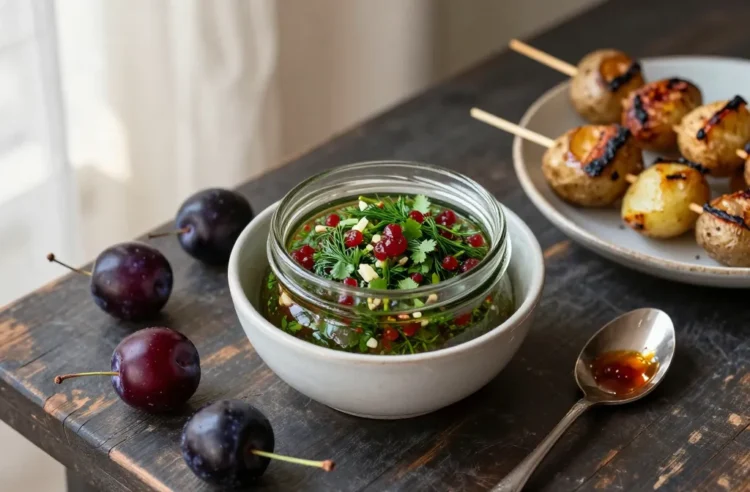
You know that elusive sauce that makes grilled meat, roasted potatoes, and even eggs taste like they’ve just received a passport stamp from somewhere delicious? That’s tkemali. It’s a tangy, herb-laced sour plum sauce from the Caucasus that Russians and Georgians both swear by in summer. It brings the zing of citrus, the fragrance of dill, and the heat of garlic—without feeling heavy or fussy. If your ketchup gets jealous easily, maybe don’t introduce them.
What Exactly Is Tkemali?
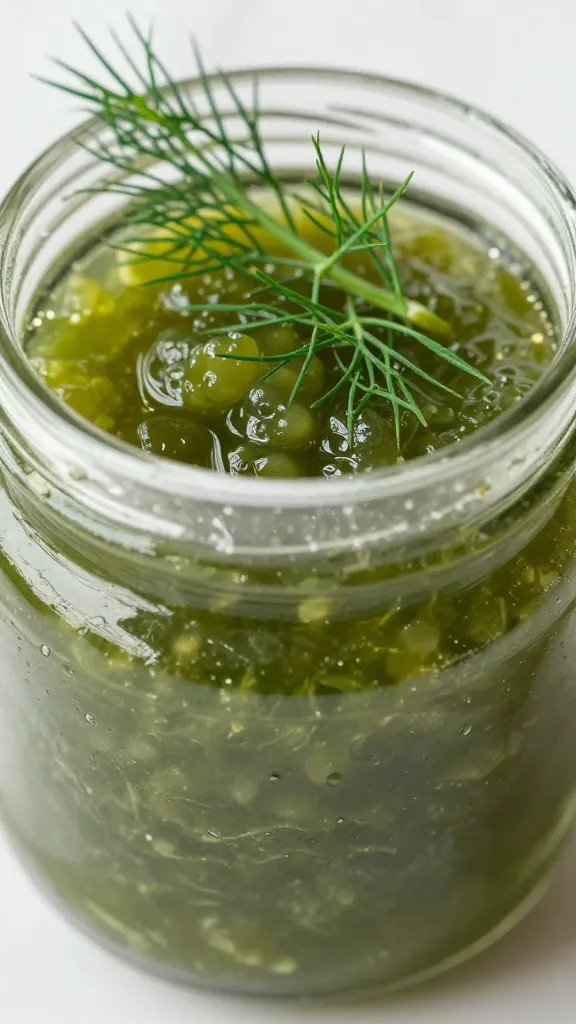
Tkemali started as a Georgian staple made from sour plums—typically wild cherry plums—then waltzed across borders into many Russian kitchens. The formula stays simple: cooked sour plums blended with garlic, fresh herbs, chili, and spices. Think of it like a tart cousin of barbecue sauce that ditched the sugar and joined Team Fresh.
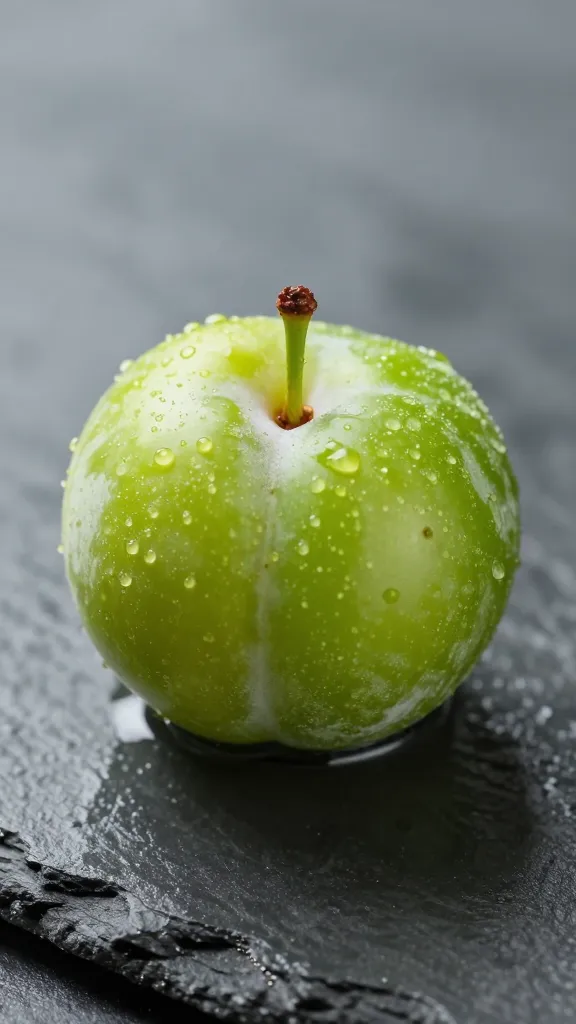
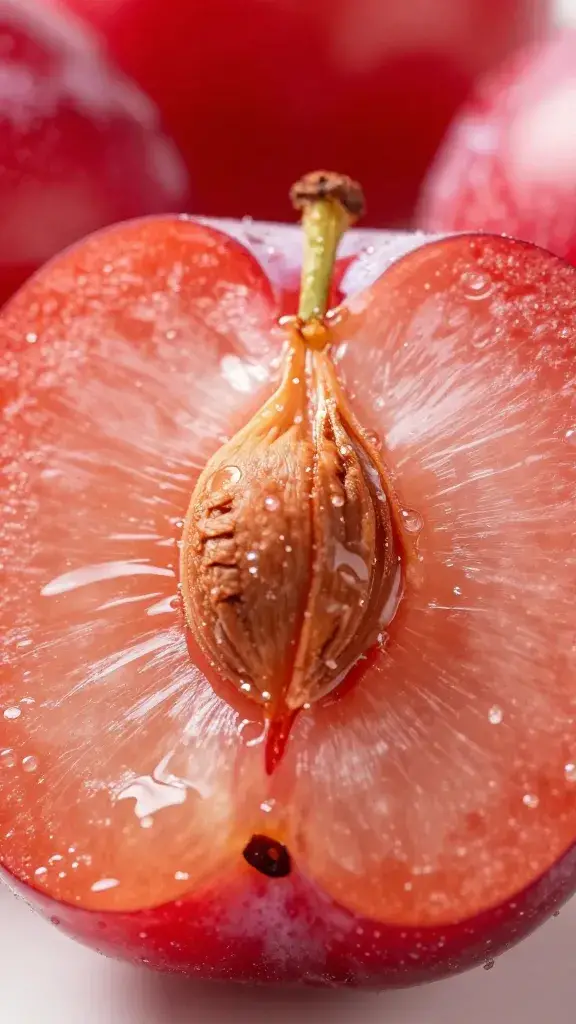
You’ll see both green and red versions. Green tkemali uses unripe or green plums early in the season—super tangy, bright, and herbal. Red comes later with ripe plums—still sour, just a touch fruitier. Both deserve a spot next to your grill.
Flavor Profile: Sour, Savory, Herb-Forward
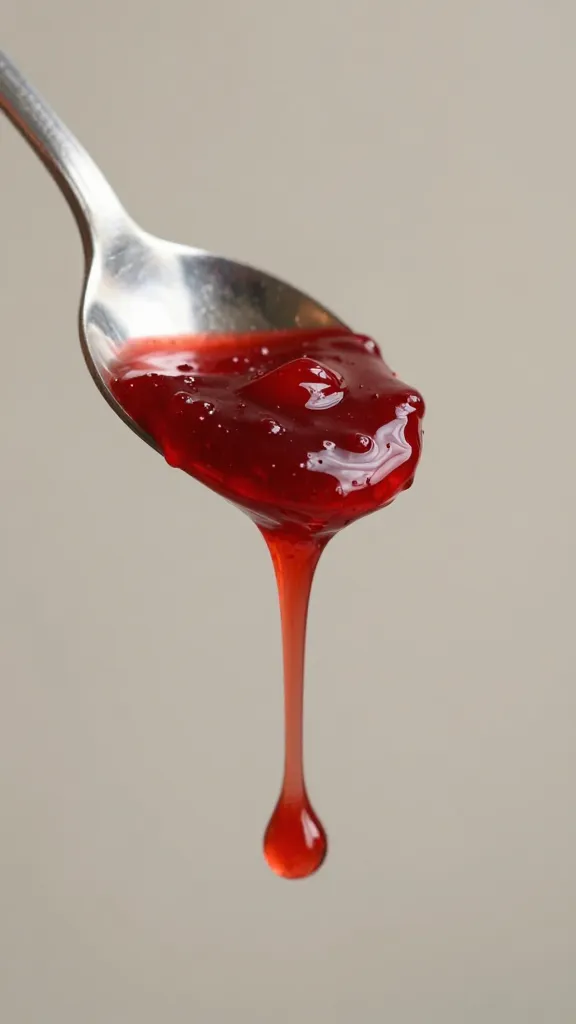
Tkemali earns its keep by balancing bold flavors:
- Sour: The plums carry natural acidity that replaces vinegar or lemon.
- Herbal: Dill and cilantro (or parsley) add garden-fresh vibes.
- Garlicky: Enough to say “hi” without punching you in the throat.
- Spicy: A pinch of chili or cayenne for warmth.
- Earthy: A classic Georgian spice mix—blue fenugreek, coriander, and dried marigold—adds depth. FYI: Russian home cooks often simplify this with pantry spices.
In short: it’s tart, savory, and alive. If you love chimichurri or salsa verde, you’ll vibe with tkemali.
What You’ll Need (And Smart Swaps)
Let’s keep it accessible. You don’t need a specialty store to nail a great version.
Core Ingredients
- Sour plums: Cherry plums are ideal. You can sub damsons or underripe plums. In a pinch, mix regular plums with a splash of lemon for tartness.
- Garlic: Fresh, not powder. Always.
- Fresh herbs: Dill is non-negotiable IMO. Cilantro or parsley can join the party.
- Chili: Fresh red chili, chili flakes, or cayenne.
- Salt and sugar: Just enough sugar to balance tartness, not to make it sweet.
Traditional Spice Notes (Optional but Awesome)
- Coriander (ground)
- Blue fenugreek (utskho suneli, if you can find it)
- Ground marigold petals (tagetes; optional, very Georgian)
No utskho suneli at your store? Don’t panic. Skip it or add a tiny pinch of regular fenugreek. It won’t be exact, but your taste buds won’t file a complaint.
How to Make Tkemali at Home
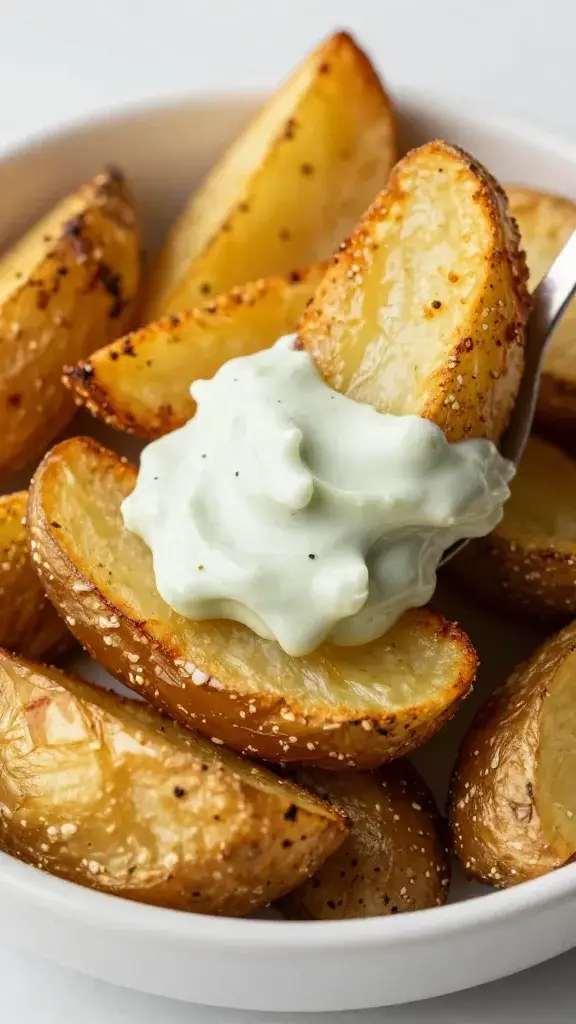
Here’s the quick, no-stress method most home cooks use. It’s weekday-friendly and very forgiving.
Step-by-Step
- Simmer the plums: Add 2 lbs (900 g) sour or cherry plums to a pot with 1/2 cup water. Cook 10–15 minutes until skins split and flesh softens.
- Remove pits and skins: Mash with a spoon, then press through a sieve or food mill. You’ll get a smooth, tart purée.
- Season the purée: Return to the pot. Add 3–4 minced garlic cloves, 1–2 tsp ground coriander, 1/2–1 tsp chili, 1–2 tsp sugar (to taste), and 1–1.5 tsp salt.
- Simmer briefly: Cook on low 5–7 minutes to meld flavors. Keep it spoonable, not jammy.
- Finish with herbs: Remove from heat. Stir in 1/2 cup chopped dill and 1/4 cup chopped cilantro or parsley. Taste and adjust salt, sugar, and heat.
- Cool and store: Let it cool. Jar it and refrigerate. It thickens slightly as it chills.
Texture Tips
– If it’s too thick: whisk in a splash of water while warm.
– If it’s too tart: add a tiny bit more sugar or a spoon of honey.
– If it’s too mild: a squeeze of lemon wakes it up (yes, even though it’s already sour).
How to Use It (Beyond Grilled Meat)

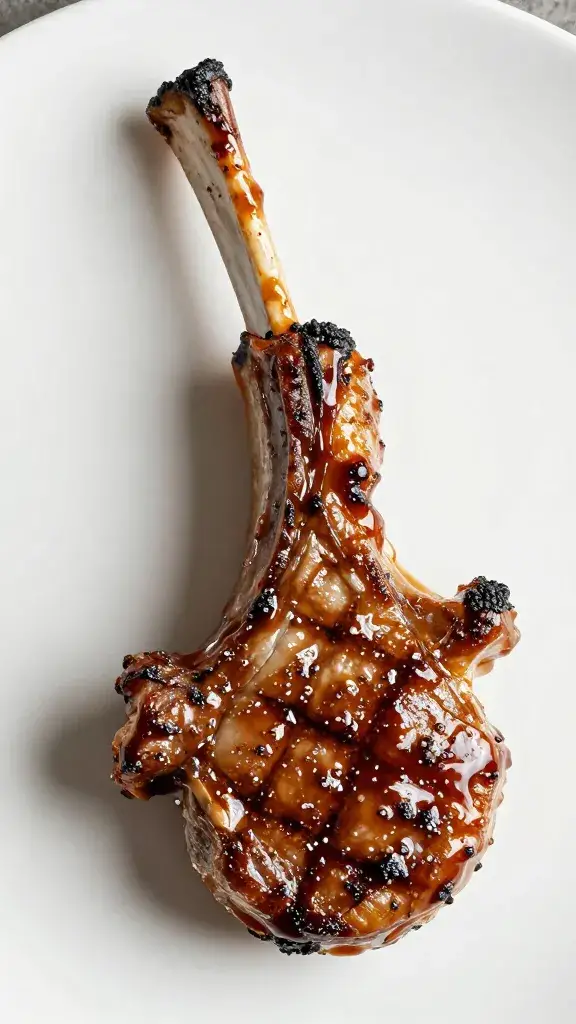
Yes, it absolutely sings with grilled pork or chicken. But don’t stop there.
- Breakfast: Drizzle on fried eggs or omelets. Breakfast suddenly matters.
- Potatoes: Roasted wedges + tkemali = crispy-tangy bliss.
- Fish: Spoon over baked salmon or trout for a citrusy vibe without actual citrus.
- Vegetables: Charred zucchini, eggplant, or cauliflower love the acidity.
- Burgers and sandwiches: Swap ketchup for tkemali, especially with lamb or turkey.
- Cheese boards: A small bowl beside salty cheeses? Major upgrade.
IMO, grilled pork ribs with tkemali might be the best summer meal that takes under an hour.
Green vs. Red: Which One Should You Make?
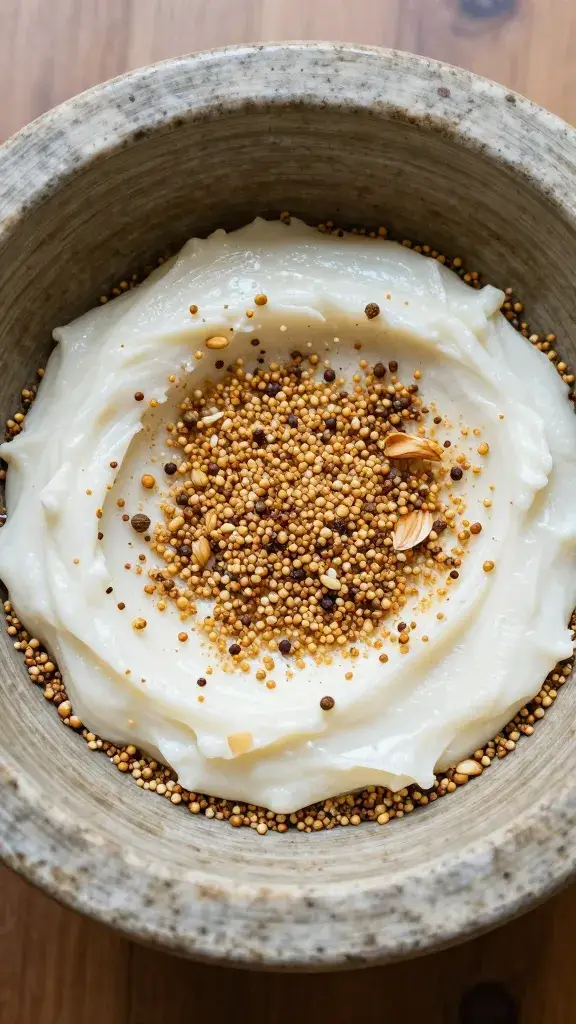
– Green tkemali (unripe plums): Sharper, more herbal, almost grassy in a good way. Brilliant with fish, new potatoes, and chicken.
– Red tkemali (ripe plums): Rounder, slightly fruitier, still very tart. Great with pork, lamb, and anything smoky.
Can you blend the two? Absolutely. Culinary rebels unite.
Balancing Acidity
Tartness swings wildly based on your plums. Taste constantly. Salt reduces sharpness, sugar rounds edges, and herbs keep it fresh. You control the dial.
Make-Ahead, Storage, and Safety
Tkemali behaves well in the fridge and loves meal prep.
- Fridge: Keeps 2–3 weeks in a clean jar. The acidity helps preserve it.
- Freezer: Freeze in small containers or ice-cube trays for up to 6 months.
- For canning: You can water-bath can it if you maintain sufficient acidity. Use tested recipes if you go that route, and keep final pH below 4.2 for safety.
Freshness Boosters
If the sauce dulls after a week, stir in fresh dill and a squeeze of lemon. Welcome back to flavor town.
Troubleshooting: When Things Go Weird
– It’s bitter: You overcooked the skins. Next time, strain earlier or simmer gentler.
– It’s too sweet: Add more salt, lemon, or a splash of vinegar.
– It’s watery: Simmer uncovered a few extra minutes.
– It tastes flat: Add a pinch more coriander, a chili bump, or fresher herbs. Sometimes a tiny garlic refresh fixes everything.
FAQ
Can I use regular supermarket plums?
Yes. Choose firm, barely ripe ones for more tang. If they taste too sweet, add lemon juice or a dash of apple cider vinegar. You’ll get the spirit of tkemali even without cherry plums.
Is dill absolutely necessary?
Short answer: pretty much. Dill gives tkemali its signature vibe. If you hate dill, use parsley and cilantro, but expect a different character. Still tasty, just less “classic.”
How spicy should it be?
Personal choice. Traditional versions lean mild with a warm finish, not a fire alarm. Start small, then dial up heat if you’re feeling bold.
What do I serve it with at a barbecue?
Grilled pork chops, chicken thighs, lamb kebabs, and charred veggies. Add flatbreads and a crisp salad. Your guests will think you planned a Georgian-Russian summer party, which, FYI, sounds amazing.
Can I blend it instead of straining?
You can, but straining removes pits and tough skins that add bitterness. If you use a blender, pit carefully and peel when possible. A quick sieve pass at the end never hurts.
How do I make it vegan or gluten-free?
It’s already both. Tkemali stands proudly plant-based and gluten-free with zero tweaks. Gold star for minimal effort.
Conclusion

Tkemali brings summer to the table in one zippy spoonful. It’s bright, herby, and unapologetically sour—in the best way. Make a batch, stash it in the fridge, and watch it rescue weeknight dinners, brunch plates, and every grilled thing you throw at it. Your condiment shelf just got interesting, IMO.