
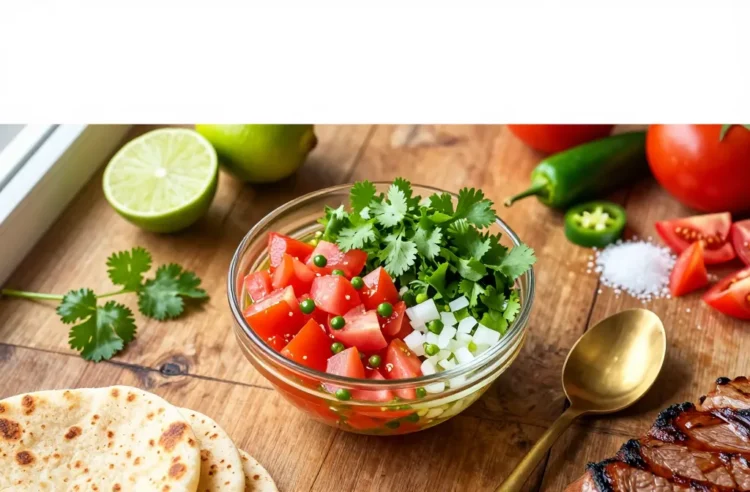
You know that one sauce you put on the table “just to try” and then somehow spoon onto every bite until your plate looks like a modern art piece? That’s Colombian aji. It’s bright, punchy, and unapologetically herbal. Tomatoes and cilantro do the heavy lifting, and a kiss of vinegar keeps everything zippy. Ready to turn weeknight dinners into “whoa, what is that?” moments?
What Exactly Is Colombian Aji?

Aji is Colombia’s everyday table sauce—the thing you pass around like salt. It’s fresh, uncooked, and alive with cilantro, tomatoes, onion, and chiles. Vinegar and lime bring the tang, and a little oil smooths it out.
Think of it as salsa’s cool cousin who refuses to sit still. You ladle it over grilled meats, dunk empanadas, drizzle it on arepas, or pour it onto rice and beans. It tastes bright, herby, lightly spicy, and super refreshing. If your meal feels sleepy, aji wakes it up.
The Flavor Blueprint
A good aji balances four things:
- Herbaceous: Cilantro leads the way.
- Fresh acidity: White vinegar and/or lime juice keep it lively.
- Mild heat: Aji peppers if you’ve got them, or jalapeño/serrano.
- Sweet crunch: Ripe tomato and sometimes a pinch of sugar.
Everything stays uncooked. That’s the point. You want garden vibes, not stew vibes.
Tomato Talk
Use ripe, firm tomatoes. Roma works great, but any meaty tomato avoids watery sadness. If your tomatoes feel juicy, seed them to keep the sauce from going soupy.
The Right Heat
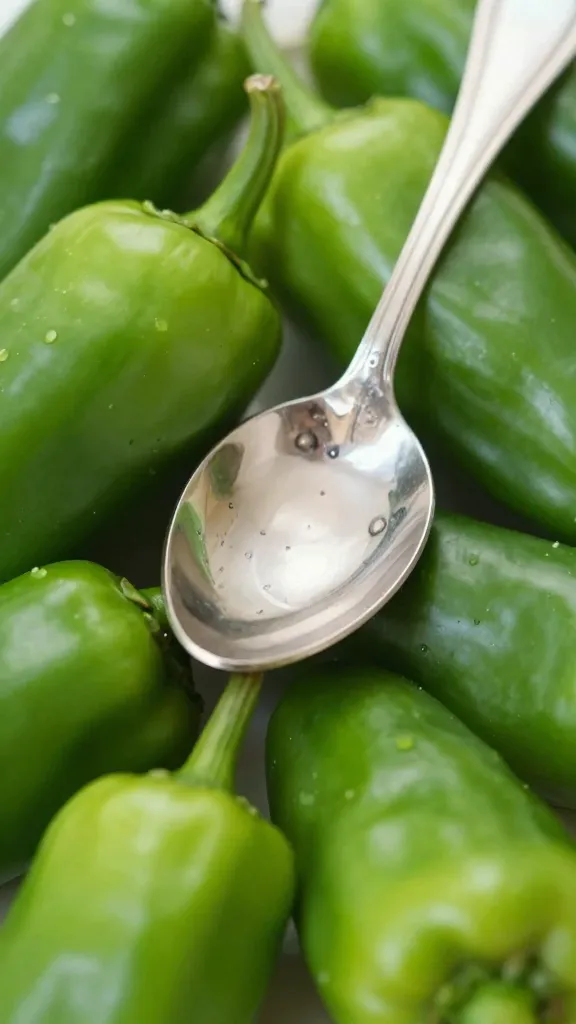
Traditional Colombian aji often uses aji dulce or similar local chiles. Can’t find them? No problem. Jalapeño gives gentle heat, serrano turns things up. Seed for milder, leave some seeds if you like chaos (IMO, just a few).
Ingredients You Actually Need
Here’s a classic lineup for about 2 cups:
- 1 packed cup cilantro, finely chopped (tender stems included)
- 1 cup tomatoes, finely diced (Roma or similar)
- 1/2 small white or red onion, minced
- 1 jalapeño or serrano, finely minced
- 3–4 tablespoons white vinegar (start at 3, add to taste)
- 1–2 tablespoons lime juice
- 2–3 tablespoons neutral oil (sunflower or canola)
- 1/2 teaspoon salt, plus more to taste
- 1/2 teaspoon sugar (optional, but rounds the acidity)
FYI, some families add water to loosen it. Some swear by scallions over onion. Everyone thinks theirs is the “right” way. They’re all right.
How to Make It (No Chef Degree Required)
You’ll chop, stir, taste, done. That’s it.
- Chop everything tiny. Aim for confetti, not boulders. The smaller the pieces, the better the mingle.
- Mix the dry. Combine cilantro, tomato, onion, and chile in a bowl.
- Build the dressing. In a cup, stir vinegar, lime juice, oil, salt, and sugar until dissolved.
- Combine. Pour dressing over the chopped stuff. Stir, taste, adjust.
- Rest 15–30 minutes. The flavors settle in and start acting like a team.
Pro tip: If your onion bites too hard, rinse it under cold water or soak it in ice water for 5 minutes. You’ll keep the crunch without the aggression.
Knife vs. Food Processor
– Knife: Best texture, zero mush, meditative vibes.
– Food processor: Pulse gently. Stop as soon as everything looks tiny but distinct. Overdo it and you’ll get salsa soup. Don’t be that person.
Regional Twists and Fun Variations
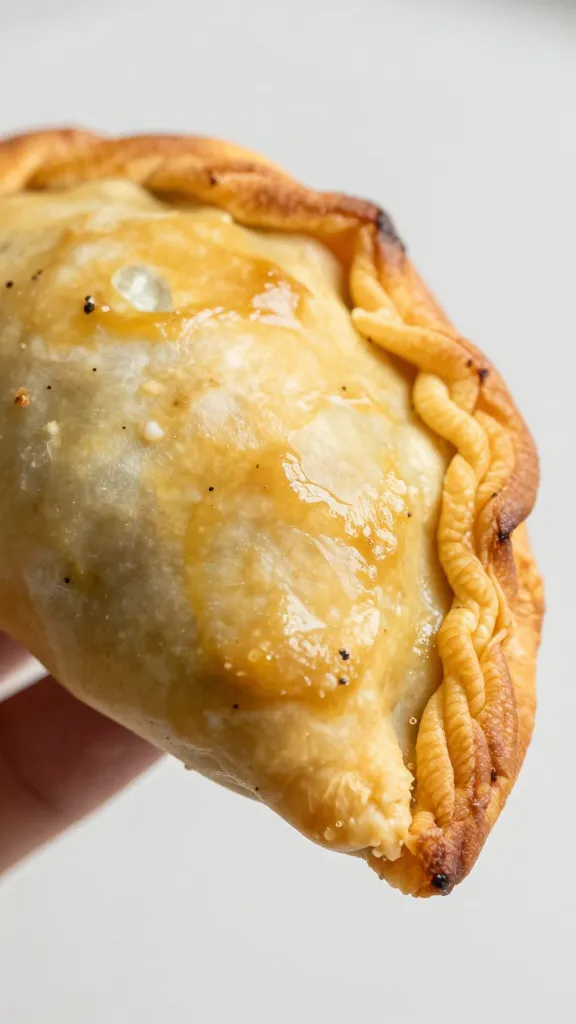
Aji isn’t one-size-fits-all. Different regions (and grandmas) tweak it:
- Aji Picante: More heat, more vinegar. Great for grilled meats.
- Aji de Aguacate: Mash in some avocado for a creamy, spoonable dream.
- Aji con Huevo: Finely grated hard-boiled egg adds richness. Unexpected, but legit.
- Aji de Maní: Peanuts join the party in some areas—nuttier and thicker.
Want a shortcut? Add a splash of pickle brine. It’s not traditional, but IMO it slaps.
Dialing Heat and Acidity
– Too spicy? Add more tomato and cilantro, plus a bit more oil.
– Not spicy enough? Stir in minced serrano or a dash of Colombian-style hot sauce.
– Too tangy? A pinch more sugar and a glug of oil will calm it down.
What to Put It On (Short Answer: Everything)
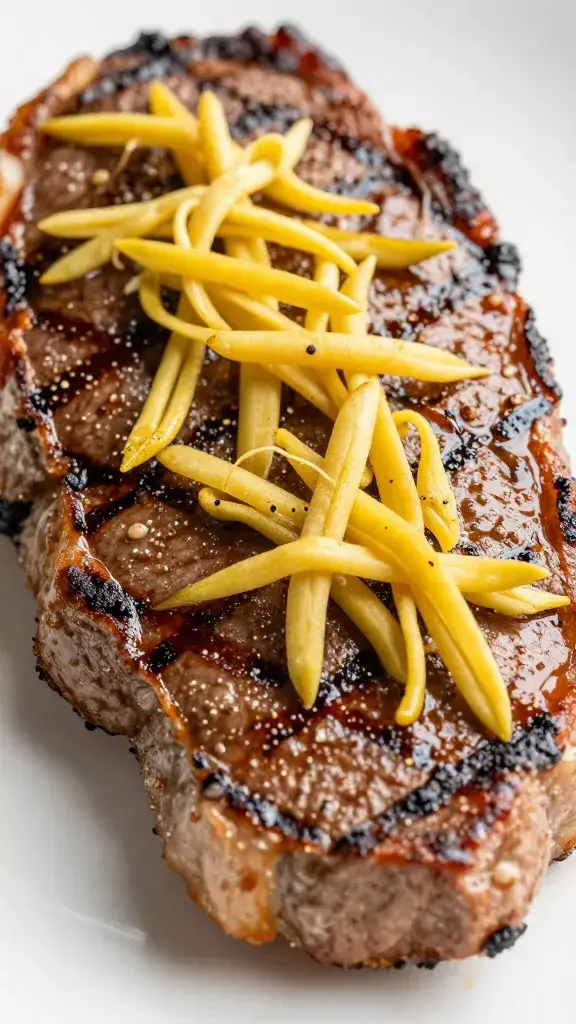
Let’s start classic:
- Empanadas: Non-negotiable pairing. It cuts through the fried goodness.
- Arepas: Drizzle inside, take a bite, repeat forever.
- Grilled meats: Skirt steak, chicken thighs, pork chops—aji loves char.
- Sancocho and soups: Spoon it on top for brightness.
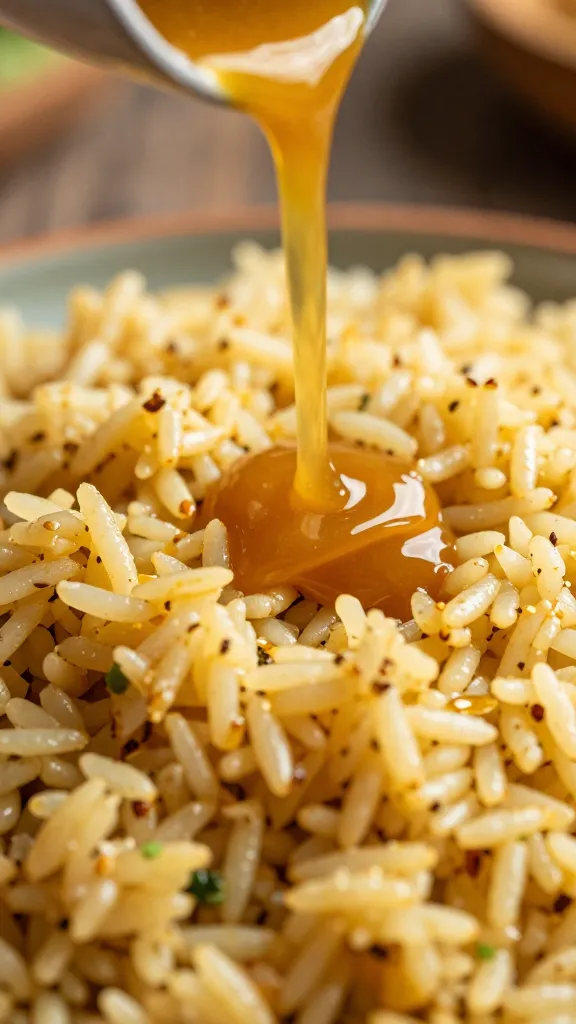
- Rice and beans: Suddenly not just “rice and beans.”
And for the adventurous:
- Fish tacos instead of pico de gallo
- Roasted veggies (cauliflower adores it)
- Eggs any style—especially a jammy soft scramble
- Grain bowls for a quick lunch flex
If you’re thinking “could I dip fries in it?” Absolutely. You are among friends here.
Make-Ahead, Storage, and Freshness
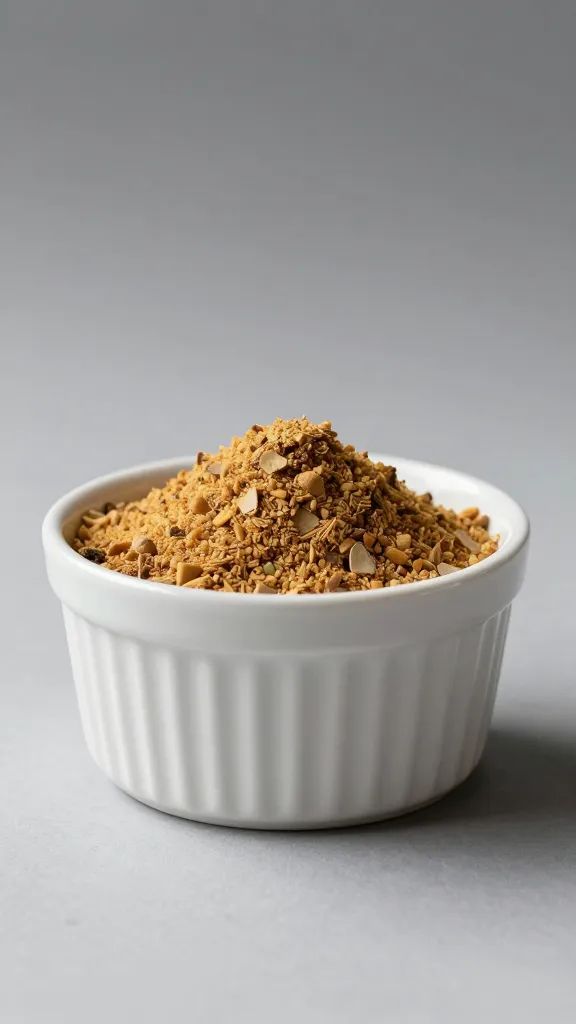
Aji hits peak flavor after resting for 30–60 minutes. It stays bright for 2–3 days in the fridge. After day 3, cilantro fades a bit, but it still works on eggs or grilled stuff.
– Store in a glass jar with a tight lid.
– Stir before serving; liquids separate because science.
– If it thickens, add a splash of water or vinegar.
Freezing? Not ideal. Tomatoes and cilantro get mushy and sad when thawed. Fresh is best, and it takes like 10 minutes, so no excuses.
Ingredient Swaps (When the Store Lets You Down)
– No white vinegar? Use apple cider vinegar. Red wine vinegar works but changes the vibe.
– No cilantro (or cilantro tastes like soap)? Try flat-leaf parsley with a few mint leaves. Different, but still bright.
– No jalapeño? Use serrano (hotter) or Fresno (similar heat, fruitier).
– Watching oil? You can skip it. The sauce stays great—just sharper.
Common Mistakes (And How to Dodge Them)
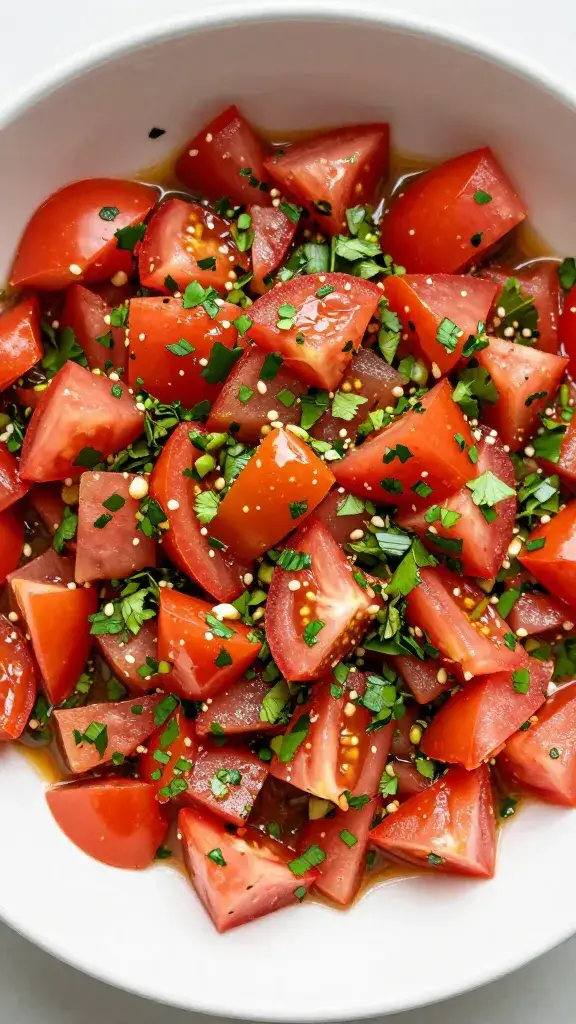
– Overprocessing: You want tiny dice, not puree.
– Under-seasoning: Salt brings everything alive. Taste, then taste again.
– Skipping the rest: Give it 15 minutes. Flavor needs a group huddle.
– Watery tomatoes: Seed juicy tomatoes so you don’t dilute the sauce.
– Tongue-scorching onions: Quick rinse or soak tames the bite.
FAQ
Can I make aji without cilantro?
Yes, but it won’t taste traditional. Use parsley plus a little mint for freshness, or half parsley, half scallions. It keeps the spirit even if it changes the accent.
How spicy should Colombian aji be?
Mild to medium. It’s a table sauce, not a dare. You should feel a gentle kick that invites another bite, not a 911 situation. Add heat slowly—you can always level up.
What kind of vinegar works best?
White vinegar gives that clean, Colombian-style snap. Apple cider vinegar adds a touch of fruitiness, which many people love. Balsamic? Hard pass—it hijacks the flavor.
Is oil necessary?
Not strictly. Oil softens the acidity and carries flavor, but you can skip it for a lighter sauce. If you include it, keep it neutral so cilantro and tomato can do their thing.
Can I prep it ahead for a party?
Totally. Chop and mix everything except the tomatoes up to a day ahead. Add tomatoes and final seasoning 1–2 hours before serving for the freshest texture.
What if my aji tastes flat?
Add a pinch of salt, a squeeze of lime, or a teaspoon of vinegar. If it still feels meh, stir in a touch of sugar to round out the edges. Bright, balanced, done.
Conclusion
Colombian aji takes simple ingredients and turns them into a small miracle. You chop, you stir, you wait a minute—and suddenly everything on your plate tastes brighter. Make a batch once, and you’ll start inventing reasons to use it. FYI: grilled anything on your menu this week? It just met its new best friend.