
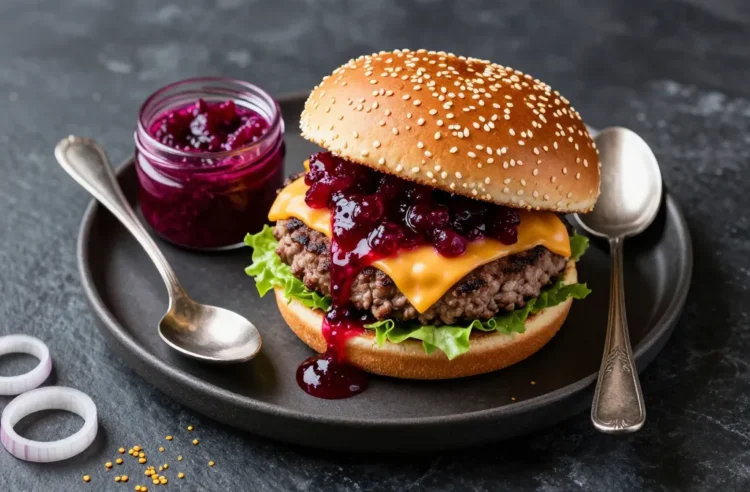
Beetroot relish doesn’t ask for permission; it shows up, paints your burger purple, and suddenly the whole plate tastes brighter. One spoonful turns a regular patty into a juicy, tangy, slightly sweet masterpiece. That’s why Aussie burger joints treat it like a secret weapon rather than a side. You want crunch, color, and zing? This is your move.
What Makes Aussie Beetroot Relish a Burger Icon
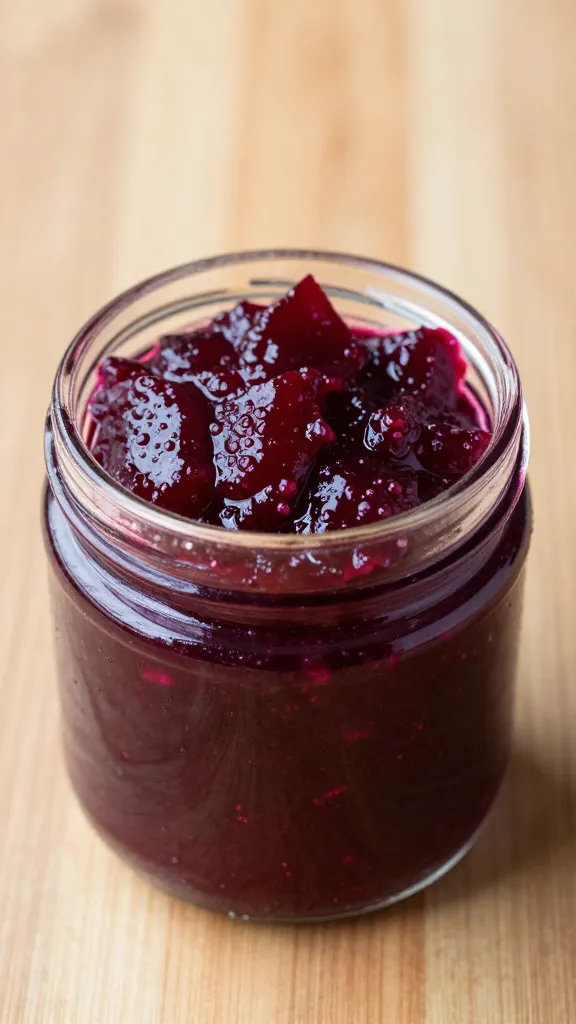
Beetroot relish hits that sweet-tart-salty trifecta that burgers crave. The earthiness of beets plays nice with rich beef, melty cheese, and crisp lettuce. You get contrast without chaos, which is rare in burger land.
Australian spots didn’t overthink it—they just slapped beetroot (and later relish) on burgers and never looked back. It stuck because it works. IMO, once you try it, ketchup feels a little… basic.
The Flavor Blueprint: Sweet, Tangy, Bright
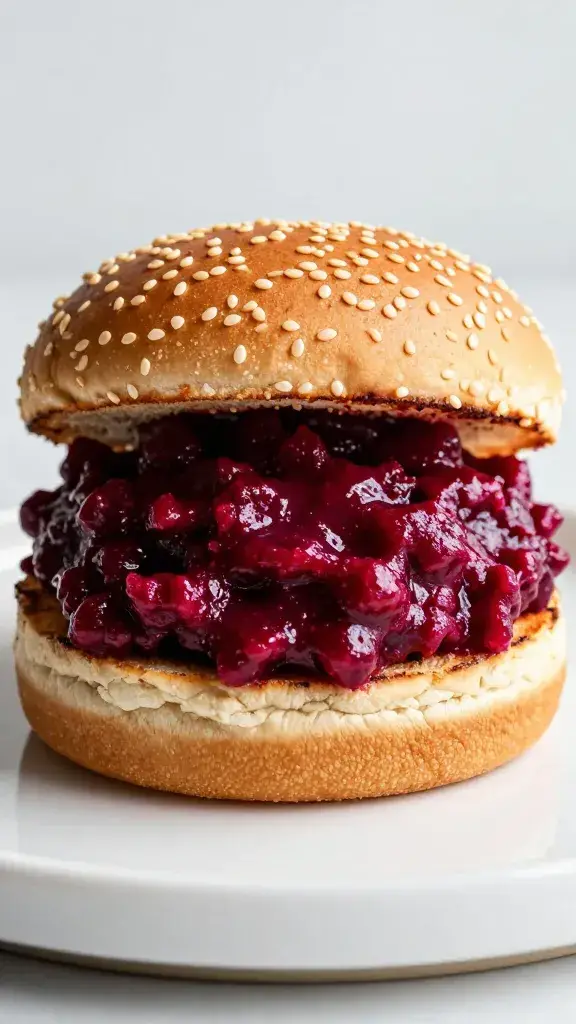
So what’s going on under the hood? Think balance, not sugar shock. A good beetroot relish packs:
- Natural sweetness from roasted or simmered beets
- Tang from vinegar (usually apple cider or red wine)
- Soft heat from mustard seeds, pepper, or a tiny chili kick
- Savory backbone from onion and a touch of salt
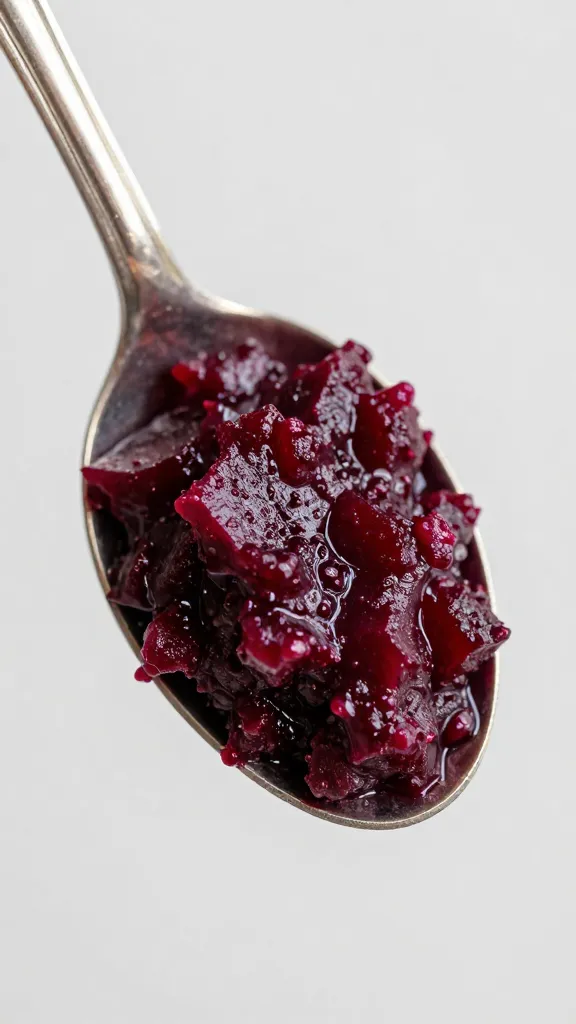
- Texture that lands between jammy and chunky
Want that signature Aussie vibe? Keep it bright and not too sweet. It should wake up a burger, not smother it.
Pro tip: texture matters
Go too smooth and it slides around like a rogue condiment. Too chunky and it falls out the back of the bun. You want spoonable, sticky, and bouncy enough to stay put.
How Burger Joints Use It (Without Making a Purple Mess)
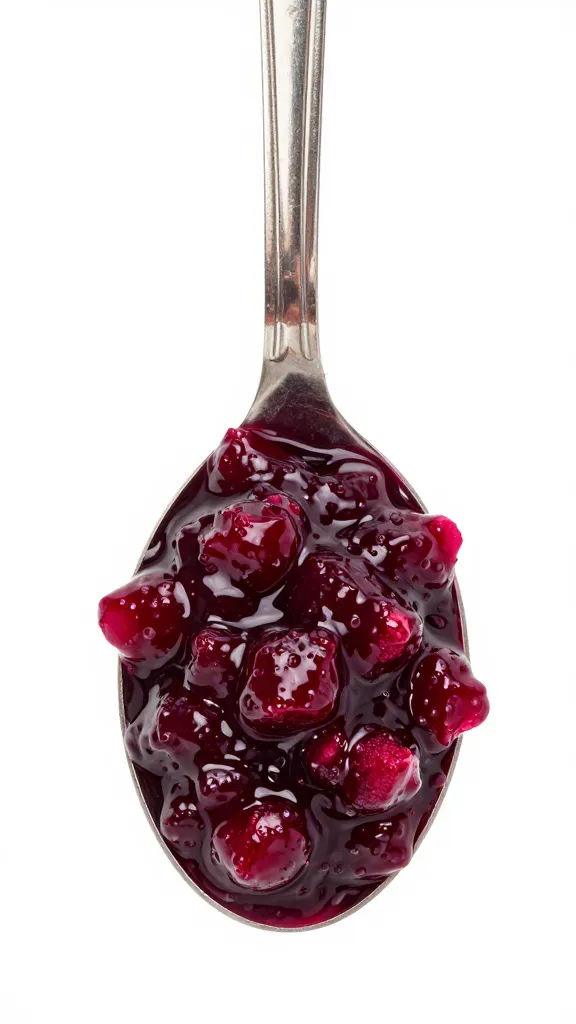
Relish works best when it meets fat, char, and crunch. Here’s the playbook you see in Aussie burger shops:
- Classic stack: Toasted bun, beef patty, cheddar, lettuce, tomato, onion, beetroot relish, mayo. Simple. Balanced. No arguments.
- Bacon + beet: Salty bacon + sweet-tangy relish = flavor power couple.
- Chicken switch-up: Grilled chicken loves acidity. Relish tastes like it belongs there—because it does.
- Veggie upgrade: Halloumi or a mushroom patty with relish sings, FYI. The char + sweet + squeak? Chef’s kiss.
Assembly order that actually works
Put relish on the top bun over mayo or aioli. The fat creates a barrier so the bread doesn’t soak up beet juice. You get color and flavor without the sog factor.
Make-It-At-Home Beetroot Relish (Fast-Track Version)
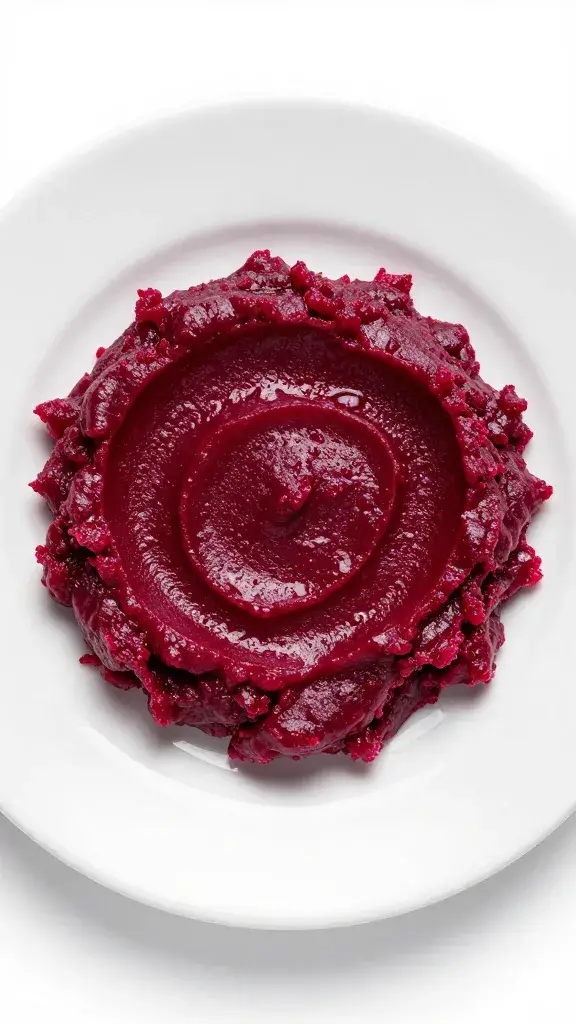
You can buy great jars, sure. But making it takes about an hour and tastes fresher than anything on a shelf. Plus, your kitchen smells like you know what you’re doing.
Ingredients (yields ~2 cups):
- 4 medium beetroots, peeled and grated (or very small dice)
- 1 red onion, finely chopped
- 1 green apple, grated (for natural sweetness)
- 1/2 cup apple cider vinegar
- 1/3 cup sugar (adjust to taste)
- 1 tsp mustard seeds
- 1/2 tsp ground coriander (optional but lovely)
- 1/2 tsp salt, plus more to taste
- Black pepper to finish
Method:
- Combine beetroot, onion, and apple in a pot. Add vinegar, sugar, mustard seeds, coriander, and salt.
- Simmer over medium-low, stirring occasionally, until thick and glossy—about 35–45 minutes. If it looks dry, splash in water; if it looks soupy, keep going.
- Taste and tweak. Want more tang? Add a dash of vinegar. Not sweet enough? Sprinkle more sugar. Pepper at the end for a little warmth.
- Cool, then jar it. It thickens as it chills. Store in the fridge up to 2 weeks.
Shortcut hack
Use vacuum-packed cooked beets. Chop, then cook with the other ingredients for 20–25 minutes. You lose a touch of earthiness but save time. IMO, worth it on a weeknight.
Beetroot Relish Beyond the Burger
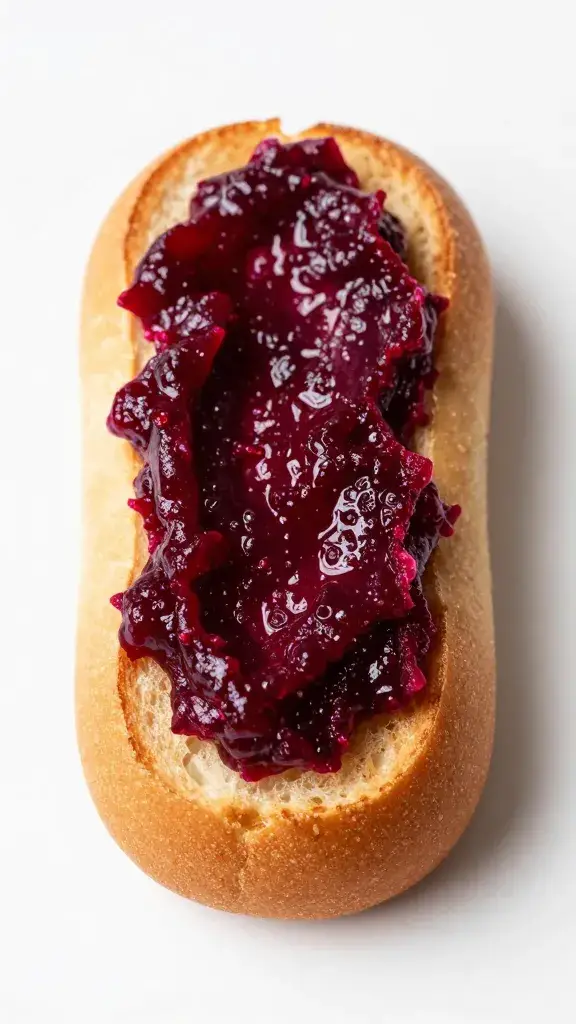
Let’s be real—you’ll make more than you need. Good. That’s the point.
- Toast topper: Sourdough + ricotta + beet relish. Breakfast, upgraded.
- Cheese board flex: Goes perfectly with sharp cheddar, brie, or aged gouda.
- Grain bowls: Quinoa, roast veg, chickpeas, dollop of relish. Suddenly you meal-prep like a pro.
- Sausage sizzle sidekick: Throw it on a sausage in bread with mustard. Very Australian. Very right.
Pairing flavors that vibe
Try these combos:
- Herbs: Dill, parsley, or mint
- Cheeses: Goat cheese, feta, cheddar
- Sauces: Aioli, wholegrain mustard, lemony yogurt
Common Pitfalls (And How to Dodge Them)
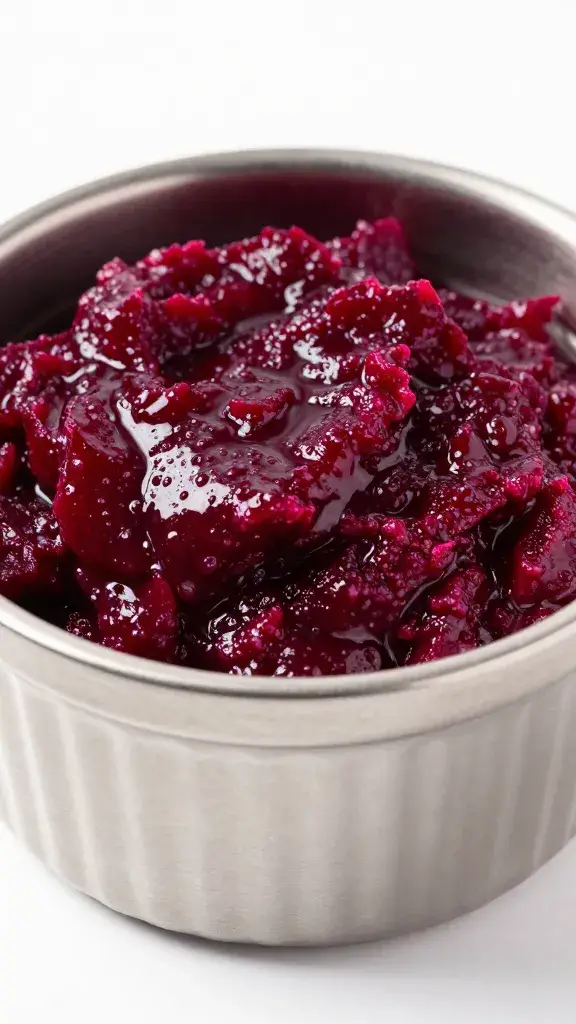
Relish seems foolproof, but a few traps exist:
- Too sweet? Add more vinegar and salt. A squeeze of lemon helps too.
- Too runny? Simmer longer. Or grate finer next time to release starch and thicken naturally.
- Too sharp? Cook 5–10 minutes more to mellow the vinegar and onion. A bit more sugar balances things fast.
- Color bleed on buns? Layer greens or cheese under the relish, and smear mayo on the top bun first.
Storage basics
Keep it chilled in a clean jar. It tastes best after a day when flavors marry. Freeze in small containers if you somehow don’t inhale it in two weeks—future you will thank you.
Choosing the Right Beet: Fresh vs. Pre-Cooked
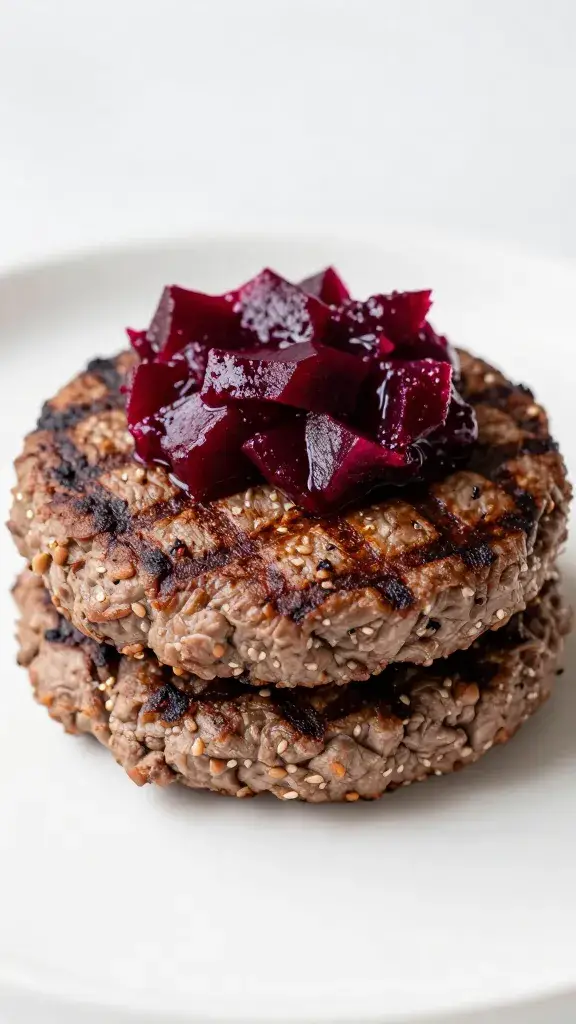
Fresh beets taste deeper and roast beautifully. They also stain everything, including your soul. Pre-cooked (vac-packs) stay consistent, save time, and still taste great. Pick your lane:
- Fresh: Roast at 200°C/400°F until tender, peel, then grate. Flavor gold star.
- Pre-cooked: Open, chop, done. Weeknight hero.
Either way, avoid canned beets in brine for relish—they fight your seasoning and go mushy. Not fun.
FAQ
Is beetroot relish the same as pickled beetroot?
Not quite. Pickled beetroot sits in a vinegary brine and tastes sharper, with slices or chunks you layer on. Beetroot relish cooks down into a thicker, spoonable spread with balanced sweetness, tang, and spice—better for burgers, IMO.
Can I make it without sugar?
You can reduce it, but don’t skip entirely. Sugar doesn’t just sweeten; it helps the texture and balances acidity. Try honey or maple for a softer sweetness, or add more apple and simmer longer.
How do I keep the relish from overpowering my burger?
Use a thin layer—about a tablespoon—and pair with fat (cheese, mayo) to round the edges. Toast the bun so it stands up to the moisture, and don’t stack with ten other sauces. Let it be the star, not the choir.
What vinegar works best?
Apple cider vinegar keeps it bright and fruity. Red wine vinegar adds depth. White vinegar can taste harsh unless you sweeten more. Balsamic turns it syrupy and rich—great with goat cheese, less classic on a burger.
Can I can/jar it for long-term storage?
You can, but follow proper canning guidelines and a tested recipe for acidity and sugar levels. If you’re not into that, keep it refrigerated and eat within two weeks. Honestly, it rarely lasts that long.
What meats pair best with beetroot relish?
Beef tops the list, then bacon and chicken. Lamb loves it too—gamey meets sweet-tangy and everyone wins. For non-meat eaters, halloumi and mushroom patties absolutely slap, FYI.
Conclusion
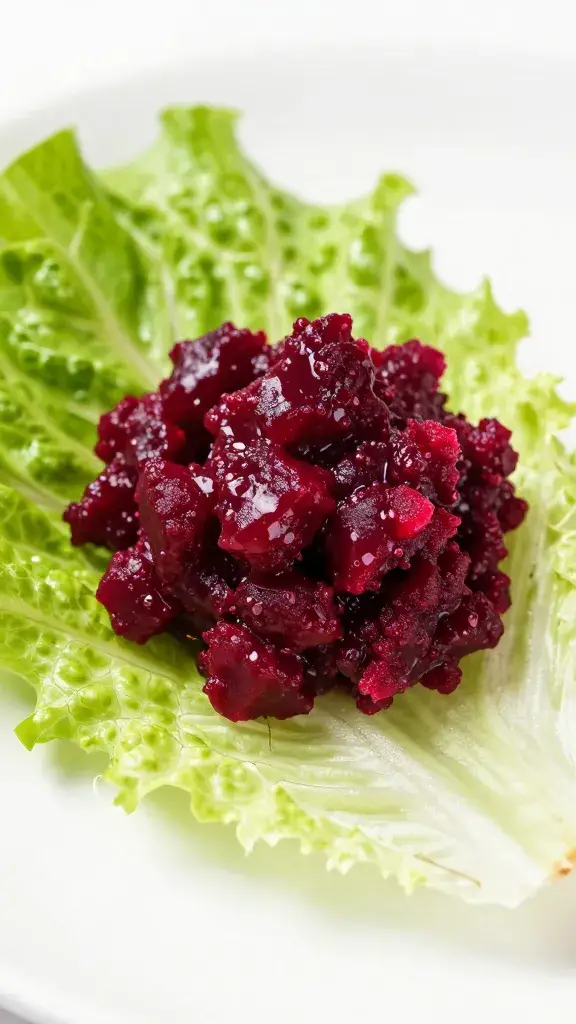

Australian beetroot relish doesn’t just add color—it adds balance, brightness, and a little swagger to any burger. Keep it tangy, keep it textured, and let it play with fat and char for maximum effect. Make a batch, stash a jar, and watch your burgers level up with one purple spoonful. After that, ketchup can take a well-earned vacation.