
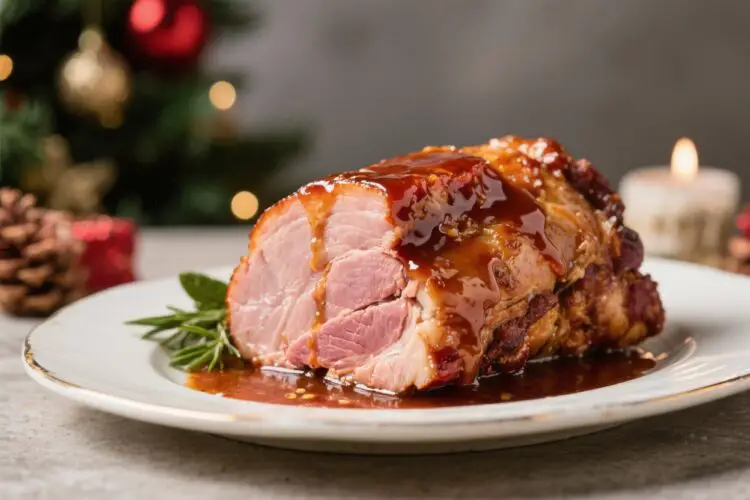
A glossy, caramelized ham is the kind of showstopper that makes the whole table light up. It smells like the holidays and tastes even better the next day. This version keeps things classic with a sweet-savory glaze that leans on pantry staples and a few bright notes.
It’s easy enough for first-timers, but special enough to anchor your celebration. If you want a low-stress main that still feels grand, this is it.
What Makes This Special
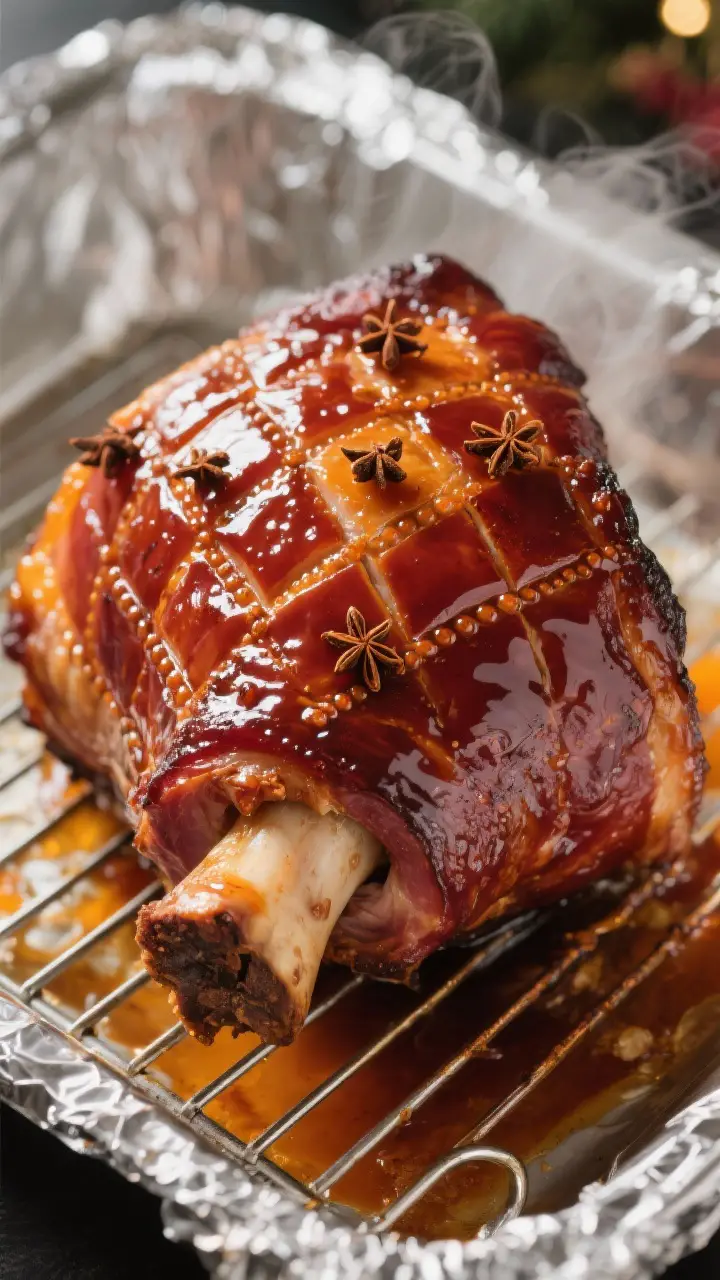
This ham goes for balance: sweet, tangy, and a touch of spice. The glaze is built around brown sugar, mustard, and citrus, so it tastes familiar but not flat.
Scoring the fat helps the glaze seep in, and a slow roast keeps everything juicy. You’ll also baste at the end for that deep, lacquered finish. It’s simple technique with big payoff.
What You’ll Need
- 1 fully cooked, bone-in smoked ham (8–10 pounds; shank or butt portion)
- Whole cloves (optional, for studding)
- 1 cup brown sugar (light or dark)
- 1/2 cup honey
- 1/3 cup Dijon mustard (or half Dijon, half whole-grain)
- 1/3 cup orange juice (fresh if possible)
- 2 tablespoons apple cider vinegar
- 1 tablespoon soy sauce (for depth; optional but recommended)
- 1 teaspoon ground cinnamon
- 1/2 teaspoon ground ginger
- 1/4 teaspoon ground cloves (or use whole cloves on the ham)
- 1/4 teaspoon black pepper
- 2–3 tablespoons unsalted butter
- 1/2 cup water or apple cider (for the roasting pan)
- Optional add-ins: 1–2 tablespoons bourbon or rum; 1 orange, sliced, for the pan
How to Make It
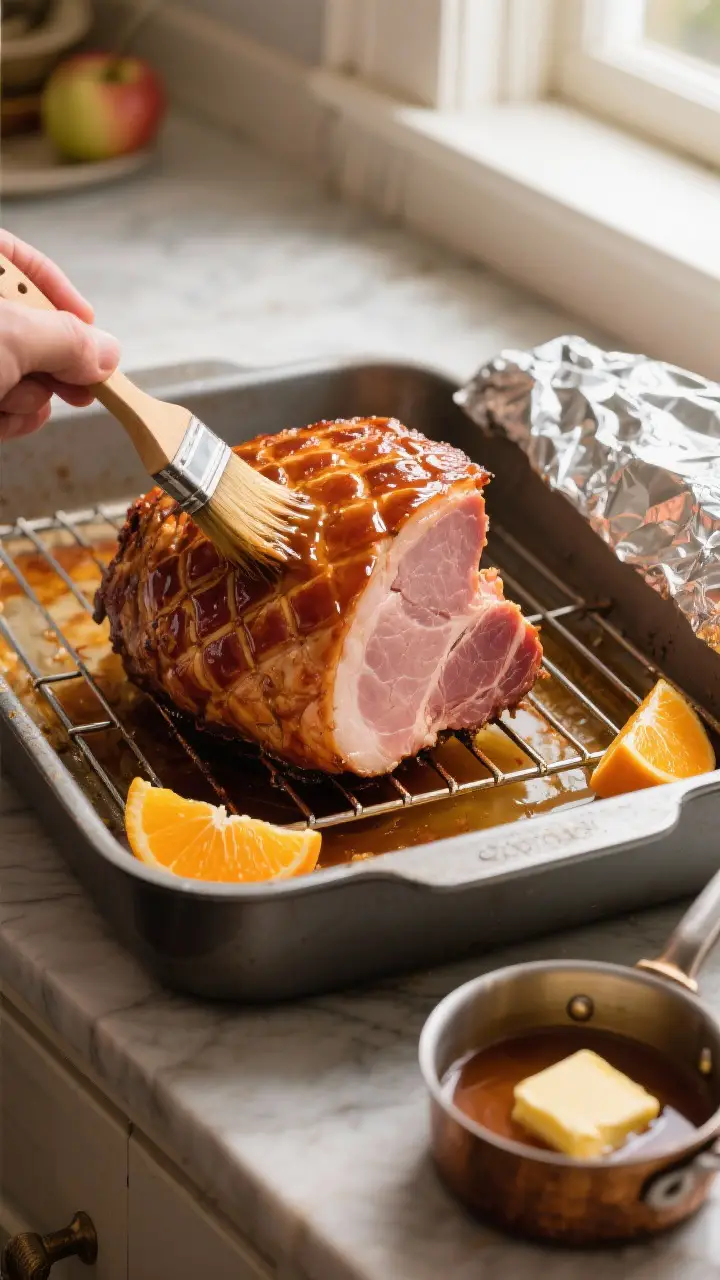
- Heat the oven. Set to 325°F (165°C).
Line a roasting pan with foil for easy cleanup and set a rack inside. Add 1/2 cup water or apple cider to the pan.
- Prep the ham. Remove the ham from the fridge 30–45 minutes ahead. Place it cut-side down on the rack.
With a sharp knife, score the fat in a 1-inch diamond pattern, about 1/4 inch deep. If you like, press whole cloves into a few intersections.
- Mix the glaze. In a small saucepan, combine brown sugar, honey, Dijon, orange juice, cider vinegar, soy sauce, cinnamon, ginger, ground cloves, and black pepper. Bring to a gentle simmer, then cook 5–7 minutes, stirring, until glossy and slightly thick.
Stir in the butter until melted. If using bourbon or rum, add it off the heat.
- Warm the ham first. Cover the ham loosely with foil and bake for 45–60 minutes to heat through a bit before glazing. This prevents the glaze from overbrowning before the center warms.
- Start glazing. Remove the foil and brush a generous layer of glaze over the ham.
Return to the oven, uncovered.
- Bake and baste. Continue baking 1 to 1 1/2 hours more, brushing with glaze every 15–20 minutes. Rotate the pan once or twice so the color develops evenly. If the pan dries, splash in more water or cider.
- Watch the color. When the exterior is a deep mahogany and slightly sticky, you’re close.
If any areas darken too quickly, tent loosely with foil. The ham is already cooked; you’re aiming for an internal temp of about 130–140°F in the thickest part for serving warmth.
- Finish strong. For extra shine, simmer the remaining glaze 2–3 minutes to thicken, then brush on in the last 5 minutes of baking. You can also switch to broil for 1–2 minutes—keep a close eye to avoid burning.
- Rest and carve. Let the ham rest 15–20 minutes.
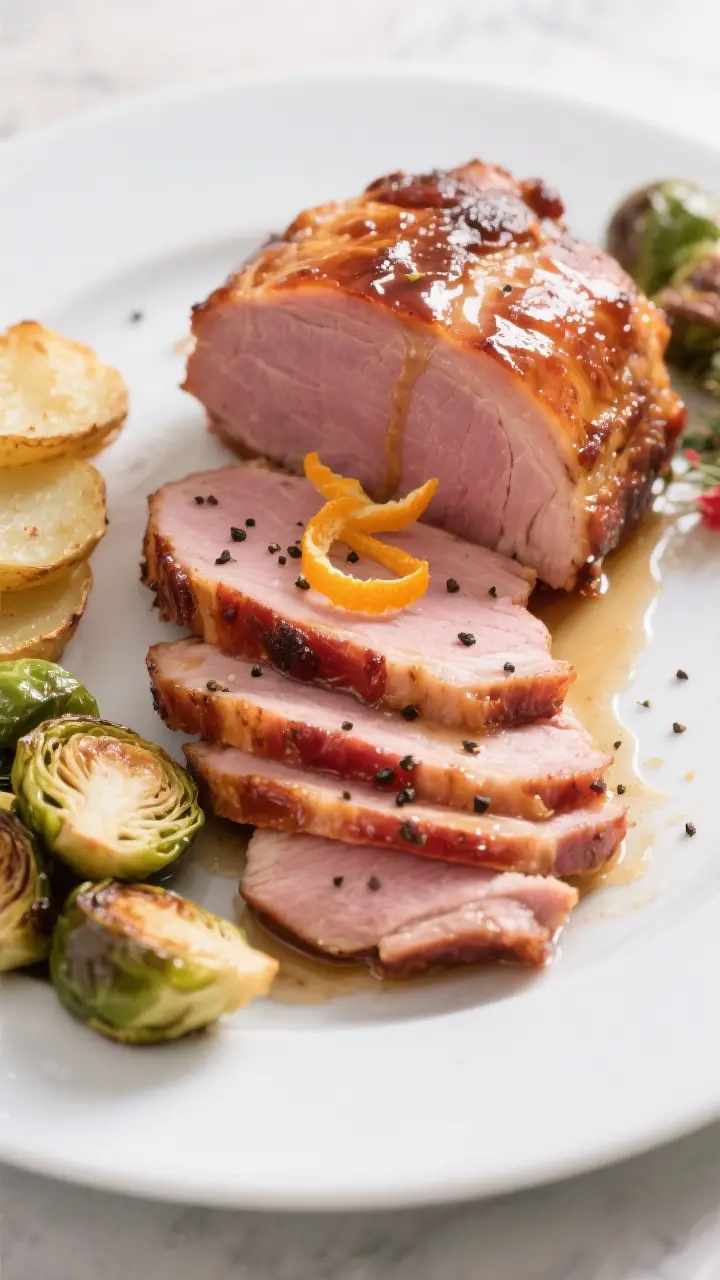
Transfer to a board. Slice thinly against the grain, carving around the bone. Spoon any pan juices over the slices.
Keeping It Fresh
Leftover ham keeps well, which is part of its charm.
Store cooled slices in airtight containers for up to 4 days in the fridge. For longer storage, portion into freezer bags, remove as much air as possible, and freeze for up to 2 months. Reheat gently with a splash of water or broth, covered, so it doesn’t dry out.
Save the bone for soup; it adds incredible flavor to beans or split peas.
Why This is Good for You
- Protein-rich: Ham delivers solid protein for satiety and muscle maintenance.
- Balanced flavors minimize extra sauces: A bold glaze means you need fewer heavy sides to feel satisfied.
- Smart use of leftovers: Turning leftovers into soups, omelets, and salads reduces waste and saves money.
- Customizable sweetness: You control the sugar and can lean on spices and citrus for brightness instead of extra sweetness.
Pitfalls to Watch Out For
- Overheating the ham: It’s already cooked. Too long or too hot will dry it out. Aim for gentle heat and frequent glazing.
- Skipping the rack: Elevation prevents sogginess and promotes even browning.
- Neglecting to score: Without scoring, the glaze won’t cling as well or penetrate the fat cap.
- Burning the glaze: Sugars can scorch quickly, especially near the end.
Tent with foil or lower the rack if needed.
- Forgetting to rest: Resting lets juices settle, so slices stay moist.
Variations You Can Try
- Maple-Mustard Ham: Swap honey for pure maple syrup and add a teaspoon of smoked paprika.
- Pineapple-Cherry Classic: Arrange pineapple rings and maraschino cherries on the scored ham, secure with toothpicks, and glaze as directed.
- Spicy Orange: Add 1–2 teaspoons sriracha or chili paste to the glaze for a gentle kick.
- Ginger-Scallion: Stir in 1 tablespoon grated fresh ginger and 2 thinly sliced scallions at the end of simmering.
- Bourbon-Brown Sugar: Add 2 tablespoons bourbon and a pinch of nutmeg for warmth.
- Apple Cider Reduction: Reduce 1 cup apple cider to 1/3 cup and use it in place of orange juice.
FAQ
Should I choose bone-in or boneless ham?
Bone-in ham has better flavor and tends to stay juicier. It also gives you a great soup bone for later. Boneless is easier to slice, but slightly less flavorful.
For holidays, bone-in is worth it.
How much ham do I need per person?
Plan for about 3/4 pound per person for bone-in ham (it accounts for the bone), and about 1/2 pound per person for boneless. If you want leftovers, add a bit more.
Can I make the glaze ahead?
Yes. Make it up to 3 days ahead and refrigerate.
Warm it gently to loosen before glazing so it brushes on smoothly.
What if my ham is spiral-sliced?
Spiral hams are convenient and absorb glaze well, but they can dry faster. Keep the oven at 300–325°F, cover during the first part of heating, and glaze more often near the end. Watch closely so the edges don’t overbrown.
Do I need to remove the rind?
If your ham has a thick rind, peel it off after the initial warm-up when it’s easier to handle.
Leave a 1/4-inch layer of fat to score and glaze. That fat bastes the meat and creates flavor.
What sides go well with this ham?
Try scalloped potatoes, roasted Brussels sprouts, green beans with almonds, or a bright citrus salad. Warm rolls and a simple mustard sauce are also nice.
How do I keep the glaze from burning?
Glaze after the ham has warmed a bit, baste in layers, and tent with foil if the color develops too fast.
Keep some liquid in the pan, and use the middle rack for even heat.
Can I use turkey or chicken instead?
You can use this glaze on turkey breast or whole chicken. Reduce the baking time and glaze toward the end of roasting so the sugars don’t burn.
What can I do with leftovers?
Make ham and bean soup, ham fried rice, breakfast hash, grilled ham-and-cheese sandwiches, or toss cubes into a frittata. The glaze adds a nice sweet-savory note to all of them.
Wrapping Up
This Christmas Ham with Ham Glaze is reliable, festive, and full of flavor.
The steps are straightforward, the ingredients are familiar, and the result feels special without stress. With a little scoring, slow heat, and regular basting, you’ll get a glossy, tender centerpiece that feeds a crowd and makes the best leftovers. Keep the glaze handy, mind the color, and enjoy the moment around the table.