
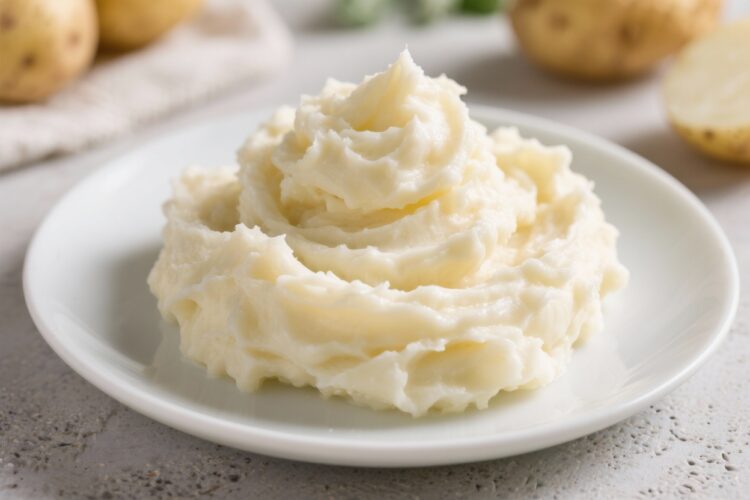
Mashed potatoes are the kind of comfort food that never goes out of style. Buttermilk takes them to a whole new level—creamy, tangy, and light without being heavy or greasy. This version delivers restaurant-style texture with simple ingredients you probably already have.
It’s the kind of side dish that fits right in at a weeknight dinner or a holiday table. Once you try them this way, you might not go back.
What Makes This Recipe So Good
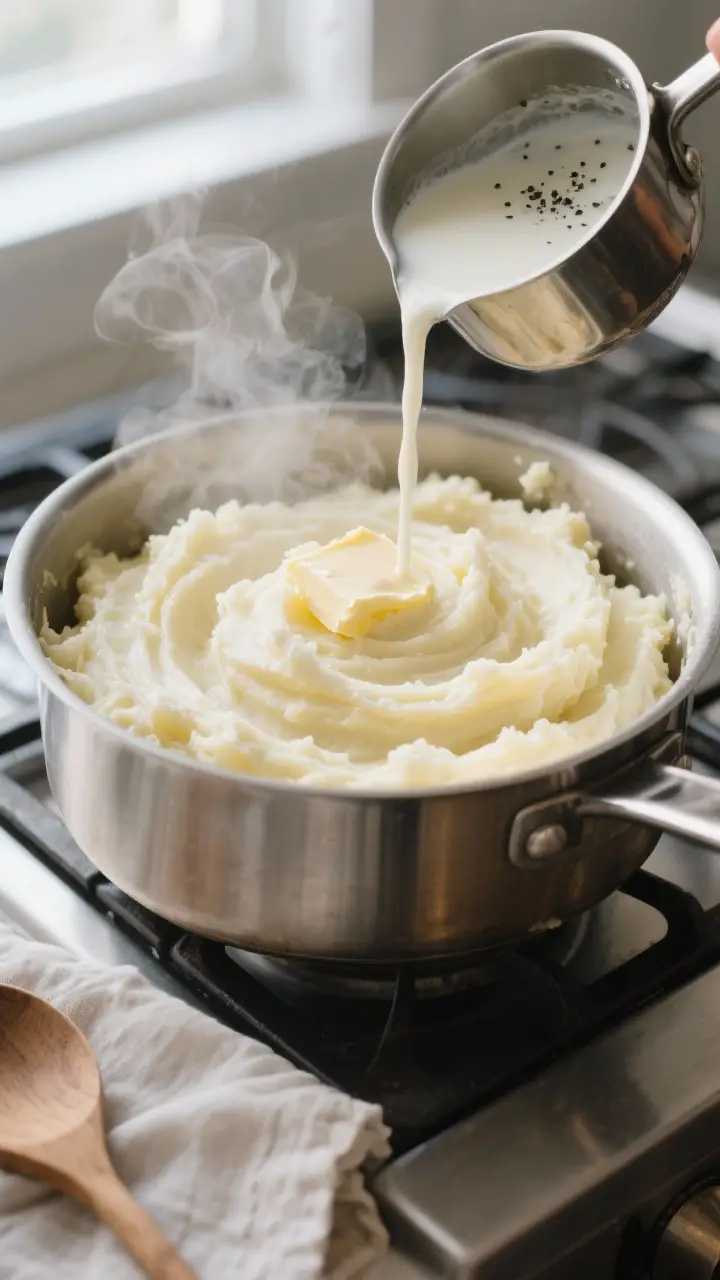
- Buttermilk for tang and creaminess: It adds a gentle tang and silky texture without needing loads of butter or cream.
- Perfectly cooked potatoes: Waxy potatoes get gluey; starchy potatoes mash up fluffy. We use the right kind for soft, cloud-like spoonfuls.
- Warm dairy: Using warm buttermilk and butter helps the potatoes absorb flavor and stay smooth.
- Balanced seasoning: Salt brings the potatoes to life, while black pepper and optional chives add a fresh finish.
- Simple method, consistent results: A few small tweaks—like drying the potatoes—make a big difference in texture.
Shopping List
- Russet potatoes or Yukon Gold potatoes (3 pounds), peeled and cut into 1.5-inch chunks
- Unsalted butter (6 tablespoons), plus more for serving if desired
- Buttermilk (1 to 1 1/4 cups), warmed
- Kosher salt (start with 2 teaspoons for boiling water; more to taste)
- Freshly ground black pepper
- Chives or parsley (optional, for garnish)
- Garlic (optional, 2 cloves, lightly smashed for the cooking water or 1–2 roasted cloves for mashing)
Step-by-Step Instructions
- Prep the potatoes: Peel the potatoes and cut them into even chunks, about 1.5 inches.
Keep pieces similar in size so they cook at the same pace.
- Rinse and start cold: Rinse the potato pieces under cool water to remove excess starch. Place them in a large pot and cover with cold water by about an inch. Add 2 teaspoons kosher salt and the optional smashed garlic.
- Boil gently: Bring to a boil over medium-high heat, then reduce to a steady simmer.
Cook until the potatoes are very tender and easily pierced with a fork, about 15–20 minutes.
- Warm the dairy: While the potatoes cook, melt the butter in a small saucepan over low heat. Add 1 cup buttermilk and warm gently until just steamy. Do not let it boil.
Keep warm.
- Drain and dry: Drain the potatoes well. Return them to the hot pot and set over low heat for 1–2 minutes, stirring gently, to evaporate excess moisture. This helps them turn fluffy instead of gummy.
- Mash your way: Use a potato masher for a rustic texture, a ricer for ultra-smooth potatoes, or a food mill for something in between.
Avoid a blender or food processor—they make potatoes gluey.
- Add butter first: Stir the melted butter into the hot potatoes until fully absorbed. This coats the starch and sets you up for a creamy finish.
- Add warmed buttermilk: Pour in the warm buttermilk gradually, stirring between additions, until you reach your preferred consistency. You may not need it all, or you may want a bit extra for a looser mash.
- Season to taste: Add salt and freshly ground black pepper.
Taste and adjust. If you used garlic in the water, you’ll have a subtle garlic note already; for more, mash in roasted garlic.
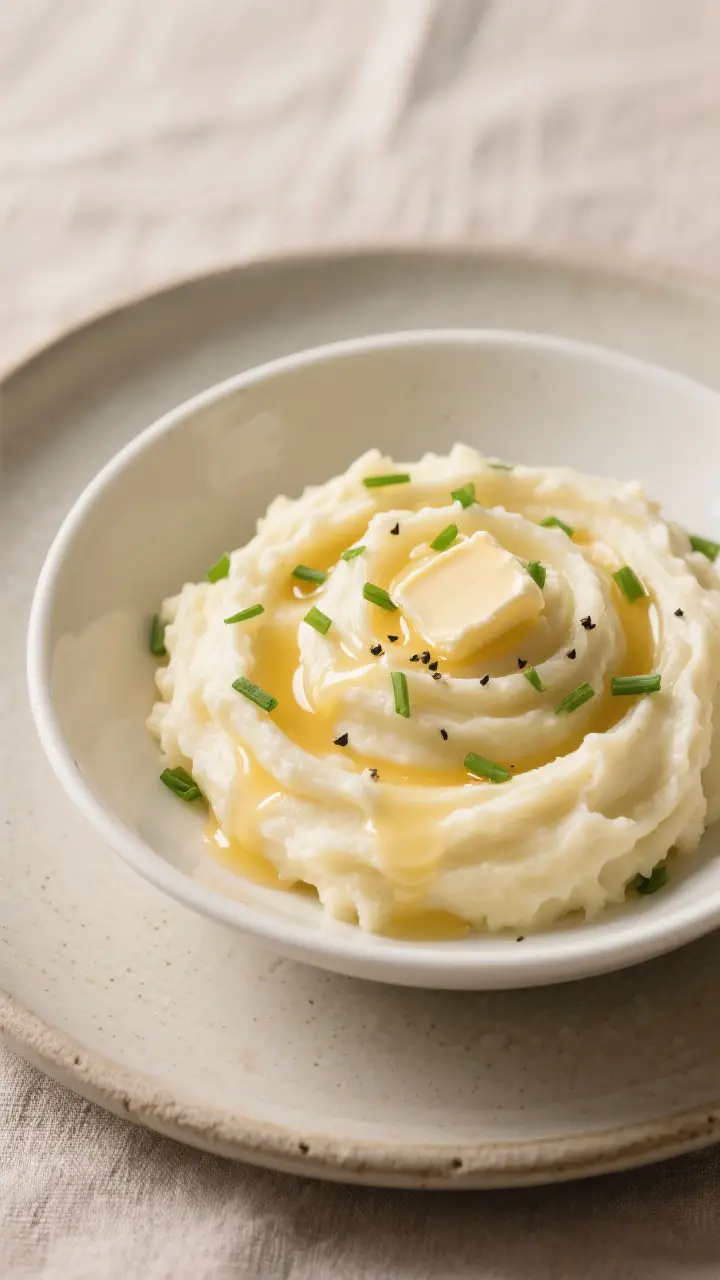
- Finish and serve: Transfer to a warm bowl, dot with a little extra butter, and garnish with chopped chives or parsley if you like. Serve hot.
Storage Instructions
- Refrigerate: Cool completely, then store in an airtight container for up to 4 days.
- Reheat on the stove: Warm over low heat with a splash of buttermilk or milk and a small knob of butter.
Stir gently until creamy again.
- Microwave: Reheat in short bursts, stirring and adding a spoonful of liquid as needed.
- Freeze: You can freeze mashed potatoes, though the texture may change. Portion into freezer bags, press flat, and freeze up to 2 months. Thaw overnight in the fridge and reheat with extra buttermilk and butter to refresh.
Why This is Good for You
- Balanced comfort: Potatoes provide potassium and vitamin C.
Using buttermilk gives you creaminess with fewer calories than heavy cream.
- Protein and calcium: Buttermilk offers modest protein and calcium, adding nutrition along with flavor.
- Customizable fat levels: You control the butter amount. Add just enough for flavor, or keep it lighter for everyday meals.
- Gluten-free friendly: Mashed potatoes are naturally gluten-free, making this a crowd-friendly side.
Pitfalls to Watch Out For
- Overmixing: Using a blender or food processor can make potatoes gummy. Stick to a masher, ricer, or food mill.
- Cold dairy: Cold buttermilk cools the potatoes and can lead to a pasty texture.
Warm it gently before adding.
- Not salting the water: Potatoes need seasoning from the inside out. Salt the cooking water generously.
- Too much liquid too fast: Add buttermilk gradually so you can stop at the perfect consistency.
- Wrong potato type: Waxy potatoes (like red potatoes) can turn dense. Use Russets for fluffiness or Yukon Golds for a naturally buttery texture.
Variations You Can Try
- Garlic-Parmesan: Add 1–2 roasted garlic cloves and 1/2 cup finely grated Parmesan.
Finish with black pepper and olive oil.
- Herb and Chive: Stir in finely chopped chives, parsley, and a bit of dill. Bright and fresh, great with salmon or chicken.
- Brown Butter: Brown the butter until nutty and golden before adding. Splurge-worthy flavor without extra ingredients.
- Horseradish Kick: Add 1–2 teaspoons prepared horseradish for a subtle heat that pairs beautifully with beef.
- Extra-Creamy: Swap 1/4 cup of the buttermilk for heavy cream, or add sour cream for extra tang and richness.
- Dairy-Free Twist: Use plant-based butter and unsweetened plant milk with a teaspoon of lemon juice for tang.
Adjust salt to taste.
FAQ
Can I make these ahead of time?
Yes. Make the mashed potatoes up to 2 days ahead, cool, and refrigerate. Reheat gently on the stove with a splash of buttermilk and a bit of butter until smooth and hot.
What’s the best potato for mashed potatoes?
Russet potatoes give you classic fluffy mash.
Yukon Golds are slightly denser with a naturally buttery flavor. You can also mix the two for a great balance of texture and taste.
My potatoes turned gluey. What happened?
They were likely overworked or processed in a blender or processor.
Use a masher, ricer, or food mill, and add warm dairy gradually. Drying the potatoes briefly over low heat also helps.
Is buttermilk very sour?
It’s tangy more than sour and mellowed by butter and the potatoes’ natural sweetness. If you’re sensitive to tang, start with 3/4 cup buttermilk and add more to taste.
Can I use low-fat buttermilk?
Yes.
Low-fat buttermilk works well. If you want a silkier finish, add an extra tablespoon of butter or a splash of cream.
How do I keep mashed potatoes warm for a crowd?
Place them in a covered, oven-safe dish and keep at 200°F, or use a slow cooker on “warm.” Stir occasionally and add a splash of buttermilk if they thicken.
Do I need to peel the potatoes?
Peeling gives the smoothest texture. For a rustic feel, you can leave the skins on, especially with Yukon Golds.
Just scrub them well.
Can I add cheese?
Absolutely. Cheddar, Parmesan, or goat cheese each bring something different. Fold in finely grated cheese at the end so it melts smoothly.
In Conclusion
Buttermilk mashed potatoes are a simple upgrade that makes a big difference.
They’re creamy, tangy, and easy to get just right with a few smart steps. Use warm dairy, the right potatoes, and a gentle hand, and you’ll have a side dish that steals the spotlight. Keep it classic or try a variation—either way, you’ll come back to this recipe again and again.
Printable Recipe Card
Want just the essential recipe details without scrolling through the article? Get our printable recipe card with just the ingredients and instructions.