
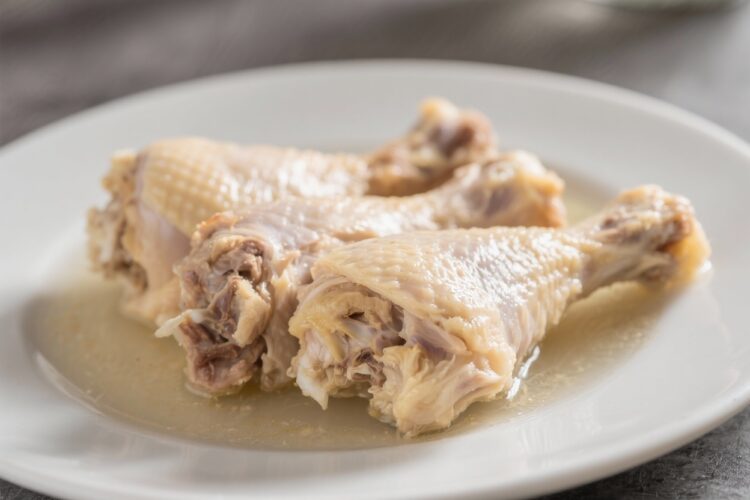
Boiled chicken drumstick legs are the kind of recipe you keep in your back pocket. They’re easy, budget-friendly, and surprisingly flavorful when done right. You can serve them as-is, shred them for salads, or use the broth for soups and rice.
With a few pantry spices and about 30 minutes on the stove, you’ll have tender, juicy chicken that fits into almost any meal. No fuss, no fancy techniques—just solid, satisfying cooking.
What Makes This Special
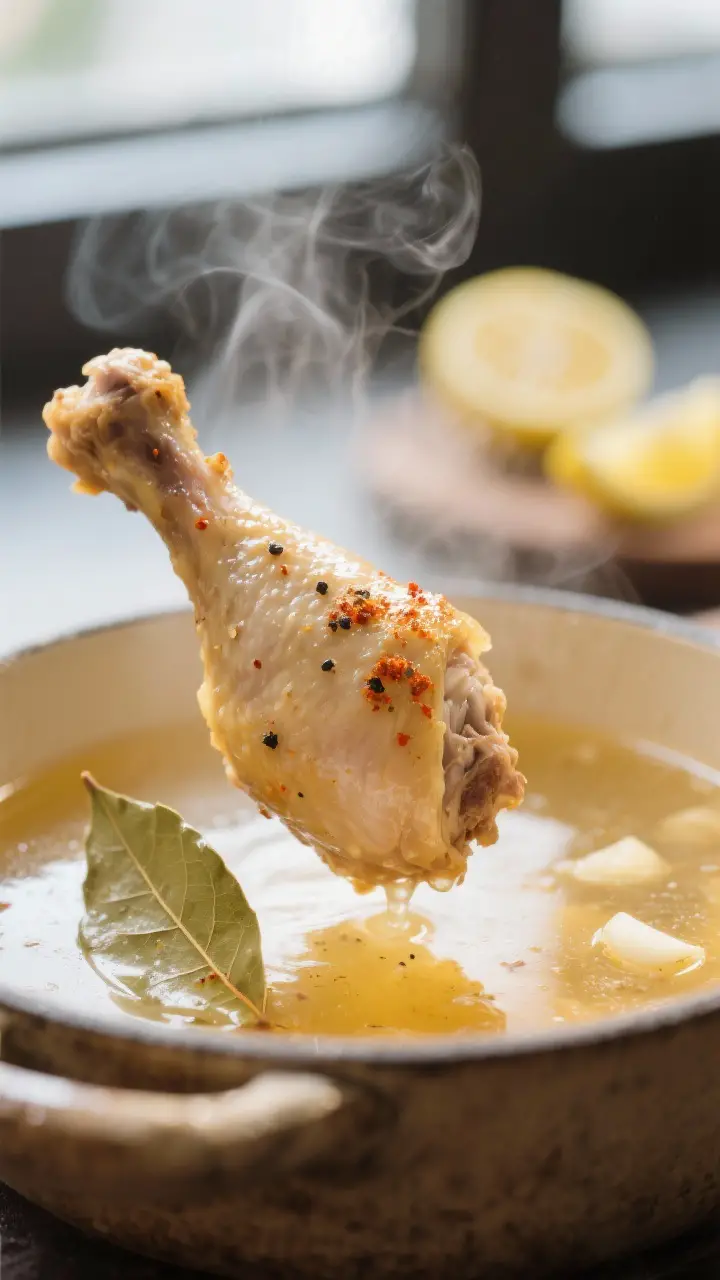
Boiling chicken drumsticks might sound basic, but it delivers dependable results. The meat stays moist, the broth becomes a bonus ingredient, and cleanup is minimal.
Plus, this method is adaptable. Change up the aromatics, use the broth for cooking grains, or crisp the chicken afterward for extra texture. It’s a kitchen workhorse you’ll use again and again.
What You’ll Need
- 6–8 chicken drumsticks (about 2–2.5 pounds)
- 1 teaspoon salt (plus more to taste)
- 1/2 teaspoon black pepper
- 1 teaspoon garlic powder or 3 garlic cloves, smashed
- 1 teaspoon onion powder or 1/2 onion, quartered
- 1–2 bay leaves (optional but recommended)
- 1 teaspoon paprika (optional, for color and warmth)
- Fresh herbs like parsley or thyme (optional)
- 1–2 teaspoons lemon juice or 2 lemon slices (optional, brightens flavor)
- Water to cover (about 6–8 cups, depending on pot size)
Instructions
- Prep the chicken: Pat the drumsticks dry with paper towels.
Trim any excess skin or loose fat. This keeps the broth cleaner and reduces greasiness.
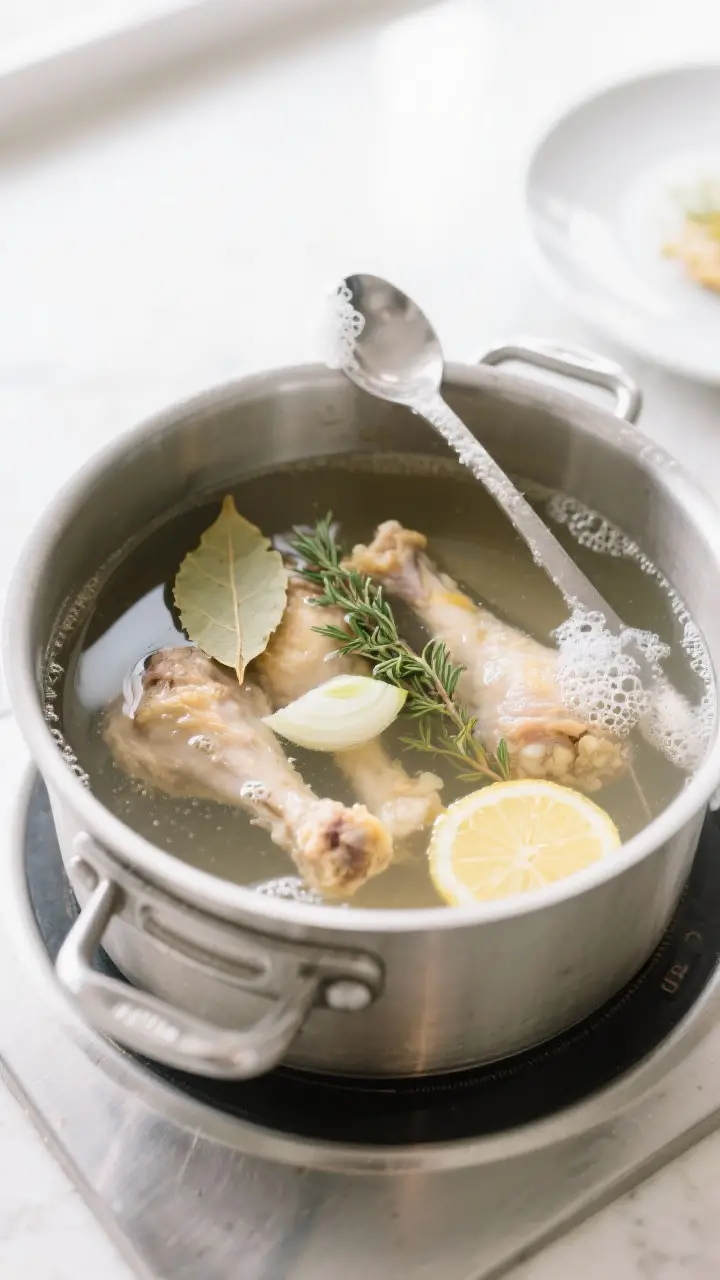
- Season the pot: Add the drumsticks to a large pot in a single layer if possible. Sprinkle in salt, pepper, garlic, onion, paprika, and bay leaves.
Add herbs and lemon if using.
- Add water: Pour in enough cold water to cover the chicken by about 1 inch. Starting with cold water helps the flavors meld into the broth.
- Bring to a gentle boil: Place the pot over medium-high heat. When it starts to simmer, reduce the heat to maintain a gentle, steady simmer. Avoid a rolling boil; it can toughen the meat and cloud the broth.
- Skim if needed: Use a spoon to skim off any foam that rises to the top in the first few minutes.
This keeps the broth clear.
- Simmer to tender: Cook for 25–30 minutes, partially covered. Check for doneness: the internal temperature should reach 165°F (74°C), and the juices should run clear.
- Taste and adjust: Taste the broth and add a pinch more salt or a squeeze of lemon if it needs brightness.
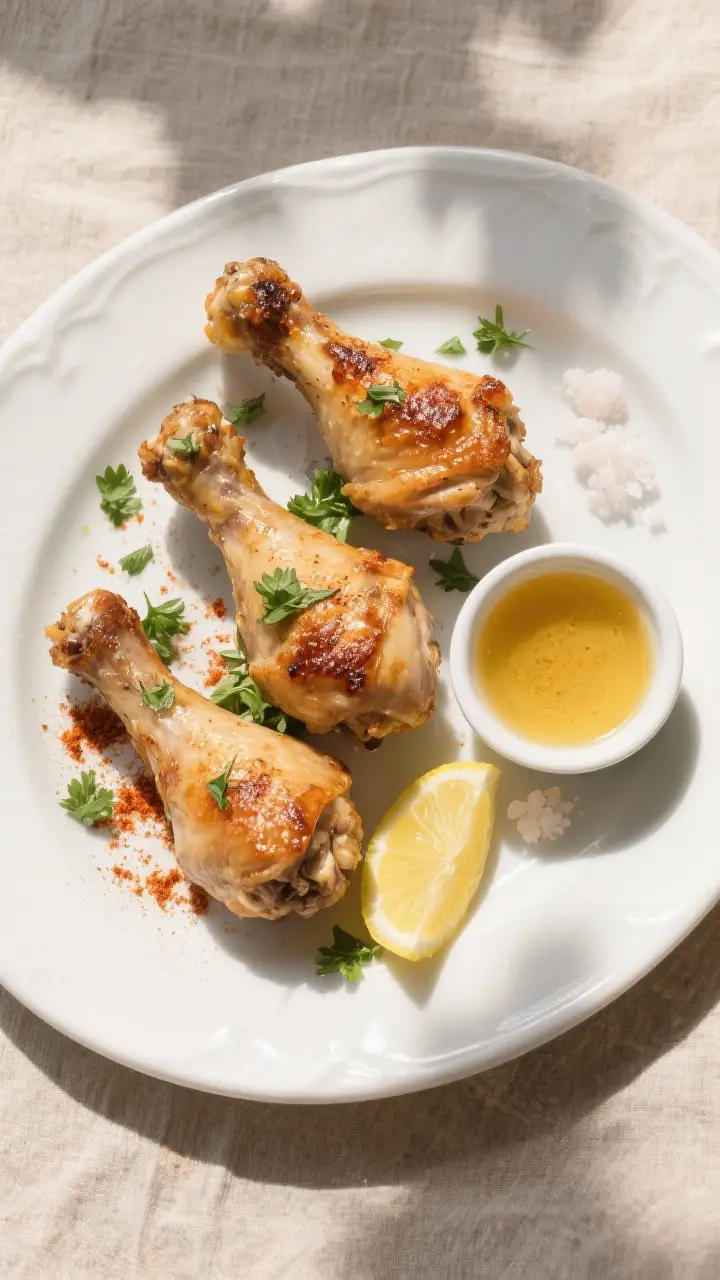
- Rest and serve: Let the drumsticks rest for 5 minutes. Serve as-is, or proceed to finish them with a quick sear or oven broil for crispy skin.
- Optional crispy finish: Pat the cooked drumsticks dry, brush with a little oil, and broil on high for 3–5 minutes per side until browned.
Or pan-sear in a hot skillet for 2–3 minutes per side.
- Save the broth: Strain and reserve the broth. It’s excellent for soups, sauces, rice, or freezing for later.
How to Store
- Refrigerate: Store cooked drumsticks in an airtight container for up to 4 days. Keep them with a bit of broth to prevent drying out.
- Freeze: Freeze drumsticks and broth separately for up to 3 months.
Cool completely before sealing and labeling.
- Reheat: Warm gently in a covered skillet with a splash of broth over low heat, or microwave in short intervals. Avoid overheating to keep the meat tender.
Health Benefits
- Lean protein: Drumsticks provide high-quality protein for muscle repair and satiety.
- Lower-fat option: Boiling renders some fat into the broth. You can skim the cooled broth to reduce fat even further.
- Mineral-rich broth: Simmering with bones and skin releases collagen and minerals, which can support joint and gut health.
- Simple ingredients: No heavy sauces or breading—just clean flavors you can build on.
Pitfalls to Watch Out For
- Overboiling: A hard boil can make the meat tough and the broth murky.
Keep it at a gentle simmer.
- Underseasoning: Water dilutes flavor. Season both the chicken and the broth, and taste as you go.
- Skipping the skim: Not removing foam early can leave the broth with off flavors and a grey look.
- Overcooking: Past 35–40 minutes, drumsticks can start to dry out. Check temperature and texture on time.
- Not saving the broth: It’s liquid gold.
Use it for rice, quinoa, sauces, or future soups.
Variations You Can Try
- Herb and lemon: Add fresh thyme, parsley stems, and a few lemon slices. Finish with extra lemon juice.
- Spicy kick: Toss in chili flakes, a dried chile, or a spoon of harissa. Great for shredding into tacos or grain bowls.
- Ginger-garlic: Add sliced ginger, garlic, and a splash of soy sauce.
Serve with steamed rice and scallions.
- Smoky paprika: Use smoked paprika and a bay leaf, then broil to caramelize the surface.
- Vegetable boost: Add carrots, celery, and onion to enrich the broth. Use the veggies in soup later.
FAQ
Can I use frozen drumsticks?
Yes, but for even cooking and better flavor, thaw them first in the fridge overnight. If cooking from frozen, add 10–15 minutes and ensure the center reaches 165°F (74°C).
How do I keep the skin from getting rubbery?
Boiled skin won’t be crisp.
For better texture, pat the drumsticks dry after boiling and broil or pan-sear briefly to render and crisp the skin.
How long should I boil chicken drumsticks?
Typically 25–30 minutes at a gentle simmer. Time varies with size and how crowded your pot is. Always check with a thermometer for 165°F (74°C).
Is the broth safe to use?
Absolutely.
Strain it and refrigerate. Once chilled, skim the fat if you want a lighter broth. Use within 4 days or freeze up to 3 months.
What if my broth tastes bland?
Add more salt, a squeeze of lemon, or a dash of soy sauce for depth.
You can also simmer the broth uncovered for 5–10 minutes to concentrate the flavor.
Can I make this in an Instant Pot?
Yes. Add ingredients, cover with water just to the top of the drumsticks, and cook on High Pressure for 10 minutes with a natural release for 5 minutes, then quick release. Check for 165°F (74°C).
What can I do with leftovers?
Shred the meat for sandwiches, salads, pasta, fried rice, enchiladas, or soup.
It’s especially good tossed with a little mayo, lemon, and herbs for a quick chicken salad.
Do I need to rinse the chicken first?
No. Rinsing raw chicken can spread bacteria. Pat dry with paper towels instead and wash your hands and surfaces after handling.
Final Thoughts
Boiled chicken drumsticks are proof that simple techniques can deliver big results.
With a few spices and a careful simmer, you get tender meat and a flavorful broth that stretches into multiple meals. Keep this method handy for busy weeknights, meal prep, or whenever you want something comforting without the fuss. It’s the kind of reliable, adaptable recipe every home cook should know.
Printable Recipe Card
Want just the essential recipe details without scrolling through the article? Get our printable recipe card with just the ingredients and instructions.