
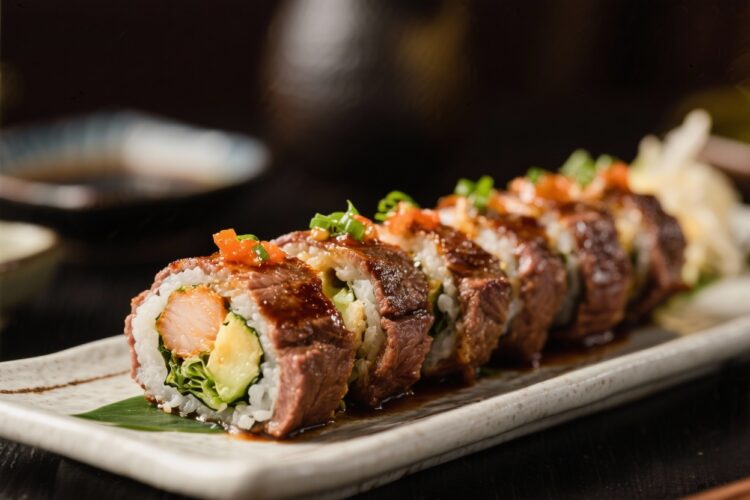
Beef Negimaki is one of those dishes that looks fancy but feels friendly and familiar. Thin slices of beef are wrapped around scallions, glazed with a glossy soy-mirin sauce, and seared until caramelized. It’s deeply savory, slightly sweet, and a little smoky from the pan.
You can serve it as an appetizer, a party bite, or pair it with rice and veggies for a simple dinner. If you enjoy teriyaki flavors and tender beef, this recipe will hit the spot without a lot of fuss.
What Makes This Special
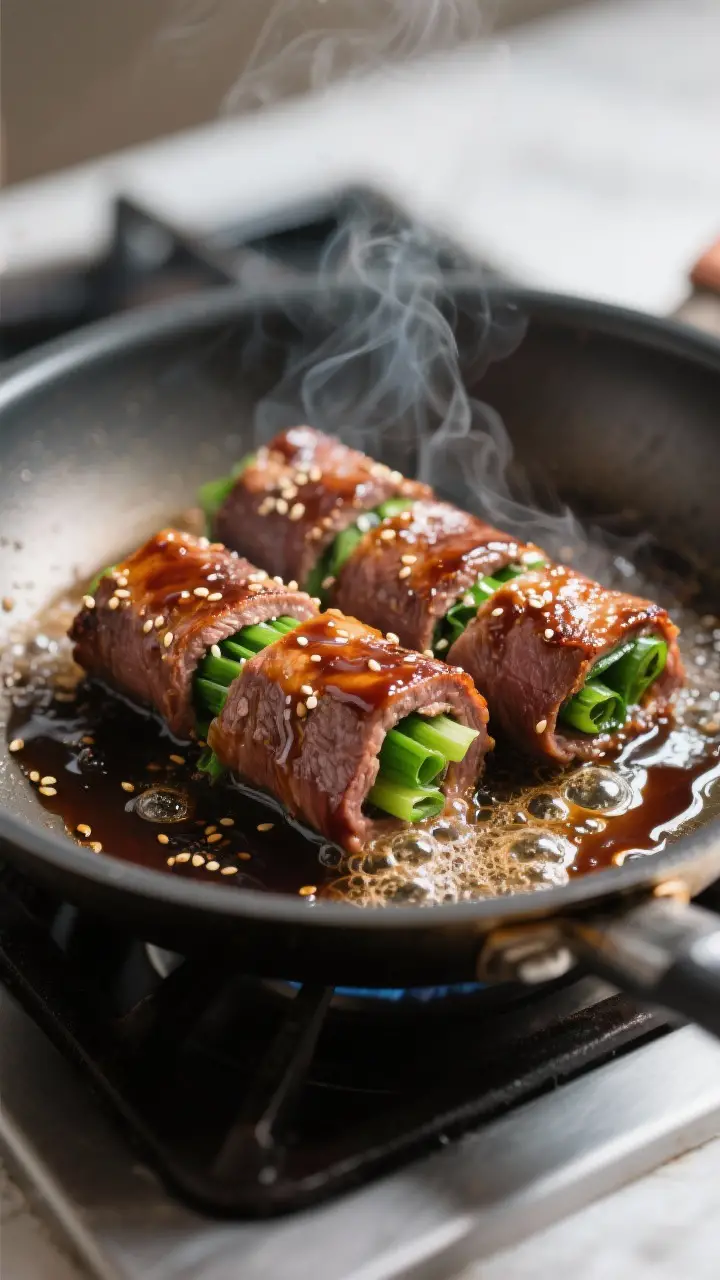
At its core, Beef Negimaki highlights the classic pairing of beef and scallions. The scallions mellow as they cook, adding a soft sweetness that balances the rich meat.
The sauce—similar to teriyaki—is built from pantry staples and reduces into a shiny glaze that clings to every bite. Best of all, it’s fast. From prep to plate, you can be eating in under 30 minutes, with results that feel restaurant-worthy.
What You’ll Need
- Beef: 1 pound thinly sliced beef (sirloin, flank, or ribeye; “shabu-shabu” or “carpaccio-style” slices work great)
- Scallions: 1 large bunch (about 8–10 scallions), trimmed
- Soy sauce: 1/4 cup
- Mirin: 1/4 cup
- Sake or dry white wine: 2 tablespoons (optional but recommended)
- Brown sugar or honey: 1–2 tablespoons, to taste
- Rice vinegar: 1 teaspoon (for brightness)
- Garlic: 1 clove, minced
- Ginger: 1 teaspoon freshly grated
- Sesame oil: 1 teaspoon (optional, for depth)
- Neutral oil: 1–2 tablespoons (for searing)
- Toothpicks or kitchen twine: To secure the rolls
- Sesame seeds: 1 teaspoon, for garnish (optional)
- Scallion tops or chives: For garnish (optional)
How to Make It
- Prep the sauce. In a small bowl, stir together soy sauce, mirin, sake (or wine), brown sugar or honey, rice vinegar, garlic, ginger, and sesame oil.
Taste and adjust sweetness or saltiness as you like.
- Blanch the scallions (optional but helpful). Bring a small pot of water to a boil. Blanch the scallions for 20–30 seconds to soften, then pat dry. This makes rolling easier and reduces sharpness.
- Lay out the beef. Place one slice of beef on a board.
If pieces are small, slightly overlap two slices to make a longer sheet. Lightly season with a pinch of salt and pepper if your soy is not too salty.
- Add scallions and roll. Lay 2–3 scallions (trim to match the width of the beef) along the short edge of the beef. Roll up tightly like a cigar.
Secure with a toothpick. Repeat with remaining slices.
- Lightly marinate. Place the rolls in a shallow dish and spoon over 2–3 tablespoons of the sauce. Let sit for 5–10 minutes while you heat the pan.
Reserve the rest of the sauce for glazing.
- Heat the pan. Set a large skillet over medium-high heat. Add neutral oil and swirl to coat until shimmering.
- Sear the rolls. Add the beef rolls seam-side down. Sear for 1–2 minutes, turning to brown all sides.
Don’t overcrowd the pan; cook in batches if needed.
- Glaze. Reduce heat to medium. Pour in the remaining sauce and let it bubble. Spoon the sauce over the rolls as it reduces.
In 2–3 minutes, it should thicken into a glossy glaze that coats the beef.
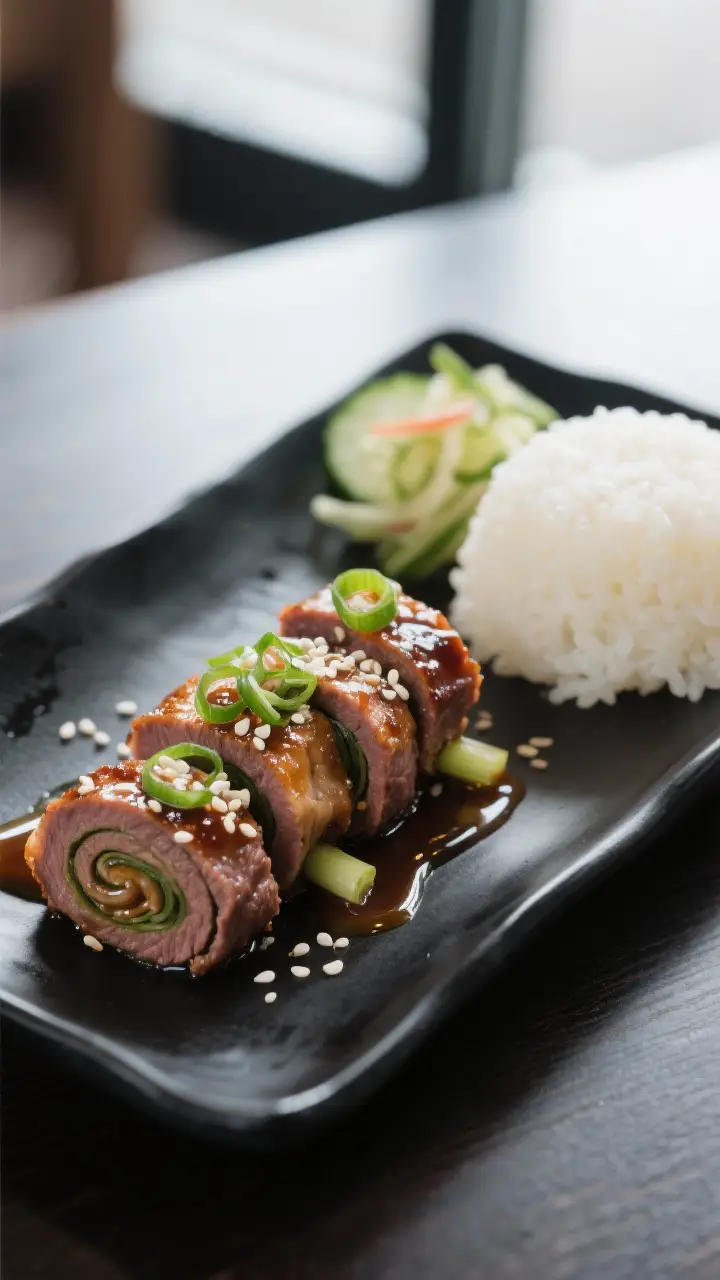
- Rest and slice. Remove toothpicks and let the rolls rest for a minute. Slice each roll into 3–4 bite-size pieces. Spoon any sauce from the pan over the top.
- Garnish and serve. Sprinkle with sesame seeds and sliced scallion tops.
Serve warm as an appetizer or with steamed rice and cucumber salad for a full meal.
How to Store
- Refrigerate: Store leftover slices in an airtight container for up to 3 days.
- Reheat: Warm gently in a skillet over low heat with a splash of water to loosen the glaze. Avoid microwaving on high, which can toughen the beef.
- Freeze: You can freeze uncooked rolled beef (without the sauce) for up to 2 months. Thaw overnight in the fridge, then cook and glaze as directed.
Benefits of This Recipe
- Quick and impressive: It looks like restaurant food but comes together fast on a weeknight.
- Balanced flavor: Savory soy, gentle sweetness, and aromatic ginger-garlic make every bite satisfying.
- Flexible portions: Make a few rolls for two or scale up for a crowd.
- Easy to prep ahead: Roll the beef in advance and cook right before serving.
- Versatile: Works as a starter, main, or party platter.
Common Mistakes to Avoid
- Using thick beef slices: Thick cuts won’t roll well and will turn chewy.
Ask for thin hot-pot or shabu-shabu slices, or partially freeze the beef and slice it thin yourself.
- Overcrowding the pan: This steams the rolls instead of searing them. Cook in batches for a good crust.
- Skipping the sauce reduction: The glaze is key. Let it simmer until syrupy; it should coat the back of a spoon.
- Overcooking: Thin beef cooks fast.
Pull it as soon as it’s browned and the glaze is sticky.
- Too-salty sauce: Different soy sauces vary. Taste and balance with a bit more sugar or a splash of water if needed.
Alternatives
- Protein swaps: Try thin-sliced chicken breast or pork loin. Adjust cooking time to avoid dryness.
- Vegetable variations: Replace scallions with thin asparagus, blanched green beans, or shiso leaves for a fresh twist.
- No alcohol: Skip the sake and add 1 tablespoon extra mirin plus a squeeze of lemon or a touch more vinegar.
- Gluten-free: Use tamari or a certified gluten-free soy sauce.
- Low sugar: Reduce sweetener and rely on mirin’s natural sweetness, or use a sugar substitute that tolerates heat.
- Spicy kick: Add a pinch of red pepper flakes or a drizzle of chili oil to the glaze.
- Grill option: Thread rolls onto skewers and grill over medium-high heat, brushing with sauce until glazed.
FAQ
What cut of beef works best?
Thinly sliced sirloin, flank, or ribeye is ideal.
Look for hot-pot or shabu-shabu slices at Asian markets, or ask the butcher to slice your chosen cut very thin. Marbled cuts like ribeye stay especially tender.
Can I make it ahead?
Yes. Roll the beef with scallions and refrigerate for up to 8 hours, tightly wrapped.
Cook and glaze right before serving for the best texture and shine.
Do I have to blanch the scallions?
No, but it helps them soften and makes rolling easier. If you skip it, slice scallions lengthwise so they’re less stiff and cook through faster.
Can I bake these instead of pan-searing?
You can bake at 425°F (220°C) for about 8–10 minutes, then brush with sauce and broil briefly to caramelize. The pan method gives a deeper sear, but the oven works for hands-off cooking.
How do I prevent the rolls from unraveling?
Roll tightly, place seam-side down in the hot pan first, and use toothpicks if needed.
Once the beef sears and the glaze sets, the rolls will hold together well.
What should I serve with Beef Negimaki?
Steamed rice, miso soup, cucumber salad, or sautéed greens pair nicely. For a party spread, serve alongside sushi rice, pickled veggies, or edamame.
Is the sauce the same as teriyaki?
It’s very similar—soy, mirin, sugar, and aromatics. The proportions lean slightly less sweet here to highlight the beef and scallions, but you can sweeten to taste.
How do I slice cleanly for presentation?
Let the rolls rest for a minute, then use a sharp knife with a gentle sawing motion.
Wipe the blade between cuts to keep slices neat and the glaze glossy.
Wrapping Up
Beef Negimaki brings big flavor with simple ingredients. Thin beef, bright scallions, and a quick pan glaze make a dish that feels special without taking all evening. Whether you’re hosting friends or cooking a weeknight meal, these savory rolls deliver every time.
Keep the sauce balanced, don’t overcook the beef, and you’ll have a plate that disappears fast.