
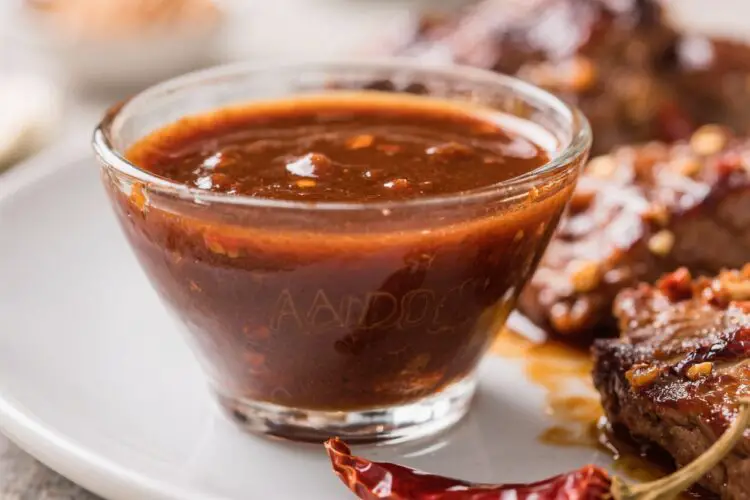
Adobo sauce is one of those pantry heroes that makes everything taste better. It’s rich, smoky, a little tangy, and just the right amount of spicy. Whether you’re blending chipotle peppers in adobo for tacos or marinating chicken and beef before grilling, this sauce brings deep flavor with minimal fuss.
You can make a batch in under an hour, and it keeps well, so you’ll always have a flavor boost ready to go.
Why This Recipe Works
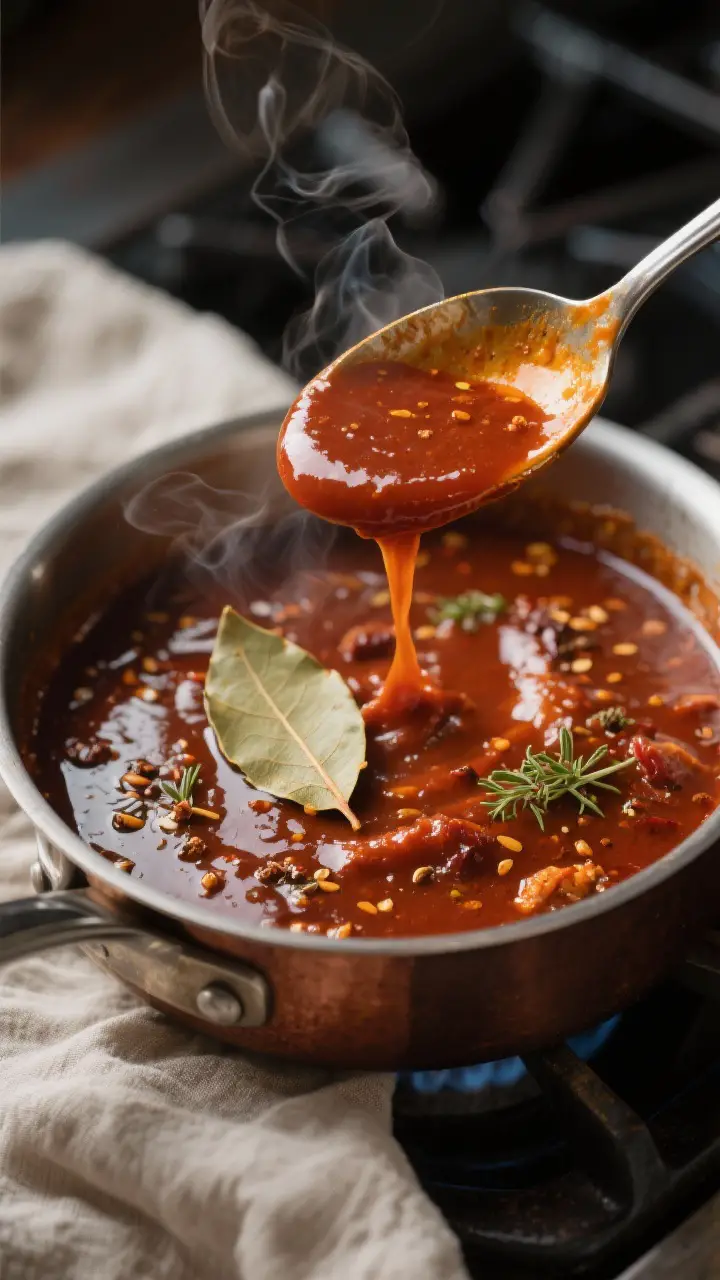
This adobo sauce leans on pantry staples like dried chilies, vinegar, and spices to create a balanced, layered flavor. The chilies bring smoke and heat, while tomatoes and a touch of sweetness round it out. A gentle simmer melds everything together without turning it muddy or bitter.
You can use it right away, or let it rest overnight—either way, it gets better as the flavors marry.
It’s also versatile. Blend it smooth for a silky marinade, or leave a little texture for bolder sauces. Adjust the heat by swapping chilies, and play with sweetness and acidity to suit your taste and the dish you’re making.
What You’ll Need
- Dried chilies: 4 dried ancho chilies and 2 dried guajillo chilies (for a mild, smoky base). Optional: 1–2 dried chipotles for extra smoke and heat.
- Chipotle peppers in adobo (optional): 1–2 canned chipotles for extra depth and heat.
- Tomato element: 1 cup crushed tomatoes or tomato puree.
- Onion: 1 small white or yellow onion, roughly chopped.
- Garlic: 4–5 cloves.
- Vinegar: 3 tablespoons apple cider or white vinegar.
- Stock or water: 1 to 1½ cups, as needed to blend and simmer.
- Sweetness: 1–2 teaspoons brown sugar or piloncillo.
- Spices: 1 teaspoon ground cumin, 1 teaspoon dried oregano (preferably Mexican), ½ teaspoon ground cinnamon, ½ teaspoon black pepper.
- Bay leaf: 1–2 leaves.
- Oil: 1–2 tablespoons neutral oil (like canola) or a mild olive oil.
- Salt: 1–1½ teaspoons, to taste.
- Optional: A splash of soy sauce or Worcestershire for umami, and a squeeze of fresh lime at the end.
How to Make It
- Prep and toast the chilies: Remove stems and most seeds from the dried chilies. Warm a dry skillet over medium heat and toast the chilies for 20–30 seconds per side until fragrant.
Don’t let them burn—blackened chilies turn bitter.
- Soften the chilies: Place toasted chilies in a bowl and cover with hot water. Soak for 15–20 minutes until pliable. Reserve ½ cup of the soaking liquid for blending.
- Sauté aromatics: In a saucepan, heat oil over medium.
Add onion and cook until translucent, 4–5 minutes. Stir in garlic and cook 30 seconds more.
- Blend the base: Transfer softened chilies, onion, garlic, tomatoes, vinegar, cumin, oregano, cinnamon, black pepper, sugar, and ½ cup stock (or soaking liquid) to a blender. Blend until very smooth, adding more liquid as needed to create a pourable sauce.
- Simmer to develop flavor: Pour the blended sauce back into the saucepan.
Add bay leaf and any optional chipotle peppers, soy/Worcestershire if using. Simmer on low for 15–20 minutes, stirring occasionally. The sauce should thicken slightly and darken.
Adjust thickness with a splash more stock if it gets too thick.
- Season to taste: Remove the bay leaf. Add salt gradually and taste. If it’s too sharp, add a pinch more sugar.
If it needs brightness, add a small splash of vinegar or a squeeze of lime.
- Cool and use: Let the sauce cool. Use immediately as a marinade or base for chipotle sauce, or store for later.
Storage Instructions
- Refrigerator: Store in a clean jar for up to 10 days. Press a piece of parchment or plastic wrap onto the surface to limit oxidation.
- Freezer: Freeze in ice cube trays or small containers for up to 3 months.
Thaw in the fridge overnight or warm gently on the stove.
- Food safety tip: Use clean utensils each time to avoid contamination and extend shelf life.
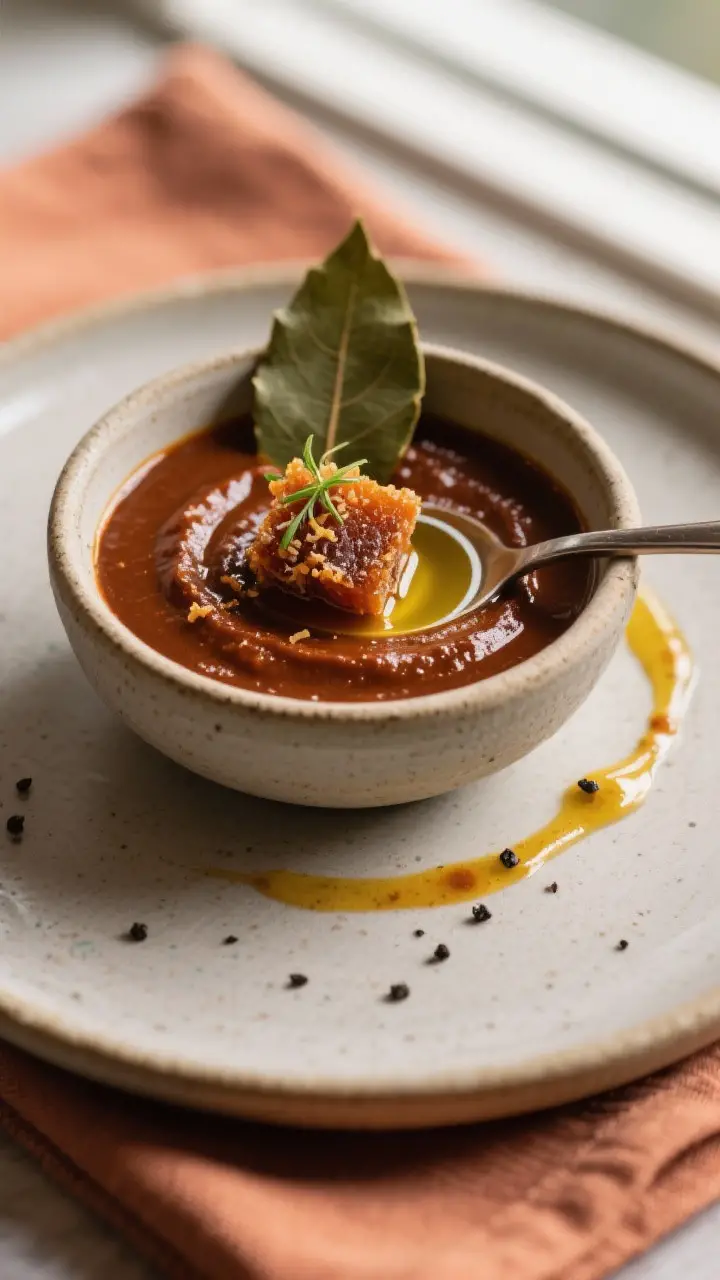
Benefits of This Recipe
- Versatile: Works as a marinade, braising base, taco sauce, or burger mix-in.
- Customizable heat: Choose chilies to match your spice comfort level.
- Meal prep friendly: Makes a big batch that holds well.
- Budget-conscious: Uses inexpensive pantry staples for restaurant-level flavor.
- Naturally dairy-free and gluten-free: Easy to adapt for different diets.
What Not to Do
- Don’t burn the chilies: Even a little scorching turns the sauce bitter.
- Don’t skip the simmer: Blending alone won’t develop depth; those 15–20 minutes matter.
- Don’t over-salt early: The sauce concentrates as it cooks; season near the end.
- Don’t forget acid-sweet balance: You want tang, smoke, and a hint of sweetness in harmony.
- Don’t use only water if you have stock: Stock adds body and umami—use it if available.
Alternatives
- Chili swaps: Use pasilla for deeper fruit notes, New Mexico chilies for earthy sweetness, or more chipotles for extra smoke.
- Tomato options: Swap crushed tomatoes for fire-roasted tomatoes, or use 2 tablespoons tomato paste plus ¾ cup stock for a thicker, richer sauce.
- Sugar substitutes: Try honey, agave, or maple. Start with 1 teaspoon and adjust.
- Vinegar variations: Red wine vinegar adds a softer tang; sherry vinegar adds complexity.
- No dried chilies on hand: Use canned chipotle peppers in adobo plus extra tomato and stock. The flavor will be different but still delicious.
- Smokiness without chipotle: Add a tiny pinch of smoked paprika.
Use sparingly so it doesn’t dominate.
FAQ
How spicy is this adobo sauce?
It’s medium by default, thanks to ancho and guajillo chilies. Add or subtract dried chipotles to control heat. You can also remove more seeds and ribs for a milder sauce.
Can I use this as a marinade for chicken, pork, or beef?
Yes.
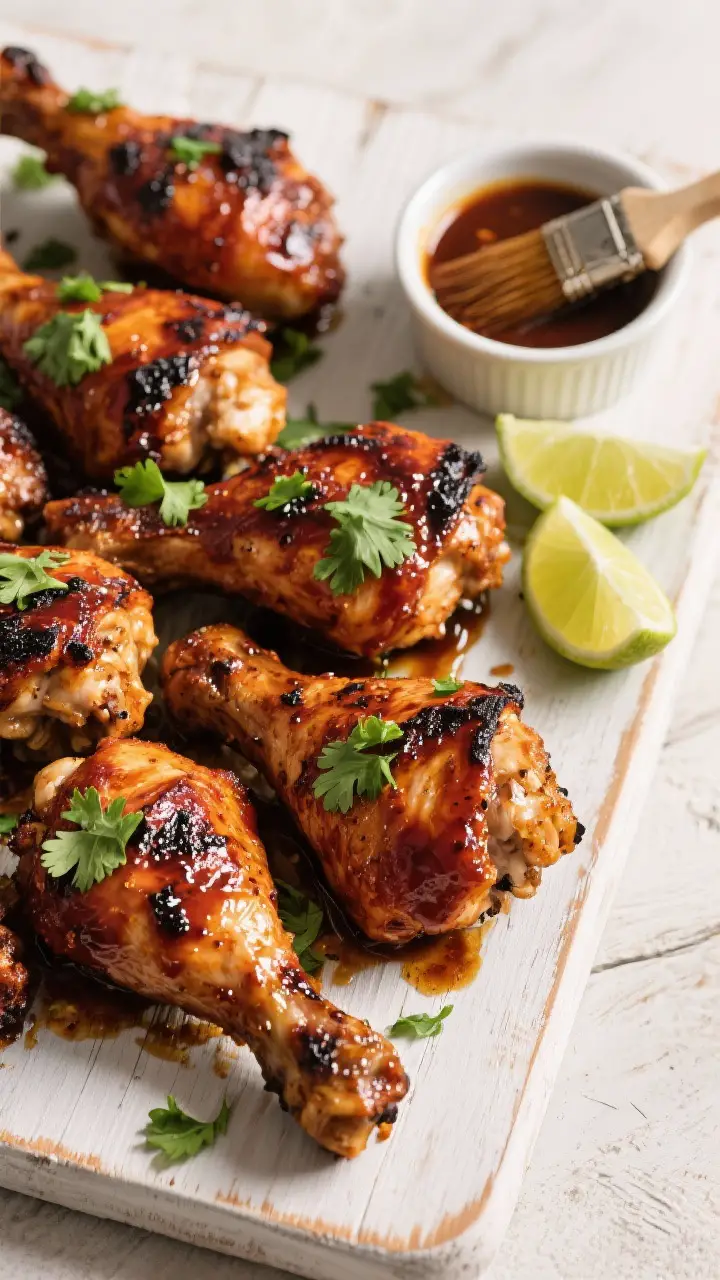
For chicken, marinate 1–2 hours; for pork or beef, 4–12 hours depending on cut. Wipe off excess before grilling to prevent burning, and baste with fresh sauce as needed.
What’s the difference between adobo sauce and chipotle in adobo?
Adobo sauce is the base—smoky, tangy, and spiced. Chipotle in adobo adds smoked jalapeños (chipotles) to that sauce.
You can make the sauce, then stir in chopped chipotles for a classic version.
My sauce tastes bitter. What happened?
Likely the chilies were burned during toasting or the sauce reduced too much. Fix it by blending in a little more tomato, a pinch of sugar, and a splash of stock.
Next time, toast chilies lightly and simmer gently.
Can I pressure cook or slow cook with this sauce?
Absolutely. It’s great for pork shoulder, beef chuck, or chicken thighs. Use 1–2 cups sauce plus enough stock to just cover, then cook as you normally would for tender, shreddable meat.
Is there a no-blender version?
You can mince rehydrated chilies very finely and simmer longer with the aromatics.
The texture will be rustic, but the flavor will still be excellent.
How do I turn this into a quick table sauce?
Whisk 1 cup adobo with 1–2 tablespoons mayo or sour cream for a creamy drizzle, or thin with lime juice and a splash of water for a taco-friendly salsa.
Can I can this sauce for shelf storage?
Home canning requires tested recipes for safety, especially with low-acid ingredients. For this version, it’s safer to refrigerate or freeze rather than water-bath can. If you want to can it, follow a reputable, tested recipe.
Final Thoughts
Adobo sauce is a workhorse that adds smoke, spice, and tang to almost anything.
With a handful of chilies and simple pantry items, you get a sauce that tastes slow-cooked and complex, even on a weeknight. Make a double batch, freeze some, and you’ll always have a shortcut to bold, satisfying meals—marinades, tacos, braises, and beyond. Once you’ve got it on hand, you’ll wonder how your kitchen did without it.
Printable Recipe Card
Want just the essential recipe details without scrolling through the article? Get our printable recipe card with just the ingredients and instructions.