Key Takeaways
- Professional catering saves valuable time during the busy holiday season
- Thanksgiving catering options range from complete meals to individual side dishes
- Advance planning is essential – most caterers require orders 1-2 weeks ahead
- Consider portion sizes carefully when ordering for groups
- Traditional dishes can be complemented with creative alternatives
- Proper reheating instructions ensure the best quality for catered meals
- Catering can accommodate diverse dietary restrictions with advance notice
- Hybrid approaches combining catered and homemade items offer flexibility
- Quality presentation enhances the dining experience even with catered food
- Early booking is recommended as holiday slots fill quickly
Introduction: Why Consider Thanksgiving Catering This Year
Thanksgiving is a time for gratitude, family gatherings, and of course, a magnificent feast that brings everyone together around the table. However, the preparation of this special meal often falls on the shoulders of one or two family members, transforming what should be a joyful celebration into a stressful cooking marathon. This year, consider a different approach that allows everyone to fully enjoy the holiday spirit: professional Thanksgiving catering services.
The tradition of Thanksgiving cooking, while meaningful, can become overwhelming when balancing multiple dishes, timing concerns, and dietary requirements. Professional catering offers a solution that preserves the warmth and abundance of a traditional Thanksgiving meal while eliminating the stress of preparation. The holiday season is already filled with numerous demands on our time and energy, from travel planning to coordinating family gatherings, making kitchen relief particularly valuable during this busy period.

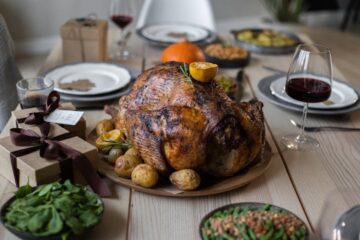
At Whaley Cooks, we understand that the heart of Thanksgiving lies in the shared experience of enjoying delicious food with loved ones. Our catering services are designed to enhance this experience by providing expertly prepared dishes that maintain the traditional flavors you cherish while saving you countless hours in the kitchen. We recognize that food is central to holiday traditions, which is why our professional chefs focus on creating authentic, high-quality dishes that honor classic recipes while incorporating contemporary culinary expertise.
Whether you’re hosting a small family gathering or a larger celebration, catering can be tailored to meet your specific needs. From complete meal packages to supplementary side dishes, professional catering offers flexibility while maintaining the high quality expected for this important holiday. This adaptability makes catering suitable for various situations, including first-time hosts feeling overwhelmed by the traditional meal, experienced hosts looking to simplify their celebrations, families with busy schedules seeking more quality time together, and hosts with limited kitchen space or equipment who still want to provide a full feast.
The Benefits of Professional Thanksgiving Catering
Choosing professional catering for your Thanksgiving celebration offers numerous advantages that extend beyond simply outsourcing the cooking. Let’s explore the key benefits that make catering an attractive option for modern holiday hosts.
Time-Saving Convenience
Perhaps the most obvious benefit of Thanksgiving catering is the substantial time savings. The traditional Thanksgiving meal requires days of planning, shopping, preparation, and cooking. By opting for catering, you reclaim those hours to focus on what truly matters – spending quality time with family and friends. Many hosts underestimate just how time-consuming a traditional Thanksgiving meal can be, especially when preparing multiple dishes for larger gatherings.
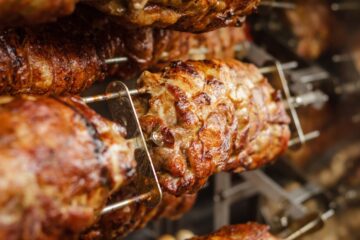

The time investment for a traditional Thanksgiving meal is substantial: 2-3 days for menu planning and shopping, 1-2 days for advance preparation, 6-8 hours of active cooking on Thanksgiving Day, and 1-2 hours of post-meal cleanup. With catering for your celebration, these hours transform into relaxed moments with loved ones, creating memories rather than managing cooking timelines. For busy professionals, parents with young children, or those hosting out-of-town guests, this time savings is particularly valuable during the already hectic holiday season.
Stress Reduction
Holiday hosting inherently comes with a certain level of stress, but the cooking portion doesn’t have to contribute to it. Professional caterers handle the complexities of timing multiple dishes, ensuring everything is properly cooked, and maintaining food safety standards. The mental load of orchestrating a multi-course meal with numerous components can be significant, especially for those who don’t regularly cook for large groups.
This stress reduction is particularly valuable for those who are hosting their first Thanksgiving, have limited kitchen space or equipment, are balancing hosting duties with other responsibilities, or want to fully participate in the celebration rather than being confined to the kitchen. The emotional and psychological benefits of reduced holiday stress shouldn’t be underestimated – many hosts report that catering allows them to be more present and engaged with their guests, enhancing the overall quality of the gathering for everyone involved.
Consistent Quality and Professional Expertise
Professional caterers bring specialized knowledge and experience to your Thanksgiving table. Their expertise ensures that traditional dishes maintain authentic flavors while being prepared with proper techniques. This professional touch often results in a level of quality that’s difficult to achieve when preparing numerous dishes simultaneously at home. Caterers have access to commercial-grade equipment, premium ingredients, and refined recipes that have been tested and perfected over time.
Our Thanksgiving recipes are developed by culinary professionals who understand the importance of balancing traditional flavors with modern expectations for quality and presentation. Professional caterers also bring consistency to the table – every dish is prepared to exacting standards, ensuring that your entire meal maintains the same high level of quality. This consistency is particularly important for special occasions like Thanksgiving, where expectations for the meal are often elevated.
Types of Thanksgiving Catering Services Available
Thanksgiving catering comes in various forms to accommodate different needs, preferences, and budgets. Understanding the available options helps you select the service that best fits your celebration.
Complete Thanksgiving Meal Packages
For hosts seeking maximum convenience, complete meal packages offer a comprehensive solution. These typically include a main protein (traditional turkey or alternatives), multiple side dishes (typically 4-6 options), bread or rolls, desserts, and sometimes gravy, cranberry sauce, and other condiments. These all-inclusive packages eliminate the need for any significant cooking, providing a turnkey solution for your holiday meal. Most caterers offer these packages in various sizes to accommodate different group sizes, from intimate gatherings to larger celebrations.
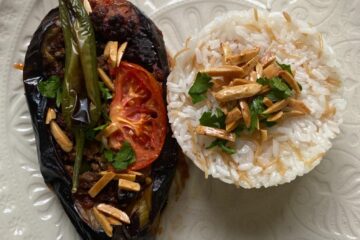
Complete packages are ideal for those who are hosting their first Thanksgiving, don’t have sufficient kitchen facilities, want to eliminate all cooking-related stress, or need to serve a larger group efficiently. At Whaley Cooks, our complete meal packages are designed to provide a traditional Thanksgiving experience with the convenience of professional preparation. We carefully balance classic favorites with select creative options to ensure a memorable dining experience that satisfies diverse preferences while maintaining the essential character of the holiday meal.
À La Carte Options
For hosts who enjoy preparing certain signature dishes but want to outsource others, à la carte catering provides the perfect balance. This approach allows you to select individual components such as just the turkey (brined, seasoned, and ready to heat), specific side dishes to complement your homemade specialties, desserts only, or appetizers for pre-dinner socializing. This customizable approach gives you control over which aspects of the meal you prepare yourself and which you delegate to professionals.
This flexible approach allows you to maintain personal traditions while reducing the overall workload. You might, for instance, prepare your grandmother’s famous stuffing recipe while ordering the turkey and remaining sides from a caterer. À la carte options are particularly popular among experienced cooks who enjoy certain aspects of holiday food preparation but recognize the value of outsourcing the more challenging or time-consuming components. This hybrid model often provides the best of both worlds – the satisfaction of contributing personally to the meal combined with the convenience and quality of professional assistance.
Heat-and-Serve vs. Full-Service Catering
Thanksgiving catering services typically fall into two service models: Heat-and-Serve and Full-Service Catering. Heat-and-Serve, the most common and economical option, provides meals prepared in advance and delivered chilled or frozen with reheating instructions. You’ll handle the final heating and presentation, but the difficult preparation work is done for you. This option is ideal for intimate gatherings and those who want to maintain some hands-on involvement. Heat-and-Serve catering typically arrives 1-2 days before Thanksgiving, giving you ample time to organize and plan your reheating schedule.
Full-Service Catering, while more expensive, includes on-site staff who handle setup, service, and cleanup. This option completely eliminates host responsibilities for the meal, allowing you to be fully present as a guest at your own gathering. Full-service catering may include additional amenities such as table settings, decorative elements, and beverage service, creating a complete dining experience. This premium option is particularly valuable for larger gatherings, hosts with limited serving equipment, or those seeking a truly stress-free experience where even the post-meal cleanup is handled professionally.
How to Choose the Right Thanksgiving Caterer
Selecting the right caterer for your Thanksgiving celebration requires careful consideration of several factors to ensure your holiday meal meets expectations.
Evaluating Menu Options and Customization
A quality Thanksgiving caterer should offer both traditional favorites and creative options to accommodate diverse preferences. When reviewing potential caterers, consider their menu diversity, customization capability, dietary accommodations, and portion flexibility. The best caterers strike a balance between honoring classic Thanksgiving traditions and incorporating contemporary culinary trends that appeal to evolving tastes.


At Whaley Cooks, we pride ourselves on offering comprehensive Thanksgiving menu options with the flexibility to accommodate special requests and dietary needs. Our culinary team can adapt traditional recipes to meet various dietary requirements without sacrificing the authentic flavors that define Thanksgiving cuisine. When evaluating potential caterers, look for those who demonstrate willingness to work with your specific preferences rather than offering only rigid, pre-set packages.
Understanding Pricing Structures
Thanksgiving catering prices vary widely based on several factors. Understanding the pricing structure helps you budget appropriately. Most caterers use per-person pricing for complete meals, typically ranging from $25-50 per person for standard packages. Some offer à la carte pricing with individual items priced separately, allowing for customized ordering. Many also provide package tiers with different levels of service and menu complexity at corresponding price points. Premium ingredients, labor-intensive preparation methods, and specialized dietary accommodations may influence pricing.
When comparing quotes, ensure you’re evaluating the total cost including any additional fees like delivery, setup, service staff, equipment rental, and gratuity, not just the base food price. Some caterers include these elements in their quoted prices, while others list them separately. Request itemized quotes that clearly outline all potential charges to avoid surprise costs. The lowest quote isn’t necessarily the best value – consider the quality of ingredients, preparation methods, portion sizes, and service elements when making your decision.
Checking Reviews and Testimonials
Past performance is often the best predictor of future results. Before selecting a caterer, read online reviews on multiple platforms, ask for references from previous Thanksgiving clients specifically, look for feedback about timeliness, food quality, and problem resolution, and check social media for photos of previous catering work. Pay particular attention to reviews from holiday seasons, as volume and performance can differ during these busy periods.
Personal recommendations from friends and family who have used Thanksgiving catering services can be particularly valuable in finding a reliable provider. Don’t hesitate to ask potential caterers about their experience with holiday meals specifically, as Thanksgiving presents unique challenges in terms of traditional expectations, volume, and logistics. Experienced holiday caterers will have established systems to ensure quality and timeliness even during their busiest season.
Planning Timeline for Thanksgiving Catering
Successful Thanksgiving catering requires advance planning. Follow this timeline to ensure a smooth experience for your holiday meal.
4-6 Weeks Before Thanksgiving
Start by researching and selecting potential caterers, requesting quotes and menu options, checking availability (as popular caterers book quickly for holidays), and discussing any special dietary needs or custom requests you might have. This early planning phase is crucial, especially for Thanksgiving, when demand for catering services peaks and the most popular providers may book up weeks or even months in advance. Begin by determining your basic parameters – budget, approximate guest count, and general service level needed – to guide your initial inquiries.

2-3 Weeks Before Thanksgiving
At this stage, you should finalize your menu selections, place your order and pay any required deposits, confirm delivery or pickup details, finalize your guest count, and arrange for any needed rental items like chafing dishes or serving platters. Most caterers require orders to be finalized at least two weeks before Thanksgiving, with some popular providers setting earlier deadlines. This is also the time to address any remaining questions about reheating procedures, serving suggestions, or special handling instructions for specific dishes.
1 Week Before Thanksgiving
As the holiday approaches, confirm your order details and final headcount with your caterer, review reheating or serving instructions, prepare your refrigerator and oven space, plan your table layout and serving strategy, and purchase any supplementary items you’ll provide yourself. This is the time to ensure you have appropriate serving dishes, utensils, and any needed warming equipment. If you’re planning a hybrid meal with some catered and some homemade items, create a comprehensive preparation timeline that integrates both components.
Day Before Thanksgiving
The day before the big event, clear counter space for food delivery, prepare ice for beverage service, set the table and arrange serving areas, pick up or receive catering delivery (if offered as an option), and review the final reheating timeline. For heat-and-serve options, organize your refrigerator to accommodate all catered items and ensure you understand which items can remain in their delivery containers for reheating and which should be transferred to your own bakeware. Label each item with its reheating instructions to avoid confusion during the busy pre-meal hours.
Thanksgiving Day
On Thanksgiving Day itself, follow the caterer’s reheating schedule, transfer food to serving dishes as needed, and enjoy your celebration with minimal kitchen stress. With proper planning using our Thanksgiving dinner planning guide, your catered holiday meal will proceed smoothly, allowing you to focus on creating memories rather than managing cooking logistics. Create a detailed hour-by-hour schedule for reheating various components to ensure everything reaches the table at its optimal temperature and quality.
Traditional vs. Creative Thanksgiving Menus
While Thanksgiving is steeped in culinary tradition, modern catering offers both classic favorites and innovative alternatives. Understanding your options helps you create a menu that satisfies traditionalists while potentially introducing exciting new flavors.
Classic Thanksgiving Offerings
The traditional Thanksgiving menu forms the foundation of most catered holiday meals, centered around main proteins like roasted turkey, honey-glazed ham, or prime rib for non-turkey traditionalists. These centerpiece dishes often feature time-honored preparation methods and classic flavor profiles that evoke nostalgic memories of family gatherings. Traditional turkey preparations typically include herb butter under the skin, aromatics in the cavity, and careful basting to achieve the perfect golden-brown exterior while maintaining moist, tender meat.
Traditional sides typically include classic stuffing/dressing, mashed potatoes and gravy, green bean casserole, sweet potato casserole, cranberry sauce, and dinner rolls. Each of these dishes has evolved over decades to reach their current status as holiday staples, with regional variations adding diversity to the traditional canon. Southern-style cornbread dressing differs significantly from New England bread stuffing, while sweet potato preparations range from marshmallow-topped casseroles to more savory versions with pecans and brown sugar. For dessert, the classics remain pumpkin pie, apple pie, and pecan pie.
These classics remain popular because they deliver the familiar flavors that many associate with Thanksgiving memories. Our traditional Thanksgiving recipes honor these classics while ensuring the highest quality preparation. Professional caterers often elevate these traditional dishes through superior ingredients, refined techniques, and careful attention to detail, resulting in versions that honor tradition while meeting contemporary expectations for quality.
Modern and Creative Alternatives
For hosts seeking to complement traditional offerings with contemporary options, many caterers now provide creative alternatives. Alternative proteins might include herb-roasted turkey breast roulade, bourbon-glazed ham, vegetarian options like stuffed acorn squash or mushroom Wellington, or seafood options like salmon or crab cakes. These modern interpretations maintain the spirit of the holiday while introducing new flavors, textures, and presentation styles that appeal to evolving palates.
Contemporary sides might feature kale and sourdough stuffing, roasted Brussels sprouts with bacon and balsamic, cauliflower gratin instead of traditional potato dishes, ancient grain pilafs with seasonal ingredients, or roasted root vegetable medley. These creative sides often incorporate global influences, artisanal ingredients, or modern cooking techniques while maintaining a connection to the seasonal harvest theme central to Thanksgiving. Updated desserts could include pumpkin cheesecake, apple crisp with oat topping, or mini dessert flights offering multiple flavor experiences.
Creating a Balanced Menu
The most successful catered Thanksgiving meals often blend traditional favorites with select creative options. Consider maintaining traditional main proteins while experimenting with sides, offering both classic and creative options for each category, including at least one vegetarian main and several vegetable-forward sides, and providing both traditional and innovative dessert choices. This balanced approach ensures that guests with varying preferences all find satisfying options while still maintaining the essential character of the holiday meal.
This approach honors tradition while accommodating diverse preferences and dietary needs. At Whaley Cooks, we can help you craft a menu that strikes this perfect balance between tradition and innovation. Our culinary team specializes in creating Thanksgiving menus that respect the holiday’s culinary heritage while incorporating thoughtful contemporary elements that enhance the overall dining experience without overshadowing the familiar favorites that define the celebration.
Accommodating Special Dietary Needs
Modern Thanksgiving gatherings often include guests with diverse dietary requirements. Quality catering services should be able to accommodate these needs without compromising on flavor or presentation.
Common Dietary Considerations
When planning your catered Thanksgiving meal, consider common dietary requirements like vegetarian and vegan options, gluten-free requirements, and other restrictions such as dairy-free alternatives, low-sodium versions, nut-free options, and low-sugar or diabetic-friendly choices. The prevalence of these dietary needs has increased significantly in recent years, making accommodations an essential part of inclusive holiday hosting rather than an exceptional request.

Communicating Needs to Your Caterer
To ensure all guests can enjoy the meal, provide your caterer with specific dietary restrictions among your guest list, the number of guests requiring each accommodation, any severe allergies that require strict cross-contamination protocols, and your preference for integrated options versus separate special meals. Effective communication is essential – be specific about the nature and severity of restrictions, as terms like “gluten-free” or “dairy-free” can be interpreted differently depending on whether they represent serious allergies or general preferences.
Most professional caterers are accustomed to handling these requests, but advance notice is essential. At Whaley Cooks, we pride ourselves on creating inclusive menus that allow everyone to enjoy the Thanksgiving feast regardless of dietary restrictions. Our culinary team is trained in allergen management and alternative ingredient substitutions that maintain the essence of traditional dishes while meeting specific dietary requirements. We can create specialized versions of classic dishes or develop alternative offerings that complement the overall menu while addressing particular needs.
Labeling and Serving Considerations
For gatherings with multiple dietary needs, request clear labeling of all dishes, consider a separate serving area for specialized dietary options, provide separate serving utensils for each dish to prevent cross-contamination, and inform guests which dishes accommodate their needs. These simple steps ensure that guests with dietary restrictions can navigate the meal with confidence and enjoy the celebration fully. Proper labeling should include both what a dish contains and what it doesn’t contain (e.g., “Gluten-Free Stuffing – Contains nuts” or “Vegan Mashed Potatoes – No dairy or animal products”).
When serving guests with serious allergies, consider serving their portions first before any cross-contamination can occur, or having their portions packaged separately. These thoughtful accommodations demonstrate care for all guests and ensure that dietary restrictions don’t prevent anyone from participating fully in the celebration. Remember that accommodating dietary needs isn’t just about food safety – it’s about creating an inclusive environment where everyone feels welcome and considered.
Portion Planning for Different Group Sizes
Appropriate portion planning is essential for a successful catered Thanksgiving meal. Too little food creates disappointment, while excessive amounts lead to waste and unnecessary expense.
Standard Portion Guidelines
Professional caterers use established portion guidelines to ensure adequate quantities for main proteins, side dishes, and desserts. These guidelines should be adjusted based on your specific guest list. Understanding standard portions helps you order appropriately and avoid either shortages or excessive leftovers, both of which can detract from the holiday experience.
For main proteins, plan on 1-1.5 pounds of turkey per person (bone-in weight), 0.5-0.75 pounds of ham per person, or 6-8 ounces per vegetarian guest for vegetarian main dishes. These calculations account for bone weight and cooking shrinkage to ensure adequate servings. For side dishes, allow 4-6 ounces per person for stuffing/dressing and potatoes, 4 ounces per side per person for vegetables, 2 ounces per person for cranberry sauce, and 2-3 ounces per person for gravy. These portions ensure everyone can enjoy a complete plate with reasonable amounts of each offering.
For desserts, plan on 1 slice per person (typically 6-8 slices per pie) or 4-5 ounces per person for other desserts. Remember that many guests will want to sample multiple desserts in smaller portions, so variety often matters more than quantity for sweet offerings. These guidelines should be adjusted based on your specific guest list. Our guide on planning for crowds provides more detailed information on portion sizing.
Adjusting for Your Specific Group
Standard guidelines should be modified based on guest demographics, meal timing, and menu diversity. Children typically eat smaller portions (about 1/2 to 2/3 adult portion), while teenage and young adult males often consume larger portions. Elderly guests may eat smaller portions. Understanding your specific guest list demographics allows for more accurate quantity planning and reduces the likelihood of shortages or waste.
Mid-afternoon meals typically result in larger portions consumed, while evening meals may see slightly smaller portions. Consider whether appetizers will be served before the main meal, as this can affect portion sizes as well. The presence of substantial pre-meal snacks or appetizers can reduce main course consumption by 15-20%, an important consideration when ordering quantities.
More side dish options typically result in smaller portions of each item, while limited options may require larger portions of each dish. Also consider the heaviness of the dishes (rich, dense foods vs. lighter options) when planning quantities. Hearty, filling sides like mashed potatoes or stuffing may require smaller portions than lighter vegetable dishes. Professional caterers can help you balance these factors to determine appropriate quantities for your specific situation.
Planning for Leftovers
Thanksgiving leftovers are a cherished tradition for many. When ordering catering, consider adding 15-20% to main protein orders if leftovers are desired, request additional containers for guests to take food home, and order extra of the most popular sides if leftover meals are planned. For many families, leftover turkey sandwiches, stuffing reheated with eggs for breakfast, or turkey soup made from the carcass are beloved post-Thanksgiving traditions worth planning for.
Most caterers can provide guidance on appropriate quantities based on your specific needs and preferences. They can also advise on which dishes maintain quality well for leftovers and which are best consumed fresh. Some caterers offer specific “leftover packages” that include extra portions expressly intended for post-holiday enjoyment, often with storage containers and reheating instructions included.
Presentation and Serving Options
The presentation of your catered Thanksgiving meal significantly impacts the overall dining experience. Consider these options for serving your holiday feast.
Buffet vs. Family-Style vs. Plated Service
Each serving style offers distinct advantages for your Thanksgiving meal. Buffet service is ideal for larger gatherings, allows guests to select their preferred items and portions, requires sufficient space for a serving table, and works well for casual gatherings. Buffets offer flexibility for guests with varying preferences and appetites while minimizing the need for table space dedicated to serving dishes. This approach also accommodates latecomers easily, as food remains accessible throughout the meal.

Family-style service creates a traditional, communal dining experience with dishes placed on the table in serving vessels. This encourages interaction and conversation and works best for medium-sized gatherings with adequate table space. The passing of dishes creates natural conversation opportunities and reinforces the shared nature of the meal, making it particularly appropriate for Thanksgiving’s emphasis on togetherness. However, this approach requires more serving dishes and table space than other options.
Plated service is the most formal presentation option, requires service staff (if not self-plated), ensures portion control and elegant presentation, and is best for smaller, more formal gatherings. This approach eliminates the need for guests to serve themselves, creating a more refined dining experience. Plated service also allows for more elaborate presentation and garnishing than other serving styles.
For most home Thanksgiving celebrations, buffet or family-style service works best with catered meals. Your choice should reflect both practical considerations (space, staffing, formality level) and the atmosphere you wish to create for your gathering.
Enhancing Presentation with Your Own Touches
Even with catered food, adding personal touches enhances the presentation. Consider transferring food from catering containers to your own serving dishes, adding fresh herb garnishes to main dishes, using consistent serving utensils for a cohesive look, incorporating seasonal decorative elements around serving areas, and creating height variation in your buffet setup for visual interest. These simple enhancements transform institutional catering containers into a personalized, visually appealing presentation.
These simple enhancements elevate the dining experience while maintaining the convenience of catering. Fresh garnishes like rosemary sprigs, orange slices, or cranberries add color and fragrance while signaling that care has been taken with presentation. Thoughtful arrangement of serving dishes with consideration for color, texture, and height creates a visually appealing table that enhances the perceived quality of the meal. Even simple touches like handwritten dish labels or thematic serving pieces contribute significantly to the overall impression.
Beverage Pairing Recommendations
Complete your Thanksgiving meal with appropriate beverage selections. For wine pairings, Pinot Noir or Beaujolais complement turkey without overwhelming it, while Viognier or Chardonnay work well for white wine drinkers. Rosé provides versatility across multiple dishes. The ideal Thanksgiving wines balance fruitiness with sufficient acidity to cut through rich foods, enhancing rather than competing with the meal’s complex flavors.
For non-alcoholic options, sparkling cider offers a festive alternative to wine, cranberry-based punches complement traditional flavors, and hot chocolate variations pair well with dessert. Consider creating a signature non-alcoholic option that incorporates seasonal flavors like apple, cranberry, cinnamon, or pumpkin to provide sophisticated alternatives for non-drinkers.
After-dinner options might include coffee and tea service with dessert, spiced mulled wine for a warming conclusion, or dessert wines like Port or ice wine. Consider offering a signature holiday cocktail or mocktail as guests arrive to set a festive tone for the gathering. A well-planned beverage service complements the meal while creating additional opportunities for personalization and hospitality.
Reheating and Serving Tips for Catered Meals
Proper reheating is crucial for maintaining the quality and food safety of your catered Thanksgiving meal. Follow these guidelines for optimal results.
General Reheating Guidelines
Different components of your meal require specific reheating approaches to maintain their quality and safety. Following proper techniques ensures that your catered food reaches the table tasting as close to freshly prepared as possible, with appropriate textures and temperatures that showcase the dishes at their best.
For turkey and other proteins, reheat at 325°F in a covered pan with a small amount of broth or stock, use a meat thermometer to ensure internal temperature reaches 165°F, allow 30-45 minutes for a turkey breast (longer for larger portions), and rest for 10-15 minutes before carving. The low, slow reheating approach prevents drying out the meat, while the added moisture from broth helps maintain tenderness. Covering the meat during most of the reheating process prevents moisture loss, though you might remove the cover for the final few minutes to restore any exterior crispness.
Most casserole-style sides reheat well at 350°F for 20-30 minutes. Stir occasionally if possible to ensure even heating, cover with foil to prevent drying out (removing for the last few minutes for crisp toppings), and for stovetop reheating, use low heat and stir frequently. Different sides require different approaches – stuffing benefits from added broth before reheating, while mashed potatoes might need additional butter or cream to restore creamy texture after refrigeration.
For gravy and sauces, reheat slowly on the stovetop, whisking occasionally, add small amounts of broth if thickening occurs, and bring to a simmer but avoid boiling vigorously. Gentle heating prevents scorching and separation while allowing you to adjust consistency as needed during the reheating process.
Your caterer should provide specific reheating instructions for each dish. Follow these carefully for best results. These instructions are typically developed through extensive testing to determine the optimal reheating method for each specific preparation.
Timing the Reheating Process
Coordinated timing ensures all components of your meal reach the table at peak quality. Create a reheating schedule working backward from your desired serving time, begin with items requiring the longest reheating time (typically the main protein), stagger the start times for side dishes based on reheating requirements, use multiple heating methods simultaneously (oven, stovetop, microwave) if needed, and plan for resting time for meats before carving. This orchestrated approach ensures that all elements are ready simultaneously without some items cooling while others finish heating.
Most caterers can provide a suggested reheating timeline based on your specific order. This professional guidance takes into account the specific preparation methods and ingredients in your selected dishes. Consider creating a written schedule with specific times for each action to keep your reheating process organized during the potentially hectic pre-meal period. Having this plan in place reduces stress and helps ensure all components reach optimal quality simultaneously.
Food Safety Considerations
Maintain food safety throughout the reheating and serving process by refrigerating all food promptly upon delivery or pickup, not leaving perishable foods at room temperature for more than 2 hours, using a food thermometer to verify proper reheating temperatures, keeping hot foods hot (above 140°F) and cold foods cold (below 40°F), and storing leftovers within 2 hours of serving. These fundamental food safety practices are particularly important when serving vulnerable populations like elderly family members, pregnant women, or those with compromised immune systems.
These precautions ensure your catered meal remains safe as well as delicious. Remember that professional catering kitchens maintain strict food safety standards during preparation, but proper handling after delivery becomes your responsibility. Following these guidelines protects your guests while preserving the quality of your holiday meal. Consider designating a food-safety conscious family member to monitor holding times and temperatures if you’ll be busy with hosting duties.
Cost Considerations and Budgeting
Understanding the cost factors involved in Thanksgiving catering helps you budget appropriately and identify where to prioritize your spending.
Average Price Ranges for Different Service Levels
Thanksgiving catering costs vary based on service level, menu complexity, and location, with different price points for different levels of service. Understanding these ranges helps you establish realistic expectations and make informed decisions about which services align with your budget priorities.
Basic heat-and-serve packages typically cost $25-35 per person for standard offerings, including turkey, 3-4 sides, and basic dessert, with minimal service elements (pickup or basic delivery). These entry-level packages provide good value while offering significant convenience compared to preparing everything yourself. Mid-range options run $35-50 per person with expanded menu choices, premium ingredients, more sophisticated preparation methods, and possibly some service elements. These packages often include additional sides, more elaborate presentations, and higher-quality ingredients.
Premium full-service catering can cost $50-100+ per person, featuring gourmet menu options with luxury ingredients, professional staff for setup, service, and cleanup, and a complete service package including rentals and decor. This comprehensive approach essentially transforms your home into a private dining venue with professional restaurant-quality service and presentation. While the most expensive option, it also provides the most complete hospitality experience.
These ranges vary by region and specific caterer. Urban areas typically command higher prices than rural locations. Market factors, local competition, and regional food costs all influence pricing structures. When evaluating costs, consider the per-person price in relation to what you would spend preparing a comparable meal yourself, factoring in not just ingredients but also your time and effort.
Cost-Saving Strategies
To maximize value while maintaining quality, consider ordering only the turkey and labor-intensive sides while preparing simpler items yourself, choosing a pickup option rather than delivery when possible, selecting a more limited but high-quality menu rather than numerous mediocre options, considering a hybrid approach with some catered items and some homemade dishes, sharing costs with guests by organizing a partially catered potluck, and ordering early to avoid last-minute rush charges.
Whaley Cooks offers various package options to accommodate different budgets while maintaining quality. We can help you identify which components provide the greatest value in terms of convenience and quality relative to cost. Strategic selection of catered items focuses your budget on elements where professional preparation makes the most significant difference in quality and convenience.
Understanding Additional Fees and Charges
When comparing catering quotes, be aware of potential additional costs like delivery fees (often based on distance), service staff charges (typically hourly rates plus gratuity), equipment rental (serving pieces, chafing dishes, etc.), setup and cleanup fees, fuel or travel surcharges, holiday premium charges, and gratuity (often automatically added for larger orders). These supplementary costs can significantly impact the total price, sometimes adding 20-30% to the base food cost.
Request an itemized quote that clearly outlines all charges to avoid surprises. Most reputable caterers provide transparent pricing that includes all applicable fees. When comparing quotes from multiple providers, ensure you’re evaluating comparable service levels and inclusions rather than just comparing base prices. Sometimes a slightly higher quote may include services or items that would be additional charges with a lower-priced competitor, making the higher quote the better overall value.