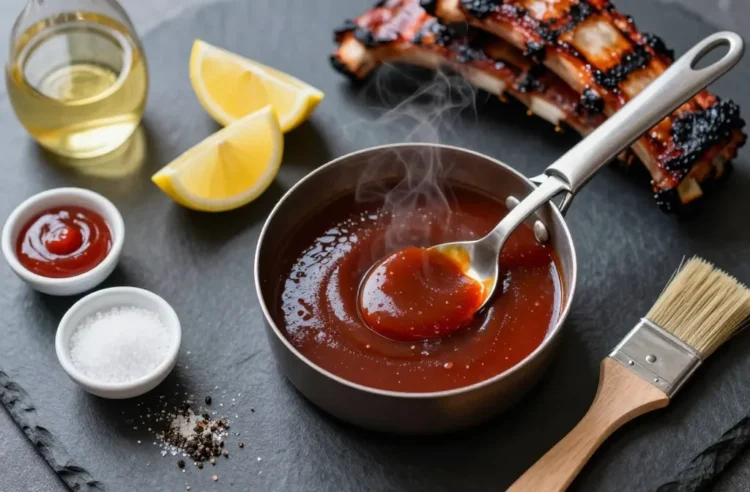
- Best for: Grilling nights when your sauce tastes candy-sweet
- Make ahead: Yes — up to 1 week in the fridge or 3 months frozen
- Serves: Yields about 2 cups adjustment-friendly sauce
- Key tip: Balance sweetness with layered acids, then add salt last
How to Make BBQ Sauce Less Sweet — Balancing the Acidity starts with understanding why that sugary punch takes over. Most bottled and homemade sauces lean heavy on sugar for gloss and caramelization, but you can dial it back without dulling flavor. A few smart acid choices, a pinch of salt, and controlled heat will bring your sauce back into focus. Here’s exactly how to tweak your current batch — or build a balanced one from scratch.
Why BBQ Sauce Skews Sweet (And How to Fix It)
BBQ sauce rides on four pillars: sweet, sour, salty, and heat. Commercial sauces push the sweet to guarantee browning and mass appeal. That’s why your ribs taste like dessert.
To fix it, you don’t just cut sugar — you balance it. Acid brightens, salt sharpens, and umami fills the middle. Get these three right and the sweetness falls into place.
Acidity That Works: Vinegars, Citrus, and Ferments
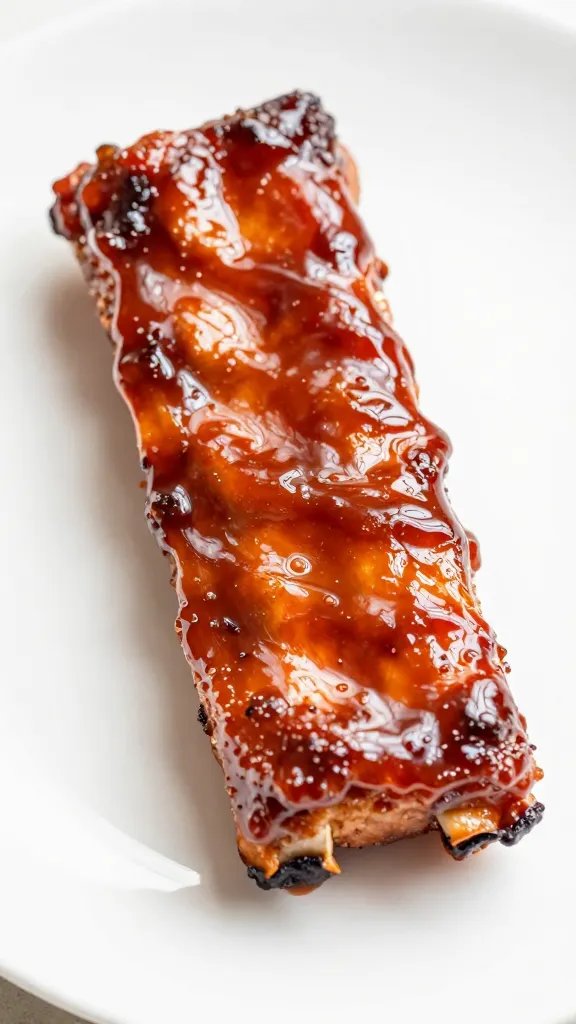
Not all acids taste the same. Pick the right one for your base and protein.
- Apple cider vinegar: Classic for Kansas City–style sauces. Fruity and gentle. Start with 1–2 tablespoons per cup of sauce.
- White vinegar: Sharp and clean. Great for cutting through ketchup-heavy bases. Use sparingly: 1 tablespoon per cup, taste, then add more.
- Red wine vinegar: Fuller, great with tomato-molasses bases. 1 tablespoon per cup.
- Lemon juice: Bright and fresh; add at the end. 1–2 teaspoons per cup to lift without thinning.
- Worcestershire or fish sauce: Technically umami, but their acidity and complexity reduce perceived sweetness. 1–2 teaspoons per cup.
- Mustard (yellow, Dijon, or dry): Brings acid and heat. 1–2 teaspoons per cup.
Pro move: Layer a mellow vinegar (apple cider) during simmering, then finish with a squeeze of lemon for top-note brightness.
Salt, Heat, and Umami: Your Sweetness Counterweights

Once the acid is in, recalibrate the rest. Salt increases overall flavor perception and makes sweet taste less cloying. Add in tiny increments.
- Kosher salt: Start with a pinch per cup post-acid, taste, then repeat.
- Heat: Chili flakes, cayenne, hot sauce, or chipotle in adobo. Add 1/8 teaspoon at a time; heat amplifies balance but can overwhelm fast.
- Umami: Tomato paste, anchovy paste, soy sauce, or miso. 1 teaspoon per cup can round the mid-palate so the sauce reads savory, not sugary.
Remember: Heat and salt bloom during simmering and resting. Taste again when cool.
Step-by-Step: Fix a Too-Sweet Sauce You Already Made

- Warm the sauce gently. Low heat helps flavors integrate; don’t boil.
- Add base acid. Stir in 1 tablespoon apple cider vinegar per cup. Simmer 3–5 minutes.
- Taste and adjust. Still sweet? Add 1 teaspoon Dijon or 1 teaspoon Worcestershire per cup.
- Balance salt. Add a pinch of kosher salt. Taste. Repeat if needed.
- Optional heat/umami. Add 1/8 teaspoon cayenne or 1 teaspoon tomato paste per cup.
- Finish bright. Off heat, add 1–2 teaspoons lemon juice per cup. Rest 10 minutes and taste again.
Goal: When you dip a spoon, you should first taste tang and smoke, then gentle sweetness, and a clean finish — not syrup.
Build a Balanced BBQ Sauce From Scratch

Core Ratio (per 1 cup yield)
- Sweet: 2 tablespoons brown sugar or honey
- Sour: 3 tablespoons vinegar (apple cider + 1 teaspoon lemon juice at finish)
- Body: 1/2 cup ketchup or tomato passata
- Umami: 1 teaspoon Worcestershire or 1/2 teaspoon soy sauce
- Heat: 1/8–1/4 teaspoon cayenne or 1 teaspoon hot sauce
- Salt: 1/4–1/2 teaspoon kosher salt, to taste
- Optional: 1 teaspoon mustard, 1 teaspoon smoked paprika, black pepper
Method
- Simmer ketchup, vinegar, brown sugar, and spices for 8–10 minutes until glossy.
- Add Worcestershire and mustard; simmer 2 more minutes.
- Off heat, stir in lemon juice and adjust salt and heat.
Why it works: The vinegar slightly outweighs the sugar, giving you tang first, sweet second — ideal for chicken, ribs, or burgers.
Protein Pairings: Adjust Sweetness by What You’re Cooking
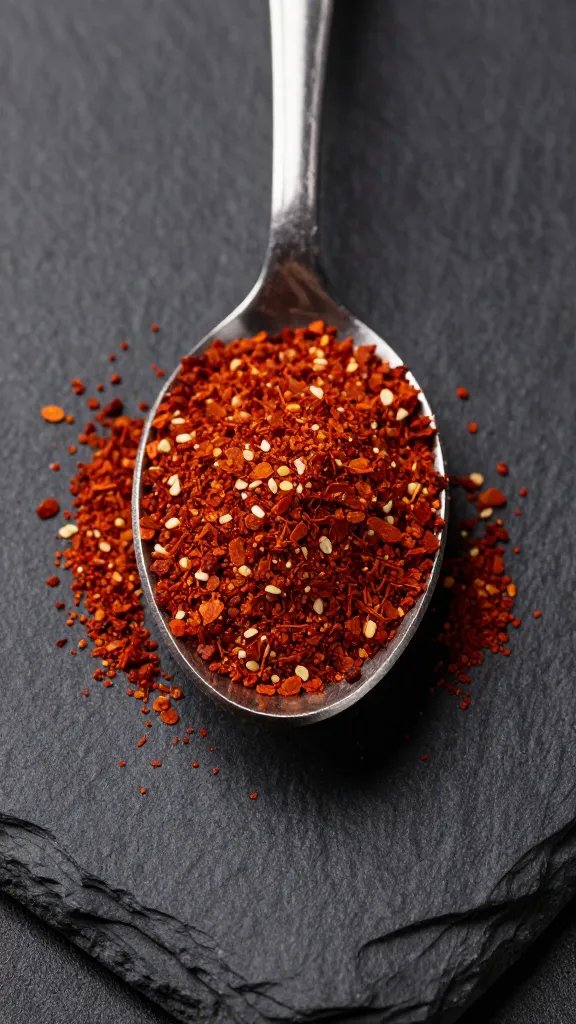
- Pork ribs/pulled pork: Can handle more sweetness; keep vinegar steady and add mustard to cut fat.
- Chicken: Use less sugar and more lemon or white vinegar to keep it bright.
- Brisket/beef: Reduce sugar, add coffee, espresso powder, or molasses for bitterness and depth; finish with red wine vinegar.
- Seafood: Very low sugar; lean on citrus, fresh chili, and light soy for umami.
Want a non-sweet, herb-forward option for grilled steak? Try this chimichurri recipe alongside a toned-down sauce for contrast.
Thick, Glossy, Not Syrupy: Texture Tweaks
Sweetness often reads as thickness because sugar builds body. You can keep the texture without the sugar spike.
- Reduce to thicken: Simmer 8–12 minutes, stirring often; water evaporates, flavors concentrate.
- Tomato paste: 1–2 teaspoons add body and umami without extra sugar.
- Cornstarch slurry (optional): 1 teaspoon cornstarch + 1 tablespoon water per cup; simmer 1 minute. Use sparingly to avoid a gummy feel.
Serving pork shoulder for a crowd? Pair your balanced sauce with these make-ahead brioche buns so the acidity has a soft, rich counterpoint.
From My Kitchen: What Actually Works
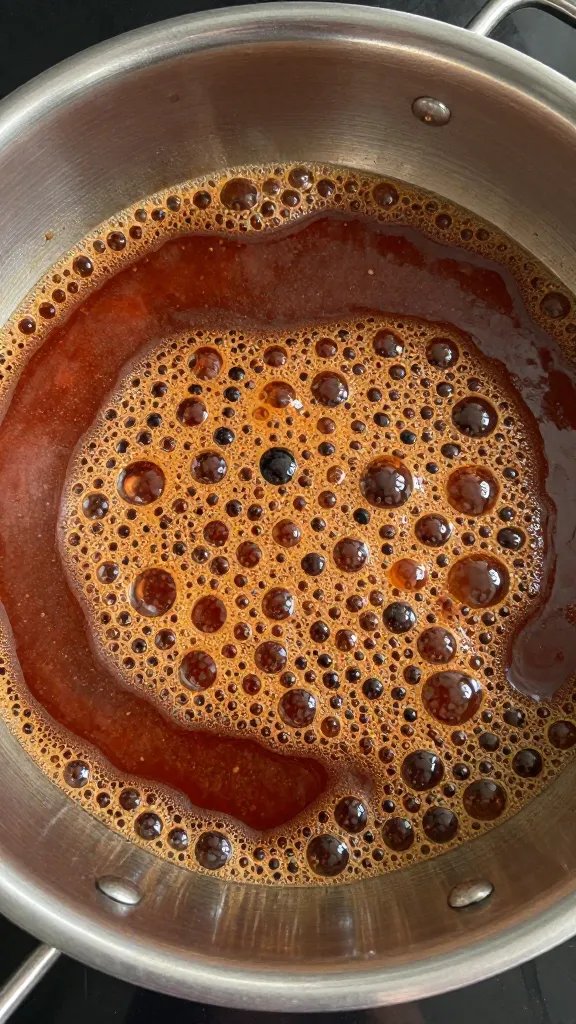
The most reliable move for an overly sweet sauce is a two-stage acid: I simmer with apple cider vinegar, then finish with lemon off heat. It brightens without harshness. When scaling up, I reduce sugar by 25% but keep vinegar the same — sweetness creeps up in big batches. Also, I add salt only after simmering; seasoning before reduction leads to a salty finish once the sauce thickens. Finally, if the sauce still reads sweet on chicken, 1 teaspoon Dijon per cup snaps it into balance every time.
Frequently Asked Questions
How can I make BBQ sauce less sweet without ruining the flavor?
Add acid in layers (apple cider vinegar while simmering, lemon to finish), then adjust salt and umami. Make small changes, taste, and rest 10 minutes. This approach preserves depth while cutting the sugary edge.
What’s the best vinegar for balancing a sweet BBQ sauce?
Apple cider vinegar is the safest starting point because it’s fruity and gentle. If the sauce is still cloying, introduce a splash of white vinegar for extra snap or red wine vinegar for a rounder tang.
Can I fix a bottled BBQ sauce that’s too sweet?
Yes. Warm 1 cup sauce with 1 tablespoon apple cider vinegar and 1 teaspoon Dijon; simmer 5 minutes. Finish with 1 teaspoon lemon juice and a pinch of salt. Repeat in small increments until balanced.
How long does a balanced BBQ sauce keep in the fridge?
Up to 1 week in an airtight container. The flavors meld and mellow after 24 hours, so it actually tastes better the next day. Freeze for up to 3 months; thaw overnight and re-brighten with a splash of lemon.
Will adding heat make my BBQ sauce taste less sweet?
It helps, but don’t rely on heat alone. Add a small amount of cayenne or hot sauce after you’ve balanced acid and salt. Otherwise you’ll get spicy-sweet instead of truly balanced.
The Bottom Line
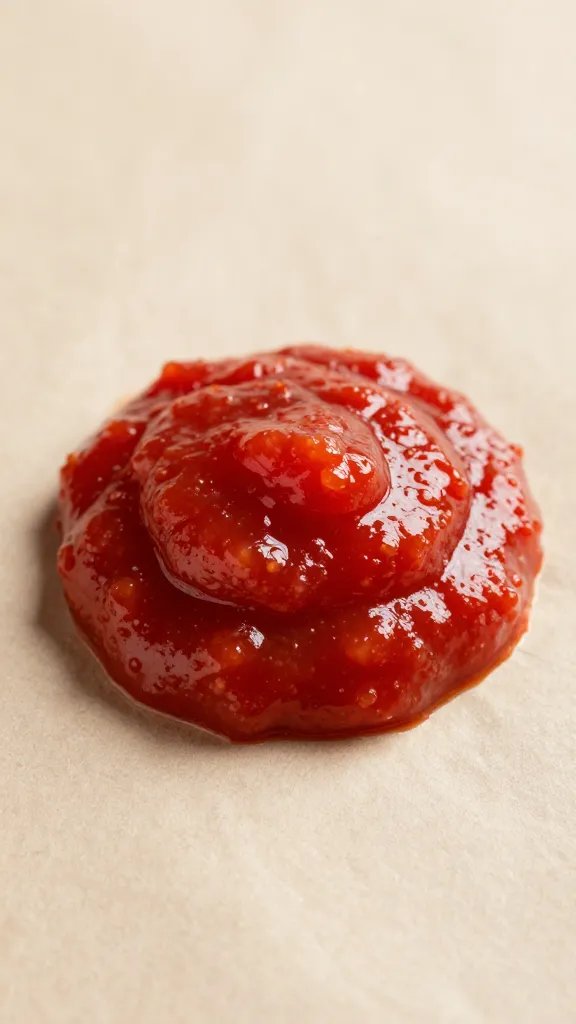
To make BBQ sauce less sweet, lead with acid, recalibrate salt and umami, and finish bright. Small, layered adjustments beat big swings — and your grill will taste better for it.
Planning to try this? Save this post so you can find it when you need it — and tag us when you make it.