- Best for: Weekend cooks, backyard BBQs, and low-and-slow smoking
- Make ahead: Yes — apply rub up to 24 hours in advance
- Serves: 2 racks serve 4–6 people
- Key tip: Light, even coverage and at least 30 minutes of rest unlock better bark
How to Apply Dry Rub to Ribs is simple once you know the timing, quantity, and method that actually create a great bark. The right rub-to-meat ratio and a smart rest window do more than season — they help texture and smoke adhesion. Skip the guesswork and stick to a repeatable process. You’ll learn how much rub to use, when to apply it, and exactly how to get it to stick without clumping.
Choose Your Rub: Salt Level Matters First
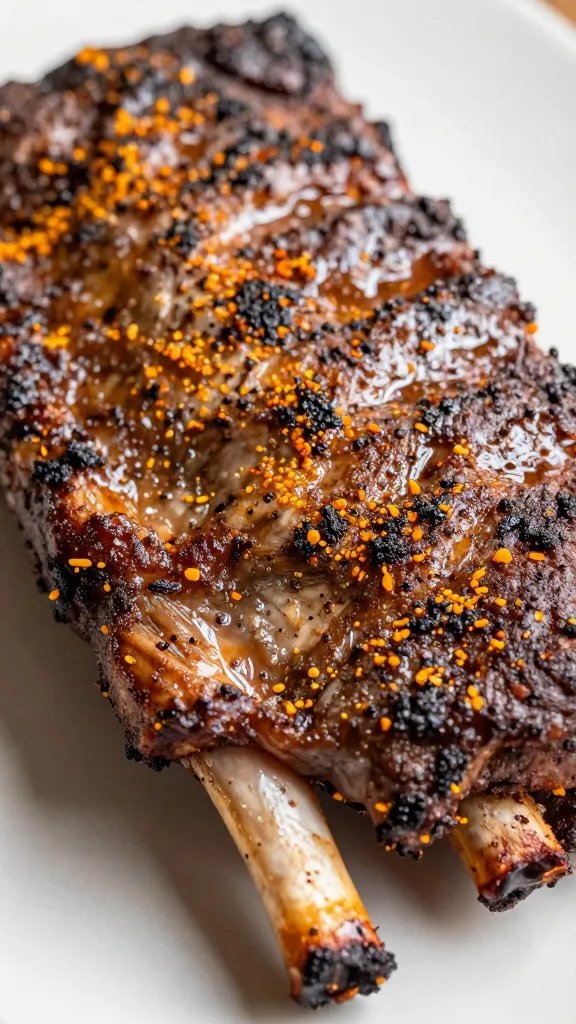
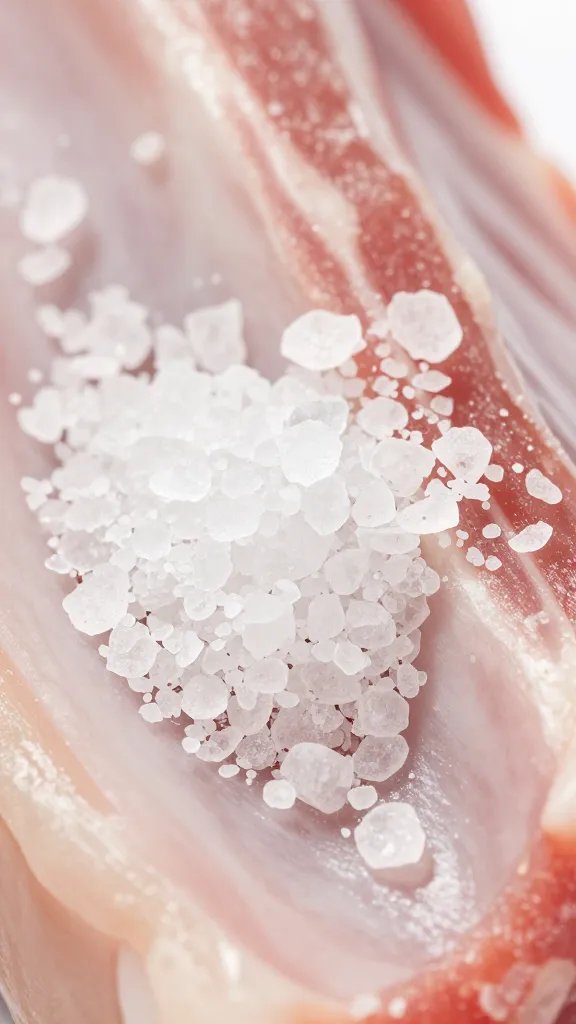
Before you touch the ribs, sanity-check the salt. Many store-bought rubs are already salty, so you don’t need a separate salt layer. If your rub is low-salt or no-salt, add kosher salt at 0.8–1% of meat weight.
Why it matters: Too much salt early draws excess moisture, which can slow bark formation. Aim for balanced salt so you can layer flavor without over-curing.
- Pre-salted rubs: Use as-is; don’t pre-salt.
- Low-salt rubs: Add 1 tsp kosher salt per 2 lbs ribs.
- No-sugar options: Great for hot-and-fast cooks to prevent burning.
Prep the Ribs: Trim, Dry, and Optional Binder
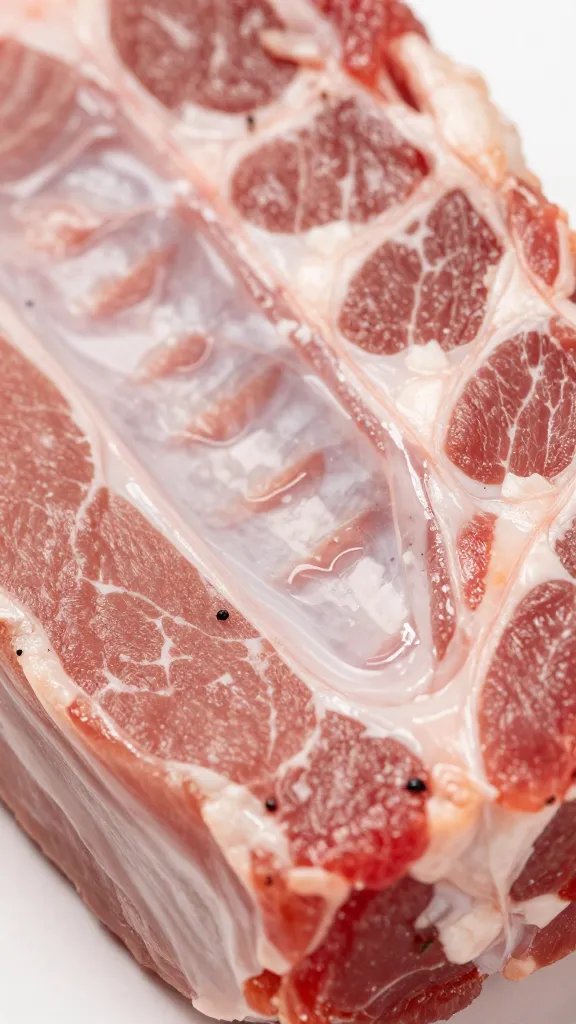
1) Trim and remove the membrane
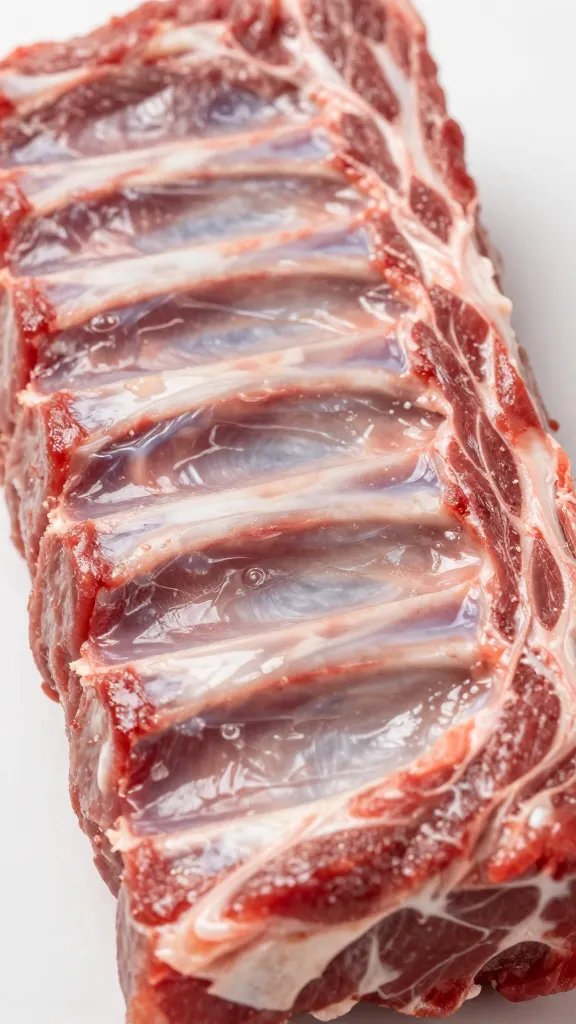
Slip a butter knife under the membrane on the bone side, grab with a paper towel, and peel. This helps smoke penetration and bite-through texture.
2) Pat dry thoroughly
Moisture on the surface dilutes your rub. Pat both sides dry so the spices contact meat, not water.
3) Binder: Yes or no?
A binder is optional. It doesn’t add flavor; it just helps the rub stick. Use a thin film if you like.
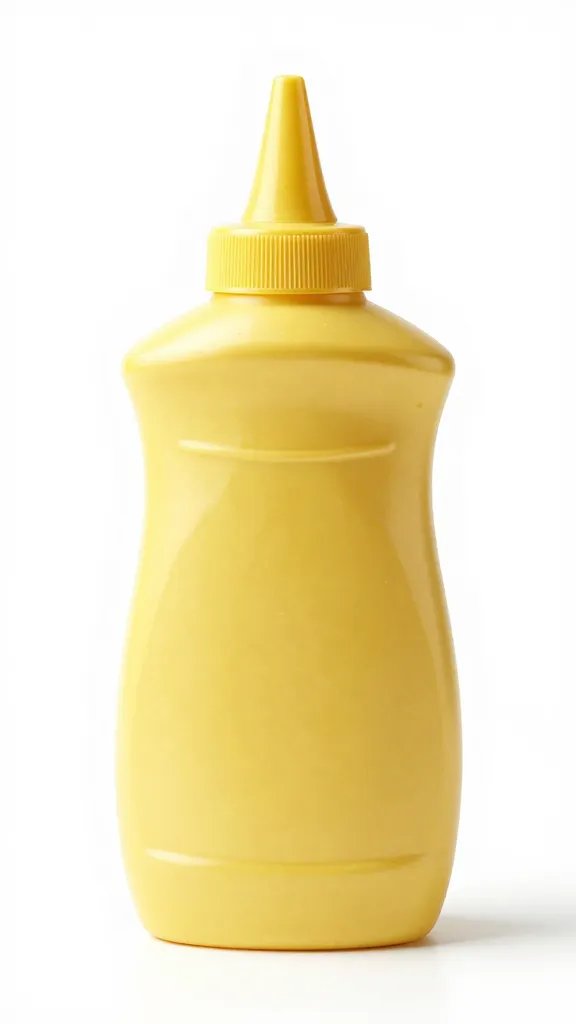
- Good binders: Yellow mustard, hot sauce, neutral oil.
- How much: About 1 tsp per side per rack — barely glossy, not wet.
How Much Rub to Use (And How to Measure)
Think in grams per pound for consistency. For most pork ribs, target 1 to 1.5 tablespoons (7–10 g) of rub per pound of meat. Baby backs need slightly less than spares.
- Baby back ribs: 1 Tbsp per lb (light-to-medium coat).
- St. Louis/spare ribs: 1.25–1.5 Tbsp per lb (more surface area).
- Sugar-heavy rubs: Stay on the lighter side to avoid scorching at higher temps.
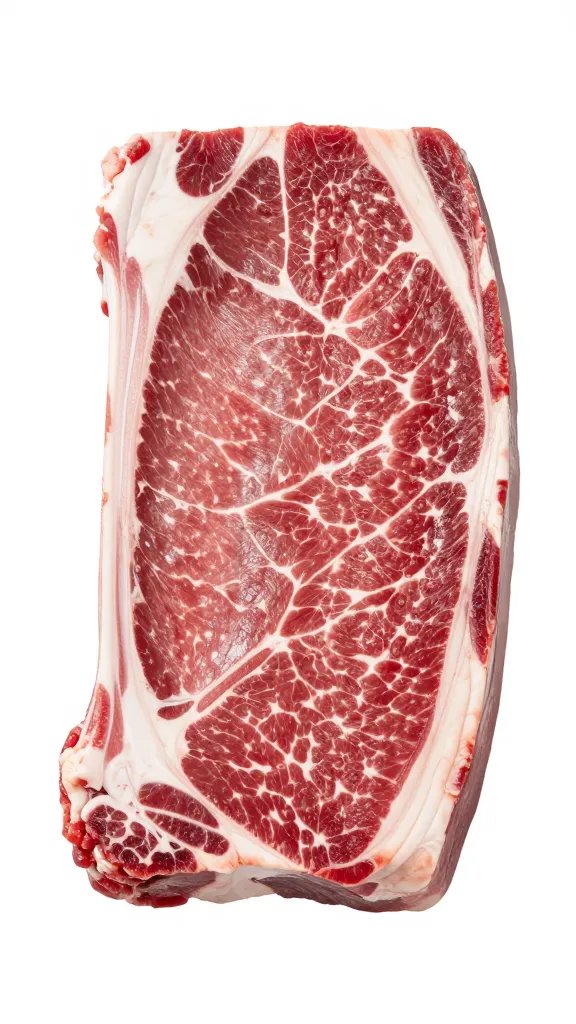
Coverage rule: You should still see the meat peeking through. If the rub looks like damp sand or starts to clump, you’ve gone too far.
When to Apply the Dry Rub to Ribs
Timing changes flavor intensity and texture. Use these windows:
- Quick cook (minimum): Apply rub 30–45 minutes before cooking. Salt draws a little moisture, which dissolves spices and helps adhesion.
- Standard rest: 2–4 hours in the fridge, uncovered. Enhances flavor without over-curing and dries the surface for better bark.
- Overnight (max 24 hours): Strongest flavor and deeper color. Best with moderate-salt rubs to avoid hammy texture.
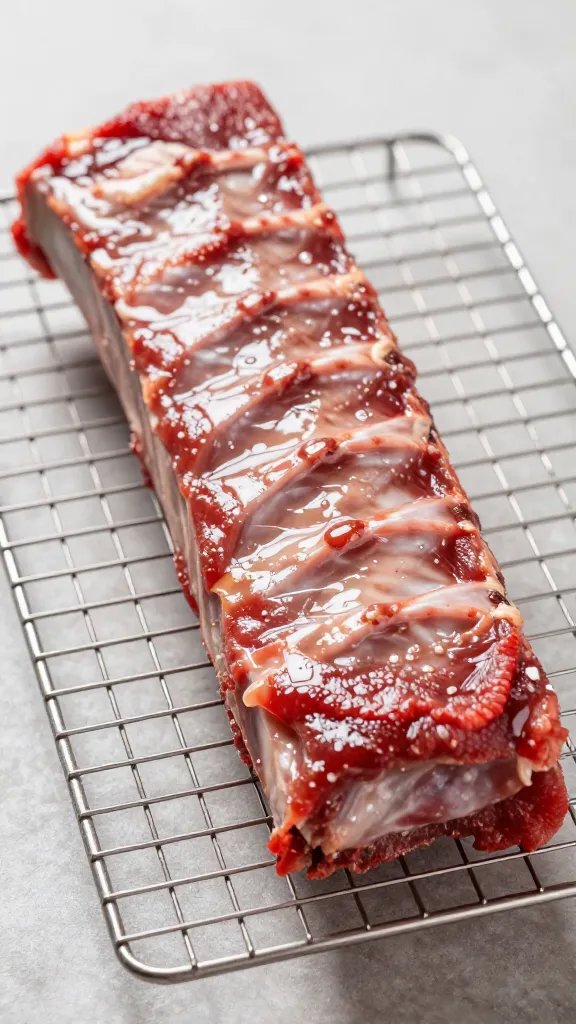
Fridge tip: Rest the rubbed ribs on a wire rack over a sheet pan, uncovered. Airflow dries the surface and improves smoke uptake.
Exact Method: Even Coverage, No Clumps
- Place ribs on a sheet pan; bone side up first. If using a binder, apply a thin, even film.
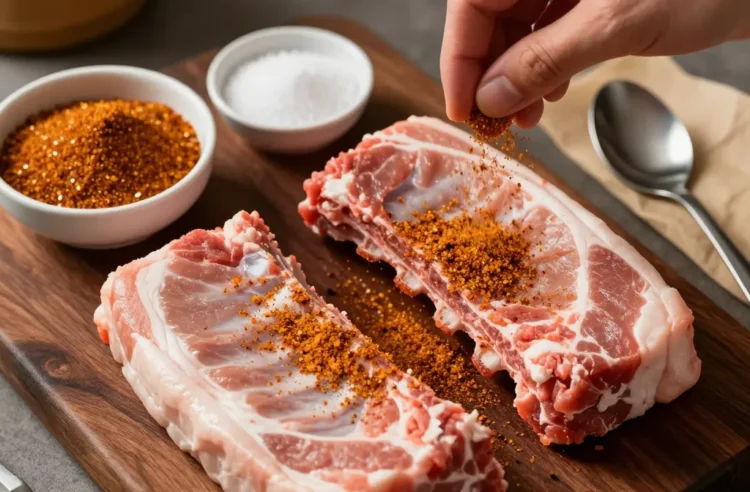
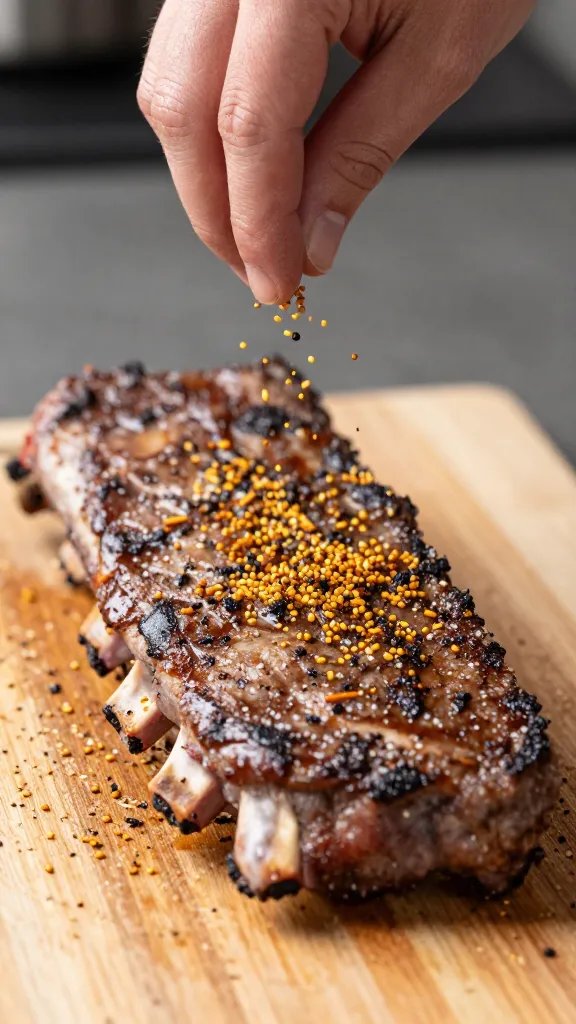
- Hold your hand 8–10 inches above the meat. Sprinkle rub in a steady shake for light, uniform coverage. Don’t dump; don’t rub hard.
- Pat — don’t massage. Press gently to set the spices without creating paste.
- Flip and repeat on the meat side. Aim a bit more rub here; it’s the presentation side.
- Let rest as per your timing choice (30 minutes to 24 hours). If resting over 2 hours, refrigerate.
Going to the smoker? Before the ribs go on, check for wet patches. If you see shine or beading, blot lightly and add a dusting to even it out.
Cooking Temperature, Bark, and When to Spritz
Rub behavior depends on heat. At 225–250°F, sugar caramelizes gently and bark forms gradually. At 275–300°F, bark sets faster; use a lower-sugar rub or lighter coat.
- Spritzing: Start after the bark begins to set, usually 90 minutes in at 250°F. Use apple cider vinegar, diluted juice, or water. Spritz every 30–45 minutes if the surface looks dry.
- Wrapping: If you wrap (Texas crutch), wait until color is deep mahogany and bark is firm to the touch. Too early and you’ll wash off spices.
Common Mistakes to Avoid
- Over-salting: Doubling up with a salty rub plus a full salt layer leads to a cured texture.
- Wet binder overload: Thick mustard or oil turns spices into paste and blocks smoke.
- Inconsistent coverage: Patchy rub = patchy bark. Keep the shaker moving.
- Rubbing instead of patting: Aggressive rubbing tears the surface and clumps spices.
- Spritzing too soon: Moisture early dissolves your bark-in-progress.
From My Kitchen: What Actually Works
I’ve tested side-by-side racks with the same rub at three rest times: 30 minutes, 3 hours, and overnight. The 3-hour rest consistently gives the best balance of flavor and bark without pushing saltiness. I also keep my binder to under 1 teaspoon per side; any more and I see streaking where the rub clumps. Finally, I sift clumpy rubs through a fine mesh strainer before applying — the even grain sizes land cleaner and create a smoother crust.
Serving and Sauce Pairings
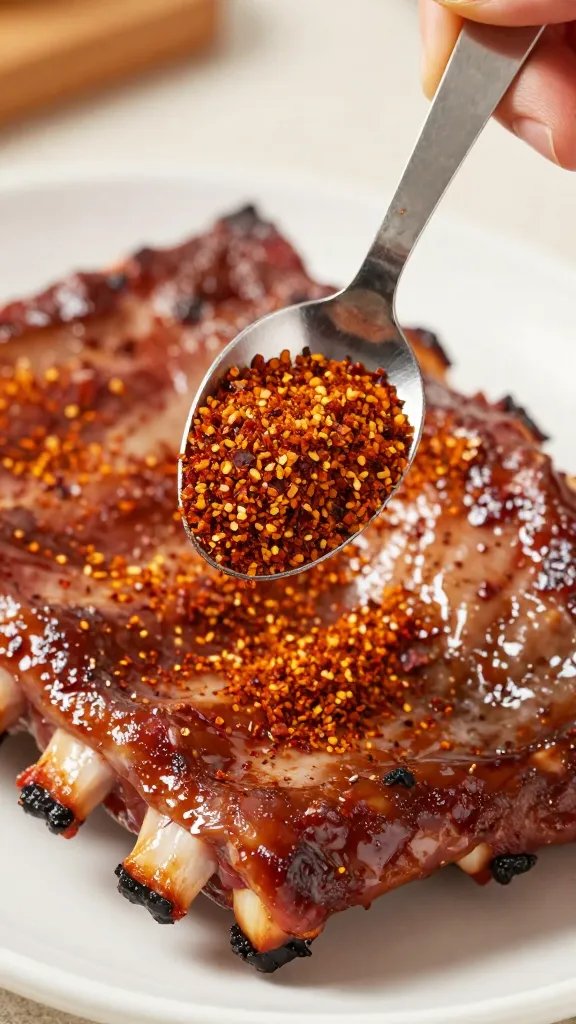
Slice between bones after a 10–15 minute rest so juices settle. If you sauce, brush a thin glaze in the last 10–15 minutes to set without softening bark.
- Bright-herb option: Try this chimichurri recipe as a fresh table sauce alongside smoky ribs.
- Want a deeper smoke profile? Pair with a tangy slaw and a simple vinegar dip like Carolina-style vinegar sauce for balance.
Frequently Asked Questions
How much dry rub should I put on ribs?
Use about 1 to 1.5 tablespoons per pound of ribs. Baby backs need slightly less than spares, and sugar-heavy rubs should be applied more lightly for hotter cooks.
When should I apply dry rub to ribs before smoking?
Apply at least 30–45 minutes before cooking for a quick cook, 2–4 hours for best balance, or up to 24 hours for maximum flavor. Rest uncovered in the fridge to dry the surface.
Do I need mustard or oil to make rub stick?
No, but a thin binder helps, especially on very dry meat. Use about 1 teaspoon per side and avoid thick layers that cause clumping.
Can I over-season ribs with a dry rub?
Yes. Over-salting or piling on a thick coat can lead to a gritty bark and cured flavor. You should still see some meat through the rub after coating.
Should I spritz ribs after applying a dry rub?
Yes, but only after the bark begins to set — around 90 minutes at 250°F. Spritz lightly every 30–45 minutes if the surface looks dry to avoid washing off spices.
The Bottom Line
Great ribs start with the right timing, a measured rub amount, and a light hand. Keep coverage even, rest long enough to set the surface, and don’t rush bark formation with early moisture.
Planning to try this? Save this post so you can find it when you need it — and tag us when you make it.