Key Takeaways
- A high-quality roasting pan with a rack is crucial for achieving a perfectly cooked, golden-brown Thanksgiving turkey with crispy skin and juicy meat
- Reliable meat thermometers are non-negotiable tools that eliminate guesswork and ensure food safety while preventing dry, overcooked holiday meats
- Specialized prep tools like sturdy vegetable peelers, potato ricers, and sharp chef’s knives significantly reduce preparation time for labor-intensive side dishes
- Professional-grade bakeware including pie plates, rolling pins and pastry tools guarantee consistent results for traditional holiday desserts
- Elegant serving essentials such as carving sets, coordinated platters, and dedicated serving utensils showcase your culinary efforts
- Strategic organization tools like multiple timers, cooling racks, and food storage solutions help manage the complexity of preparing numerous dishes simultaneously
- Investing in quality kitchen tools pays dividends year-round, not just during holiday cooking seasons
Introduction: Preparing Your Kitchen for Thanksgiving Success
Thanksgiving represents the pinnacle of home cooking for many families across America. This cherished holiday brings together loved ones around a table filled with traditional favorites and new culinary creations. Preparing such an elaborate feast requires more than just good recipes and cooking skills—it demands the right kitchen tools to ensure everything comes together smoothly. From managing multiple dishes with different cooking times to achieving the perfect golden-brown turkey, having proper equipment transforms what could be a stressful cooking marathon into an organized, enjoyable culinary experience.
Whether you’re hosting Thanksgiving for the first time or looking to upgrade your holiday cooking arsenal, having the essential kitchen equipment makes all the difference. From properly cooking that perfect turkey to creating delicious sides and desserts, the right tools can transform your Thanksgiving preparation. Professional chefs have long understood that quality equipment doesn’t just make cooking easier—it actually improves the final results by ensuring consistent temperatures, proper cooking techniques, and efficient preparation methods.
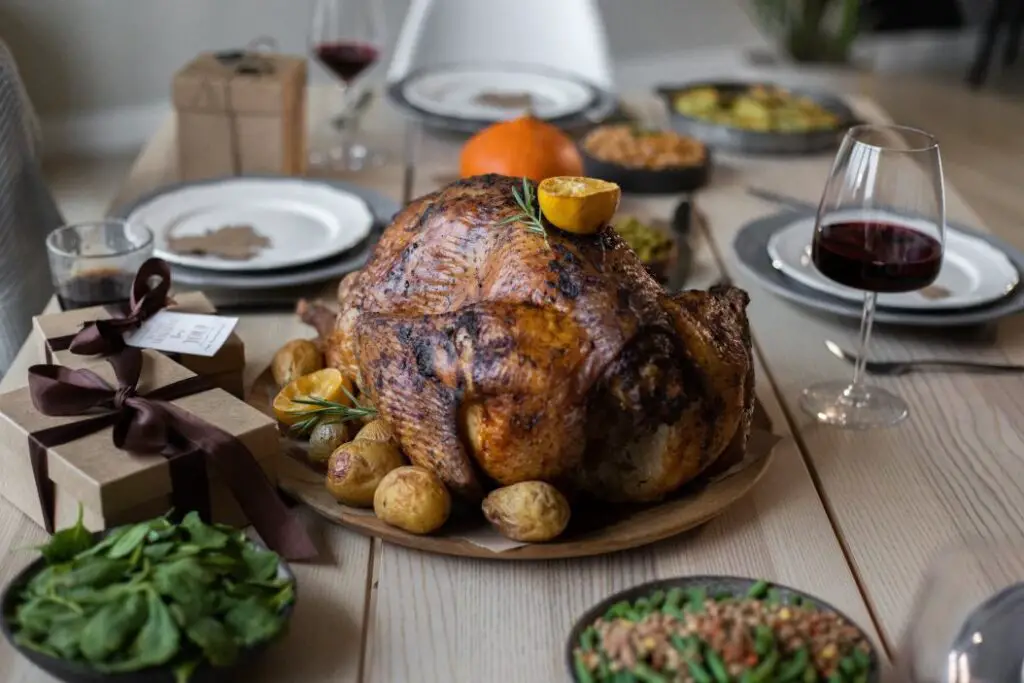

In this guide, we’ve compiled a must-have list of kitchen essentials specifically for Thanksgiving cooking. We’ll cover everything from preparation tools to cooking equipment and serving essentials that will help you create a memorable holiday feast. Our Complete Guide to Thanksgiving recipes pairs perfectly with these kitchen tools recommendations to ensure your holiday meal is a success. By investing in these key kitchen items, you’ll not only enhance this year’s Thanksgiving celebration but also build a collection of versatile tools that will serve you well for countless family meals throughout the year.
1. Turkey Preparation Essentials
The centerpiece of most Thanksgiving tables is the turkey. Cooking this large bird to perfection requires specific tools designed to handle its size and cooking requirements. The difference between a mediocre turkey and one that becomes the highlight of your feast often comes down to having the right equipment for proper preparation, cooking, and monitoring.
High-Quality Roasting Pan with Rack
A sturdy, large roasting pan with a rack is perhaps the most important investment for Thanksgiving cooking. Look for one made from heavy-gauge materials that won’t warp under high heat and is large enough to accommodate your turkey with space around the sides for proper air circulation. Professional-grade roasting pans typically feature tri-ply construction with an aluminum core sandwiched between stainless steel layers, providing superior heat distribution that prevents hot spots and ensures even cooking throughout your turkey.
The rack elevates the turkey, allowing heat to circulate underneath and fat to drip away, resulting in crispy skin all around. A pan with handles makes transferring the heavy turkey in and out of the oven much easier and safer. These handles should be securely riveted and large enough to grip confidently even while wearing oven mitts. Many cooking experts recommend selecting a roasting pan that’s approximately 16 by 13 inches to accommodate turkeys up to 20 pounds while still fitting in standard home ovens.
When choosing a roasting pan, consider one that can transition from oven to stovetop, which allows you to make gravy directly in the pan using the flavorful drippings. This dual functionality eliminates the need to transfer hot drippings to another vessel and captures all the caramelized bits (fond) that develop during roasting—these contain concentrated flavor compounds that significantly enhance your gravy. Our guide on how much turkey to prepare can help you select the appropriate size roasting pan based on your guest count and ensure you’re not struggling with equipment that’s either too small or unnecessarily large for your needs.
Reliable Meat Thermometer
Nothing ruins a Thanksgiving feast faster than an undercooked or overcooked turkey. A reliable meat thermometer eliminates the guesswork and ensures your turkey reaches the perfect internal temperature of 165°F (74°C) for food safety while remaining juicy. According to food safety experts, temperature is the only reliable indicator of doneness—visual cues like color or juices can be misleading and potentially dangerous when it comes to poultry.
There are two main types to consider:
1. Instant-read digital thermometers: These provide quick temperature readings when inserted into the meat but aren’t left in during cooking. High-quality models can deliver accurate readings within 2-3 seconds and typically feature large, easy-to-read displays that eliminate any confusion about whether your turkey has reached the proper temperature. Many professional chefs prefer these for their versatility across different cooking applications.
2. Leave-in probe thermometers: These remain in the turkey throughout the cooking process, with a display unit outside the oven that lets you monitor the temperature without opening the oven door. Advanced models offer programmable temperature alerts that notify you when your turkey reaches the target temperature, preventing overcooking. Some even connect to smartphone apps, allowing you to monitor cooking progress remotely while attending to other dishes.
Many professional cooks recommend having both types on hand for the most accurate results. The leave-in thermometer monitors progress, while the instant-read provides verification in multiple spots before serving. For maximum accuracy, test your turkey’s temperature in several locations including the thickest part of the breast and the innermost part of the thigh, ensuring all areas have reached the safe minimum temperature.
Turkey Baster and Injector
While not absolutely essential, a good turkey baster helps keep your bird moist by allowing you to collect and redistribute the flavorful drippings over the turkey during cooking. Look for one with a heat-resistant bulb and a removable tip for easy cleaning. Silicone bulbs offer superior heat resistance compared to traditional rubber versions, and models with measurement markings can help you track how much liquid you’re basting with over time.
For those wanting to add extra flavor, a marinade injector allows you to inject butter, broth, or seasoned marinades directly into the meat before cooking, enhancing moisture and flavor throughout the turkey. This technique, favored by many professional chefs, ensures flavor penetrates deep into the meat rather than remaining primarily on the surface. Stainless steel injectors with multiple needle tips of varying sizes give you options for different marinade viscosities—thinner needles for clear broths and larger ones for marinades containing herbs or minced garlic.
2. Essential Preparation Tools for Side Dishes
Thanksgiving isn’t complete without the beloved side dishes that complement the turkey. Having the right preparation tools makes creating these sides efficient and enjoyable. While the turkey may be the centerpiece, many guests actually look forward to the diverse array of sides that showcase seasonal ingredients and family traditions. Proper preparation tools help ensure these dishes receive the same attention to detail as the main attraction.
Quality Vegetable Peeler and Prep Tools
With so many vegetables to prepare for Thanksgiving sides, a sharp, ergonomic vegetable peeler is invaluable. Look for one with a comfortable grip that won’t strain your hand when peeling pounds of potatoes, carrots, and other root vegetables. Professional-grade Y-shaped peelers often provide better control and efficiency than straight peelers, allowing you to work through large quantities of vegetables quickly without hand fatigue. Some models feature ceramic blades that stay sharp longer than traditional steel versions.
Other essential prep tools include:
– Chef’s knife and cutting board: A sharp 8-inch chef’s knife handles most cutting tasks, while a large cutting board provides ample workspace. Culinary professionals recommend end-grain wooden cutting boards for their knife-friendly surface and natural antibacterial properties, though plastic boards dedicated to specific ingredients can help prevent cross-contamination. Consider having at least two large cutting boards available—one for raw proteins and another for produce—to streamline workflow and maintain food safety.
– Vegetable brush: For cleaning potatoes and other root vegetables before cooking. Look for brushes with natural bristles that effectively remove dirt without damaging delicate skins. This is especially important for organic vegetables that may have more soil residue than conventionally grown produce.
– Microplane grater/zester: Perfect for adding citrus zest, fresh nutmeg, or ginger to recipes. The fine, razor-sharp teeth of a quality microplane extract the flavorful oils from citrus peels without the bitter pith, allowing you to add bright, aromatic notes to everything from cranberry sauce to vegetable dishes. Professional chefs consider this tool essential for adding depth of flavor to both savory and sweet preparations.
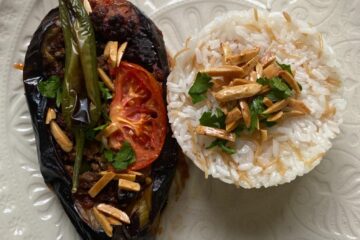
Our collection of side dish recipes offers numerous ideas for utilizing these preparation tools to create delicious accompaniments to your Thanksgiving turkey. From traditional favorites like green bean casserole to more contemporary options like roasted Brussels sprouts with balsamic glaze, these recipes are designed to showcase seasonal ingredients while complementing your main course.
Potato Masher or Ricer
Mashed potatoes are a Thanksgiving staple, and the tool you use to mash them significantly affects their texture. Consider these options:
– Traditional potato masher: Creates rustic, slightly textured mashed potatoes with minimal effort. The best models feature sturdy construction with comfortable, non-slip handles and a mashing plate designed to break down potatoes efficiently without requiring excessive force. Wire-style mashers tend to create fluffier results than plate-style versions, though both have their proponents among culinary professionals.
– Potato ricer: Produces the smoothest, fluffiest mashed potatoes by pressing cooked potatoes through small holes. This method crushes the potatoes without overworking them, which can release excess starch and create a gluey texture. Restaurant chefs often prefer ricers because they consistently deliver restaurant-quality results with minimal effort. Look for models with interchangeable discs offering different-sized holes for varying textures.
– Food mill: Offers versatility between the masher and ricer, with adjustable discs for different textures. Beyond potatoes, a food mill excels at creating silky smooth purees from other vegetables like butternut squash or parsnips, making it a versatile tool for multiple Thanksgiving side dishes. The three-legged design sits securely over bowls, allowing for comfortable, controlled processing.
The choice depends on your preferred texture—some families love rustic, chunky mashed potatoes, while others prefer them silky smooth. Whichever you choose, a quality masher or ricer makes the process much easier when preparing large holiday quantities. Many culinary experts recommend Yukon Gold potatoes for their naturally buttery flavor and creamy texture, regardless of which mashing tool you select.
Measuring Tools and Mixing Bowls
Accurate measurements are crucial for successful Thanksgiving recipes. A complete set of measuring tools includes:
– Measuring cups for dry ingredients: Typically in 1/4, 1/3, 1/2, and 1 cup sizes. Professional-grade cups are usually made from stainless steel with measurements stamped into the handles, ensuring they won’t fade or wash away over time. The straight rims allow for precise leveling with a knife or spatula, crucial for baking recipes where proportions directly affect results.
– Measuring cups for liquids: Clear with pour spouts and measurement lines. Look for angled measuring cups that allow you to read measurements from above without bending down to eye level, saving time and improving accuracy during busy cooking sessions. Borosilicate glass models can withstand extreme temperature changes, allowing you to measure hot liquids safely.
– Measuring spoons: For smaller amounts of ingredients. Sets that include 1/8 teaspoon and 2 tablespoon measures (beyond the standard sizes) provide greater flexibility for scaling recipes. Rectangular-shaped spoons often fit better into spice jars than round ones, making them more practical for holiday cooking that typically involves numerous seasonings.
– Kitchen scale: For the most precise measurements, especially useful for baking. Digital scales with tare functionality allow you to measure multiple ingredients in the same bowl by resetting to zero between additions. Many professional bakers insist on measuring by weight rather than volume for consistent results, particularly for flour which can vary significantly in volume depending on how it’s scooped.
A nested set of mixing bowls in various sizes allows you to prepare multiple dishes simultaneously. Look for durable stainless steel or glass bowls that can withstand being used as double boilers and can go from refrigerator to counter without temperature concerns. Professional kitchens favor stainless steel for its durability and lightweight nature, while home cooks often appreciate glass bowls for their ability to be heated in the microwave. Having at least 5-6 bowls in graduated sizes ensures you won’t run short during complex holiday preparations.
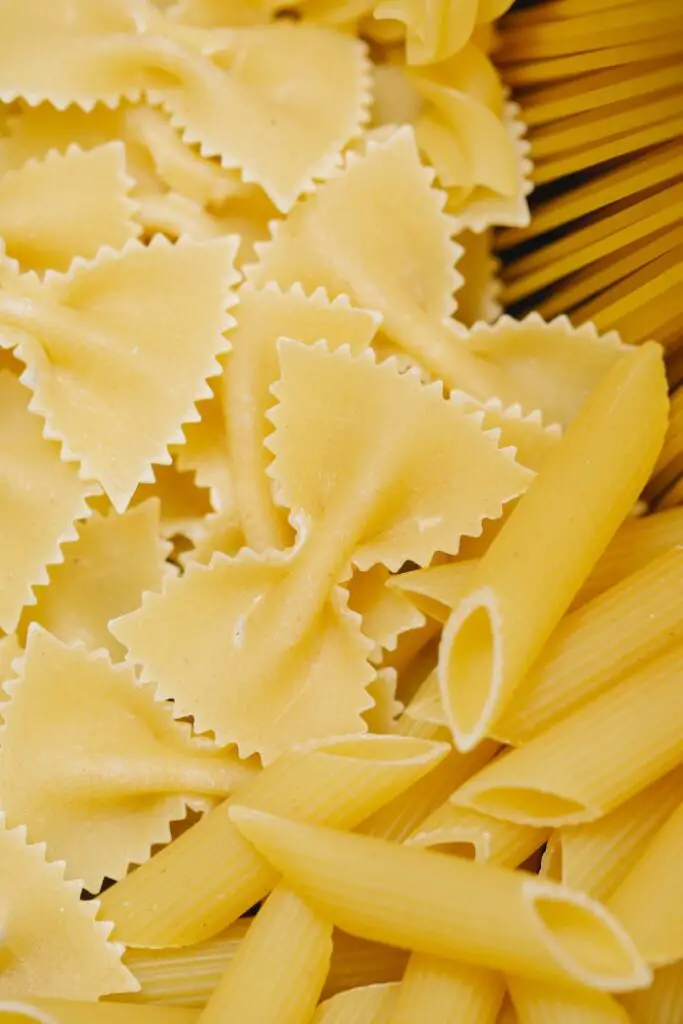
When preparing dishes for large gatherings, proper measurement becomes even more critical. Our guide on preparing macaroni and cheese for crowds demonstrates how precise measurements ensure consistent results when scaling recipes. The difference between a good dish and an exceptional one often comes down to accurate proportions, especially when multiplying recipes to feed extended family and friends during holiday gatherings.
3. Baking Essentials for Thanksgiving Desserts
Thanksgiving desserts, particularly pies, are beloved traditions that require specific baking tools for the best results. The conclusion of your feast deserves the same attention to detail as the main course, and having proper baking equipment ensures your desserts provide a memorable finale to the meal. Many Thanksgiving dessert recipes have been passed down through generations, and the right tools help preserve these traditions while ensuring consistent results.
Pie Plates and Baking Dishes
Quality pie plates are essential for Thanksgiving baking. Consider these options:
– Glass pie plates: Conduct heat evenly and let you see when the bottom crust is browned. Pyrex and other borosilicate glass options have been kitchen staples for generations because they distribute heat gradually and consistently, preventing the dreaded “soggy bottom” that can plague fruit pies. Their transparency allows you to monitor browning without disturbing the baking process.
– Ceramic pie plates: Provide beautiful presentation and even heating. These heavier plates retain heat exceptionally well, which helps maintain a consistent baking temperature even when the oven door is opened. Many feature decorative fluted edges that create an attractive crimped crust without additional effort. Artisanal ceramic pie plates often become cherished family heirlooms passed down through generations.
– Metal pie plates: Heat quickly and create crisp crusts. Aluminum conducts heat rapidly, making these plates ideal for recipes that benefit from quick setting of the bottom crust. Some professional bakers prefer dark metal pans for even browning, while others opt for shiny aluminum to prevent over-browning. Many feature perforated bottoms to enhance air circulation and prevent soggy crusts.
Beyond pie plates, versatile baking dishes for casseroles, stuffing, and other sides are crucial. Look for rectangular and oval baking dishes in various sizes that can go from oven to table. High-quality stoneware and enameled cast iron options provide excellent heat retention and distribution while doubling as attractive serving vessels. Having at least 3-4 different baking dishes in complementary sizes allows you to prepare multiple sides simultaneously without waiting for dishes to be washed and reused.
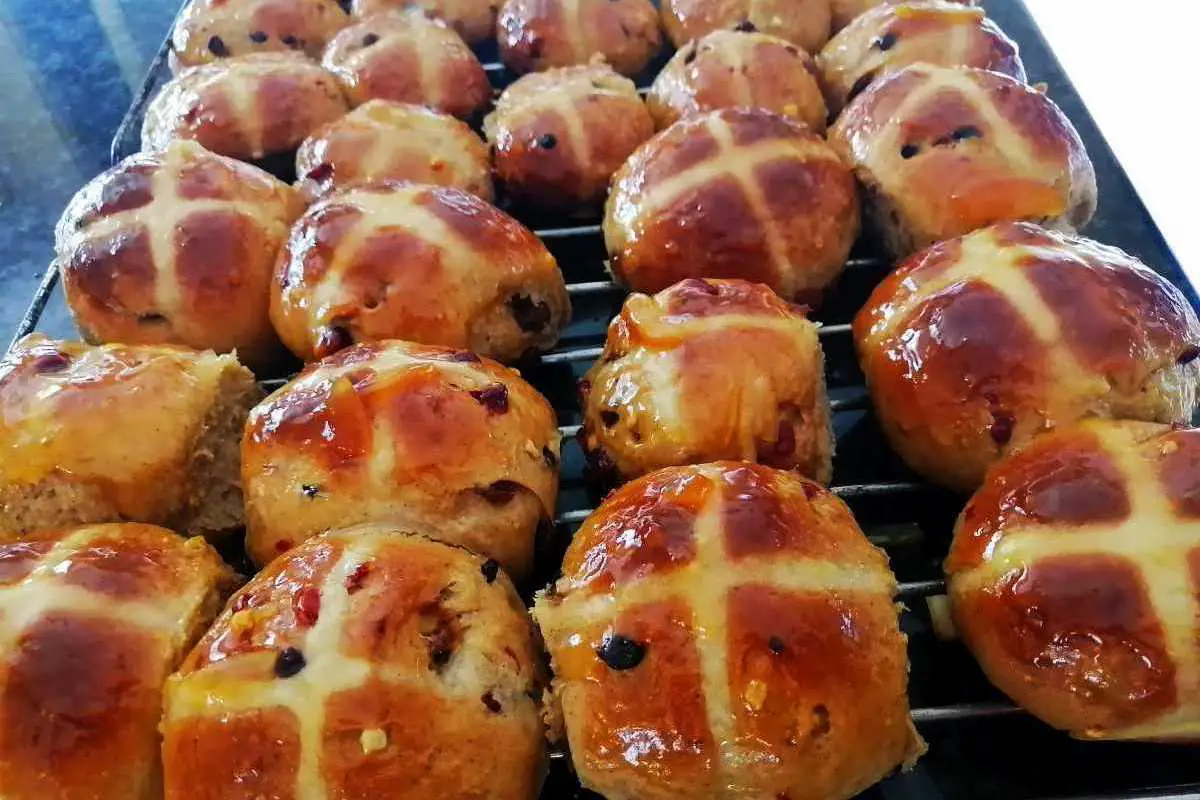

Our baking recipes and tips can help you make the most of these essential baking tools for your holiday desserts and breads. From classic pumpkin and pecan pies to more contemporary offerings like cranberry-apple crumbles, these recipes are designed to showcase seasonal ingredients while providing the sweet conclusion your guests will remember.
Rolling Pin and Pastry Tools
For homemade pie crusts and pastries, a quality rolling pin is indispensable. Options include:
– Traditional wooden rolling pins: Offer good weight and control. Hardwood pins made from maple or walnut provide durability and a naturally non-stick surface when properly floured. The balanced weight helps you apply even pressure across the dough, resulting in uniform thickness. Many bakers develop a lifelong attachment to their wooden rolling pins as they become seasoned with use over time.
– French rolling pins (tapered without handles): Provide excellent feel for dough thickness. Without handles to create distance between your hands and the dough, these pins allow you to sense variations in thickness more accurately. The tapered design makes it easier to roll dough into a perfect circle by applying slightly different pressure as you roll. Professional pastry chefs often prefer this style for its precision and versatility.
– Marble rolling pins: Stay naturally cool, ideal for butter-rich pastry doughs. The cool surface prevents butter from melting during the rolling process, which is critical for achieving flaky layers in pie crusts and puff pastry. Many come with wooden cradles for storage and easy chilling in the refrigerator before use. The substantial weight of marble pins reduces the effort needed to roll dough to desired thickness.
Additional pastry tools that make Thanksgiving baking easier include:
– Pastry blender: For cutting fat into flour when making pie crusts. The multiple curved wires or blades quickly incorporate cold butter or shortening into flour without warming the fat, which is essential for creating the flaky texture prized in traditional pie crusts. Look for models with comfortable handles and sturdy construction that won’t bend under pressure.
– Pastry brush: For applying egg washes or butter to pastries. Silicone brushes are easier to clean and more sanitary than traditional natural bristle versions, though some bakers prefer natural bristles for their superior ability to hold and distribute liquids evenly. Having multiple brushes allows you to dedicate specific ones to sweet versus savory applications.
– Pie weights: To prevent crust bubbling during blind baking. Ceramic or metal weights, dried beans, or even rice can be used to weigh down parchment-lined crusts during pre-baking, ensuring the crust maintains its shape and doesn’t develop air pockets. Dedicated ceramic weights conduct heat effectively, helping the crust cook evenly.
– Pie shields: To protect crust edges from over-browning. Adjustable silicone shields fit pies of various sizes and can be added mid-baking when edges begin to brown too quickly. These prevent the common problem of perfectly cooked filling with burnt edges, allowing the entire pie to reach ideal doneness simultaneously.
Stand Mixer or Hand Mixer
While our ancestors managed without electric mixers, these modern tools save tremendous time and effort when preparing multiple Thanksgiving dishes. A stand mixer with various attachments can:
– Knead bread and roll doughs with dough hooks that replicate the motion of hand kneading but with consistent pressure and without fatigue. This is particularly valuable for dinner rolls and bread recipes that require extended kneading to develop proper gluten structure.
– Whip cream and egg whites for desserts to perfect consistency with the wire whip attachment. The variable speed control allows for gentle starting to incorporate air gradually, then increasing to achieve stiff peaks without over-whipping. This precision is difficult to achieve with manual whisking.
– Mix cake batters and cookie doughs thoroughly with the paddle attachment, incorporating ingredients evenly without overworking the mixture. The planetary mixing action ensures all ingredients are incorporated from the sides and bottom of the bowl without manual scraping.
– Blend filling ingredients for pies and casseroles quickly and uniformly. Many stand mixers offer specialized attachments for food processing, grinding, or even pasta making, expanding their versatility well beyond basic mixing tasks.
If space or budget is limited, a good hand mixer can handle most mixing tasks, though with more manual involvement. Modern hand mixers feature multiple speed settings, ergonomic designs to reduce hand fatigue, and specialized attachments for different mixing needs. Either option significantly reduces the physical labor involved in Thanksgiving baking, allowing you to prepare more dishes with less effort and consistent results that might be difficult to achieve with manual mixing.
Essential Baking Tools Benefits
🥧
Quality Pie Plates
Even heating and proper browning of crusts
🧁
Stand Mixer
Saves time and energy with multiple dishes
🍞
Rolling Pin
Ensures consistent dough thickness
🔪
Pastry Tools
Creates professional-looking finished products
4. Essential Cookware for Thanksgiving Meal Preparation
Having the right cookware ensures every component of your Thanksgiving meal cooks properly and efficiently. Quality cookware doesn’t just make cooking easier—it actually improves the final results through proper heat distribution, appropriate cooking surfaces for different techniques, and features designed for specific culinary applications. The right pots and pans become trusted allies in creating a cohesive meal where every element is perfectly prepared.
Large Stockpot for Soups and Stocks
A large stockpot (8-12 quarts) serves multiple purposes during Thanksgiving preparation:
– Making homemade turkey or vegetable stock for gravy and stuffing. Creating stock from the turkey neck and giblets while the bird roasts provides superior flavor for gravy compared to store-bought alternatives. The deep pot allows for proper extraction of flavors from bones and aromatics during extended simmering periods without reduction concerns.
– Preparing soups as starters or using leftovers. A good stockpot enables you to create hearty soups that can be made days ahead and reheated, reducing day-of cooking stress. The generous capacity accommodates large batches that can feed extended family gatherings or provide planned leftovers for post-holiday meals.
– Boiling large quantities of potatoes for mashing. The wide diameter provides sufficient surface area to cook pounds of potatoes evenly without overcrowding, which can lead to inconsistent cooking. A quality pot will return to boil quickly after adding ingredients, maintaining consistent cooking temperatures.
– Blanching vegetables for side dishes. The depth allows for proper immersion in boiling water followed by quick removal, essential for preserving the bright color and crisp texture of green vegetables like green beans for casseroles or Brussels sprouts.
Look for a heavy-bottomed pot that distributes heat evenly and prevents scorching. Stainless steel with an aluminum or copper core provides excellent performance for these tasks. Professional-grade stockpots feature riveted handles that remain secure even when lifting a full pot, graduated measurement markings on the interior, and tight-fitting lids that allow for controlled evaporation during stock making.
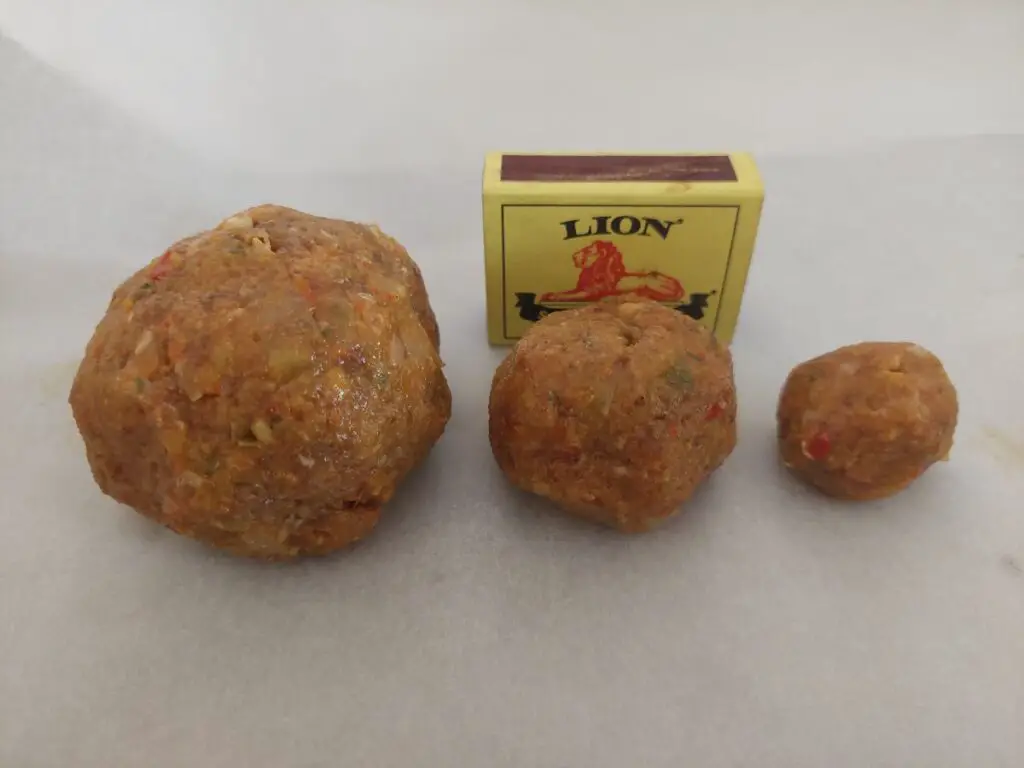
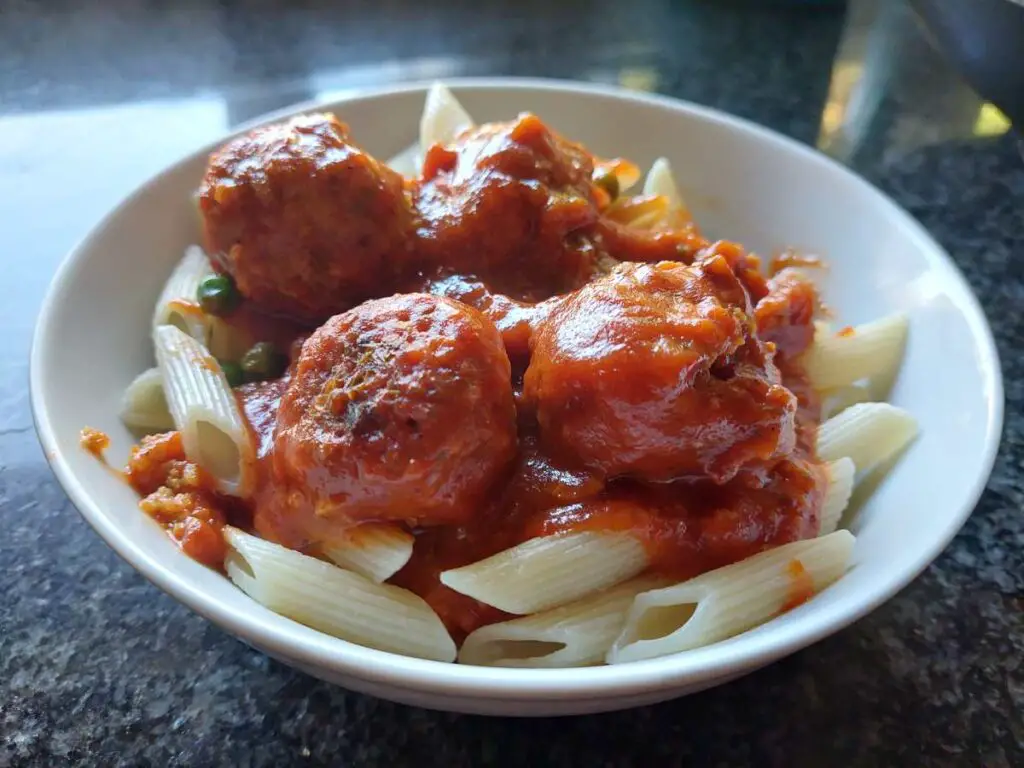
Our vegetable soup with meatballs recipe demonstrates how a quality stockpot can help create nutritious and flavorful soups for your Thanksgiving meal or for using holiday leftovers. This versatile recipe showcases how proper equipment allows you to develop layered flavors through techniques like sautéing aromatics before adding liquids, which requires even heat distribution that only quality cookware can provide.
Sauté Pans and Skillets
Multiple sauté pans and skillets in different sizes are invaluable for Thanksgiving cooking. These versatile pans are used for:
– Sautéing onions, celery, and herbs for stuffing. The wide, flat cooking surface allows ingredients to brown rather than steam, developing deeper flavors through proper caramelization. A quality pan maintains consistent temperature when ingredients are added, preventing the temperature drops that can lead to soggy rather than sautéed results.
– Making pan gravy with the flavorful drippings from your roasted turkey. The light-colored interior of stainless steel pans helps you monitor the color development of roux, ensuring you achieve the perfect golden brown base for rich gravy. The flat bottom provides even heat distribution for consistent thickening without lumps.
– Preparing vegetable side dishes that benefit from the caramelization and browning that proper sautéing provides. From Brussels sprouts to green beans with almonds, the quick cooking and flavor development possible in a quality skillet elevates simple vegetables to memorable sides.
– Reheating leftovers with better texture preservation than microwave methods. The controlled heat allows you to revitalize dishes without overcooking or drying them out, making day-after Thanksgiving plates almost as delicious as the original meal.
A 12-inch skillet and a 3-4 quart sauté pan with lid cover most Thanksgiving cooking needs. Look for pans that can go from stovetop to oven for maximum versatility. Professional-grade pans feature stay-cool handles, helper handles on larger sizes for safe lifting when full, and construction that eliminates hot spots for consistent cooking results. Many culinary experts recommend tri-ply stainless steel with aluminum core construction for its excellent heat distribution, durability, and versatility across cooking methods.
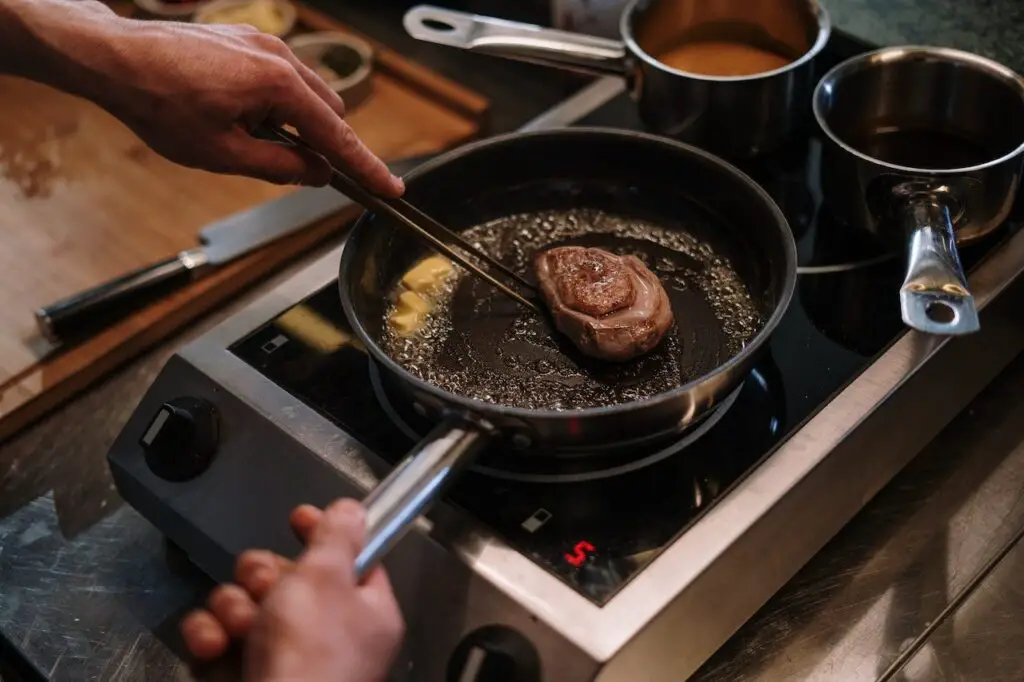

For tips on getting the most out of your cookware, including reheating leftovers, check out our guide on the best methods to reheat food while maintaining flavor and tenderness. The techniques described apply to many Thanksgiving leftovers and demonstrate how quality cookware contributes significantly to preserving the texture and taste of previously cooked foods.
Casserole Dishes in Various Sizes
Casserole dishes are the workhorses of Thanksgiving meal preparation. Having multiple sizes allows you to prepare different side dishes simultaneously. Look for casseroles that are:
– Oven, microwave, and dishwasher safe for maximum versatility and easy cleanup. This multi-functionality allows you to prepare dishes ahead, refrigerate, and reheat without transferring to different containers. High-quality ceramic and glass options typically offer this versatility while maintaining excellent heat retention properties.
– Attractive enough to go directly from oven to table, eliminating the need for extra serving dishes and reducing cleanup. Many manufacturers offer coordinated sets in complementary colors or patterns that create a cohesive presentation while still allowing guests to identify different dishes easily.
– Available with lids for storing leftovers, which simplifies post-meal cleanup and storage. Tight-fitting lids prevent odors from transferring in the refrigerator and help maintain moisture in leftovers. Some modern options feature silicone lids that create airtight seals while remaining oven-safe up to certain temperatures.
Popular sizes include 9×13 inch rectangular dishes for larger sides like stuffing and 8×8 or 9×9 inch square dishes for smaller portions. Having at least 3-4 casserole dishes in various sizes ensures you can prepare all your sides without waiting for dishes to be cleaned and reused. Professional kitchens often use the “mise en place” concept of having all equipment ready before cooking begins—having sufficient baking dishes embodies this principle for home cooks tackling complex holiday meals.
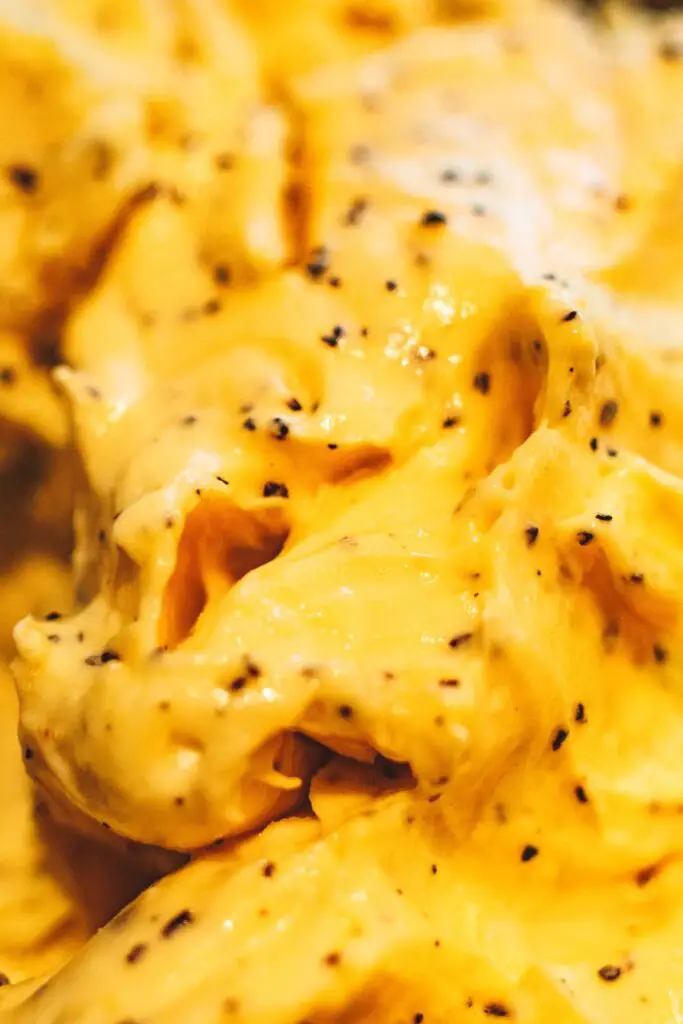
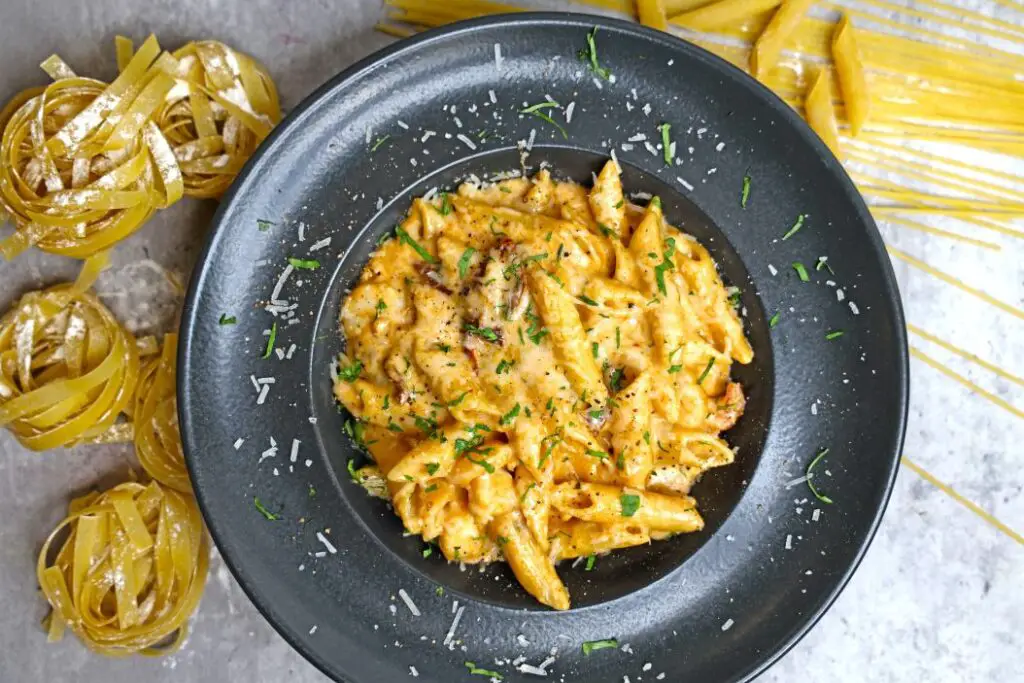
Our guide on preparing macaroni and cheese for large gatherings offers tips on selecting the right casserole dishes based on your guest count and serving style. The guide includes specific recommendations for depth and surface area ratios that optimize browning while ensuring creamy interiors—considerations that highlight how the right bakeware directly influences cooking results.
5. Serving and Presentation Essentials
The presentation of your Thanksgiving meal is almost as important as the food itself. Having the right serving tools elevates the dining experience. After investing considerable time and effort in preparing your feast, proper serving pieces showcase your culinary achievements while making the meal more accessible and enjoyable for guests. The transition from cooking to serving represents the moment when your hard work is revealed, and having appropriate tools ensures this presentation matches the quality of your cooking.
Carving Board and Knife Set
A proper carving set makes the ceremonial turkey carving both easier and more impressive. Essential components include:
– Large carving board: Preferably with a channel around the edge to catch juices. This specialized groove prevents flavorful meat juices from spilling onto your countertop or table, keeping the presentation area clean while preserving these juices for serving or gravy enhancement. End-grain hardwood boards provide the ideal surface that’s gentle on knife edges while offering sufficient durability for large roasts. Some boards feature reversible designs with a flat side for general preparation and a channeled side specifically for carving.
– Carving knife: A long, thin blade specifically designed for slicing meat. The narrow profile allows for clean slices without tearing the meat fibers, resulting in more attractive portions and better texture. High-carbon stainless steel blades offer the ideal balance of sharpness, edge retention, and corrosion resistance. Look for knives with sufficient length (10-12 inches) to slice across the width of a turkey breast in smooth, continuous motions.
– Carving fork: To hold the meat steady while carving. Two-pronged forks with long tines securely grip the meat without causing excessive piercing that might release juices. The fork should have a comfortable handle and sufficient heft to stabilize large cuts while you slice. Some premium sets feature matching ergonomic handles on both knife and fork for comfort during extended carving sessions.
A high-quality wooden carving board not only provides a stable surface for carving but also makes for an attractive presentation if you carve at the table. Look for hardwoods like maple or walnut that won’t dull your knife and can withstand years of use. Some boards feature clever design elements like pyramid-shaped spikes that hold the roast securely, or removable stainless steel rods that elevate the meat for easier access while carving.
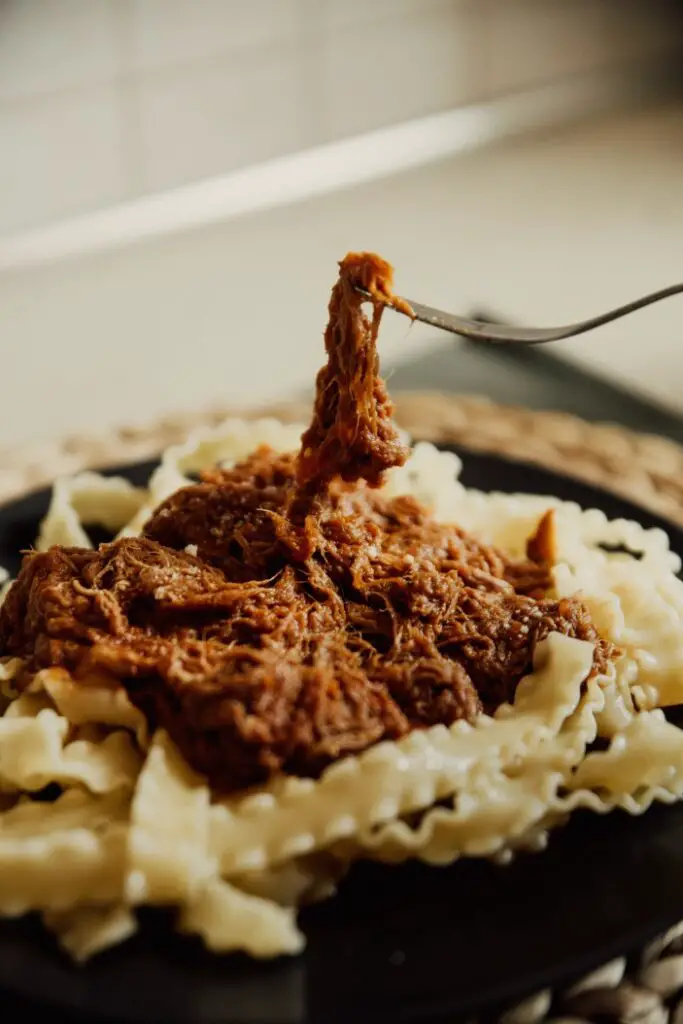
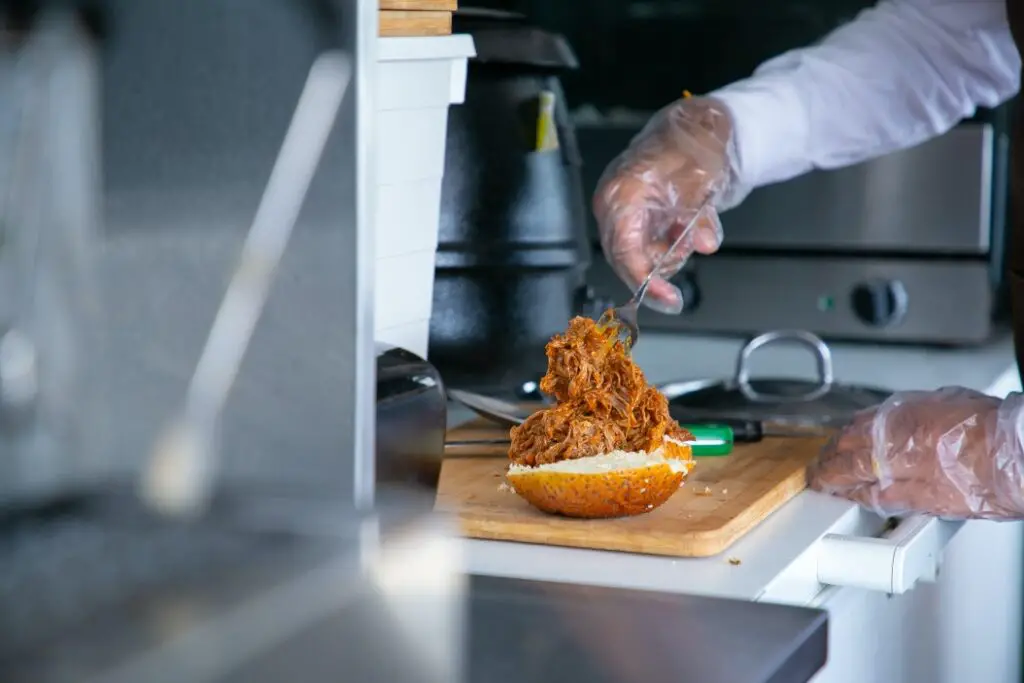
While turkey is traditional, some families prefer alternative main dishes. Our guide on preparing pulled pork for large gatherings offers insights on meat preparation and serving for those exploring different main course options. The principles of proper carving tools apply to any large format meat dish, whether it’s a traditional turkey, a glazed ham, or a pork roast.
Serving Platters and Bowls
Dedicated serving dishes showcase your Thanksgiving creations beautifully. Essential serving pieces include:
– Large oval platter: For the turkey. Traditional oval platters provide sufficient space for the carved turkey while creating an impressive centerpiece for your table. Look for platters with slightly raised edges that contain juices and prevent spills during passing. Many heritage brands offer turkey platters with seasonal motifs that become cherished family pieces used exclusively for Thanksgiving, creating tradition through their annual appearance.
– Medium platters: For other meats or large side dishes. Having multiple sizes allows you to appropriately scale the serving vessel to the portion, preventing dishes from looking sparse on oversized platters or crowded on too-small plates. Rectangular and oval shapes typically work best for arranged items like sliced meats or asparagus spears, while round platters complement mounded items like stuffing.
– Serving bowls in various sizes: For sides, salads, and condiments. Deep bowls work well for saucy or loose items like cranberry sauce or gravy, while shallower bowls showcase items like roasted vegetables where visual appeal is part of the presentation. Having graduated sizes from small (for condiments) to large (for substantial sides like mashed potatoes) ensures each dish has an appropriately scaled vessel.
– Gravy boat: Specifically designed for serving and pouring gravy. The elongated spout allows for precise pouring without drips, while the deep well holds sufficient gravy for large gatherings. Look for models with attached saucers to catch any drips and matching ladles for guests who prefer to serve themselves. Some designs include candle warmers beneath to keep gravy at the ideal temperature throughout the meal.
While matching sets create a cohesive look, mixing complementary pieces can add character to your table setting. Consider having at least one or two extra serving dishes than you think you’ll need to accommodate last-minute additions or unexpected dishes guests might bring. Many entertaining experts recommend neutral colors and classic shapes for investment serving pieces, which remain versatile across different occasions and color schemes throughout the years.
Serving Utensils and Tools
Dedicated serving utensils for each dish prevent flavor mixing and make serving easier for guests. Essential serving tools include:
– Slotted and solid serving spoons: For sides and vegetables. Slotted spoons allow excess liquid to drain when serving items like green beans, while solid spoons are essential for creamy dishes like mashed potatoes. Having multiple of each type prevents the need to wash utensils between courses or dishes. Look for long handles that keep hands away from hot food and comfortable grips that facilitate controlled serving.
– Serving forks: For meats and some vegetables. Large, two-tined forks provide stability when transferring sliced meats from platter to plate and work well for serving roasted vegetable sides. The wide spacing between tines prevents delicate items from falling apart during transfer. Some specialized versions feature a notched edge that can function as a knife for cutting soft items.
– Pie and cake servers: For desserts. The wide, flat blade with a slightly sharp edge cleanly cuts through pie crusts while supporting the slice during transfer. Triangular shapes work best for pies, while rectangular servers are ideal for cakes and bar desserts. Look for servers with offset handles that keep your knuckles away from the dessert during serving.
– Gravy ladle: For serving gravy and sauces. The deep bowl and precise pour spout allow for controlled portions without drips. Some feature measuring marks inside the bowl to help guests control portion sizes. A slightly angled handle improves ergonomics when reaching into deep gravy boats or sauce containers.
– Tongs: For serving rolls, salads, and some sides. Spring-loaded tongs with scalloped edges provide gentle but secure grip for delicate items. Look for locking mechanisms that keep tongs closed during storage and heat-resistant materials that won’t transfer temperature to hands. Some feature silicone-coated tips that prevent scratching on fine serving pieces.
Having multiple sets of basic serving utensils ensures you won’t run short, even with numerous dishes. Consider labeling or color-coding utensils for guests with dietary restrictions to prevent cross-contamination. Many hosts designate specific utensils for allergen-containing dishes using distinctive handles or subtle markers, allowing guests with restrictions to confidently navigate the buffet or table.

