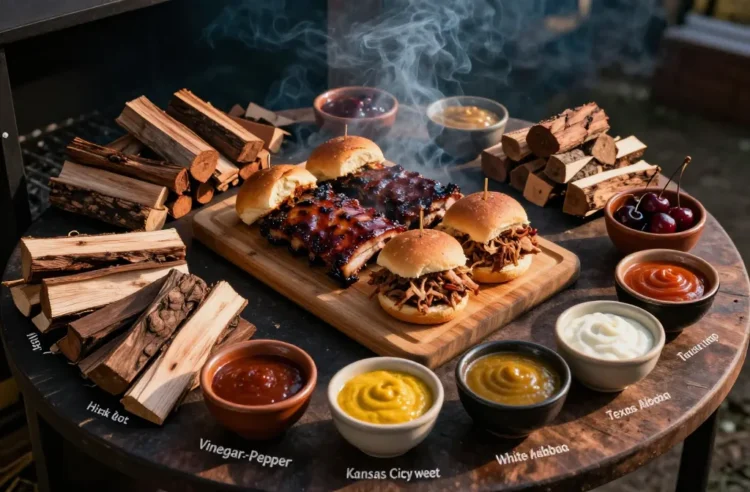
- Best for: Backyard cooks dialing in wood-to-sauce pairings
- Make ahead: Yes — sauces 3–7 days; pre-mix wood chunks the night before
- Serves: Small family to a crowd — scale sauce and wood by meat weight
- Key tip: Match smoke intensity to sauce sweetness: heavier smoke with tangy/peppery sauces; lighter smoke with sweet or creamy sauces.
What Wood Smoke Pairs With Which BBQ Sauce — Full Guide is the cheat sheet you wish you had before your last cookout. Wood choice changes how sauce tastes, sometimes dramatically. Get the pairing right and your ribs sing; mismatch it and your sauce tastes flat or bitter. This guide breaks down classic woods, common sauces, and the exact matches that make them click.
How Smoke and Sauce Interact
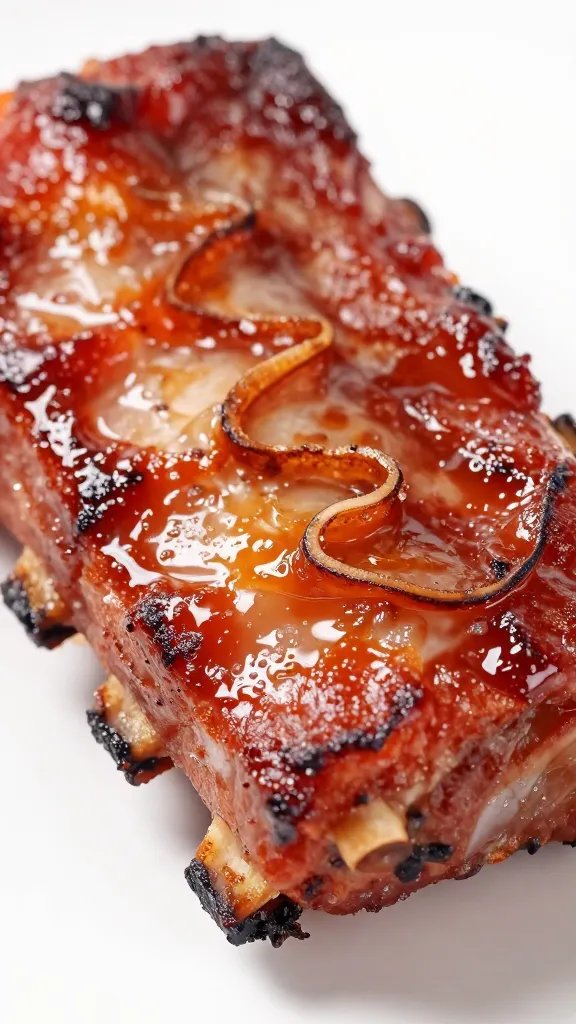
Think of smoke like a seasoning: it adds aroma, bitterness, and sweetness in different amounts. Sauces bring sweet, sour, salty, heat, and umami.
Balance is the goal. Heavier, more resinous woods need sauces with more acid or spice. Light, fruity woods shine with sweeter or creamy sauces that let subtler notes through.
Core Woods, Flavor Profiles, and Best Sauce Matches
Hickory
Profile: Robust, bacon-like, slightly bitter edge. Easy to overdo.
- Best with: Tangy tomato-vinegar sauces, Carolina red, pepper-forward Texas mop.
- Avoid with: Very sweet honey-molasses glazes — can taste burnt or cloying.
- Great on: Pork shoulder, ribs, beef short ribs.
Oak (Red/White Post Oak)
Profile: Medium-bold, clean, versatile; the “salt” of smoking woods.
- Best with: Tomato-molasses Kansas City sauce, coffee or ancho-spiked sauces, Texas-style thin mops.
- Avoid with: Ultra-delicate white sauces — oak can dominate.
- Great on: Brisket, tri-tip, turkey.
Mesquite
Profile: Intense, earthy, can turn bitter if overused or at high heat.
- Best with: Bold, peppery or acidic sauces: vinegar-heavy, mustard-based, or chipotle-tomato blends.
- Avoid with: Light, fruity, or creamy sauces — they’ll vanish under mesquite.
- Great on: Beef cuts, especially quick smokes or grilling where contact time is shorter.
Apple
Profile: Mild, subtly sweet, fruity.
- Best with: Sweet-tang KC-style, honey-apple glazes, mayo-based Alabama white sauce.
- Avoid with: Super peppery mops — they can overshadow apple’s nuance.
- Great on: Pork loin, ribs, chicken, seafood.
Cherry
Profile: Mild-medium, sweet-fruity with a mahogany color boost.
- Best with: Cherry or bourbon-cherry sauces, balanced sweet-heat glazes, hoisin-based ribs.
- Avoid with: Very sour vinegar sauces — clash with cherry’s sweetness.
- Great on: Pork ribs, chicken, duck.
Pecan
Profile: Medium, nutty, softer than hickory.
- Best with: Brown sugar-mustard glazes, maple-bourbon sauces, mild tomato sauces.
- Avoid with: Aggressive chipotle or high-acid mops — they bury pecan.
- Great on: Chicken, pork chops, salmon.
Maple
Profile: Mild-medium, toasty-sweet.
- Best with: Maple-Dijon, pineapple-teriyaki, light tomato sauces.
- Avoid with: Heavy molasses sauces — too sweet-on-sweet.
- Great on: Ham, poultry, veggies.
Match By Sauce Style (Fast Lookups)
Kansas City (Tomato–Molasses, Sweet-Tangy)
- Use: Oak, pecan, cherry.
- Why: These give body without piling on bitterness; cherry boosts color and gloss.
- Tip: Sauce during the last 20–30 minutes to avoid caramel burn.
Carolina Red (Tomato–Vinegar, Peppery)
- Use: Hickory or oak; add a touch of apple for balance.
- Why: The acid slices through heavier smoke, keeping pork lively.
- Tip: Mop during cook, then finish with a fresh splash for brightness.
Carolina Gold (Mustard-Based)
- Use: Oak or pecan; small cherry addition for sweetness.
- Why: Nutty woods echo mustard’s warmth; cherry rounds edges.
- Tip: Stir in a spoon of brown sugar if your wood blend tastes too sharp.
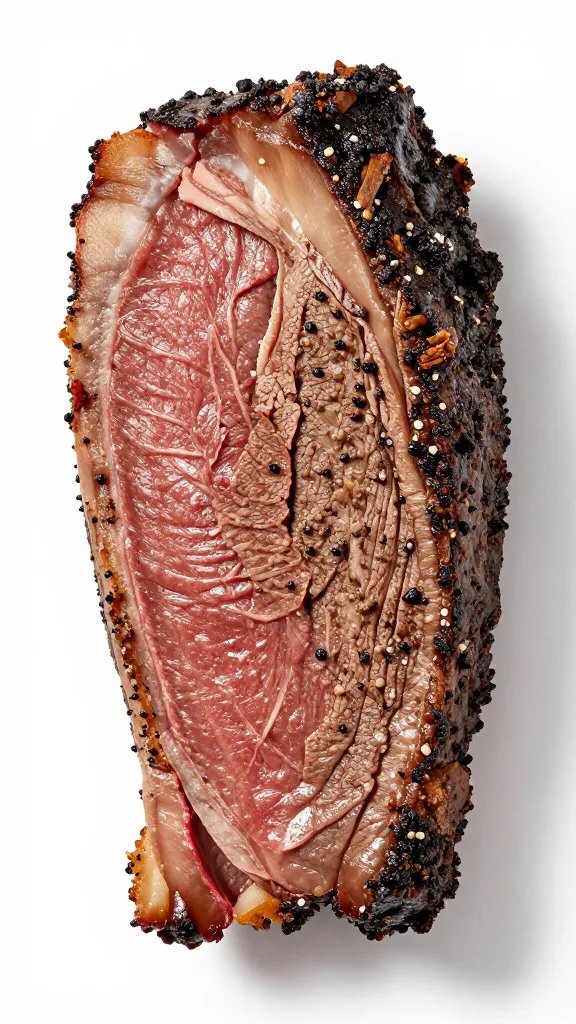
Texas Mop (Thin, Beef-Forward, Pepper-Vinegar)
- Use: Post oak as the base; small mesquite accent if you like bold.
- Why: Clean smoke lets beef lead; mesquite adds a rugged note.
- Tip: Mop early; sauce reduction after slicing brings back pepper and tang.
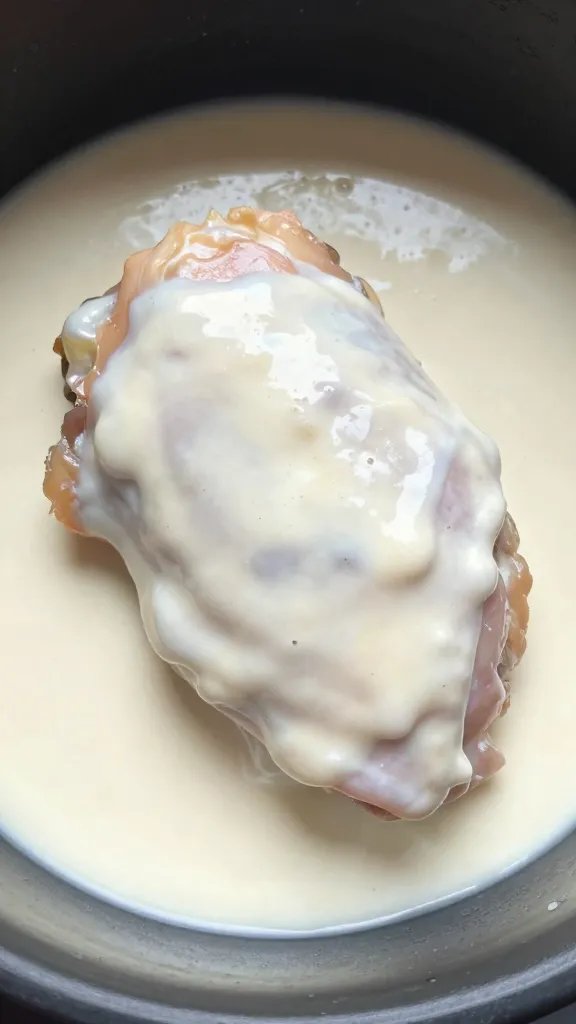
Alabama White (Mayo, Vinegar, Black Pepper)
- Use: Apple or pecan.
- Why: Light woods won’t curdle the palate; pepper still pops.
- Tip: Use as a dunk after smoking chicken; don’t cook it on.
Asian-Inspired (Hoisin, Soy, Gochujang, Teriyaki)
- Use: Cherry or maple; a touch of apple.
- Why: Fruity woods complement umami-sweet profiles without turning bitter.
- Tip: Brush thin layers; high sugar burns fast.
Building Smart Wood Blends
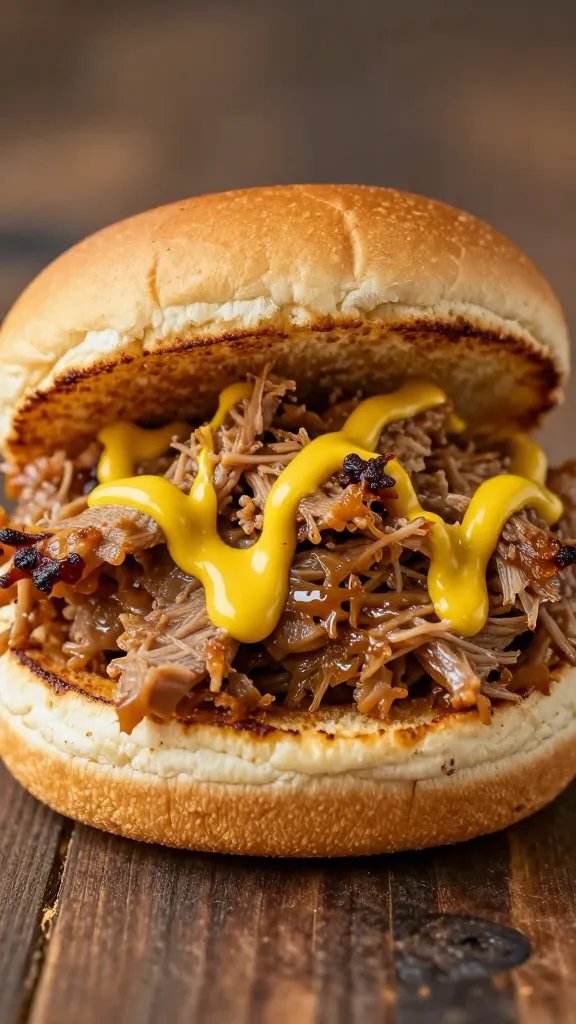
Two-wood blends give control. Start with 70% base, 30% accent.
- Oak + Cherry (70/30): Versatile for KC sauces and poultry glazes.
- Hickory + Apple (60/40): Pork shoulder with Carolina red — bold but balanced.
- Pecan + Maple (70/30): Chicken with mustard or maple-Dijon sauce.
- Oak + Mesquite (80/20): Brisket with Texas mop — depth without bitterness.
How to test: Smoke a salt-only chicken thigh triad with different blends, then sauce after cooking. You’ll taste smoke-sauce harmony without spice rub interference.
Timing: When To Sauce For Best Results
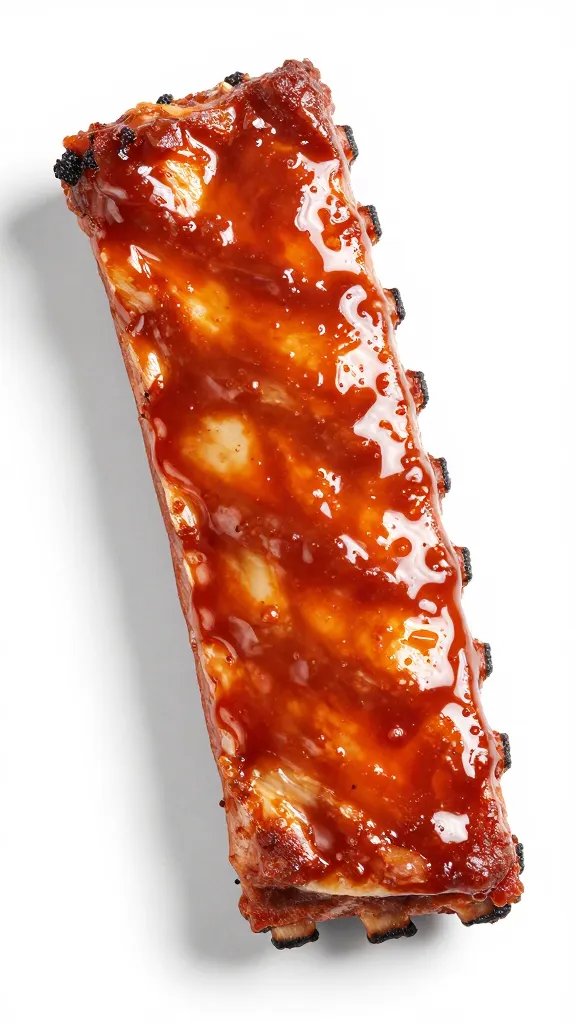
- During the cook (mops/spritzes): Thin sauces like Texas mops or vinegar mops can go on early and often; they build tang and keep bark supple.
- Last 20–30 minutes (glazes): KC and teriyaki styles caramelize at the end. Too early = burnt sugars and bitterness.
- After cooking (dunks/finishes): Alabama white and delicate fruit glazes shine off-heat. Add a warmed finishing sauce just before serving.
Troubleshooting Off-Flavors
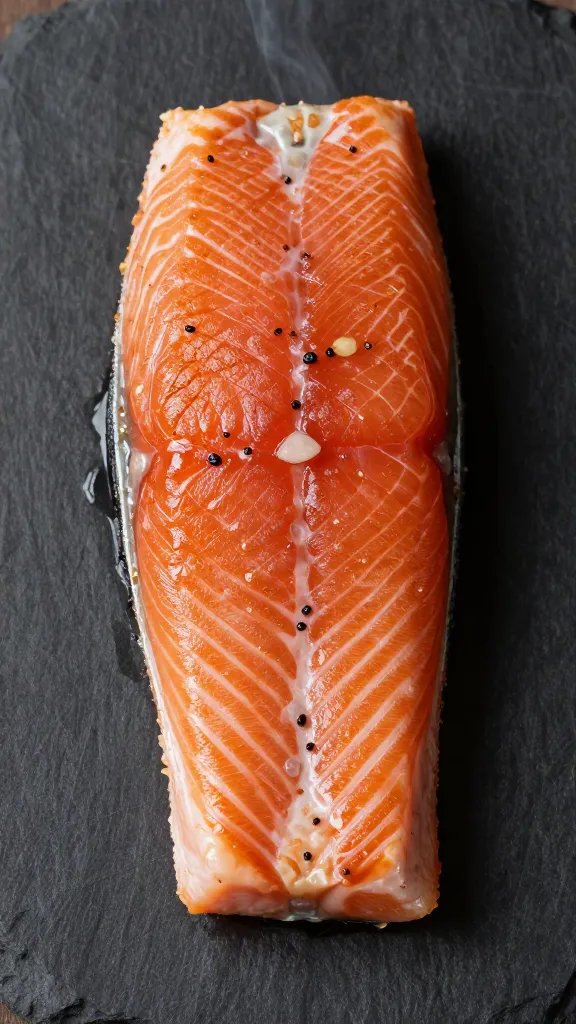
- Bitter taste: Too much mesquite/hickory, dirty smoke, or saucing sweet sauces too early. Fix with a splash of vinegar or lemon in sauce; switch to cleaner-burning wood chunks and thin blue smoke.
- Flat/sugary: Wood too mild for the sauce. Add black pepper, apple cider vinegar, or a pinch of mustard powder; increase oak ratio next cook.
- Ashy/sooty bark: Smoker running cool with smoldering wood. Open vents, dry your wood, and aim for clean combusting fire.
From My Kitchen: What Actually Works
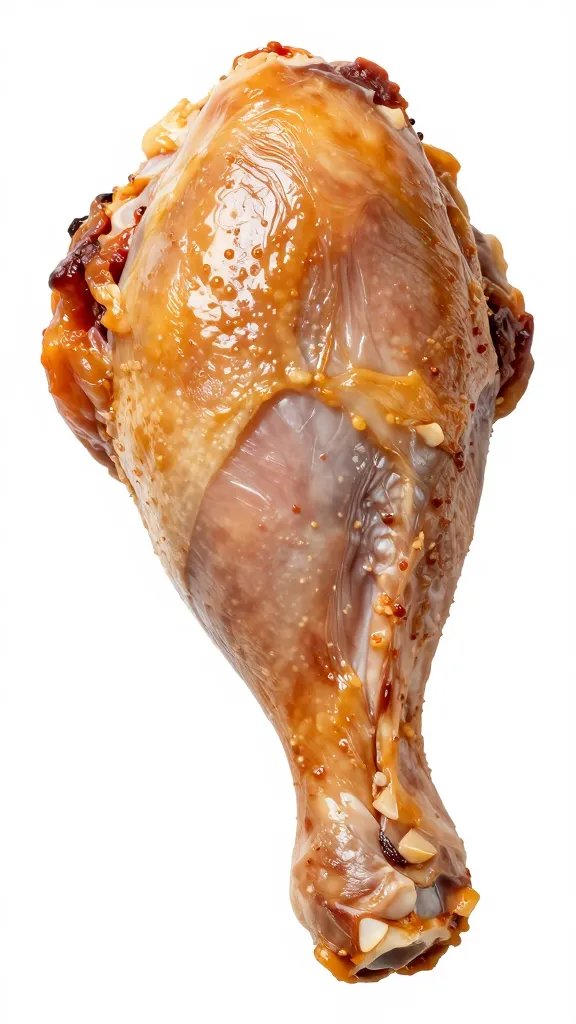
I keep post oak as my baseline and blend in accents based on the sauce. For KC-style ribs, 70% oak plus 30% cherry consistently gives me a shiny glaze without bitterness. When I run hickory on pork shoulder with Carolina red, I mop early but don’t add the final sauce until the rest — the acid tastes fresher. I’ve tested mesquite at 40% on brisket and it went bitter; 15–20% is the sweet spot if you’re finishing with a pepper-vinegar mop. One more note: with Alabama white, apple wood at 250–265°F keeps the smoke gentle so the mayo doesn’t taste heavy.
Gear and Technique Extras
- Chunks over chips: More stable combustion and cleaner flavor on charcoal or offset pits.
- Pellet grills: Choose fruitwood pellets for sweet sauces; switch to oak/hickory for tangy or peppery profiles.
- Water pans: Help smoke adhere and prevent sugary sauces from scorching.
- Resting: Rest sauced meats loosely tented so steam doesn’t wash off the glaze.
If you need a bright, herb-forward pairing for lightly smoked beef, try this chimichurri recipe — it loves oak or apple smoke. For pork with Asian-inspired glazes, balance umami with brightness using these quick-pickled onions.
Frequently Asked Questions
What wood smoke pairs best with which BBQ sauce for pork ribs?
For sweet-tangy KC sauces, use oak with a cherry accent. For Carolina-style pepper-vinegar, go hickory plus a touch of apple to keep brightness without harshness.
Can I use mesquite with sweeter BBQ sauces?
You can, but keep mesquite under 20% of your blend and sauce only in the last 15–20 minutes. Otherwise, sugars can taste burnt and the overall profile turns bitter.
What’s the best wood for Alabama white sauce on chicken?
Apple or pecan. Both are mild and slightly sweet, letting the creamy, peppery sauce stay in front without tasting heavy or acrid.
How do I know if I over-smoked for my sauce choice?
If the finish is bitter or your tongue feels dry/ashy, the smoke is too heavy for the sauce. Next time, cut back to a lighter wood or reduce the accent wood percentage and add a bit more acid to the sauce.
Do I sauce before or after resting the meat?
Glazes and thick sauces should set in the last 20–30 minutes of the cook. For thin mops or Alabama white, finish after resting to keep flavors bright and textures clean.
The Bottom Line
Pair wood strength to sauce intensity: bold woods with tangy or peppery sauces, lighter woods with sweet or creamy sauces. Start with oak as a base, add a fruitwood or a touch of mesquite, and time your saucing to protect sugars and preserve brightness.
Planning to try this? Save this post so you can find it when you need it — and tag us when you make it.