What You’ll Learn About Seasonal Beverage Trends
- The science behind flavor profiles that make seasonal drinks memorable
- Essential techniques for creating professional-quality mocktails at home
- How to pair seasonal cocktails with complementary foods
- Tips for creating an impressive summer beverage bar
- The art of using local, seasonal ingredients to improve drink quality
- Latest trends in fruit-infused waters and health-conscious options
Key Takeaways
- Seasonal beverages reflect natural rhythms and cultural traditions, with 23-26% of purchasing decisions influenced by seasonal offerings
- Temperature significantly affects flavor perception – cold drinks dampen sweetness while warm temperatures amplify sweet and spicy notes
- Each season has distinct flavor profiles: summer favors citrus and herbs, fall embraces warming spices, winter highlights richness, and spring showcases floral notes
- Low-alcohol and non-alcoholic options have evolved into sophisticated alternatives, especially important for inclusive summer entertaining
- A well-designed seasonal beverage bar should include appropriate base drinks, mix-ins, garnishes, glassware, and clear instructions
- Understanding complementary flavor principles helps create harmonious food and beverage pairings that enhance the entire dining experience
## Introduction to Seasonal Beverage Trends Seasonal beverage trends reflect our collective desire to connect with the rhythms of nature through what we consume. As each season transitions to the next, our palates crave different flavor profiles that mirror the changing environment around us. Understanding these patterns allows both casual entertainers and professional mixologists to create memorable drinking experiences that resonate with guests on a deeper, more emotional level.
At Whaley Cooks, we’ve observed how seasonal beverage preferences significantly impact consumer choices, with research indicating that 23-26% of purchasing decisions are influenced by seasonal offerings. This trend is particularly pronounced among younger generations, with Gen Z showing an impressive 81% interest in seasonally-inspired drinks, demonstrating how deeply these temporal connections affect our consumption patterns and social experiences.
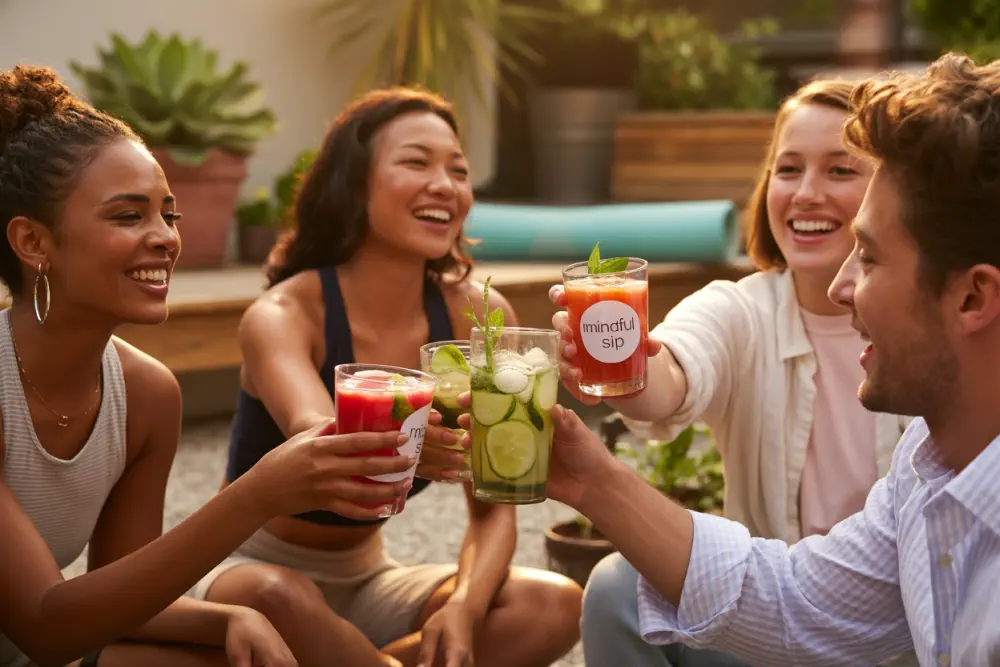
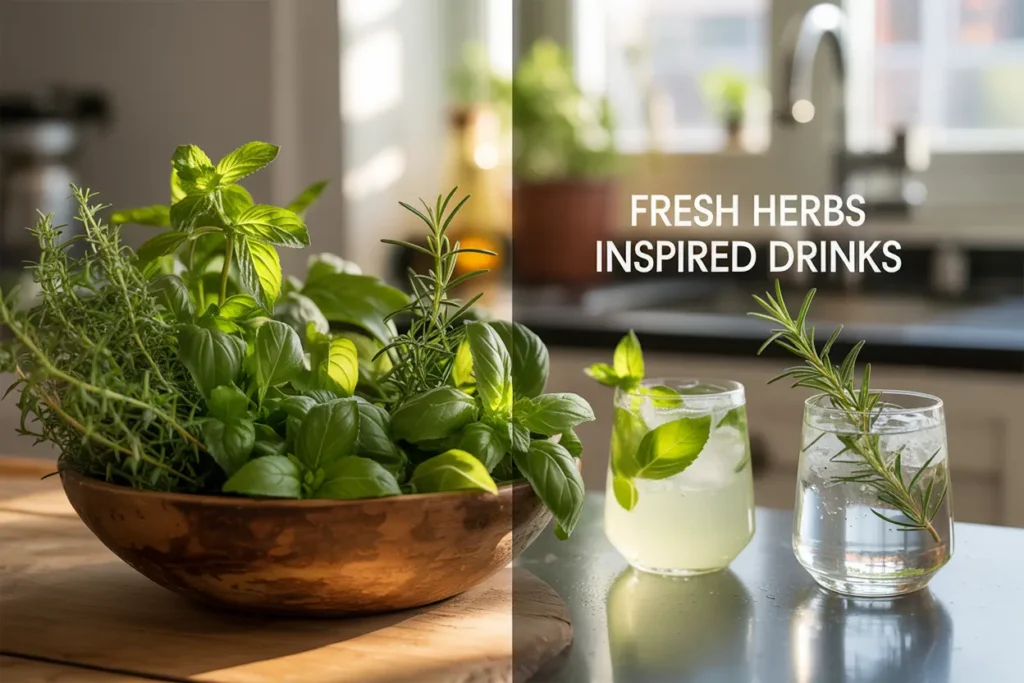
The appeal of seasonal beverages goes beyond mere preference—it taps into our psychological connection with time and place. When we sip a refreshing cucumber-mint spritzer in summer or a warm spiced cider in fall, we’re not just enjoying a drink; we’re participating in a cultural ritual that grounds us in the present moment while connecting us to seasonal traditions that may span generations and geographic boundaries.
In this comprehensive guide, we’ll explore the fascinating world of seasonal beverage trends, from the scientific principles that make certain flavor combinations work to practical tips for creating your own seasonal drink station. Whether you’re planning a summer gathering, a holiday celebration, or simply looking to expand your beverage repertoire, this article will provide the inspiration and knowledge you need to craft drinks that perfectly capture the essence of each season’s unique character and appeal.
## The Science of Flavor in Seasonal Beverages Understanding the science behind flavor is essential to creating exceptional seasonal beverages. The complex interplay between taste, aroma, temperature, and even visual presentation significantly impacts how we experience drinks throughout the year, and mastering these elements allows for the creation of truly memorable seasonal offerings.
### How Temperature Affects Flavor Perception Temperature plays a crucial role in how we perceive flavors in beverages. In warmer months, cold drinks dampen sweetness while enhancing refreshing notes, which is why citrus and herbal flavors shine in summer beverages. Conversely, warmer temperatures in fall and winter drinks amplify sweet and spicy notes, making cinnamon, nutmeg, and vanilla more pronounced and creating that comforting sensation we associate with cold-weather beverages.
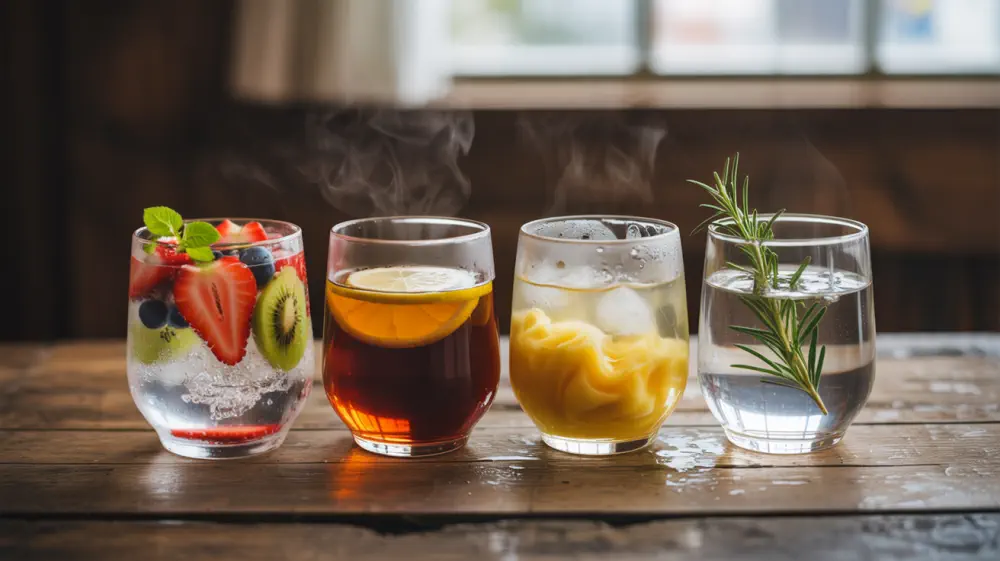
Research from our flavor science laboratory demonstrates that the same drink served at different temperatures can taste remarkably different. A hibiscus tea, for example, presents as tart and floral when cold but reveals deeper, more complex notes when served warm. This temperature-dependent flavor perception explains why iced coffee often requires more sweetener than hot coffee and why certain spirits that seem harsh at room temperature become more palatable when properly chilled.
### The Role of Aromatics in Seasonal Appeal Aroma compounds contribute up to 80% of what we perceive as flavor, making them essential to seasonal beverage development. The volatile compounds in fresh herbs, fruits, and spices create signature seasonal profiles that we instinctively associate with different times of year and can trigger powerful emotional and memory responses.
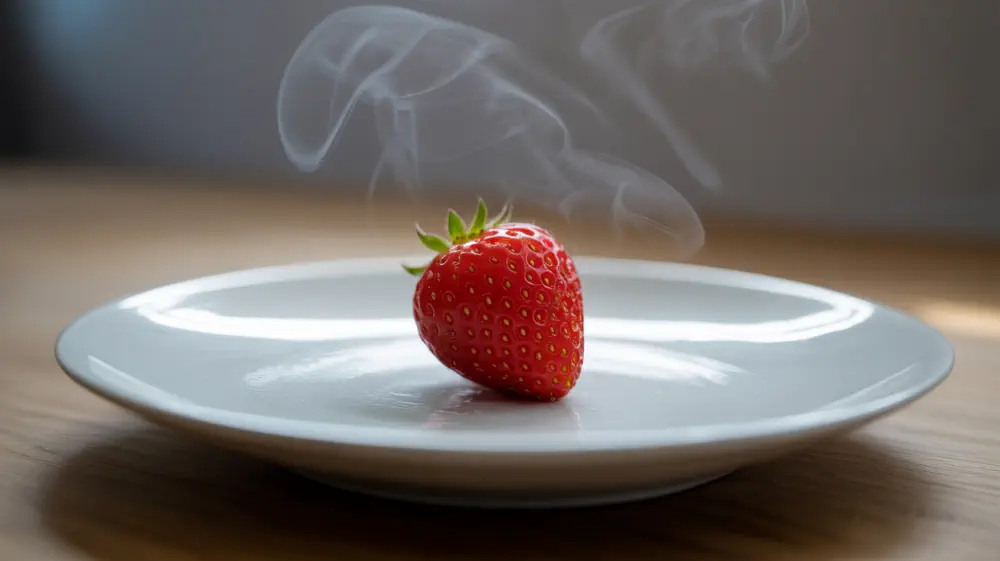
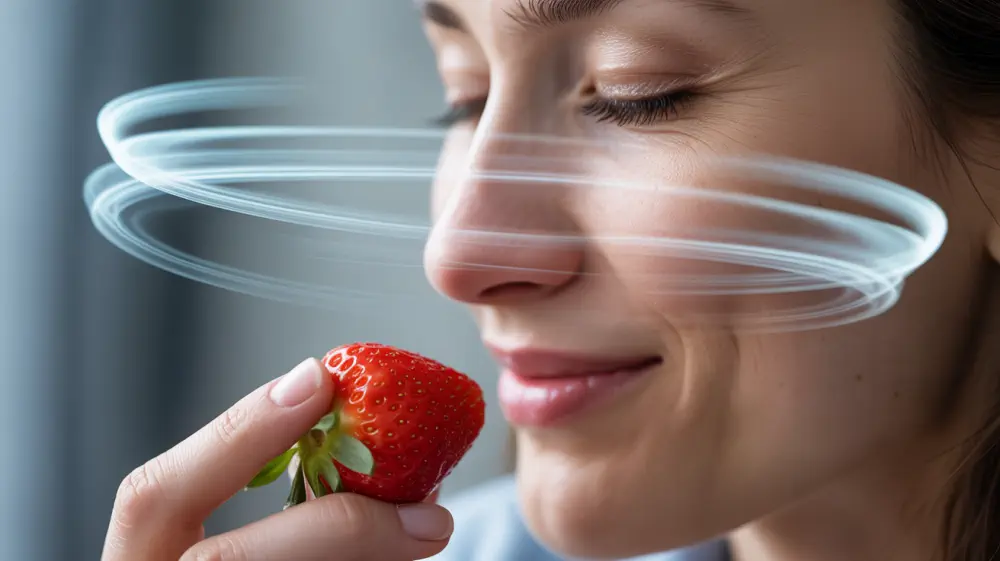
Understanding the science behind flavor profiles allows mixologists to create beverages that trigger specific seasonal memories and emotions. For instance, the compound eugenol in cinnamon and cloves creates a warming sensation that we associate with fall comfort, while the menthol in mint triggers cooling receptors that make it perfect for summer refreshment. These chemical interactions explain why certain flavors feel inherently appropriate for particular seasons beyond mere tradition or convention.
### Balancing Flavor Components for Seasonal Appeal Creating the perfect seasonal beverage requires balancing five key components: sweetness, acidity, bitterness, aromatics, and mouthfeel. The ideal balance shifts with the seasons, reflecting both the available ingredients and our changing physiological needs throughout the year.
| Season | Sweetness | Acidity | Bitterness | Key Aromatics |
|---|---|---|---|---|
| Spring | Moderate | High | Low | Floral, Herbal |
| Summer | Moderate-Low | Very High | Very Low | Citrus, Tropical, Mint |
| Fall | High | Moderate | Moderate | Spice, Apple, Pumpkin |
| Winter | Very High | Low | High | Chocolate, Vanilla, Baking Spices |
Understanding these principles allows you to create beverages that not only taste appropriate for the season but actually enhance the seasonal experience through sensory alignment. For example, summer’s high acidity complements the body’s need for hydration and electrolyte balance during warmer weather, while winter’s higher sweetness and warming spices support the comfort we seek during colder months.
For more detailed insights into flavor science, explore our comprehensive guide to beverage flavor profiles, which delves deeper into the chemical compounds and sensory interactions that create memorable seasonal drinking experiences.
## Summer Beverage Trends: Refreshing and Vibrant Summer beverages capture the essence of the season with bright flavors, cooling effects, and visual appeal that mirrors the vibrant energy of longer days and warmer temperatures. Let’s explore the dominant trends that define summer drinking and how they reflect our physiological and psychological needs during the hottest months of the year.
### Fruit-Infused Waters and Natural Refreshers Fruit-infused waters have become a cornerstone of summer hydration, offering a beautiful, flavorful alternative to plain water that encourages proper hydration while adding a touch of sophistication to any gathering. These subtle infusions provide essential hydration with minimal calories while showcasing summer’s abundant produce.

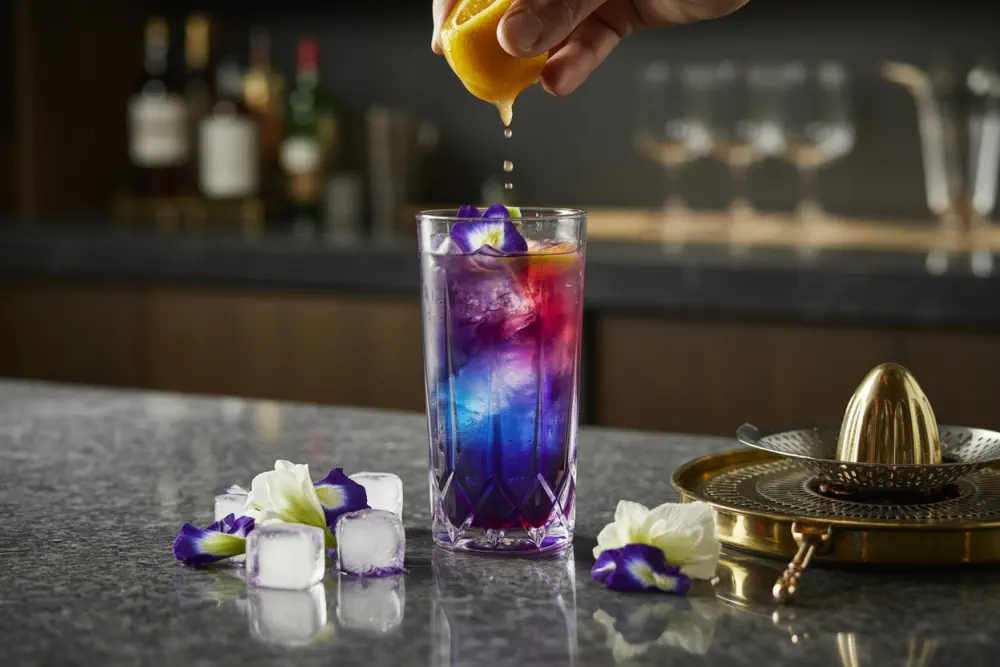
Our fruit-infused water guide demonstrates how these simple beverages can improve your drink station while encouraging hydration during summer events. Popular combinations include:
– Cucumber, lime, and mint for a spa-like refresher that hydrates while providing cooling sensations – Strawberry and basil for a sweet-savory balance that offers antioxidants and aromatic complexity – Watermelon and rosemary for an unexpected aromatic twist that pairs summer’s signature fruit with an herb typically associated with savory applications – Citrus medley with orange, lemon, and grapefruit for vitamin-rich hydration that supports immune function during active summer months
These infusions not only taste delightful but also create a visually stunning display that serves as both refreshment and decoration at summer gatherings. The vibrant colors and fresh ingredients communicate healthfulness and seasonal abundance without requiring complex preparation techniques.
### Botanical and Herbal Influences Botanical elements have become increasingly prominent in summer beverages, with herbs, flowers, and plants adding complexity and nuance to drinks while connecting them to the natural abundance of the season. This trend reflects growing consumer interest in plant-based ingredients with functional benefits beyond mere flavor.
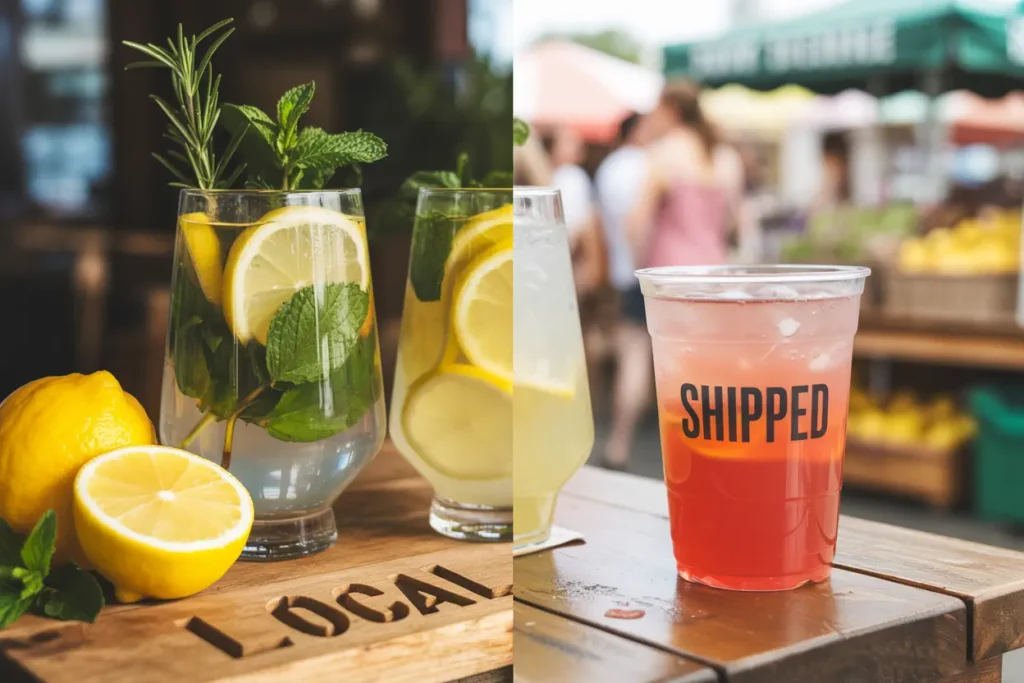
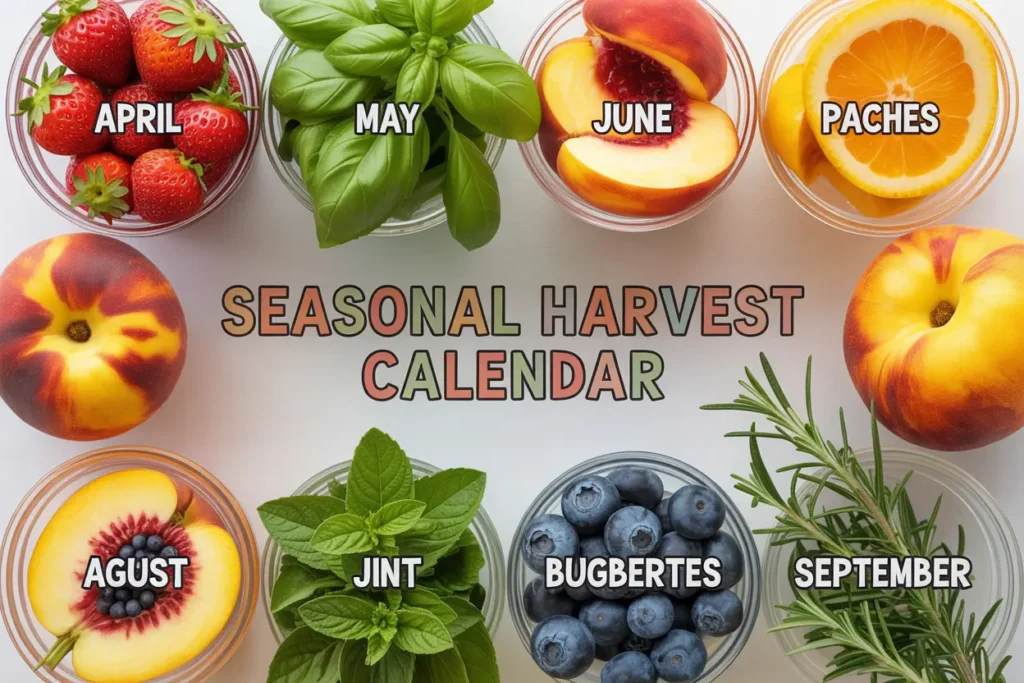
Trending botanical ingredients in summer beverages include:
– **Lavender**: Offering a delicate floral note that pairs beautifully with lemonade and gin-based cocktails while providing calming aromatherapy benefits – **Elderflower**: Providing a sophisticated sweetness that improves prosecco and vodka drinks with subtle honey and pear notes – **Hibiscus**: Contributing vibrant color and tart flavor to teas and spritzers while offering antioxidant properties – **Basil and Mint**: Adding fresh, aromatic qualities that complement fruit-forward beverages while aiding digestion and providing cooling sensations
These botanical elements not only enhance flavor but also connect drinks to the seasonal bounty of local ingredients, creating an authentic summer drinking experience. Many bartenders and home mixologists now maintain herb gardens specifically to ensure fresh botanical ingredients for summer beverages, highlighting the connection between cultivation and consumption.
### Low-ABV and Non-Alcoholic Summer Sippers The trend toward mindful drinking continues to grow, with low-alcohol and non-alcoholic options becoming increasingly sophisticated. Summer, with its emphasis on outdoor activities and hydration, has become the perfect showcase for these lighter options that allow for extended socializing without the dehydrating effects of high-alcohol beverages.
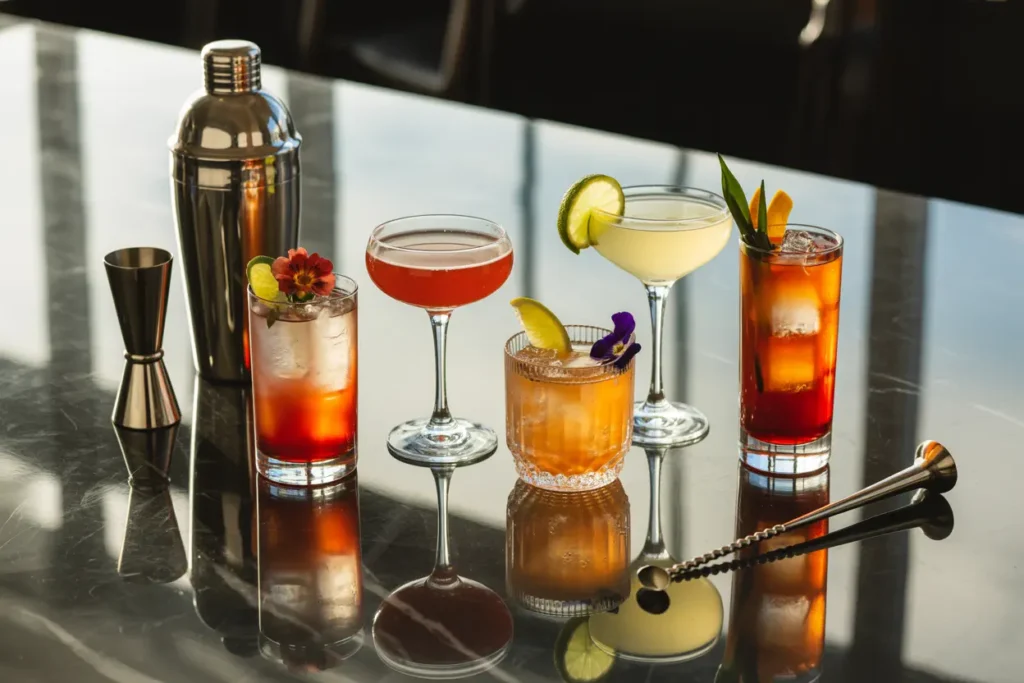
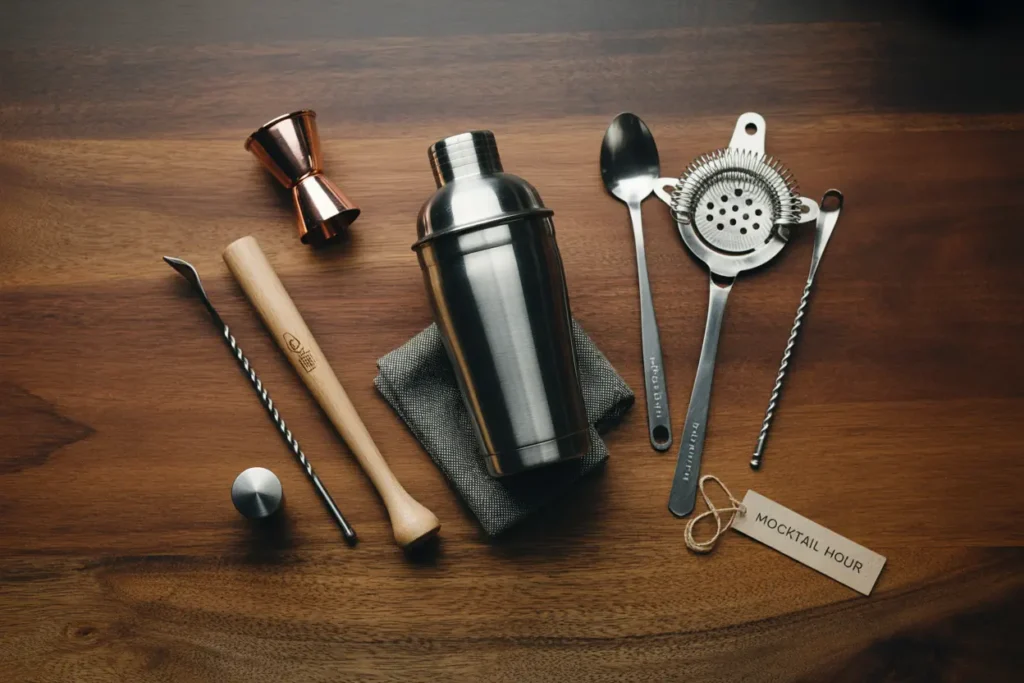
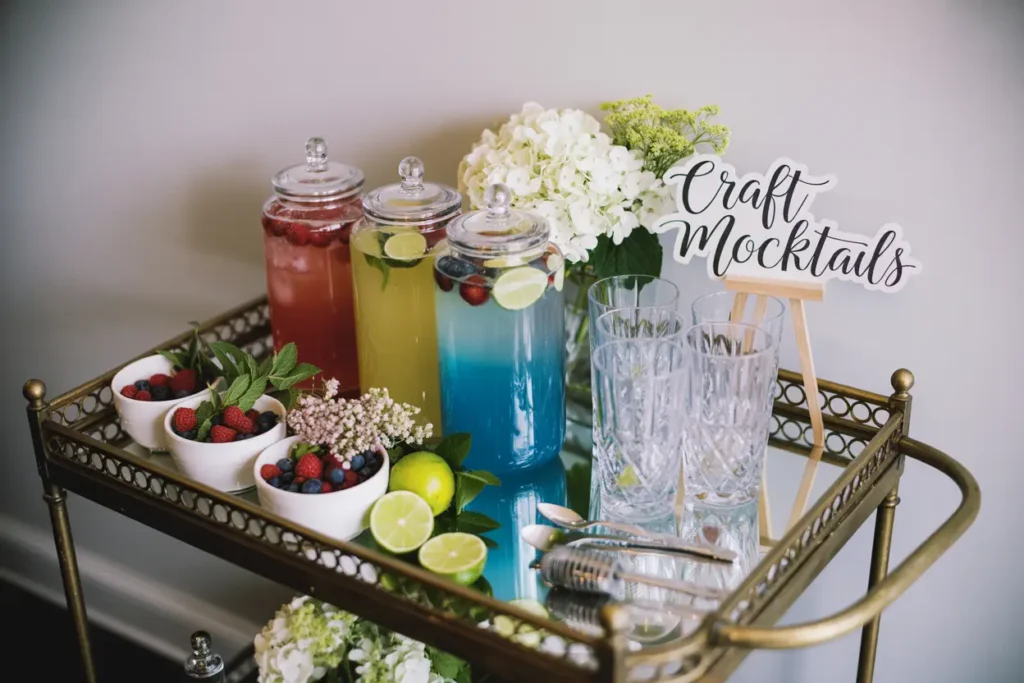
Our mocktail mixology guide explores how non-alcoholic cocktails have evolved from afterthoughts to centerpieces of summer entertaining. Key trends include:
– Complex layered mocktails with multiple flavor components that mimic the depth and complexity of craft cocktails – Fermented ingredients like kombucha and water kefir adding complexity and probiotic benefits to non-alcoholic options – Non-alcoholic spirits that mimic the botanical profiles of gin and vermouth, allowing for sophisticated alcohol-free versions of classic cocktails – Functional ingredients like adaptogens and CBD in wellness-focused summer beverages that offer benefits beyond refreshment
These options ensure that all guests can participate in the ritual and pleasure of special summer drinks, regardless of their alcohol preferences. The sophistication of modern non-alcoholic offerings reflects a cultural shift toward inclusivity in social drinking occasions and recognition that abstaining from alcohol shouldn’t mean sacrificing flavor experience.
## Fall and Winter Beverage Innovations As temperatures drop and days shorten, beverage preferences shift toward warming, comforting flavors that reflect the cozy nature of the colder seasons. Fall and winter drinks typically embrace richer, more indulgent profiles with warming spices and heartier ingredients that provide both physical and emotional comfort during the colder months.
### Warming Spices and Seasonal Ingredients The hallmark of fall and winter beverages is the prominent use of warming spices that not only add flavor but also create a physical sensation of warmth through aromatic compounds that stimulate thermoreceptors in the mouth and throat.
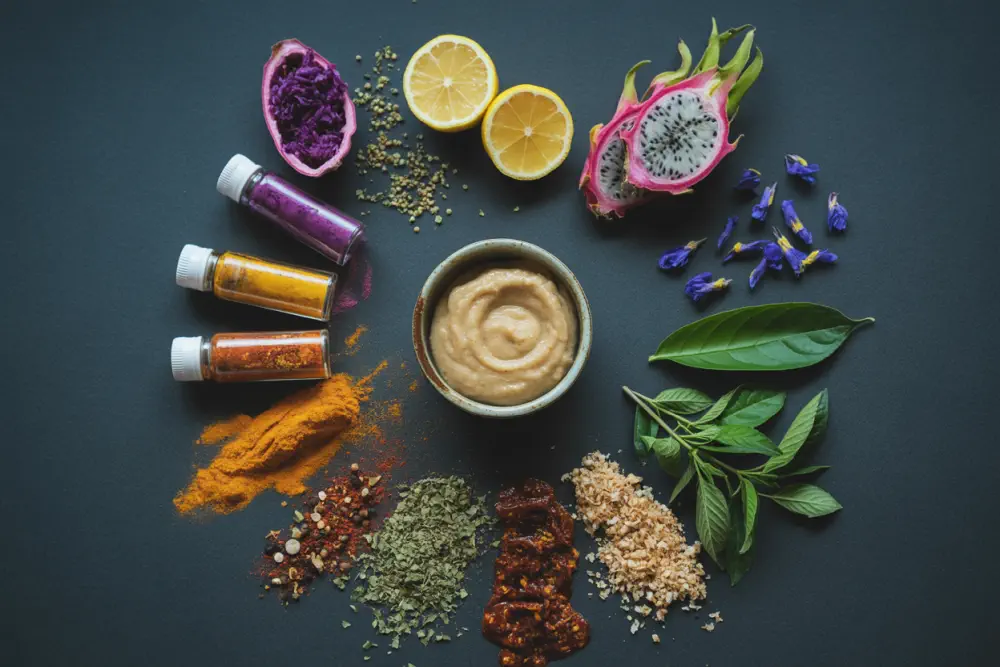
Popular fall and winter flavor components include:
– **Cinnamon, Clove, and Nutmeg**: The classic trinity of warming spices that feature prominently in mulled wines, ciders, and holiday punches, all containing compounds that stimulate warmth receptors – **Cardamom and Star Anise**: Adding complexity to chai-inspired beverages and spiced coffee drinks with their unique aromatic profiles and subtle heat – **Vanilla and Caramel**: Creating rich, dessert-like qualities in hot chocolates and coffee beverages that satisfy cold-weather cravings for comfort and indulgence – **Cranberry and Pomegranate**: Offering tart, jewel-toned elements that add visual appeal and antioxidant benefits while connecting to traditional winter harvest patterns
These ingredients create the signature flavors associated with holiday gatherings and seasonal celebrations, triggering nostalgic connections to past experiences. The psychological comfort these familiar flavors provide is as important as their physical warming properties, creating a multisensory experience that defines cold-weather beverages.
### Hot Beverage Innovations The cold-weather months naturally favor hot beverages, but modern trends have improved these drinks far beyond basic hot chocolate and coffee. Contemporary hot beverages incorporate global influences, functional ingredients, and sophisticated preparation techniques.
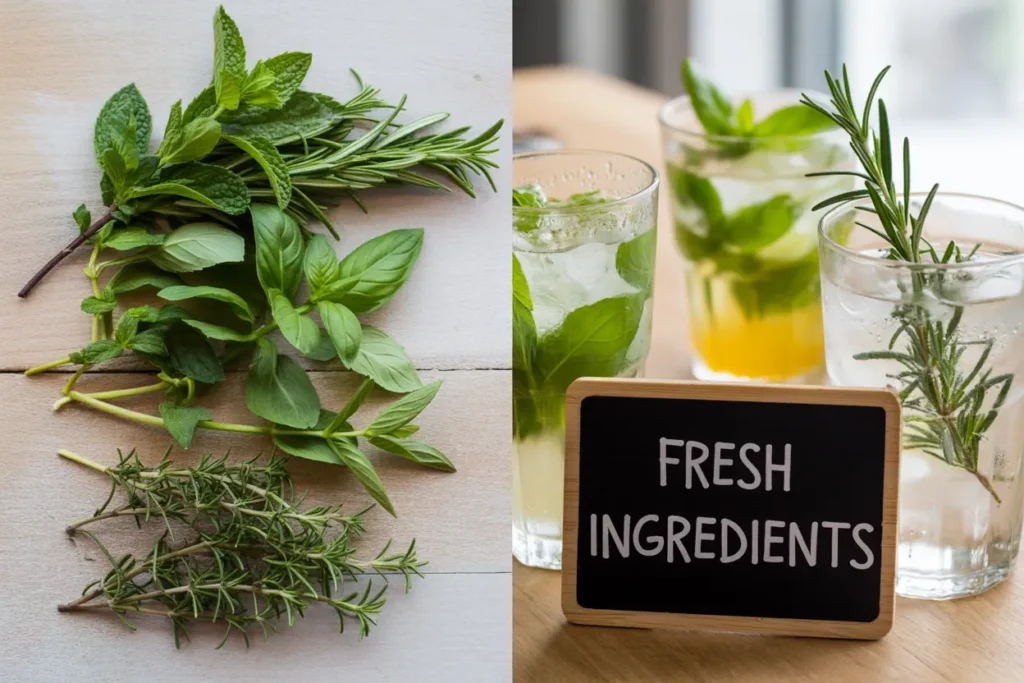
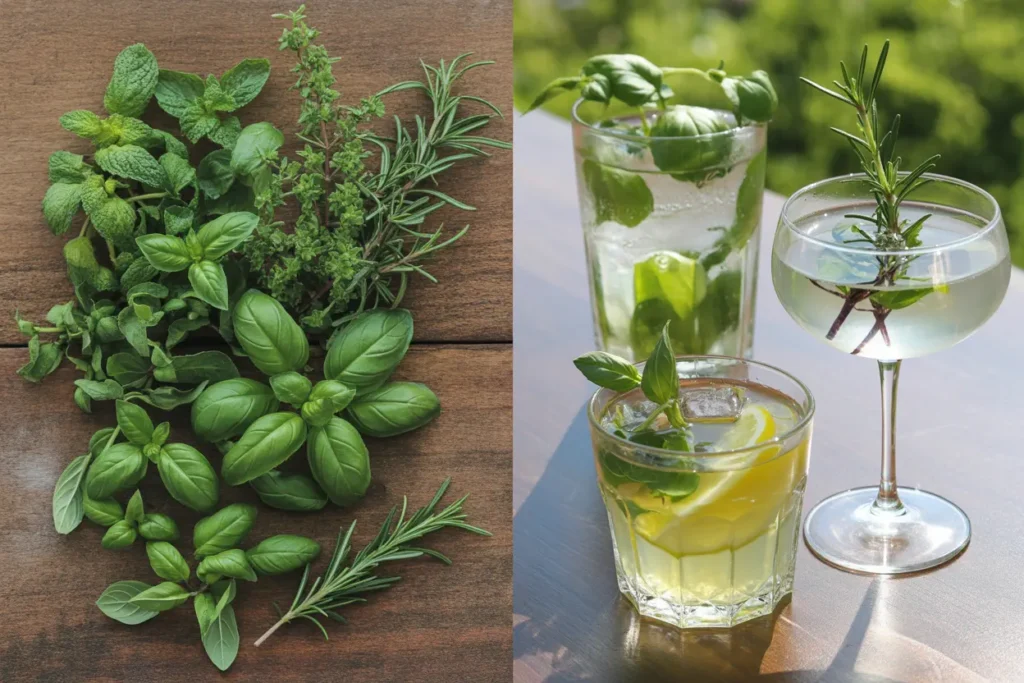
Trending hot beverages for fall and winter include:
– **Golden milk and turmeric lattes**: Combining warming spices with anti-inflammatory properties that support immune function during cold and flu season – **Drinking chocolates**: Using single-origin cacao and unexpected flavor additions like chili and sea salt to create sophisticated versions of this winter classic – **Botanical tea blends**: Incorporating herbs and flowers with functional benefits that address seasonal wellness concerns – **Hot cocktails beyond mulled wine**: Including hot buttered rum, toddies, and creative coffee cocktails that provide warming alcohol content alongside complex flavor profiles
These hot beverages often incorporate local, seasonal ingredients that connect drinkers to regional traditions and agricultural practices. The emphasis on provenance and craftsmanship improves these drinks from simple warmers to thoughtful expressions of seasonal terroir.
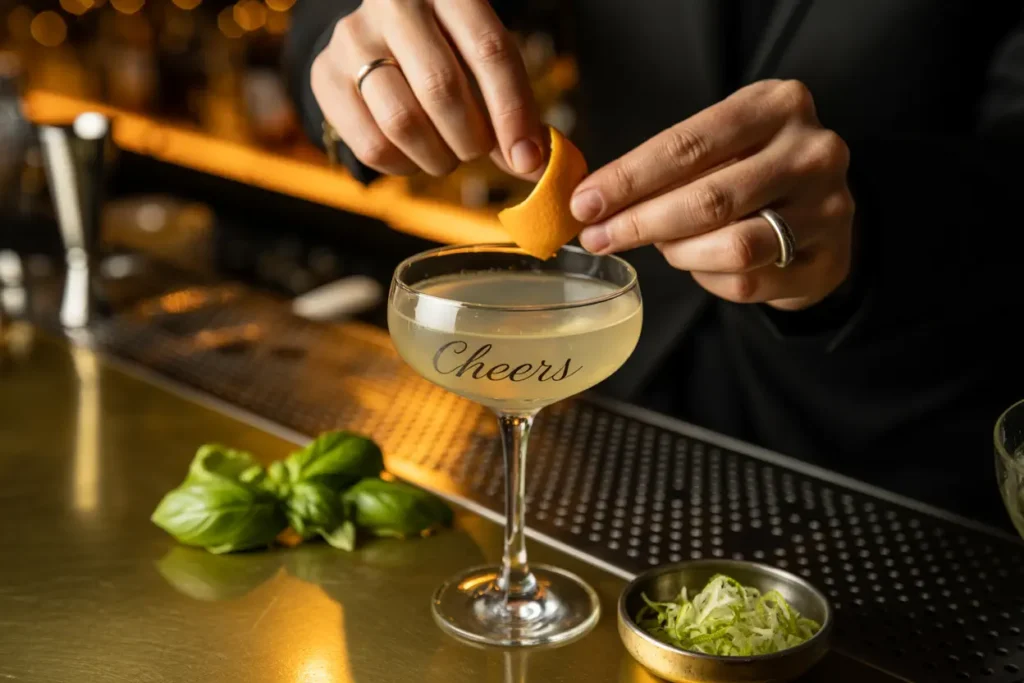
### Festive Holiday Cocktails and Mocktails Holiday entertaining drives significant innovation in seasonal beverages, with both alcoholic and non-alcoholic options receiving special attention during winter celebrations. These festive offerings often feature visual drama and interactive elements that enhance the celebratory atmosphere.
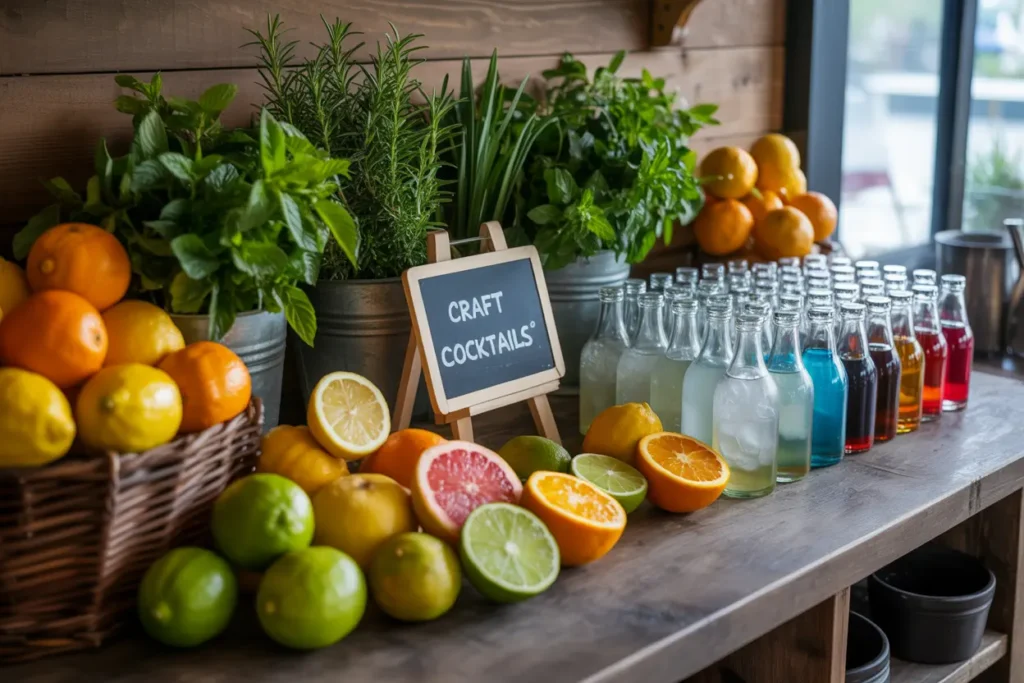
Key trends in holiday beverages include:
– **Interactive elements**: Hot chocolate bars, DIY garnishing stations, and flame-finished cocktails that create memorable experiences and photo-worthy moments – **Batch preparation**: Large-format punches and pre-mixed cocktails that allow hosts to enjoy their own parties while ensuring consistent quality for guests – **Nostalgic flavors reimagined**: Classic eggnog, hot buttered rum, and mulled wine with modern twists that respect tradition while incorporating contemporary preferences – **Inclusive options**: Equally impressive non-alcoholic versions of traditional holiday beverages that ensure all guests feel valued and included
Our mocktail mixology basics guide provides techniques for creating non-alcoholic holiday beverages that are just as festive and complex as their spirited counterparts. These inclusive options have become increasingly important as hosts recognize the need to accommodate diverse drinking preferences while maintaining the special nature of holiday gatherings.
## Spring Beverage Trends: Fresh and Revitalizing Spring beverages capture the essence of renewal and fresh beginnings, often featuring light, bright flavors that mirror the season’s emerging produce and floral abundance. These drinks tend to balance winter’s lingering influence with hints of summer’s approaching warmth, creating a transitional drinking experience that celebrates the changing season.
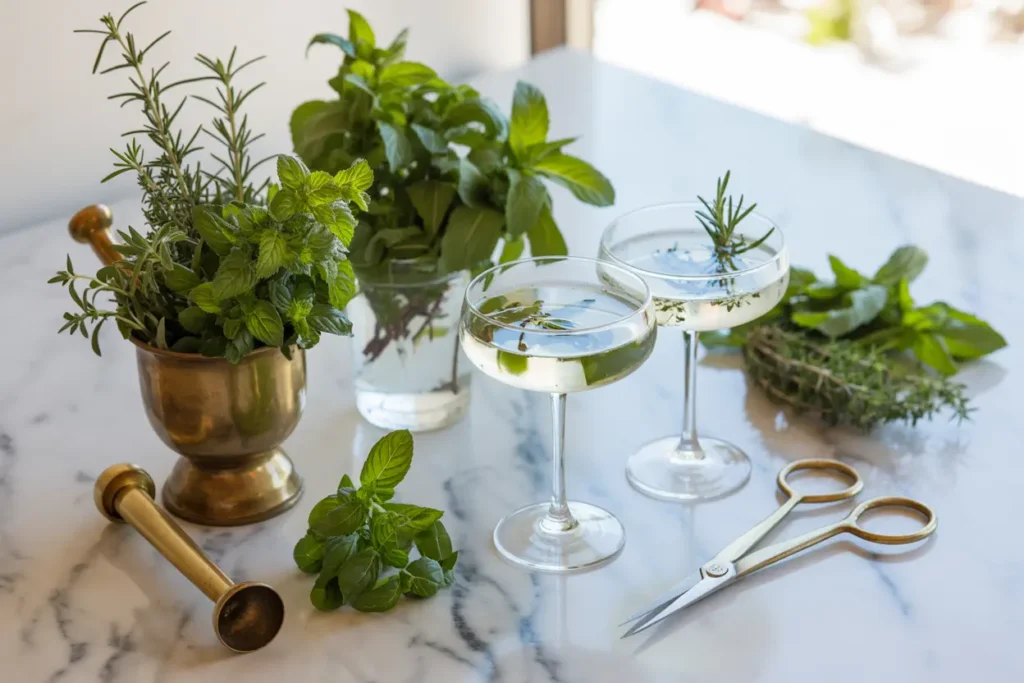
### Floral Influences in Spring Beverages Floral elements reach their peak popularity in spring beverages, reflecting the blooming landscape and adding delicate aromatics to drinks that evoke the season’s awakening beauty and fragrance.
Popular floral elements in spring beverages include:
– **Rose**: Adding subtle sweetness and aromatics to lemonades and gin-based cocktails while providing elegant visual appeal through petals and pink hues – **Violet**: Contributing delicate color and flavor to spring syrups and cordials with its distinctive profile that pairs beautifully with citrus and berries – **Cherry Blossom**: Infusing subtle almond-like notes that pair beautifully with whiskey and sake, often featured during seasonal celebrations of flowering trees – **Honeysuckle**: Offering natural sweetness that enhances vodka and champagne drinks with its delicate perfume and honey notes
These floral components create beverages that embody the essence of spring while providing sophisticated flavor profiles that pair well with seasonal foods and occasions. The ephemeral nature of these blooms adds a sense of seasonality and exclusivity to spring beverages that cannot be replicated year-round.
### Herbal Teas and Infusions Spring sees a surge in herbal tea consumption, with fresh herbs and botanicals taking center stage in both hot and cold preparations. These beverages often incorporate detoxifying and energizing elements that align with spring’s themes of renewal and rejuvenation.
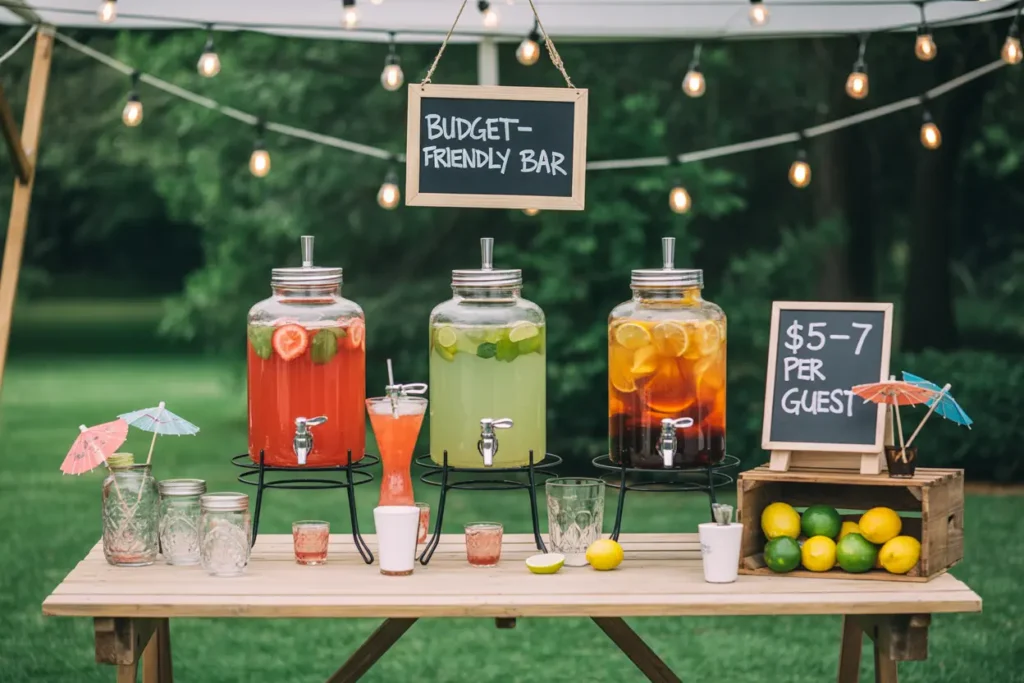
Trending herbal elements for spring beverages include:
– **Fresh Mint**: The quintessential spring herb that brightens everything from iced tea to mojitos while aiding digestion after heavier winter fare – **Lemon Verbena**: Offering intense citrus notes without acidity, perfect for delicate spring infusions that won’t overwhelm subtle flavors – **Lemongrass**: Adding complexity with its subtle citrus and ginger notes that complement early spring fruits and provide gentle digestive support – **Chamomile**: Providing apple-like sweetness and calming properties that help transition from winter’s intensity to spring’s awakening energy
These herbal components can be incorporated into beverage bars that allow guests to customize their drinks with fresh elements, creating an interactive experience that celebrates spring’s bounty. The versatility of these herbs allows them to work in both hot and cold applications, making them adaptable to spring’s variable temperatures.
### Early Fruit Harvest Beverages Spring’s first fruits provide welcome freshness after winter and feature prominently in seasonal beverages that highlight their vibrant flavors and colors.
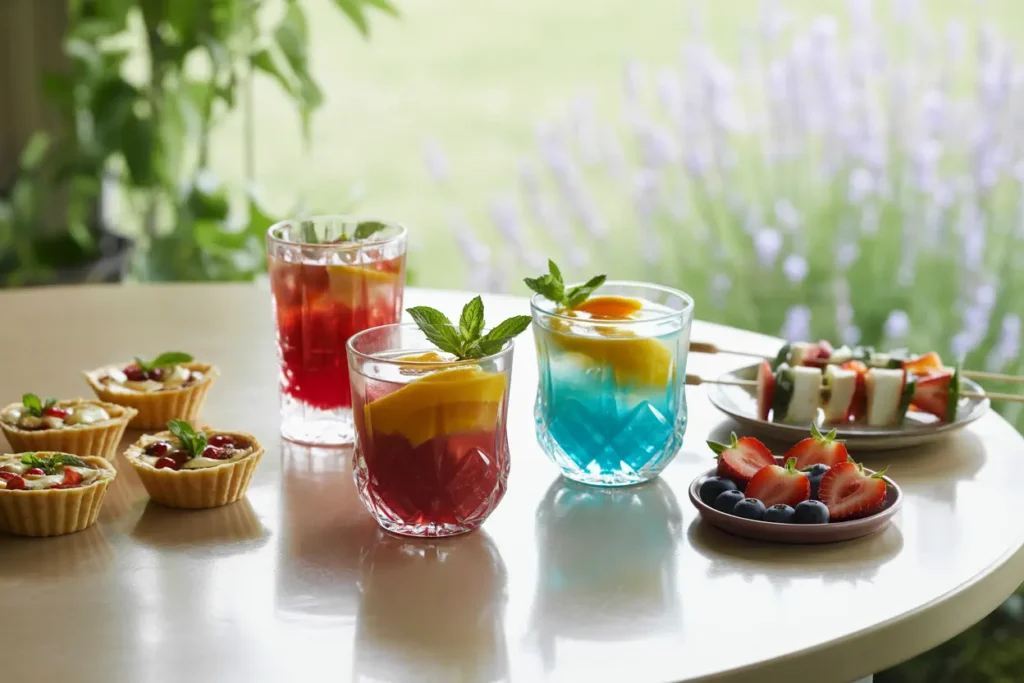
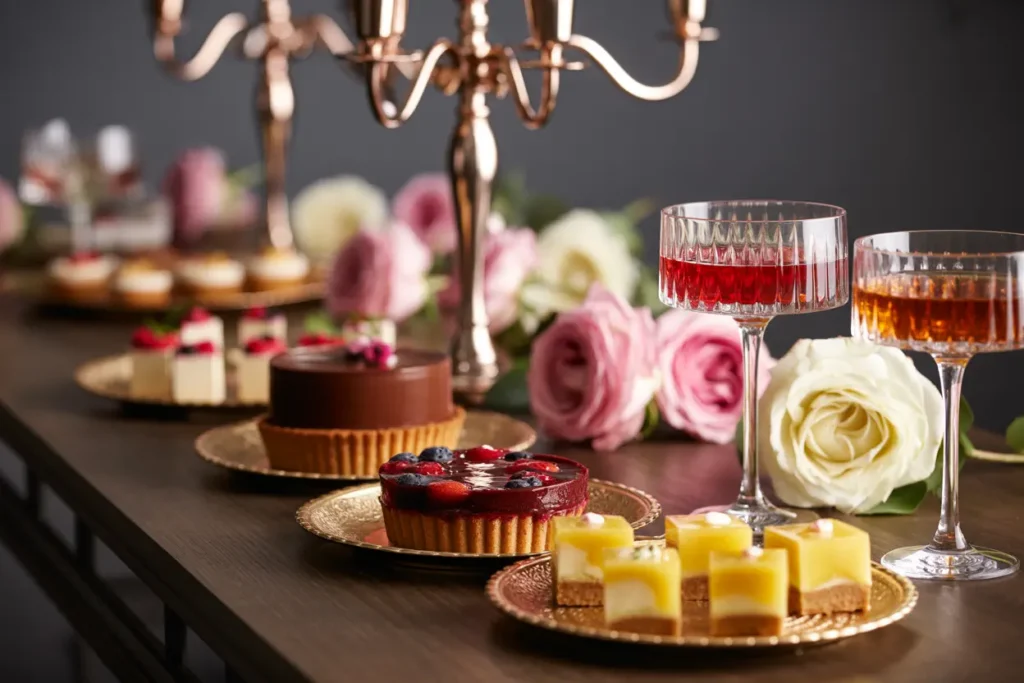
Key spring fruits for seasonal beverages include:
– **Strawberries**: The first berries of the season, perfect for muddling into spring cocktails and lemonades with their bright color and sweet-tart balance – **Rhubarb**: Adding tartness and vibrant color to syrups and shrubs, often paired with ginger or vanilla to balance its natural acidity – **Meyer Lemons**: Offering a sweeter, more complex citrus note than standard lemons, ideal for sophisticated spring cordials and cocktails – **Early Stone Fruits**: Providing subtle sweetness to spring sangrias and spritzes as they begin to appear in markets, signaling the transition toward summer
These early fruits create beverages with bright acidity and fresh flavor that pair beautifully with spring meals and celebrations. Their appearance in beverages marks the seasonal transition and connects drinkers to the agricultural cycle in a tangible, delicious way.
## Creating a Seasonal Beverage Bar A well-designed seasonal beverage bar allows guests to customize their drinks while showcasing the flavors of the moment. Whether for a casual gathering or formal event, a thoughtfully curated drink station improves the entire experience and encourages exploration of seasonal flavors.
### Essential Components for Every Season While specific ingredients may change with the seasons, certain elements remain constant in creating a successful beverage bar that functions effectively while delighting guests.
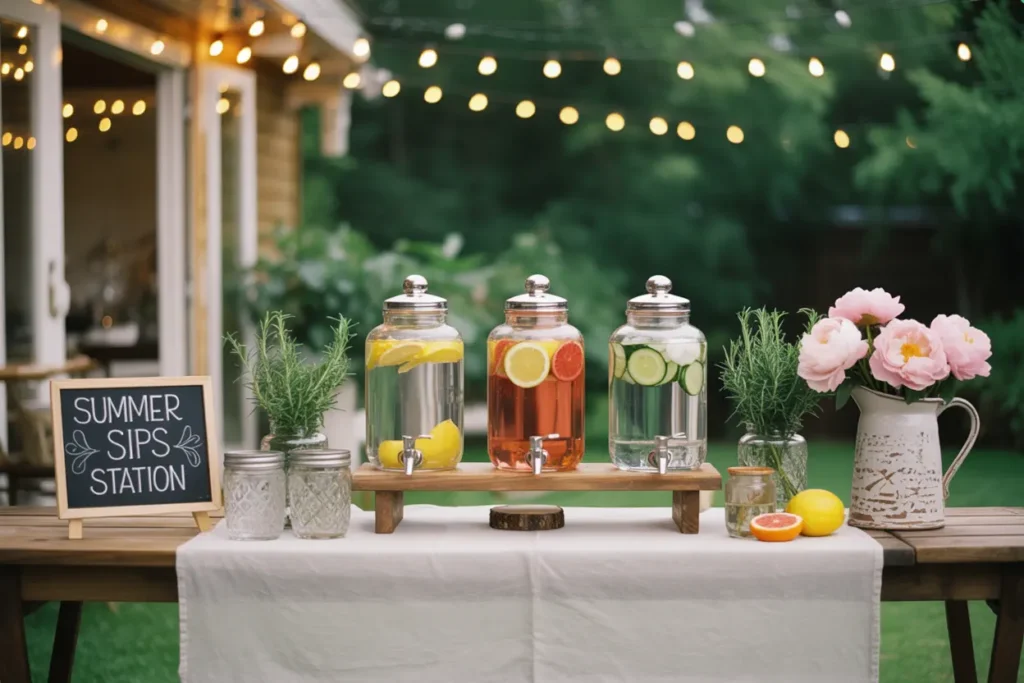
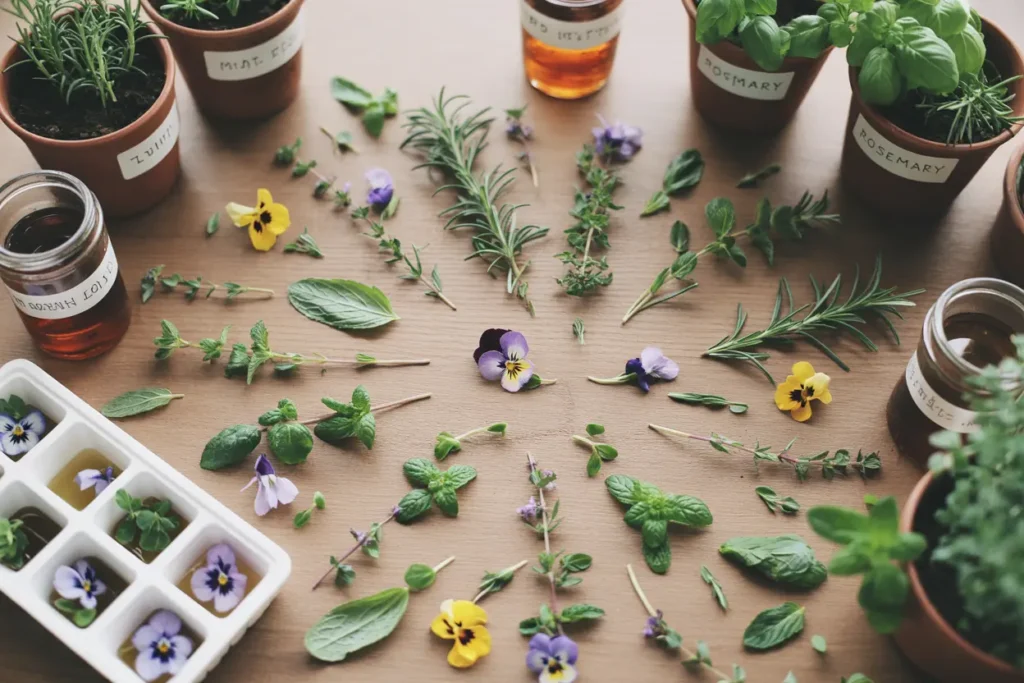
Key components for any seasonal beverage bar include:
– **Base Beverages**: 2-3 options appropriate to the season (sparkling water, iced tea, lemonade for summer; hot chocolate, coffee, cider for winter) that provide the foundation for customization – **Mix-Ins**: Seasonal syrups, purées, and flavor enhancers that allow guests to adjust sweetness and flavor to their preference – **Garnishes**: Fresh herbs, fruit slices, edible flowers, or spice sticks depending on the season, which add both visual appeal and aromatic elements – **Appropriate Glassware**: Styles that complement the beverages and enhance the experience, from stemmed glasses for elegant spring cocktails to mugs for winter warmers – **Clear Instructions**: Recipe cards or suggestions to guide guests toward successful combinations while encouraging creativity
Our summer beverage bar guide provides detailed instructions for setting up an impressive drink station that encourages exploration while ensuring successful combinations. These principles can be adapted to any season by adjusting the specific ingredients while maintaining the fundamental structure.
### Seasonal Garnish and Presentation Ideas Garnishes and presentation elements should reflect the season’s aesthetic while enhancing the sensory experience of the beverages through visual appeal, aroma, and interactive elements.
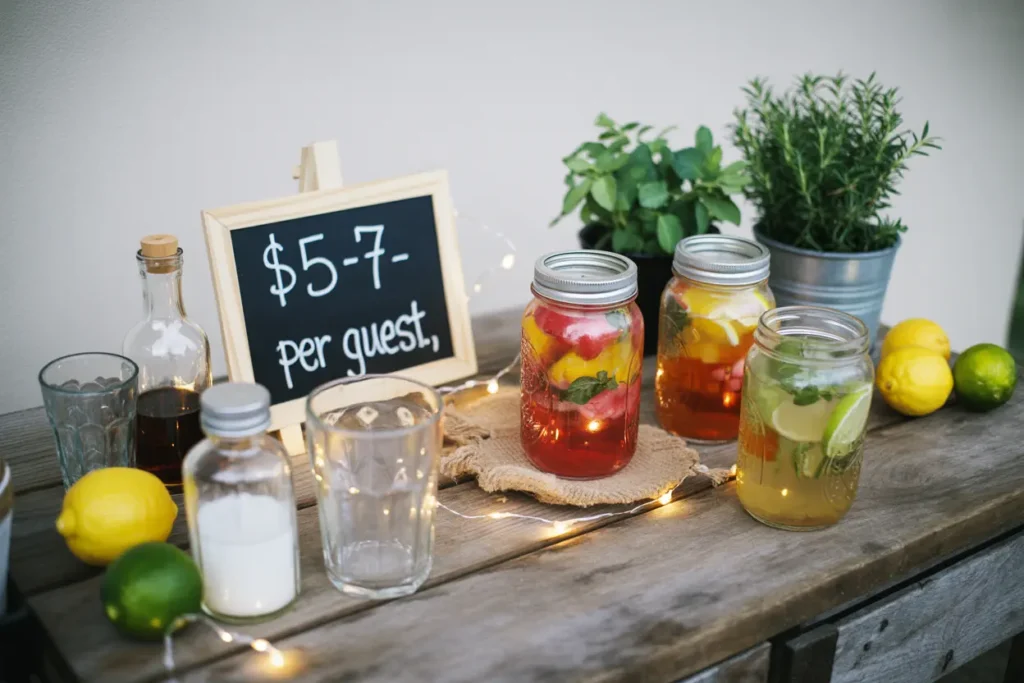
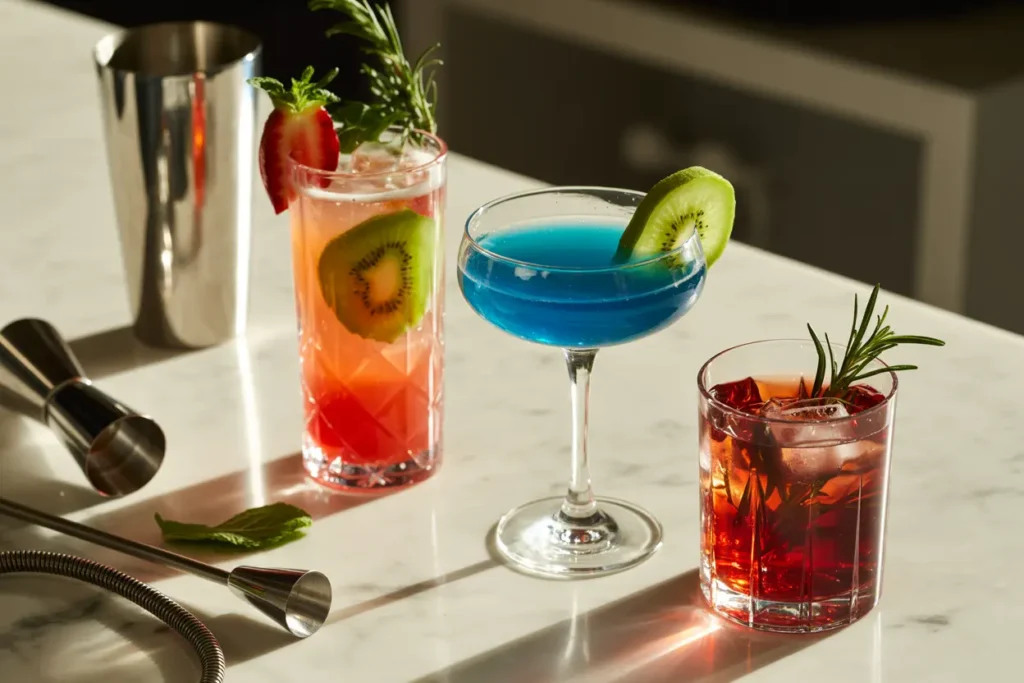
Seasonal presentation elements might include:
– **Spring**: Edible flowers, herb sprigs, pastel-colored sugar rims that capture the delicate beauty of the season’s first blooms – **Summer**: Fruit skewers, frozen fruit ice cubes, colorful paper straws that emphasize freshness and playful outdoor entertaining – **Fall**: Cinnamon sticks, star anise pods, dehydrated apple chips that add warming aromatics and rustic visual appeal – **Winter**: Chocolate shavings, candy canes, sugared cranberries that create festive touches and connect to holiday traditions
These visual elements not only enhance flavor but also create Instagram-worthy presentations that encourage guests to share their experience, extending the reach of your event through social media. For professional-level garnishing techniques, our mocktail mixology basics guide offers step-by-step instructions for creating garnishes that improve any beverage presentation.
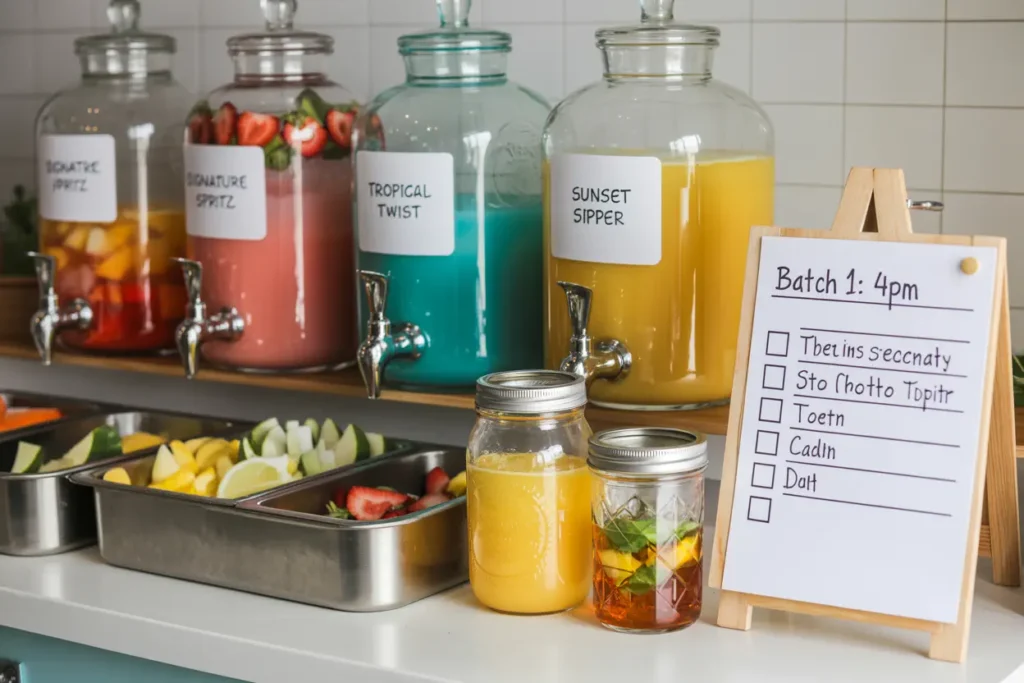
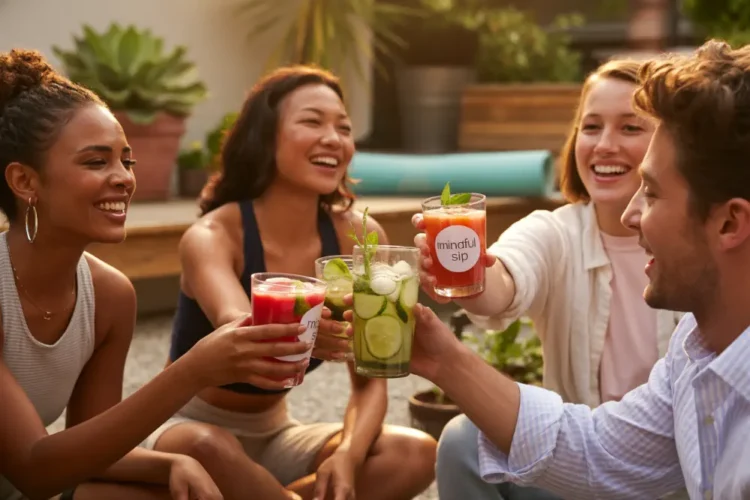
### Batch Preparation Tips for Entertaining Preparing beverages in advance allows hosts to enjoy their own events while still offering impressive seasonal drinks that maintain quality throughout the gathering.
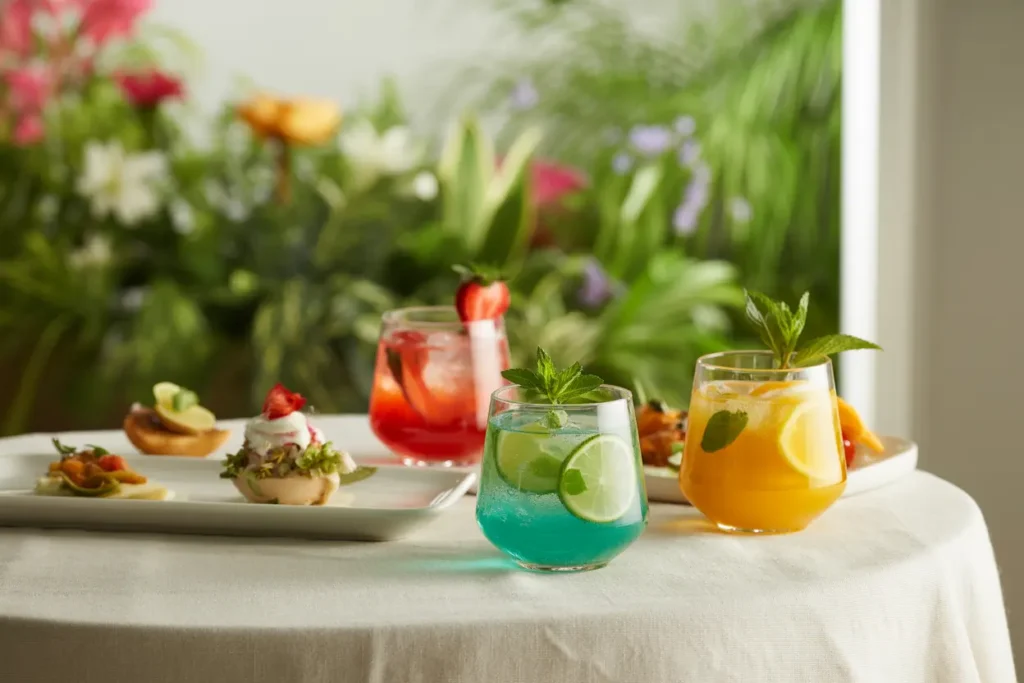
Key tips for batch preparation include:
– **Prepare Non-Carbonated Elements**: Mix bases, syrups, and juices up to 24 hours in advance, storing them properly to maintain freshness and flavor – **Add Carbonation Last**: Introduce sparkling components just before serving to preserve effervescence and prevent flat beverages – **Consider Dilution**: Account for ice melt when preparing cold batched beverages, slightly concentrating flavors to compensate for natural dilution – **Create Concentrate Versions**: Offer concentrated bases that guests can dilute to their preference, accommodating different taste preferences – **Label Clearly**: Provide information about ingredients and suggested mixing ratios, especially important for guests with dietary restrictions or preferences
These batch preparation strategies allow you to offer complex seasonal cocktail pairings without spending the entire event mixing individual drinks. The key is understanding which elements can be prepared in advance and which should be added at the last minute to preserve quality and presentation.
## Food Pairing with Seasonal Beverages The right beverage pairing can improve a meal from good to memorable. Understanding how to match seasonal drinks with complementary foods creates harmony that enhances both elements of the dining experience and creates a cohesive seasonal sensory journey.
### Complementary Flavor Principles Successful food and beverage pairings rely on fundamental principles that apply across seasons and help create balanced, harmonious combinations.
Basic pairing principles include:
– **Complement or Contrast**: Either match similar flavor profiles (like citrus cocktails with citrus-forward dishes) or create intentional contrasts (like spicy foods with cooling beverages) that balance each other – **Consider Weight and Intensity**: Pair light foods with light beverages, hearty foods with robust drinks to ensure neither element overwhelms the other – **Regional Connections**: Foods and beverages from the same region often pair naturally due to shared cultural and agricultural traditions – **Seasonal Alignment**: Ingredients harvested in the same season typically complement each other because they’ve evolved to grow together in the same climate and conditions
Understanding the science of flavor allows you to create pairings that enhance both the food and beverage components of your meal. These principles can be applied across seasons by adjusting the specific ingredients while maintaining the fundamental relationships between flavors.
### Seasonal Pairing Suggestions Each season offers unique opportunities for food and beverage pairings that celebrate the moment’s flavors and create cohesive dining experiences.
Seasonal pairing recommendations include:
– **Spring**: Floral gin spritz with asparagus and goat cheese tart; rhubarb shrub with early strawberry salad – both highlighting the delicate, bright flavors of spring’s first harvest – **Summer**: Watermelon-basil agua fresca with grilled fish tacos; cucumber-mint cooler with Mediterranean mezze – emphasizing refreshing, cooling combinations that complement outdoor dining – **Fall**: Spiced apple cider with roasted pork; pumpkin-infused cold brew with cinnamon baked goods – featuring warming spices and harvest ingredients that create comforting autumn experiences – **Winter**: Hot chocolate with orange and chili paired with dark chocolate desserts; cranberry-rosemary punch with holiday roasts – showcasing rich, indulgent combinations that celebrate festive occasions
Our seasonal cocktail pairing guide offers detailed recommendations for creating harmonious food and beverage experiences throughout the year, with specific attention to how seasonal ingredients interact to create cohesive flavor profiles.
### Creating Signature Pairings for Events Special occasions benefit from thoughtfully designed signature pairings that enhance the event theme while creating memorable experiences that guests will associate with your hospitality.