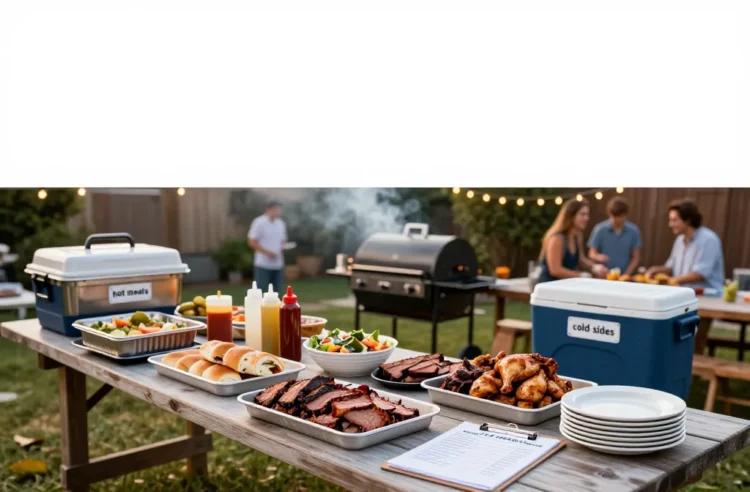
- Best for: Backyard gatherings, milestone birthdays, casual receptions
- Make ahead: Yes — 48 hours to 2 hours before serving
- Serves: 50 guests (mixed appetites)
- Key tip: Split hot-holding: one cooler for hot meats, one for cold sides
The BBQ Prep Timeline for a Party of 50 — 48 Hours to Serving can feel like a sprint if you wing it. With a plan, you’ll hit every mark: shopping, marinating, smoking, sides, and service. This guide breaks down exactly what to do at 48, 24, 12, 4, and 2 hours so you roll into serving time relaxed and ready. You’ll get a complete timeline, quantities, and the checklists that keep big-barbecue chaos in check.
Your 48-Hour Countdown: The Big Picture
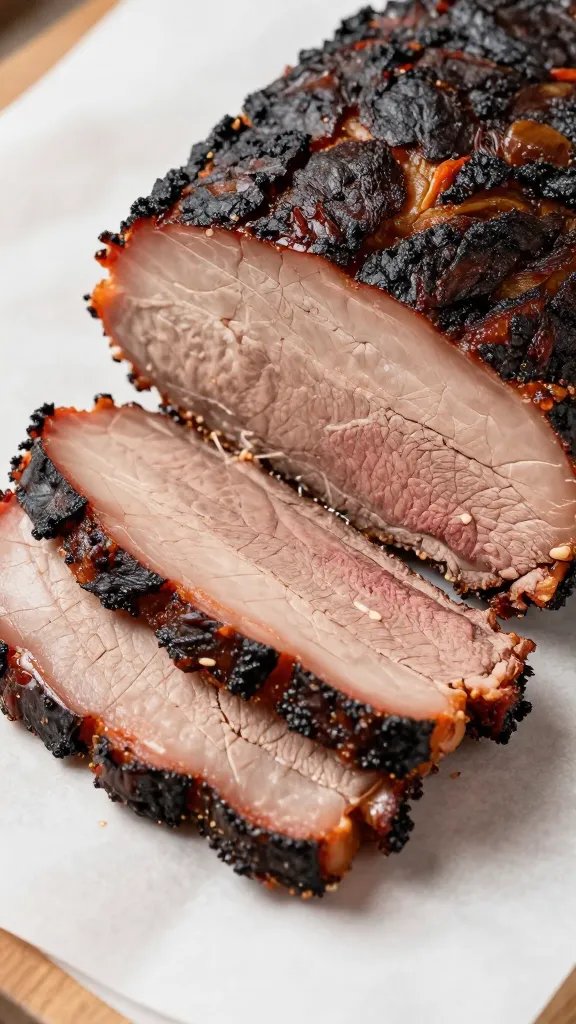
At 48 hours, lock the menu, buy perishables, and start long-marinated meats. At 24 hours, batch sides and sauces. The final 12–4 hours are for smoking, grilling, and setup.
Think of it in phases: Procure → Prep → Cook → Hold → Serve. Each step has a time window to keep food safe and delicious.
Menu Planning for 50: Quantities That Work
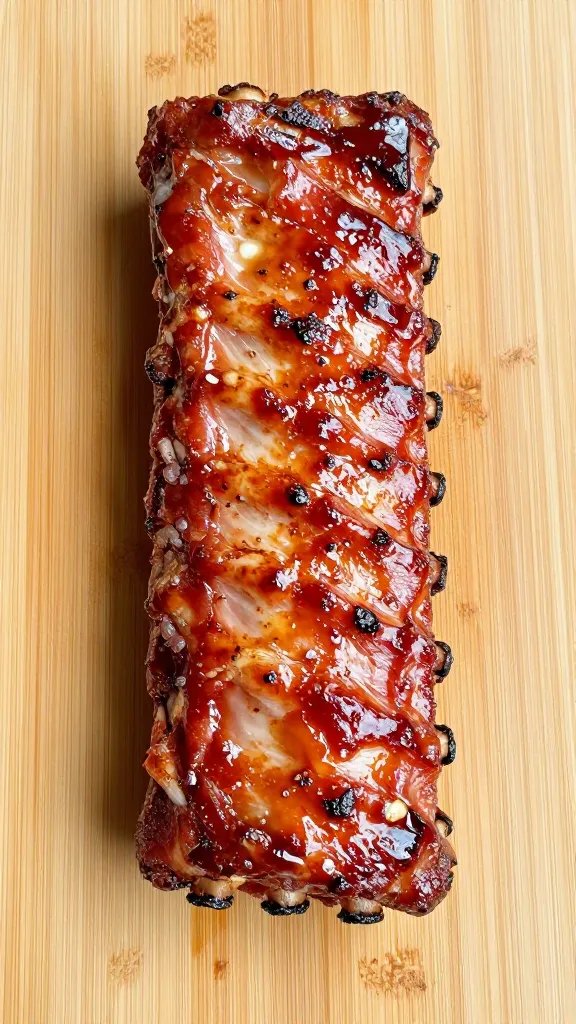
Plan for 1.25 servings per person on proteins to cover seconds. Sides can stretch the budget, but don’t skimp on rolls and pickles; they make plates feel full.
- Proteins (choose 2–3):
- Pulled pork: 20 lb raw shoulder → ~10–12 lb cooked (serves 40 as a main)
- Chicken thighs/legs: 35–40 lb raw (bone-in), or 25 lb boneless
- Beef brisket: 22–24 lb packer total → ~12–14 lb cooked (serves 30–35)
- Sausage/hot links: 60–70 links (4–5 oz each)
- Sides:
- Coleslaw: 2.5–3 gallons
- BBQ beans: 2–2.5 gallons
- Potato salad or mac salad: 2–2.5 gallons
- Cornbread or rolls: 80–100 pieces
- Pickles, onions, jalapeños: 2–3 quarts total
- Sauces: 1.5–2 cups per 10 people → 8–10 cups total across two styles
48 Hours Out: Shop Smart and Start the Flavors
Do the big shop: meats, produce, dry goods, charcoal/wood, foil, gloves, and fuel for burners. Buy ice now; stash in a chest freezer or cool garage.
- Marinate and brine:
- Chicken: wet brine 4–6% salt for 6–12 hours, or dry brine overnight
- Pork shoulders: dry rub and wrap; refrigerate 24–36 hours
- Brisket: trim, salt, and pepper; rest 12–24 hours
- Make-ahead tasks:
- Whisk two sauces: a tangy vinegar and a sweet-mop style. Refrigerate.
- Mix dry rubs in bulk. Label shakers.
- Chop slaw veg and red onions; keep dry. Dress later.
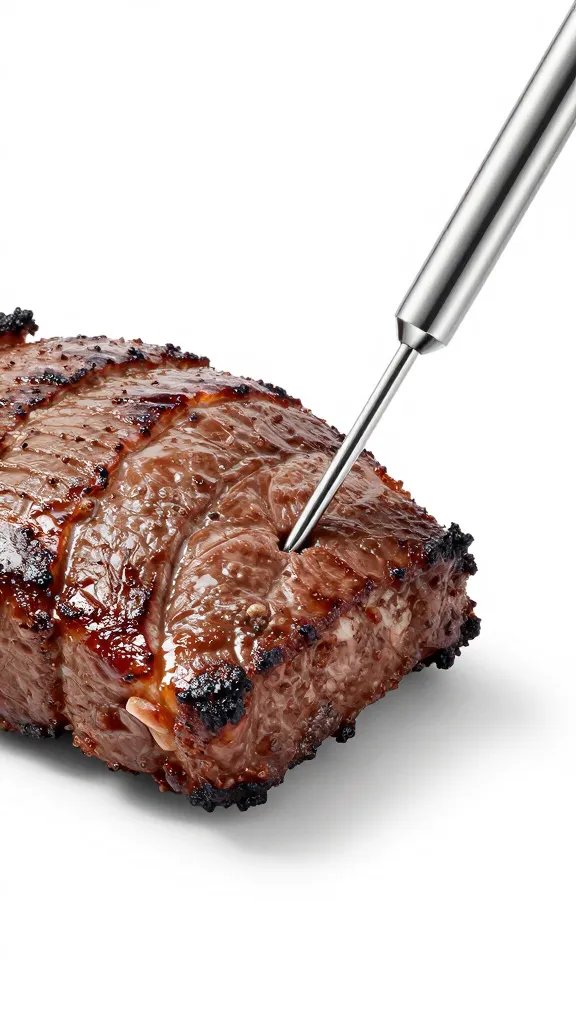
- Prep equipment: Probe thermometers, cambro/insulated coolers, chafers, hotel pans, cutting boards (color-coded), spray bottles, and a hot-holding plan.
24 Hours Out: Batch the Sides and Set the Stations
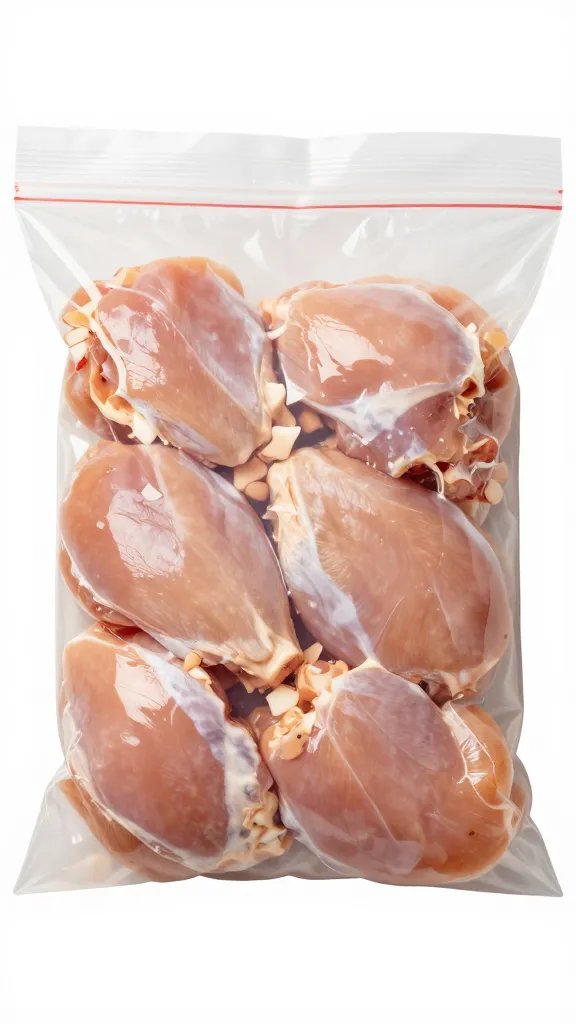
Today is your low-stress production window. Cook and cool safely, then refrigerate in shallow pans.
- Batch sides:
- Beans: cook fully; cool to 70°F within 2 hours and to 41°F within 4 more.
- Potato or pasta salad: cook, chill components, then dress. Hold cold.
- Coleslaw: keep dressing separate; combine 2–4 hours before serving for crisp texture.
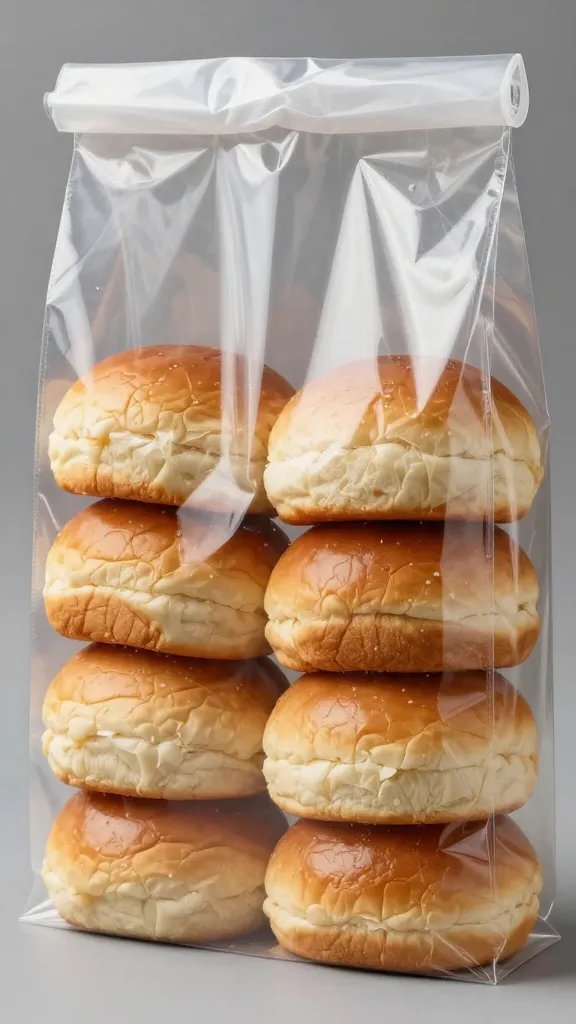
- Breads and garnish: Slice buns, wrap stacks in foil. Portion pickles and jalapeños into deli quarts.
- Setup zones:
- Raw zone: trays, tongs with colored tape, sanitizer bucket.
- Cook zone: grill/smoker tools, heat-resistant gloves, spritz mix (50/50 apple juice and water or cider vinegar).
- Service zone: labeled pans, serving spoons, sneeze covers if outdoors.
Overnight to 12 Hours Out: Low-and-Slow Meats
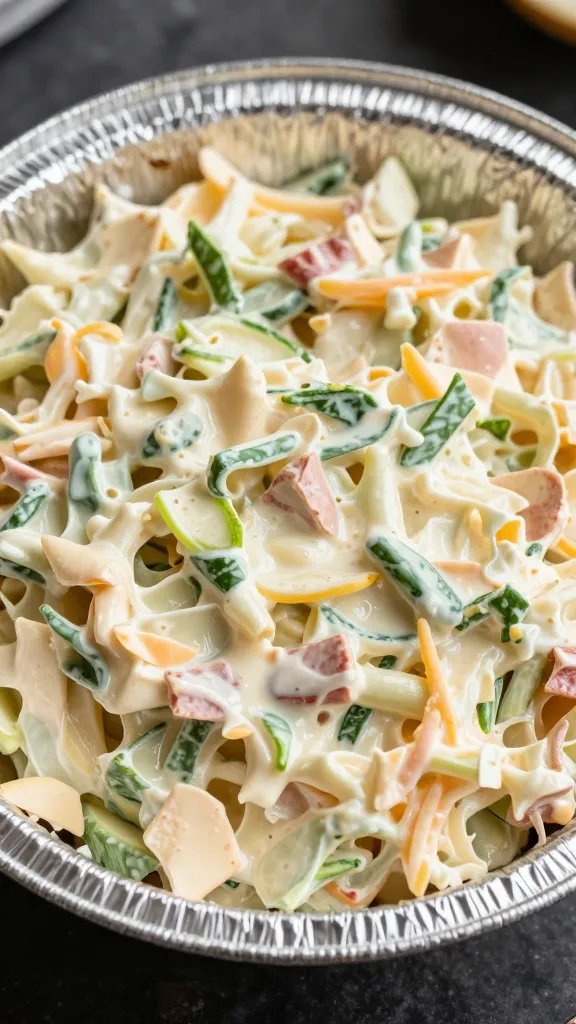
Start brisket and pork shoulders so you finish early and rest long. Finishing ahead beats chasing the stall at party time.
- Light the smoker to 225–250°F. Use a clean-burning fire; thin blue smoke, not white billows.
- Load brisket/pork fat side toward heat source. Insert probes.
- Spritz every 60–90 minutes after bark sets (~160°F internal).
- Wrap in butcher paper or foil at desired bark, 165–175°F internal.
- Finish temps: Brisket 200–205°F, pork shoulder 198–203°F. Probe should slide like warm butter.
- Rest wrapped in a dry cooler with towels for 2–6 hours. Resting equals juiciness.
4–2 Hours Out: Chicken, Sausage, and Final Prep
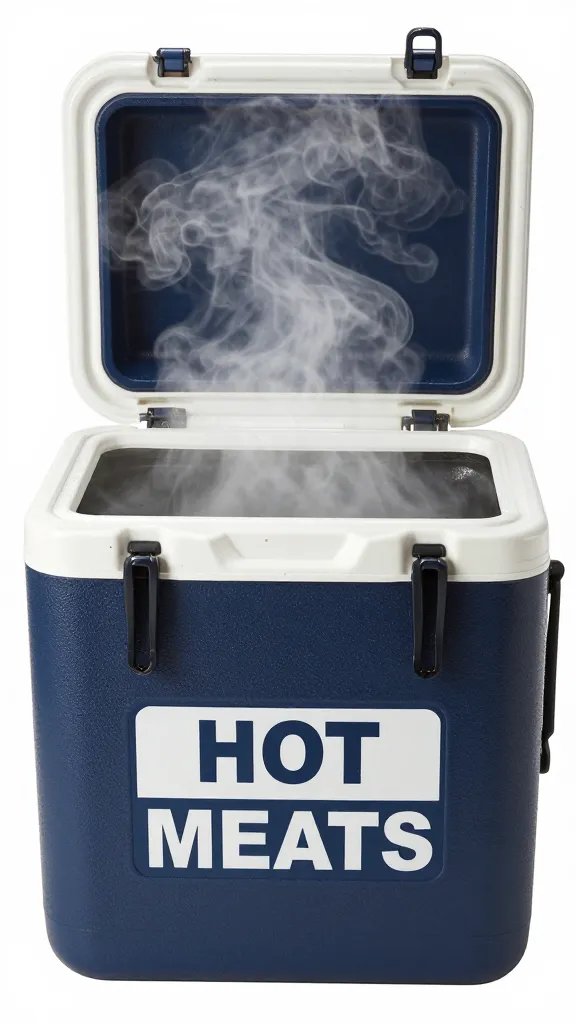
Now cook your fast movers and pull sides from the fridge. Aim to be in hot-hold 45–60 minutes before guests eat.
- Chicken: Grill or smoke at 300–325°F to render skin. Target 175–185°F in thighs for tenderness. Hold in a covered pan at 150–160°F.
- Sausage: Grill to 160°F internal; hold hot.
- Reheat sides: Beans reheat gently on low; add a splash of water. Keep cold salads below 40°F until service.
- Slice and pull: Pull pork just before service; sauce lightly or serve sauce on the side. Slice brisket against the grain; hold slices in jus or foil with a splash of stock.
Service Time: Flow, Holding, and Food Safety
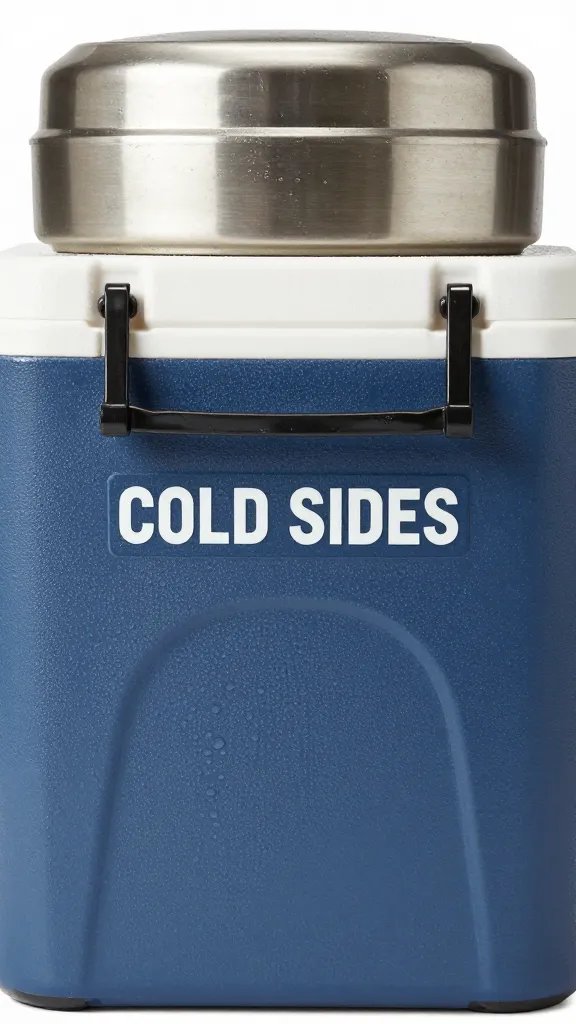
Buffet lines move best with buns first, then meats, then sides, finishes at the end. Separate hot and cold lines if you can.
- Hot hold targets: 145–165°F in covered pans. Rotate fresh batches every 45 minutes.
- Cold hold: Under 40°F over ice baths. Refresh bowls instead of topping off.
- Label allergens: Nuts in slaw? Gluten in cornbread? Call it out.
- Tool discipline: One set of tongs per protein. Replace every 90 minutes or when dropped.
Optional Upgrades That Scale
- Finishing sauces: Add a bright herb sauce for grilled meats — try this chimichurri recipe for freshness.
- Make-ahead dessert: Sheet-pan brownies or peach crisp in hotel pans; hold warm beside the chafers.
- Vegetarian mains: Grilled portobellos or smoked tofu with the same rub. Serve with a bold dressing like this creamy cilantro-lime sauce.
From My Kitchen: What Actually Works
The single biggest time-saver is finishing the big meats 2–3 hours early and holding them hot in a foil-wrapped stack inside a preheated cooler — they stay above 145°F and slice cleaner. I also pre-slice only the flat of the brisket and keep the point whole; it doesn’t dry out as fast and you can cube it for burnt ends if demand dips. For pulled pork, I mix in 10% of the reserved cooking juices plus a splash of cider vinegar during the pull — it stays moist without turning greasy. On chicken, I score skin-on thighs lightly before seasoning; the fat renders faster and the rub sticks better. Finally, I scale salt at about 70–80% of the straight multiplier for rubs when cooking two or more proteins; the buffet effect concentrates seasoning.
Sample Timeline: 48 Hours to Serving
T-48 Hours
- Shop everything. Trim brisket, rub pork, brine chicken.
- Make sauces, mix rubs, chop slaw veg.
T-24 Hours
- Cook beans; chill. Make salads; chill. Prep garnish and buns.
- Stage equipment, fuel, and serving pans. Freeze gel packs.
T-12 to T-8 Hours
- Start brisket/pork low-and-slow. Monitor temps and smoke quality.
T-6 to T-4 Hours
- Wrap meats, push through the stall, finish, and rest in cooler.
T-3 to T-2 Hours
- Grill chicken and sausage. Reheat beans. Dress slaw.
- Set buffet, label dishes, set sanitizer and glove stations.
T-1 Hour
- Slice brisket, pull pork, pan with juices, and hot-hold.
- Load chafers. Put cold sides on ice. Open the line.
Troubleshooting Common Snags
- Meat’s not done on time: Wrap and bump heat to 300°F; finish in the oven if needed. Rest at least 30 minutes.
- Dry slices: Pan with warm stock or reserved juices and cover. Serve with a thinner sauce at the station.
- Running low on protein: Switch to half-slices and add sausage to plates. Push buns and sides forward on the line.
- Rain or wind: Shield smokers with windbreaks; keep lids closed longer and monitor pit temps more frequently.
Frequently Asked Questions
How much meat do I need for The BBQ Prep Timeline for a Party of 50?
Plan around 1/2 pound cooked meat per person when serving two proteins. That’s roughly 25 pounds cooked total, which means 45–50 pounds raw across brisket, pork, chicken, and sausage. If your crowd skews hungry, add 10%.
Can I make parts of The BBQ Prep Timeline for a Party of 50 ahead of time?
Yes. Sauces, rubs, beans, and salads can be made 24 hours ahead. Brisket and pork can finish 2–6 hours early and hold hot in a cooler. Grill chicken and sausage within 2 hours of serving for best texture.
What’s the best way to keep BBQ hot for a crowd?
Wrap finished meats and rest in an insulated cooler pre-warmed with hot water. For service, transfer to covered pans set over chafers or in a 150–165°F oven. Add a splash of warm stock to prevent drying.
How do I time brisket and pulled pork so they’re ready together?
Start both the night before. Brisket and pork shoulders often need 10–16 hours. Finish early, wrap, and hold hot. Slice and pull just before serving to keep them juicy.
What sides scale best for 50 people?
Beans, coleslaw, and potato or pasta salad. They batch easily, hold well, and balance rich meats. Aim for 2–3 gallons of each and keep cold items under 40°F until serving.
Can I freeze leftovers from a big BBQ?
Yes. Freeze pulled pork and sliced brisket in vac-seal bags with juices for up to 3 months. Thaw overnight and reheat in simmering water or a low oven. Creamy salads don’t freeze well; beans do.
The Bottom Line
A smooth BBQ for 50 comes down to starting early, finishing big meats ahead, and holding smart. Follow this 48-hour plan, and serving time feels like a victory lap, not a scramble.
Planning to try this? Save this post so you can find it when you need it — and tag us when you make it.