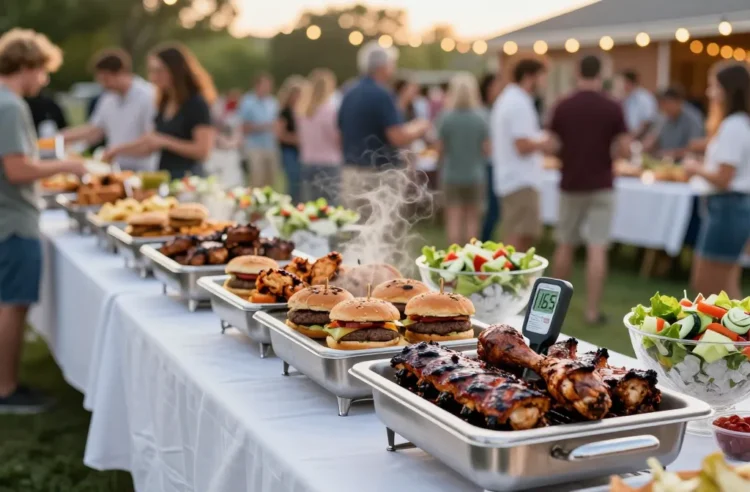
- Best for: Large backyard parties, reunions, and community cookouts
- Make ahead: Yes — prep ingredients 1–2 days; cook day-of
- Serves: Up to 100 guests with mixed proteins and sides
- Key tip: Keep hot foods at ≥140°F and cold foods at ≤40°F — and measure, don’t guess
Feeding a crowd is fun until you realize you’re managing a mini restaurant line. Food Safety for a BBQ of 100 People — Temperature Control Guide is your roadmap to keep burgers juicy, sides safe, and guests happy. We’ll cover the exact temperatures, holding methods, gear, and timing so you stay out of the danger zone. By the end, you’ll have a step‑by‑step plan and a simple checklist to run a smooth, safe service.
Know Your Numbers: The BBQ Safety Temperatures
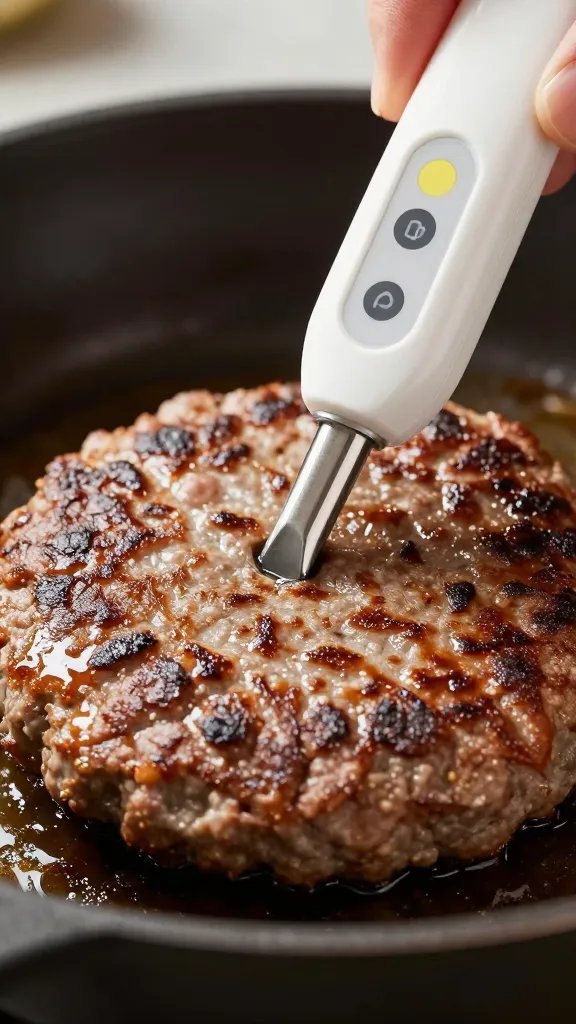
Memorize these and post them near the grill. These are USDA minimum internal temperatures (rest times included):
- Poultry (chicken, turkey): 165°F
- Ground meats (beef, pork, turkey): 160°F
- Whole cuts beef, pork, lamb, veal: 145°F + 3-minute rest
- Fish: 145°F or opaque and flakes easily
- Hot holding: 140°F or higher
- Cold holding: 40°F or lower
- Danger zone: 40–140°F — 2-hour max (1 hour if it’s over 90°F ambient)
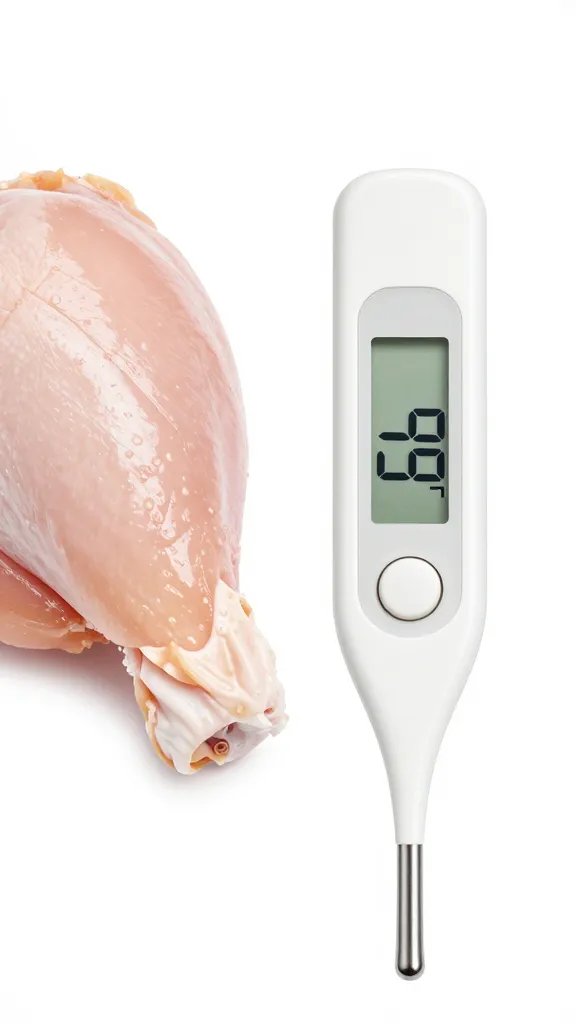
Thermometers are non-negotiable. Use a fast instant-read for doneness and a leave-in probe for pans held on a grill or in warmers.
Plan the Flow: Prep, Cook, Hold, Serve
Prep (1–2 days ahead)
- Portion proteins into pans or zip bags by type and weight. Label with date/time.
- Make cold salads and dress them just before serving to avoid sog.
- Pre-chill all cold hold containers (coolers, hotel pans, salad bowls).
Cook (day-of)
- Set up two grill zones: sear zone (high heat) and finish/hold zone (medium/indirect).
- Cook in batches sized to your holding capacity, not your grill size.
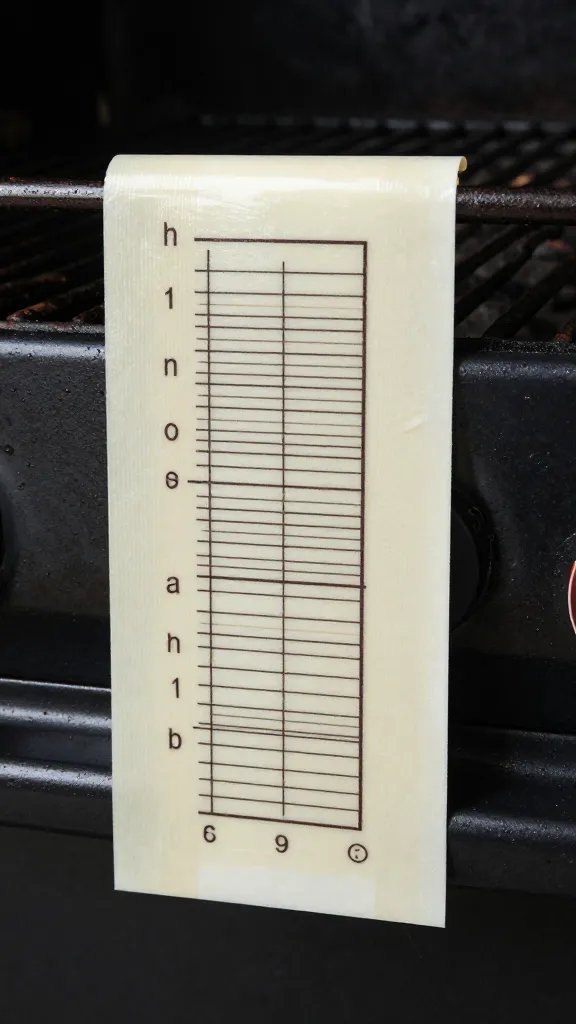
- Temp every batch. Log one piece per pan — quick note on painter’s tape works.
Hold
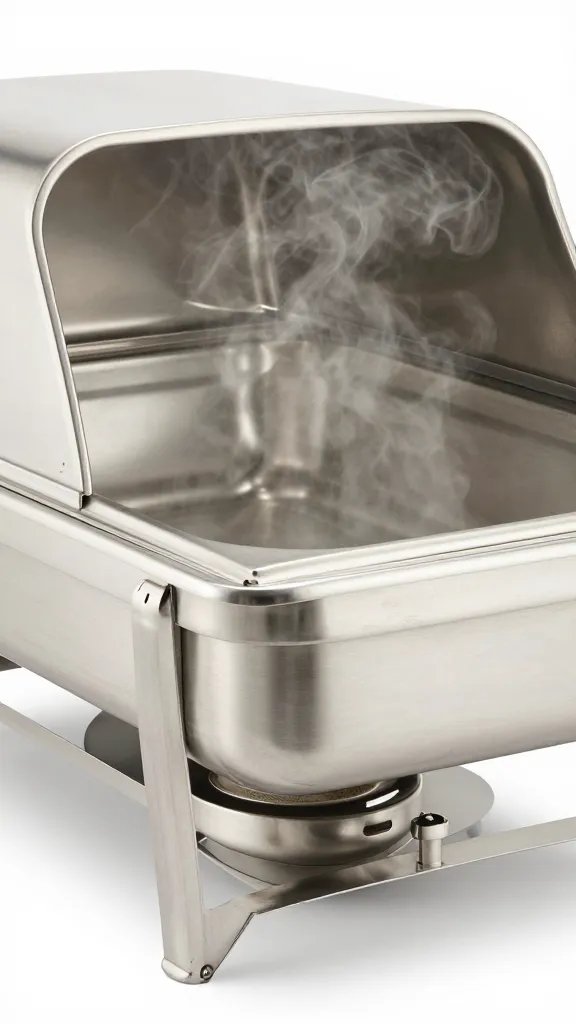
- Hot: Chafers, covered hotel pans on the grill’s indirect side, or insulated carriers. Keep at ≥140°F and stir every 30 minutes.
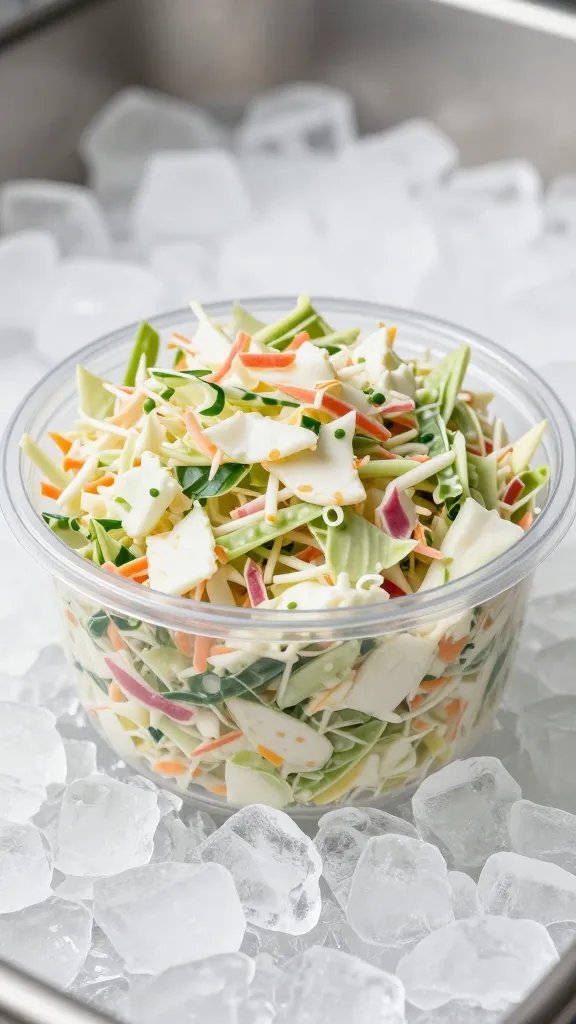
- Cold: Pans set in ice baths up to the rim line; top with lids when not scooping. Keep at ≤40°F.
Serve
- Serve in small, refillable pans so each pan spends less time on the table.
- Swap pans entirely every 1–2 hours instead of topping off warm/cool pans.
Hot Holding for 100: Your Best Options
- Chafing dishes with water pans: Reliable and scalable. Use full pans for proteins, half pans for sides. Keep water steaming, not boiling to prevent drying out.
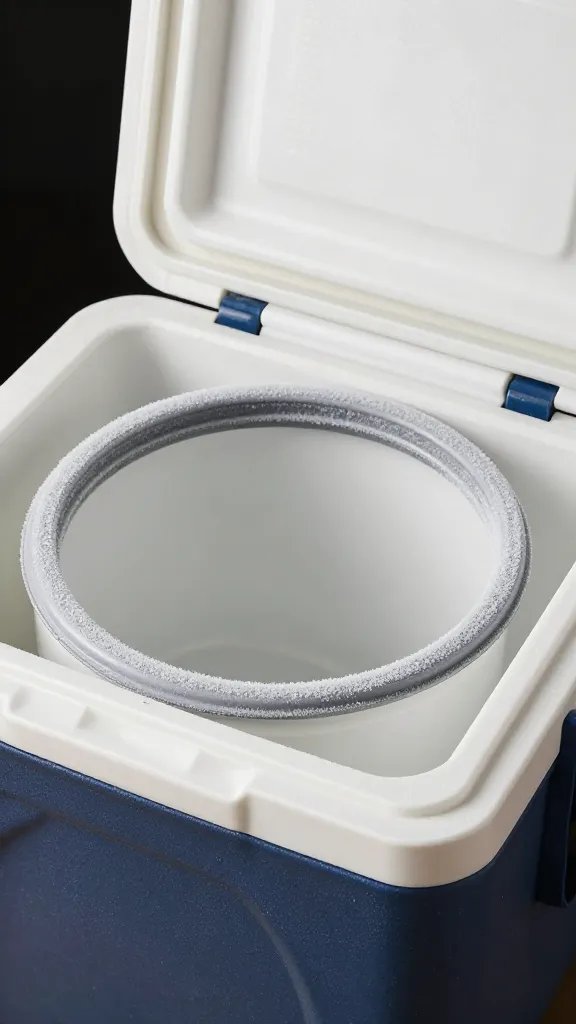
- Insulated coolers as hot boxes: Preheat with a kettle of hot water, dry, line with towels, load covered pans at 150–170°F. Add a probe thermometer through the lid.
- Grill-as-warmer: Burners on low with lid closed make a solid 180–225°F cabinet. Use a water pan for humidity and to stabilize temps.
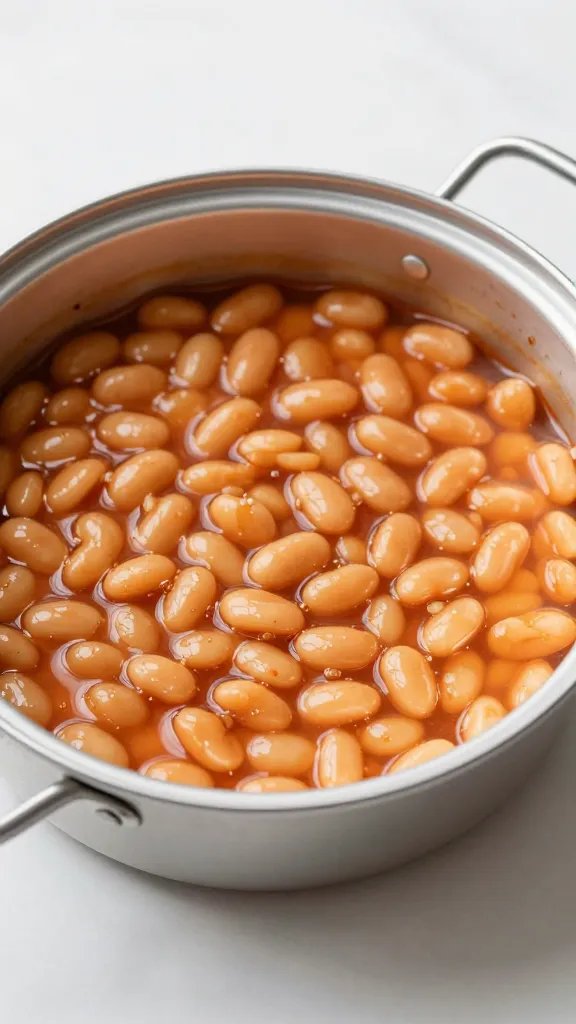
- Electric roasters: Great for pulled pork or beans. Set to “keep warm” and verify pan temps stay ≥140°F.
Moisture control: Add a small ladle of warm stock or BBQ sauce to pans every hour. This buffers heat loss and prevents drying.
Cold Holding That Actually Stays Cold
- Ice baths for pans: Hotel pans nested in deeper pans filled with ice and a little water. Ice-to-food contact level should meet the food line.
- Dedicated salad coolers: Pre-chill with frozen water bottles. Keep the lid closed between refills.
- Garnish and toppings bar: Use smaller 1/6 pans and rotate fresh chilled backups every 45–60 minutes.
Pro move: Keep a fridge thermometer in every cooler. If it climbs above 40°F, swap ice immediately.
Safe Timing: A Sample Schedule for 100 Guests
- T–48 hours: Shop, portion proteins, prep rubs/marinades, par-cook beans.
- T–24 hours: Make slaw dressing, chill drinks, pre-chill coolers and pans.
- T–6 hours: Light smokers for large cuts (pulled pork/brisket). Aim to finish 1–2 hours before guests.
- T–3 hours: Set up serving line, chafers, ice baths, handwash station, thermometer kit.
- T–90 minutes: Start burgers, dogs, chicken in batches. Begin hot holding at ≥140°F.
- T–0: Place first wave of pans on the line. Keep backups hot/cold off the table.
- During service: Stir hot pans every 30 minutes, temp-check hourly, replace ice as needed.
Menu Math: Portioning and Cook-Through
- Burgers (4 oz raw): 1 per light eater, 1.5 average, 2 for teens. Target 160°F.
- Chicken thighs/drums: 1–1.5 pieces per person. Target 165°F.
- Pulled pork: 4–5 oz cooked per person. Cook to 203°F probe-tender, hold at 150–165°F, then shred.
- Hot dogs/sausages: 1 per person plus 25% buffer. Heat to steaming hot throughout (≥140°F hold).
- Cold sides (slaw, potato salad): 3–4 oz per side per person. Keep ≤40°F.
Avoid batch shock. Don’t dump 40 cold patties on the grill at once; you’ll drop grate temp and invite undercooked centers. Work in rolling batches that match your hot holding space.
Cross-Contamination: Systems That Prevent Mistakes
- Color-code tongs and boards: Red for raw, green for ready-to-eat, yellow for poultry.
- Handwash setup: Water jug with spigot, soap, paper towels, trash can. Use it.
- Two-tray rule: Raw meats go out on one tray; cooked never returns to that tray.
- Label everything: Masking tape with “item | time | safe temp checked.”
Need a bright, safe sauce to cut through the richness? Try this chimichurri recipe and keep it chilled on the line.
From My Kitchen: What Actually Works
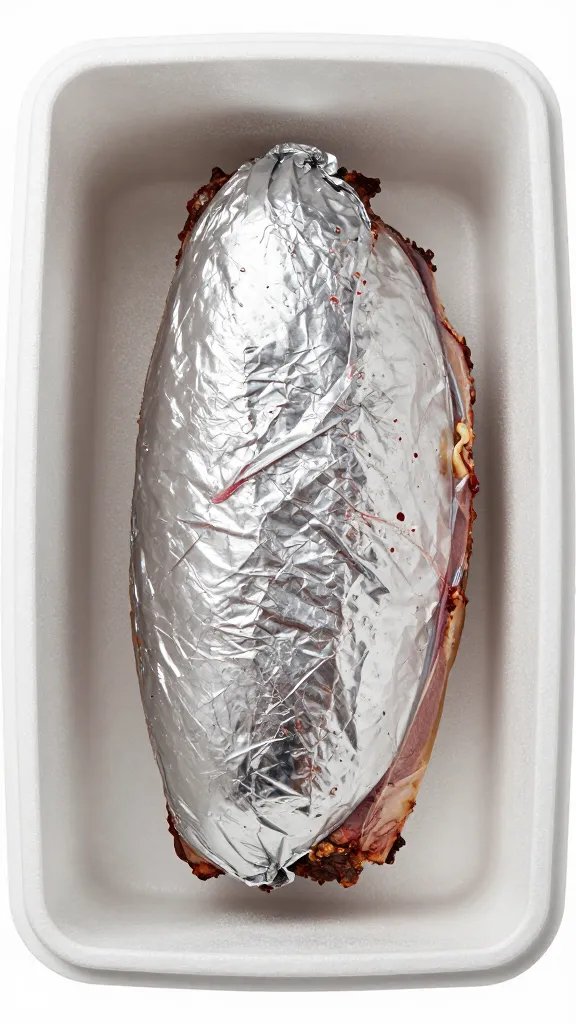
The biggest safety win I’ve seen is switching to half pans on the buffet and keeping second pans hot in reserve. Food moves faster, and temps stay stable. I also log temps on painter’s tape stuck to each chafer lid — a 3-second check every hour prevents drift below 140°F. For burgers, I pull at 158°F, tent for 2–3 minutes, and they finish to 160°F without drying. Lastly, I preheat coolers with frozen gel packs the night before; they hold ≤40°F for hours with minimal ice top-offs.
Gear Checklist for Temperature Control
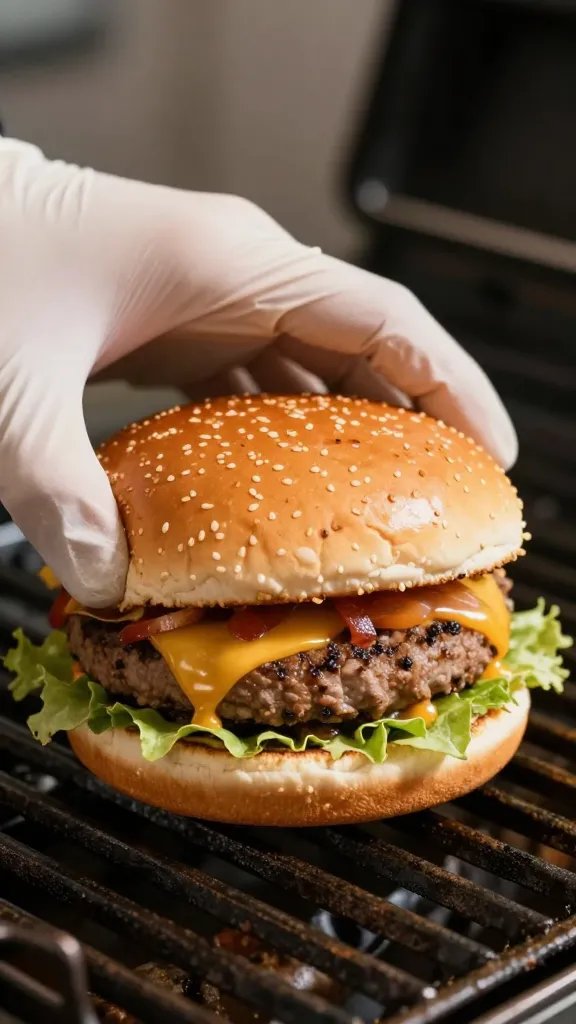
- Thermometers: 1 instant-read, 2–3 leave-in probes
- Chafers or roasters: 4–6 units for 100 guests
- Hotel pans with lids: Full and half size, plus deep pans for ice baths
- Coolers: 2 for drinks, 2 for cold food; separate raw/cooked
- Fuel: Extra sterno/propane/charcoal; you’ll use more than you think
- Sanitation: Gloves for serving, sanitizer bucket, towels, handwash station
Rounding out the menu? These grilled vegetable sides hold beautifully at 140°F and free grill space for proteins.
Frequently Asked Questions
How do I keep food safe at a BBQ for 100 people?
Cook to the correct internal temps, then hold hot foods at ≥140°F and cold foods at ≤40°F. Use chafers or an indirect-heat grill for hot holding and ice baths for cold. Rotate smaller pans frequently and check temperatures every hour.
What are the safe cooking temperatures for a large BBQ?
Poultry to 165°F, ground meats to 160°F, whole cuts of beef/pork to 145°F with a 3-minute rest, and fish to 145°F. Hot holding is ≥140°F and cold holding is ≤40°F. Keep foods out of the 40–140°F danger zone beyond 2 hours (1 hour if over 90°F outside).
Can I make anything ahead for Food Safety for a BBQ of 100 People — Temperature Control Guide?
Yes. Portion proteins, mix rubs, and prep sides 1–2 days ahead. Cook large cuts (like pulled pork) to doneness, then cool and reheat quickly to ≥165°F before service, or hold cooked meats hot the day of if timing allows.
How long can mayo-based salads sit out at a BBQ?
Up to 2 hours total below 90°F ambient, but aim for 1 hour on the table at a time. Keep a backup pan chilled at ≤40°F and swap in fresh. Use ice baths that contact the pan up to the food line for consistent cold holding.
What’s the best way to temp-check quickly during service?
Use an instant-read thermometer, insert into the thickest part, and wipe the probe between pans. Log a single reading per pan every hour on tape or a notepad. For hot pans, leave a probe thermometer in one representative pan to alert you to drift.
How do I safely cool leftovers after a big cookout?
Divide hot food into shallow pans (≤2 inches deep) and chill from 135°F to 70°F within 2 hours, and to 41°F within 4 more hours. Vent lids until below 41°F, then cover. Label and refrigerate promptly.
The Bottom Line
Feed the crowd, not the bacteria. Cook to verified temps, hold hot at ≥140°F and cold at ≤40°F, and rotate smaller pans fast. With a thermometer in hand and a simple system, your 100-person BBQ runs safe and smooth.
Planning to try this? Save this post so you can find it when you need it — and tag us when you make it.