
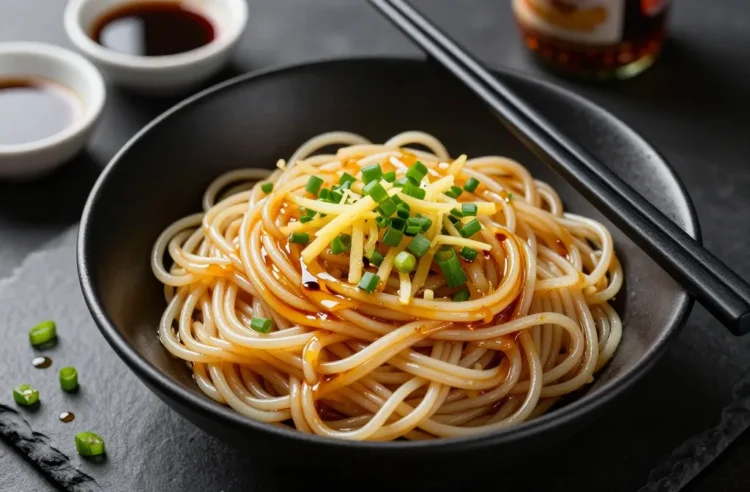
You’ve got noodles. You’ve got five minutes. You want something that tastes like you fussed for hours. Enter ginger scallion oil—Momofuku-style—aka the sauce that turns “meh” into “more, please.” It’s punchy, aromatic, and wildly addictive. Make one batch and watch it vanish on everything from noodles to eggs to roast chicken.
What Exactly Is Ginger Scallion Oil?
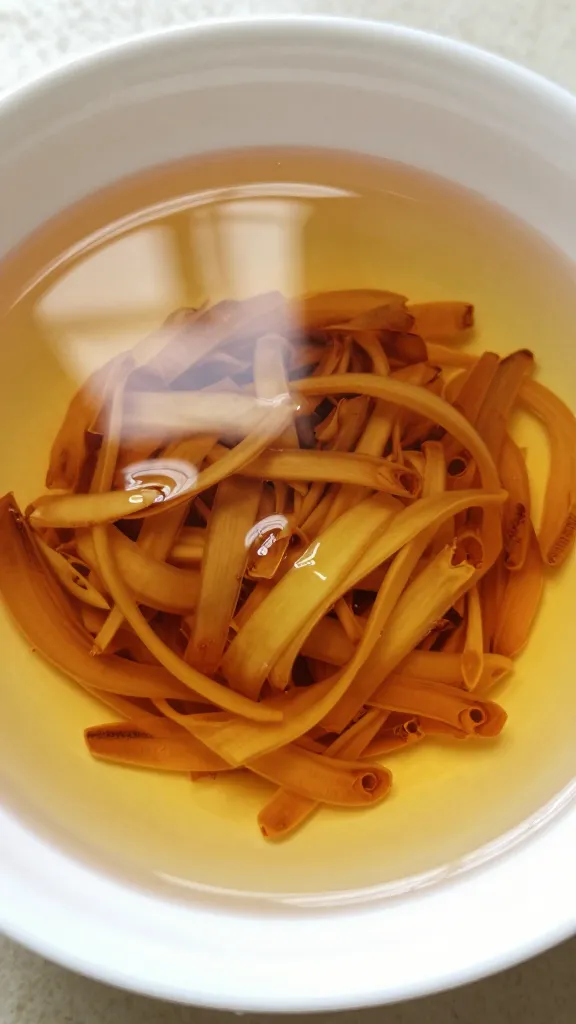
Ginger scallion oil is a no-cook (or barely-cooked) condiment built from a few humble ingredients that deliver outsized flavor. Think of it as a savory perfume for your food: heaps of scallion, a slap of fresh ginger, neutral oil, and salt. That’s the base. You can stop there or toss in soy, vinegar, or a whisper of sugar for balance.
Here’s the kicker: the raw scallion and ginger stay bright and fresh, but the oil mellows their bite and carries that aroma into every bite of noodle heaven. It’s lightweight, clean, and endlessly flexible.
Why This Sauce Slaps (And Saves Dinner)
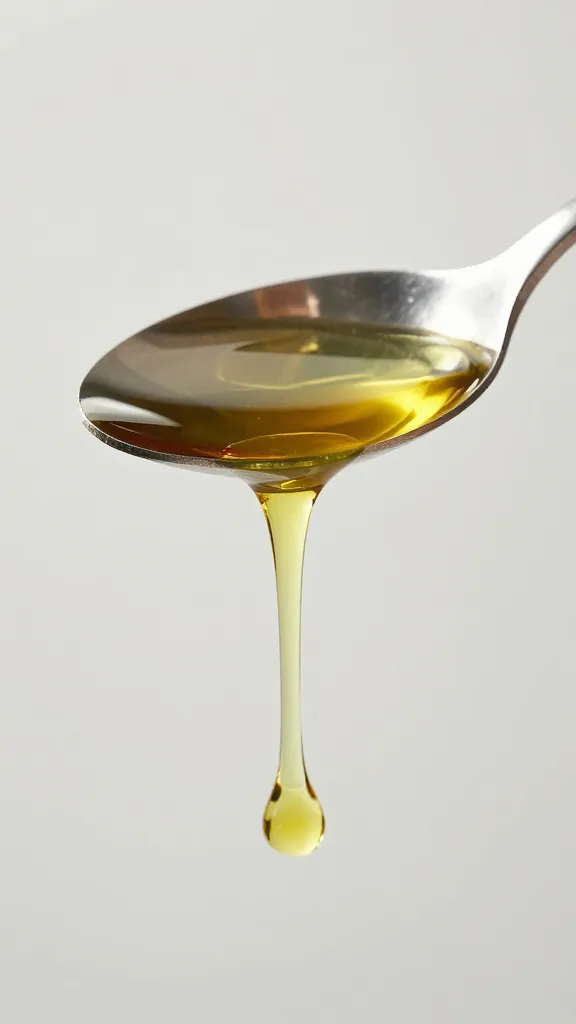
Let’s be honest: most weeknights don’t need a project. They need a trick. Ginger scallion oil is that trick.
- It’s fast. Chop, stir, done. No simmering saga.
- It’s cheap. Scallions and ginger won’t traumatize your grocery bill.
- It’s versatile. Toss with noodles, drizzle over tofu, spoon onto rice, or swipe onto grilled meats.
- It scales beautifully. Make a big jar and flex for a week.
IMO, it’s the kind of sauce that makes you feel like a genius with almost zero effort. FYI, your leftovers won’t know what hit them.
The Momofuku Vibe: Minimal, Loud, Perfect
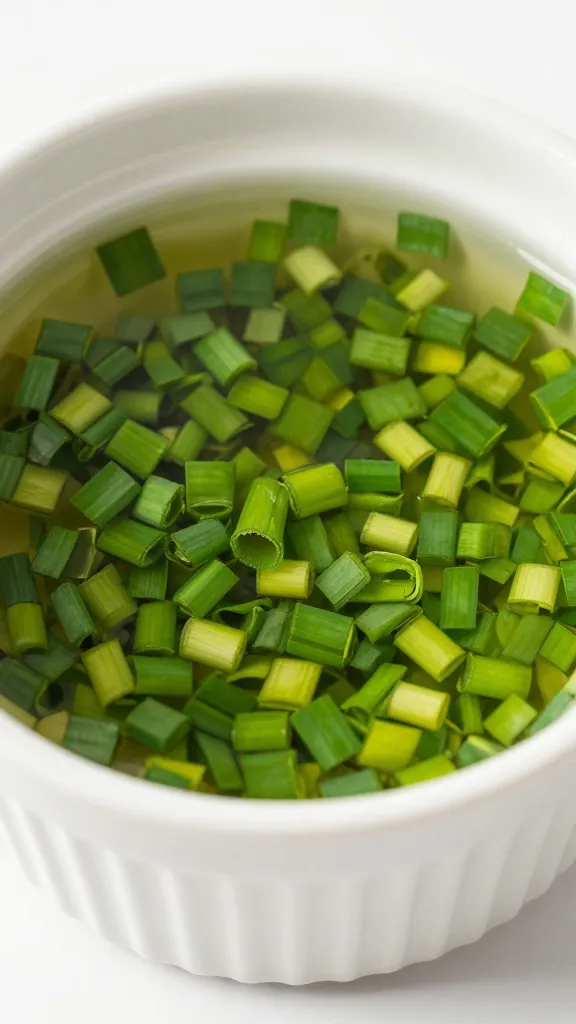
David Chang popularized this style by leaning into simplicity and salt. The goal: let scallion and ginger sing without hiding them under 18 other things. The texture stays slightly crunchy, the flavor hits high notes, and everything tastes brighter.
Core Flavor Principles
- Fresh aromatics rule. Use crisp scallions and juicy ginger. Limp scallions = sad sauce.
- Neutral oil only. Canola, grapeseed, or peanut. Olive oil brings drama you don’t want.
- Salt with confidence. Salt unlocks aroma and keeps the sauce from tasting flat.
- Optional umami boosters. A dash of soy or rice vinegar adds dimension. Don’t drown it.
The “Recipe” (More Like a Ratio)
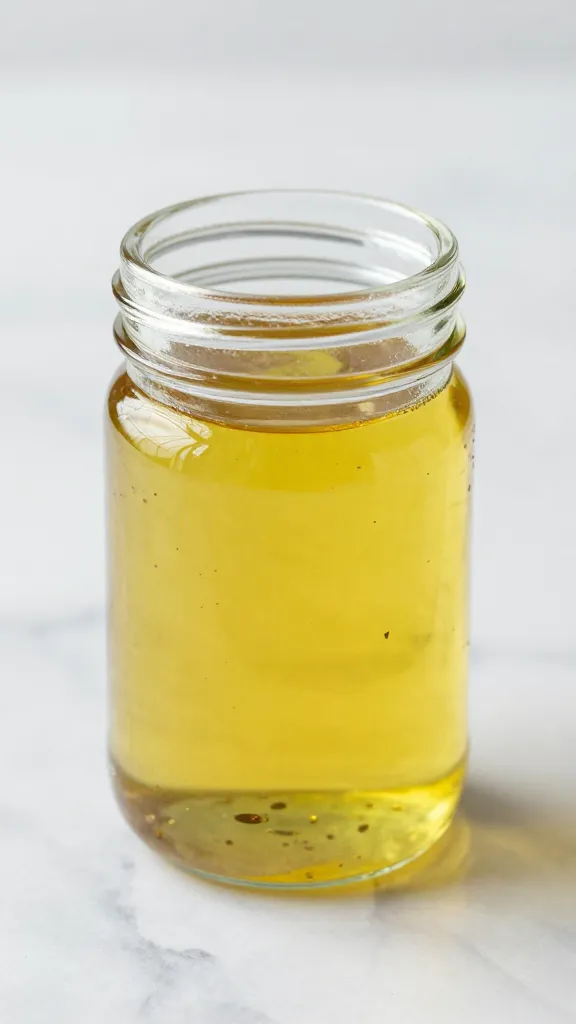
You don’t need to measure perfectly, but here’s a solid starting point that delivers that classic Momofuku-style hit.
- 2 cups finely sliced scallions (light and dark green parts)
- 2–3 tablespoons minced fresh ginger (microplane if you want it fiery)
- 1/2 cup neutral oil (grapeseed, canola, or peanut)
- 1 to 1½ teaspoons kosher salt (start low, adjust after 10 minutes)
- Optional: 1–2 teaspoons light soy sauce, 1 teaspoon rice vinegar, pinch of sugar
How to Make It
- Slice and mince. Get those scallions thin and the ginger fine. Texture matters.
- Combine in a heatproof bowl with salt. Add soy/vinegar if using.
- Bloom with oil. Warm the oil until it shimmers (not smoking), then pour over the bowl. Stir and watch the magic.
- Rest 10 minutes. Taste and adjust salt. It should taste a little extra—no one likes timid noodles.
No-Heat Version
Stir everything together with room-temp oil and let it sit 20–30 minutes. The flavor softens over time. It’s a little sharper, but still awesome.
Noodle Time: The 90-Second Toss
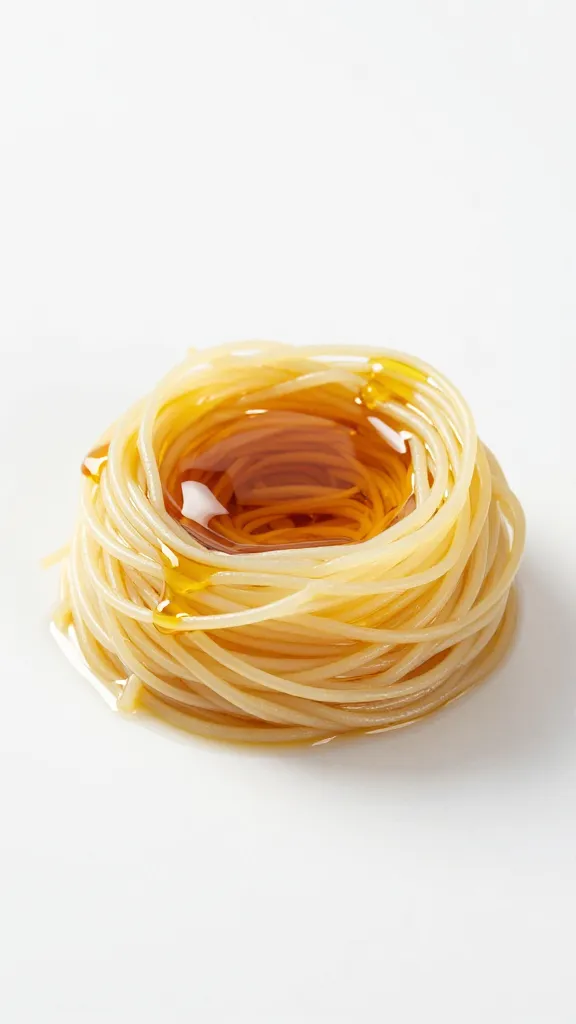
Cook your noodles—wheat, egg, ramen bricks, even udon. Drain, toss with a spoon or two of the oil, and boom: dinner. Add protein or veg if you’re fancy, but you honestly don’t need to.
Quick Add-Ins That Go Hard
- Protein: Shredded rotisserie chicken, jammy eggs, tofu cubes, leftover steak slices
- Veg: Blanched spinach, cucumbers, bean sprouts, roasted mushrooms
- Crunch: Toasted sesame seeds, fried shallots, crushed peanuts
- Heat: Chili crisp, fresh chilies, or a few drops of sesame oil
Texture and Technique Tips
You can’t mess this up, but you can level it up.
- Slice scallions thin. Thin slices release aroma and coat noodles better.
- Microplane ginger for intensity. For milder heat, mince by hand.
- Salt in stages. Salt draws moisture out of the scallions, which rounds the flavor. Taste after it sits.
- Warm oil = rounder flavor. Pouring hot oil tames raw bite and unlocks fragrance.
- Let it mingle. A short rest lets the flavors marry. Ten minutes does wonders.
Flavor Variations (If You Must Tinker)
- Citrus pop: A few drops of yuzu juice or lime zest
- Garlic-forward: 1 finely grated clove (don’t overdo it)
- Sesame twist: 1 teaspoon toasted sesame oil for nutty depth
- Umami bomb: Tiny splash of fish sauce or a dusting of mushroom powder
Storage, Safety, and “Will This Still Taste Good Tomorrow?”
Short answer: yes. Longer answer: store it right.
- Fridge life: 5–7 days in a clean jar. The flavor deepens by day two.
- Stir before using: Oil separates, and that’s normal.
- Freezer: You can freeze in small portions, but the texture softens. It still slaps on hot noodles.
- Food safety note: Use fresh aromatics, clean utensils, and keep it chilled. No one needs sketchy sauce.
The Beyond-Noodle Playbook
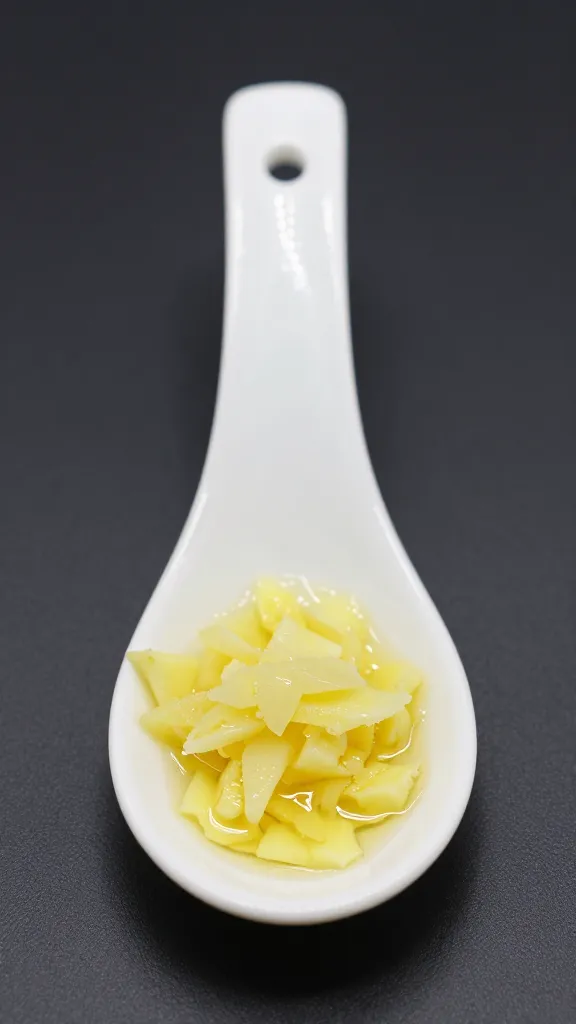
Don’t limit this to carbs (though carbs + this oil = love story).
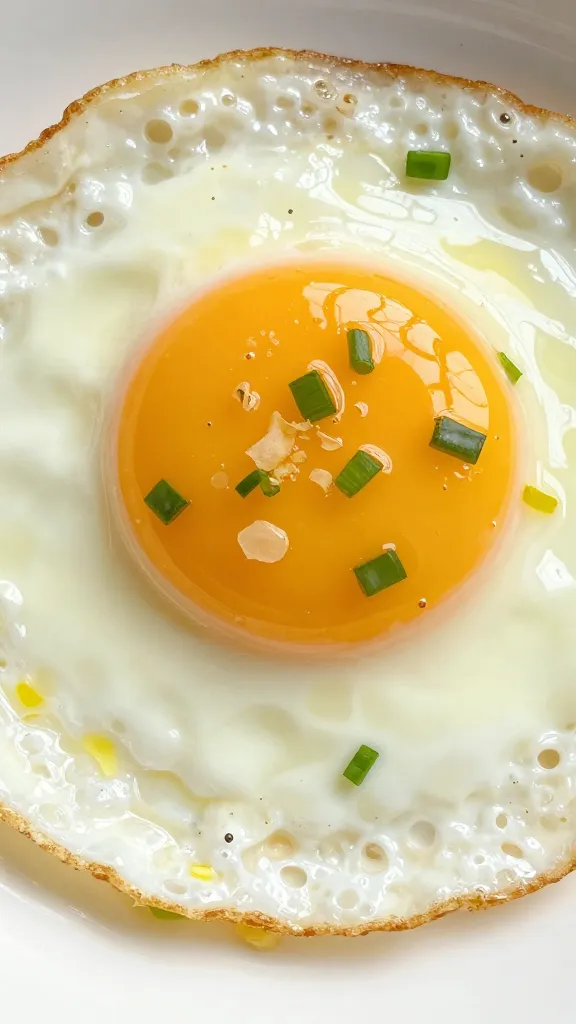
- Rice bowls: Drizzle over warm rice, add a fried egg, done.
- Seafood: Spoon over steamed fish or seared shrimp.
- Tofu: Crispy or silken—both wake up with a spoonful.
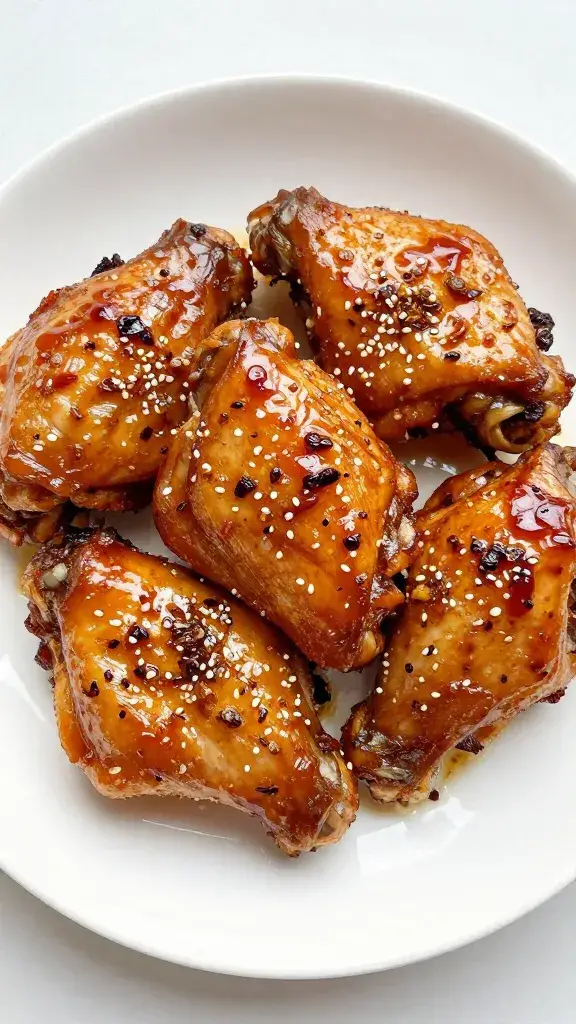
- Roast chicken: Brush on warm pieces for instant upgrade.
- Vegetables: Broccolini, bok choy, or grilled zucchini love it.
FAQ
Do I need to heat the oil?
No—but it helps. Warm oil (shimmering, not smoking) softens the raw bite and boosts aroma. If you skip the heat, just let the sauce sit longer before using.
Can I use olive oil?
I wouldn’t. Strong olive oil hijacks the flavor. Use a neutral oil like canola, grapeseed, or peanut so the scallion and ginger stay the stars.
How salty should it be?
Slightly saltier than you think. You’ll usually toss it with unsalted noodles or rice, so you want that flavor to punch through. Start with 1 teaspoon, taste after resting, and adjust.
What kind of noodles work best?
Wheat noodles, thin egg noodles, or springy ramen bricks all work. Udon gives you a plush, chewy vibe. Soba is fine too—just rinse well and go light on soy if you add it.
Can I make it spicy?
Absolutely. Stir in chili crisp, fresh bird’s eye chilies, or a spoon of chili oil. Add heat gradually so you don’t nuke the scallion-ginger balance.
How fine should I chop the scallions?
Thin slices about 1–2 mm thick. Too chunky and they fight the noodles. Too mushy and you lose texture. Aim for delicate ribbons.
Wrap-Up: Your New Weeknight Superpower
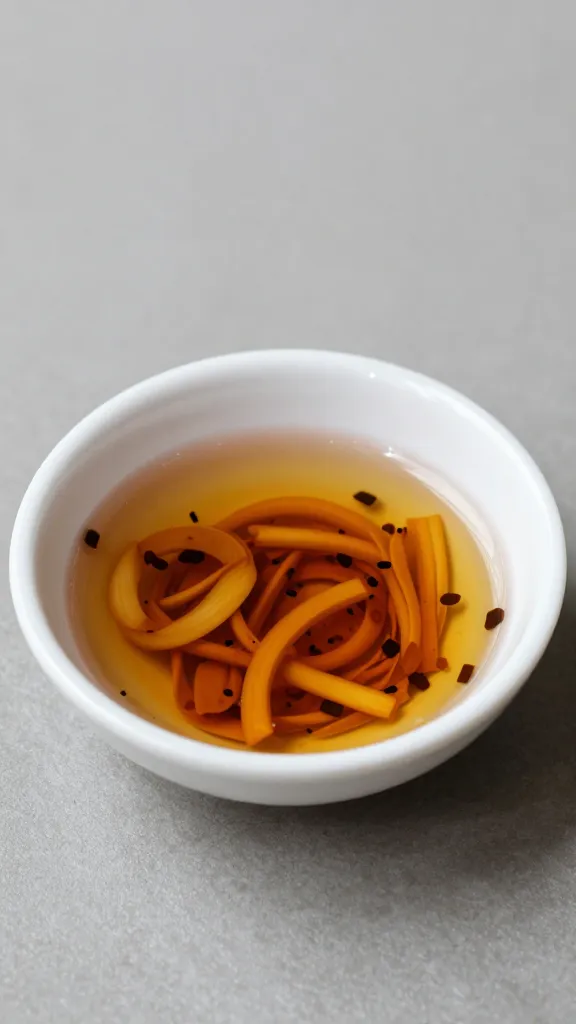
Ginger scallion oil does the most with the least. You’ll chop a few things, warm some oil, and suddenly your noodles taste restaurant-level. Keep a jar in the fridge and flex it on everything—noodles, rice, eggs, tofu, you name it. IMO, it’s the easiest way to turn “I’m starving” into “I crushed dinner” in under ten minutes.