
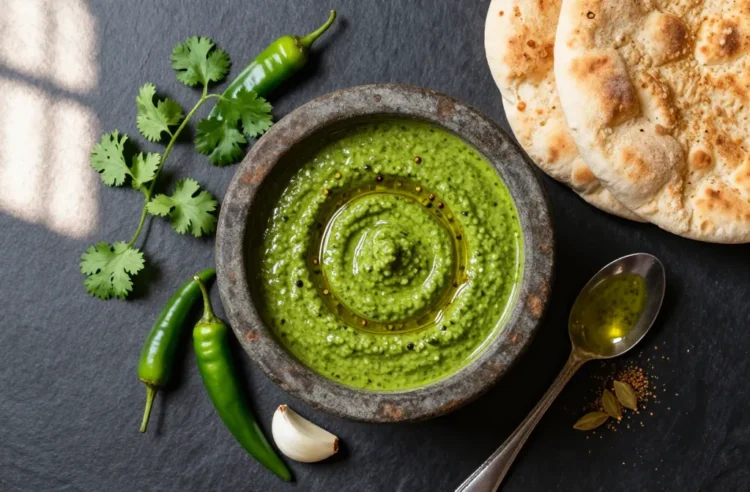
Zhoug doesn’t ask for your attention—it grabs it, shakes it, and then high-fives your taste buds. This Yemeni cilantro-based rocket fuel mixes fresh herbs, chiles, and warm spices into a sauce that turns boring food into “whoa, what is THAT?” in about five minutes. No simmering. No aging. Just blitz, spoon, devour. Ready to make your meals 200% more exciting with almost no effort? Let’s go.
What Exactly Is Zhoug?
Zhoug (also spelled zhug, skhug, or sahawiq) is a Yemeni hot herb sauce that migrated across the Middle East—especially popular in Israel—and landed squarely in the “put it on everything” category. Think: cilantro chimichurri meets spicy salsa verde with a swirl of Middle Eastern spices.
You’ll taste green chiles, heaps of cilantro, garlic, and a hit of cumin and cardamom. It’s bright, fiery, and a little mysterious. And yes, you can tweak it a million ways without offending any grandmothers. Probably.
Why Zhoug Belongs in Your Fridge
Let’s be honest: most condiments promise the world and deliver… mayonnaise. Zhoug shows up like a friend with concert tickets and snacks.
- It’s stupid-fast: 5 minutes flat. No cooking. Just blitz and go.
- It fixes bland food: Eggs, roasted veg, grain bowls, and leftover chicken suddenly get exciting.
- It’s flexible: Hot or mild, chunky or smooth, cilantro-only or mixed herbs—your call.
- It keeps well: A week in the fridge, and it freezes like a champ.
The 5-Minute Base Recipe

IMO, this is the sweet spot: bold, balanced, and beginner-proof. You’ll need a food processor or blender, but a mortar and pestle works if you want to flex.
Ingredients
- 2 packed cups fresh cilantro (tender stems included)
- 2–3 green chiles (jalapeño for mellow heat, serrano for bite), seeded if you want it milder
- 3 cloves garlic
- 1 teaspoon ground cumin
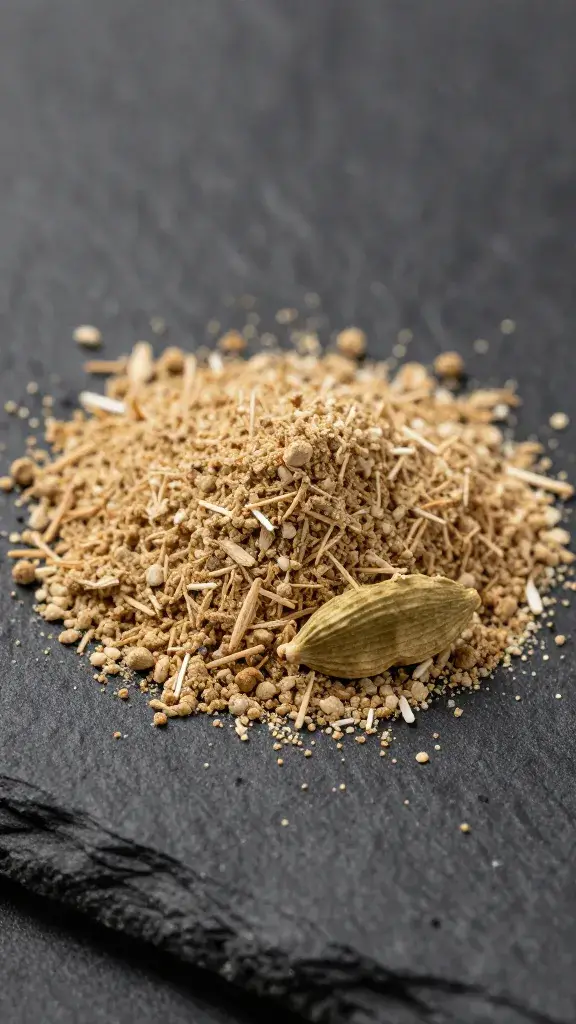
- 1/2 teaspoon ground cardamom (or 3–4 pods, seeds only, crushed)
- 1/2 teaspoon kosher salt (to start)
- Juice of 1/2 lemon (or 1–2 tablespoons)
- 1/3–1/2 cup extra-virgin olive oil
Method
- Rough chop: Toss cilantro, chiles, and garlic into the processor.
- Season: Add cumin, cardamom, and salt. Squeeze in lemon.
- Pulse + stream: Pulse while streaming in the oil until it’s saucy but still a little textured.
- Taste + tweak: More salt, more lemon, or more oil if it feels too thick. Done.
Texture tip: Traditional zhoug runs slightly chunky—no need to puree it into oblivion. Embrace the rustic vibe.
Flavor Moves: Customize Your Heat, Herbs, and Acidity
You can’t really mess this up. Worst case scenario: you just made a different delicious green sauce.
Control the Heat
- Milder: Seed your chiles and use jalapeños.
- Hotter: Add serrano or a small green Thai chile. Fiery, FYI.
- Smoky heat: A pinch of Aleppo pepper or a drip of green hot sauce.
Herb Variations
- Classic: Cilantro-only.
- Earthier: 1 cup cilantro + 1 cup flat-leaf parsley.
- Minty high notes: Add 1/4 cup fresh mint.
Acid + Spice Swaps
- Lemon vs. vinegar: Lemon gives brightness; a splash of white wine vinegar brings tang.
- Spice tweaks: Add a pinch of coriander or black pepper; skip cardamom if you don’t have it, but IMO it’s the magic.
How to Use Zhoug (A.K.A. Everywhere, On Everything)
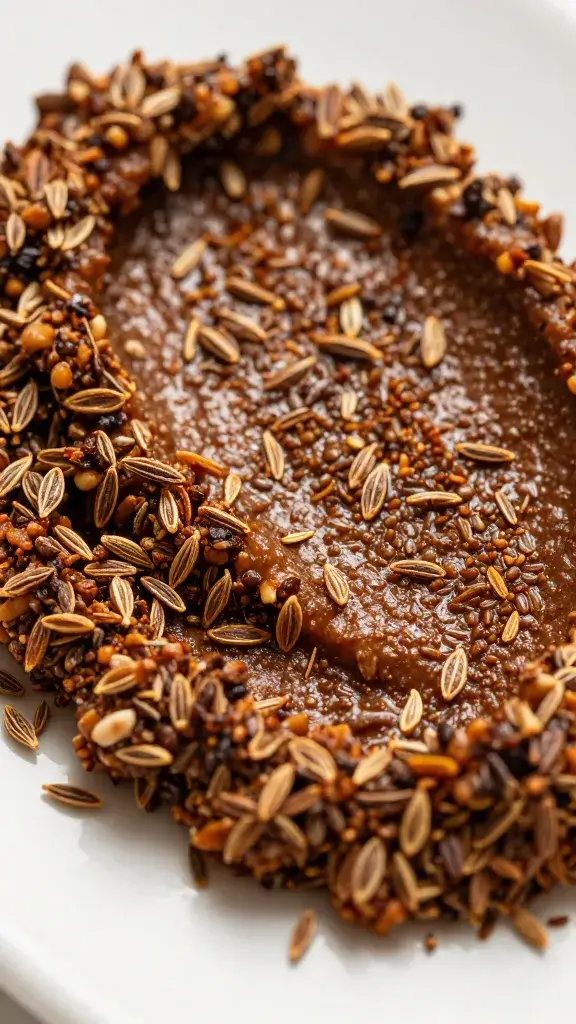
Zhoug doesn’t sit on the sidelines—it sprints onto the field and scores.
- Breakfast: Drizzle on scrambled eggs, omelets, or avocado toast.
- Lunch: Spoon into grain bowls, salads, or sandwiches (hello, turkey glow-up).
- Dinner: Swirl over roasted chicken, grilled fish, or sheet-pan veggies.
- Snacks: Mix with yogurt for a killer dip; toss with chickpeas; finish a soup.
- Carbs: Stir into couscous, rice, or quinoa; toss with roasted potatoes.
Pairing Power Moves
- With tahini: Drizzle tahini, dot with zhoug, and call it art.
- With hummus: Swirl on top; add olive oil for a legit mezze moment.
- With yogurt: Half zhoug, half Greek yogurt = cooling, herby dip.
Common Mistakes (And Easy Fixes)
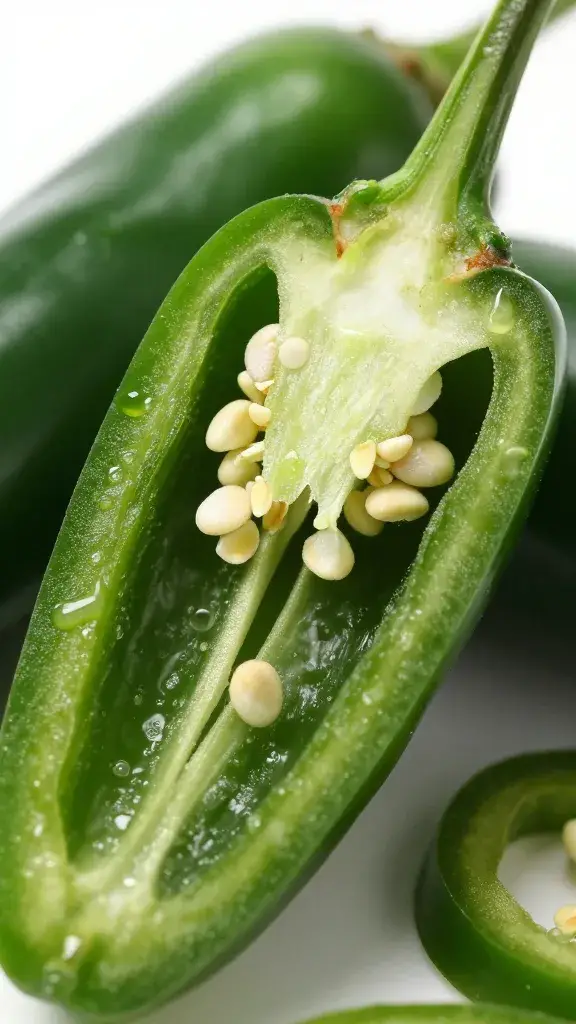
We’ve all been there—too salty, too bitter, too spicy. No drama.
- Too hot? Add more cilantro, more oil, or swirl in yogurt. A pinch of sugar can help calm it down.
- Too bitter? Your cilantro might have tough stems—use fewer stems next time. Fix with more lemon and a splash more oil.
- Too thick? Add oil or a tablespoon of water. Pulse briefly.
- Flat flavor? Add a touch more salt and a squeeze of lemon. Salt and acid wake it up.
Storage, Shelf Life, and Make-Ahead Tips
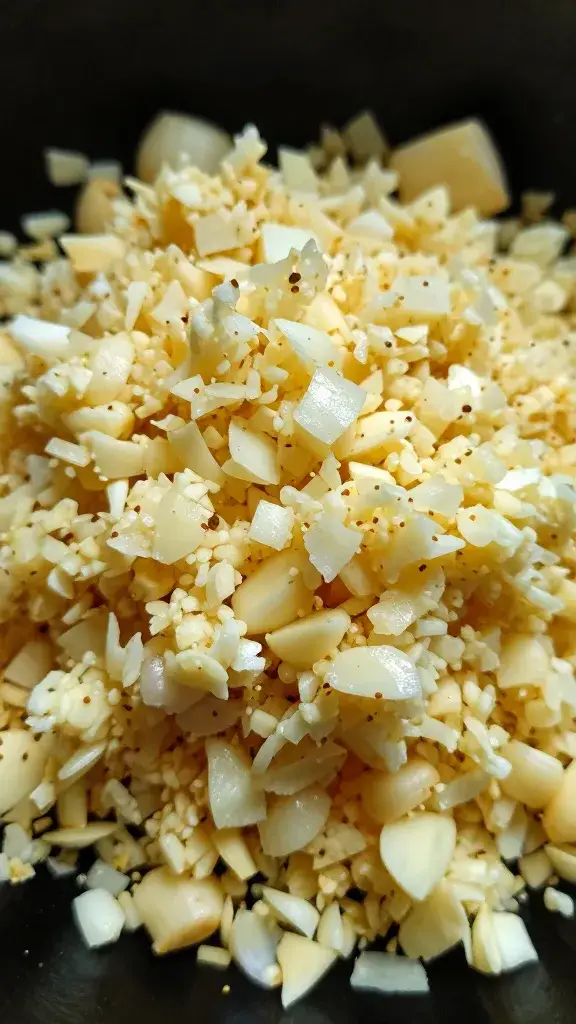
Zhoug behaves well in the fridge and even better in the freezer, no diva behavior.
- Fridge: Store in a jar with a thin oil layer on top. Keeps 5–7 days.
- Freezer: Portion into ice cube trays. Pop out a cube for instant dinner swagger.
- Meal prep: Make a double batch on Sunday. You’ll thank Monday-you.
Food Safety + Freshness
- Use clean, dry herbs to avoid excess water and early spoilage.
- Always taste before serving after a few days—fresh garlic can mellow or intensify.
Zhoug vs. Other Green Sauces
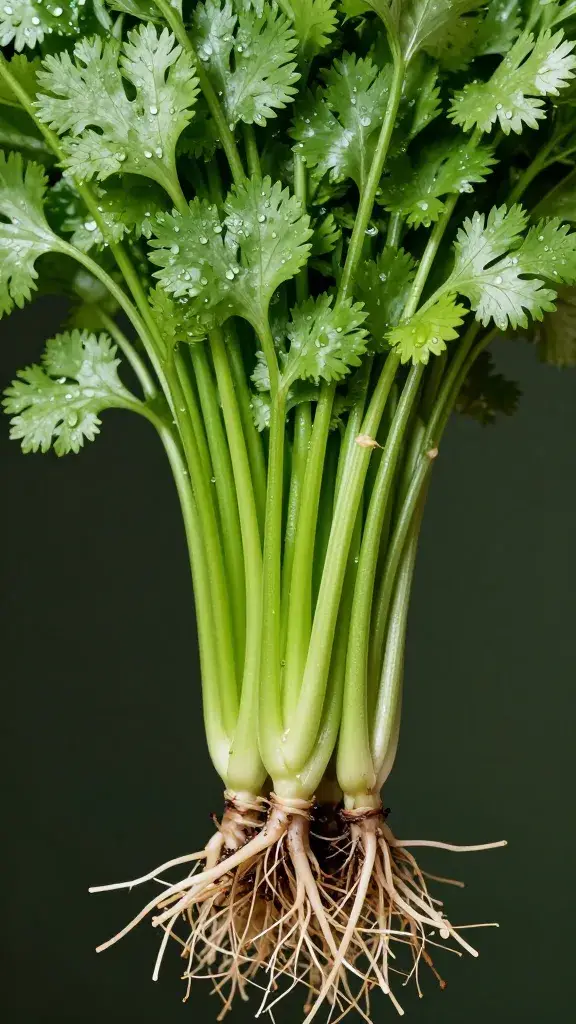
They’re all cousins, but not clones.
- Chimichurri: More vinegar-forward, no cardamom, usually parsley-heavy.
- Salsa verde: Often tomatillo-based and tangy; different vibe entirely.
- Pesto: Nutty, cheesy, and basil-based—more creamy than fiery.
TL;DR: If chimichurri is the cool aunt, zhoug is the spicy friend who convinces you to book last-minute flights. Different energy; both icons.
FAQ
Can I make zhoug without cilantro?
You can, but it won’t taste like classic zhoug. Use a 50/50 mix of parsley and mint for a tasty variation. It’ll lean greener and less citrusy-herbal than cilantro.
How do I make a mild zhoug that still tastes good?
Seed the chiles, stick to jalapeños, and use extra lemon and cumin for personality. If you still want less heat, blend in a spoonful of yogurt when serving—instant mellow.
What oil should I use?
Extra-virgin olive oil gives the best flavor, period. If your oil tastes peppery or bitter, cut it with a neutral oil like grapeseed to balance it out.
Is cardamom required?
Not required, but it adds a subtle floral warmth that makes zhoug feel legit. If you skip it, add a pinch of coriander or black pepper so the spice profile still sings.
Can I use red chiles instead?
Yes, but you’ll drift into red zhoug territory—still delicious, slightly fruitier heat, brighter color. Keep everything else the same and enjoy the twist.
What if I only have a mortar and pestle?
Go for it. Pound the garlic and salt first, then chiles and spices, then herbs, then oil and lemon. It’ll be chunkier and arguably better—old-school texture FTW.
Final Thoughts
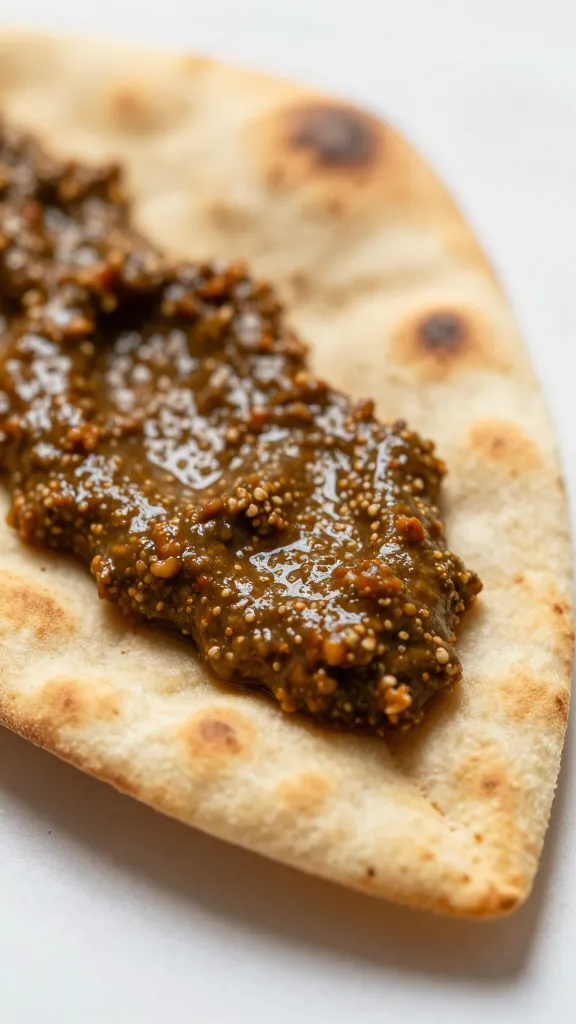
Zhoug hits that rare trifecta: fast, flexible, and dramatic. You toss a handful of herbs and chiles into a blender, and five minutes later you’ve got a condiment that rescues leftovers, flatters grilled anything, and shows up to weeknight dinner with main-character energy. Try the base version, tweak to your vibe, and keep a jar in your fridge. Your future meals will thank you—loudly. IMO, once you go zhoug, you don’t go back.