
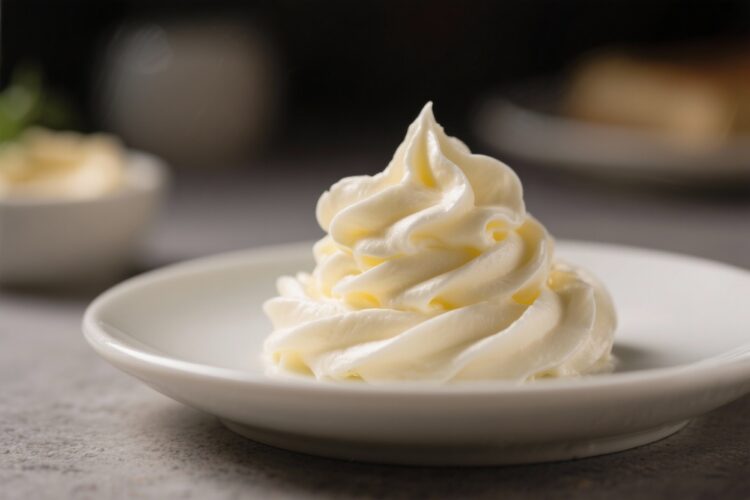
Whipped butter is one of those simple upgrades that makes everything taste a little better. It’s soft, airy, and spreads like a dream, even straight from the fridge. Whether you’re topping warm toast, melting it over pancakes, or serving it at a dinner party, whipped butter feels a touch special without any fuss.
You only need a few ingredients and a mixer, and you’re good to go. Think of it as the everyday butter you love, just easier to use and a lot more fun.
What Makes This Special
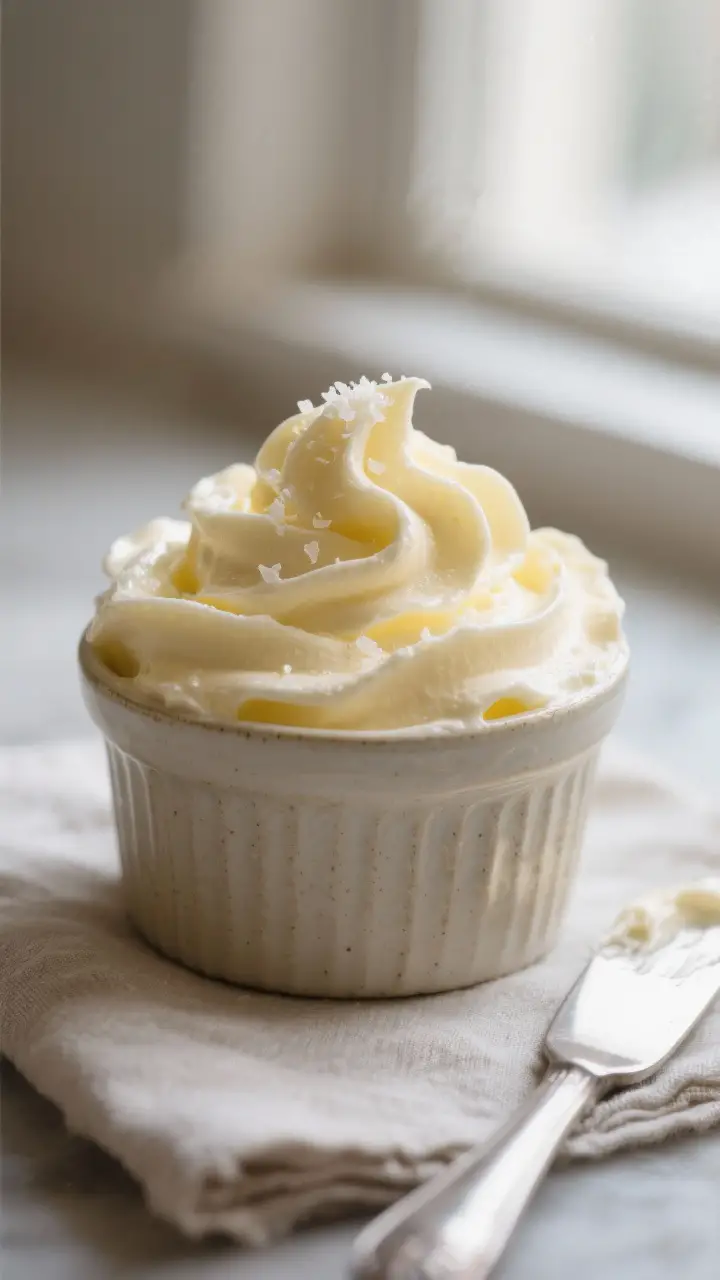
Whipped butter isn’t just butter with air. It’s butter that stays soft, spreads evenly, and feels more luxurious on the tongue.
Because it’s aerated, you often use less but still get the same rich flavor. It’s also a great base for add-ins—honey, herbs, citrus zest, or spices—so you can tailor it to sweet or savory dishes. Best of all, it looks impressive on the table with almost no extra effort.
What You’ll Need
- Unsalted butter: 1 cup (2 sticks), softened to room temperature
- Neutral oil or light olive oil: 1–2 tablespoons (optional, for extra fluff and spreadability)
- Fine sea salt: 1/4–1/2 teaspoon, to taste
- Optional flavor add-ins (choose one or mix and match):
- Honey or maple syrup (1–2 tablespoons) for a touch of sweetness
- Fresh herbs like parsley, chives, or dill (1–2 tablespoons, finely chopped)
- Garlic (1 small clove, grated) and lemon zest for a savory kick
- Cinnamon and a pinch of sugar for breakfast spreads
- Flaky salt for finishing
- Equipment: Stand mixer or hand mixer with whisk or paddle attachment, spatula, and a storage container
Step-by-Step Instructions
- Start with soft butter. Let the butter sit on the counter until it’s pliable and leaves an indent when pressed.
Cold butter won’t whip properly, and melted butter won’t hold air.
- Beat the butter alone first. Place the butter in your mixer bowl and beat on medium speed for 2–3 minutes until it looks paler and creamy. Scrape down the bowl to make sure no chunks remain.
- Add the salt. Sprinkle in the salt and beat for another 30 seconds to distribute it evenly. Adjust to taste—remember that add-ins like garlic or honey will change the final flavor.
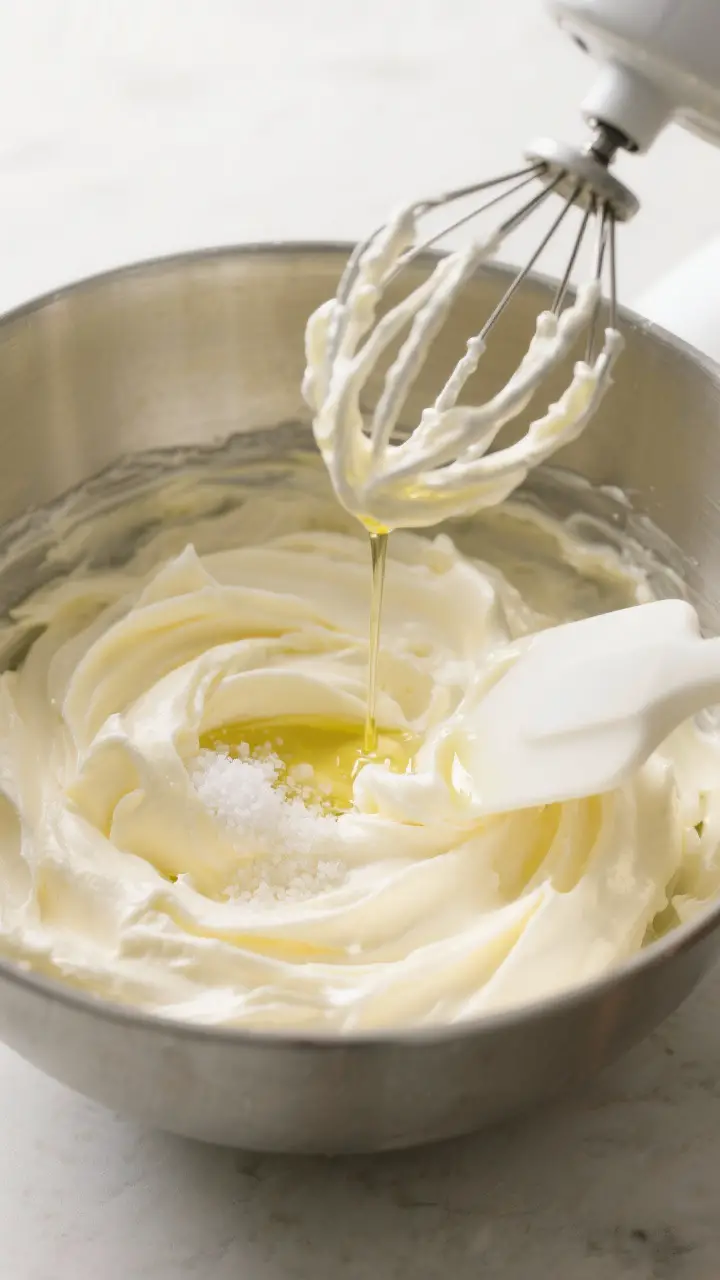
- Optional: Stream in the oil. With the mixer running on medium-low, drizzle in 1 tablespoon of oil.
This helps the butter stay soft and fluffy, especially in the fridge. Add a second tablespoon if you want an even lighter texture.
- Whip until fluffy. Increase speed to medium-high and whip for 2–3 minutes, until the butter looks airy and holds soft peaks. It should be light but still stable.
- Fold in add-ins. If you’re flavoring your butter, switch to low speed or use a spatula to gently mix in herbs, honey, zest, or spices.
Don’t overmix—just combine until even.
- Taste and tweak. Add a pinch more salt, a touch more sweetener, or extra herbs if needed. Small adjustments make a big difference.
- Transfer and store. Spoon the whipped butter into a container or small ramekin. Smooth the top and, if you like, finish with a sprinkle of flaky salt.
- Serve. Use immediately at room temperature or chill for later.
It spreads beautifully on bread, muffins, roasted veggies, or grilled steak.
Keeping It Fresh
Whipped butter keeps well, but how you store it matters. For the best texture, keep it in an airtight container in the refrigerator for up to 2 weeks. If you added fresh herbs or garlic, aim to use it within 5–7 days for peak flavor and safety.
You can also freeze whipped butter for up to 3 months—portion it with a small scoop or pipe it onto parchment, freeze, then store in a freezer bag. To serve, thaw in the fridge, then let it sit at room temperature for 10–15 minutes so it softens.
Why This is Good for You
Butter is rich and satisfying, and whipped butter helps you enjoy it in a more mindful way. Because it’s aerated, you often use less butter per serving while still getting the same flavor payoff.
Adding herbs brings subtle freshness and tiny amounts of vitamins and antioxidants, while lemon zest or garlic can add flavor without extra sugar. If you choose a high-quality butter made from grass-fed cream, you’ll also get a small boost of omega-3s and fat-soluble vitamins. It’s still a treat, but one that fits neatly into a balanced approach to food.
Common Mistakes to Avoid
- Using cold or melted butter: Cold butter won’t whip; melted butter won’t hold air.
Aim for soft, cool room temperature.
- Skipping the bowl scrape: Unmixed chunks hide at the bottom. Scrape the bowl once or twice for a truly smooth texture.
- Adding too much liquid: Honey, oil, or citrus juice can loosen the butter. Add small amounts and stop when it’s light but still stable.
- Overwhipping after add-ins: Once the butter is fluffy, gently fold in flavors.
Overmixing can deflate your work.
- Leaving it out too long: Butter shouldn’t sit at warm room temperature for hours. Keep it chilled if your kitchen is hot.
Alternatives
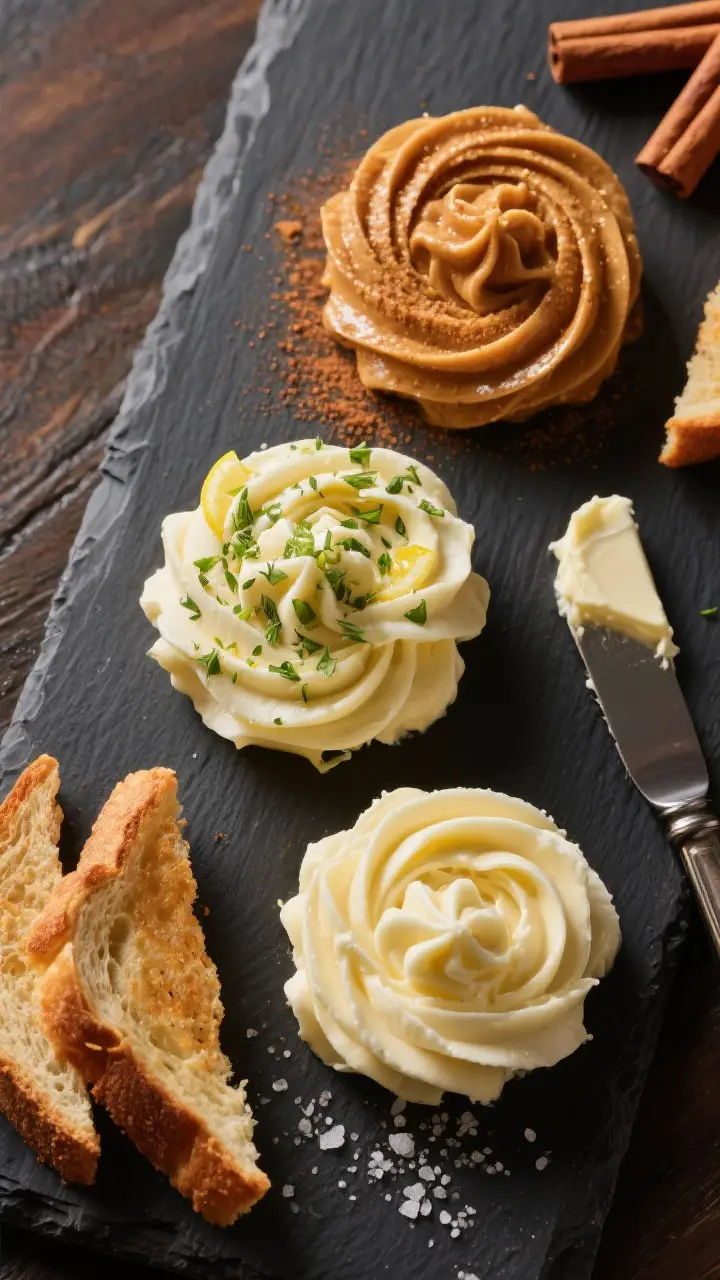
- Herb compound butter: Skip the oil and fold in finely chopped herbs, garlic, and lemon zest. Chill in a log and slice as needed.
- Honey-cinnamon butter: Sweet and aromatic, perfect for biscuits and waffles.
Add a pinch of salt so the flavor pops.
- Browned butter whip: Brown half the butter, cool until semi-solid, then whip with the remaining softened butter. Nutty and layered.
- Plant-based version: Use a high-quality vegan butter and whip with a teaspoon of neutral oil. Add herbs or maple syrup as you like.
- Citrus-chile butter: Lemon or orange zest plus a pinch of chili flakes.
Great on seafood, corn, or roasted carrots.
FAQ
Can I use salted butter instead?
Yes. If you use salted butter, reduce or skip the added salt. Taste as you go, since different brands vary in salinity.
What if I don’t have a mixer?
You can use a sturdy whisk and some elbow grease.
Soften the butter well and whisk in a large bowl until it looks pale and fluffy. It takes longer, but it works.
Is the oil necessary?
No. The oil simply helps with softness and spreadability, especially after chilling.
If you prefer a pure-butter flavor, leave it out.
Can I add fresh garlic?
Yes, but use it sparingly and store the butter in the fridge. For a smoother flavor, grate the garlic finely or use roasted garlic for a milder, sweeter taste.
How do I make it look fancy for guests?
Pipe whipped butter into small rosettes using a pastry bag, or scoop with a small cookie scoop. A sprinkle of flaky salt or chopped herbs on top looks great.
Why did my whipped butter deflate?
It may have been overmixed after adding liquids, or the butter was too warm.
Chill it for 10–15 minutes, then rewhip briefly to bring back some structure.
Can I sweeten it without honey?
Absolutely. Try maple syrup, a bit of powdered sugar, or date syrup. Add gradually so it doesn’t loosen the butter too much.
In Conclusion
Whipped butter is a small kitchen trick with a big payoff.
It spreads easily, tastes rich, and adapts to whatever you’re cooking or serving. With just a few minutes and a short ingredient list, you can turn everyday butter into something that feels special. Keep a batch in the fridge, change up the flavors, and enjoy a smoother start to breakfast—or a better finish to dinner.
Printable Recipe Card
Want just the essential recipe details without scrolling through the article? Get our printable recipe card with just the ingredients and instructions.