
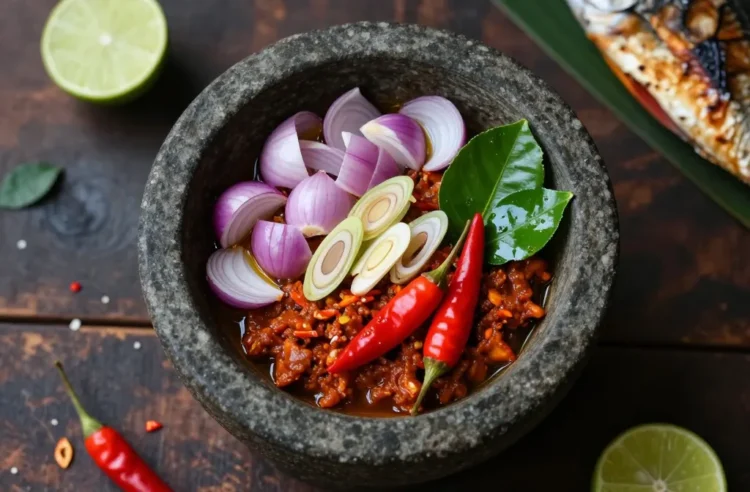
You know that zingy, fresh, punch-in-the-face flavor you taste on grilled fish in Bali? That’s sambal matah. It’s a raw relish that sings with shallots, lemongrass, chilies, and lime. No cooking, no simmering, no complicated steps—just chop, toss, and let it slap your taste buds awake. Ready to turn basically anything into beachside-Bali food?
What Exactly Is Sambal Matah?
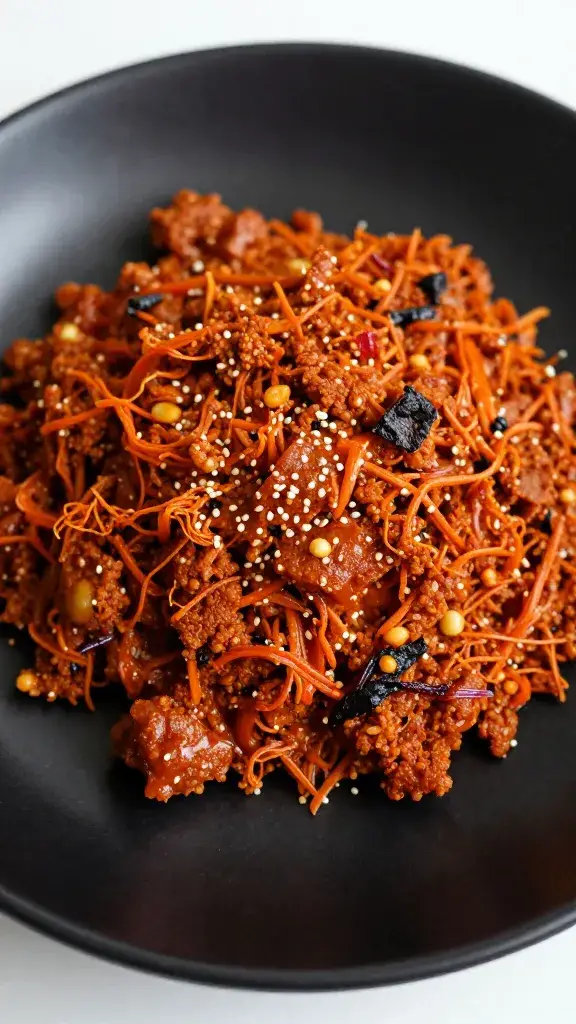
Sambal matah comes from Bali, and “matah” means “raw.” Unlike saucy, cooked sambals, this one stays crunchy, bright, and unapologetically fresh. Think of it like Southeast Asia’s answer to pico de gallo, but with lemongrass swagger and serious chili heat.
You mix thinly sliced shallots with lemongrass, chilies, lime, and a little oil. The result? Sharp, citrusy, and addictively aromatic. It’s the condiment you didn’t know you needed—until you put it on everything.
The Non-Negotiables: Ingredients That Make It Sing
You don’t need a specialty store run, but quality matters. Here’s your essential lineup:
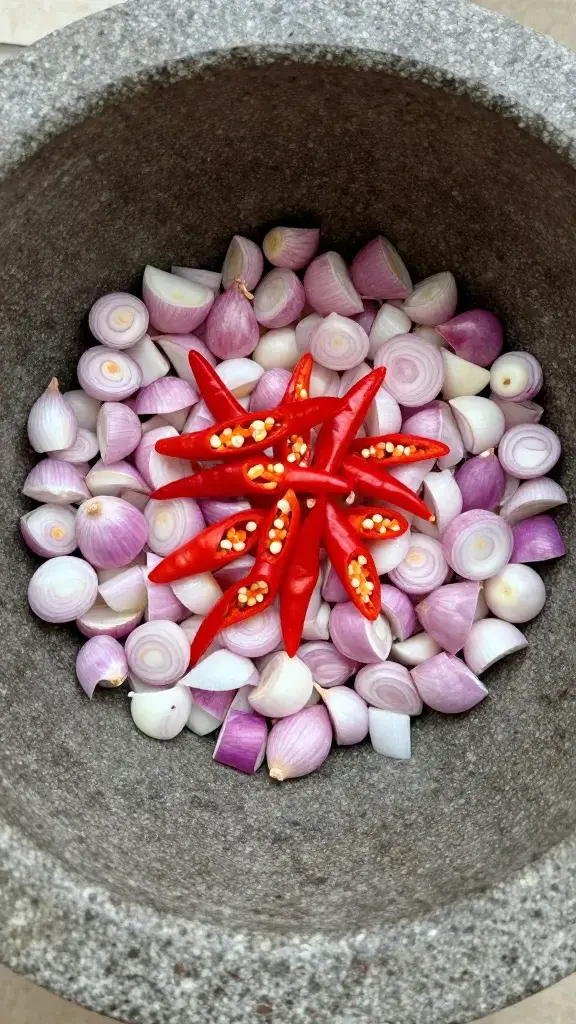
- Shallots – The sweet, purple kind. Slice paper-thin for a clean crunch.
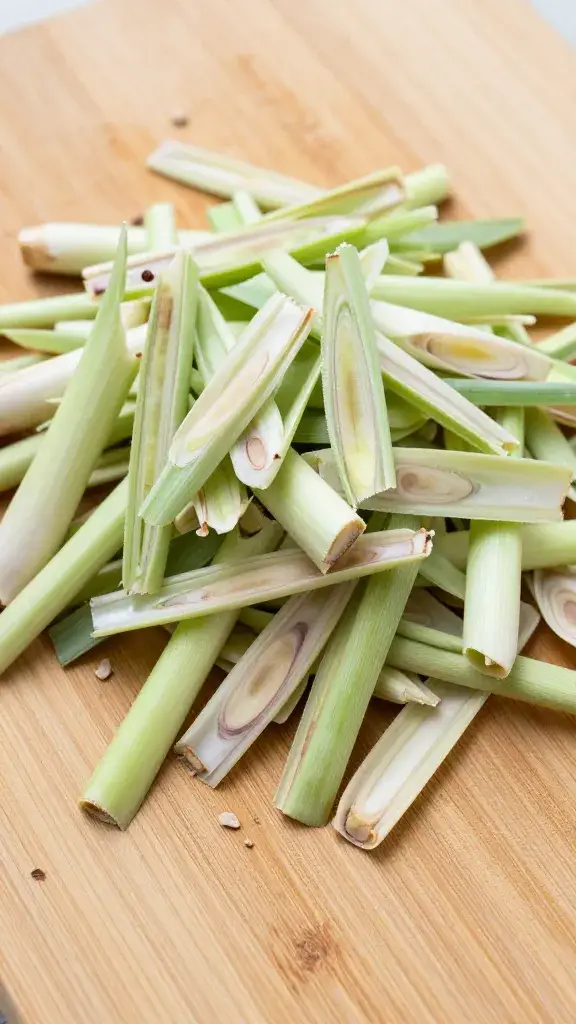
- Lemongrass – Use the pale inner stalks. Super thin slices = better texture and flavor release.
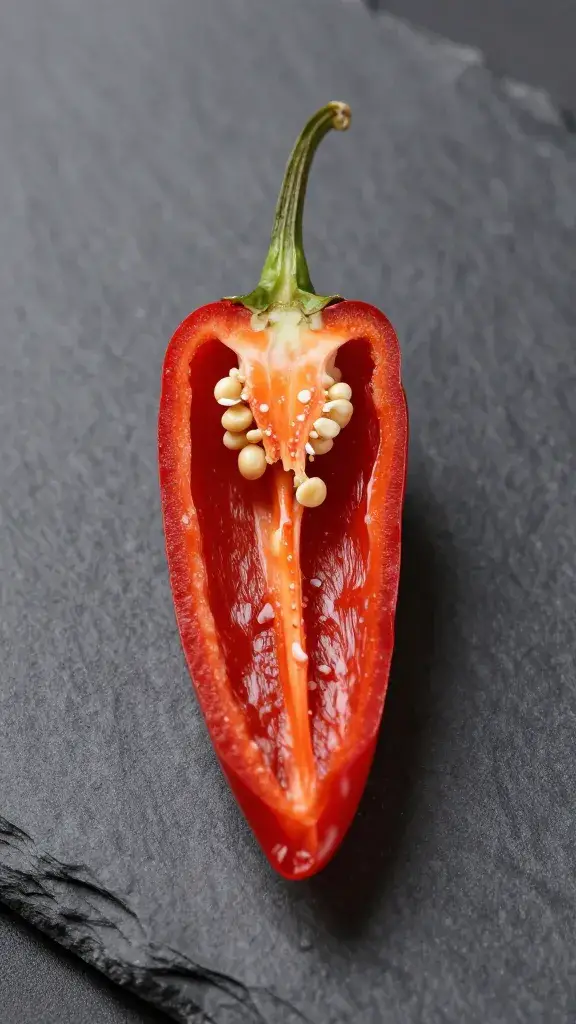
- Bird’s eye chilies – Small, fiery, and traditional. Sub with red Fresno or serrano if you like less heat.
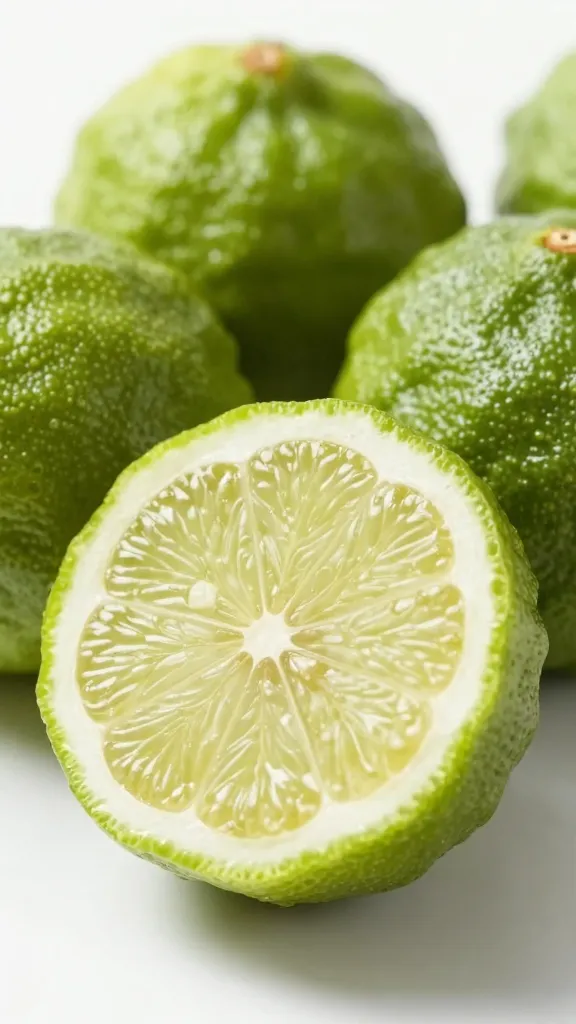
- Kaffir lime leaves – Optional but magical. Roll and chiffonade for floral citrus notes.
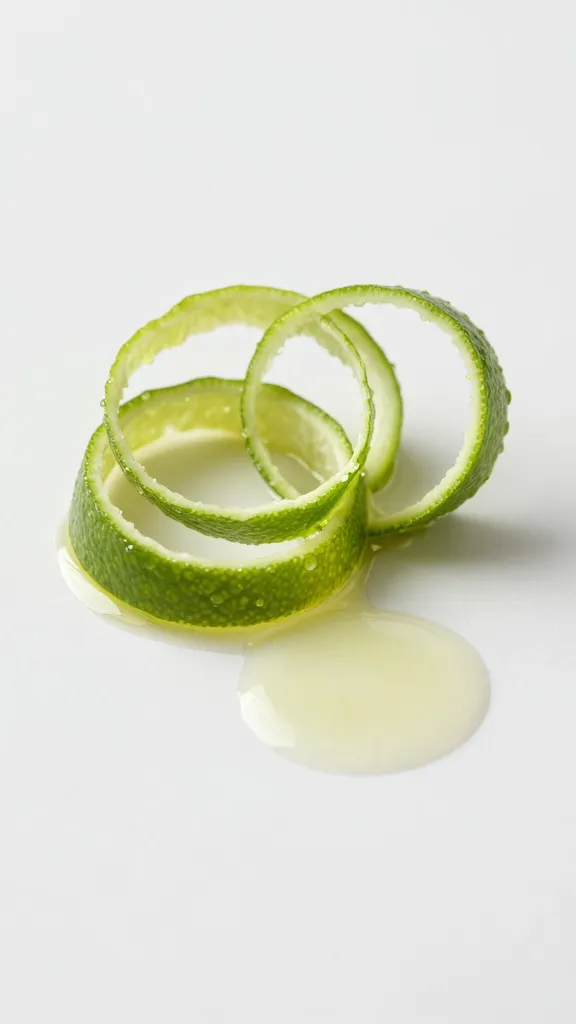
- Lime juice – Fresh only. Bottled juice? Hard pass.
- Salt – Balances the acidity and wakes everything up.
- Oil – Neutral oil like coconut, canola, or mild olive oil. You’ll use it warm.
- Shrimp paste (terasi) – Toasted and crumbled. Optional, but it adds deep umami and that “oh hello” complexity.
Optional Add-Ins That Still Keep It Real
- Garlic – One small clove, very thinly sliced, if you must.
- Green onions – A few slices for color and light bite.
- Palm sugar – A pinch, if your limes taste extra aggressive.
How to Make It (Without Overthinking)
Let’s keep it breezy. You’ll be done in 10 minutes if your knife skills don’t betray you.
- Slice everything thin. Shallots, chilies, and the tender inner lemongrass. Go for transparency with the shallots.
- Mix the aromatics. Toss shallots, chilies, lemongrass, and kaffir lime leaves in a bowl with salt.
- Toast the shrimp paste (if using). Dry-toast in a pan for 30–45 seconds until fragrant. Crumble into the bowl.
- Warm the oil. Heat 2–3 tablespoons of oil until hot but not smoking. You want a gentle sizzle, not scorched earth.
- Pour hot oil over the mix. It’ll slightly temper the shallots and release all those essential oils. Stir well.
- Finish with lime juice. Add 1–2 tablespoons. Taste, adjust salt, add a tiny pinch of sugar if needed.
Pro Tips That Make a Big Difference
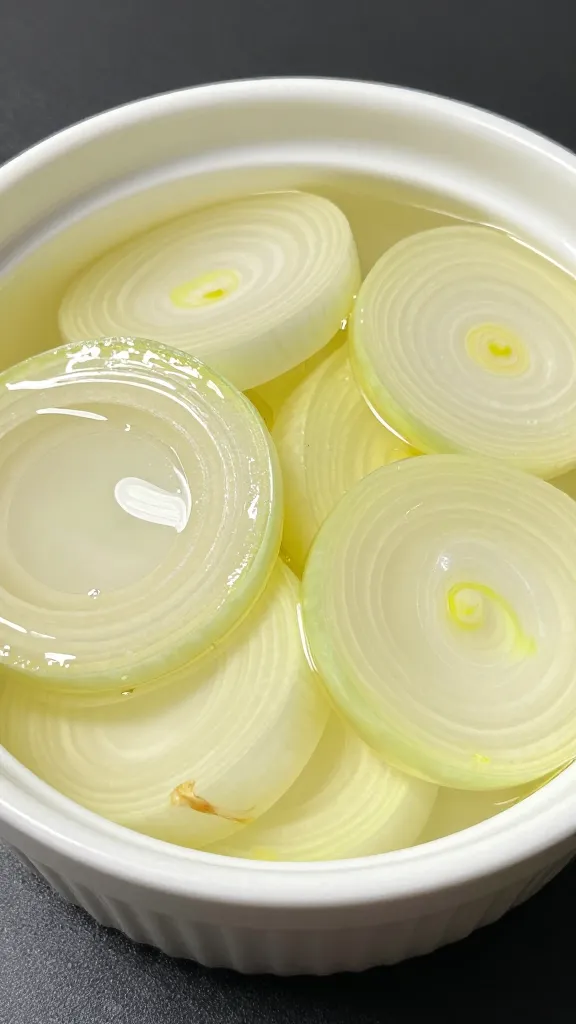
- Soak harsh shallots. If your shallots taste too sharp, rinse and pat dry before mixing.
- Use only the inner lemongrass core. The outer stalks are woody and unpleasant. Slice thin or regret it later.
- Hot oil, quick toss. Don’t cook the mix; just wake it up. FYI, smoking oil = bitter flavors.
Flavor Profile: Why It Works on Basically Everything
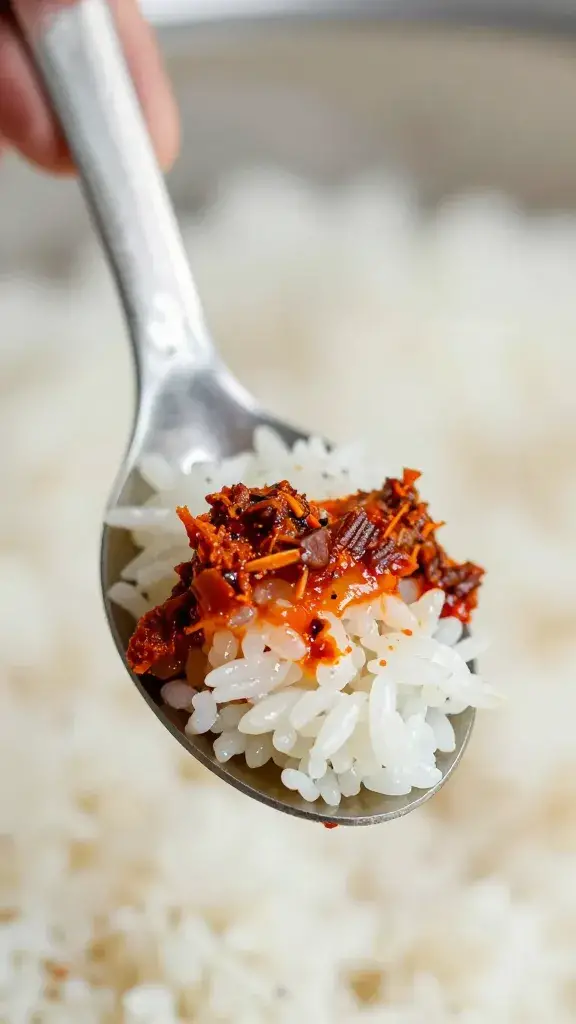
Sambal matah hits four zones: bright acidity, floral citrus, savory umami, and heat. That combo cuts through fatty meats, perks up mild seafood, and turns rice into something you’ll demolish in silence.
Want examples?
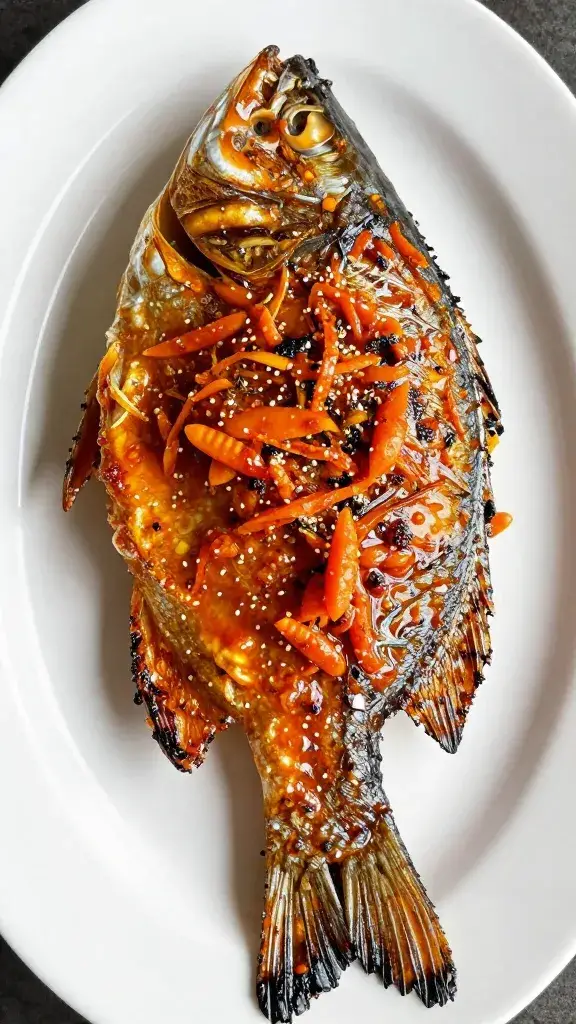
- Grilled fish or prawns – This is the classic pairing. It tastes like a sunset with a kick.
- Roast chicken or crispy skin duck – The freshness balances the richness. IMO, duck + sambal matah is elite.
- Crispy tofu or tempeh – Plant-based people, this one’s your soulmate.
- Noodles or fried rice – Stir it in right before serving. Don’t cook it.
- Eggs – Fried, scrambled, poached—doesn’t matter. This relish does the heavy lifting.
Texture Matters: Slice Like You Mean It
You build sambal matah with knife work, not heat. Thin slices create a softer, more luxurious bite and release more aroma. Chunky cuts feel clumsy and onion-forward in all the wrong ways.
Knife and Cutting Board Tips
- Use a sharp knife. Dull blades crush lemongrass and make it fibrous.
- Chill shallots first. They slice cleaner and make you cry less—win-win.
- Roll-cut lemongrass. Split lengthwise, remove the outer layers, then slice very fine crosswise.
Regional Vibes and Tweaks
Balinese households riff on sambal matah like jazz. Some use coconut oil for a subtle sweetness. Others go heavy on chilies and skip kaffir lime leaves altogether. There’s no single “correct” version—just keep it fresh, raw, bright.
Want less heat? Swap half the bird’s eye chilies for milder ones. Can’t find kaffir lime leaves? Use extra lime zest. Purists may shake their heads, but your taste buds will still throw a party.
Vegetarian and Vegan Notes
Skip the shrimp paste for a vegan version. To keep the umami, add:
- A tiny splash of soy sauce or tamari
- A pinch of mushroom powder
- A few drops of kelp vinegar or rice vinegar
It’s not traditional, but it’s delicious—promise.
Make-Ahead, Storage, and Serving
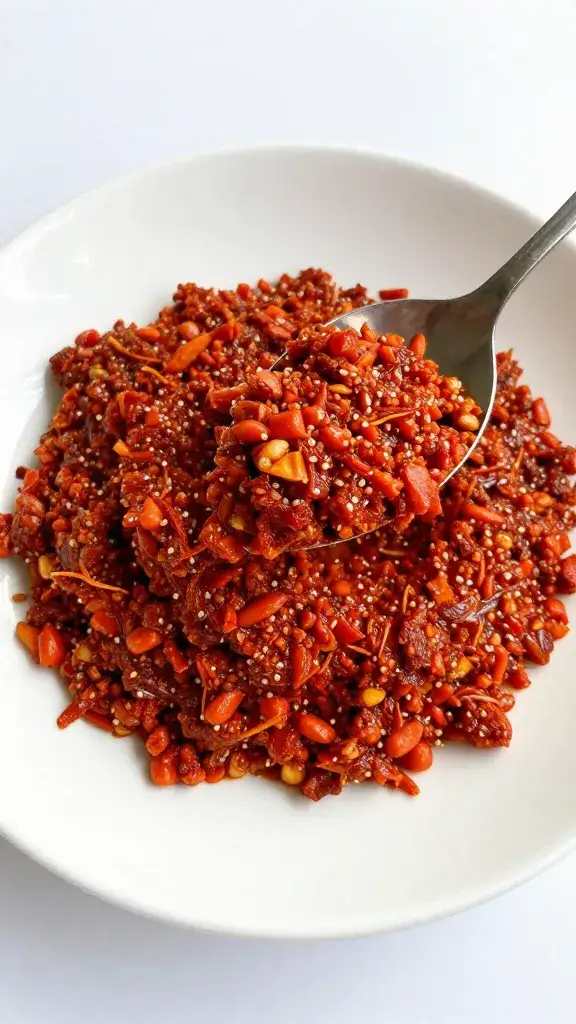
Sambal matah tastes best fresh, but you can prep the components earlier. Store sliced shallots and lemongrass in the fridge for a few hours. Mix right before serving for peak crunch.
- Fridge life: 1–2 days. The shallots soften and mellow—still tasty, just less snappy.
- Freezer? Nope. The texture goes weird and sad.
- Serving size: Plan 2–3 tablespoons per person. Double it if your guests like heat or have excellent taste.
What to Serve It With Tonight
Try this super-simple lineup:
- Pan-seared salmon with sambal matah and a squeeze of extra lime
- Garlic fried rice, topped with a fried egg and a spoonful of sambal matah
- Crispy tofu bowls with cucumber, herbs, and sambal matah drizzled on top
FAQ
Can I make sambal matah without lemongrass?
You can, but it won’t taste like sambal matah. Lemongrass brings the signature citrus aroma. If you can’t find it, use extra lime zest and a touch of ginger for a similar vibe, but FYI, that’s a remix, not the original track.
Is it super spicy?
It depends on your chilies and how many you use. Traditional versions lean hot, but you can control it by swapping in milder chilies or removing the seeds. IMO, a little fire makes the flavors pop.
What oil works best?
Neutral oils like canola, sunflower, or mild olive oil work great. Coconut oil adds a hint of sweetness and feels the most Balinese. Heat the oil just enough to sizzle the aromatics lightly—no deep-frying needed.
How do I toast shrimp paste without stinking up my kitchen?
Wrap it in foil and toast it in a dry pan or under a broiler for a quick minute. Or take it outside if you have a grill. The smell fades, but the umami stays—worth it.
Can I use red onions instead of shallots?
In a pinch, yes, but slice them super thin and maybe rinse briefly to tame the bite. Shallots taste sweeter and more refined, so they win here.
Why pour hot oil over a raw relish?
The hot oil “blooms” the aromatics. It softens the harsh edge of the shallots, releases lemongrass oils, and fuses everything together. You keep the raw freshness with a touch of polish—best of both worlds.
Final Thoughts
Sambal matah delivers big flavor with minimal effort, which is honestly the dream. Slice, sizzle some oil, splash lime, done. Keep it bright, keep it raw, and put it on anything that needs a wake-up call. Your weeknight dinners just got vacation vibes.