
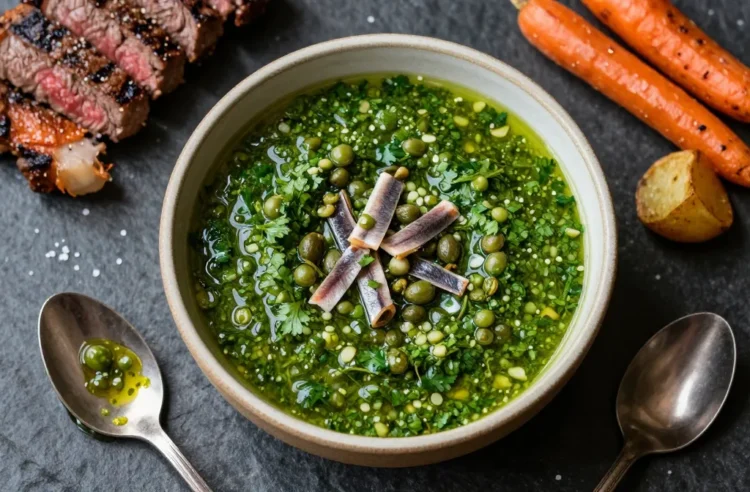
You want a sauce that wakes up roasted veggies, grilled steak, a sad Tuesday chicken breast, and even last night’s leftover potatoes? Meet Italian salsa verde. It’s herb-packed, briny, and unapologetically punchy thanks to capers and anchovies. Make a jar once, and you’ll start putting it on everything. Don’t say I didn’t warn you.
What Exactly Is Italian Salsa Verde?
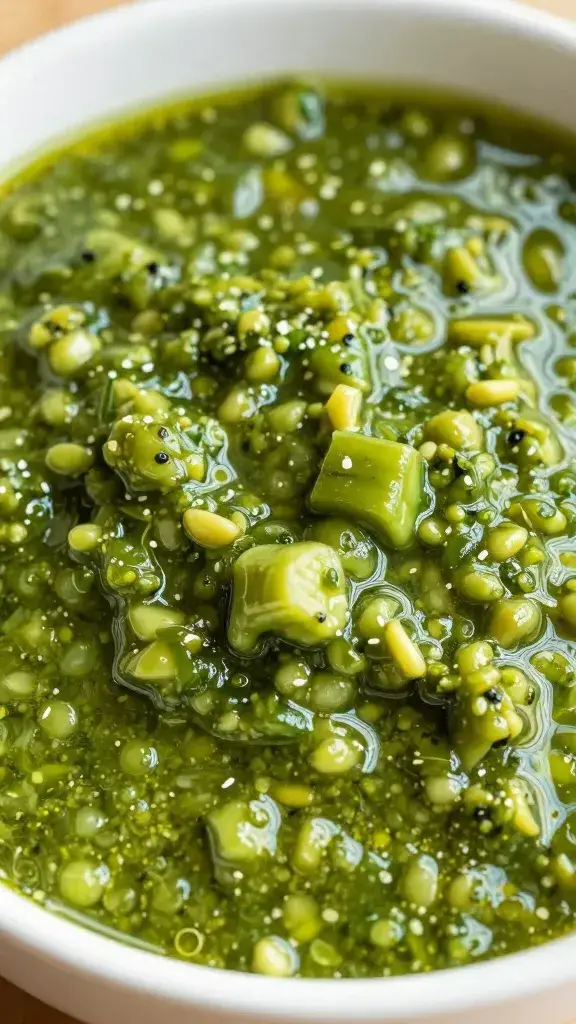
Italian salsa verde is a bright green, zesty sauce from northern Italy that leans on parsley, capers, anchovies, garlic, vinegar, and good olive oil. Think of it as pestos’ bold, brinier cousin who shows up to the party with snacks and strong opinions. Unlike chimichurri or French sauce verte, this version delivers savory depth from anchovies and capers that makes flavors pop. It’s quick, no-cook, and ready in minutes.
The Flavor Profile: Why Capers and Anchovies Matter
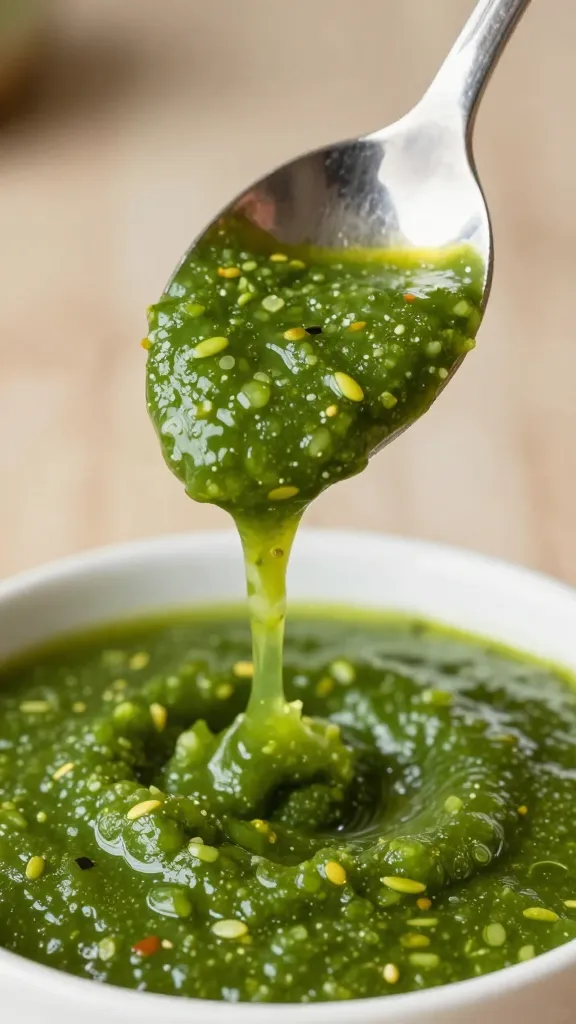
Let’s talk backbone. Capers bring saline tang and floral sharpness. Anchovies bring that deep, savory, I-can’t-quite-place-it umami. Together, they turn a basic herb sauce into a flavor bomb.
- Capers: Briny, lemony, and a little floral. They add zing and brightness.
- Anchovies: Salty, savory, and rich. They melt into the sauce and don’t taste “fishy.”
- Parsley: Fresh, clean, slightly peppery. It keeps things green and balanced.
- Acid (vinegar or lemon): Cuts through fat and lifts the whole sauce.
- Olive oil: Smooths everything out and carries the flavor.
Anchovy Anxiety? Read This
If you fear anchovies, you probably just had a bad one. Good-quality anchovies taste savory, not fishy. They disappear into the mix and simply make everything taste better. FYI, you can reduce them or swap in miso if you’re anchovy-averse, but IMO you’ll miss the magic.
Classic Salsa Verde Recipe (No Fuss, Big Payoff)
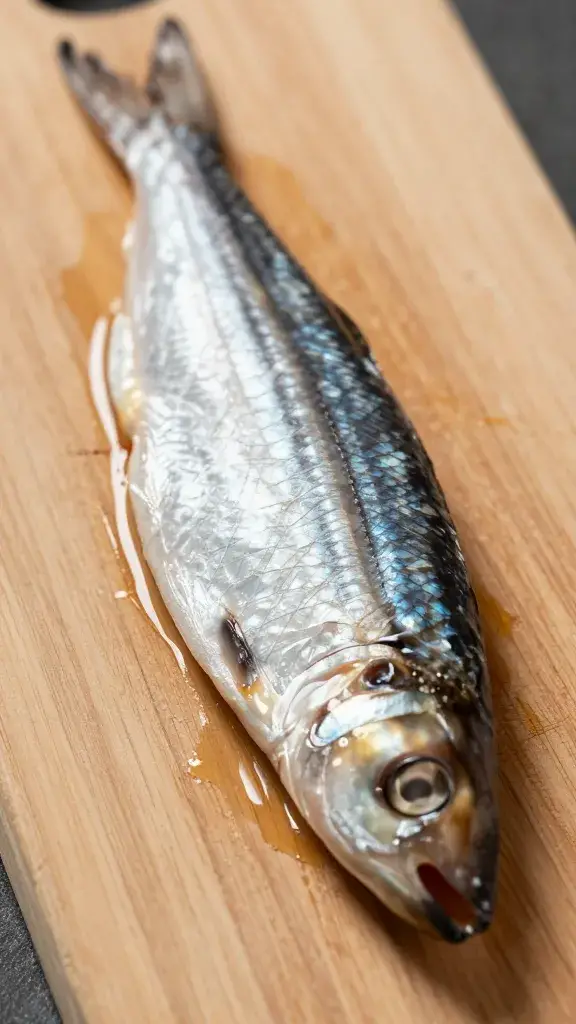
Here’s a tried-and-true version that respects tradition but keeps things flexible. You can hand-chop for texture or blitz quickly in a food processor. I prefer a rough chop for better bite and a more rustic look.
Ingredients:
- 1 large bunch flat-leaf parsley (about 2 packed cups), leaves and tender stems
- 2–3 oil-packed anchovy fillets (or 1 heaping tsp anchovy paste)
- 2 tbsp capers, rinsed and drained
- 1 small garlic clove, minced (go easy—raw garlic hits hard)
- 1–2 tsp Dijon mustard (optional but excellent)
- 2–3 tbsp red wine vinegar or lemon juice
- 1/2–2/3 cup extra-virgin olive oil
- Fine sea salt and black pepper, to taste
- Optional extras: a pinch of red pepper flakes, zest of 1 lemon
Directions:
- Finely chop parsley, anchovies, capers, and garlic together until everything looks small and cohesive.
- Scrape into a bowl. Stir in mustard, vinegar or lemon, and optional zest/flakes.
- Whisk in olive oil gradually until the sauce loosens but still looks spoonable, not soupy.
- Taste. Add salt carefully (anchovies and capers already bring salt), then black pepper to finish.
- Let it sit 10–15 minutes so everything gets friendly.
Texture Tips
– For rustic sauce, chop by hand and leave it a little chunky.
– For silky spoon-over-everything vibes, pulse in a processor, but don’t puree it into oblivion.
– If it thickens in the fridge, add a splash of water or lemon juice to loosen.
How to Use It (Short Answer: On Everything)
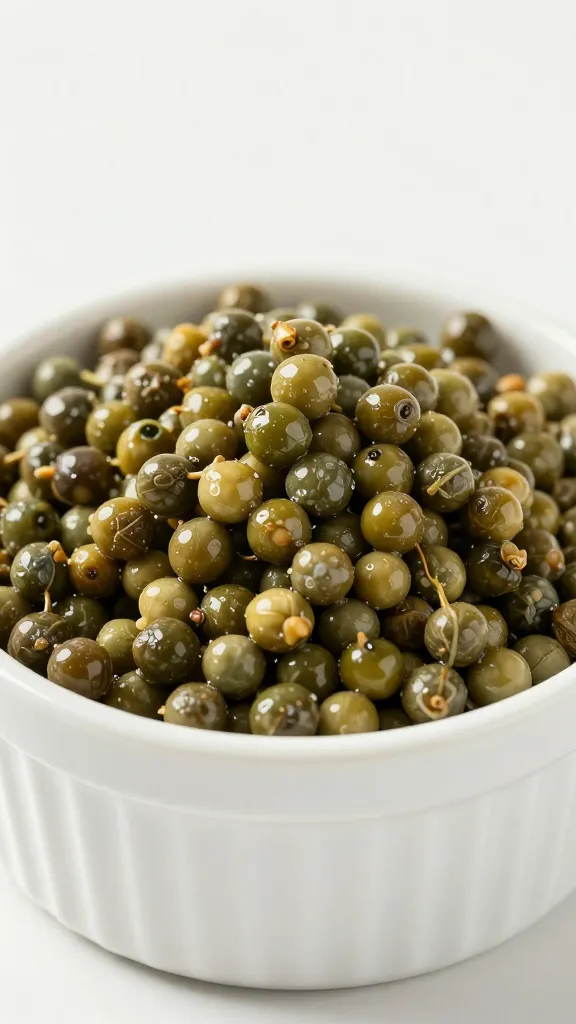
You made a bowl of emerald magic. Now what? Put it on whatever needs a boost. Which is… almost everything.
- Grilled steak or lamb: Cuts richness and adds sparkle.
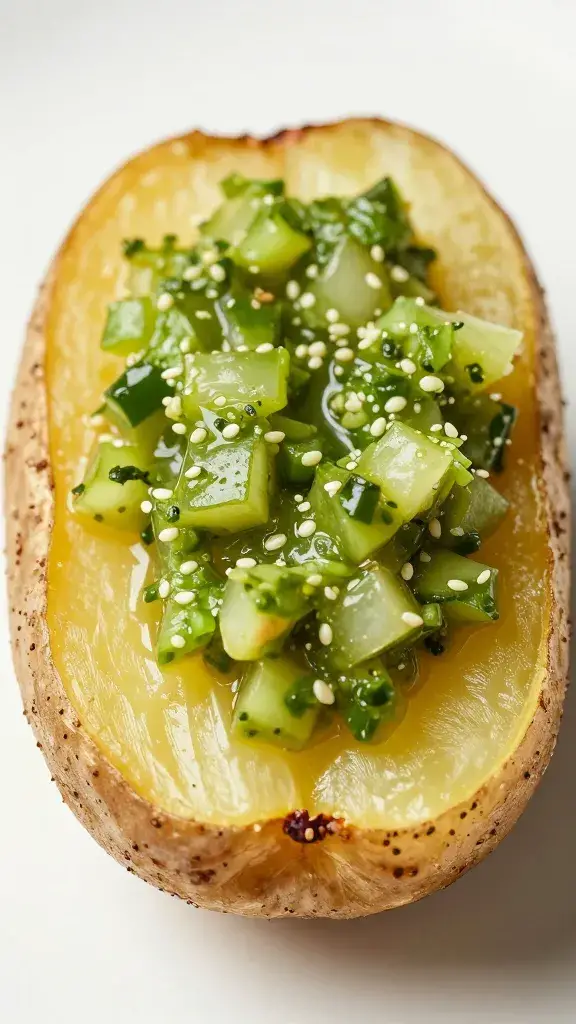
- Roasted veggies: Potatoes, cauliflower, carrots—instant upgrade.
- Fish: Especially white, flaky fish. Anchovy-on-fish? Absolutely.
- Chicken cutlets or rotisserie chicken: Dry? Not anymore.
- Beans and legumes: White beans + salsa verde = classy lunch.
- Eggs: Soft-scrambled, fried, or hard-boiled. Brunch hero.
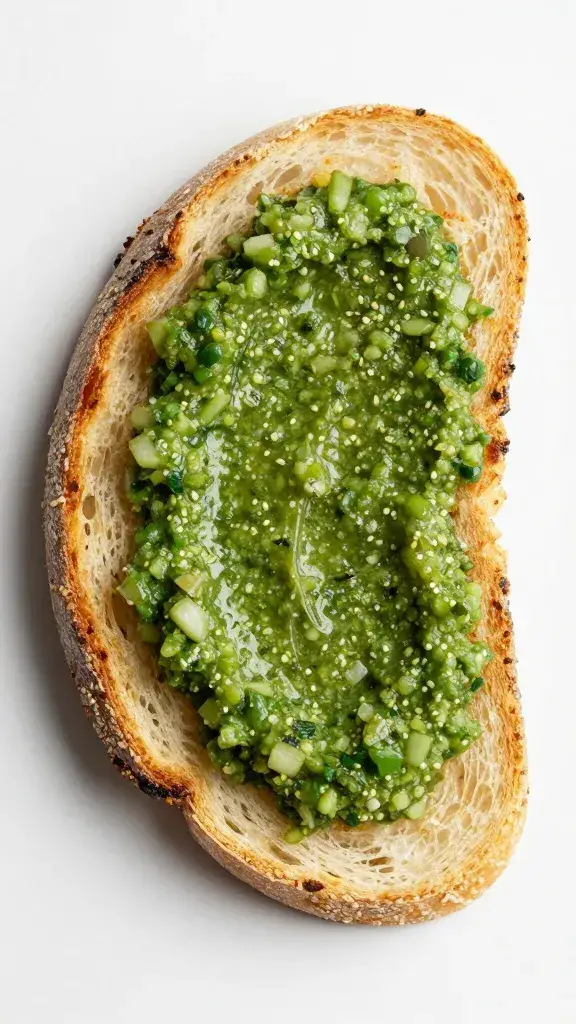
- Sandwiches: Use it like a spread; mix with a little mayo if you want.
- Grains: Toss through farro or quinoa with roasted veg for a hearty bowl.
Pro Pairings
– Add a handful of chopped cornichons for extra tang with pork.
– Swap half the parsley for basil in summer or arugula for peppery bite.
– Stir in chopped olives for a tapenade-adjacent twist.
Ingredient Upgrades That Make a Big Difference
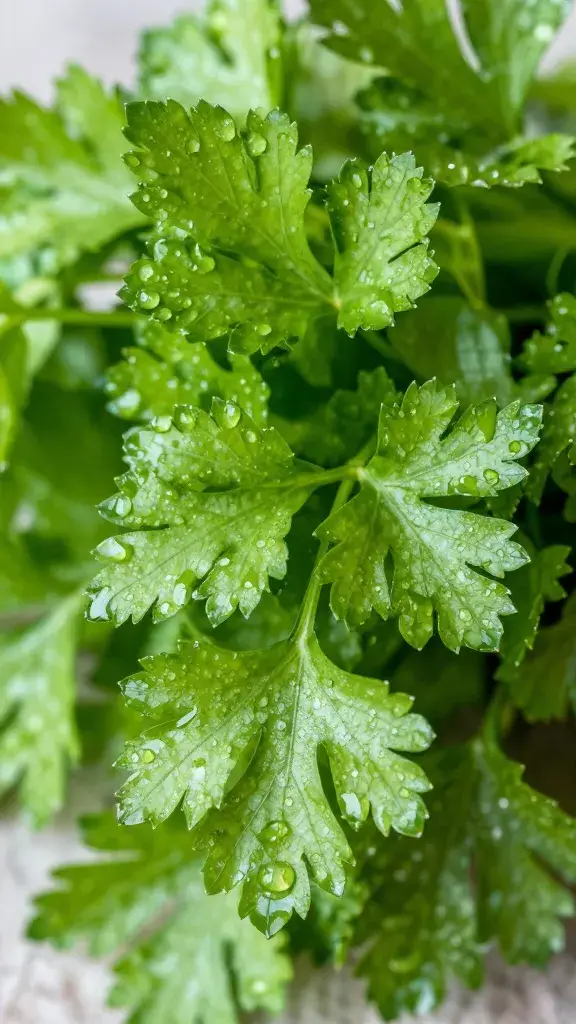
Small choices = big flavor. Here’s what actually matters.
- Parsley freshness: Choose perky, bright leaves. Limp parsley tastes tired.
- Anchovies: Oil-packed fillets from a jar or tin beat cheap paste, IMO. Rinse lightly if very salty.
- Capers: Salt-packed capers taste cleaner; rinse and soak 5 minutes, then drain.
- Olive oil: Use a fruity, medium-intensity extra-virgin. Super peppery oils can overpower.
- Acid: Red wine vinegar brings classic tang; lemon adds freshness. Combine both for balance.
Salinity Control
Anchovies and capers already crank the salt. Taste before salting. If it feels too salty, add more parsley, a splash of lemon, or a little water and oil to diffuse it.
Make-Ahead, Storage, and Leftover Wizardry
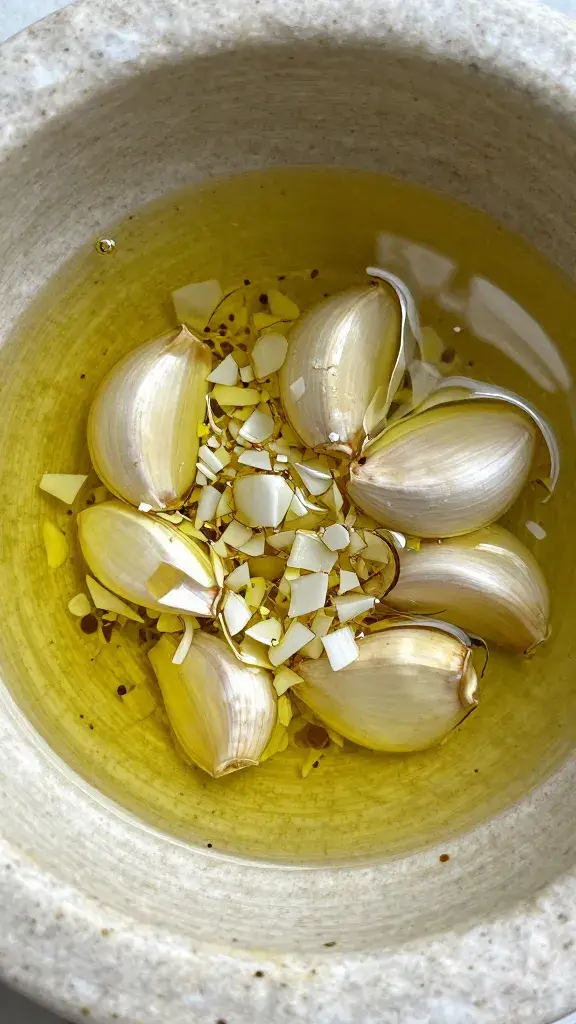
Salsa verde keeps nicely, and it actually tastes better after a short rest. Just don’t hide it in the back of the fridge next to that mystery jar from 2021.
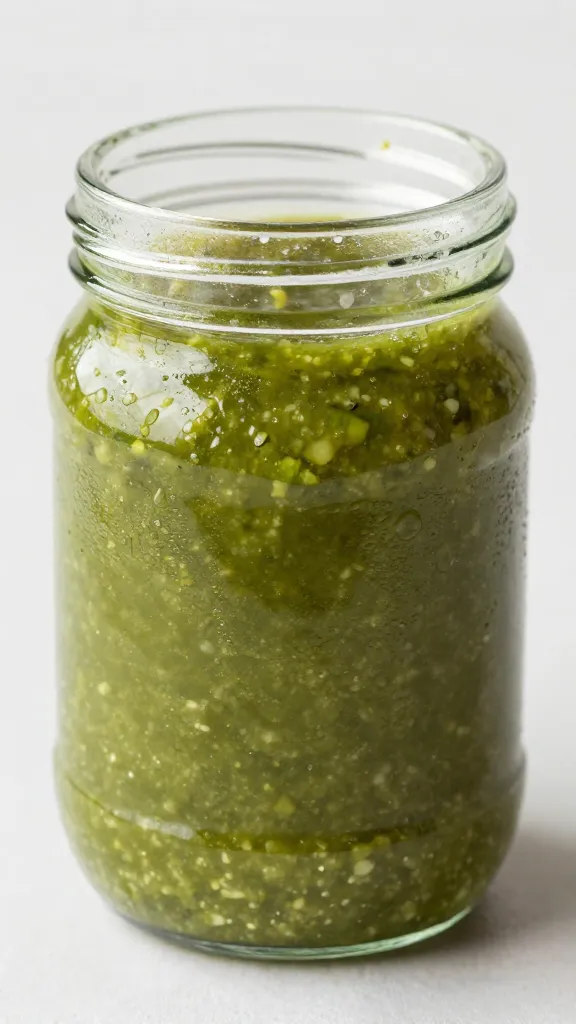
- Fridge: 4–5 days in a sealed jar. Pour a thin oil layer on top to protect color.
- Freezer: Spoon into an ice cube tray, freeze, then bag. Thaw cubes as needed.
- Revive: Whisk with a bit of lemon juice or warm water to loosen and brighten.
Color Preservation
Parsley darkens over time. Add a few basil leaves or a pinch of spinach to keep it vividly green, or just embrace the slightly deeper shade—it still tastes fantastic.
Variations You’ll Actually Use
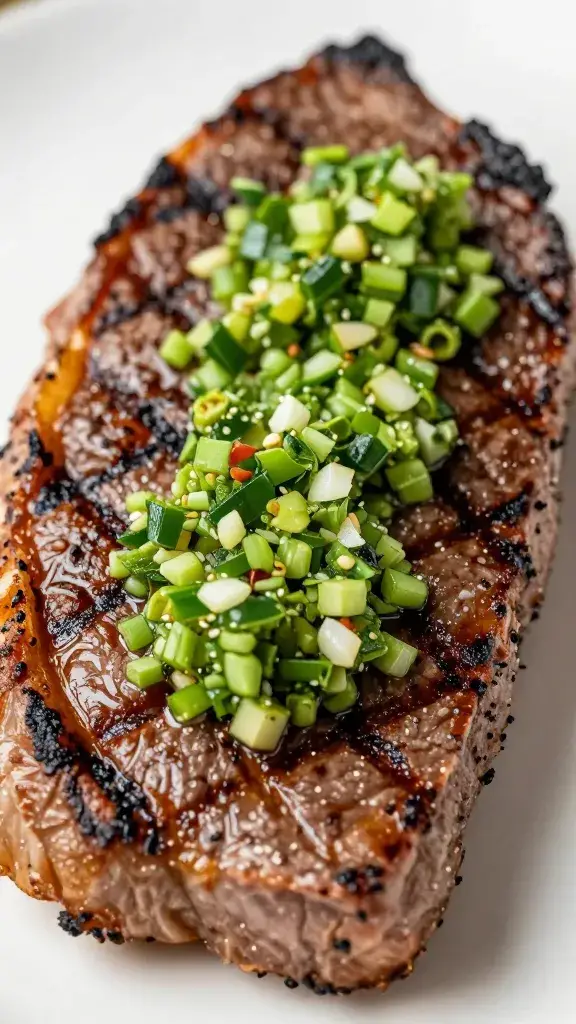
You don’t need to reinvent the sauce. Just tweak it to match the meal.
- Citrus-forward: Use mostly lemon juice and add zest. Great with fish or grilled asparagus.
- Nutty: Stir in toasted pine nuts or almonds for body and crunch.
- Herb medley: Swap in some mint, tarragon, or chives. Keep parsley as the base so it doesn’t go chaotic.
- Heat wave: Red pepper flakes or a tiny fresh chile. Careful—heat can bulldoze delicate flavors.
- Umami bomb: Add 1/2 tsp white miso with fewer anchovies for a different savory angle.
FAQ
Can I make salsa verde without anchovies?
Yes, but it won’t taste the same. Use a little white miso or extra capers to replace umami. Still, anchovies melt into the sauce and don’t read as “fish,” so try just one fillet first.
What’s the difference between Italian salsa verde and chimichurri?
Chimichurri leans on parsley plus oregano, fresh garlic, red wine vinegar, and often chile flakes with a looser texture. Italian salsa verde brings capers and anchovies for briny depth and usually includes Dijon. Both taste fresh and herby, but the Italian version hits saltier, tangier, and richer.
Do I need a mortar and pestle?
Nope. Chop by hand or pulse in a food processor. Mortar and pestle gives a fantastic texture, though, since it gently bruises herbs and blends flavors. If you like ritual and arm workouts, go for it.
Why did my salsa verde turn bitter?
Overprocessing parsley can bruise it into bitterness, and too much raw garlic can take over. Use tender stems only, don’t puree into paste, and keep garlic modest. A drizzle more oil and a squeeze of lemon can fix minor bitterness.
How do I serve it for a dinner party?
Spoon it over a platter of sliced steak, grilled vegetables, or poached salmon. Offer extra in a small bowl with a spoon. It looks stunning next to roasted potatoes and a crisp salad—low effort, high praise.
Is it healthy?
It’s herbs, olive oil, and a few salty flavor bombs. You get antioxidants from parsley and healthy fats from olive oil. Like any sauce, it’s still a condiment, but it beats sugary dressings by a mile.
Conclusion
Italian salsa verde might be the easiest way to cook like you know exactly what you’re doing. It’s bright, briny, and ridiculously versatile—thanks, capers and anchovies. Make a batch, keep it in the fridge, and watch your weeknight meals glow up. And IMO, once you spoon it over crispy potatoes, you’ll never go back.
Printable Recipe Card
Want just the essential recipe details without scrolling through the article? Get our printable recipe card with just the ingredients and instructions.