
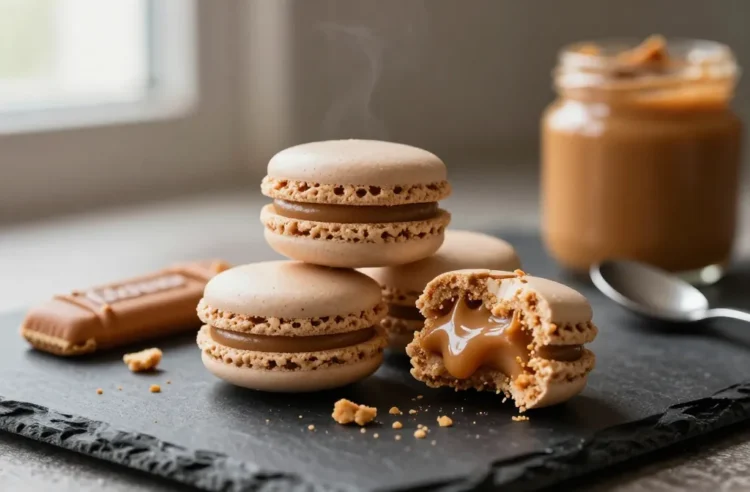
Biscoff cookie butter + macarons = a dangerous level of delicious. We’re talking crisp shells with chewy centers and a silky, spiced filling that tastes like a hug from a cinnamon cookie. If macarons intimidate you, breathe—this recipe walks you through every step with zero snobbery. By the end, you’ll have bakery-level cookies without selling your soul (or your mixer).
Why Biscoff Macarons Hit Different
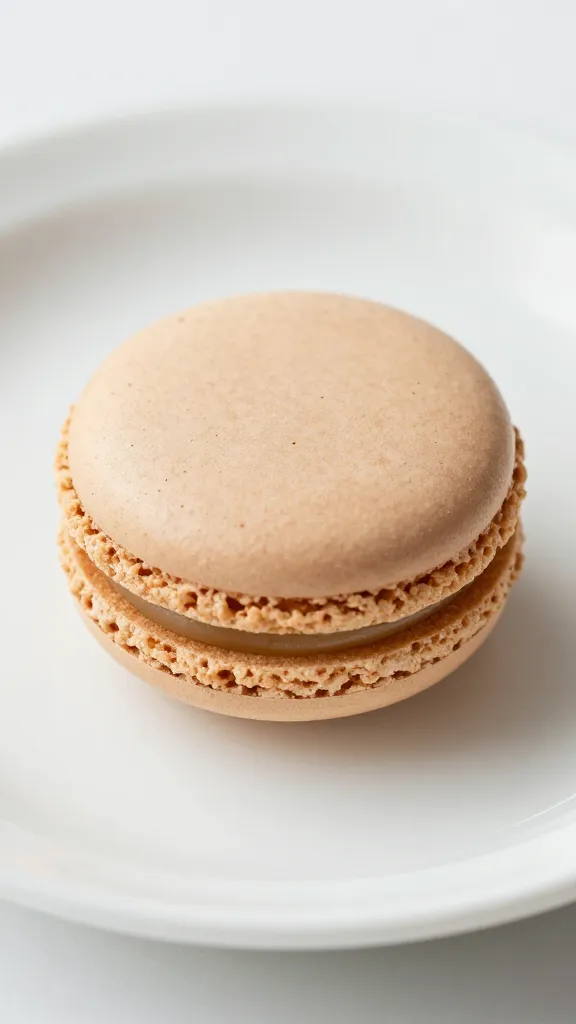
Biscoff brings warm caramelized spice that pairs perfectly with delicate almond shells. The cookie butter buttercream creates a creamy center that doesn’t overwhelm the shell’s texture. It’s sweet, cozy, and just a bit extra—like your favorite friend who always brings dessert.
Bonus: You can make them ahead and they get even better after a day in the fridge. Flavor bloom? Yes, please.
Ingredients You’ll Need
For the macaron shells:
- 110 g almond flour (super fine)
- 100 g powdered sugar
- 100 g egg whites (about 3 large), aged overnight
- 100 g granulated sugar
- 1/4 tsp cream of tartar (optional but helpful)
- Pinch of fine salt
- 1 tsp vanilla extract
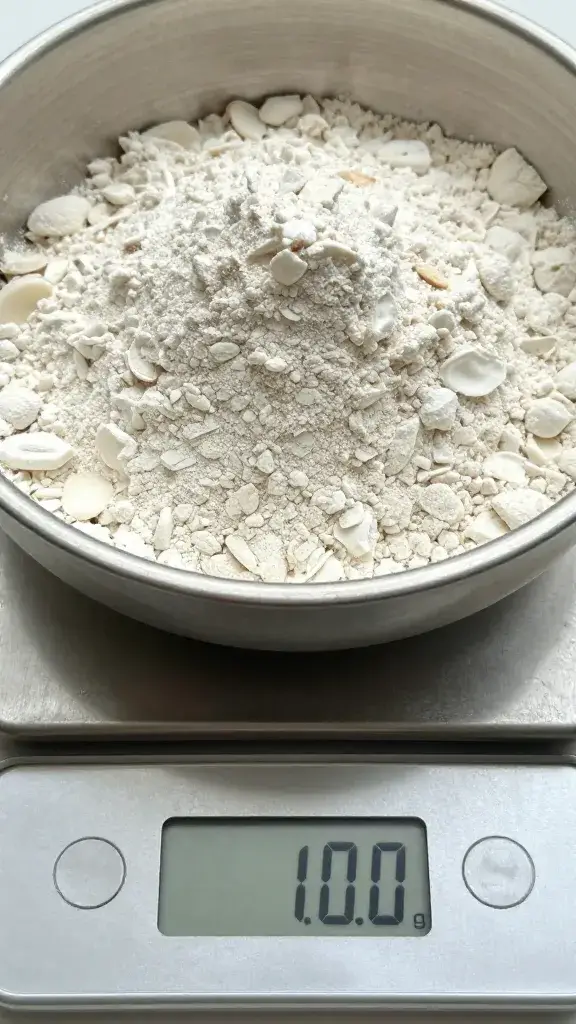
- 1–2 tsp finely crushed Biscoff cookie crumbs (optional, for flavor)
- Brown gel food coloring (optional, go light)
For the Biscoff buttercream:
- 170 g unsalted butter, room temp
- 200–230 g powdered sugar, sifted (adjust to taste)
- 120 g Biscoff cookie butter (smooth)
- 1 tsp vanilla
- Pinch of salt
- 1–2 tbsp heavy cream (as needed)
Optional extras:
- Biscoff cookies for garnish or a tiny center crunch
- Melted Biscoff + crumbs for drizzling and decorating
Gear Check (Don’t Overthink It)
You don’t need a pastry diploma—just a few basics:
- Kitchen scale (non-negotiable for macarons)
- Sifter or fine mesh strainer
- Stand mixer or hand mixer
- Rubber spatula
- Piping bags + round tip (Ateco 804 or similar)
- Two sheet pans + parchment or silicone mats
- Oven thermometer (FYI: ovens lie)
Let’s Bake: Step-by-Step
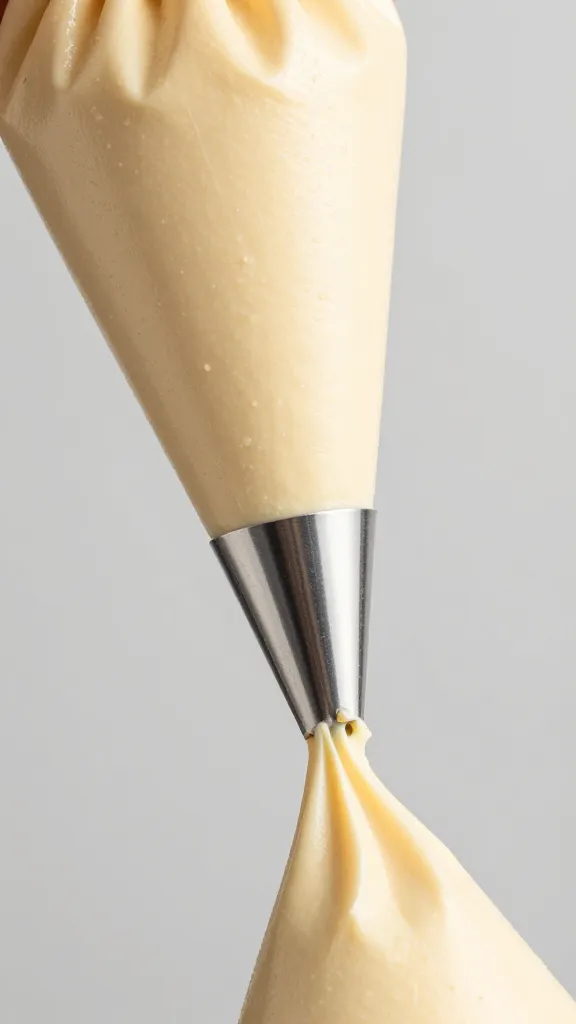
You’ve got this. Follow the flow and don’t rush the resting step, IMO that’s where the magic happens.
Sift and prep the dry mix
- Sift almond flour and powdered sugar together. Repeat once more for a smooth shell.
- If using Biscoff crumbs, sift them too and whisk into the dry mix.
Make a stable meringue
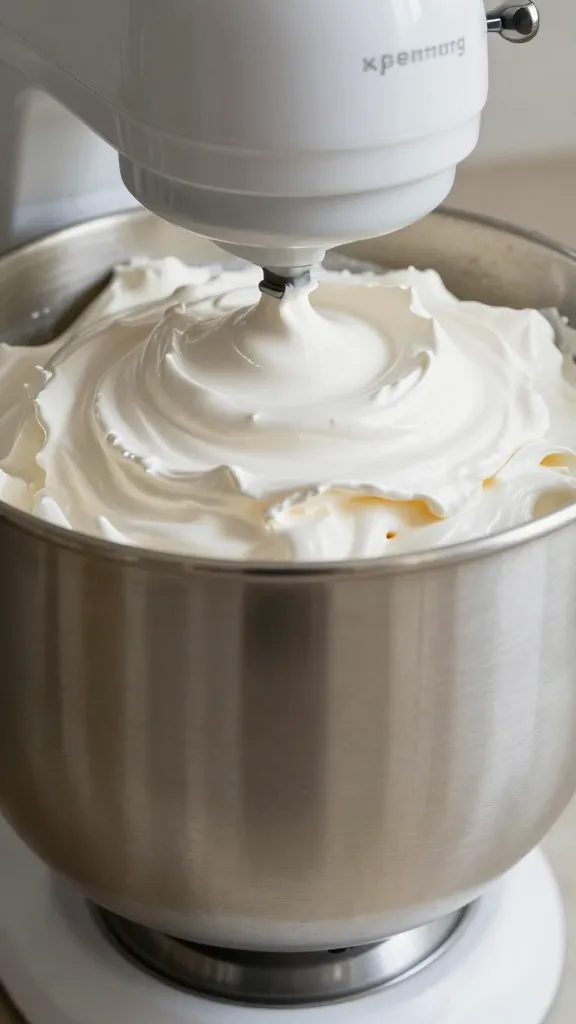
- Whip egg whites with salt until foamy. Add cream of tartar.
- Rain in granulated sugar slowly with the mixer running on medium-high.
- Whip to glossy, stiff peaks. The meringue should create sharp, upright peaks that don’t fold over.
- Mix in vanilla and a tiny drop of gel color if desired.
Macaronage: the fold that matters
- Add half the dry mix to the meringue. Fold with a spatula, pressing some batter against the bowl to deflate large bubbles.
- Add the rest and keep folding until the batter flows like lava—slow ribbons that disappear into the bowl in 10–15 seconds.
- Under-mixed batter gives peaks; over-mixed batter spreads. Aim for silky, not runny.
Pipe and rest
- Pipe 1.5-inch rounds onto lined trays, holding the bag perpendicular.
- Tap trays firmly on the counter 3–4 times to pop bubbles. Use a toothpick to burst any stubborn ones.
- Rest 30–60 minutes, until the shells form a dry skin. Touch gently—no batter should transfer.
Bake
- Preheat to 300°F/150°C (use an oven thermometer).
- Bake one tray at a time for 15–18 minutes. Look for formed feet and set tops.
- Test: gently wiggle a shell. If it slides a bit but doesn’t squish, it’s done.
- Cool completely on the tray before peeling off.
Make the Silkiest Biscoff Buttercream
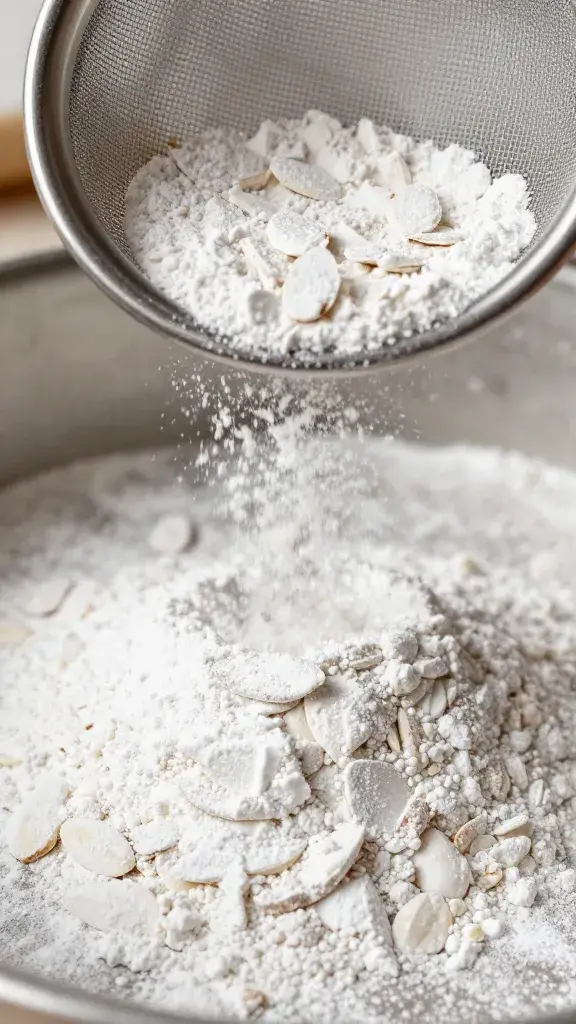
This filling tastes like cookie butter went to finishing school.
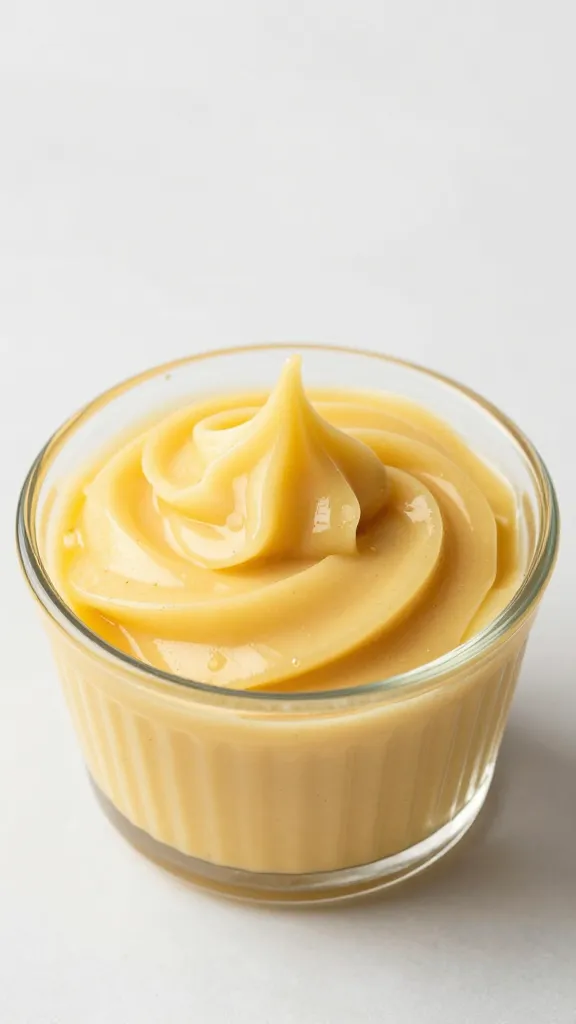
- Beat butter on medium-high until light and fluffy, 2–3 minutes.
- Add powdered sugar in two additions, mixing well.
- Beat in cookie butter, vanilla, and salt until smooth.
- Add cream 1 tsp at a time to reach a pipeable consistency.
Want extra oomph? Stir in 1–2 tbsp crushed Biscoff crumbs for texture. Or pipe a ring of buttercream and add a tiny dollop of straight cookie butter in the center. Dangerously good.
Assemble Like a Pro
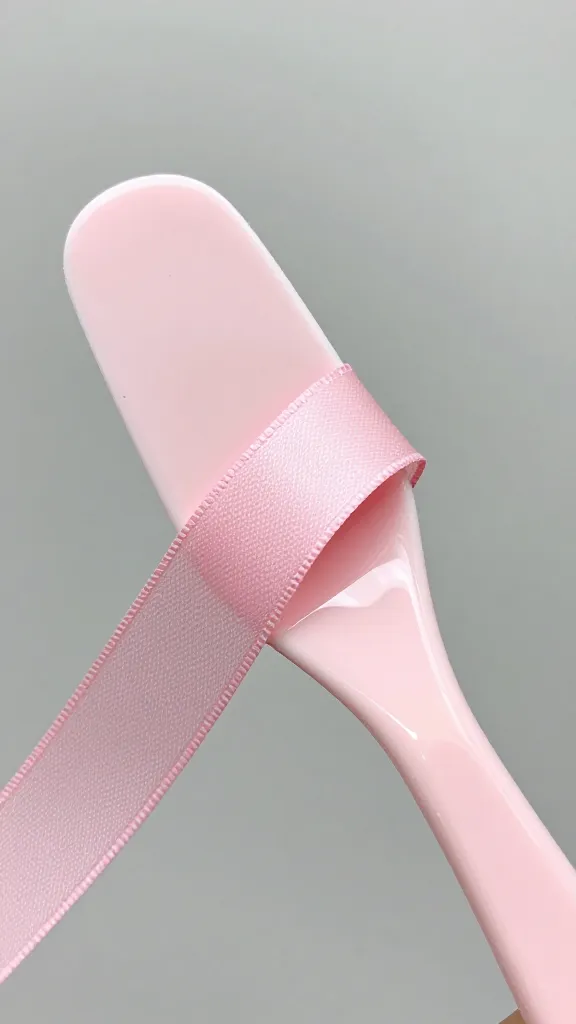
- Pair shells by size. Pipe a swirl of Biscoff buttercream on one shell.
- Sandwich gently—don’t squish the feet, they worked hard.
- Optional: drizzle melted Biscoff and sprinkle cookie crumbs on top for the “I bake on weekends” aesthetic.
Maturation (the glow-up phase)
Macarons taste best after they rest. Refrigerate in an airtight container for 24 hours. The shells absorb moisture from the filling and turn perfectly chewy. Yes, waiting is painful. Worth it though.
Troubleshooting Without Tears
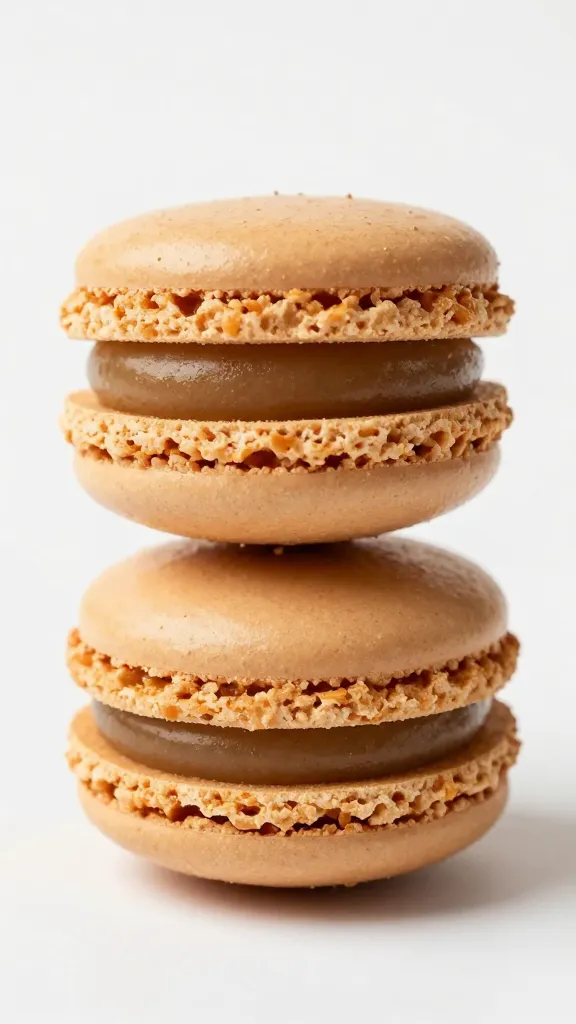
Hollow shells?
- Whip meringue to true stiff peaks, not dry curdly ones.
- Avoid over-mixing during macaronage.
- Lower oven temp by 10–15°F if feet burst or tops crack.
No feet or spreading?
- Rest longer to form a solid skin.
- Macaronage likely went too far—mix a touch less next time.
- Use parchment or a quality silicone mat; some mats run hot.
Cracked tops?
- Pop all surface bubbles.
- Increase rest time or reduce oven temp slightly.
- Check for hot spots—rotate the tray at the 10-minute mark if needed.
Flavor Variations You’ll Love
Because once you nail this, you’ll want to riff.
- Salted caramel Biscoff: Add a ring of Biscoff buttercream with a center of thick salted caramel.
- Espresso Biscoff: Add 1 tsp instant espresso to the buttercream for a latte vibe.
- Chocolate-dipped: Half-dip assembled macarons in melted dark chocolate, then sprinkle crumbs.
- Brown sugar shells: Swap 10 g of granulated sugar for light brown sugar in the meringue for warmth. FYI, dissolve well to avoid grit.
Serving, Storing, and Make-Ahead
Serving: Bring macarons to room temp (about 20–30 minutes) before eating. The filling relaxes and the flavor blooms.
Storing:
- Filled macarons: Refrigerate in an airtight container for up to 5 days.
- Unfilled shells: Freeze up to 2 months. Thaw at room temp in the container to prevent condensation.
Make-ahead plan (IMO, the stress-free route):
- Day 1: Bake shells.
- Day 2: Fill, decorate, and refrigerate to mature.
- Day 3: Serve and accept compliments with grace and a little smugness.
FAQ
Do I really need to age the egg whites?
Aging helps relax proteins and creates a more stable meringue. If you forget, don’t panic—room-temp whites still work. Just whip carefully to stiff peaks and proceed with confidence.
Can I make these without a kitchen scale?
Technically yes, but accuracy matters for macarons. A $10 scale saves heartbreak. Volumetric cups vary wildly, and macarons do not vibe with chaos.
What if I don’t have cream of tartar?
Skip it or add a few drops of lemon juice or vinegar when whipping the whites. You just want a little acidity to stabilize the meringue. Plenty of bakers go without and still get great results.
My macarons stuck to the mat. Help?
They likely needed another 1–2 minutes in the oven. Let them cool fully before removing. If they still stick, switch to parchment or reduce oven moisture by baking a minute longer next round.
Can I use crunchy cookie butter?
Yes, but expect a bumpier buttercream. I prefer smooth for piping, then add texture with a tiny center of crushed cookie. Best of both worlds.
How do I color the shells without messing up texture?
Use gel color and go easy—two drops max for this shade. Too much liquid weakens the batter and kills your feet. For a natural tint, a whisper of cocoa works, but it changes flavor slightly.
Conclusion
Biscoff cookie butter macarons look fancy, taste nostalgic, and honestly aren’t that dramatic once you learn the rhythm. Keep your scale handy, trust the macaronage, and let them rest for that chewy-center magic. Then brew a coffee, take a bite, and prepare to become “the macaron friend.” You earned it.